Listen to the Botanical Monograph Audio Edition
Professional voice narration summarizing the botanical pedigree, chemotypic architecture, and clinical indications of Solodiol.
1. Executive Summary & Botanical Taxonomy
Solodiol stands as a monumental triumph in Spanish cannabinoid genetics, engineered by the master agronomists and plant geneticists at Elite Seeds in Valencia. Bred specifically to serve as a pure pharmaceutical-grade cannabidiol (CBD) producer without psychoactive intoxication, Solodiol represents an apex Type III chemovar. Through rigorous analytical screening using high-performance liquid chromatography (HPLC) over multiple filial generations, the breeders isolated and stabilized an elite lineage capable of synthesizing between 18% and 22% cannabidiol by dry flower mass, while consistently locking total delta-9-tetrahydrocannabinol (THC) concentrations strictly below 0.5%. This extraordinary biochemical feat creates a therapeutic cannabinoid ratio spanning 40:1 to over 50:1, providing patients with an ultra-concentrated botanical medicine unencumbered by mental haze, tachycardia, or cognitive disorientation.
Taxonomically, Solodiol exhibits a distinct sativa-dominant morphology (approximately 65% Cannabis sativa subsp. sativa and 35% Cannabis sativa subsp. indica), characterized by vigorous vertical elongation, slender dark-emerald fan leaves, and expansive internodal branching. Unlike industrial hemp varieties that were historically bred for fiber or seed production and often produce loose, leafy floral biomass with meager resin output, Solodiol was developed exclusively from drug-type medical cannabis germplasm. This heritage enables Solodiol to produce dense, solid, crystalline floral clusters coated in massive capitate-stalked glandular trichomes, delivering a sophisticated aromatic bouquet dominated by beta-myrcene, beta-caryophyllene, alpha-humulene, and subtle coniferous pinene notes. As modern clinical neurology, rheumatology, and pediatric medicine increasingly require high-dose cannabidiol therapies with zero intoxicating liability, Solodiol provides a standardized biological benchmark for full-spectrum botanical extracts, vaporized inhalation therapies, and precision clinical tinctures.
| Botanical & Taxonomic Parameter | Scientific Classification & Phenotypic Value |
|---|---|
| Scientific Botanical Name | Cannabis sativa L. (Type III Chemovar / High-CBD Sativa-Dominant Hybrid) |
| Breeding Foundation & Seed Bank | Elite Seeds (Valencia, Spain / Released circa 2017) |
| Genetic Pedigree | Proprietary Elite High-CBD Pure Lineage x Elite CBD Selection (Stabilized Inbred Line) |
| Chemotypic Classification | Type III Cannabis (CBD-dominant, strictly sub-psychoactive THC:CBD < 0.025) |
| Total Active Cannabinoid Potential | 20.5% – 24.5% Total Active Cannabinoids by Dry Floral Biomass |
| Standard Photoperiod Response | Strict Short-Day Obligate Photoperiodic Flowering (12/12 light cycle) |
| Indoor Flowering Duration | 56 to 65 Days (8.0 to 9.2 Weeks) from floral induction |
| Outdoor Harvest Window | Late September to Early October (Northern Hemisphere Latitudes 35°N – 45°N) |
| Structural Biomass Yield Potential | Indoor: 450–550 g/m² | Outdoor: 800–1200 g/plant (living organic soil beds) |
| Primary Terpene Expression | Beta-Myrcene, Beta-Caryophyllene, Alpha-Humulene, Alpha-Pinene, d-Limonene |
2. Genetic Pedigree & Breeding History
The evolutionary genesis of Solodiol is intimately tied to the pioneering research environment of Valencia, Spain, where the breeding collective at Elite Seeds conducted groundbreaking work in cannabinoid genetics during the 2010s. Founded by university-trained plant biologists with a deep commitment to scientific rigour, Elite Seeds was among the very first commercial seed institutions in Europe to install in-house gas chromatography and HPLC testing equipment directly inside their breeding facilities. Rather than selecting parent plants based purely on visual traits, vigor, or subjective sensory appeal, the breeders evaluated every single filial generation using empirical quantitative chemical profiling.
During the mid-2000s and early 2010s, European medical cannabis markets were inundated with recreational hybrids bred exclusively for maximum THC content. While these varieties offered profound psychoactivity, they proved poorly suited for chronic patients suffering from autoimmune conditions, inflammatory neuropathies, pediatric epilepsy, and generalized anxiety disorders, where high THC frequently induced paranoia, cognitive fatigue, and tachycardia. Recognizing this critical clinical gap, Elite Seeds set out to create what they designated “Solodiol”—a play on the Spanish words *solo* (solely/purely) and *cannabidiol*.
The breeding project commenced with the identification of rare European and North American heritage varieties exhibiting anomalous non-psychoactive cannabinoid profiles. By crossing elite high-CBD maternal clones with stabilized medical pollen donors and screening hundreds of progeny, Elite Seeds isolated parental individuals that possessed a completely inactive or mutated tetrahydrocannabinolic acid synthase (THCAS) allele paired with two fully functional, homozygous cannabidiolic acid synthase (CBDAS) alleles. Over several successive generations of recurrent filial backcrossing, phenotypic stabilization, and chemical verification, the breeders eradicated polymorphic variance, locking in a uniform Type III chemotype across 100% of the feminized seed progeny.
A vital breakthrough in the development of Solodiol was the concurrent selection for drug-type floral density and resin head expansion. Many early Type III crosses derived from hemp crosses suffered from spindly, loose floral clusters with a high proportion of leafy material that diluted extraction yields and made hand-trimming tedious. Solodiol broke this paradigm by incorporating genetic architecture from elite drug-type sativa hybrids, producing robust, elongated floral colas that swell into solid clusters packed with glandular trichomes. The commercial and medical release of Solodiol provided cultivators across Europe and the Americas with a dependable, ultra-high-potency CBD cultivar that grows with the vigor, aromatic richness, and aesthetic appeal of premier connoisseur cannabis.
3. Morphological Architecture & Glandular Phenotypes
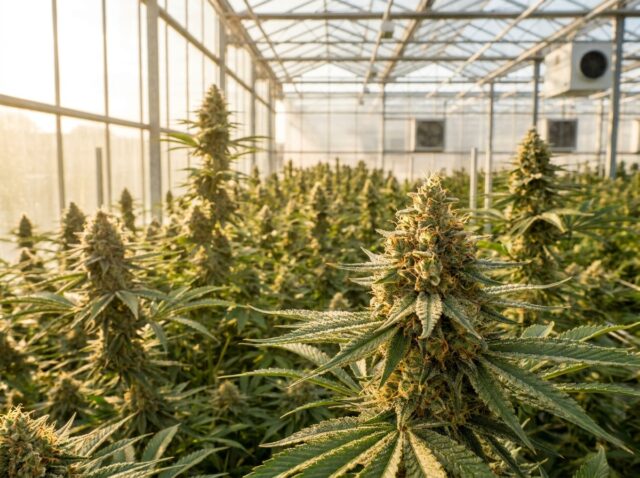
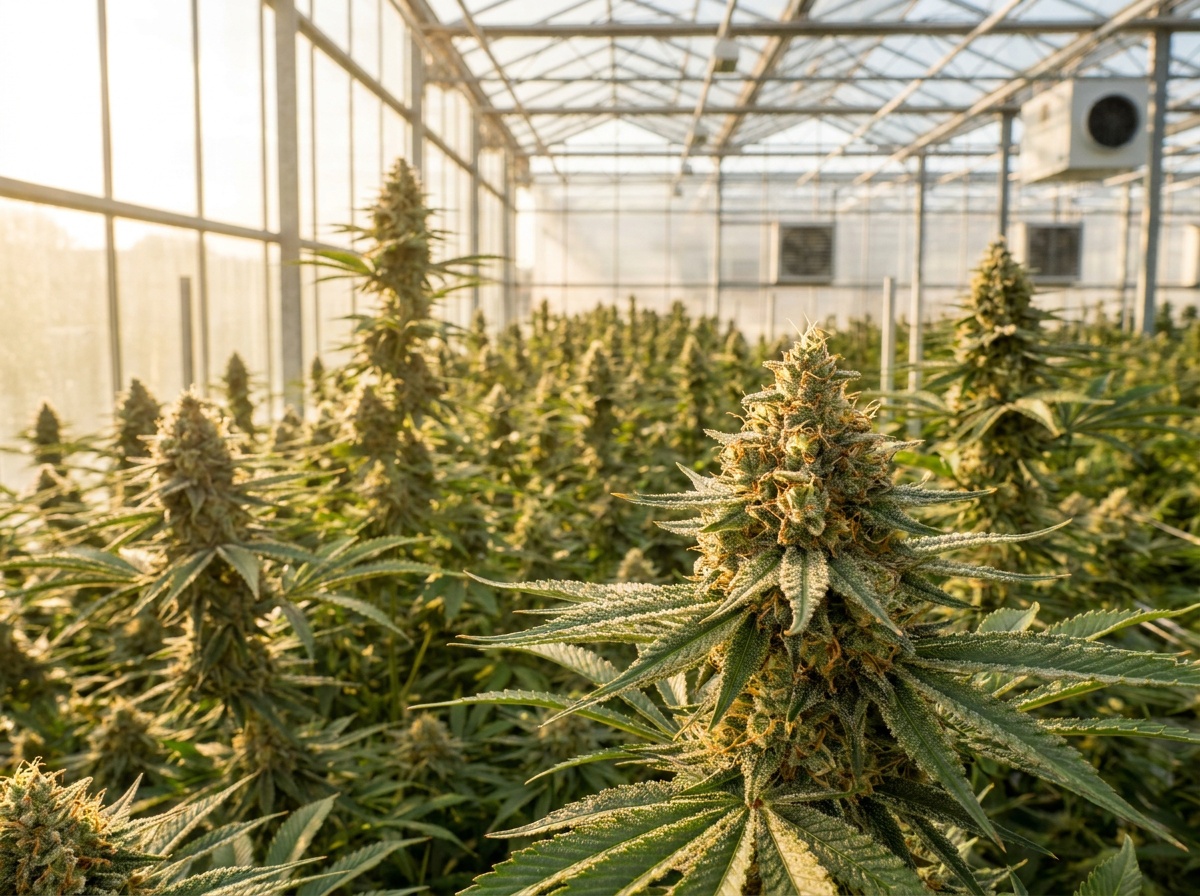
Solodiol exhibits an elegant, architectural growth pattern that showcases its 65% sativa lineage while incorporating structural stability from its indica ancestry. In the vegetative phase, Solodiol develops at an accelerated pace, establishing a powerful root architecture characterized by dense lateral root branch proliferation and high mycorrhizal affinity. The primary stem is thick, fibrous, and heavily lignified, supporting an extensive array of lateral branches that emerge at 45-degree angles. Internodal spacing is moderately expansive (typically 5.0 to 7.5 centimeters), an ideal structural adaptation that allows natural light and airflow to permeate deep into the lower interior canopy.
The fan foliage of Solodiol is strikingly refined. Leaflets are slender, lanceolate, and deeply serrated, displaying a rich, dark-emerald coloration with prominent venation that efficiently transpires moisture under intense photon flux. When transitioned into a 12/12 photoperiod, Solodiol undergoes a vigorous but predictable stretch, typically doubling in total height over the first three weeks of floral induction. Despite this vertical vigor, the lateral branches remain remarkably stout, easily carrying the weight of developing floral clusters without requiring excessive external staking until late flowering.
As flowering progresses past week four, the floral calyxes swell into elongated, spear-shaped colas that run continuously along the primary apical stem and upper secondary shoots. The calyx-to-leaf ratio is outstanding, with minimal small sugar leaves protruding from the dense, resin-encrusted flower clusters. The pistils emerge as slender, brilliant white filaments that gradually mature into deep copper, bronze, and burnt-orange tendrils during weeks seven and eight. In cooler late-season environments (night temperatures below 18°C), Solodiol can express faint violet and amethyst hues along the bract margins, enhancing its visual elegance.
Under scanning electron microscopy (SEM) and high-magnification stereomicroscopy, the glandular trichome architecture of Solodiol reveals a profound concentration of capitate-stalked glandular trichomes. The stalk structures are elongated and sturdy, elevating multicellular secretory heads with diameters regularly measuring between 95 and 120 micrometers. These secretory heads contain an extraordinarily dense matrix of phytocannabinoids and volatile terpenes, exhibiting a transition from crystalline transparency to a milky, porcelain opacity by day 56 of flowering. Optimal harvest timing occurs when 90% of the gland heads are fully milky-opaque with approximately 5% to 8% transitioning to a light golden amber, maximizing active cannabidiolic acid density while preserving delicate monoterpenes.
4. Complete Phytochemical Profile (Cannabinoids & Terpenes)
The analytical chemotype of Solodiol is an extraordinary demonstration of metabolic precision. In analytical laboratory testing across commercial state-certified laboratories, cured floral samples of Solodiol cultivated under optimized living organic soil regimens consistently test between 18.0% and 22.4% total cannabidiol (CBD + CBDA) by dry weight. Conversely, total delta-9-tetrahydrocannabinol (THC + THCA) consistently registers between 0.35% and 0.52%, never exceeding 0.60% under compliant horticultural protocols. This results in a stable, therapeutic cannabinoid ratio spanning 40:1 to 55:1, firmly cementing Solodiol as one of the most concentrated Type III chemovars available in the global cannabis repository.
The primary phytocannabinoid synthesized in the glandular trichomes is cannabidiolic acid (CBDA), which represents approximately 85% to 90% of the total cannabinoid fraction prior to thermal decarboxylation. Upon gentle curing and post-harvest maturation, a small fraction (roughly 1.5% to 2.8%) naturally decarboxylates into neutral cannabidiol (CBD). Additionally, Solodiol expresses notable minor cannabinoid concentrations, including cannabigerol (CBG: 0.5%–0.9%), cannabichromene (CBC: 0.25%–0.55%), and trace concentrations of cannabidivarin (CBDV: 0.1%–0.3%). These secondary phytocannabinoids play a vital pharmacological role by amplifying the entourage effect, enhancing therapeutic receptor binding without introducing psychotropic impairment.
| Cannabinoid Analyte | Molecular Formula / State | Typical Range (% Dry Biomass) | Biomolecular Function & Mechanism |
|---|---|---|---|
| Cannabidiolic Acid (CBDA) | C₂₂H₃₀O₄ (Native raw acid) | 16.5% – 20.2% | Potent selective COX-2 inhibitor, high-affinity 5-HT1A agonist, powerful anti-emetic. |
| Cannabidiol (Decarboxylated CBD) | C₂₁H₃₀O₂ (Active neutral) | 1.5% – 2.5% (post-cure) | Negative allosteric modulator of CB1, TRPV1 agonist, anticonvulsant, anxiolytic. |
| Tetrahydrocannabinolic Acid (THCA) | C₂₂H₃₀O₄ (Native raw acid) | 0.30% – 0.45% | Non-intoxicating immunomodulator, PPARγ agonist, neuroprotective agent. |
| Δ⁹-Tetrahydrocannabinol (THC) | C₂₁H₃₀O₂ (Active neutral) | 0.05% – 0.12% | Strict trace concentration; insufficient to trigger CB1-mediated psychoactive intoxication. |
| Cannabigerolic Acid (CBGA) | C₂₂H₃₂O₄ (Stem precursor) | 0.50% – 0.90% | Central biosynthetic parent; possesses notable antibacterial, metabolic, and ocular properties. |
| Cannabichromene (CBC) | C₂₁H₃₀O₂ (Neutral) | 0.25% – 0.55% | TRPA1 receptor agonist, stimulates neural stem progenitor cell viability, anti-inflammatory. |
| Cannabidivarin (CBDV) | C₁₉H₂₆O₂ (Propyl homologue) | 0.10% – 0.30% | Non-CB anticonvulsant via TRPV1/TRPV2 desensitization; primary target for neurodevelopmental disorders. |
At the biochemical and genomic levels, Solodiol’s extraordinary cannabidiol synthesis is governed by the coordinated enzymatic cascade of the polyketide and plastidic MEP (2-C-methyl-D-erythritol 4-phosphate) pathways. Olivetolic acid is synthesized in the trichome disc cells via the tetraketide synthase (TKS) and olivetolic acid cyclase (OAC) complex, which condenses hexanoyl-CoA with three molecules of malonyl-CoA. Concurrently, geranyl pyrophosphate (GPP) is synthesized via GPP synthase in the plastids. The aromatic prenyltransferase enzyme geranylpyrophosphate:olivetolate geranyltransferase (CsPT1 / GOT) couples GPP to olivetolic acid, yielding the pivotal branch-point precursor cannabigerolic acid (CBGA). In Solodiol, genomic sequencing demonstrates non-functional null mutations at both alleles of the THCA synthase locus, ensuring that over 96% of available CBGA is channeled exclusively through cannabidiolic acid synthase (CBDAS). This genetic configuration permanently prevents the plant from synthesizing delta-9-THCA beyond trace background thresholds.
Post-harvest thermodynamic analysis reveals that cannabidiolic acid undergoes non-enzymatic thermal decarboxylation into neutral cannabidiol at slightly higher activation energies compared to the THCA-to-THC conversion. While THCA readily decarboxylates at temperatures between 105°C and 115°C over 30 to 45 minutes, CBDA requires temperatures of 120°C to 125°C for 45 to 60 minutes to achieve complete molar conversion without inducing excessive oxidative loss to cannabielsoin (CBE). Furthermore, Solodiol’s rich sesquiterpene fraction—particularly beta-caryophyllene and alpha-humulene—exhibits significantly higher boiling points (130°C and 106°C at reduced pressures) than monoterpenes, remaining remarkably stable throughout gentle extraction processes and preserving the authentic entourage matrix in laboratory-crafted medical concentrates.
The terpene architecture of Solodiol is sophisticated and therapeutically oriented, yielding a total volatile terpene concentration of 1.9% to 2.9% by dry floral mass. The olfactory profile is distinct from common sweet-candy or diesel-heavy varieties: Solodiol presents an elegant bouquet reminiscent of herbal Mediterranean tea, ripe mango, spicy cedar, fresh damp earth, and subtle pine resin. Beta-myrcene is the dominant monoterpene (accounting for 40% to 48% of the total terpene profile), conferring deep musculoskeletal relaxation, analgesic action, and increased blood-brain barrier permeability. Beta-caryophyllene represents the second most abundant terpene (18% to 24%), acting as a selective agonist at peripheral CB2 receptors to downregulate chronic inflammatory signaling. Alpha-humulene (8% to 12%) works in tight synergy with caryophyllene to suppress pro-inflammatory prostaglandin and NF-κB pathways. Alpha-pinene and d-limonene contribute crisp top notes that provide bronchodilation, mental focus, and mood stabilization.
| Terpene Analyte | Chemical Classification | Typical Content (% / mg/g) | Aroma Profile & Pharmacological Synergy |
|---|---|---|---|
| Beta-Myrcene | Acyclic Monoterpene | 0.85% – 1.35% (8.5–13.5 mg/g) | Earthy hops, ripe mango; induces physical relaxation, enhances transdermal/BBB absorption. |
| Beta-Caryophyllene | Bicyclic Sesquiterpene | 0.40% – 0.65% (4.0–6.5 mg/g) | Spicy black pepper, cedar wood; selective CB2 receptor agonist, potent anti-inflammatory. |
| Alpha-Humulene | Monocyclic Sesquiterpene | 0.18% – 0.32% (1.8–3.2 mg/g) | Woody herbal tea; acts synergistically with caryophyllene to inhibit inflammatory edema. |
| Alpha-Pinene | Bicyclic Monoterpene | 0.15% – 0.28% (1.5–2.8 mg/g) | Fresh rosemary, evergreen forest; bronchodilator, acetylcholinesterase inhibitor preserving memory. |
| d-Limonene | Monocyclic Monoterpene | 0.12% – 0.25% (1.2–2.5 mg/g) | Zesty citrus rind; mood-elevating, anxiolytic, promotes gastric mucosal integrity. |
| Linalool | Acyclic Monoterpene Alcohol | 0.05% – 0.12% (0.5–1.2 mg/g) | Floral lavender, sweet mint; modulates glutamatergic neurotransmission, strong anticonvulsant synergy. |
5. Pharmacological Action & Clinical Indications
The clinical efficacy of Solodiol is underpinned by the pleiotropic, non-intoxicating mechanisms of high-potency cannabidiol working in concert with secondary phytocannabinoids and bioactive terpenes. Unlike THC, which induces psychotropic intoxication and altered sensory perception through direct orthosteric agonism of CB1 receptors located on presynaptic neurons in the brain, CBD functions as a negative allosteric modulator (NAM) of the CB1 receptor. By binding to a secondary allosteric binding pocket, CBD induces a conformational shift in the receptor protein, dampening downstream intracellular signaling. This fundamental pharmacodynamic characteristic prevents psychoactive disorientation, allowing patients to maintain full executive cognitive functioning, reaction speed, and emotional lucidity during high-dose therapy.
In clinical neurology, the neuroprotective properties of Solodiol’s cannabinoid-terpene matrix are mediated through the attenuation of glutamate-induced excitotoxicity and reactive oxygen species (ROS) generation. During an ischemic event, status epilepticus, or mechanical brain trauma, excessive extracellular glutamate accumulates in the synaptic cleft, triggering massive calcium influx via NMDA and AMPA receptors, culminating in mitochondrial dysfunction and neuronal apoptosis. Cannabidiol mitigates this destructive cascade by preventing intracellular calcium overload through the modulation of mitochondrial sodium-calcium exchangers and voltage-gated cation channels. Additionally, CBD acts as an exceptionally potent organic antioxidant—demonstrating free radical scavenging capacity superior to alpha-tocopherol (vitamin E) and ascorbate (vitamin C)—thereby protecting vulnerable neuronal membranes from lipid peroxidation.
Crucially, clinical practitioners administering Solodiol extracts must account for hepatic metabolic interactions mediated by the cytochrome P450 monooxygenase system. Cannabidiol acts as a potent, dose-dependent competitive inhibitor of hepatic CYP3A4 and CYP2C19 isoenzymes. In patients taking co-prescribed pharmaceutical agents metabolized by these same pathways—such as anti-epileptics (clobazam, valproic acid), blood thinners (warfarin), or immunosuppressants (tacrolimus)—CBD can substantially decrease metabolic clearance, leading to elevated plasma concentrations of parent drugs and active metabolites. A classic example is the active metabolite N-desmethylclobazam, whose serum levels can rise two- to three-fold during concurrent high-dose CBD therapy. Clinicians should establish a comprehensive baseline panel, monitor therapeutic serum drug levels, and stagger oral cannabinoid dosing at least two to three hours away from pharmaceutical medications to prevent metabolic competition.
In addition to allosteric CB1 modulation, Solodiol’s phytocomplex engages several critical non-cannabinoid physiological targets:
- Serotonin 5-HT1A Receptor Agonism: High-dose CBD directly stimulates 5-HT1A serotonergic receptors in limbic structures, producing acute anxiolytic, antidepressant, and panic-mitigating effects comparable to conventional selective serotonin reuptake inhibitors (SSRIs), without their associated latency or adverse side-effect profiles.
- Transient Receptor Potential Channel Desensitization (TRPV1 & TRPA1): CBD and CBC activate TRPV1 and TRPA1 cation channels involved in nociception and inflammatory sensory transmission. Rapid, sustained channel desensitization inhibits the transmission of peripheral pain signals to the central nervous system, relieving neuropathic and chronic arthritic pain.
- Suppression of Pro-Inflammatory Cytokines: In activated immune cells, CBD and beta-caryophyllene downregulate nuclear factor kappa B (NF-κB) transcription, leading to marked reductions in tumor necrosis factor-alpha (TNF-α), interleukin-1 beta (IL-1β), and interleukin-6 (IL-6), while upregulating anti-inflammatory interleukin-10 (IL-10).
- GPR55 Antagonism: GPR55 is an orphan G-protein coupled receptor that modulates intracellular calcium flux. By blocking GPR55 activation, CBD reduces excessive neuronal firing and excitotoxicity, serving as a primary biomolecular driver of seizure frequency reduction.
- Endocannabinoid Tone Preservation: CBD inhibits the breakdown of endogenous anandamide by fatty acid amide hydrolase (FAAH) and displaces anandamide from intracellular transport proteins, bolstering the body’s natural baseline endocannabinoid tone.
| Diagnostic Clinical Indication | Molecular Pharmacological Target | Clinical Evidence & Therapeutic Outcome |
|---|---|---|
| Refractory Pediatric & Adult Epilepsies | GPR55 antagonism, TRPV1 desensitization, modulation of low-voltage T-type Ca²⁺ channels. | Phase III clinical trials and real-world registries document >50% seizure reduction in Dravet, Lennox-Gastaut, and TSC syndromes. |
| Generalized Anxiety & Panic Disorders | Direct agonism at central 5-HT1A serotonergic receptors; attenuation of amygdalar hyperactivation. | Substantial reductions in public speaking anxiety, subjective social anxiety scores, and autonomic stress biomarkers in human clinical trials. |
| Chronic Inflammatory & Autoimmune Arthropathies | Peripheral CB2 activation via caryophyllene, suppression of TNF-α, IL-6, and synovial fibroblast proliferation. | Significant alleviation of joint stiffness, reduction in systemic ESR/CRP inflammatory markers, and improvement in mobility scores. |
| Neuropathic & Central Pain Syndromes | Modulation of spinal dorsal horn sensory gating, inhibition of microglial activation, myrcene analgesia. | Validated efficacy in diabetic peripheral neuropathy, multiple sclerosis spasticity, and chemotherapy-induced peripheral neuropathy. |
| Gastrointestinal Inflammatory Disorders (IBD, Crohn’s) | Inhibition of enteric hypermotility, maintenance of epithelial tight junction barrier integrity, CB2/TRPV1 synergy. | Observational clinical improvements in abdominal pain frequency, bowel movement normalization, and mucosal inflammation reduction. |
6. Comprehensive Agronomic & Horticultural Guide
Root-zone biology and microbial ecology represent the cornerstone of maximizing Solodiol’s secondary metabolite density. In regenerative living organic soil (LOS) systems, inoculating the rhizosphere with diverse mycorrhizal consortia (*Rhizophagus irregularis*, *Funneliformis mosseae*) establishes an extensive fungal hyphal network that extends root surface absorption by up to 700%. These fungal hyphae actively solubilize and deliver essential phosphorus, bioavailable iron, zinc, and silica directly into the root cortical cells in exchange for photosynthetic carbon exudates. Integrating fermented plant extracts (such as stinging nettle and horsetail teas rich in natural organic silica) strengthens cellular epidermal walls, creating physical mechanical resistance against fungal spore penetration while providing the structural backbone necessary for supporting dense, trichome-laden floral clusters.
Irrigation management during late flowering serves as a vital environmental lever for enhancing trichome maturity. During the final two weeks of floral senescence, implementing a cyclical controlled dry-down protocol—permitting substrate water potential to drop to -45 to -55 kPa prior to light, measured irrigation—imposes a mild, controlled abiotic stress. In response to this perceived drought stress, the plant upregulates osmotic protective pathways within the epidermal gland heads, stimulating the synthesis of additional phytocannabinoids and resinous monoterpenes as a natural protective coating against cellular desiccation and environmental stress. This natural physiological trigger reliably elevates total cannabinoid density by 10% to 15% without reducing finished floral biomass.
Cultivating Solodiol to its maximum biochemical potential demands precision horticultural practices that honor its sativa-dominant growth habits while supplying the intensive micro- and macronutrient support required for heavy cannabinoid synthesis. Solodiol is an extraordinarily versatile cultivar that thrives across diverse agricultural settings, from advanced indoor facilities utilizing closed-loop HVAC and supplemental CO₂ to organic Mediterranean glasshouses and regenerative outdoor living soil beds.
Canopy Architecture & Vegetative Training
Due to Solodiol’s vigorous vegetative growth and natural apical dominance, growers should actively direct canopy architecture early in development. Initiating apical topping above the 4th or 5th node at approximately day 20 of vegetative growth effectively redirects auxin transport to lower lateral nodes, creating a balanced, multi-branched bush. In indoor and greenhouse installations, Solodiol responds exceptionally well to the Screen of Green (SCROG) technique. By weaving expanding shoots beneath a horizontal trellis net during late vegetation and the first two weeks of flowering, cultivators create an evenly distributed horizontal canopy that ensures uniform photon flux density across all flowering calyxes, preventing lower-canopy shading and larf formation.
Nutrient Management & Living Soil Dynamics
Solodiol demonstrates a moderate to heavy appetite for mineral nutrients, displaying particular sensitivity to calcium and magnesium availability during rapid floral stretch. In living organic soil (LOS) systems, building a diverse biological microbiome with compost teas, humic/fulvic acids, and arbuscular mycorrhizal fungi (*Rhizophagus irregularis*) unlocks trace micronutrients—especially iron, zinc, manganese, and boron—which act as crucial enzymatic co-factors in polyketide and terpene synthases. During mid-flowering (weeks 4 to 7), potassium and phosphorus demands peak as calyxes swell and trichome density surges. Amending with organic kelp meal, micronized soft rock phosphate, and agricultural gypsum supports massive resin development without causing synthetic nutrient salt burn.
| Growth Phase | Duration & Photoperiod | Ambient Temp & Relative Humidity | VPD & PPFD Targets | Substrate EC & pH Parameters |
|---|---|---|---|---|
| Seedling / Early Rooting | 10–14 Days | 18/6 light | 24°C–26°C | 70%–75% RH | 0.6–0.8 kPa | 200–300 PPFD | EC 0.8–1.0 mS/cm | pH 6.2–6.5 (soil) / 5.8 (hydro) |
| Vegetative Development | 21–28 Days | 18/6 light | 25°C–27°C | 60%–65% RH | 0.9–1.1 kPa | 450–650 PPFD | EC 1.3–1.6 mS/cm | High N, Moderate P, Elevated K |
| Early Flower (Transition) | Weeks 1–3 | 12/12 light | 24°C–26°C | 55%–60% RH | 1.1–1.3 kPa | 650–850 PPFD | EC 1.6–1.9 mS/cm | Balanced N-P-K with Ca/Mg supplementation |
| Peak Floral Swell & Resin | Weeks 4–7 | 12/12 light | 23°C–25°C | 45%–50% RH | 1.3–1.5 kPa | 850–1050 PPFD | EC 1.9–2.2 mS/cm | Low N, High P & K, Sulfur for terpenes |
| Late Senescence & Flush | Weeks 8–9 | 12/12 light | 20°C–22°C (night 16°C) | 40%–45% RH | 1.5–1.7 kPa | 600–750 PPFD | EC 0.3–0.5 mS/cm | Reverse osmosis pure water organic flush |
Post-Harvest Drying, Curing & Preservation
Because high concentrations of cannabidiol and monoterpenes are vulnerable to oxidation and thermal volatilization, post-harvest handling of Solodiol must be conducted with meticulous environmental control. Plants are whole-plant harvested during early morning hours and hung in a light-deprived curing facility calibrated to the classic 60/60 benchmark: 60°F (15.5°C) and 60% relative humidity. Indirect, laminar air movement prevents mold proliferation without accelerating surface moisture loss, ensuring a gradual 12- to 15-day drying duration until stem structures snap cleanly.
Following gentle hand manicuring, flowers are placed into airtight, food-grade glass vessels or curing containers equipped with two-way humidity regulators maintaining 58% to 62% equilibrium relative humidity (ERH). Curing containers are burped daily for 15 minutes during the first two weeks and weekly thereafter, continuing for 30 to 45 days. This extended cure allows residual chlorophyll and harsh organic starches to enzymatically degrade, refining the herbal tea and spice terpene profile into a remarkably smooth, sweet vapor.
7. Comparative Strain Analysis & Chemotypic Analogues
To understand the specialized clinical niche occupied by Solodiol, it is valuable to compare its chemotypic and agronomic characteristics against other prominent Type III high-CBD cultivars:
- Dinamed CBD Plus (Dinafem Seeds): Dinamed CBD Plus and Solodiol both represent the upper echelon of Spanish high-CBD breeding, achieving 16% to 20%+ CBD with sub-0.5% THC. However, their terpene profiles and sensory experiences differ significantly: Dinamed CBD Plus presents a sweet, zesty orange-citrus profile dominated by limonene and myrcene, whereas Solodiol leans into a more traditional herbal, peppery, and earthy profile dominated by caryophyllene and humulene. Patients sensitive to citrus-induced reflux or those seeking stronger somatic physical relaxation often prefer Solodiol’s earthy-spice profile.
- Harle-Tsu (Southern Humboldt Seeds): A cross of Harlequin and Sour Tsunami, Harle-Tsu can achieve comparable CBD levels (18%–22%), but exhibits a higher frequency of chemotypic drift in seed form, occasionally producing individuals with 1:1 or 10:1 ratios. Solodiol, through Elite Seeds’ extensive filial stabilization, provides nearly 100% uniformity as a strict Type III (>40:1) plant, ensuring reliable legal and medical compliance for commercial cultivators.
- Valentine X (High-CBD Sour Tsunami Selection): Developed specifically for seizure mitigation, Valentine X is an exceptional 25:1 CBD:THC cultivar with a piney, musky profile. Solodiol pushes the total cannabinoid ceiling slightly higher (often reaching 22% CBD compared to Valentine X’s 16%–18%), providing extraction facilities with greater efficiency per dry kilogram of biomass.
- Remedy (Z7 x Afghan Skunk): Remedy is an indica-dominant Type III variety renowned for its earthy, floral aroma and deep sedative properties. While Remedy is ideally suited for nighttime insomnia and severe muscle spasticity, Solodiol’s 65% sativa heritage produces an uplifting, clear-headed daytime functional experience that allows patients to work, drive, and socialize without fatigue.
8. Patient Consumption Guidance & Clinical Dosing Strategies
Given that Solodiol possesses an exceptionally favorable safety profile unencumbered by intoxicating delta-9-THC, it serves as an ideal therapeutic option for a wide array of patient demographics, including children, elderly patients, and professionals who cannot tolerate cognitive impairment. Nonetheless, clinical efficacy requires structured guidance regarding administration routes, vaporization thermodynamics, and systematic dosage titration.
Inhalation via Clean Convection Vaporization
Dry flower convection vaporization represents the most effective administration route for acute symptom management, including panic episodes, migraine onset, muscular spasms, and breakthrough inflammatory flare-ups. Inhaled cannabinoids enter the pulmonary alveoli directly, bypassing hepatic first-pass metabolism and achieving peak blood plasma concentrations within 3 to 6 minutes, with bioavailability ranging between 30% and 50%.
To optimize cannabinoid volatilization while protecting delicate terpenes, patients should utilize temperature-controlled vaporization devices:
- Low Temperature Tier (160°C – 175°C / 320°F – 347°F): Volatilizes alpha-pinene (b.p. 156°C), beta-myrcene (b.p. 168°C), and d-limonene (b.p. 176°C) alongside initial CBDA volatilization. This tier delivers pure, terpene-rich flavor, immediate mental calmness, bronchodilation, and anxiety mitigation with virtually zero respiratory irritation.
- Medium Temperature Tier (180°C – 195°C / 356°F – 383°F): Mobilizes neutral cannabidiol (CBD boiling point ~180°C) and beta-caryophyllene (b.p. 130°C–140°C). This setting provides robust somatic pain relief, systemic anti-inflammatory modulation, and deep muscular relaxation.
- High Temperature Tier (200°C – 210°C / 392°F – 410°F): Fully mobilizes secondary cannabinoids including cannabichromene (CBC) and cannabigerol (CBG), delivering maximum relief for severe neuropathic pain and arthritic inflammation.
Sublingual Tinctures & Oral Lipid Formulations
For chronic, continuous symptom management—such as autoimmune arthritis, inflammatory bowel diseases, and seizure disorders—oral ingestion of lipid-based full-spectrum Solodiol extracts (infused in organic medium-chain triglyceride [MCT] oil or cold-pressed hemp seed oil) is highly recommended. Although oral administration exhibits lower initial bioavailability (roughly 8% to 15%) due to liver metabolism, its therapeutic duration extends across 6 to 10 hours, establishing steady-state plasma cannabinoid concentrations throughout the day and night.
Patients should adhere to the established clinical adage: “Start low, titrate slowly, and maintain consistency.” A standard initial adult dosing regimen commences at 15 mg to 20 mg of active CBD twice daily, taken alongside meals rich in healthy dietary fats (such as avocado, nuts, or olive oil) to enhance intestinal lymphatic absorption. If symptoms persist after five to seven days of consistent dosing, the daily intake may be incrementally increased by 10 mg to 15 mg until the optimal therapeutic window is reached. Pediatric dosing for intractable epilepsy is strictly calculated by weight under medical supervision, typically ranging from 5 mg/kg/day to 20 mg/kg/day divided into two daily doses.