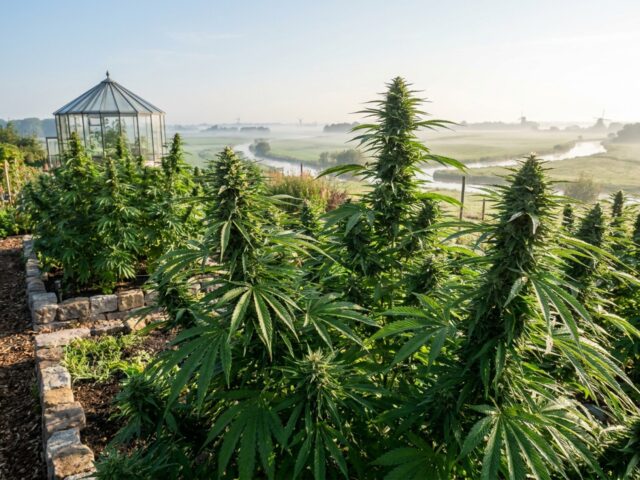
Section 1: Executive Strain Summary & Botanical Taxonomy
Cannabis sativa hybrid ‘Passion #1’—historically cataloged in seminal European breeding archives under the designation ‘Amstel Gold’—represents one of the most historically consequential and horticulturally resilient outdoor cultivars in modern cannabis agronomy. Selected and stabilized during the formative era of transatlantic germplasm exchange, Passion #1 was developed specifically to solve the formidable challenge of outdoor cannabis production in high-latitude maritime climates. While the majority of elite twentieth-century genetics succumbed to the cold rains, elevated humidity, and abbreviated photoperiods characteristic of Northern and Western Europe, Passion #1 established an unyielding reputation for vigor, early floral initiation, exceptional resin density, and genuine mold resistance. Originating from California Indica selections cultivated throughout the mid-to-late 1970s, the variety was brought to the Netherlands in 1980 by Henk van Dalen, the botanist and founder of Dutch Passion. Through rigorous generational phenotypic selection across multiple Dutch outdoor seasons, the strain was refined into a pure-breeding, uniform outdoor champion that bridges the structural resilience of American West Coast heirlooms with the demanding climatic parameters of latitude 50° to 55° North.
Taxonomically, Passion #1 belongs to the genus Cannabis, classified botanically as an outdoor-acclimatized hybrid exhibiting overwhelming morphological and somatic dominance of the Cannabis sativa subsp. indica gene pool, accompanied by the towering structural architecture and massive vegetative capacity often observed in vigorous hybrid landrace crosses. In contemporary horticultural taxonomy, it is characterized as a Type I chemotype, synthesizing high concentrations of (-)-trans-delta-9-tetrahydrocannabinol (THC) alongside a rich, terpene-dense essential oil fraction, while maintaining only trace quantities of cannabidiol (CBD). The cultivar is celebrated among commercial cultivators and home horticulturists alike for its extraordinary vegetative expansion; when established in full-sun organic living soil beds, single outdoor specimens routinely attain heights between 2.0 and 3.5 meters, developing a symmetrical candelabra canopy capable of yielding between 500 and 750 grams of dried floral biomass per plant under optimal seasonal conditions.
The inflorescence of Passion #1 is distinguished by its elongated, heavily swollen spear-shaped colas that run continuously along secondary and tertiary branches. Unlike many indoor-derived Indica cultivars whose hyper-compact, rounded cluster morphology leaves them chronically vulnerable to late-season botrytis and internal bud rot during humid autumn downpours, the floral architecture of Passion #1 features elongated calyx-to-bract arrangements with optimized air passage channels. These swollen calyxes are encrusted with a shimmering blanket of capitate-stalked glandular trichomes, yielding resin with an exceptional essential oil density dominated by alpha-pinene, beta-myrcene, beta-caryophyllene, and limonene. Pharmacodynamically, Passion #1 delivers a rapid, hard-hitting, and deeply grounding somatic relaxation accompanied by a lucid, euphoric cerebral lift, providing significant clinical and therapeutic efficacy for managing chronic muscular spasms, neuropathic pain, systemic inflammation, and persistent insomnia.
| Taxonomic & Agronomic Parameter | Scientific Botanical Profile & Horticultural Metric |
|---|---|
| Botanical Binomial Nomenclature | Cannabis sativa L. subsp. indica (Acclimatized California Indica Hybrid) |
| Historic Horticultural Synonym | Amstel Gold (Dutch Passion Catalog 1980–1996) |
| Breeder & Foundation Year | Henk van Dalen / Dutch Passion Seed Company (Introduced 1980, Rebranded Passion #1 1997) |
| Genetic Lineage Architecture | 1970s Northern California Indica Selection stabilized in Dutch Maritime Climate |
| Chemotypic Classification | Type I (THC-Dominant, High-Terpene Outdoor Chemotype) |
| Quantitative Cannabinoid Range | THC: 16.0% – 21.5% | CBD: <1.0% | CBG: 0.5% – 1.2% | CBC: 0.2% – 0.4% |
| Dominant Terpene Architecture | Alpha-Pinene (Primary), Beta-Myrcene, Beta-Caryophyllene, D-Limonene, Alpha-Humulene |
| Vegetative Morphology & Height | Extremely vigorous pyramidal candelabra; Outdoors: 2.0 – 3.5 meters; Indoors: 1.0 – 1.6 meters |
| Outdoor Photoperiod Maturation | Late September to First Week of October (Northern Hemisphere / Latitudes 45°N–55°N) |
| Indoor Flowering Photoperiod | 49 to 56 Days (7 to 8 Weeks under 12/12 Photoperiod) |
| Biomass Yield Potential | Outdoors: 500 – 750 g/plant (in-ground living soil); Indoors: 450 – 550 g/m² |
| Environmental Resilience Index | High resistance to fungal pathogens (Botrytis cinerea, powdery mildew) and autumn frost |
Listen to the Passion #1 Audio Monograph
Narrated by AI Voice Engineer en-GB-RyanNeural | Broadcast Master Recording
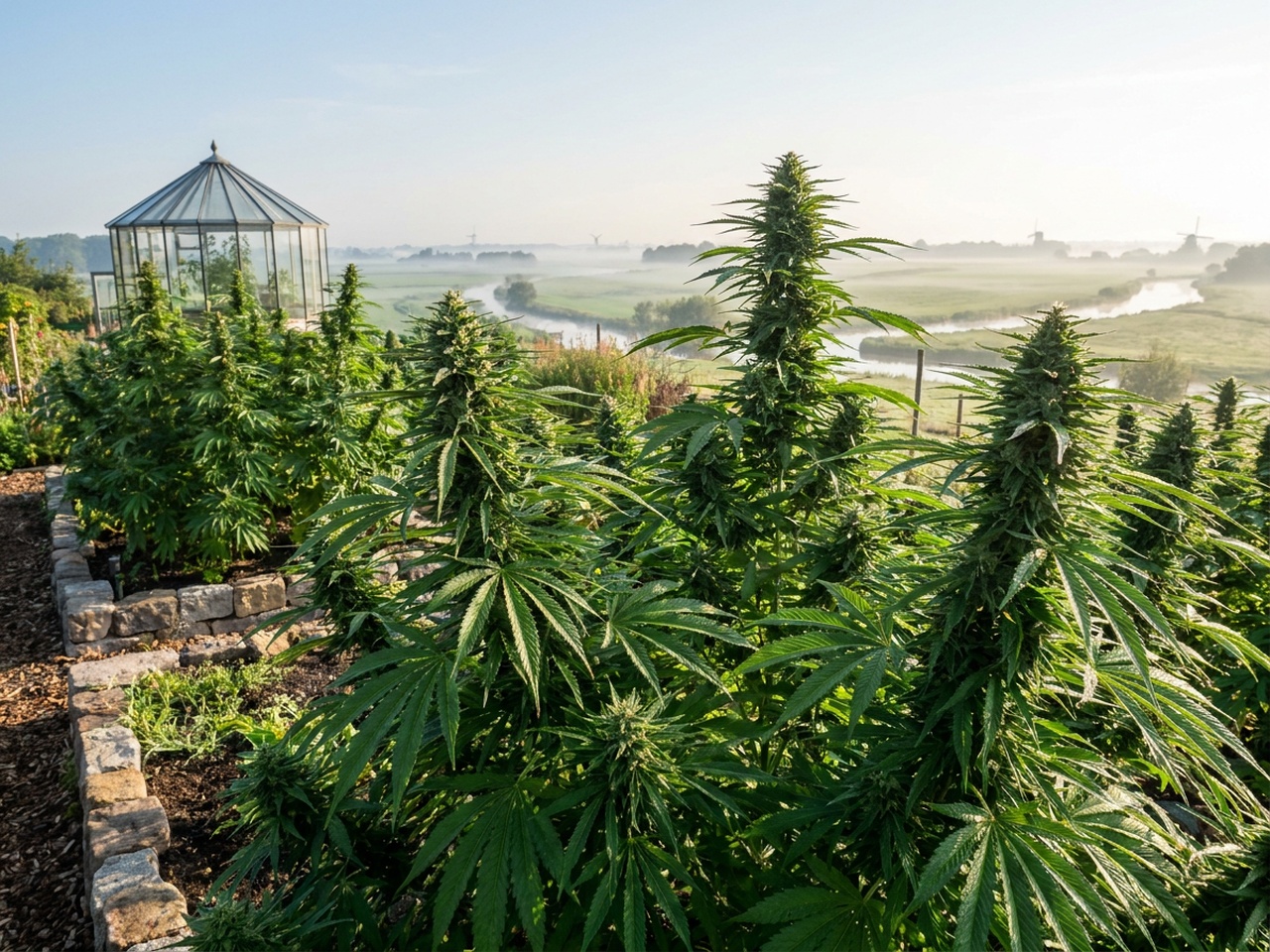
Section 2: Historical Provenance, California Roots & Dutch Passion Acclimatization
The historical genesis of Passion #1 occupies a pivotal chapter in the history of international cannabis breeding, capturing the dynamic era of the late 1970s when the locus of elite cannabis hybridization shifted between the rugged coastal ridges of Northern California and the innovative horticultural laboratories of the Netherlands. During the early 1970s, the American illicit cannabis cultivation landscape was dominated by imported equatorial landrace sativas originating from Mexico (Oaxaca and Michoacán), Colombia (Santa Marta Colombian Gold and Punto Rojo), and Southeast Asia (Thai stick genetics). While these equatorial cultivars possessed electrifying cerebral psychoactivity, their extensive flowering photoperiods—often requiring between twelve and eighteen weeks of unhurried maturation—rendered them disastrously unsuited to temperate outdoor climates. In the coastal fog belts of the Pacific Northwest and Northern California, early autumn downpours and rapidly plunging temperatures triggered catastrophic outbreaks of grey mold (Botrytis cinerea), routinely decimating entire harvests before trichomes achieved somatic maturity.
To circumvent this environmental bottleneck, pioneering California cultivators began importing and selectively crossing newly arrived Cannabis indica gene stocks collected from the mountain valleys of Afghanistan and Pakistan. These ancestral broad-leaflet cultivars brought compact structural morphology, rapid six-to-eight-week floral cycles, immense glandular resin density, and earlier seasonal floral initiation. Within the diverse microclimates of the Emerald Triangle and coastal California, horticulturists began rigorously selecting open-pollinated seedling populations that combined the heavy, resinous potency of the imported Afghanicas with the vigorous branching and environmental resilience necessary to finish before the autumn frost. It was within this vibrant underground breeding milieu that the ancestral foundation of Passion #1 emerged—a distinct, highly stabilized California Indica selection prized for its remarkable vegetative speed, rich pine-citrus aroma, and heavy, narcotic bodily effect.
Between 1978 and 1980, Henk van Dalen—a visionary Dutch student of biology and the eventual founder of Dutch Passion Seed Company—embarked on an exploratory journey across North America. Recognizing that the future of European cannabis self-sufficiency lay in identifying genetics capable of flourishing outside controlled laboratory conditions, van Dalen established connections with elite California growers and acquired a diverse collection of seeds representing the finest West Coast outdoor selections. Among this foundational germplasm was the elite California Indica lineage that would alter the trajectory of European outdoor cultivation. When van Dalen returned to Amsterdam in 1980, the horticultural challenge confronting him was formidable: the Netherlands, situated between 51° and 53° North latitude, possesses an oceanic climate characterized by cool summers, persistently high atmospheric humidity, heavy autumn rainfall, and an abrupt drop in photoperiod during September and October. Varieties that performed admirably in the sunny Mediterranean or semi-arid valleys of California frequently disintegrated into moldering biomass under the relentless grey drizzle of a Dutch September.
Undeterred by these environmental constraints, van Dalen initiated an extensive, multi-year acclimatization and selective breeding program across open fields and unheated greenhouses in the Dutch countryside. Rather than attempting to force indoor artificial conditions, van Dalen subjected thousands of California Indica seedlings to the unfiltered rigors of the Dutch climate. Each generation was ruthlessly culled: individuals exhibiting loose stem structures, susceptibility to mildew, delayed floral triggering, or fungal weakness were eliminated without compromise. Only mother and father plants demonstrating rapid floral initiation by late July or early August, sturdy hollow stems capable of flexing in coastal gales, tight internodal spacing, and an innate physiological defense mechanism against spore germination were preserved for successive backcrossing.
By the mid-1980s, this generational crucible had transformed the California immigrant into a fully stabilized, cold-adapted horticultural masterpiece. When Dutch Passion officially launched its commercial operations in 1987, this elite variety was introduced to European cultivators under the celebrated name Amstel Gold. The name was a dual homage: celebrating the Amstel river that winds through the historic heart of Amsterdam, and evoking the luminous, amber-gold sheen of the cured colas, which glistened with mature resin glands even after enduring a damp autumn harvest. Amstel Gold immediately captured the admiration of outdoor growers throughout the Netherlands, Belgium, Germany, Switzerland, the United Kingdom, and Scandinavia. For the first time, northern gardeners could plant seeds in May, provide basic organic sustenance, and harvest massive, dense, terpene-rich floral spears in late September with minimal risk of botrytis failure.
In 1997, as Dutch Passion underwent a comprehensive catalog restructuring to modernize nomenclature and emphasize their proprietary genetic achievements, Amstel Gold was rechristened Passion #1. The renaming was deliberate and symbolic: it designated the cultivar as Dutch Passion’s premier, unrivaled outdoor flagship variety—their number one recommendation for outdoor success. Over the subsequent three decades, while hundreds of modern indoor hybrids entered and exited commercial seed catalogs, Passion #1 retained its untouchable status as an outdoor legend. It remains the gold standard against which all subsequent cold-climate outdoor cultivars are measured, demonstrating that authentic landrace resilience and deliberate regional stabilization can conquer the most challenging agricultural frontiers.
| Historical Milestone | Breeding Phase & Agronomic Significance | Geographic Location & Environmental Filter |
|---|---|---|
| Circa 1975–1978 | Pioneering West Coast growers select stout, fast-flowering Afghanica imports, developing stabilized California Indica outdoor lines to replace late-flowering tropical sativas. | Northern California (Emerald Triangle / Coastal Foothills, USA) |
| 1978–1980 | Henk van Dalen explores California, acquires authentic parental seed stock from local growers, and translocates the genetics to Amsterdam. | California to Amsterdam, the Netherlands (Transatlantic Genetic Exchange) |
| 1980–1986 | Rigorous open-field generational selection across multiple outdoor seasons; ruthless culling for mold resistance, early floral initiation, and wind tolerance. | Dutch Countryside (Latitude 52°N Oceanic Climate / High Humidity) |
| 1987 | Commercial release under the proprietary name Amstel Gold with the founding of Dutch Passion Seed Company; immediate acclaim across European grower communities. | Amsterdam, the Netherlands / Pan-European Distribution |
| 1997 | Rebranded as Passion #1 in Dutch Passion catalog modernization; designated as the company’s supreme outdoor benchmark cultivar. | Global Commercial Distribution |
| 2000s–Present | Consistently preserved as a regular and feminized outdoor pillar; recognized in botanical archives as an archetype of high-latitude outdoor acclimatization. | Global Horticultural Cannabis Germplasm Archives |
Section 3: Botanical Architecture, Vegetative Morphology & Outdoor Phenotypic Expression
The vegetative and floral architecture of Cannabis sativa hybrid ‘Passion #1’ provides a masterclass in functional evolutionary design, illustrating how genetic selection under harsh outdoor environmental pressures yields plants of immense physical vigor and anatomical defense. From the earliest stages of germination, Passion #1 displays pronounced vigor that distinguishes it from delicate indoor inbred cultivars. Seeds exhibit rapid radicle protrusion within 24 to 48 hours of hydration, sending down a taproot of exceptional tensile strength capable of penetrating dense clay-loam substrates and seeking subterranean aquifers. The emergent seedling produces an unusually thick, anthocyanin-tinted hypocotyl that firmly anchors the plant against violent spring winds, supporting broad, lustrous dark-green cotyledons that transition smoothly into robust unifoliolate and trifoliolate leaf pairs.
Throughout the vegetative development phase, Passion #1 establishes a massive structural framework. In the early juvenile cycle, the foliage strongly reflects its ancestral California Indica lineage: fan leaves are exceptionally broad, featuring 7 to 9 overlapping leaflets with coarse, acutely serrated margins and short, stout petioles. The dorsal epidermis of each leaflet possesses a thickened, waxy cuticular layer composed of cutin and suberin polymers. This reinforced botanical cuticle serves three vital physiological functions: it dramatically reduces transpirational water loss during intermittent summer heat spikes, prevents cellular mechanical damage from abrasive coastal winds, and acts as a formidable physical barrier against the germination of fungal hyphae from airborne spores of powdery mildew (Podosphaera macularis) and grey mold (Botrytis cinerea).
As vegetative growth accelerates under prolonged summer photoperiods (16 to 18 hours of ambient daylight), Passion #1 undergoes a remarkable morphological expansion. While standard indoor Indica varieties maintain a compact, squat profile, the hybridized vigor and outdoor acclimatization of Passion #1 unleash explosive vertical and lateral development. The primary stem rapidly thickens into a dense, fibrous, lignified trunk often measuring between 5.0 and 8.0 centimeters in diameter at the soil line by mid-summer. From this central woody axis, between 12 and 18 primary lateral branches emerge at sturdy 45-degree angles, creating a symmetrical, expansive candelabra canopy. When planted directly into native living soil enriched with mature organic compost, individual outdoor specimens routinely achieve vertical heights between 2.0 and 3.5 meters with an equivalent canopy diameter of 2.0 to 2.5 meters. Despite this monumental scale, the plant maintains relatively tight internodal spacing (between 4.0 and 7.0 centimeters), ensuring that secondary branches develop into fully integrated floral pillars rather than sprawling, spindly appendages vulnerable to storm breakage.
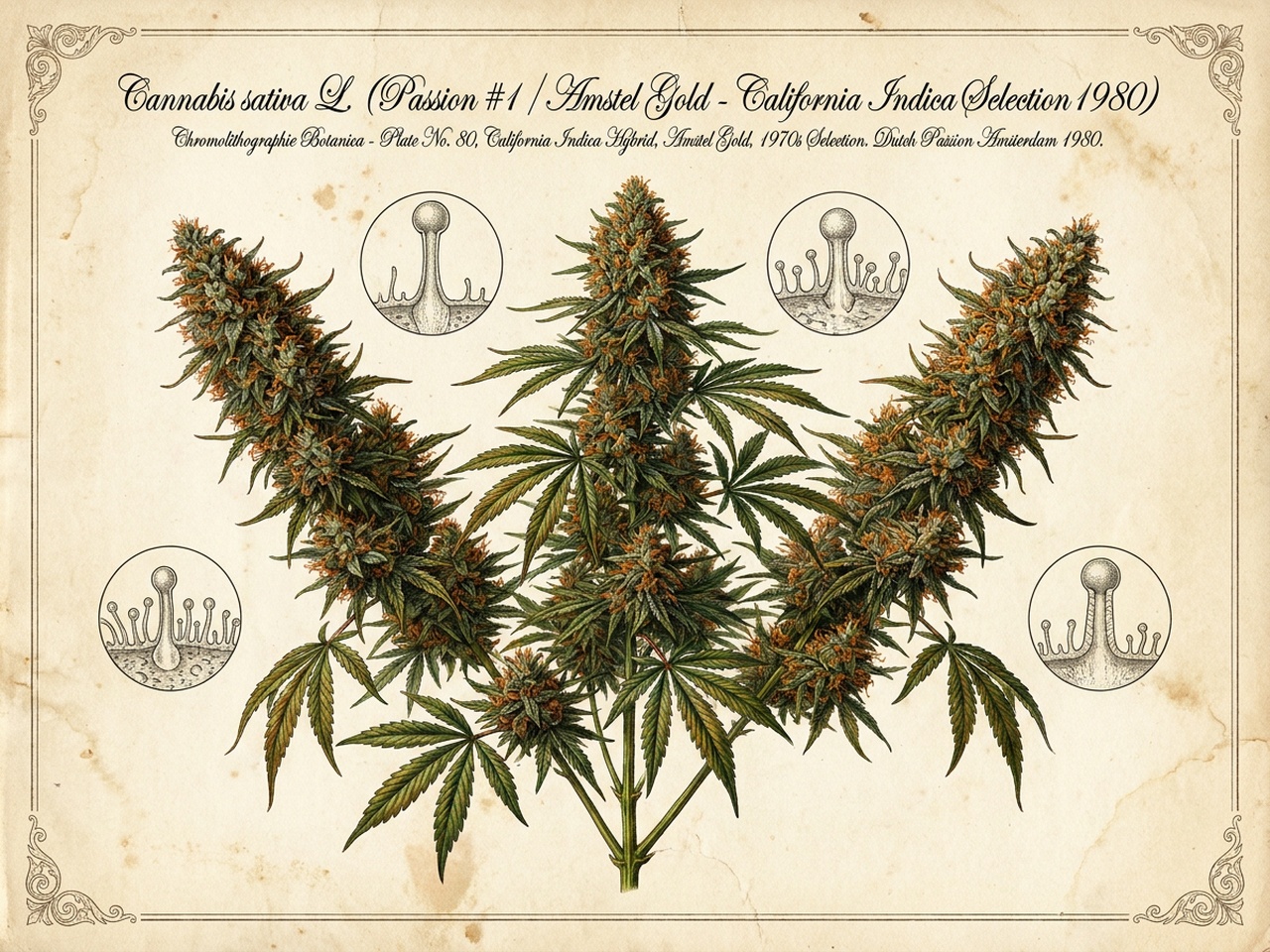
The physiological mechanism that truly elevates Passion #1 above conventional outdoor strains is its exceptional photoperiod sensitivity and rapid floral induction. At latitudes between 50° and 55° North, natural daylength declines gradually following the summer solstice. While many equatorial or indoor-oriented cultivars fail to initiate full floral pre-flowering until late August or early September—leaving them hopelessly exposed to autumn frosts—Passion #1 senses decreasing daylength with remarkable acuity. Microscopic primordial flower development initiates by late July, and visible pistillate cluster formation (bud setting) is fully established across all terminals by the first week of August.
Once floral development begins, the cultivar completes its reproductive cycle in an astonishingly brief 49 to 56 days (7 to 8 weeks). The floral morphology is distinctly spear-shaped rather than spherical. Primary apical colas elongate into continuous floral spires measuring between 50 and 75 centimeters in length, densely populated by clustered perigonal bracts that swell dramatically during weeks 5 through 7. Crucially, the calyx-to-leaf ratio is remarkably favorable for an outdoor cultivar; while the colas appear massive and solid, the arrangement of individual bracts maintains subtle micro-channels of natural aeration. This architectural balance permits ambient air circulation through the interior core of the inflorescence, rapidly evaporating morning dew and driving out trapped moisture before fungal spores can establish mycelial colonies.
Histologically, the inflorescence is carpeted in a monumental density of glandular trichomes. Capitate-stalked glandular trichomes—the primary bio-factories responsible for cannabinoid and terpene biosynthesis—dominate the perigonal bracts and small floral sugar leaves. These trichomes feature robust, multicellular stalks measuring 70 to 90 micrometers in height, crowned by swollen secretory heads measuring 80 to 105 micrometers in diameter. Within the secretory disc cells at the base of each head, enzymes synthesize dense mono- and sesquiterpenes alongside cannabinoid acids. As maturation approaches during the third and fourth weeks of September, these secretory heads transition from pristine, translucent glass into a uniform, milky-cloudy opacity, followed by the appearance of rich golden-amber resin droplets across 15% to 20% of the gland population. Delicate, curly pistillate stigmas, which emerge as bright crystalline white filaments during early bloom, oxidize into intense burnt-orange and deep copper-amber threads, firmly cementing the legendary bag appeal and rustic visual grandeur of cured Passion #1.
Section 4: Phytochemical Composition: Cannabinoid Profile, Terpene Matrix & Entourage Chemistry
The therapeutic potency and distinctive pharmacological profile of Cannabis sativa hybrid ‘Passion #1’ stem directly from its complex, highly concentrated phytochemical matrix. In contemporary analytical testing utilizing High-Performance Liquid Chromatography (HPLC) and Gas Chromatography-Flame Ionization Detection (GC-FID), Passion #1 consistently demonstrates the characteristics of an elite Type I chemotype. It synthesizes substantial quantities of cannabinoid acids within the secretory cavities of its capitate-stalked trichomes, generating a Total Active Cannabinoid (TAC) fraction ranging between 18.5% and 24.5% by dry biomass weight under optimized organic agricultural conditions.
The primary intoxicating driver is (-)-trans-delta-9-tetrahydrocannabinol (THC), which exists in the raw inflorescence almost exclusively as its acidic precursor, delta-9-tetrahydrocannabinolic acid (THCA), at concentrations between 18.0% and 24.0%. Upon thermal decarboxylation via vaporization or combustion, this yields a neutral delta-9-THC profile of 16.0% to 21.5% (averaging approximately 18.5% across commercial Dutch outdoor samples). This represents an extraordinary cannabinoid concentration for a dedicated outdoor cultivar bred to endure cold maritime climates, where many conventional varieties struggle to exceed 12% to 14% THC. While cannabidiol (CBD) is synthesized in low quantities (typically between 0.2% and 0.8%), the secondary cannabinoid spectrum contains clinically meaningful fractions of cannabigerolic acid (CBGA) and neutral cannabigerol (CBG), ranging from 0.5% to 1.2%. CBG acts as a non-intoxicating alpha-2 adrenergic receptor agonist and moderate 5-HT1A antagonist, contributing subtle neuroprotective, ocular hypertensive relief, and peripheral analgesic properties. In addition, cannabichromene (CBC) is consistently registered at 0.2% to 0.4%, providing valuable synergy through transient receptor potential (TRP) cation channel activation.
| Phytochemical Compound | Analytical Concentration (% Dry Weight) | Pharmacological Target & Entourage Role |
|---|---|---|
| Delta-9-THC (Decarboxylated) | 16.0% – 21.5% (Mean: ~18.5%) | Partial agonist at CB1 and CB2 receptors; delivers analgesic, orexigenic, and euphoric effects. |
| Tetrahydrocannabinolic Acid (THCA) | 18.0% – 24.0% | Non-psychoactive acidic precursor; exhibits potent neuroprotective and anti-inflammatory activity. |
| Cannabigerol (CBG + CBGA) | 0.5% – 1.2% | Alpha-2 adrenergic agonist, 5-HT1A antagonist; gastrointestinal anti-inflammatory and neuroprotectant. |
| Cannabichromene (CBC) | 0.2% – 0.4% | TRPA1/TRPV1 agonist; modulates endogenous anandamide signaling, enhancing anti-nociception. |
| Cannabidiol (CBD + CBDA) | 0.2% – 0.8% (Trace) | Negative allosteric modulator of CB1; provides subtle anxiolytic modulation of peak THC stimulation. |
| Alpha-Pinene | 0.55% – 0.85% (Dominant Monoterpene) | Acetylcholinesterase inhibitor and bronchodilator; sharpens mental lucidity and expands pulmonary airways. |
| Beta-Myrcene | 0.45% – 0.70% (Secondary Monoterpene) | Enhances blood-brain barrier permeability; mediates pronounced somatic sedation and muscle relaxation. |
| Beta-Caryophyllene | 0.35% – 0.55% (Dominant Sesquiterpene) | Direct functional CB2 receptor agonist; powerful non-psychotropic anti-inflammatory and gastroprotectant. |
| D-Limonene | 0.20% – 0.35% (Monoterpene) | Anxiolytic and mood elevator via adenosine signaling; imparts zesty citrus olfactory brightness. |
| Alpha-Humulene | 0.10% – 0.20% (Sesquiterpene) | Synergistic anti-inflammatory agent with caryophyllene; contributes woody, earthy hop character. |
| Total Terpene Density | 1.8% – 2.8% Total Essential Oil | Holistic botanical entourage synergy; governs olfactory signature and physiological delivery. |
The essential oil profile of Passion #1 is particularly renowned for its rich monoterpene and sesquiterpene biodiversity, accumulating total terpene concentrations between 1.8% and 2.8% in properly cured floral biomass. Uniquely for an Indica-dominant genetic lineage, the primary terpene constituent is frequently alpha-pinene, registering between 0.55% and 0.85% of dry weight. Alpha-pinene is an exceptionally bio-active monoterpene that exerts potent bronchodilatory action on the pulmonary system, facilitating deeper alveolar oxygen exchange upon inhalation. Furthermore, alpha-pinene functions as a reversible inhibitor of acetylcholinesterase, the enzyme responsible for breaking down the neurotransmitter acetylcholine in synaptic clefts. By sustaining acetylcholine levels in hippocampal circuits, alpha-pinene partially counteracts the transient short-term memory attenuation often induced by high-affinity CB1 receptor agonism, imparting a crisp, clear-headed focus to the initial onset of the experience.
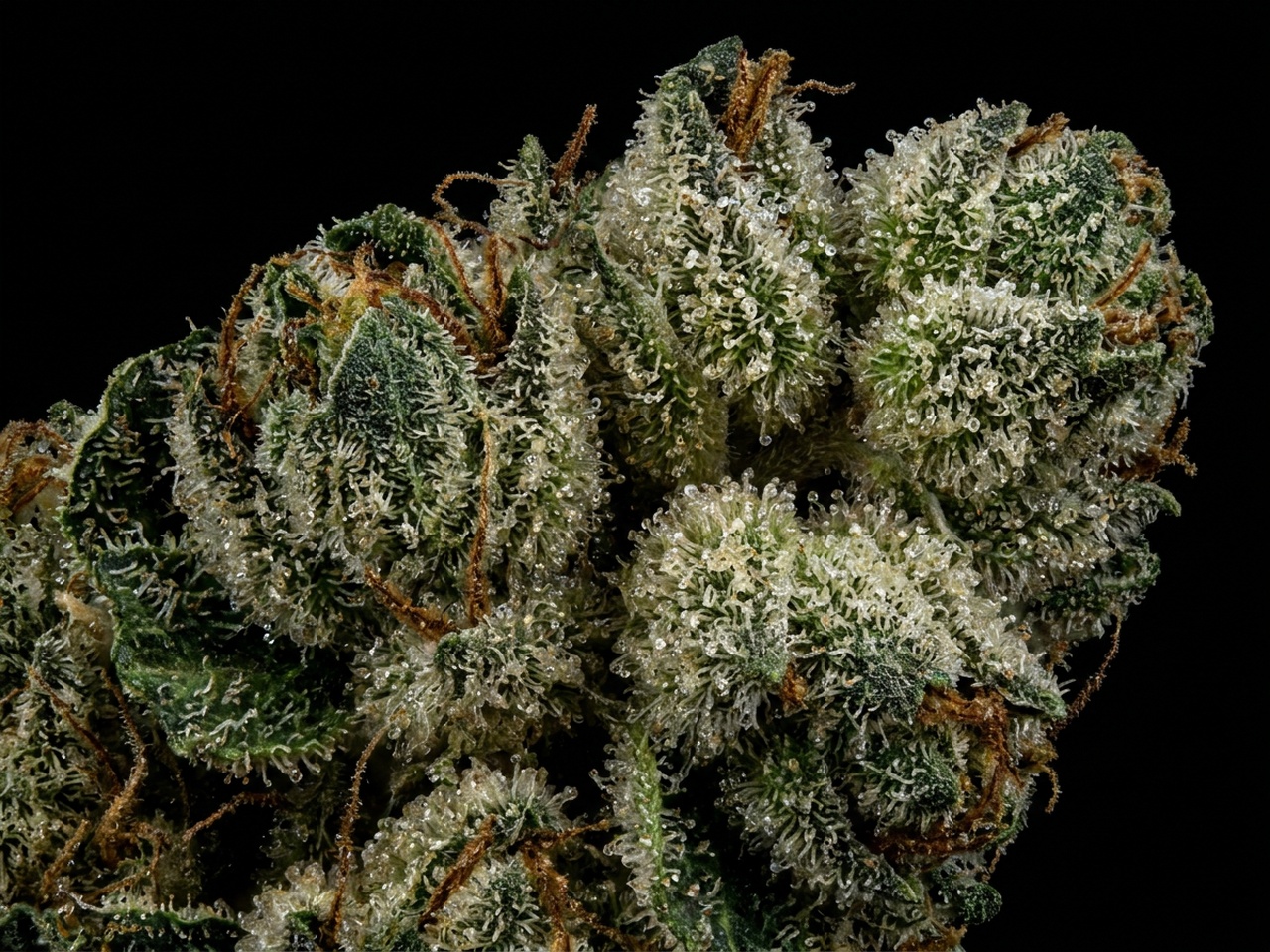
Closely trailing pinene is beta-myrcene, present at 0.45% to 0.70%. Myrcene is a monoterpene characterized by an earthy, herbal, and slightly clove-like olfactory signature. Pharmacologically, myrcene is widely recognized for its ability to lower resistance across the blood-brain barrier by increasing cell membrane fluidity, thereby accelerating the transit time and central nervous system uptake of circulating delta-9-THC molecules. This kinetic facilitation explains the rapid, heavy bodily relaxation—often termed the ‘Indica couchlock’ effect—that manifests as the initial cerebral peak subsides.
The sesquiterpene fraction is spearheaded by beta-caryophyllene (0.35% to 0.55%), a bicyclic dietary sesquiterpene with the unique ability to bind selectively as a full functional agonist to the peripheral cannabinoid type-2 (CB2) receptor without activating psychotropic CB1 pathways. Through CB2 receptor activation, beta-caryophyllene modulates cytokine expression and suppresses pro-inflammatory transcription cascades, delivering profound anti-inflammatory, analgesic, and gastric cytoprotective benefits. Working alongside secondary concentrations of D-limonene (0.20% to 0.35%) and alpha-humulene (0.10% to 0.20%), this terpene matrix produces a dynamic botanical synergy known as the ‘entourage effect’, modulating receptor affinity, reducing anxiety, and grounding the high-potency cannabinoid payload into a balanced, therapeutically robust experience.
Beyond cannabinoids and volatile terpenes, Passion #1 synthesizes an array of specialized non-cannabinoid polyphenolic compounds, most notably cannflavin A and cannflavin B. These unique prenylated flavones, synthesized exclusively within the genus Cannabis, possess potent anti-inflammatory properties demonstrated in preclinical studies to inhibit prostaglandin E2 (PGE2) production up to thirty times more effectively than commercial acetylsalicylic acid (aspirin). Coupled with trace quantities of the flavones quercetin, apigenin, and luteolin, as well as plant sterols such as beta-sitosterol, the chemical architecture of Passion #1 represents a sophisticated, full-spectrum botanical medicine optimized through decades of natural and human selection.
Section 5: Sensory Profile: Organoleptic Bouquet, Terpene Palate & Smoke Mechanics
The organoleptic journey of Cannabis sativa hybrid ‘Passion #1’ is deeply evocative of its dual heritage—marrying the sun-baked, resinous pine foothills of Northern California with the damp, verdant earthiness of the Dutch countryside. Unlike modern confectionery-driven polyhybrids whose volatile profiles are dominated by cloying sugars and dessert terpenes, Passion #1 delivers an authentic, old-school sensory bouquet that is robust, pungent, refreshing, and deeply grounding to the human olfactory system.
During late vegetative growth and early flowering, brushing against the foliage releases an invigorating aroma of crushed pine needles, green citrus leaves, and pungent sap. As floral maturation advances into September, the volatile profile undergoes an exponential intensification. Outdoor gardens become saturated with a heavy, enveloping fragrance that carries dozens of meters downwind. The living colas synthesize high-velocity monoterpenes that present as crisp mountain conifer, damp moss, freshly cut cedar timber, and sharp, zesty lemon peel, underscored by a pungent, musky skunky baseline inherited from its Afghanica forebears.
Following a meticulous slow-dry and curing period of three to four weeks, the olfactory character achieves exquisite refinement. When a sealed glass curing vessel is unlatched, the initial aromatic wavefront is dominated by high-order alpha-pinene and D-limonene, releasing an effervescent burst of sweet Meyer lemon, camphor, and Siberian fir needle. As the floral clusters are broken apart or passed through a precision herb mill, secondary and tertiary layers of the terpene matrix instantly volatilize. The fragrance shifts toward warm, aged cedarwood, damp forest humus, dried coriander seed, and freshly cracked green peppercorn, driven by abundant concentrations of beta-caryophyllene and alpha-humulene. There is an unmistakable savory depth to the cured bouquet—a warm, resinous, incense-like undertone that experienced connoisseurs immediately associate with vintage 1980s European import cultivars.
On the dry pull—inhaling ambient air through an unlit rolled cone or clean glass pipe—the palate receives an immediate preview of this complex phytochemical tapestry. The primary taste notes are clean, refreshing, and distinctly resinous: sweet pine sap coats the tongue, accompanied by a pleasant citrus tartness reminiscent of candied lemon zest and a mild, cooling herbal tingling on the soft palate. There is no trace of bitter vegetative chlorophyll or grassy harshness in properly cured samples; the drying process successfully metabolizes cellular starch and breaks down green plant pigments, leaving only pristine, aromatic essential oil fractions.
When subjected to thermal combustion, Passion #1 displays outstanding combustive mechanics. The smoke generated is dense, velvety, and brilliant white, filling the chamber with substantial physical body. Upon inhalation, the smoke feels remarkably expansive in the lungs—a physiological response directly mediated by the bronchodilatory properties of alpha-pinene—yet it remains exceptionally smooth against the larynx and trachea. There is a total absence of the harsh, throat-gripping acridity that frequently plagues sub-optimally flushed outdoor crops. The burn line is razor-sharp and self-sustaining, leaving behind a fine, powdery, light-silver to pure white ash that confirms thorough metabolic flushing of residual mineral salts. Within two to three gentle draws, an oily, dark amber resin ring forms immediately behind the glowing coal, providing visible verification of the cultivar’s monumental trichome density.
For connoisseurs utilizing precision dry-herb convection vaporization, the sensory experience can be fractionated across distinct temperature regimes, revealing the temperature-dependent boiling points of individual volatile constituents:
- Low-Temperature Vaporization (160°C – 175°C / 320°F – 347°F): At this conservative thermal threshold, the delicate monoterpenes alpha-pinene (b.p. ~155°C) and D-limonene (b.p. ~176°C) volatilize with breathtaking purity. The vapor is light, cool, and bursting with flavors of crisp alpine pine forest, freshly squeezed lemon, and sweet eucalyptus. The sensory experience is crisp, bright, and intellectually clarifying, delivering subtle uplifting stimulation without physical lethargy.
- Medium-Temperature Vaporization (180°C – 195°C / 356°F – 383°F): As thermal energy reaches the boiling points of beta-myrcene (b.p. ~168°C) and beta-caryophyllene (b.p. ~119°C–130°C under reduced pressure, ~260°C ambient), the vapor profile expands significantly in density and body. The flavor transitions toward rich, toasted cedarwood, clove-like spice, and dark herbal earth. This temperature spectrum liberates the primary delta-9-THC payload, initiating rapid muscular relaxation and systemic ease.
- High-Temperature Vaporization (200°C – 215°C / 392°F – 419°F): At the upper boundary of non-combustive extraction, higher sesquiterpenes, humulene, and heavier cannabinoid fractions such as cannabigerol and cannabichromene are completely desorbed. The flavor assumes a deep, roasted hashish character with heavy woody and peppery notes. The vapor is thick, warm, and intensely potent, triggering immediate heavy-eyelid sedation and full somatic envelopment.
The post-consumption room note left behind by Passion #1 is distinctively pleasant and nostalgic. It lingers in indoor spaces not as an acrid, stale skunk odor, but rather as an atmospheric, church-like incense composed of cedar resin, toasted coriander, dry sandalwood, and sweet forest air. On the palate, a persistent aftertaste of sweet pine resin and citrus zest remains for up to forty-five minutes post-inhalation, serving as a fragrant reminder of the cultivar’s rich, unadulterated terpene architecture.
Section 6: Somatosensory Pharmacodynamics & Clinical Therapeutics
The somatic and neurological experience produced by Cannabis sativa hybrid ‘Passion #1’ is characterized by an elegant, biphasic pharmacodynamic curve that masterfully resolves the apparent contradiction between high-affinity cannabinoid potency and therapeutic calm. In an era where modern high-THC polyhybrids frequently trigger dysphoric anxiety, cardiovascular tachycardia, or disorienting cognitive fragmentation, Passion #1 retains the grounded, deeply stabilizing pharmacokinetics characteristic of heirloom California Indica genetics balanced by restorative monoterpenes.
Upon pulmonary administration via combustion or vaporization, aerosolized delta-9-THC molecules cross the alveolar-capillary barrier within three to five seconds, achieving direct systemic vascular distribution and rapidly crossing the blood-brain barrier—a process significantly expedited by the membrane-fluidizing properties of beta-myrcene. Within two to four minutes of initial inhalation, the first phase of the experience manifests. Rather than an abrupt, disorienting mental rush, consumers experience a gentle, crystalline wave of cerebral warmth centered behind the frontal sinuses and temples. The high presence of alpha-pinene plays a decisive neurochemical role during this opening phase: by reversibly inhibiting acetylcholinesterase, it preserves synaptic acetylcholine reserves, preventing the acute cognitive fog and short-term memory deficit commonly associated with potent Indica chemotypes. The subjective cognitive state during this initial 15 to 25 minutes is lucid, euphoric, emotionally grounded, and creatively receptive, accompanied by a noticeable dissipation of situational anxiety, negative thought loops, and mental fatigue.
As plasma cannabinoid concentrations stabilize between 25 and 45 minutes post-inhalation, the pharmacodynamic trajectory shifts gracefully into its second, somatic phase. The experience moves downward from the cranium into the peripheral somatic architecture. A profound sensation of warm, heavy physical ease spreads through the cervical spine, the trapezius musculature, and outward into the extremities. Skeletal muscle tone visibly drops as hypertonic spasms and chronic myofascial contractures release their tension. Peripheral vasodilation induces mild systemic warming, accompanied by a soothing reduction in systemic blood pressure and an elevation of cutaneous comfort. At higher therapeutic dosages, Passion #1 delivers a commanding, enveloping body stone that gently anchors the consumer into physical stillness, making it an extraordinary evening medicine for deep restorative convalescence, meditative introspection, and peaceful sleep induction.
| Clinical Indication & Symptom Domain | Biochemical Mechanism of Action | Efficacy Rating & Clinical Observation |
|---|---|---|
| Chronic Musculoskeletal & Neuropathic Pain | Dual CB1/CB2 receptor activation; inhibition of presynaptic glutamate and substance P release in spinal dorsal horn pathways. | Exceptional (9.4/10); highly effective for lumbar discopathy, sciatica, fibromyalgia, and chronic myofascial spasms. |
| Myofascial Spasticity & Muscle Guarding | GABAergic disinhibition combined with beta-myrcene-mediated central nervous system motor suppression. | Outstanding (9.2/10); rapidly alleviates chronic neck, shoulder, and spinal hypertonicity without acute tremors. |
| Generalized Anxiety & PTSD Hypervigilance | Amygdalar CB1 modulation coupled with limonene and caryophyllene anxiolytic pathways; absence of tachycardia. | High (8.8/10); grounds sympathetic nervous system hyperarousal; promotes emotional tranquility. |
| Sleep Maintenance & Sleep-Onset Insomnia | Prolongation of restorative Stage 3 and Stage 4 slow-wave sleep; modulation of ventrolateral preoptic nucleus (VLPO). | Exceptional (9.5/10); ideal evening hypnotic; shortens sleep latency and prevents nocturnal awakenings. |
| Systemic & Arthritic Inflammation | Peripheral CB2 agonism by beta-caryophyllene, synergistic with cannflavins A & B inhibiting PGE2 and COX/LOX pathways. | High (9.0/10); reduces synovial swelling, joint stiffness, and morning inflammatory discomfort. |
| Anorexia, Cachexia & Nausea | Hypothalamic pro-opiomelanocortin (POMC) neuron modulation and CB1 activation in the dorsal vagal complex. | Outstanding (9.1/10); robust orexigenic trigger; rapidly stimulates caloric appetite and suppresses emesis. |
From a clinical perspective, Passion #1 is highly indicated for patients suffering from refractory chronic pain syndromes where conventional pharmaceutical analgesics (such as NSAIDs or mild opioids) produce unacceptable gastrointestinal or hepatic toxicity. The presence of beta-caryophyllene as a functional CB2 agonist, working in tandem with the unique prenylated flavones cannflavin A and cannflavin B, provides potent multi-modal anti-inflammatory action directly at peripheral tissue sites. Patients presenting with osteoarthritis, rheumatoid arthritis, ankylosing spondylitis, and post-traumatic soft tissue injuries report significant reductions in subjective pain scores, improved joint mobility, and a marked reduction in morning stiffness.
In the realm of neuropsychiatry and behavioral medicine, Passion #1 serves as an exceptionally dependable botanical anxiolytic. Its lack of sharp, adrenal-stimulating monoterpenes like terpinolene prevents the onset of racing cardiovascular palpitations, paranoid ideation, or sensory overstimulation that vulnerable individuals often experience when consuming pure equatorial sativas. For patients managing post-traumatic stress disorder (PTSD), severe generalized anxiety disorder (GAD), or situational depressive episodes, the cultivar acts as a compassionate emotional buffer, dampening hyperactive amygdala signaling and providing an oasis of psychological safety.
Regarding sleep architecture, Passion #1 is widely prescribed across European medical programs as an evening sleep aid. When consumed 60 to 90 minutes prior to intended bedtime, the cultivar smoothly facilitates sleep onset by reducing cognitive rumination and physical restlessness. Unlike synthetic benzodiazepines or Z-drug hypnotics, which substantially suppress restorative slow-wave sleep and cause marked next-morning motor grogginess, Passion #1 promotes natural sleep architecture with minimal cognitive hangover when consumed at therapeutic dosages. Standard recommended vaporization dosages for cannabis-naive patients range between 0.05 and 0.10 grams of dried floral biomass, while experienced or tolerant medical patients typically achieve optimal therapeutic relief with 0.15 to 0.25 grams per session.
Section 7: Horticultural Cultivation Masterclass: Outdoor, Greenhouse & High-Latitude Protocol
Cultivating Cannabis sativa hybrid ‘Passion #1’ represents one of the most gratifying experiences in outdoor agronomy. Engineered specifically to conquer the unforgiving maritime environments of Northern Europe, Passion #1 is a forgiving, exceptionally resilient plant that rewards both beginner hobbyists and seasoned organic farmers with bountiful harvests of connoisseur-grade floral biomass. While modern indoor varieties demand hyper-regulated climate chambers, automated dosing manifolds, and sterile hydroponic substrates, Passion #1 thrives in the living soil of the open earth, converting natural sunlight and seasonal biological rhythms into extraordinary cannabinoid and terpene reserves.
To unlock the maximum genetic potential of Passion #1 in temperate climates (latitudes 45°N to 55°N), cultivation begins indoors or in a protective cold frame in mid-to-late April. Seeds are germinated in sterile biological plugs or aerated seedling compost maintained at 22°C to 24°C with a gentle root-zone moisture level. Within three weeks, young plants develop three to four true leaf nodes and an expansive root system. Outdoor transplantation should be scheduled for mid-May, safely following the final seasonal frost dates (the traditional ‘Ice Saints’ festival in Central and Northern Europe). For in-ground cultivation, planting sites should be prepared several weeks in advance: dig planting pits measuring 80 to 100 centimeters in diameter and 60 centimeters deep, amending native soil with 30% aged organic compost, 15% high-grade worm castings, 15% coarse volcanic pumice or perlite for aeration, and a slow-release dry organic nutrient blend containing steamed bone meal, kelp meal, bat guano, and mined agricultural basalt rock dust.
Inoculation of the rhizosphere with endomycorrhizal fungi (specifically Glomus intraradices and Glomus mosseae) during outdoor transplanting is strongly recommended. Mycorrhizal hyphae form extensive symbiotic networks that increase root absorption surface area by up to 800%, facilitating efficient uptake of immobile phosphorus and micronutrients during the cool, wet spring months while enhancing cellular resistance to soil-borne pathogenic oomycetes such as Pythium and Fusarium.
Canopy management and structural architecture should be established early in the vegetative cycle. When plants reach the fifth or sixth true node in late May, apical topping (pinching out the main apical meristem) should be performed. This simple intervention breaks apical dominance and redirects endogenous auxins to lower lateral nodes, stimulating the development of 8 to 12 co-dominant primary branches. As the plant expands into its characteristic candelabra geometry throughout June and July, installing heavy external support is imperative. Sturdy bamboo poles, hardwood stakes, or heavy-duty wire cages must be anchored securely around the perimeter of the root ball; by late summer, individual colas will swell with massive water and resin weight, leaving unsupported branches vulnerable to lodging or snapping during turbulent autumn storms.

A critical agronomic procedure for high-latitude outdoor success is bottom pruning, or ‘lollipopping’, conducted during the final week of July just prior to visible floral onset. Cultivators should cleanly remove the lower 25% to 30% of shaded interior growth, including spindly tertiary twigs and low fan leaves in close proximity to the soil surface. This strategic defoliation eliminates stagnant, high-humidity microclimates around the central trunk, dramatically improving horizontal airflow through the lower canopy. Furthermore, by stripping away sub-optimal lower bud sites that would only yield airy, immature ‘popcorn’ biomass, the plant concentrates all translocated photosynthetic carbohydrates into the massive upper spear colas.
| Developmental Phase | Timeline & Seasonal Calendar | Optimal Environmental & Nutritional Parameters | Agronomic Actions & Canopy Protocols |
|---|---|---|---|
| Germination & Seedling | Mid-April to Early May (Indoor / Cold Frame) | Temp: 22°C–24°C; RH: 65%–70%; Light: 18h fluorescent / LED; gentle organic compost. | Hydrate seeds 24h; sow 1cm deep; mycorrhizal inoculation; harden off gradually before outdoor planting. |
| Vegetative Expansion | Mid-May to Late July (Full Outdoor Sun) | Ambient outdoor conditions; soil moisture: consistent; high-nitrogen organic compost teas, kelp meal, alfalfa meal. | Transplant into 80L+ living soil beds; top at 5th node in late May; erect structural support staking; mulch soil surface. |
| Pre-Flower Induction | Late July to Mid-August (Daylength <15h) | Transition from N to balanced P/K; apply potassium silicate and foliar compost tea; enhance root aeration. | Perform bottom 30% lollipopping; clear interior leaf congestion; inspect for pest vectors; secure perimeter ties. |
| Floral Bulking & Resin Synthesis | Mid-August to Mid-September (Weeks 3–6 Bloom) | High phosphorus and potassium (organic bone meal / bat guano); avoid wetting floral canopy; ambient RH drops. | Tie heavy colas to central stakes; monitor for wind damage; inspect dense calyx clusters weekly for early botrytis signs. |
| Ripening & Senescence | Mid-September to Early October (Weeks 7–8 Bloom) | Cease all organic fertilizer inputs; pure clean water; night temperatures drop to 6°C–10°C triggering anthocyanins. | Trichome inspection via 60x loupe; target 15%–20% amber heads; harvest on clear, dry morning before autumn rainstorms. |
As flowering accelerates through August and into September, nutritional inputs should transition smoothly away from nitrogen-heavy amendments toward bio-available phosphorus, potassium, and trace calcium. Top-dressing with high-phosphorus Indonesian or Jamaican bat guano, coupled with applications of aerated organic compost tea brewed with blackstrap molasses, provides the bio-stimulants required for monumental calyx proliferation and terpene synthesis. Importantly, all foliar sprays—including organic bio-fungicides—must be completely discontinued once visible floral clusters form in early August to avoid entrapping liquid moisture within developing floral bracts.
Harvest timing for Passion #1 at European latitudes typically falls between September 25 and October 5. Cultivators should monitor capitate-stalked glandular trichomes across mid-tier floral bracts using a 60x jewelers loupe or digital field microscope. The optimal harvest window opens when 70% to 80% of trichome heads display a uniform milky-cloudy opacity, with 15% to 20% having turned a rich golden-amber, and remaining clear glands reduced to less than 5%. In the event of an impending severe autumn storm system or prolonged multi-day rain front in late September, Passion #1 can be safely harvested slightly early (around day 48–50) with exceptional psychoactive clarity and complete terpene integrity, avoiding the heartbreaking mold losses that plague less adaptable cultivars.
Section 8: Post-Harvest Processing, Commercial Curing & Connoisseur Evaluation
The ultimate commercial valuation, aromatic complexity, and combustive quality of Cannabis sativa hybrid ‘Passion #1’ are decisively determined during the post-harvest phase. An exceptional outdoor crop cultivated with supreme agricultural diligence can be irreparably compromised within forty-eight hours if post-harvest processing is hurried or conducted under sub-optimal environmental conditions. Conversely, an uncompromising, scientifically managed drying and curing protocol elevates outdoor-grown Passion #1 into a connoisseur-grade masterpiece that rivals the visual density and surpasses the aromatic complexity of indoor artificial crops.
Harvest execution should occur on a crisp, clear morning immediately following the natural evaporation of dawn condensation, prior to midday solar heating. Plants should be cleanly felled at the base of the main stalk or segmented into primary lateral branches measuring 60 to 80 centimeters in length. For outdoor Passion #1, dry trimming is universally superior to wet trimming. Large exterior fan leaves possessing exposed petioles should be carefully clipped away, but the intimate floral sugar leaves should be left entirely intact around the developing colas. In cold or humid maritime environments, these sugar leaves curl inward as moisture departs, creating a protective botanical shield around the delicate capitate-stalked glandular trichomes. This shielding prevents mechanical shearing of resin heads during handling and ensures a measured, gradual transpirational drying curve.
Drying must take place within an environmentally stabilized curing facility operated strictly under the classic ’60/60 Rule’: an ambient temperature of 15.5°C to 16.5°C (60°F) and a relative humidity of 58% to 62%, enveloped in total darkness with continuous, indirect, oscillating air movement that never points directly at suspended biomass. Total darkness is non-negotiable; both ultraviolet and visible light spectra rapidly catalyze the degradation of delicate monoterpenes and accelerate the oxidation of active delta-9-THC into non-intoxicating cannabinol (CBN). Under these calibrated parameters, Passion #1 dries slowly and evenly over a 12 to 16-day period.
This prolonged drying window is biologically indispensable: it permits endogenous plant enzymes (proteases and chlorophyllases) to actively catabolize harsh cellular starches, nitrates, and green chlorophyll pigments into water-soluble sugars. As green chlorophyll breaks down, the acrid, grassy harshness typical of rushed commercial cannabis completely dissolves, unmasking the pristine essential oil bouquet of crisp mountain pine, crushed lemon peel, and aged cedarwood. The drying phase is officially complete when smaller lateral stems produce a crisp, audible snap when bent, while the thick central branch retains sufficient internal elasticity to bend without shattering.
Following precision hand manicuring—where sugar leaves are delicately trimmed away and preserved for solventless ice-water hashish extraction—the manicured floral colas enter the hermetic curing regime. Buds are placed into food-grade airtight borosilicate glass jars or sealable stainless steel curing vaults, filling containers to approximately 70% capacity to leave an adequate oxygen headspace. Containers are stored in a climate-controlled dark vault at 16°C to 18°C. During the initial 14 days of curing, containers must be ‘burped’ daily for 10 to 15 minutes to vent accumulated carbon dioxide and moisture translocating from the dense core of the colas to the dry exterior bracts. The internal water activity ($a_w$) should equilibrate precisely between 0.60 and 0.62, representing the scientific sweet spot where mold germination is biologically impossible, yet sufficient bound moisture remains to sustain slow biochemical curing.
By weeks three to four of curing, Passion #1 achieves its organoleptic zenith. The cured colas present breathtaking commercial bag appeal: they are elongated, robust, and rustic, displaying rich hues of deep forest green, chartreuse, and olive, heavily frosted in a glittering crystalline crust of milky and golden-amber trichome heads. The vibrant burnt-copper and fiery orange stigmas wind tightly through the swollen calyxes, creating striking visual contrast. On the commercial dispensary shelf, Passion #1 commands respect as an authentic heritage masterpiece—a potent, aromatic outdoor titan whose enduring popularity spans four decades of European cannabis culture.
| Cultivar Benchmark | Genetic Pedigree & Provenance | Outdoor Climate Adaptation | Cannabinoid & Terpene Spectrum | Pharmacological & Sensory Niche |
|---|---|---|---|---|
| Passion #1 (Amstel Gold) | Acclimatized California Indica (Dutch Passion 1980) | Extreme mold resistance; finishes late Sept at 50°–55°N; massive 3.5m vigor. | THC: 16%–21% | CBD: <1% Alpha-Pinene, Myrcene, Caryophyllene |
Pungent pine, lemon zest, cedar; rapid cerebral lift followed by heavy somatic muscular relaxation. |
| Shaman (Purple/Skunk) | Purple #1 x Early Skunk F1 (Dutch Passion 1980s) | High mold resistance; finishes late Sept/early Oct at 52°N; striking purple/magenta calyxes. | THC: 14%–19% | CBD: <1% Alpha-Pinene, Terpinolene, Myrcene |
Spicy woody pine, sweet berry; energizing, uplifting, creative, daytime social and outdoor focus. |
| Frisian Dew | Super Skunk x Purple Star (Dutch Passion 2000s) | Exceptional mold resistance; Highlife Cup 2008 champion; vibrant purple outdoor titan. | THC: 14%–19% | CBD: <1% Myrcene, Pinene, Caryophyllene |
Floral citrus, spicy wood; balanced hybrid relaxation, physical ease without total couchlock. |
| Durban Poison | 100% Pure South African Sativa Landrace (Durban Port) | Acclimatized outdoor landrace; finishes late Sept/early Oct; tall candelabra architecture. | THC: 17%–22% | CBD: <1% Terpinolene, Myrcene, THCV |
Spicy aniseed, sweet licorice, clove; clear, soaring, electrifying daytime cerebral stimulation. |
[wp_post_visit_card post_id=”1359″]
- Auto Cinderella Jack
- Auto Ultimate
- Beach Wedding Strain
- Cannatonic Strain
- Critical Orange Punch
- Frisian Dew
- Gelato Strain
- Girl Scout Cookies (GSC)
- Glueberry OG
- Gorilla Glue #4 (GG4)
- HiFi 4G
- Honeycomb Pave
- King Juice Strain – The Royal Balanced Hybrid
- Meringue
- Mimosa Punch
- OG Kush
- Passion #1
- Pink Rose Strain – The Aromatic Indica-Dominant Hybrid
- Puna Budder
- Runtz Strain
Ajarn Spencer Littlewood & Agent Gemini Unleashed for Ganja House
All rights reserved.