[wp_post_visit_card post_id=”1359″]
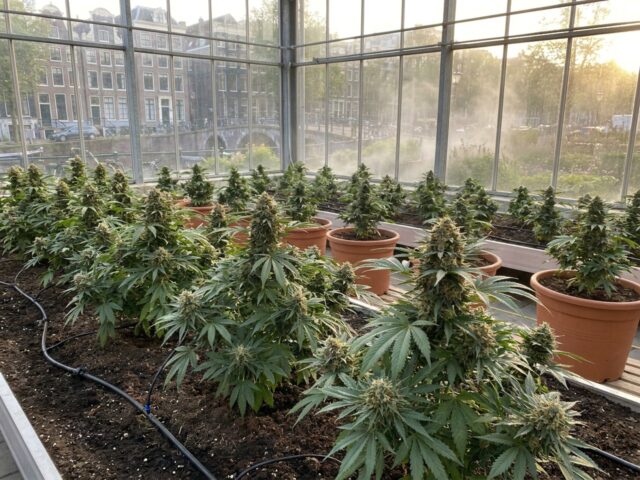
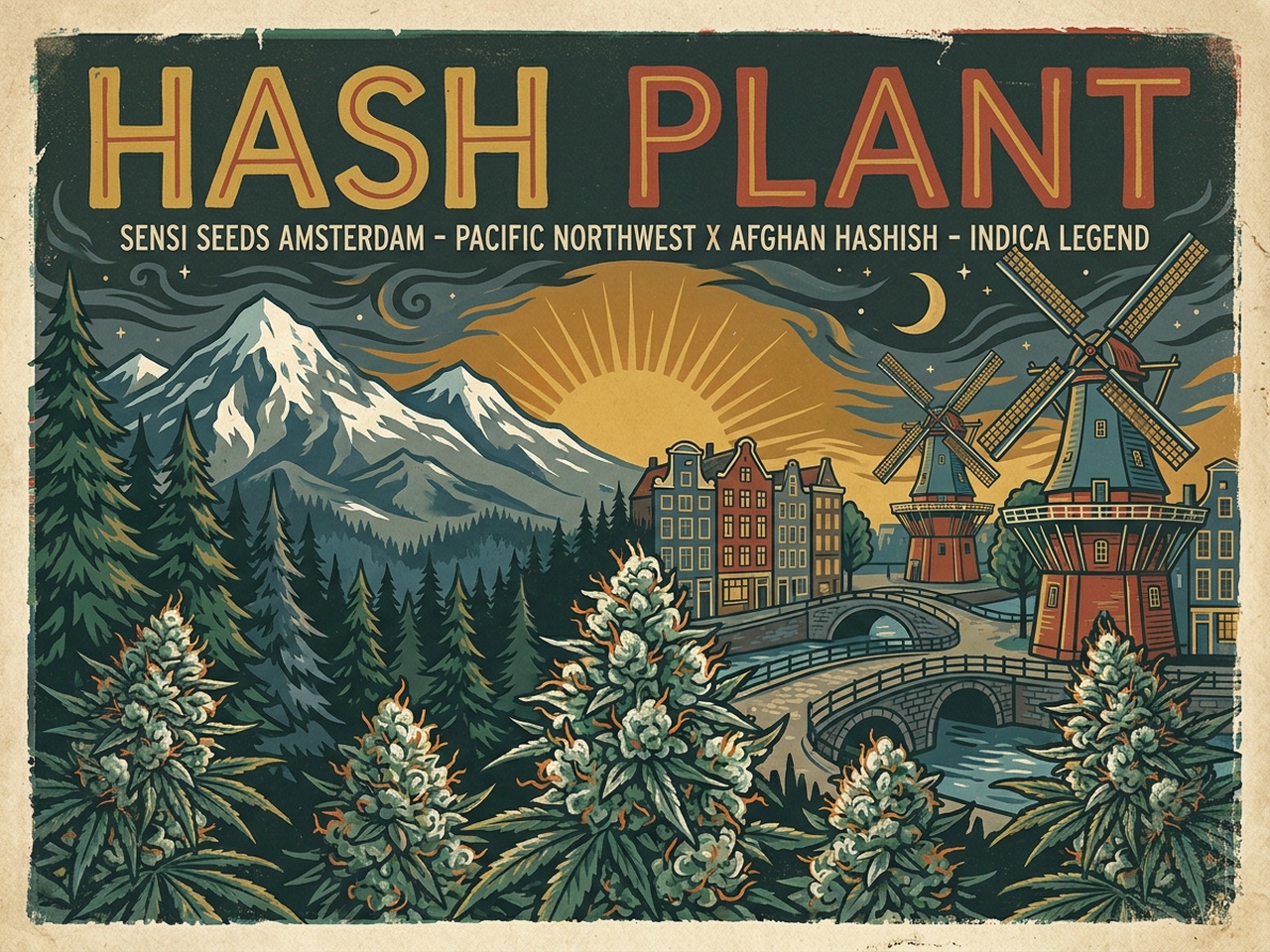
Hash Plant occupies an unassailable throne in the pantheon of classic broad-leaflet drug-type cannabis cultivars. Originating in the clandestine, foggy coastal valleys of the Pacific Northwest during the late 1970s and subsequently stabilized in Amsterdam by Sensi Seeds through hybridization with an inbred Northern Lights #1 male, Hash Plant was purposefully bred with a singular, unapologetic horticultural objective: maximizing glandular trichome density for high-efficiency mechanical resin extraction. Renowned across four decades for its short, stocky stature, ultra-fast 45-to-50-day flowering cycle, and colossal capitate-stalked resin heads, this 90%–100% pure indica specimen exudes a pungent, intoxicating perfume of spicy Afghan charas, damp cedar forest loam, and pungent peppery musk. Its heavy, narcotic body stone has established it as an enduring benchmark for nocturnal physical relief, deep muscle relaxation, and solventless hashish production.
Listen to the Hash Plant Oral Monograph
Comprehensive Botanical & Pharmacological Audio Analysis (Voice: en-GB-RyanNeural)
1. Executive Summary & Core Taxonomy
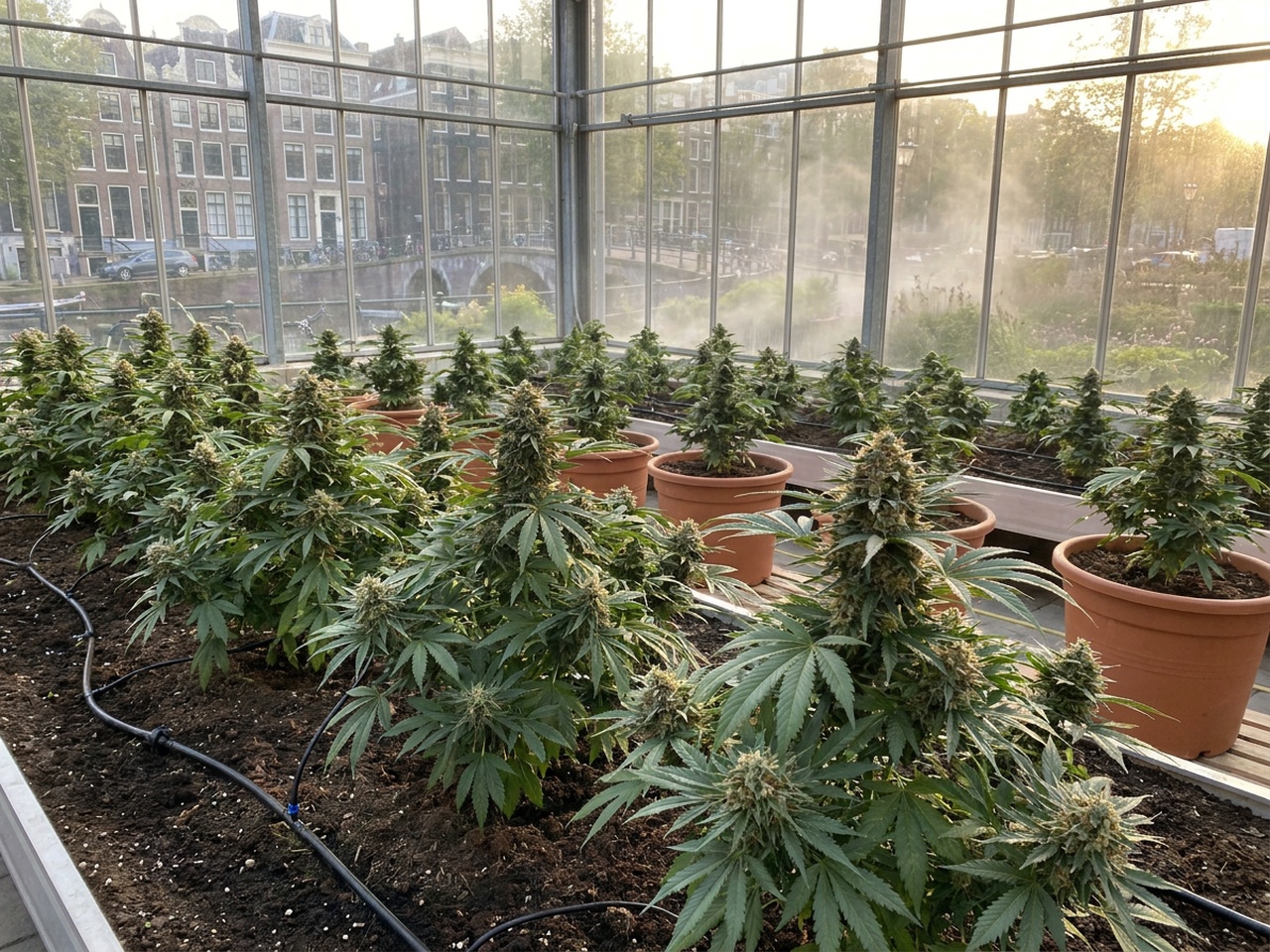
Taxonomically classified as a pure broad-leaflet drug-type (BLD) Cannabis indica, Hash Plant represents one of the most commercially influential building blocks in modern cannabis agronomy. While modern hybrid breeding often generates sprawling, unpredictable genetic variations, Hash Plant represents the pinnacle of stabilized landrace-derived homozygosity. Engineered through rigorous selective inbreeding and backcrossing, the cultivar exhibits a remarkably uniform morphology characterized by thick, woody main stems, ultra-short internodal intervals of 2 to 4 centimeters, and wide, deep-emerald fan leaves with broad, overlapping leaflets. In controlled horticultural environments, it rarely exceeds 80 to 100 centimeters in vertical stature, making it the supreme prototype for high-density indoor Sea of Green (SOG) cultivation protocols.
The historical origins of Hash Plant trace an extraordinary arc across international cannabis trade routes. In the late 1970s, underground growers in the Pacific Northwest—predominantly throughout Washington State and Northern California—isolated an exceptional Afghan landrace cutting renowned for its rapid resin accumulation and unprecedented resistance to cold, wet coastal microclimates. This original Northwest Hash Plant clone possessed legendary status but was notoriously difficult to propagate by seed without losing its extreme density and resinous traits. During the early to mid-1980s, cuttings of this clone were brought across the Atlantic to Amsterdam, where pioneering geneticist Nevil Schoenmakers at The Seed Bank and subsequently the master breeders at Sensi Seeds integrated it into European breeding programs. By crossing the clone to an elite, highly stable Northern Lights #1 inbred male, Sensi Seeds successfully translated the elite clonal traits into seed form, establishing a homozygous cultivar that has remained a global standard since 1987.
The geopolitical circumstances surrounding the initial importation of these Afghan genetics cannot be overstated. During the late 1970s, the historic overland trade route known as the “Hippie Trail” was abruptly severed by regional conflicts, culminating in the Soviet invasion of Afghanistan in December 1979. Prior to this closure, adventurous Western collectors and clandestine botanists had collected landrace seeds directly from high-altitude cultivation hubs in Balkh, Kandahar, and Mazar-i-Sharif. When these mountainous seeds were cultivated along the damp coastline of the American Pacific Northwest, growers selected specifically for short internodes, heavy resin capitation, and an accelerated flowering response capable of finishing before the onset of torrential autumn rains. The resulting “Hash Plant” cutting became the crown jewel of the North American underground cannabis scene.
When Nevil Schoenmakers and later Ben Dronkers at Sensi Seeds acquired the cutting in the mid-1980s, European growers faced an identical agronomic challenge: short northern summers and limited indoor vertical headroom. To commercialize the clone without diluting its legendary resin production, Sensi Seeds conducted an elaborate recurrent backcrossing program. By utilizing a pure Afghan inbred line—specifically an elite Northern Lights #1 male renowned for its thick central stalk and heavy, sweet pine resin—the breeders fixed the coveted mechanical wash traits into homozygous regular seed lines. The commercial release of Hash Plant in 1987 revolutionized the burgeoning Dutch coffeeshop culture, offering growers an unbeatable 45-day flowering turnaround and providing hashish artisans with the raw material required to produce domestic Dutch “Nederhasj” of world-class quality.
In modern clinical settings and commercial dispensary environments, Hash Plant occupies a vital role as a potent somatic medicine. Operating within an average delta-9-THC concentration band of 17.0% to 22.5%, Hash Plant bypasses the acute anxiety, tachycardic rushes, and racing cerebral cognitive shifts frequently provoked by high-THC tropical sativas. Instead, its chemical architecture is dominated by a heavy, stabilizing entourage of sedative sesquiterpenes (notably beta-caryophyllene and alpha-humulene) and the classic muscle-relaxant monoterpene beta-myrcene, supported by meaningful secondary cannabinoid concentrations of cannabigerol (CBG) and cannabinol (CBN). This synergy produces an immediate neuromuscular decompression, rendering it an indispensable therapeutic option for patients suffering from severe chronic pain, spasticity, nocturnal muscle cramping, and chronic sleep disruption.
The breeding significance of Hash Plant extends far beyond its finished dried flower appeal. As a parental donor, Hash Plant provides breeders with a genetic “anchor” capable of dramatically shortening flowering timelines in erratic polyhybrids. When crossed with prolonged tropical sativas or temperamental modern dessert crosses, Hash Plant systematically introduces structural rigidity, thick lignified branch joints, reduced internodal spacing, and an exponential increase in trichome head density. Its prominent role in creating modern legends—such as Black Domina (where Hash Plant represents one of four foundational quadrants), Jack Herer, and numerous legacy Dutch coffeehouse offerings—secures its status as an immortal pillar of the worldwide cannabis germplasm.
In institutional cannabis agronomy, Hash Plant serves as an ideal reference strain for studying plant physiology under controlled environmental stressors. Its evolutionary roots in the harsh, arid mountainous terraces of the Hindu Kush have endowed it with robust stomatal regulation mechanisms and exceptional cell-wall structural integrity. Even under aggressive photosynthetic photon flux densities (PPFD) exceeding 1,100 μmol/m²/s, Hash Plant demonstrates superior photosynthetic efficiency without exhibiting light bleaching or foliar curling, provided transpiration is properly managed through precise vapor pressure deficit (VPD) control.
The economic footprint of Hash Plant over the past forty years is equally monumental. During the initial explosion of Dutch indoor growing during the late 1980s and 1990s, commercial warehouse operators required cultivars that could produce rapid turnovers to maximize return on invested electrical capital. With its dependable 45-to-50-day flowering speed and high yield per square meter, Hash Plant became the workhorse of commercial indoor agriculture. In the modern era of solventless concentrates, that same genetic predisposition for brittle, swollen resin heads makes Hash Plant an elite contender for artisan bubble hash and live rosin extraction, continuing its legacy into the twenty-first century.
| Taxonomic & Technical Parameter | Institutional Metric / Standard Specification |
|---|---|
| Cultivar Name | Hash Plant (Canonical Sensi Seeds Lineage) |
| Breeding Collective / Origin | Pacific Northwest USA (Late 1970s) / Sensi Seeds Amsterdam (1987) |
| Genetic Architecture | Pacific Northwest Hash Plant clone x Northern Lights #1 inbred line |
| Botanical Classification | Broad-Leaflet Drug-Type (BLD) Cannabis indica (~90%–100% Indica) |
| Average THC Concentration | 17.0% – 22.5% (Elite living soil specimens: up to 24.2%) |
| CBD / Secondary Cannabinoids | CBD: 0.5% – 1.2% | CBG: 0.8% – 1.6% | CBN: 0.3% – 0.7% (Aged/cured) |
| Dominant Terpene Profile | Beta-Myrcene, Alpha-Pinene, Beta-Caryophyllene, Alpha-Humulene, Linalool |
| Flowering Photoperiod Duration | 45 – 50 Days (Ultra-fast commercial indoor cycle) |
| Canopy Geometry & Stature | Very compact, columnar central cola, short lateral branches; 80–100 cm height |
| Indoor Production Potential | 450 – 550 g/m² under optimized high-efficiency LED arrays |
| Solventless Extraction Efficiency | 4.5% – 6.0% Whole-Plant Fresh Frozen (WPFF) ice-water hash return (90μ–120μ) |
| Primary Clinical Indications | Severe insomnia, musculoskeletal spasticity, chronic arthritic pain, migraine tension |
2. Botanical Morphology & Phenotypic Variation
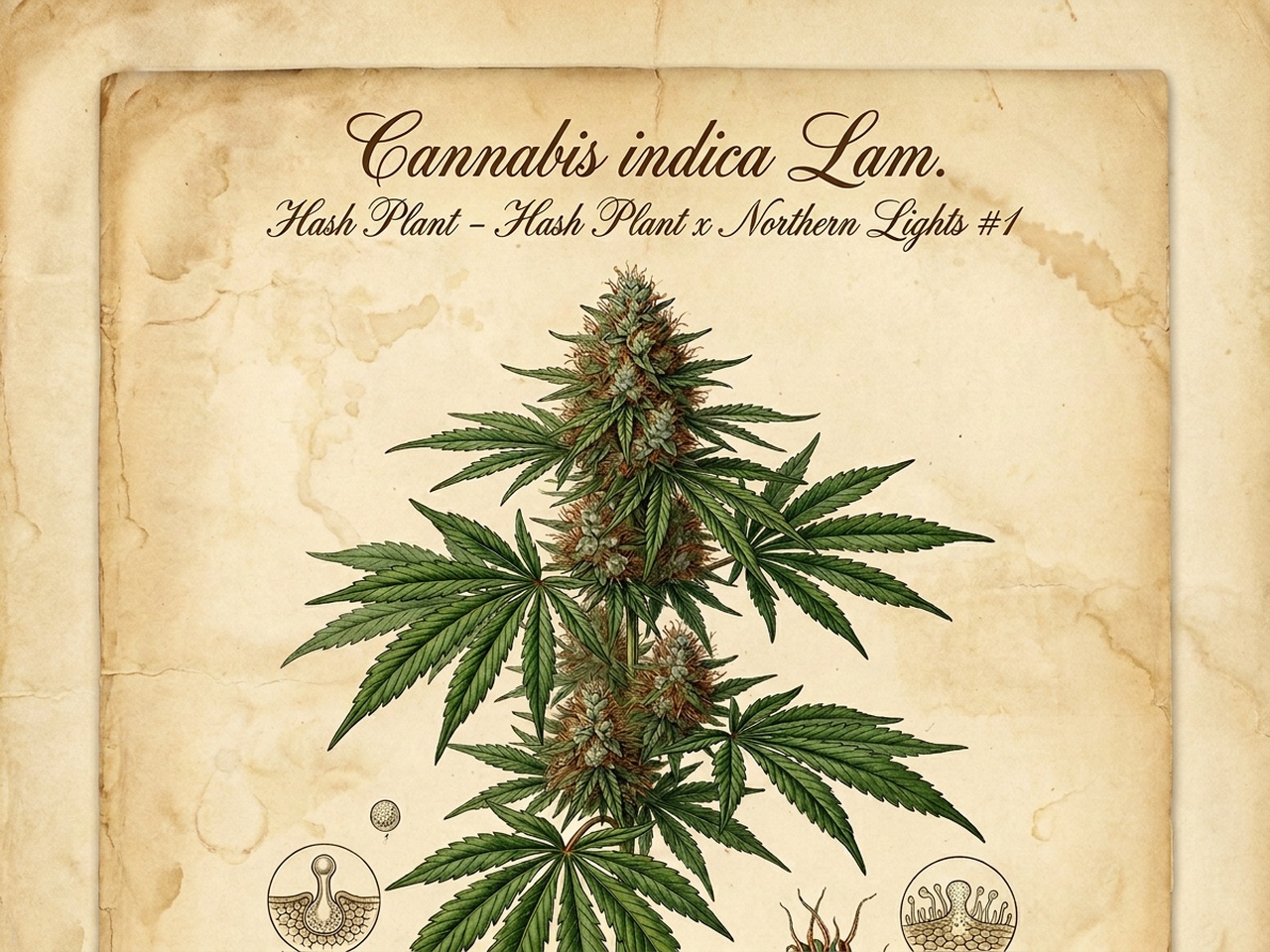
The physical architecture of Cannabis indica ‘Hash Plant’ serves as a textbook manifestation of extreme broad-leaflet drug-type morphology. Developing a thick, heavily lignified central stalk with minimal vertical stretching during the floral transition phase (typically expanding by only 30% to 60% of its final vegetative stature), Hash Plant exhibits an upright columnar silhouette. Its lateral branches emerge at acute 45-degree angles from the central stem, maintaining tight proximity to the main apical axis. This structural compactness enables commercial cultivators to position plants in close proximity without experiencing significant light starvation in the mid-canopy.
Foliar anatomy is characterized by massive, dark forest-green fan leaves composed of 7 to 9 broad, heavily serrated leaflets that often overlap at their margins. Under microscopic evaluation, the leaf blades exhibit a thick, waxy adaxial cuticle layer, dense palisade parenchyma cell organization, and an exceptionally high concentration of non-glandular cystolithic trichomes. These structural features evolved in high-elevation Central Asian mountain valleys to minimize transpirational moisture loss, withstand severe diurnal temperature fluctuations, and deflect intense ultraviolet-B radiation.
Histological examination of the foliar cross-section reveals an unusually thick cuticle composed of cutin embedded in cuticular waxes, which provides a high hydrophobic barrier against both desiccation and foliar fungal spores. The underlying epidermal cells are tightly compacted, beneath which lie two to three distinct layers of columnar palisade mesophyll packed with chlorophyll-a and chlorophyll-b pigments. This dense cellular packing accounts for the deep, near-black forest green foliage characteristic of Hash Plant. Furthermore, the vascular bundles of the petioles and primary veins display extensive secondary xylem reinforcement, providing substantial mechanical rigidity that prevents petiole drooping even under high ambient transpiration demand.
During floral morphogenesis, Hash Plant demonstrates a distinctive calyx-stacking behavior. Rather than elongating into airy, spiraling racemes, individual floral bracts aggregate into dense, rock-hard spherical clusters that encircle the node. As bloom progresses through weeks four and five, these nodal clusters expand laterally and merge into a solid, continuous apical club that can span 20 to 30 centimeters in length. The calyx-to-leaf ratio is moderately high for an heirloom indica, with sugar leaves remaining small, thick, and completely smothered in glandular resin heads that extend along the petioles and leaf margins.
The glandular trichome architecture of Hash Plant is its most celebrated botanical attribute. Microscopic examination under 100x to 400x magnification reveals colossal capitate-stalked glandular trichomes with swollen, spherical secretory heads measuring between 90 and 125 microns in diameter. The multicellular stalks are relatively short and rigid, while the abscission zone connecting the stalk to the secretory head is exceptionally narrow and brittle. This morphological configuration causes the resin heads to detach with effortless fluidity during mechanical agitation in freezing water, explaining why Hash Plant has long been regarded as the premier extraction cultivar in European hashish capitals.
In-depth analysis of the trichome abscission layer reveals that the junction between the stipe (the multicellular stalk) and the basal disc of the secretory head possesses a specialized ring of thin-walled parenchymal cells. As the glandular head fills with secondary metabolites—cannabinoids, sesquiterpenes, and monoterpenes—osmotic turgor within the secretory cavity stretches the outer waxy cuticle to its structural limit. When exposed to temperatures below 4°C, the lipids within the abscission zone undergo a glass transition, rendering them crystalline and highly susceptible to mechanical shear. A gentle fluid vortex in ice water is therefore sufficient to fracture the delicate neck cleanly, leaving the secretory head intact with its complete secondary metabolite payload.
Root system morphology is similarly robust. In porous organic living soils and properly aerated coco-coir substrates, Hash Plant establishes a dense, fibrous root mass dominated by an abundance of fine lateral feeder roots with high surface-area-to-mass ratios. This extensive root network facilitates rapid uptake of macronutrients and water, providing the osmotic driving force required to fuel rapid calyx expansion during its compressed 45-to-50-day flowering window. The root architecture is particularly resilient against root-zone temperature depressions, continuing effective phosphorus and potassium assimilation at root-zone temperatures as low as 16°C.
While Hash Plant exhibits remarkable stability across regular and feminized seed lines, phenohunting through standard seed cohorts typically reveals three distinct filial expressions:
| Phenotypic Cut | Morphological Architecture | Chemosensory & Terpene Dominance | Agronomic Notes & Yield |
|---|---|---|---|
| “The Original NW” Hash Plant Cut | Ultra-compact, single central cola; thick leathery dark foliage; extreme trichome coverage | Pungent spicy hashish, earthy forest loam, sharp black pepper, cedar | Finishes in 45–48 days; unmatched resin head brittleness; highest solventless wash yield (5.8%+). |
| Northern Lights #1 Leaning Cut | Slightly more lateral branching; cylindrical conical colas; vibrant amber pistils | Sweet pine needle, juniper, herbal musk, subtle sweet citrus undertones | Finishes in 48–52 days; heavier commercial dried flower yield (up to 550 g/m²); enhanced mold resistance. |
| Broad-Leaflet “Afghani Bull” Cut | Squat, stout, massive stem caliper; dark purple-tinted calyx tips under cool nights | Heavy beta-myrcene and caryophyllene; damp earth, black licorice, leather, dark hash | Finishes in 46–50 days; the most narcotic sedative physical stone; exceptional sleep aid. |
3. Cannabinoid & Comprehensive Terpene Matrix
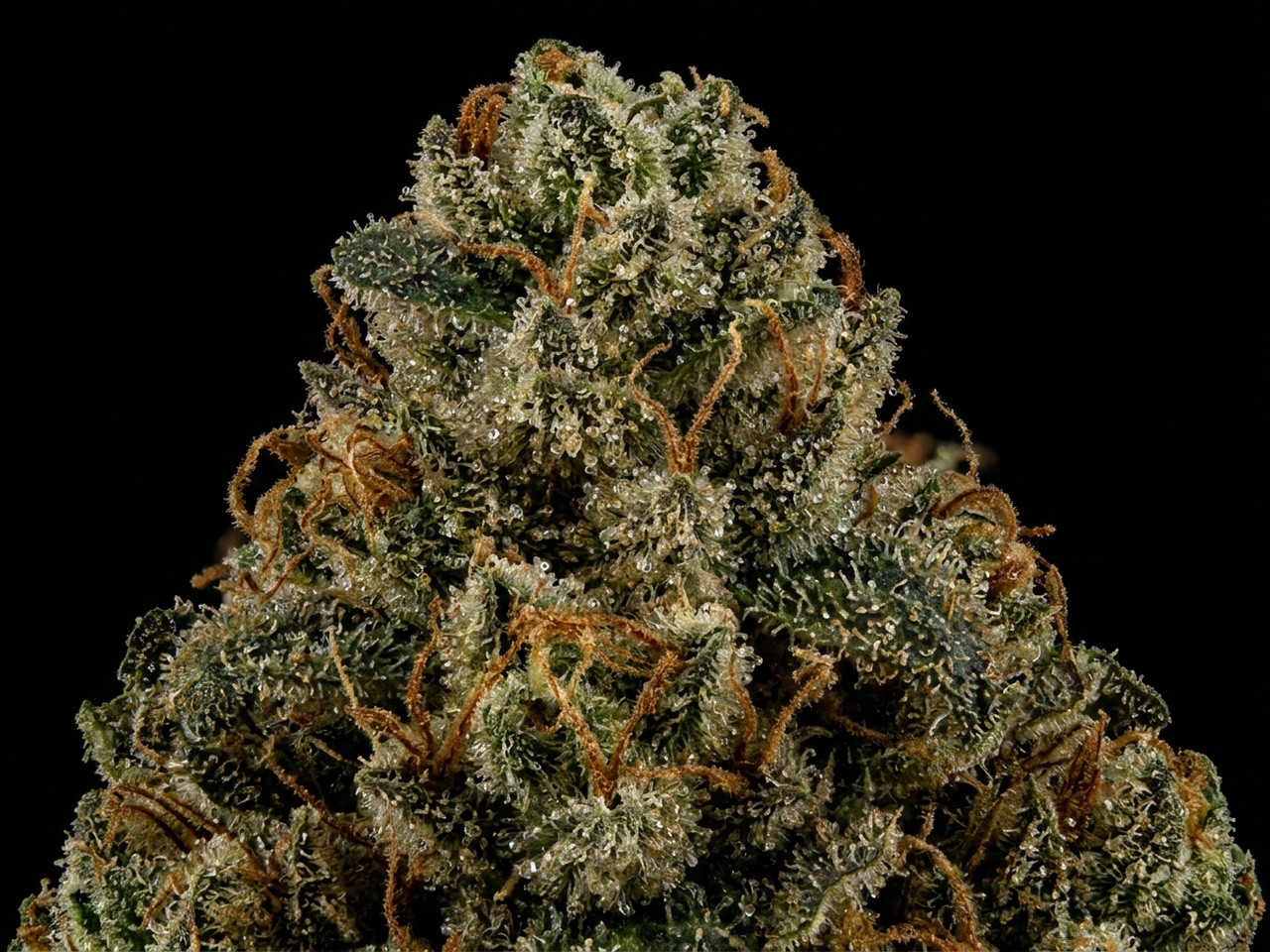
Quantitative chromatographic profiling of Hash Plant reveals a canonical Chemotype I cannabinoid spectrum, optimized for high delta-9-tetrahydrocannabinol (THC) expression coupled with clinically relevant concentrations of secondary phytocannabinoids. Total active cannabinoid content typically ranges from 19.5% to 25.0% by dry weight, with decarboxylated delta-9-THC representing the predominant psychoactive constituent (17.0%–22.5%). What sets Hash Plant apart from contemporary dessert crosses is its reliable synthesis of non-intoxicating minors: cannabigerol (CBG) is consistently synthesized at 0.8% to 1.6%, while mature and properly cured flowers develop between 0.3% and 0.7% cannabinol (CBN) through enzymatic and atmospheric decarboxylation.
The secondary cannabinoid profile also includes detectable traces of cannabichromene (CBC) at 0.2% to 0.5% and tetrahydrocannabivarin (THCV) at 0.1% to 0.3%. The presence of CBC contributes meaningful anti-inflammatory and analgesic synergy through its interaction with transient receptor potential ankyrin 1 (TRPA1) ion channels, augmenting the primary analgesic signaling initiated by THC at cannabinoid type 1 (CB1) receptors in the dorsal horn of the spinal cord.
Biosynthetically, the cannabinoid cascade in Hash Plant is governed by robust enzymatic expression of geranyl pyrophosphate:olivetolate geranyltransferase (GOT), commonly known as CBGA synthase. Within the disc cells of the glandular trichome head, GOT condenses geranyl pyrophosphate (GPP, derived from the plastidial MEP pathway) with olivetolic acid (OA, derived from the polyketide pathway) to produce cannabigerolic acid (CBGA), the central biochemical mother cannabinoid. In Hash Plant, the subsequent cyclization is driven predominantly by tetrahydrocannabinolic acid (THCA) synthase, which exhibits an extraordinarily high turnover rate, converting over 92% of available CBGA into THCA. The lingering 0.8% to 1.6% of unconverted CBGA provides valuable pharmacological value, acting as a potent alpha-2 adrenoceptor agonist and 5-HT1A receptor antagonist.
The terpene profile of Hash Plant is an olfactory masterclass in terrestrial sesquiterpene dominance, presenting a total terpene concentration ranging between 2.0% and 3.4% by dry flower weight. Unlike modern limonene- or ocimene-heavy fruit varieties, Hash Plant is anchored by high concentrations of the monoterpene beta-myrcene (accounting for 35% to 45% of total terpene volume), which imparts its damp forest soil, herbal musk, and earthy clove aromatics. Myrcene acts as an allosteric enhancer of blood-brain barrier permeability, significantly accelerating the central nervous system uptake and receptor affinity of circulating cannabinoids.
Following myrcene, the bicyclic monoterpene alpha-pinene represents the second most abundant volatile constituent (18% to 25% of total terpene fraction), delivering refreshing notes of fresh cedar, pine needles, and crisp mountain air. Alpha-pinene acts as a competitive acetylcholinesterase inhibitor in the central nervous system, which helps counteract THC-induced transient short-term memory impairment and provides subtle bronchodilatory benefits during pulmonary inhalation.
The sesquiterpene fraction is spearheaded by beta-caryophyllene (12% to 18%) and alpha-humulene (6% to 10%). Beta-caryophyllene functions as a selective full agonist at peripheral cannabinoid type 2 (CB2) receptors, eliciting potent anti-inflammatory and tissue-sparing responses without psychoactive intoxication. Alpha-humulene contributes dry woody and herbal spice undertones while demonstrating documented anti-inflammatory, analgesic, and anorectic properties that temper extreme appetite stimulation.
Minor aromatic constituents include linalool (3% to 6%), which infuses delicate floral lavender nuances and modulates central GABAergic pathways to enhance muscle relaxation, as well as trace amounts of trans-nerolidol, guaiol, and camphene. This intricate terpene architecture produces the legendary “old school Afghan hashish” room note that has captivated connoisseurs for decades. The presence of sesquiterpene alcohols such as guaiol and trans-nerolidol adds a smooth, velvety balsamic undertone to the vapor, which coats the mucosal linings and reduces airway irritation.
| Cannabinoid Compound | Concentration Range (Dry Weight %) | Physiological & Pharmacological Activity |
|---|---|---|
| Delta-9-THC (Tetrahydrocannabinol) | 17.0% – 22.5% | Primary psychoactive CB1 agonist; drives analgesia, muscle relaxation, euphoria, and sedation. |
| CBG (Cannabigerol) | 0.8% – 1.6% | Alpha-2 adrenoceptor agonist & 5-HT1A antagonist; potent neuroprotective and anti-inflammatory agent. |
| CBD (Cannabidiol) | 0.5% – 1.2% | Negative allosteric modulator at CB1; moderates dysphoria, mitigates tachycardia, reduces inflammation. |
| CBN (Cannabinol) | 0.3% – 0.7% | Mild CB1 agonist; exerts synergistic nocturnal sedative and hypnotic effects in post-cured flowers. |
| CBC (Cannabichromene) | 0.2% – 0.5% | TRPA1 agonist; enhances antinociceptive signaling and elevates systemic endocannabinoid tone. |
| THCV (Tetrahydrocannabivarin) | 0.1% – 0.3% | Low-dose CB1 neutral antagonist; regulates metabolic energy homeostasis and glycemic regulation. |
4. Sensory Profile & Organoleptic Evaluation
The olfactory and gustatory signature of Hash Plant represents the definitive gold standard of the classical Afghan hashish flavor profile. Upon approaching a properly cured jar of Hash Plant, the initial olfactory impression is dominated by deep, pungent notes of damp forest floor, rich garden loam, aged leather, and traditional hand-rubbed charas. There is a distinct, resinous warmth to the bouquet, reminiscent of high-altitude cedar forests warmed by the afternoon sun, layered over an underlying earthiness that smells profoundly ancient and grounding.
When individual colas are broken apart or ground, the volatile terpene bouquet expands exponentially. A pungent wave of spicy cracked black pepper, ground cloves, and resinous pine needle cuts through the heavy humus baseline, accented by subtle, elusive hints of dark blackberry jam and dried dark raisins inherited from its Northern Lights parentage. This complex interplay between earthy humus, resinous pine, and sharp spice forms an unmistakable aromatic fingerprint that is instantly recognized by veteran cannabis connoisseurs.
During the curing progression, Hash Plant undergoes a remarkable sensory maturation. While freshly harvested colas exhibit sharp, almost acrid monoterpene volatiles dominated by fresh pine sap and raw green herbal notes, a 60-day glass cure allows oxidative polymerization of heavier sesquiterpenes. The aroma softens into a rounded, velvety warmth characterized by sandalwood, sweet patchouli, and cured pipe tobacco. This maturation process mirrors the chemical curing observed in traditional Afghan hashish blocks stored in subterranean earthen cellars, where ambient humidity and moderate temperatures foster the synthesis of unique hashish-specific aromatics such as hashishene (5,5-dimethyl-1-vinylbicyclo[2.1.1]hexane), formed by the photolytic degradation of beta-myrcene.
Upon dry-herb vaporization at lower thermal thresholds (165°C–178°C / 329°F–352°F), the flavor is crisp, smooth, and remarkably clean. The inhale delivers a wash of fresh mountain spruce, sweet herbal tea, and crushed peppercorns that coat the tongue without harshness. The vapor feels light and expanding in the lungs, leaving a refreshing pine-balsamic aftertaste on the palate.
At higher vaporization temperatures (190°C–210°C / 374°F–410°F) or during traditional clean glass combustion, the smoke thickens into a dense, velvety white cloud that carries immense body. The flavor deepens into rich, roasted sandalwood, charred cedar, spicy dark hash, and rich tobacco leaf, accompanied by a pleasant resinous prickle on the soft palate. Despite its thickness, the smoke finishes with an exceptionally smooth, sweet pine exhale, entirely free of the acrid chlorophytic bitterness common in poorly flushed or improperly cured commercial flowers.
The combustion mechanics of properly cured Hash Plant flower reflect its high resin content and low mineral salt residue. A clean combustion test yields a light-grey to powdery white ash, demonstrating thorough flushing of nitrogenous salts during late bloom. As the flower burns, a glistening resin ring immediately forms behind the glowing cherry, liquefying intact glandular heads and releasing a steady plume of dense, blue-tinted fragrant smoke.
The room note (ambient second-hand aroma) of combusted Hash Plant is famously heavy and long-lasting. It permeates the surrounding environment with the unmistakable scent of a 1980s Amsterdam coffeeshop or a traditional Middle Eastern bazaar: rich incense, fragrant woodsmoke, exotic spices, and sweet herbal musk. This rich, incense-like quality makes Hash Plant one of the most nostalgic and universally revered cultivars in cannabis culture.
| Sensory Dimension | Primary Descriptive Attributes | Key Terpenic & Volatile Drivers |
|---|---|---|
| Aroma (Unbroken Whole Flower) | Damp forest loam, aged leather, spicy cured charas, warm cedarwood | Beta-Myrcene, Alpha-Humulene, Guaiol |
| Bouquet (Ground / Milled Flower) | Cracked black peppercorns, fresh pine resin, dark blackberry, clove | Beta-Caryophyllene, Alpha-Pinene, Trans-Nerolidol |
| Flavor (Low-Temp Vaporization) | Crisp mountain spruce, sweet herbal tea, spicy lemongrass, floral musk | Alpha-Pinene, Beta-Pinene, Linalool |
| Flavor (Combustion / High Temp) | Rich sandalwood, roasted spices, heavy dark hashish, cured tobacco leaf | Beta-Caryophyllene, Humulene, Decarboxylated Cannabinoids |
| Mouthfeel & Smoke Texture | Dense, velvety, expanding lung-feel; exceptionally smooth, non-acrid finish | High resin cuticle lipid content, low nitrate/chlorophyll residue |
| Ambient Room Note (Incense) | Traditional temple incense, sweet exotic woodsmoke, aged Afghan hash | Sesquiterpenoid combustion products, Humulene, Caryophyllene oxide |
5. Clinical Pharmacology & Somatic Effects
From a clinical neuro-pharmacological perspective, Hash Plant acts primarily as a profound central nervous system depressant and peripheral myorelaxant. Following inhalation, the onset of systemic physiological effects is remarkably rapid, typically establishing measurable pharmacodynamic activity within 90 to 180 seconds. The initial phase manifests as a soothing, warm sensation radiating across the crown of the head, behind the eyes, and down through the trapezius and cervical spine muscles. Unlike sativa cultivars that provoke cerebral stimulation or rapid divergent thought patterns, Hash Plant immediately quiets cognitive chatter, inducing an expansive, contemplative, and serene mental state.
Within 15 to 25 minutes of administration, the somatic effect deepens into full-spectrum physical analgesia. Hash Plant’s potent synergy between delta-9-THC and high levels of beta-caryophyllene promotes effective modulation of both central cannabinoid CB1 receptors and peripheral CB2 receptors. In peripheral tissues, CB2 activation on macrophage and mast cell populations attenuates the local release of pro-inflammatory eicosanoids and cytokines, diminishing tissue swelling and blunt inflammatory pain signaling. Centrally, CB1 receptor activation in the periaqueductal gray (PAG) and rostral ventromedial medulla (RVM) engages descending inhibitory pain pathways, dramatically elevating mechanical and thermal pain thresholds.
Neurochemically, the profound anti-hyperalgesic activity of Hash Plant is reinforced by its high beta-caryophyllene concentration, which acts as a selective CB2 agonist without intoxicating CB1 engagement. CB2 activation triggers downstream inhibition of the nuclear factor kappa-light-chain-enhancer of activated B cells (NF-κB) pathway within microglia, thereby blunting the transcription of pro-inflammatory inducible nitric oxide synthase (iNOS), cyclooxygenase-2 (COX-2), and tumor necrosis factor-alpha (TNF-α). This anti-neuroinflammatory cascade makes Hash Plant particularly effective for chronic neuropathic pain conditions such as diabetic peripheral neuropathy, lumbar radiculopathy, and post-herpetic neuralgia.
The high concentration of the monoterpene beta-myrcene plays a pivotal role in the cultivar’s legendary “couch-lock” sedation. By functioning as a positive allosteric modulator at central gamma-aminobutyric acid type A (GABA-A) receptors, myrcene enhances inhibitory chloride currents across neuronal membranes, suppressing motor reflex excitability and inducing generalized skeletal muscle relaxation. This mechanism is of tremendous clinical value for patients suffering from severe spinal cord injury spasticity, multiple sclerosis muscle stiffness, and nocturnal leg cramping.
In sleep medicine, Hash Plant is widely considered one of the premier botanical interventions for chronic sleep-onset insomnia (SOI) and frequent nocturnal awakenings. By accelerating the transition into restorative slow-wave sleep (Stage 3 NREM sleep) while moderately reducing the latency and duration of rapid eye movement (REM) cycles, Hash Plant prevents disruptive nightmares in patients afflicted with post-traumatic stress disorder (PTSD) and ensures deep, uninterrupted physical recovery throughout the night. Patients routinely report an absence of morning cognitive grogginess, attributable to the clean clearance kinetics of its primary terpene constituents.
Gastrointestinal applications are equally prominent. Activation of CB1 receptors within the enteric nervous system and the dorsal vagal complex suppresses gastric motility spasms and potently eliminates nausea. Concurrently, Hash Plant stimulates pro-opiomelanocortin (POMC) neurons within the arcuate nucleus of the hypothalamus, eliciting a robust and reliable appetite surge that is clinically beneficial for patients suffering from cancer cachexia, chemotherapy-induced anorexia, or severe gastrointestinal malabsorption syndromes.
| Medical Condition / Indication | Underlying Pharmacological Mechanism | Observed Clinical Patient Outcome |
|---|---|---|
| Refractory Sleep-Onset Insomnia | GABA-A receptor allosteric modulation via myrcene & central CB1 agonism | Dramatic reduction in sleep latency (SOL); extension of deep Stage 3 NREM sleep. |
| Musculoskeletal Spasticity & Tremors | Polysynaptic spinal reflex inhibition & peripheral neuromuscular junction damping | Significant relief from MS spasticity, spinal compression, and chronic nocturnal cramps. |
| Chronic Arthritic & Neuropathic Pain | Peripheral CB2 activation via caryophyllene & central PAG descending pain inhibition | Marked reduction in joint stiffness, hyperalgesia, and chronic inflammatory pain scores. |
| Severe Migraines & Tension Headaches | Trigeminovascular system damping & cerebral vasoconstrictive stabilization | Rapid abortion of acute tension attacks; reduction in photophobia and cranial throbbing. |
| PTSD-Related Nocturnal Panic & Nightmares | Basolateral amygdala hyperactivity suppression & REM sleep attenuation | Blunts nightmare intensity; eliminates night sweats and autonomic panic awakenings. |
| Chemotherapy Anorexia & Nausea | Hypothalamic POMC neuron activation & area postrema 5-HT3 antagonism | Reliable restoration of appetite; rapid cessation of acute and anticipatory emesis. |
6. Commercial Agronomy & Cultivation Protocols
Commercial agronomic management of Hash Plant is defined by its extraordinary efficiency, extreme environmental hardiness, and ultra-short generative lifecycle. In indoor controlled environment agriculture (CEA) installations, Hash Plant completes its entire flowering photoperiod in just 45 to 50 days (6.5 to 7 weeks), representing one of the fastest turnaround cultivars in commercial cannabis. Because vertical stretch is minimal—rarely expanding beyond 30% to 50% after the transition to a 12/12 photoperiod—growers can tailor canopy architecture with unparalleled spatial precision.
The optimal canopy deployment strategy for Hash Plant is the Sea of Green (SOG) methodology. Cultivators typically plant rooted vegetative cuttings directly into 4- to 7-liter containers at densities ranging from 16 to 25 plants per square meter. Following a brief vegetative establishment period of only 7 to 10 days under an 18/6 photoperiod, the crop is flipped directly into flowering. Under this regimen, plants develop as single, massive central colas with minimal lower branching, allowing commercial facilities to achieve five to six complete harvests per calendar year while dramatically reducing vegetative canopy footprint and labor-intensive plant training.
Nutritional requirements are characterized by high nutrient tolerance, particularly during weeks two through five of flowering. Hash Plant is a heavy feeder capable of thriving under substrate electrical conductivity (EC) levels of 1.8 to 2.2 mS/cm in coco-coir or hydroponic setups, and 1.4 to 1.8 mS/cm in organic living soil. Because of its thick stem lignification and dense calyx stacking, the plant exhibits a substantial demand for available calcium and magnesium throughout all developmental stages. Supplementation with bioavailable mono-silicic acid (MSA) at 15 to 20 ppm strengthens cuticle resilience and improves structural branch load capacity.
In organic living soil configurations, Hash Plant responds exceptionally well to diverse microbial inoculants, particularly endomycorrhizal fungi (such as Rhizophagus irregularis) and plant-growth-promoting rhizobacteria (PGPR, including Bacillus amyloliquefaciens and Pseudomonas putida). These symbiotic organisms solubilize bound phosphorus and chelate micronutrients such as iron and manganese, optimizing mineral uptake across rapid generative cycles. Top-dressing with composted worm castings, steamed bone meal, and pulverized basalt rock dust during vegetative week two provides a steady reservoir of macro and trace minerals that prevents mid-bloom nutrient deficiencies.
Lighting intensity can be pushed aggressively without inducing photo-oxidative stress. In vegetative development, targets of 400 to 550 μmol/m²/s sustain tight internodal spacing. During peak bloom, lighting levels should be elevated to 900–1100 μmol/m²/s in standard setups, and up to 1300–1500 μmol/m²/s in sealed facilities with carbon dioxide enrichment maintained between 1200 and 1500 ppm. Under high-PPFD and elevated CO2 conditions, dry flower yields routinely achieve 450 to 550 grams per square meter of rock-hard, crystalline flower tissue.
Environmental controls require strict attention to relative humidity and air circulation during late bloom. Due to the extreme physical density of Hash Plant colas, relative humidity must be reduced to 40%–45% during weeks four through seven, with a daytime vapor pressure deficit (VPD) target of 1.3 to 1.5 kPa. Ample horizontal and under-canopy airflow must be maintained to eliminate stagnant boundary layers and prevent localized micro-climates that could foster Botrytis cinerea (bud rot). Strategic defoliation of large fan leaves at Day 21 of bloom improves airflow penetration across the central core of each plant without stressing the crop.
Irrigation dynamics should follow a precision dryback curve. Multi-shot drip irrigation delivering small, frequent pulses during the first four hours of the photoperiod ensures steady substrate electrical conductivity while maintaining 20% to 30% daily volumetric water content (VWC) drybacks. During the final 7 to 10 days before harvest, irrigation should transition to low-EC leaches (0.4–0.8 mS/cm) combined with extended drybacks, prompting the plant to consume internal starch reserves and accelerating the natural senescence of chlorophytic tissues.
| Agronomic Variable | Vegetative Phase Target | Early/Mid Flower (Weeks 1–4) | Late Flower / Ripening (Weeks 5–7) |
|---|---|---|---|
| Photoperiod Schedule | 18h Light / 6h Dark | 12h Light / 12h Dark | 12h Light / 12h Dark |
| Daytime Air Temperature | 24°C – 26°C (75°F – 79°F) | 23°C – 25°C (73°F – 77°F) | 21°C – 23°C (70°F – 73°F) |
| Nighttime Air Temperature | 20°C – 21°C (68°F – 70°F) | 18°C – 20°C (64°F – 68°F) | 16°C – 18°C (61°F – 64°F) |
| Relative Humidity (RH) | 62% – 70% | 50% – 58% | 38% – 44% (Critical botrytis defense) |
| Vapor Pressure Deficit (VPD) | 0.8 – 1.0 kPa | 1.1 – 1.3 kPa | 1.3 – 1.5 kPa |
| Photosynthetic Flux (PPFD) | 400 – 550 μmol/m²/s | 800 – 1000 μmol/m²/s | 900 – 1150 μmol/m²/s (w/ CO2: up to 1350) |
| Substrate EC (Electrical Cond.) | 1.2 – 1.5 mS/cm | 1.8 – 2.2 mS/cm | 0.6 – 1.0 mS/cm (Final leach/taper) |
| Substrate pH (Soil / Hydro) | 6.3–6.7 (Soil) / 5.8–6.1 (Hydro) | 6.2–6.6 (Soil) / 5.8–6.0 (Hydro) | 6.3–6.7 (Soil) / 5.9–6.2 (Hydro) |
| Glandular Trichome Maturity | Non-flowering | 100% Clear / Early Clouding | 75%–85% Milky Cloudy / 15%–25% Amber |
7. Post-Harvest Processing, Hashish Extraction & Curing Science
True to its name, Hash Plant represents one of the premier genetic achievements for solventless mechanical hashish extraction in botanical history. Developed specifically for traditional dry sifting and ice-water agitation, its glandular trichome morphology is tailored for high-yield, high-purity separation. The resin glands possess narrow, brittle stalk attachments that fracture cleanly under cryogenic or near-freezing conditions, while the secretory heads average 90 to 120 microns—the ideal size band for pharmaceutical-grade mechanical sieving screens.
In whole-plant fresh frozen (WPFF) ice-water extraction protocols, Hash Plant routinely delivers exceptional returns of 4.5% to 6.0% fresh frozen weight. Agitation must be conducted in ice-cold reverse-osmosis water maintained between 0.5°C and 2.0°C. Due to the high brittleness of the trichome pedicels, excessive mechanical sheer is unnecessary; gentle pneumatic agitation for 8 to 12 minutes releases pristine, intact glandular heads into the wash vessel. The 90μ and 104μ collection screens capture true “six-star” full-melt hashish that displays zero residual plant debris and liquefies completely into a clear, bubbling pool of aromatic oil upon low-temperature thermal contact.
The physical dynamics of cold-water extraction depend upon the differential specific gravity of mature glandular trichome heads versus green foliar contaminants. Ripe capitate-stalked heads, saturated with dense cannabinoids and terpenes, possess a specific gravity slightly greater than water (approximately 1.02 to 1.05 g/cm³), causing them to sink readily to the bottom of the collection vessel. In contrast, non-glandular plant matter and broken vegetative debris have a lower specific gravity and remain suspended in the upper water column. Maintaining water temperatures strictly below 2°C preserves the rigidity of cellular membranes, preventing chlorophyll leaching and ensuring the extracted resin retains a pristine, pale ivory to light golden hue.
Once collected, modern solventless laboratories utilize advanced lyophilization (freeze-drying) protocols to dehydrate the wet bubble hash without exposing heat-sensitive terpenes to atmospheric oxidation. In a commercial freeze-dryer, the resin slurry is frozen to -35°C, after which deep vacuum (sub-100 millitorr) is applied to sublime ice crystals directly into water vapor over a 16-to-20-hour cycle. The resulting dry hashish emerges as an ultra-fine, sand-like powder with residual moisture content under 1.5%, preserving full terpene fidelity and preventing microbiological contamination during subsequent storage.
When pressed into solventless live rosin, Hash Plant bubble hash requires precise thermal calibration. Pressing between 71°C and 77°C (160°F–170°F) through dual 25μ monofilament mesh screens preserves delicate monoterpenes and yields a pale golden, glass-like extract that cures over 14 days at 15°C into a glistening, terpene-rich batter. The resulting concentrate captures the essence of classic Afghan hashish, delivering pungent notes of cured cedar, dark berries, and black pepper.
For traditional dry-sieve connoisseurs, Hash Plant dried flower can be mechanically sieved over stainless-steel screens (typically 120μ, 90μ, and 70μ mesh) in cold-room environments (10°C–12°C). Following Frenchy Cannoli’s traditional technique, the sieved kief is pressed using a heated glass bottle filled with boiling water (approx. 95°C), which ruptures the outer cuticle shells and melts the inner resin into a homogeneous, dark brown mass. Kneading and rolling this resin into dense “temple balls” seals the exterior cuticle into an airtight, protective skin, allowing the inner hashish to age and cure over several years, developing complex, wine-like, and leathery aromatic nuances.
For whole-flower drying and curing, whole plants should be harvested and hung in darkness at 15°C–16°C (59°F–61°F) and 58%–62% relative humidity for 12 to 15 days. This extended, cold drying curve allows endogenous proteolytic enzymes to break down bitter starches, nitrates, and chlorophyll pigments while preventing the premature volatilization of delicate monoterpenes like myrcene and pinene.
Once trimmed and sealed into airtight glass curing vessels at 16°C, flowers must be maintained at a stable water activity (aw) between 0.58 and 0.62. Daily burping during the first two weeks, followed by airtight aging for 30 to 45 days, completes cannabinoid acid stabilization and promotes the enzymatic transformation of sharp terpenes into the smooth, incense-rich organoleptic profile that characterizes authentic cured Hash Plant. Flowers stored under these conditions exhibit minimal oxidative degradation of THCA into CBN over an 18-month storage window, maintaining peak market value and therapeutic potency.
8. Sourcing, Verification, Phenohunting & Sibling Cultivars
Authentic Hash Plant genetics remain preserved and widely accessible through the canonical seed library of Sensi Seeds in Amsterdam, offered in both regular and feminized formats. Commercial growers seeking to establish elite in-house mother stock are advised to begin with cohorts of regular seed stock (50 to 100 seeds minimum), which permits the identification and selection of rare filial recombinants that express the extreme trichome density of the Pacific Northwest mother clone combined with the enhanced mold tolerance and calyx vigor of Northern Lights #1.
When conducting a commercial phenohunt, agronomists should prioritize specific phenotypic benchmarks: rapid root initiation within 7 to 9 days from cutting, a stocky columnar growth habit with short internodal spacing (under 3 cm), exceptional resin coverage on sugar leaves and petioles by day 28 of bloom, a rapid 45-to-48-day flowering cycle, and an intense spicy cedar and peppery hashish bouquet upon stem rubbing.
In modern genetic registries, Hash Plant has served as an indispensable genetic parent in creating numerous world-class cannabis varieties. Most notably, Hash Plant is a core grandparent of Black Domina (synthesized alongside Northern Lights, Ortega, and Afghani SA), Jack Herer (where Hash Plant lends its resin density and heavy calyx formation), and Mr. Nice (G13 x Hash Plant). In clinical and dispensary settings, Hash Plant stands as an elite peer alongside other legendary pure Afghan heavyweights such as Master Kush, Night Queen, Sensi Star, and Afghani #1.
Beyond its historical crosses, Hash Plant serves as an extraordinary modern breeding tool for introgressing mechanical resin wash traits into commercial polyhybrids. When crossed with modern exotic varieties that possess high terpene complexity but delicate, smeary trichome heads unsuitable for ice-water extraction, Hash Plant offspring frequently inherit brittle abscission necks and dense glandular caps, transforming low-yielding extraction strains into commercial wash powerhouses.
For licensed commercial facilities, long-term genetic preservation through in vitro micropropagation and apical meristem tissue culture is strongly recommended. Maintaining elite Hash Plant mother lines in clean, pathogen-free tissue culture banks safeguards valuable genetics against devastating viral and viroid pathogens (such as Hop Latent Viroid, HLVd), ensuring perpetual clonal vigor and consistent secondary metabolite production for decades to come.
| Cultivar Name | Genetic Pedigree | Aromatic Signature | Distinct Agronomic & Clinical Strength |
|---|---|---|---|
| Hash Plant | Pacific Northwest Hash Plant x Northern Lights #1 | Spicy cured charas, damp cedar loam, black pepper | Ultra-fast 45–50 day bloom; unparalleled resin head brittleness for solventless wash. |
| Black Domina | NL x Ortega x Hash Plant x Afghani SA | Dark ripe blackberry, peppery hashish, damp forest loam | Profound nocturnal sedation; heavy somatic relaxation; insomnia relief. |
| Sensi Star | Afghan Indica Lineage (Paradise Seeds 1995) | Sharp metallic lemon, spicy pepper, damp pine | The “One-Hit Wonder”; rapid neuromuscular block; acute pain relief. |
| Master Kush | Dual Hindu Kush Landrace F1 Hybrid | Earthy incense, vintage charas, citrus wood | Grounded meditative calm; sensory decompression without cognitive fog. |
| Night Queen | 100% Pure Afghan Indica Heirloom (1980s) | Spicy herbal hash, rich earth, damp forest soil | Deep sedative body-melt; relief from chronic arthritis and neuropathic pain. |
| Afghani #1 | Pure Inbred Afghan Landrace Selection | Rich dark earth, sweet pungent fruit, spicy musk | Foundational homozygous breeding pillar; dense columnar colas; profound analgesia. |
- Afghani #1
- Banana Blaze
- Black Domina
- Critical Kush
- Critical Mass
- Death Star
- Diamond OG Strain a Sparkling Heavy Indica
- Fire OG
- Ghost OG
- Godfather OG Strain
- Grandaddy Purple
- Hash Plant
- Hindu Kush
- Hindu Kush Skunk
- Kandahar Indica
- Kashmiri Landrace
- King Kush Grape-infused Heavy Indica Hybrid
- King Louis XIII Strain – The Heavyweight OG Indica Hybrid
- Kosher Kush
- Larry OG
- Lashkar Gah Indica
- Lashkar Gah Indica
- Lebanese Red & Blonde Landrace
- Malana Cream
- Master Kush
- Mazar-i-Sharif
- Moroccan Beldia (Kif)
- Nepalese Temple Ball
- Night Queen
- Northern Lights
- Pakistan Chitral Kush (PCK)
- Pennywise Strain
- Permanent Marker Strain
- Sensi Star
- SFV OG
- Sheberghan Landrace
- Sinai Bedouin Landrace
- Skywalker
- Skywalker OG
- Stephen Hawking Kush Strain
- Tahoe OG Kush
- Tashkurgan Indica
- Tirah Valley Landrace
- Triangle Kush
- Wedding Cake Strain
- White Queen Strain – Royal Frost-Capped Indica Hybrid
- Bubba Kush
Ajarn Spencer Littlewood & Agent Gemini Unleashed for Ganjahouse.net
All rights reserved.