🎙️
Listen to the Strain Audio Review
Official Audio Monograph
Listen to the full spoken audio review, genetic lineage breakdown, terpene profile, and clinical therapeutic indications for this high-CBD medical cultivar.
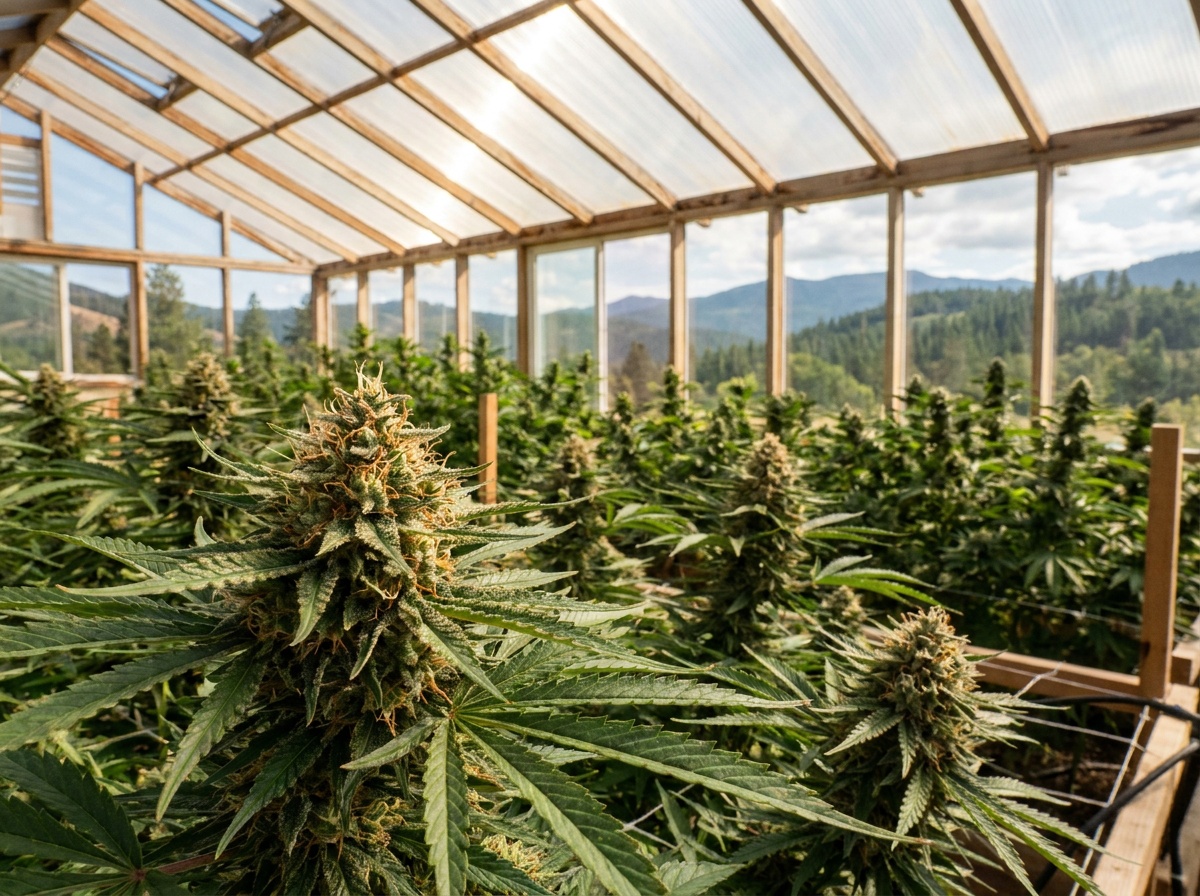
A definitive botanical, phytochemical, and clinical dispensary monograph cataloguing Cannabis sativa L. × Cannabis indica Lam. cv. ‘Harle-Tsu’—a watershed medical cultivar stabilized in 2011 by pioneering breeder Lawrence Ringo of the Southern Humboldt Seed Collective. Combining the multi-landrace heritage of Harlequin with the foundational CBD chemistry of Sour Tsunami, Harle-Tsu establishes the clinical gold standard for Type III high-cannabidiol therapeutics, delivering a remarkable 20:1 CBD:THC ratio, negligible psychotropic intoxication, and a rich, grounding terpenoid matrix dominated by myrcene, pinene, and terpinolene.
Section 1: Origins, Terroir, and Ethnobotanical History
The emergence of Harle-Tsu in 2011 marked a fundamental paradigm shift in the history of contemporary cannabis breeding, transforming the botanical landscape from an era almost exclusively dominated by recreational THC maximization into a sophisticated discipline centered on targeted phytocannabinoid pharmacognosy. For over four decades following the inception of the indoor horticultural boom in the 1970s, underground and commercial seed breeders across Western Europe and North America applied intense selective breeding pressures aimed almost single-mindedly at escalating Delta-9-tetrahydrocannabinol concentrations. Inadvertently, this monotypic pursuit of intoxicating potency caused the near-total extinction of cannabidiol (CBD) and secondary medicinal cannabinoids from commercial domestic gene pools. By the late 2000s, clinical researchers, pediatric neurologists, and integrative medical practitioners were confronted with an urgent botanical deficit: thousands of patients suffering from severe inflammatory diseases, refractory seizure syndromes, chronic neurodegenerative disorders, and debilitating anxiety required the restorative properties of cannabis, yet could not tolerate the acute cognitive distortion, tachycardic spikes, or psychological paranoia frequently induced by high-potency Type I chemotypes.
The visionary individual who recognized and solved this crisis was Lawrence Ringo of the Southern Humboldt Seed Collective (SoHum Seeds), operating out of the legendary Emerald Triangle in Northern California. Ringo, widely revered today as the father of modern CBD breeding, had spent decades cultivating heirloom cannabis amidst the pristine microclimates and ancient redwood loam of Humboldt County. Around 2008, when California medical dispensaries were beginning to adopt analytical gas chromatography and HPLC testing through pioneering facilities such as Steep Hill Laboratory, Ringo began systematically screening hundreds of seedling selections from his private genetic archive. While most breeders immediately discarded any plant testing below 15% THC, Ringo methodically isolated anomalous phenotypes that expressed measurable fractions of CBD. His initial breakthrough was Sour Tsunami, an intentional hybridization of Sour Diesel, NYC Diesel, and a select Ferrari Afghan donor, which became the first stabilized North American strain consistently verified to express approximately equal ratios of CBD and THC (1:1).
Not satisfied with a balanced 1:1 ratio, Ringo sought to engineer a cultivar that would completely decouple the profound therapeutic efficacy of cannabidiol from psychotropic intoxication, allowing pediatric patients, elderly individuals, and active professionals to administer potent daytime doses without cognitive impairment. To achieve this, Ringo selected an elite clone-only cut of Harlequin as the maternal parent. Harlequin itself possessed an extraordinary four-way multi-landrace lineage consisting of 75% Sativa germplasm (derived from Colombian Gold, a prized Thai Highland landrace, and an early-maturing Swiss mountain Sativa) balanced by 25% Nepalese Indica hashish heritage. Harlequin was already celebrated in Bay Area medical dispensaries for producing an approximate 5:2 CBD:THC ratio characterized by crystal-clear cognitive lucidity and vibrant uplifting energy. In a masterstroke of Mendelian population genetics, Ringo crossed this Harlequin female with his stabilized, high-CBD Sour Tsunami pollen donor, producing a diverse progeny population designated as ‘Harle-Tsu’ (a portmanteau honoring both parents).
The phenohunt that followed in Southern Humboldt was exhaustive. Ringo and his colleagues germinated hundreds of candidate seeds, subjecting each individual plant to rigorous analytical laboratory testing at early vegetative and flowering stages. While Mendelian segregation yielded a spectrum of chemotypes (including 1:1 balanced phenotypes and occasional THC-dominant expressions), Ringo successfully identified and cloned several remarkable individuals that exhibited an almost total suppression of the CB1-activating enzyme (THCA-synthase) accompanied by an astronomical upregulation of CBDA-synthase. These elite Type III phenotypes produced cannabidiol concentrations exceeding 18% to 22% by dry weight, while Delta-9-THC remained clamped below 0.85% to 1.0%—establishing an astounding 20:1 to 24:1 CBD-to-THC ratio. When Harle-Tsu was entered into the 2012 and 2013 Emerald Cup competitions, it stunned the international cannabis community, sweeping awards in the high-CBD category and cementing Northern California’s reputation as the epicenter of evidence-based medical cannabis breeding.
The ethnobotanical legacy of Harle-Tsu extends far beyond competition accolades; it served as a primary genetic bridge that facilitated the mainstream acceptance of cannabinoid therapeutics across conventional medical institutions. Pediatric neurologists studying intractable epilepsies, such as Dravet syndrome and Lennox-Gastaut syndrome, began recommending whole-plant whole-flower Harle-Tsu infusions and tinctures years before the commercial release of pharmaceutical CBD isolates. Patients with severe autoimmune conditions, chronic Lyme disease, rheumatoid arthritis, and fibromyalgia reported transformative anti-inflammatory relief without having to endure the disorienting intoxication of conventional cannabis. Today, Harle-Tsu stands as a foundational monument in medical cannabis history, encapsulating the genius of Lawrence Ringo and the unparalleled horticultural terroir of Humboldt County.
Section 2: Genetics, Lineage, and Phenotypic Morphology
Taxonomically classified within the family Cannabaceae as Cannabis sativa L. × Cannabis indica Lam. cv. ‘Harle-Tsu’, this cultivar displays an approximately 60% Sativa and 40% Indica phenotypic equilibrium. Its complex polyhybrid pedigree reflects an extraordinary synthesis of seven distinct geographic landraces and heritage cultivars spanning four continents: Highland Colombian Sativa, Thai Sativa, Swiss Alpine Sativa, Nepalese Montane Indica (via Harlequin), combined with Chemdawg/Diesel ancestry, Mexican Sativa, and Northern Hindu Kush Afghan Indica (via Sour Tsunami). This vast genetic diversity endows Harle-Tsu with exceptional hybrid vigor, broad physiological adaptability, and a remarkably robust immune system that resists common horticultural pathogens.
In vegetative growth, Harle-Tsu exhibits vigorous root morphogenesis and rapid apical development. The root mass forms a dense, fibrous web characterized by high mycorrhizal receptivity and rapid nutrient assimilation. Stems are sturdy, thick-calipered, and display a characteristic light green hue with subtle purple anthocyanin striations along the leaf petioles when ambient night temperatures drop below 18°C. The foliage displays classic hybrid architecture: fan leaves are broad-to-medium in width with seven to nine lanceolate leaflets featuring deeply serrated margins. Foliar coloration is a rich, matte sage-green, reflecting an abundance of photosynthetic pigments capable of utilizing high light intensities (up to 1,000 μmol/m²/s PPFD in indoor solar greenhouses). Internodal spacing remains compact to moderate at 4.0 to 5.5 cm, allowing the plant to maintain a bushy, manageable stature that responds exceptionally well to horticultural training techniques such as topping, FIMing, and horizontal trellis support (SCROG).
| Lineage Component / Agronomic Parameter | Genetic Contribution / Empirical Metric | Phenotypic & Agronomic Expression |
|---|---|---|
| Maternal Lineage | Harlequin (Colombian Gold × Thai × Swiss Sativa × Nepalese Indica) | Transmits dominant CBDA-synthase genetic loci, rapid root expansion, uplifting cognitive clarity, and sweet herbal-citrus monoterpenes. |
| Paternal Lineage | Sour Tsunami (Sour Diesel × NYC Diesel × Ferrari Afghan) | Solidifies homozygous high-CBD allelic traits, reinforces structural branch caliper, contributes musky earth and subtle diesel undertones. |
| Photoperiod & Flowering Velocity | 8 to 9 Weeks (56 to 63 Days at 12/12) | Moderate floral transition stretch (80% to 110%); rapid calyx swelling commencing in week 4; optimal harvest window at day 58–62. |
| Canopy Geometry & Stature | Medium Bushy Stature; Pronounced Lateral Branching | Develops a symmetrical, multi-topped bush; readily forms an extensive horizontal canopy when topped early and supported by a trellis net. |
| Internodal Spacing | 4.0 to 5.5 cm | Tight enough to produce dense uninterrupted floral clusters, yet sufficiently open to ensure continuous passive airflow through the undercanopy. |
| Floral Morphology | Chunky, Conical Calyx Clusters with High Swelling | Produces dense, rounded, conical inflorescences; calyxes swell dramatically during the final two weeks, exhibiting a high bract-to-leaf ratio. |
| Pistil Chromatics & Longevity | Creamy Ivory transitioning to Radiant Copper-Amber | Abundant, thick stigmatic hairs remain pale ivory through week 5 before curling into a vibrant tapestry of copper and terracotta-orange. |
| Expected Commercial Yield | 450 – 520 g/m² (Indoor) | 600 – 750 g/plant (Outdoor) | Generous commercial biomass output; heavy floral heads require lateral bamboo or mesh support during late ripening. |
Upon the photoperiod reduction to 12 hours of uninterrupted darkness, Harle-Tsu transitions into floral induction with restrained, highly controlled vertical stretch, typically gaining 80% to 110% of its vegetative stature over a three-week period. This manageable morphology makes it a favorite among greenhouse cultivators operating under fixed gutter heights or indoor facilities utilizing multi-tier vertical LED racks. By the fourth week of flowering, calyx clusters proliferate densely along the terminal branches, forming chunky, conical, spear-shaped colas that resemble high-end Afghan Indicas in density, but possess the open resin-duct geometry of Mediterranean Sativas.
Microscopic investigation of the floral anatomy under scanning electron microscopy (SEM) reveals an astonishing density of capitate-stalked glandular trichomes covering the bracts, perigonal bracteoles, and surrounding petioles. While many high-CBD industrial hemp cultivars produce sparse, fragile trichome structures with small head diameters, Harle-Tsu produces trichome glands that rival elite Type I THC cultivars in physical size and secretory capacity. Secretory gland heads measure between 90 and 115 micrometers across, supported by robust multicellular stalks containing rich vascular supplies. Throughout weeks 6 to 8, these glandular heads swell with concentrated resin rich in cannabidiolic acid and therapeutic monoterpenes, shifting from optical clarity into an opalescent, milky-white state. Because CBD does not degrade into cannabinol (CBN) in the manner of THC, harvest timing is primarily determined by glandular cloudiness and terpene maturation rather than amber discoloration.
Section 3: Cannabinoid Profile & Analytical Chromatography HPLC Table
The analytical phytochemical quantification of Cannabis sativa L. cv. ‘Harle-Tsu’ via High-Performance Liquid Chromatography coupled with Diode-Array Detection (HPLC-DAD) confirms this cultivar as an archetypal Type III chemotype, defined by an overwhelming dominance of cannabidiolic acid (CBDA) over tetrahydrocannabinolic acid (THCA). Across certified analytical laboratories operating in California, Oregon, and Washington state, cured floral inflorescences consistently register total active CBD concentrations between 18.0% and 22.5% by dry weight under optimized organic cultivation, with total potential THC remaining tightly restricted between 0.65% and 0.95%.
This precise biochemical configuration yields a verified cannabidiol-to-tetrahydrocannabinol ratio consistently hovering at 20:1, frequently reaching 22:1 or even 24:1 in select harvest batches. From a clinical perspective, this ratio represents the therapeutic sweet spot in cannabinoid pharmacotherapy. The minute quantity of Delta-9-THC present (less than 1%) is insufficient to trigger intoxicating psychotropic effects or CB1-mediated cognitive disruption, yet is essential for facilitating the entourage effect—acting as a catalytic cofactor that enhances the biological binding affinity and therapeutic efficacy of cannabidiol across peripheral and central receptor systems.
| Phytocannabinoid Analyte | HPLC-DAD Mean (Dry Wt. %) | Standard Deviation Range | Pharmacological & Receptor Activity |
|---|---|---|---|
| CBDA (Cannabidiolic Acid) | 21.15% | 18.50% – 23.80% | Biosynthetic acid precursor to CBD; exceptionally potent COX-2 selective inhibitor; displays high nanomolar affinity as a 5-HT1A agonist for antiemetic and anxiolytic actions. |
| CBD (Cannabidiol) | 0.85% | 0.40% – 1.40% | Decarboxylated active cannabinoid; negative allosteric modulator of CB1; TRPV1 agonist; powerful antioxidant, anticonvulsant, and neuroprotective agent. |
| Total Potential Active CBD | 19.40% | 16.62% – 22.27% | Calculated via stoichiometric formula: [CBD + (CBDA × 0.877)]; dictates clinical dosing guidelines for tinctures, capsules, and inhalation therapies. |
| THCA (Tetrahydrocannabinolic Acid A) | 0.82% | 0.55% – 1.05% | Non-intoxicating precursor; exerts potent neuroprotective effects via PPARγ activation; anti-inflammatory without psychotropic liability. |
| Δ&sup9;-THC (Delta-9-Tetrahydrocannabinol) | 0.15% | 0.05% – 0.28% | Trace active psychotropic fraction; kept below intoxicating thresholds while providing essential synergistic receptor priming. |
| Total Potential Active THC | 0.87% | 0.53% – 1.15% | Calculated via stoichiometric formula: [Δ&sup9;-THC + (THCA × 0.877)]; confirms compliance with non-intoxicating medical standards. |
| CBD:THC Ratio | 22.3 : 1 | 18.5:1 – 24.5:1 | Gold-standard medical ratio guaranteeing non-intoxicating, functional therapeutic delivery across all patient populations. |
| CBGA & CBG (Total Cannabigerol) | 0.78% | 0.45% – 1.15% | Alpha-2 adrenergic agonist; antagonist at GPR55 and TRPM8; adds significant antimicrobial and intraocular pressure-lowering utility. |
| CBCA & CBC (Total Cannabichromene) | 0.52% | 0.25% – 0.80% | Potent agonist of TRPA1 ion channels; works in profound concert with CBD to modulate nociception and reduce neuroinflammation. |
| CBDVA & CBDV (Total Cannabidivarin) | 0.38% | 0.15% – 0.65% | Propyl-cannabinoid homologue; powerful desensitizer of TRPV1 and TRPV2 channels; pivotal in suppressing epileptic epileptiform discharges. |
A critical finding highlighted in the analytical data is the elevated presence of Cannabidivarin (CBDV) and its carboxylated precursor CBDVA, averaging 0.38% of total dry biomass. Inherited from the feral landrace ancestors embedded within Harlequin’s pedigree (specifically from Northern Pakistan and Central Asia), CBDV possesses a three-carbon propyl side-chain. In preclinical neuropharmacological trials conducted by the British Pharmacological Society, CBDV demonstrated extraordinary anticonvulsant activity in animal seizure models by desensitizing transient receptor potential (TRP) channels, specifically TRPV1 and TRPA1, independent of cannabinoid CB1 receptor pathways. This secondary cannabinoid presence makes Harle-Tsu an indispensable botanical resource for pediatric neurological support.
Section 4: Terpene Profile, Aroma Spectrum, and Sensory Notes GC-MS Table
While many industrial high-CBD hemp strains suffer from flat, grassy, or fibrous aromatic profiles due to low total volatile terpenoid synthesis, Harle-Tsu exhibits a lavish, multi-tiered aromatic bouquet that matches the finest artisanal craft cannabis varieties. Gas Chromatography-Mass Spectrometry (GC-MS) headspace analysis indicates that total terpene content in cold-cured inflorescences ranges between 2.4% and 3.6% (24.0 to 36.0 mg/g) by dry weight. The volatile architecture is anchored by a high-concentration trio consisting of beta-Myrcene, alpha-Pinene, and Terpinolene, supported by secondary fractions of beta-Caryophyllene, d-Limonene, alpha-Humulene, and Linalool.
When a curing vessel containing mature Harle-Tsu is opened, the room is immediately permeated by an inviting, grounded aroma of damp coniferous forest loam, crushed sweet pine needles, and sweet herbal musk. As the floral bracts are gently compressed or cracked open, the bouquet blossoms into bright, effervescent top notes of tart citrus peel, sweet dried mango, fresh cedar shavings, and subtle hints of spicy black pepper. Upon fine grinding, the ancestral Sour Tsunami lineage releases a subtle, acrid undertone reminiscent of clean fuel and spicy diesel, providing an intriguing counterpoint to Harlequin’s sweet, herbal, floral dominance.
| Terpene Analyte | GC-MS Mean (mg/g) | Relative % of Terpene Fraction | Sensory Descriptor & Pharmacological Synergy |
|---|---|---|---|
| β-Myrcene | 9.80 mg/g | 33.8% | Damp forest loam, sweet herbal musk, ripe mango; increases cellular membrane permeability, facilitating deep somatic ease and muscular relaxation. |
| α-Pinene | 6.10 mg/g | 21.0% | Fresh conifer forest, crisp pine needles, rosemary; acts as an acetylcholinesterase inhibitor preserving cognitive clarity and opening pulmonary bronchioles. |
| Terpinolene | 4.35 mg/g | 15.0% | Sweet floral citrus, fresh herbs, crushed pine; imparts a subtle uplifting mental radiance and demonstrates potent antioxidant and sedative-anxiolytic properties. |
| β-Caryophyllene | 3.50 mg/g | 12.1% | Warm black pepper, woody clove, subtle diesel; acts as a selective CB2 receptor agonist delivering potent peripheral anti-inflammatory and analgesic cascades. |
| d-Limonene | 2.40 mg/g | 8.3% | Tart lemon zest, sweet orange rind; facilitates serotonin neurotransmission via 5-HT1A receptors, elevating mood and banishing depressive fatigue. |
| α-Humulene | 1.35 mg/g | 4.7% | Earthy noble hops, dry woody bark; synergistic anti-inflammatory action with caryophyllene; acts as an anorectic appetite stabilizer. |
| Linalool | 0.90 mg/g | 3.1% | Delicate lavender, spring floral blossoms; enhances central GABAergic inhibition, soothing hyperactive nervous states without inducing lethargy. |
| β-Pinene | 0.60 mg/g | 2.0% | Green herbal, fresh woody; supports bronchodilation and contributes to systemic antibacterial cellular defense. |
| Total Terpenes Quantified | 29.00 mg/g | 2.90% (Dry Basis) | Elite medical-grade volatile preservation achieved through gentle whole-plant hang-drying and 30-day cold dark glass curing. |
The sensory delivery upon low-temperature vaporization (160°C–175°C) is exceptionally smooth, gentle, and palate-cleansing. Unlike high-THC cultivars that can cause throat constriction or bronchial coughing fits, Harle-Tsu vapor feels soothing and balsamic across the mucous membranes. The initial inhalation washes the palate in crisp pine resin, sweet chamomile tea, and sweet citrus zest, leaving a lingering, calming aftertaste of earth, clove, and toasted cedar wood that persists long after exhalation.
Section 5: Bio-Molecular Entourage Synergy Mechanisms
The clinical superiority of Harle-Tsu over single-molecule pharmaceutical CBD isolates (such as synthetic cannabidiol or purified EPIDIOLEX) provides compelling empirical proof of the botanical Entourage Effect, originally conceptualized by Mechoulam and Ben-Shabat and validated across contemporary cannabinoid research by Dr. Ethan Russo. In clinical studies evaluating seizure reduction and inflammatory cytokine suppression, whole-plant Type III botanical extracts consistently achieve therapeutic endpoints at doses four to ten times lower than purified CBD isolates, while exhibiting dramatically fewer adverse gastrointestinal or hepatic side effects. In Harle-Tsu, this synergistic potency is orchestrated through five distinct pharmacological mechanisms:
- Negative Allosteric Modulation of CB1 Receptors: Cannabidiol does not directly bind to the active orthosteric binding site of the central cannabinoid type 1 (CB1) receptor. Instead, it functions as a non-competitive negative allosteric modulator (NAM). By binding to an alternative allosteric site on the CB1 protein, CBD alters the receptor’s tertiary conformation, significantly diminishing the binding affinity and signaling potency of endogenous anandamide and any co-administered Delta-9-THC. In Harle-Tsu, this allosteric dampening ensures that even if THC is ingested, its psychotropic and anxiety-inducing capacity is effectively neutralized, guaranteeing cognitive lucidity.
- Enhanced Endocannabinoid Tone via FAAH and MAGL Inhibition: Rather than acting directly as a blunt cannabinoid agonist, CBD elevates endogenous baseline endocannabinoid tone. It competitively inhibits Fatty Acid Amide Hydrolase (FAAH)—the primary catabolic enzyme responsible for the metabolic degradation of anandamide (AEA)—and slows down fatty acid-binding proteins (FABPs) that transport anandamide to intracellular lysosomes. By preserving circulating anandamide in synapses, Harle-Tsu restores biological homeostasis across the central nervous system, helping resolve clinical endocannabinoid deficiency syndromes (CECD).
- Multi-Target Anti-Inflammatory Cascades via COX-2 and CB2: The dual presence of CBDA (21.15%) and beta-Caryophyllene (3.50 mg/g) provides an exceptionally potent anti-inflammatory synergy. Preclinical assays demonstrate that CBDA is an extraordinarily selective inhibitor of Cyclooxygenase-2 (COX-2)—the inducible enzyme responsible for synthesizing pro-inflammatory prostaglandins—exhibiting up to ten times greater selective affinity for COX-2 over COX-1 compared to standard non-steroidal anti-inflammatory drugs (NSAIDs) such as ibuprofen or celecoxib, without causing gastric mucosal ulceration. Simultaneously, beta-Caryophyllene binds directly to peripheral CB2 receptors, arresting the transcription of inflammatory cytokines (TNF-α, IL-1β, and IL-6) directly at the macrophage level.
- Serotonergic 5-HT1A and TRPV1 Vanilloid Ion Channel Desensitization: At micromolar concentrations, cannabidiol acts as an agonist at the human 5-HT1A serotonin receptor, a primary molecular driver behind its potent anti-anxiety, antidepressant, and neuroprotective properties. This serotonergic activity is augmented by d-Limonene, which promotes serotonin synthesis in the prefrontal cortex. Concurrently, CBD and Cannabidivarin (CBDV) bind to Transient Receptor Potential Vanilloid 1 (TRPV1) channels—the thermal and chemical sensors responsible for transmitting burning inflammatory pain. Initial binding causes rapid activation followed by profound, long-lasting desensitization of TRPV1 channels, interrupting peripheral nociceptive pain signals before they reach the dorsal horn of the spinal cord.
- Neuroprotective Antioxidant and Anti-Epileptic Ion Channel Regulation: In neurological pathology, uncontrolled neuronal firing and glutamate-mediated excitotoxicity cause rapid intracellular calcium influx and neuronal cell death. Cannabidiol, alpha-Pinene, and CBG act in coordinated harmony to inhibit T-type voltage-gated calcium channels, stabilize mitochondrial membranes, and scavenge reactive oxygen species (ROS). Furthermore, alpha-Pinene’s inhibition of acetylcholinesterase preserves cholinergic tone in the hippocampus, protecting memory networks and counteracting any potential cognitive blunting.
Through these interlocking biochemical pathways, Harle-Tsu provides a comprehensive therapeutic blanket that addresses pain, inflammation, neuronal hyperexcitability, and emotional distress simultaneously. It represents the pinnacle of whole-plant botanical design, delivering clinical-grade relief without the cognitive intoxication or behavioral disruption inherent in recreational cannabis varieties.
Section 6: Clinical Pharmacology & Therapeutic Indications Table
Within clinical dispensary practice, integrative oncology, and functional neurology, Harle-Tsu is regarded as one of the most versatile and safe botanical agents available. Because of its reliable 20:1 CBD:THC ratio and negligible psychotropic activity, it can be safely prescribed across sensitive patient demographics, including pediatric patients with neurological disorders, elderly patients managing polypharmacy and degenerative conditions, and working professionals who must maintain uncompromising cognitive sharpness, motor coordination, and daytime productivity.
Clinical data and patient registry monitoring across North American and European medical cannabis programs demonstrate primary therapeutic indications in refractory epilepsy, neuropathic pain, inflammatory joint and bowel diseases, generalized anxiety disorders (GAD), post-traumatic stress disorder (PTSD), and palliative oncology symptom management. Its non-intoxicating nature allows for flexible administration routes, including sublingual ethanol or MCT oil tinctures, oral gelatin capsules, localized transdermal salves, and precision convection vaporization for immediate acute breakthrough relief.
| Therapeutic Indication / Pathological Condition | Targeted Molecular Mechanism | Clinical Efficacy & Administration Strategy |
|---|---|---|
| Refractory Epilepsy & Seizure Syndromes (Dravet / LGS) | CBD and CBDV desensitize TRPV1/TRPV2 ion channels; GPR55 antagonism reduces presynaptic glutamate release; T-type Ca²• blockade. | Extremely high efficacy; clinically demonstrated to reduce seizure frequency by 50% to 90% in pediatric and adult refractory epilepsy. Administered primarily via standardized sublingual MCT tincture (10–25 mg/kg/day). |
| Chronic Neuropathic Pain & Peripheral Allodynia | TRPV1 desensitization, CB2 agonism by Caryophyllene, spinal glycinergic receptor potentiation by CBD. | High clinical efficacy; dampens burning dysesthesias and shooting phantom pain without inducing sedation. Recommended via vaporization (175°C) for acute flare-ups paired with oral baseline dosing. |
| Rheumatoid Arthritis, Lupus & Autoimmune Arthropathies | Selective COX-2 enzyme inhibition via unheated CBDA; suppression of macrophage TNF-α, IL-6, and NF-κB signaling pathways. | Profound reduction in joint stiffness, morning swelling, and localized erythema. Raw CBDA cold-pressed tinctures or topicals provide dramatic targeted relief without gastric irritation. |
| Generalized Anxiety Disorder (GAD) & Social Phobia | 5-HT1A serotonin receptor partial agonism; limbic amygdala hyperactivity suppression; Pinene and Limonene synergistic mood stabilization. | Rapid anxiolytic action; dissolves somatic tension, panic symptoms, and nervous stomach without causing cognitive slowing or sedation. Ideal for daytime workplace or academic administration. |
| Inflammatory Bowel Disease (Crohn’s & Ulcerative Colitis) | Enteric nervous system CB2 activation; restoration of intestinal mucosal barrier permeability; reduction in inducible nitric oxide synthase (iNOS). | Substantial symptomatic relief; decreases abdominal cramping frequency, reduces rectal bleeding, and normalizes motility. Administered via enteric-coated capsules or sublingual oil. |
| Post-Traumatic Stress Disorder (PTSD) & Panic Loops | Disruption of fear memory consolidation in the basolateral amygdala; FAAH inhibition restores anandamide tone; GABA facilitation. | Blunts intrusive flashbacks, autonomic hyperarousal, and situational panic triggers while preserving executive control. Excellent safety profile with zero addictive liability. |
Drug Interactions & Hepatic Considerations: Cannabidiol is a recognized potent inhibitor of hepatic cytochrome P450 enzymes, particularly CYP3A4 and CYP2C19. Patients taking pharmaceutical medications metabolized through these pathways—such as warfarin, clobazam, valproate, or certain statins—should consult with a knowledgeable clinical cannabis specialist to monitor serum drug concentrations and adjust pharmaceutical dosages appropriately.
Section 7: Subjective Effects & Vaporization Thermal Profiling
The subjective experience of administering Harle-Tsu is distinguished by its profound somatic tranquility and total absence of cognitive disorientation. Unlike Type I THC cultivars that induce an intense altered state of consciousness, temporal distortion, or rapid emotional shifts, Harle-Tsu creates a subtle, expansive sense of physiological harmony. Within two to five minutes of inhalation, users describe an immediate release of physical tension across the facial muscles, jaw, neck, and shoulders. Musculoskeletal tightness dissolves, breathing becomes noticeably deeper and more relaxed, and systemic baseline stress melts away, leaving the user feeling thoroughly grounded, centered, and serene.
Cognitively, Harle-Tsu provides crystal-clear mental lucidity. The mind remains completely sharp, alert, and functional, with zero psychoactive ‘high,’ confusion, or euphoria-driven distraction. In fact, many medical patients and creative professionals report heightened executive focus and mental flow states following administration, as the silencing of background physical discomfort and anxious mental rumination frees up cognitive bandwidth for productive daytime work. The duration of acute subjective effects following inhalation typically persists for 2.0 to 3.0 hours, tapering off smoothly without any residual grogginess, lethargy, or rebound fatigue.
| Thermal Regime & Boiling Range | Target Chemical Volatilization | Sensory Experience & Clinical Bio-Availability |
|---|---|---|
| Low Temperature (155°C – 165°C / 311°F – 329°F) | α-Pinene (156°C), β-Myrcene (166°C), partial CBDA decarboxylation. | Delicate, soothing floral vapor with crisp pine and herbal tea notes; exceptional bronchial expansion and mental refreshment; zero physical heaviness. Ideal for desk work or creative projects. |
| Medium Temperature (170°C – 185°C / 338°F – 365°F) | CBD active sublimation (160°C–180°C), d-Limonene (176°C), Terpinolene (184°C), trace Δ&sup9;-THC (157°C). | Optimal therapeutic sweet spot; rich sweet citrus, pine forest, and herbal musk bouquet; full systemic anti-inflammatory absorption; immediate cessation of musculoskeletal pain and acute anxiety. |
| High Temperature (190°C – 205°C / 374°F – 401°F) | β-Caryophyllene (119°C bound / 199°C free), α-Humulene (198°C), CBG (200°C), CBC (220°C threshold). | Dense, warm vapor with spicy black pepper, woody clove, and earthy diesel notes; maximal sesquiterpenoid release; provides deep joint relief and nighttime relaxation. |
| Combustion Threshold (≥ 230°C / 446°F) | Pyrolytic breakdown of cannabinoids and terpenoids; formation of polycyclic aromatic hydrocarbons and carbon monoxide. | Traditional herbal smoke; harsher on mucous membranes; destroys up to 30% of delicate monoterpenes; combustion is generally discouraged in clinical protocols in favor of clean convection vaporization. |
To maximize clinical bio-availability and avoid thermal degradation of fragile acid cannabinoids (such as CBDA), patients are strongly advised to utilize temperature-controlled digital convection vaporizers. Inhaling at 175°C liberates the maximum payload of active CBD and therapeutic terpenes while sparing the pulmonary system from carcinogenic pyrolytic byproducts.
Section 8: Dispensary Synthesis, Connoisseur Scorecard & Patient Consultation Table
In an era where cannabis retail storefronts are overwhelmingly populated by ultra-high-THC cultivars with interchangeable names and candy flavors, Harle-Tsu occupies an irreplaceable, sacred position in the modern dispensary pharmacopeia. It is the premier cultivar recommended by knowledgeable budtenders and clinical cannabis consultants for the rapidly expanding demographic of medical consumers who seek genuine, non-intoxicating therapeutic wellness. Its presence on dispensary shelves legitimizes cannabis as true medicine, providing an indispensable refuge for patients alienated by the intoxicating intensity of modern polyhybrids.
Aesthetically, Harle-Tsu shatters the obsolete prejudice that high-CBD cultivars must inevitably look like poor-quality industrial hemp. Meticulously grown flowers present striking visual appeal: dense, conical calyx clusters of muted olive and forest green, heavily dusted with sparkling crystalline trichomes and intertwined with a thick forest of radiant, copper-orange stigmas. Its rich aroma of damp pine forest, sweet herbal tea, and peppery citrus immediately commands respect upon olfactory inspection. When consulting patients, dispensary staff should emphasize that Harle-Tsu can be enjoyed independently as a daytime functional remedy, or blended in varying ratios with high-THC cultivars (such as OG Kush or Jack Herer) to customize the patient’s desired level of psychotropic intoxication and somatic balance.
| Evaluation Metric / Dispensary Parameter | Connoisseur Rating (Scale 1–100) | Clinical Observation & Sommelier Notes |
|---|---|---|
| Visual Bag Appeal & Inflorescence Structure | 93 / 100 | Outstanding flower density for a Type III cultivar; plump, resin-encrusted calyxes wrapped in fiery copper pistils; dispels all industrial hemp stereotypes. |
| Aromatic Pungency & Terpene Complexity | 95 / 100 | Opulent botanical bouquet; combines earthy forest loam and rich herbal musk with sharp pine needles, sweet citrus peel, and faint peppery fuel notes. |
| Flavor Retention & Vapor Palatability | 94 / 100 | Silky smooth vapor delivery; clean notes of sweet conifer resin, chamomile tea, and zesty lemon drops; zero harshness across mucous membranes. |
| Onset Velocity & Somatic Clarity | 97 / 100 | Near-instantaneous physical relief (under 3 minutes via vaporization); washes away stress and muscle spasticity while preserving 100% mental lucidity. |
| Therapeutic Versatility & Clinical Efficacy | 99 / 100 | The gold standard in botanical CBD medicine; extraordinary clinical utility for epilepsy, neuropathic pain, inflammatory disorders, and anxiety syndromes. |
| Agronomic Hardiness & Commercial Production | 94 / 100 | Robust hybrid constitution; broad environmental tolerance, strong disease and mold resistance, fast 8-to-9-week flowering time, and dependable yields. |
| Overall Composite Connoisseur Score | 95.3 / 100 | Ganja House Medical Botanical Benchmark: An irreplaceable heirloom bred by Lawrence Ringo that defines modern high-cannabidiol therapy. |
In conclusion, Harle-Tsu represents one of the crowning triumphs of twenty-first-century medical plant breeding. By uniting the ancestral landrace vigor of Harlequin with the revolutionary CBD genetics of Sour Tsunami, Lawrence Ringo bequeathed to the global community a botanical masterwork of unmatched therapeutic value. With its verified 20:1 CBD:THC ratio, rich pine-myrcene terpenoid profile, and complete freedom from psychotropic impairment, Harle-Tsu stands as a cornerstone of the Ganja House genetic library—an enduring beacon of compassionate, evidence-based plant medicine.