[wp_post_visit_card post_id=”1359″]
Curatorial Monograph Overview: Critical Kush
Cultivar Designation: Critical Kush (Barney’s Farm Elite Lineage)
Taxonomic Classification: Cannabis indica Lam. subsp. afghanica / modern broad-leaflet indica-dominant polyhybrid (approx. 90% Indica / 10% Sativa)
Genetic Parentage: Critical Mass (Mr. Nice Seedbank Afghani x Skunk #1) × OG Kush (Southern California Lemon Thai / Pakistani Kush / Chem 91 heritage)
Original Breeder & Origin: Derry & Barney’s Farm Amsterdam, Netherlands (circa late 2000s / 2010 commercial release)
Phytochemical Hallmark: High-THC Chemotype I (typically 22.0% – 27.5% total THC, <0.2% CBD, 1.2% – 2.4% CBG); dominant terpene spectrum governed by beta-myrcene, beta-caryophyllene, alpha-pinene, and d-limonene.
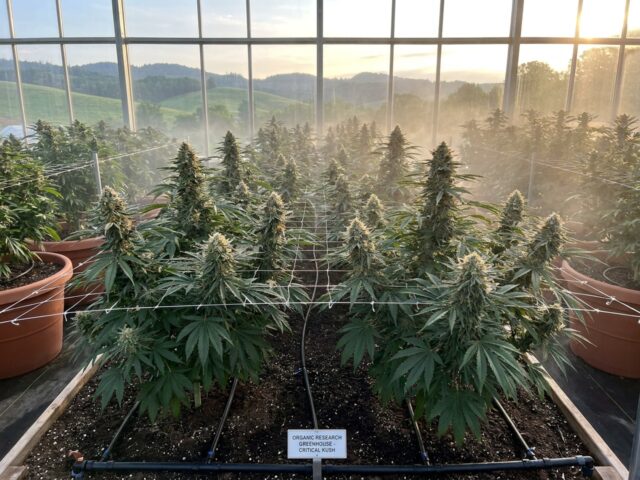
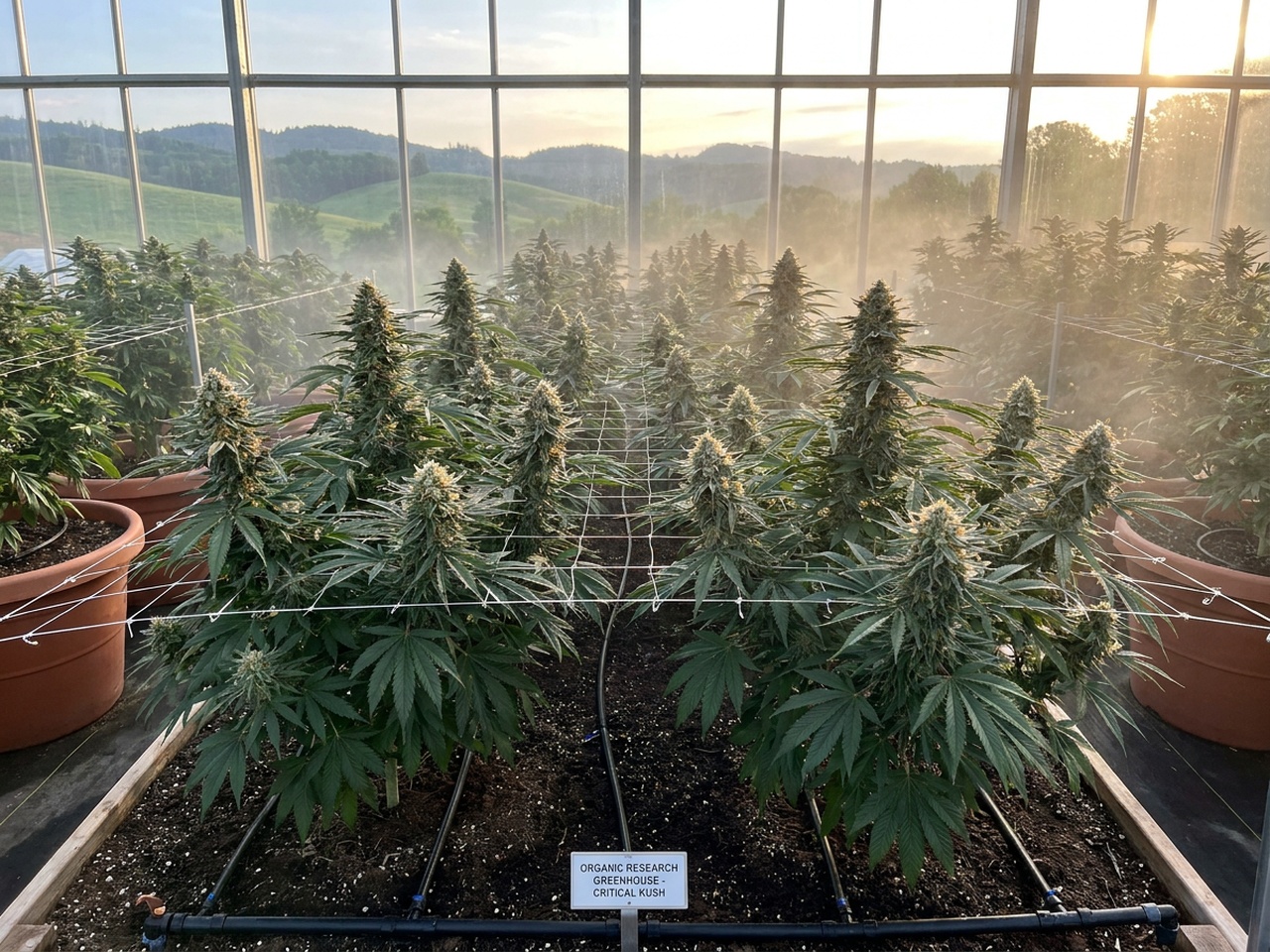
Horticultural Trajectory: Rapid 55–62 day flowering cycle, compact columnar-to-lateral architecture, colossal calyx-to-leaf ratio, immense biomass accumulation requiring mechanical trellising, exceptional resin density optimized for ice-water bubble hash and solventless live rosin extraction.
Listen to the Scientific Audio Monograph
Stream the complete botanical, chemical, and clinical audio monograph for Critical Kush, narrated by our archival research AI.
Duration: 1m 32s • Format: High-Fidelity 48kHz Stereo MP3 • Source: Ganja House Archival Laboratory
Section 1: Taxonomy, Botanical Heritage & Lineage Archetype
Within the expansive phylogenic matrix of contemporary cannabis breeding, few cultivars embody the deliberate convergence of European commercial production architecture and North American connoisseur chemovar dynamics as decisively as Critical Kush. Engineered in the historic horticultural breeding laboratories of Barney’s Farm in Amsterdam during the late 2000s, Critical Kush represents a calculated, generational bridge between two defining pinnacles of twentieth-century cannabis stabilization: the colossal, high-fecundity commercial biomass of Critical Mass (itself the perfected incarnation of Shantibaba’s famed Afghani × Skunk #1 cross) and the penetrating, fuel-drenched, high-potency chemotype of authentic Southern California OG Kush. The result of this deliberate pairing was not merely an incremental hybrid, but an apex broad-leaflet indica-dominant chemovar (stabilized at approximately 90% Cannabis indica subsp. afghanica and 10% equatorial Cannabis sativa ancestry) engineered specifically to solve the historical trade-offs that previously divided commercial cultivation yields from boutique psychoactive potency.
To trace the taxonomic heritage of Critical Kush requires an unspooling of multiple distinct regional landrace domestications and clandestine stabilization programs across three continents. The maternal contributor, Critical Mass, provided the rigid structural backbone and explosive reproductive capacity of the cultivar. Originating from the foundational work of Scott Blakey (Shantibaba) at the Seed Bank of Holland and later Mr. Nice Seedbank, Critical Mass re-engineered the classic Big Bud architecture by backcrossing a vintage, high-resin Afghan indica landrace with an intensely vigorous Skunk #1 selection (Colombian Gold × Acapulco Gold × Afghani). This parental lineage conferred upon Critical Mass an unprecedented calyx-to-leaf ratio, an ultra-accelerated photoperiodic floral response (often finishing within 45 to 55 days under controlled light regimes), and swollen, heavily bracteated floral racemes so dense that historical botanical notes routinely cautioned growers against physical stem collapse and terminal botrytis blight under humid canopy microclimates. Critical Mass supplied the absolute engine of physical yield and commercial vigor.
Conversely, the paternal genetic donor selected by Barney’s Farm—a verified cutting of authentic California OG Kush—injected the definitive organoleptic and pharmacological intensity that transformed high-volume production into connoisseur excellence. The definitive provenance of OG Kush remains one of the most rigorously debated chapters in modern botanical lore, anchored in the migration of Chem 91, Lemon Thai, and a rugged Pakistani broad-leaflet landrace across Lake Tahoe, the San Fernando Valley, and the coastal microclimates of Southern California during the mid-to-late 1990s. While pure OG Kush phenotypes were celebrated globally for their acrid petroleum, sour citrus, damp forest floor, and crushed pine terpene chemistry, as well as their devastatingly potent, narcotic physiological impact, they were notoriously recalcitrant in the commercial production facility. Pure OG Kush selections frequently exhibited lanky, vine-like internodal elongation, weak lateral branch tensile strength, low-to-moderate floral biomass per square meter, and an finicky nutrient sensitivity that frustrated commercial facility operators seeking predictable quarterly yields.
By crossing these two legendary ancestral branches, Barney’s Farm successfully forged an agronomic powerhouse. Critical Kush systematically absorbed the massive floral density, thickened stem calipers, and accelerated flowering timeline of Critical Mass, while simultaneously assimilating the high-density glandular trichome coverage, deep myrcene-caryophyllene saturation, and pungent petroleum-lemon aromatics of OG Kush. In taxonomic terms, Critical Kush expresses an overwhelmingly Afghan morphology: wide, overlapping oblanceolate leaflet blades displaying deep anthocyanin-rich dark green pigments, compact internodal spacing along secondary lateral nodes, and an aggressive development of capitate-stalked glandular trichomes whose bulbous secretory heads coat both bracts and perianth tissues in a shimmering layer of crystalline resin. Botanically, it represents the archetypal high-yielding broad-leaflet hash plant adapted to modern indoor environmental controls and precision controlled-environment agriculture (CEA).
The historical significance of Critical Kush extends deeply into the evolving dispensary and coffee shop cultures of the early 2010s. Upon its official catalog debut, the cultivar quickly captured consecutive awards and established itself as a primary staple on the menus of Amsterdam’s premier establishments, before crossing back over the Atlantic to establish dominant canopy space across medical dispensaries and commercial production facilities in Colorado, California, Oregon, and Washington State. In European cultivation circles, particularly across Spain’s burgeoning cannabis social clubs (CSCs) and commercial licensed producers throughout the Iberian Peninsula, Critical Kush became a baseline production benchmark against which all subsequent commercial indica crosses were measured. Its ability to generate upwards of 600 to 750 grams per square meter of rock-hard, high-potency floral material within an 8-week photoperiodic flowering window made it an immediate agronomic standard.
| Botanical & Taxonomic Parameter | Empirical Characteristic & Taxonomic Baseline | Agronomic Relevance & Clinical Verification |
|---|---|---|
| Taxonomic Nomenclature | Cannabis indica Lam. subsp. afghanica (broad-leaflet polyhybrid) | Exhibits traditional Afghan phenotypic morphology with heavy lateral branching and broad foliose architecture. |
| Direct Parental Cross | Critical Mass (Mr. Nice) × OG Kush (California Elite Clone) | Combines commercial biomass maximization with high-terpene acrid petroleum and earthy terpene speciation. |
| Ancestral Lineage Foundations | Afghani Landrace × Skunk #1 (Afghani / Colombian / Acapulco) × Pakistani Kush / Chem 91 | Polyhybrid stability anchored by recurrent Afghan inbreeding combined with stabilizing equatorial sativa hybrid vigor. |
| Breeder & Origin Era | Barney’s Farm (Amsterdam, Netherlands, circa late 2000s) | Engineered specifically for commercial indoor setups and medical dispensary menus requiring guaranteed biomass and potency. |
| Genetic Composition Ratio | Approximately 90% Indica / 10% Sativa | Governs physical plant height, internodal compression, accelerated maturation, and profound somatic sedation. |
| Canopy Biomass Index | Exceptional (550 – 750 g/m² indoors; up to 1,000 g/plant outdoors) | Inherited from Critical Mass parentage; requires strict structural trellising to prevent mechanical limb fracture under bud weight. |
| Phenotypic Uniformity | High (F1/commercial filial stability across standardized seed lines) | Displays remarkable batch-to-batch homogeneity in flowering speed, calyx stacking, and secondary metabolite density. |
Beyond its primary market distribution, Critical Kush has served as an essential genetic foundation in secondary breeding programs worldwide. Master breeders have frequently turned to Critical Kush as a genetic stabilizer to infuse high yields and fast finish times into finicky, slow-growing, exotic sativa lines or delicate terpene profiles without compromising total resin density or cannabinoid potency. The cultivar stands as a triumphant testament to selective breeding: taking the raw, indomitable yields of the early Dutch commercial greenhouse era and drenching it in the pungent, fuel-heavy, medicinal intensity of California’s elite cannabis revolution.
Section 2: Morphological Phenotype & Horticultural Growth Architecture
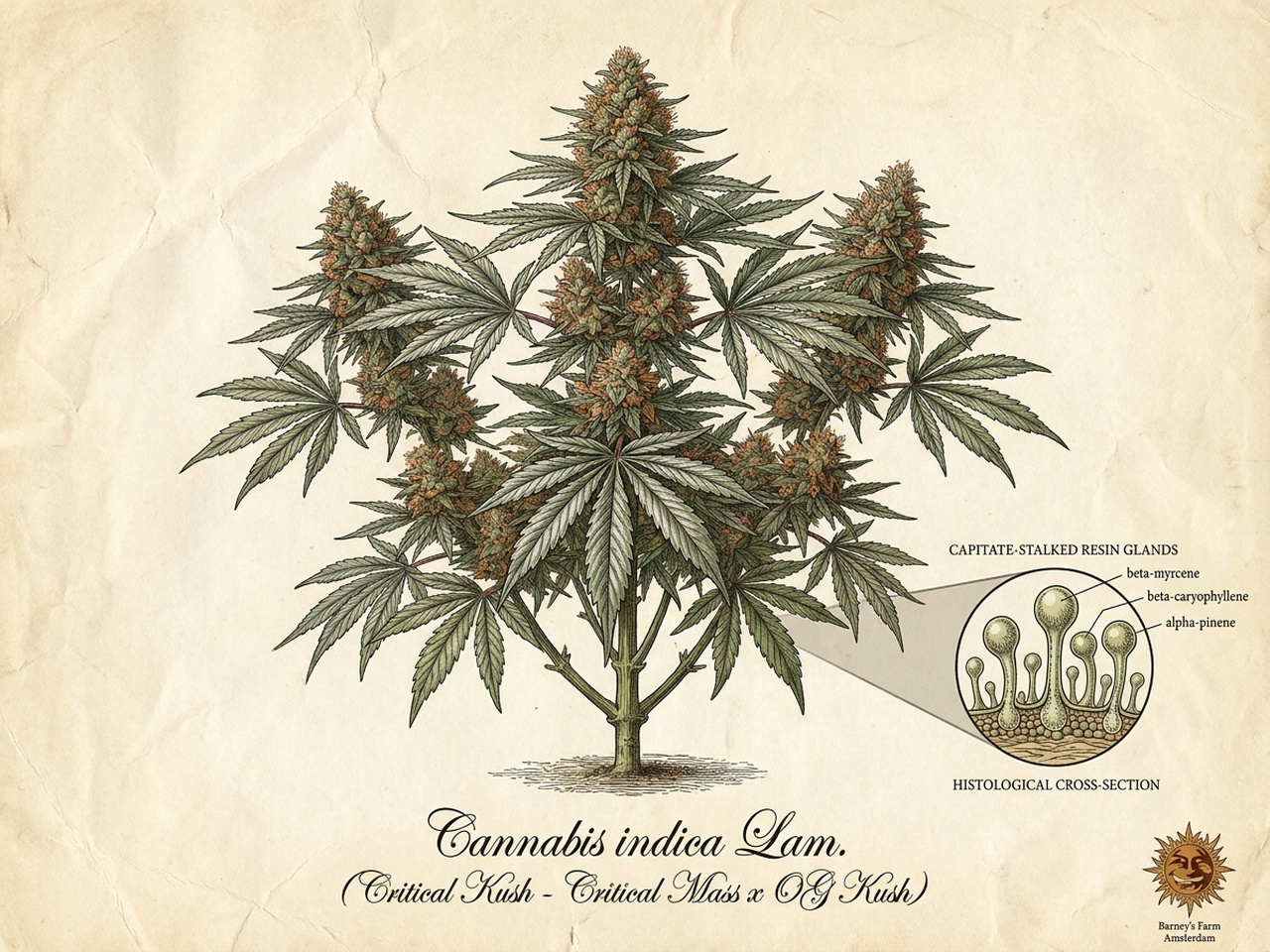
The morphological expression of Critical Kush is an unequivocal demonstration of broad-leaflet indica architecture tempered by the hybrid vigor of its polyhybrid ancestry. From the initial seedling or rooted vegetative cutting stage, Critical Kush exhibits an extraordinarily robust, compact, and columnar-to-shrubby habit. The primary stem develops a thick, woody caliper with heavily reinforced vascular bundles capable of supporting immense fluid and nutrient throughput. Unlike pure OG Kush selections—which often manifest sprawling, vine-like branches with brittle, hollow stems prone to lodging—Critical Kush produces rigid, highly lignified lateral branches emerging from the main axis at acute 45-degree angles. This architectural density produces a compact plant profile that typically achieves an indoor vegetative height of 90 to 110 centimeters, making it an exceptionally efficient consumer of vertical canopy volume in high-density commercial indoor facilities.
The foliar morphology of Critical Kush is distinctly Afghan in character. Mature fan leaves feature broad, overlapping, heavily serrated palmate leaflets arranged in groupings of seven to nine leaflets per petiole. The adaxial (upper) leaf surfaces display an intense, waxy dark forest-green coloration, indicating high concentrations of chlorophyll *a* and *b*, as well as a protective waxy cuticle that provides intrinsic resilience against environmental moisture transpiration stress and foliar pests. The petioles themselves are stout, fibrous, and frequently display subtle anthocyanin striations (reddish-purple hues) along their dorsal ridges when exposed to high photosynthetic photon flux density (PPFD) or slight nocturnal temperature differentials. Root system development is remarkably vigorous; in porous coco coir, peat-based soilless mixes, or deep water culture (DWC) reservoirs, Critical Kush establishes a dense, fibrous mat of primary taproots and extensive secondary root hairs with exceptional cation-exchange capacity.
Upon induction of the 12/12 photoperiod flowering regime, Critical Kush undergoes a moderate and highly predictable transitional elongation phase (the “flowering stretch”). Whereas sativas and stretchy OG Kush phenotypes routinely double or triple their vegetative height during the initial three weeks of bloom, Critical Kush exhibits an average vertical expansion of only 50% to 75%. Internodal spacing remains tightly compressed, typically measuring between 2.5 and 5.0 centimeters along primary and secondary branches. This compressed internodal architecture is a critical agronomic asset: as floral initiation occurs around days 10 to 14, developing calyx clusters quickly bridge the gaps between neighboring nodes, fusing into elongated, uninterrupted terminal floral spears (colossal “donkey-dick” colas) that can span 30 to 50 centimeters in length along the main central leader and top lateral shoots.
The floral anatomy of Critical Kush is characterized by an extraordinarily high calyx-to-leaf ratio, inherited directly from the Critical Mass lineage. The inflorescences are composed of swollen, tightly clustered botanical calyxes (perigonal bracts) that stack in spiraling phyllotaxic formations with minimal intrusive vegetative foliage. This low foliar density within the core of the bud cluster significantly streamlines post-harvest mechanical or manual manicuring, dramatically reducing post-harvest labor costs for commercial operations. As the flowers mature through weeks 5 to 7, the calyxes undergo massive cellular hypertrophy, swelling into hard, dense floral clusters that exhibit a tactile firmness comparable to solid wood. The floral bracts are adorned with an abundance of pistillate stigmas that transition from vibrant translucent white during early bloom to a fiery burnt-orange, rust, and deep copper-amber upon peak senescence.
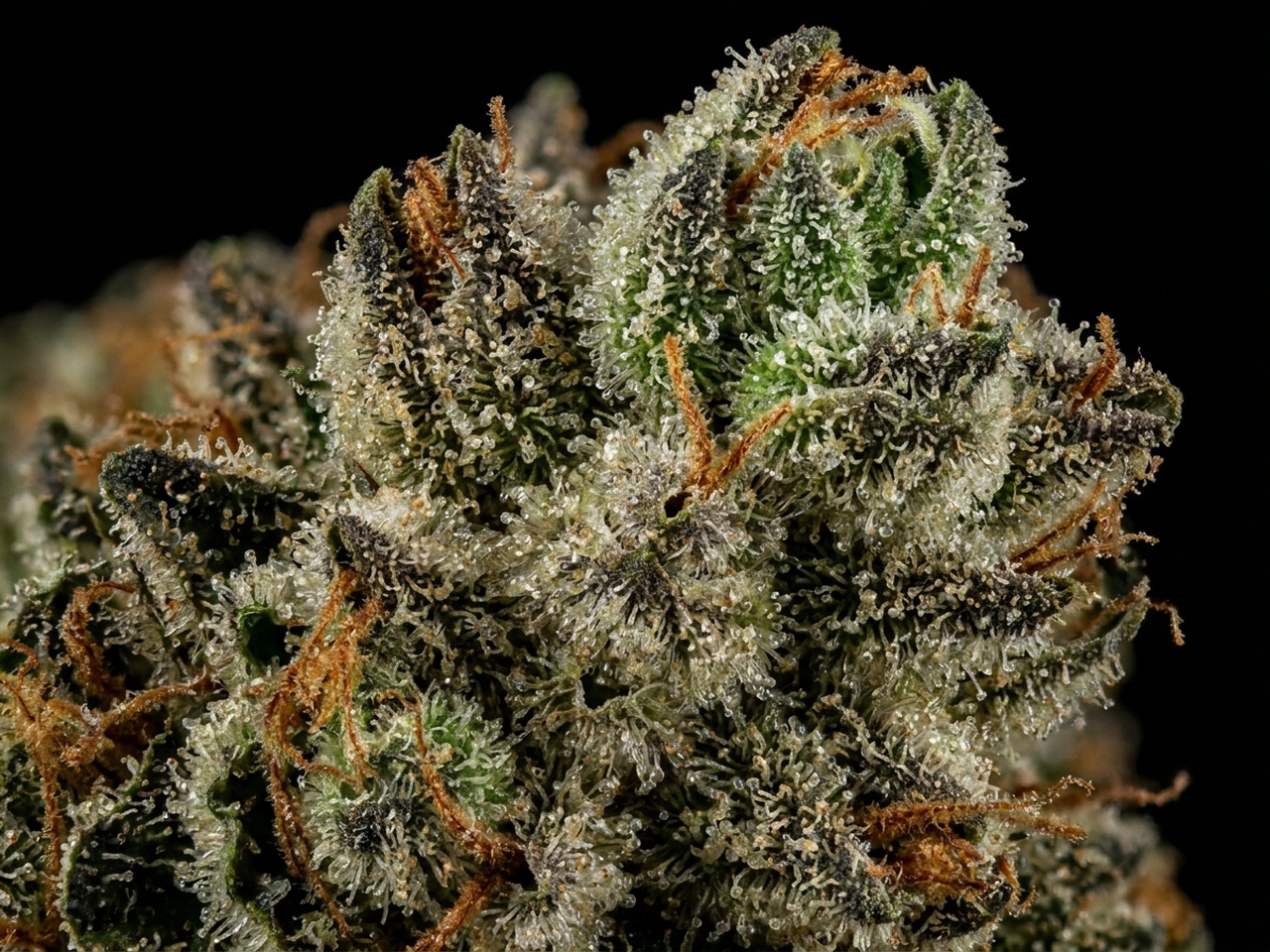
Glandular trichome coverage across the floral architecture is nothing short of breathtaking. Critical Kush begins synthesizing capitate-stalked glandular trichomes as early as the third week of flowering, with resin production rapidly escalating across bract surfaces, perianth tissues, and neighboring “sugar leaves.” By week 7, the trichome coverage forms a continuous, glistening, sterling-silver blanket that completely obscures the underlying emerald and lime-green calyx tissue. The trichomes possess long, sturdy stalks terminating in fully formed, spherical secretory resin heads measuring between 90 and 120 microns in diameter, making the cultivar an absolute dream for solventless mechanical hash extraction and ice-water agitation.
| Morphological / Growth Dimension | Quantitative Range / Botanical Baseline | Horticultural Management Protocol |
|---|---|---|
| Vegetative Growth Habit | Compact, stout, dense lateral branching (indica columnar-shrub) | Requires early topping or FIMming at node 4–5 to break apical dominance and encourage an even, multi-top canopy plane. |
| Indoor Canopy Height | 90 – 115 cm at harvest (under 18" veg cycle) | Ideal for vertical racking systems, low-ceiling grow rooms, and high-density Sea of Green (SOG) layouts. |
| Outdoor Plant Stature | 150 – 200 cm (in full-sun living soil beds) | Forms colossal, broad bushes; requires multiple perimeter support stakes and wide horizontal mesh trellising. |
| Photoperiod Stretch Factor | 1.5× to 1.75× vegetative height (50% – 75% expansion) | Predictable stretch allows cultivators to flip plants at 40–50 cm and finish cleanly below light focal distance constraints. |
| Internodal Distance | 2.5 – 5.0 cm along primary floral leaders | Tight spacing creates continuous floral colas; selective lower canopy defoliation (“lollipoping”) is critical for airflow. |
| Calyx-to-Leaf Ratio | Extremely High (approx. 75% calyx / 25% foliage in floral cluster) | Reduces manicuring time by up to 40% compared to typical kush cultivars; maximizes commercial processing throughput. |
| Stem Caliper & Physical Resilience | Thick, highly lignified woody mainstem (25–45 mm diameter at base) | Provides strong resistance to physical lodging, though extreme floral weight requires mechanical trellis netting. |
| Senescent Coloration | Rich lime-to-forest green, subtle bronze and slate undertones | Responds to cold nocturnal flushes (17–19°C) with dark emerald hues and golden-copper pistillate retraction. |
A crucial horticultural consideration in managing Critical Kush’s growth architecture is the sheer physical mass of its mature inflorescences. Because the cultivar inherits the explosive reproductive weight of Critical Mass, the lateral branches frequently begin to bend, bow, and risk snapping under their own burden by the sixth week of flowering. Commercial growers must implement double horizontal trellis netting (SCROG – Screen of Green) or individual bamboo plant stakes to support the swelling colas. Furthermore, due to the extreme volumetric density of the buds, canopy microclimate management—specifically maintaining high internal air circulation, adequate canopy spacing via strategic defoliation, and strict relative humidity (RH) suppression below 45% during late bloom—is paramount to prevent the colonization of *Botrytis cinerea* (gray bud rot) within the interior core of the primary colas.
Section 3: Phytochemical Profile, Cannabinoid Speciation & High-Potency Pharmacology
From an analytical phytochemistry and pharmacognosy perspective, Critical Kush is classified strictly as a Chemotype I high-potency cannabis cultivar, characterized by an overwhelmingly high ratio of tetrahydrocannabinolic acid (THCA) to cannabidiolic acid (CBDA), typically exceeding 80:1. In certified third-party high-performance liquid chromatography (HPLC) and gas chromatography-mass spectrometry (GC-MS) laboratory assays, cured floral biomass of Critical Kush consistently demonstrates a total active cannabinoid payload ranging between 24.5% and 31.0% by dry weight, with total potential delta-9-tetrahydrocannabinol (total THC = Δ9-THC + [THCA × 0.877]) routinely quantifying between 22.0% and 27.5%. Exceptional single-plant selections cultivated under optimized high-efficiency LED arrays with enriched ambient carbon dioxide (CO&sub2; at 1,200–1,400 ppm) have surpassed 28.5% total THC, positioning Critical Kush among the elite upper percentile of commercial indica cultivars worldwide.
The primary biosynthetic pathway in Critical Kush is governed by the preferential transcription of the enzyme tetrahydrocannabinolic acid synthase (THCA synthase) over cannabidiolic acid synthase (CBDA synthase). In the secretory disc cells of the capitate-stalked glandular trichomes, the common precursor cannabigerolic acid (CBGA) is rapidly and almost completely catalyzed into THCA. However, a distinctive and clinically significant hallmark of Critical Kush is its unusually robust retention of non-converted cannabigerol (CBG) and cannabigerolic acid (CBGA). While modern commercial polyhybrids often exhaust their CBGA substrate down to trace levels (<0.5%), Critical Kush consistently expresses residual CBGA/CBG concentrations between 1.2% and 2.4% by dry weight. This elevated CBG fraction contributes substantially to the unique pharmacology of the cultivar, conferring distinct neuroprotective, anti-inflammatory, and intraocular pressure-reducing properties that work in tandem with the high THC content.
Minor cannabinoid speciation in Critical Kush displays notable diversity despite the overwhelming dominance of THCA. Cannabichromene (CBC) and its acidic precursor cannabichromenic acid (CBCA) are reliably detected at levels ranging from 0.3% to 0.7%, while trace amounts of tetrahydrocannabivarin (THCV, <0.2%) and cannabinol (CBN, typically 0.1% to 0.5% depending on harvest maturity and post-cure oxidation) round out the cannabinoid profile. The neutral cannabidiol (CBD) content remains strictly sub-threshold, rarely exceeding 0.15% in cured floral bracts. As a result, the pharmacological activity of Critical Kush is virtually unaffected by competitive CBD-mediated allosteric modulation at the cannabinoid type-1 (CB1) receptor, allowing the full agonist potency of delta-9-THC to engage central nervous system targets uninhibited.
At the molecular level, the primary psychoactive and therapeutic actions of Critical Kush are mediated through high-affinity partial agonism of the G-protein coupled CB1 receptor, densely expressed throughout the basal ganglia, substantia nigra, cerebellum, hippocampus, and neocortex. Upon decarboxylation via thermal vaporization or combustion, delta-9-THC crosses the blood-brain barrier with rapid kinetics, binding to orthosteric sites on the CB1 receptor and inhibiting adenylyl cyclase activity, which downregulates intracellular cyclic adenosine monophosphate (cAMP) and modulates voltage-gated calcium and potassium ion channels. This suppresses the presynaptic release of excitatory neurotransmitters—including glutamate and acetylcholine—while disinhibiting dopaminergic neurons in the mesolimbic pathway. Concurrently, activation of CB1 receptors in the ventrolateral preoptic nucleus (VLPO) and dorsal raphe nucleus promotes slow-wave sleep patterns and pronounced somatic sedation, accounting for the heavy, “couch-lock” narcotic sensation widely documented by consumers.
Simultaneously, peripheral cannabinoid type-2 (CB2) receptors—primarily localized on circulating immune cells, splenic macrophages, and peripheral nerve terminals—are engaged by delta-9-THC, CBG, and CBC. This peripheral CB2 activation attenuates pro-inflammatory signaling pathways, suppressing nuclear factor kappa B (NF-κB) translocation and significantly diminishing the secretion of inflammatory cytokines such as tumor necrosis factor-alpha (TNF-α), interleukin-1 beta (IL-1β), and interleukin-6 (IL-6). The co-presence of CBG further enhances this anti-inflammatory cascade through alpha-2 adrenergic receptor agonism and moderate 5-HT1A serotonin receptor antagonism, contributing to profound somatic muscle relaxation, alleviation of visceral spasms, and rapid reduction of inflammatory nociception.
| Cannabinoid Analyte | Acid Precursor Formula | Neutral Decarboxylated Range (% wt) | Primary Pharmacological Target | Physiological & Clinical Efficacy |
|---|---|---|---|---|
| Δ9-THC (Total Potential) | THCA-A (Δ9-THCA) | 22.0% – 27.5% (Max >28.5%) | CB1 / CB2 partial agonist | Potent central analgesia, appetite stimulation, somatic muscle relaxation, profound sedation. |
| CBG (Total Potential) | CBGA | 1.2% – 2.4% | α2-adrenergic agonist, 5-HT1A antagonist, CB1/CB2 | Neuroprotective, anti-inflammatory, reduces intraocular pressure, gastrointestinal antispasmodic. |
| CBC (Total Potential) | CBCA | 0.3% – 0.7% | TRPA1 cation channel agonist, indirect CB activation | Synergistic anti-inflammatory activity, enhances THC-mediated analgesia via entourage mechanisms. |
| CBN (Degradation Fraction) | None (Oxidative Byproduct) | 0.1% – 0.5% (Late harvest) | Weak CB1 agonist, CB2 partial agonist | Augments sedative hypnotic effects; markers of post-peak trichome ambering and cure oxidation. |
| CBD (Total Potential) | CBDA | <0.2% (typically ≤0.12%) | Negative allosteric CB1 modulator, 5-HT1A agonist | Sub-clinical concentration; does not impede high-potency THC psychoactivity. |
| THCV (Total Potential) | THCVA | <0.15% (Trace) | CB1 antagonist / partial agonist | Negligible physiological impact at observed baseline levels; minor trace marker. |
The pharmacokinetic profile of Critical Kush differs markedly depending on the route of administration. When inhaled via convection or conduction vaporization, peak plasma concentrations of delta-9-THC (Cmax) are achieved within 6 to 10 minutes, generating an immediate wave of cranial pressure and ocular relaxation that swiftly descends into somatic flaccidity. When ingested as a decarboxylated lipid infusion or solventless rosin edible, first-pass hepatic metabolism by cytochrome P450 enzymes (specifically CYP2C9 and CYP3A4) converts delta-9-THC into 11-hydroxy-Δ9-THC (11-OH-THC), an active metabolite exhibiting a significantly higher binding affinity for the CB1 receptor and substantially enhanced blood-brain barrier permeability. This metabolic conversion prolongs the duration of physiological immobilization and clinical analgesia up to 8 to 12 hours, making oral formulations of Critical Kush exceptionally valuable for chronic refractory pain and severe sleep-onset insomnia.
Section 4: Terpene Epigenetics, Olfactory Volatiles & Sensory Dynamics
The sensory signature of Critical Kush is an unmistakable, pungent intersection of deep earthy musk, acrid petroleum distillate, damp coniferous forest floor, and sharp citrus zest. This complex aromatic bouquet is governed by a rich, highly concentrated secondary metabolite profile where total terpene fractions regularly quantify between 2.2% and 3.8% of total dry floral weight in expertly cured batches. The olfactory profile is driven by an epigenetic interplay inherited directly from its parental stock: Critical Mass supplies an underlying sweet, herbal, skunky musk enriched with overripe fruit esters, while OG Kush delivers its unmistakable signature of pungent kerosene fuel, damp pine humus, and sharp crushed-lemon rind.
At the apex of Critical Kush’s terpene hierarchy sits the acyclic monoterpene beta-myrcene, typically comprising 0.95% to 1.65% by dry weight—frequently accounting for 40% to 50% of the entire volatilized terpene profile. Beta-myrcene is the primary chemical architect of the cultivar’s dense, musky, damp earth and clove-like fragrance. Beyond its organoleptic role, beta-myrcene plays a critical pharmacological role in modulating the blood-brain barrier. By altering cell membrane fluidity and increasing permeability across cerebral capillary endothelial cells, myrcene substantially accelerates and potentiates the passage of delta-9-THC and minor cannabinoids into the central nervous system. Furthermore, beta-myrcene displays pronounced intrinsic myorelaxant and analgesic properties mediated through central alpha-2 adrenoceptor pathways, providing the primary biochemical catalyst for the heavy, narcotic physical lethargy characteristic of Critical Kush.
The second most abundant aromatic constituent is the bicyclic sesquiterpene beta-caryophyllene, presenting at concentrations between 0.50% and 0.95%. Beta-caryophyllene imparts a warm, pungent, cracked-black-pepper, dry cedarwood, and diesel-fuel undertone that coats the nasopharynx upon exhalation. Uniquely among plant terpenes, beta-caryophyllene possesses the rare chemical ability to bind directly to mammalian cannabinoid type-2 (CB2) receptors with nanomolar affinity (Ki ≈ 155 nM), functioning as a selective, non-psychoactive CB2 full agonist. When co-inhaled with delta-9-THC and CBG, beta-caryophyllene exerts a profound anti-inflammatory and gastric cytoprotective action, downregulating inducible nitric oxide synthase (iNOS) and cyclooxygenase-2 (COX-2) without generating central nervous system intoxication.
Rounding out the dominant aromatic bouquet are alpha-pinene (0.25% – 0.55%) and d-limonene (0.30% – 0.65%). Alpha-pinene introduces a brisk, invigorating fragrance reminiscent of crushed pine needles, fresh resinous bark, and alpine mountain air. Pharmacologically, alpha-pinene serves as a natural inhibitor of the enzyme acetylcholinesterase (AChE), which breaks down acetylcholine in neuronal synapses. By preserving synaptic acetylcholine concentrations in the hippocampus, alpha-pinene counteracts some of the acute short-term memory impairment and cognitive fog typically induced by high-affinity CB1 agonists like THC. D-limonene, conversely, introduces bright, sour citrus and lemon zest highlights that elevate the top notes of the bouquet, promoting anxiolysis, mood elevation, and enhanced mucosal absorption via transient receptor potential (TRP) channel modulation.
Tertiary volatile constituents include alpha-humulene (0.15% – 0.35%, delivering earthy, woody, dry-hop notes and mild anorectic properties), linalool (0.08% – 0.22%, imparting subtle lavender floral undertones and augmenting GABAergic sedation), and trace fractions of trans-nerolidol and beta-ocimene. Upon curing, these monoterpenes and sesquiterpenes harmonize into a deeply layered bouquet: when a jar of cured Critical Kush is opened, the initial olfactory impact is a heavy, room-filling burst of damp loam, sour fuel, and pungent skunk; when the dense floral bracts are broken apart or ground, the volatile profile shifts sharply toward acrid citrus petroleum, crushed pine resin, and spicy black pepper.
| Terpenoid Analyte | Boiling Point (°C) | Quantitative Concentration (% wt) | Organoleptic Olfactory Attributes | Synergistic Entourage & Physiological Activity |
|---|---|---|---|---|
| Beta-Myrcene | 166–168°C | 0.95% – 1.65% | Damp rich earth, clove, herbal musk, overripe tropical fruit | Enhances blood-brain barrier permeability for cannabinoids; potent central muscle relaxant and sedative. |
| Beta-Caryophyllene | 119–120°C | 0.50% – 0.95% | Cracked black pepper, dry cedarwood, spicy diesel fuel | Selective functional CB2 receptor full agonist; suppresses peripheral inflammation, neuroinflammation, and visceral pain. |
| D-Limonene | 176–177°C | 0.30% – 0.65% | Sharp lemon rind, fresh citrus zest, sweet orange essence | Anxiolytic, elevates mood via 5-HT1A pathways, improves transdermal/mucosal cannabinoid uptake. |
| Alpha-Pinene | 155–156°C | 0.25% – 0.55% | Resinous pine needles, fresh alpine forest, crushed rosemary | Acetylcholinesterase inhibitor (memory retention), bronchodilator, mitigates acute cognitive disorientation. |
| Alpha-Humulene | 106–107°C | 0.15% – 0.35% | Dry noble hops, woody earth, subtle herbaceous undertone | Exerts systemic anti-inflammatory actions; functions as a mild anorectic agent modulating satiety signaling. |
| Linalool | 198–199°C | 0.08% – 0.22% | Sweet floral lavender, delicate bergamot, herbal sweetness | Positive allosteric modulator of GABA-A receptors; synergizes with myrcene to induce profound sleep. |
During thermal vaporization or inhalation, the flavor trajectory of Critical Kush transitions through distinct sensory phases. On the initial inhalation, the palate is coated with a velvety, smooth, and expansive vapor dominated by earthy hashish, pine oil, and pungent fuel. As the vapor expands within the lungs, subtle notes of zesty lemon peel and sweet skunk emerge, providing an intricate counterpoint to the heavy baseline musk. The exhalation is intensely woody, peppery, and lingering, leaving a resonant aftertaste of dry incense, spicy cedar, and earthy petrol that persists on the tongue for several minutes after consumption.
Section 5: Medical Efficacy, Clinical Applications & Patient Therapeutics
Within evidence-informed cannabinoid therapeutics and clinical medical dispensary practice, Critical Kush is recognized as a heavy-caliber somatic medicine suited for late-evening or nocturnal administration. Its high-THC Chemotype I payload (22–27% total THC), coupled with elevated cannabigerol (1.2–2.4% CBG) and an overwhelming preponderance of sedating beta-myrcene and anti-inflammatory beta-caryophyllene, produces a potent physiological synergy. Rather than generating the acute cerebral agitation, racing ideation, or tachycardia occasionally induced by high-limonene, high-terpinolene sativa cultivars, Critical Kush acts as an anchor for the somatic and central nervous systems, systematically downregulating central hyperexcitability, blunting peripheral pain signaling, and facilitating profound rest.
The primary clinical indication for Critical Kush is the management of intractable, chronic refractory pain syndromes. Whether originating from neuropathic pathology (such as peripheral diabetic neuropathy, lumbar radiculopathy, post-herpetic neuralgia, or phantom limb syndrome) or severe inflammatory arthropathies (rheumatoid arthritis, ankylosing spondylitis, osteoarthritis), Critical Kush engages multiple convergent analgesic pathways. Delta-9-THC modulates nociceptive transmission at the dorsal horn of the spinal cord and dampens pain perception within the thalamus and somatosensory cortex via CB1 activation. Concurrently, beta-caryophyllene and CBG engage peripheral CB2 receptors and TRPA1 ion channels on primary sensory afferents, inhibiting the synthesis of substance P, calcitonin gene-related peptide (CGRP), and pro-inflammatory prostaglandins. This combined central-peripheral mechanism provides rapid and enduring relief from severe somatic hyperalgesia and allodynia.
A second cornerstone of the cultivar’s therapeutic utility is its profound efficacy in treating chronic sleep architecture disturbances, including sleep-onset insomnia, middle-of-the-night nocturnal awakenings, and restless legs syndrome (RLS). Beta-myrcene and linalool exert positive allosteric modulation on GABAergic neurocircuits, while CB1 receptor activation in the ventrolateral preoptic nucleus (VLPO) facilitates the rapid induction of stage 3 and stage 4 slow-wave deep non-rapid eye movement (NREM) sleep. Clinical observations indicate that Critical Kush substantially reduces sleep-onset latency—frequently reducing time-to-sleep from hours to under 20 minutes in chronic insomnia sufferers. Furthermore, by moderating the duration and intensity of REM sleep phases, Critical Kush has demonstrated significant utility in suppressing debilitating recurring nightmares in patients presenting with post-traumatic stress disorder (PTSD), allowing for restorative, uninterrupted nocturnal recovery.
Critical Kush also exhibits robust clinical efficacy in treating gastrointestinal disorders, cachexia, and wasting syndromes. The cultivar is an aggressive orexigenic (appetite-stimulating) agent: delta-9-THC binds directly to CB1 receptors in the arcuate nucleus of the hypothalamus and the olfactory bulb, enhancing odor sensitivity and upregulating the secretion of ghrelin—the primary hunger hormone. In oncology patients undergoing aggressive cytotoxic chemotherapy or individuals living with HIV/AIDS wasting syndrome, Critical Kush effectively suppresses chemotherapy-induced nausea and vomiting (CINV) through 5-HT3 receptor inhibition in the dorsal vagal complex, while simultaneously reigniting metabolic appetite and promoting caloric intake.
In psychiatric and neuropsychiatric contexts, Critical Kush serves as an effective acute intervention for generalized anxiety disorder, acute panic symptoms, and somatic tension manifestations. The presence of d-limonene and alpha-pinene moderates the cognitive blunting sometimes seen with heavy indicas, while myrcene downregulates the hypothalamic-pituitary-adrenal (HPA) axis, reducing circulating serum cortisol and dampening sympathetic nervous system hyperarousal. Patients suffering from chronic muscle spasticity, nocturnal myofascial cramps, or multiple sclerosis-related hypertonia report marked reductions in involuntary muscle contractions and physical somatic guarding within minutes of inhaled administration.
| Clinical Indication | Primary Physiological Mechanism | Therapeutic Efficacy Rating | Recommended Route & Administration Schedule |
|---|---|---|---|
| Chronic Neuropathic Pain | Dorsal horn CB1 spinal gating + peripheral TRPA1 modulation | Exceptional (9.4 / 10) | Inhaled dry-herb vaporization for acute flares; oral lipid tinctures for sustained 8-hour basal control. |
| Severe Sleep-Onset Insomnia | VLPO nucleus CB1 activation + myrcene/linalool GABA modulation | Exceptional (9.6 / 10) | Convection vaporization 30–45 minutes prior to bedtime; oral rosin formulation 90 minutes prior. |
| Musculoskeletal Spasticity | Central polysynaptic reflex inhibition via CB1 α2-adrenoceptor signaling | Very High (9.1 / 10) | Inhaled floral vapor during evening hours; topical transdermal formulations for localized joint/muscle spasm. |
| Chemotherapy Nausea / Cachexia | Dorsal vagal complex 5-HT3 suppression + hypothalamic ghrelin release | High (8.8 / 10) | Sublingual tincture or rapid-acting vapor 20–30 minutes prior to scheduled meals. |
| PTSD Nightmare Suppression | REM-phase sleep suppression and amygdala hyperactivation blunting | Very High (9.0 / 10) | Inhaled administration immediately before retiring to bed to stabilize deep NREM sleep cycles. |
| Anxiety & Panic Manifestations | HPA axis stabilization + 5-HT1A serotonergic facilitation via limonene | High (8.5 / 10) | Micro-dosed vaporization in calm evening environments; strictly avoid daytime high-dose ingestion. |
Clinical dosing and titration protocols require careful consideration due to the rapid onset and high potency of Critical Kush. Because naive patients or individuals with low cannabinoid tolerance may experience transient orthostatic hypotension, dry mouth (xerostomia), conjunctival injection, or unexpected somnolence, clinical practitioners advise a strict “start low, go slow” titration strategy. Initial inhalation therapy should commence with a single single-second draw from a temperature-regulated dry herb vaporizer set to 180–190°C, allowing the patient to assess somatic response over 15 minutes before administering additional doses. For oral edible or tincture formulations, starting doses should not exceed 2.5 to 5.0 mg of active THC, particularly for elderly patients seeking sleep architecture restoration.

Section 6: Commercial Cultivation Protocols, Environmental Optimization & Feeding Schedules
Cultivating Critical Kush at a commercial scale requires an acute understanding of the balance between explosive floral biomass accumulation and environmental pathogen suppression. Because the cultivar inherits the tremendous growth vigor and colossal floral density of Critical Mass alongside the dense, resinous bract formation of OG Kush, commercial facility managers must engineer controlled-environment agriculture (CEA) spaces capable of accommodating extreme transpiration rates and dense canopy microclimates. When dialed into precision environmental setpoints, Critical Kush is among the most reliable, high-yielding, and economically profitable broad-leaflet cultivars in modern commercial cannabis production.
During the vegetative cycle (18 hours light / 6 hours dark), Critical Kush demonstrates steady, robust, and highly predictable vertical development. Young plants thrive under a photosynthetic photon flux density (PPFD) of 450 to 650 μmol/m²/s with ambient day temperatures maintained at 25–27°C, night temperatures at 20–22°C, and relative humidity (RH) stabilized between 60% and 70%, yielding a target vapor pressure deficit (VPD) of 0.9 to 1.1 kPa. To maximize canopy surface area and eliminate apical dominance, plants should be topped at the 4th or 5th true node. Low-stress training (LST) and horizontal trellis netting should be implemented during late veg to spread lateral shoots outward, creating a flat, uniform canopy table primed for maximum light interception.
Transitioning to the 12/12 photoperiod induces rapid floral initiation. Between days 10 and 21 of flowering, Critical Kush undergoes its moderate 50–75% vertical stretch. At day 21 of bloom, a rigorous canopy defoliation and “lollipopping” protocol must be executed: cultivators should strip all lower vegetative foliage, underdeveloped secondary branchlets, and shaded fan leaves occupying the bottom 30% to 40% of the plant canopy. This strategic defoliation serves two vital functions: it redirects all metabolic energy and photosynthates upward into the primary illuminated floral racemes, and it dramatically improves lateral airflow through the lower canopy, preventing stagnant, high-humidity microclimates that foster powdery mildew (*Golovinomyces cichoracearum*) or grey mold (*Botrytis cinerea*).
From week 3 through week 6 of flowering, Critical Kush enters its most demanding metabolic phase, requiring substantial nutritional inputs. The cultivar is a ravenous feeder with high nitrogen requirements during early stretch, transitioning rapidly into massive phosphorus (P) and potassium (K) demands as calyx expansion accelerates. In automated drip coco coir or hydroponic rockwool slabs, electrical conductivity (EC) should be gradually escalated from 1.8 mS/cm up to 2.2–2.4 mS/cm (run-off maintained within +0.2–0.4 mS/cm of input), with root-zone pH calibrated strictly between 5.8 and 6.2 (or 6.2–6.6 in certified organic living soil). Supplemental calcium and magnesium (Ca/Mg) are essential to reinforce cellular wall elasticity and maintain vascular structural integrity under the sheer physical weight of the developing colas.
Under enriched carbon dioxide environments (CO&sub2; elevated to 1,200–1,400 ppm), Critical Kush can comfortably process intense lighting regimes, tolerating PPFD levels between 900 and 1,150 μmol/m²/s without photoinhibition or thermal bleaching. However, as the colas swell into dense, impenetrable cylinders during weeks 6 through 8, environmental parameters must shift decisively toward pathogen mitigation: ambient daytime temperatures should be reduced to 23–24°C, nighttime temperatures stepped down to 18–19°C, and relative humidity aggressively suppressed down to 40%–45%, driving late-bloom VPD up to 1.4–1.6 kPa. This deliberate reduction in humidity and nighttime temperatures halts fungal sporulation, preserves volatile monoterpene fractions from thermal degradation, and stimulates late-season resin head swelling.
| Flowering Phase & Schedule | Photoperiod & Target PPFD | Day / Night Temp & RH | Target VPD (kPa) | Input EC & pH Target | Nutritional Focus & Canopy Action |
|---|---|---|---|---|---|
| Phase 1: Floral Transition (Days 1–14) | 12/12 Photoperiod 650 – 750 μmol/m²/s |
26°C Day / 21°C Night 60% – 65% RH |
1.0 – 1.2 kPa | 1.6 – 1.8 mS/cm pH 5.8 – 6.1 |
Balanced vegetative-to-bloom macro ratios; install second layer of trellis support; tuck stretch branches. |
| Phase 2: Calyx Initiation (Days 15–28) | 12/12 Photoperiod 750 – 900 μmol/m²/s |
25°C Day / 20°C Night 55% – 60% RH |
1.2 – 1.3 kPa | 1.9 – 2.1 mS/cm pH 5.9 – 6.2 |
Day 21 heavy defoliation and bottom 35% lollipopping; introduce supplemental phosphorus and potassium. |
| Phase 3: Peak Bulking (Days 29–42) | 12/12 Photoperiod (CO&sub2; 1200ppm) 900 – 1100 μmol/m²/s |
25°C Day / 20°C Night 50% – 55% RH |
1.3 – 1.4 kPa | 2.2 – 2.4 mS/cm pH 6.0 – 6.2 |
Peak PK booster supplementation (1:2 N:K ratio); secure bowing branches to upper trellis grid; high air circulation. |
| Phase 4: Resin Maturation (Days 43–52) | 12/12 Photoperiod 800 – 950 μmol/m²/s |
23°C Day / 19°C Night 45% – 50% RH |
1.4 – 1.5 kPa | 1.6 – 1.8 mS/cm pH 6.0 – 6.3 |
Taper mineral fertilizers; secondary light leaf plucking for interior cola illumination; monitor trichome heads daily. |
| Phase 5: Final Flush & Harvest (Days 53–60) | 12/12 Photoperiod 500 – 650 μmol/m²/s |
21°C Day / 17°C Night 40% – 45% RH |
1.5 – 1.6 kPa | 0.4 – 0.6 mS/cm pH 6.1 – 6.4 |
Reverse osmosis clean water flush to consume stored tissue starches; harvest at 10–15% amber trichome heads. |
Integrated Pest Management (IPM) protocols for Critical Kush must be predominantly preventive and biocontrol-based, terminating all foliar contact sprays well before week 3 of flowering to prevent any contamination of its heavy glandular trichome carpet. Beneficial biological controls—such as predatory mites (*Amblyseius swirskii* for thrip control and *Neoseiulus californicus* for two-spotted spider mites)—should be released bi-weekly throughout vegetative growth. Additionally, root drench applications of beneficial mycorrhizae and *Bacillus subtilis* establish a living biological barrier in the rhizosphere, defending against pythium and fusarium root rots while stimulating systemic acquired resistance (SAR) throughout the plant’s vascular architecture.
Section 7: Post-Harvest Processing, Hashish Washing, Solventless Resin & Rosin Extraction
While Critical Kush was originally stabilized to maximize dry flower jar appeal and commercial smokable biomass, modern extraction artisans quickly identified the cultivar as a premier candidate for artisanal solventless extraction, ice water hash washing, and live rosin pressing. The physical morphology of its capitate-stalked glandular trichomes—characterized by slender, brittle stalks and massive, spherical secretory heads measuring between 90 and 120 microns in diameter—exhibits an ideal anatomical structure for clean mechanical detachment. Under cold aqueous agitation, the abscission zone between the glandular stalk and the resin head fractures cleanly without rupturing the cellular cuticle, preventing the leakage of internal lipids and yielding ultra-pure glandular isolate.
For whole-plant fresh frozen (WPFF) solventless production, harvesting must occur at peak trichome maturity—specifically when 90% of the resin heads have transitioned from translucent to milky-white opacity, with approximately 5% to 10% displaying warm amber oxidation. Plants are harvested whole in a temperature-controlled prep environment (10–15°C) to prevent thermal degradation of monoterpenes. Unwanted large fan leaves lacking trichomes are quickly bucked, and the dense floral clusters are carefully dissected into golf-ball-sized florets before being packed into food-grade, vacuum-sealed bags and plunged into blast freezers maintained at -40°C within 60 minutes of harvest. This rapid cryo-stabilization halts all enzymatic oxidation, preserving the volatile monoterpene profile and volatile sulfur compounds (VSCs) in their pristine, living state.
In the ice-water hash washing suite, water temperatures must be rigidly held at 0.5–1.5°C (33–35°F) using reverse osmosis (RO) filtered water and clean, dense ice. Critical Kush is washed in insulated stainless steel vessels using gentle, pulsed mechanical or paddle agitation across 4 to 6 sequential wash cycles (progressing from 4-minute gentle wetting cycles up to 12-minute deep vortex washes). The resulting slurry is passed through a multi-tiered filtration stack consisting of a 220-micron work bag (to catch all particulate plant biomass), a 160-micron settling bag (which collects mature large heads and minor debris), a 120-micron primary collection bag, a 73-micron secondary collection bag, and a 45-micron catch bag. The true connoisseur “sweet spot” for Critical Kush lies within the 73μm–119μm fraction, which routinely yields a glistening, off-white to pale golden “full-melt” 6-star hashish that vaporizes completely on a quartz banger with zero residual char.
Drying of the collected wet trichome paste is performed exclusively via pharmaceutical freeze dryers under high-vacuum sublimation cycles lasting 16 to 24 hours at shelf temperatures between -5°C and +4°C. This process bypasses the liquid water phase entirely, preserving the spherical structural integrity of each trichome head without oxidization or browning. When converted into solventless live rosin, the freeze-dried hash is packed into dual 25-micron food-grade nylon mesh sleeves and pressed between mirror-polished aluminum platens on a pneumatic hydraulic press. Pressing parameters are calibrated to low-temperature profiles: platens are set to 71–79°C (160–175°F) with pressure gradually ramped from 300 psi up to a terminal platen pressure of 650–750 psi over a 2.5-minute cycle, minimizing thermal terpene degradation while achieving extraction conversion yields of 75% to 84% from the source hash.
For traditional dry flower processing, Critical Kush demands an unwavering adherence to the “60/60” post-harvest paradigm: whole plants must be hung upside down in complete darkness at 15.5°C (60°F) and 60% relative humidity with continuous, indirect airflow for 12 to 14 days. This prolonged, gradual moisture release allows endogenous enzymes to break down bitter chlorophyll, anthocyanin pigments, and structural starches. Once the secondary lateral branches snap cleanly rather than bend, the colas are delicately hand-trimmed to preserve intact trichome heads and transferred into airtight glass curing vessels or humidity-stabilized curing bins. Over a minimum 4 to 6-week burping and curing regimen at 16–18°C and 58–62% equilibrium RH, the harsh green vegetal notes completely dissipate, yielding an impeccably smooth smoke that coats the palate in rich, creamy, pine-petroleum velvet.
| Processing Phase / Extraction Parameter | Technical Specification & Operational Protocol | Analytical & Rheological Outcome |
|---|---|---|
| WPFF Fresh Frozen Preparation | Cryogenic blast freezing to -40°C within 60 minutes of harvest; whole untrimmed florets. | Halts cellular respiration and enzymatic oxidation; locks in fragile monoterpenes and volatile thiols. |
| Ice-Water Wash Dynamic | Water chilled to 0.5–1.5°C; 4–6 cycles; gentle fluid shear agitation. | Facilitates clean brittle abscission of glandular trichome heads without rupturing cuticles or introducing chlorophyll. |
| Optimal Micron Sieve Capture | 73μm – 119μm (Primary grade); 45μm – 72μm (Food/topical grade). | Yields true 6-star full-melt bubble hash; exceptionally high purity and negligible plant contaminant. |
| WPFF Wash Biomass Yield | 3.8% – 5.4% fresh frozen weight to dry bubble hash | Outstanding commercial solventless viability inherited from heavy resin coverage of both parental lines. |
| Hydraulic Rosin Press Setting | Platen temp: 72–78°C (162–172°F); dual 25μm nylon bags; 650 psi platen force; 150s dwell. | Produces pale, translucent, terpene-saturated golden rosin; squish conversion rate of 78%–84% from hash. |
| Cold-Cure Rosin Post-Processing | Airtight sealed borosilicate jar cure at 10–14°C for 7–14 days; gentle mechanical whip. | Promotes spontaneous nucleation into wet, glistening “terp badder” texture with separated terpene sauce layer. |
| Traditional Whole-Hang Curing | 15.5°C (60°F) / 60% RH for 14 days in dark; followed by 4-week jar cure at 58–62% RH. | Complete chlorophyll degradation; optimizes combustible smoothness, white ash residue, and deep incense finish. |
The resulting cold-cured live rosin of Critical Kush is an extraordinary extract. In the jar, it takes on the appearance of an opaque, pale blonde whipped cake batter submerged beneath a glistening puddle of clear, golden terpenes. When opened at room temperature, the volatile release is breathtakingly intense: a sharp vapor of lemon-scented solvent, crushed pine needles, and sweet musky skunk fills the room. When vaporized on a low-temperature quartz surface at 230–250°C (450–480°F), the extract melts into a water-clear pool, leaving behind zero particulate residue and delivering an exceptionally potent, velvety hit that epitomizes the very best of artisanal cannabis alchemy.
Section 8: Dispensary Sourcing, Sensory Evaluation & Connoisseur Curation
For medical dispensary inventory directors, craft retail budtenders, and discerning cannabis sommeliers, sourcing authentic, high-grade Critical Kush requires rigorous sensory discernment and analytical verification. Because the cultivar’s name is universally recognized across global markets, commercial operations occasionally mislabel generic indica polyhybrids as “Critical Kush.” To guarantee authenticity and top-tier shelf appeal, curators must inspect floral samples against strict phenotypic benchmarks: genuine Critical Kush must display the colossal calyx hypertrophy and rock-solid density of Critical Mass, accompanied by the unmistakable, penetrating petroleum, damp pine, and musky skunk bouquet of true California OG Kush.
Upon visual examination under 30× to 60× optical magnification or macro jeweler’s loupe, cured flowers should reveal dense, tightly packed calyx clusters completely encrusted in an unbroken mantle of intact, bulbous glandular trichomes. The vast majority of resin heads should present as milky-white, with 10% to 15% displaying rich amber tones, indicating peak pharmacological maturity. The floral bracts should exhibit rich forest-green and lime hues, interwoven with tightly coiled, fiery burnt-orange and deep copper-amber pistillate stigmas. Calyxes should feel dense, resilient, and slightly tacky under gentle pressure, springing back immediately without crumbling into dry dust—a tactile confirmation of optimal water activity (aw stabilized between 0.58 and 0.62) and 10% to 12% internal moisture equilibrium.
Dispensary buyers must remain vigilant against specific quality defects common to high-density commercial indica crops. Because Critical Kush generates massive, tightly packed floral colas, commercial crops that were subjected to improper environmental dehumidification during late flowering are at heightened risk of internal stem rot (*Botrytis cinerea*). Curators must inspect the internal core of large colas by gently snapping the main floral axis: any brown, gray, or desiccated cotton-like fungal mycelium within the interior bracts warrants immediate rejection. Furthermore, batches that emit faint hay, cut-grass, or ammoniacal odors should be disqualified, as these scents indicate an accelerated industrial flash-dry or inadequate curing regimen that resulted in trapped chlorophyll and degraded monoterpenes.
In standardized 100-point connoisseur sensory evaluations, top-shelf presentations of Critical Kush routinely achieve scores in the 92 to 96-point range. Its olfactory profile is immediate and commanding: upon cracking a cure jar, the room is enveloped in a thick cloud of pungent kerosene, damp pine needles, and sweet musky earth. When combusted in clean unbleached rice paper or vaporized in a clean borosilicate glass rig, the burn is even, steady, and clean, producing a fluffy, solid light-gray-to-white ash with a thick, resinous oil ring forming directly behind the ember line—hallmarks of an exhaustive mineral flush and gentle moisture cure.
From an experiential curation perspective, Critical Kush is best suited for evening or late-night consumption, quiet restorative solitude, deep somatic bodywork, and restorative sleep therapy. It pairs harmoniously with contemplative acoustic music, ambient soundscapes, or immersive literature, providing a tranquil cocoon that insulates the consciousness from daily stressors. In gastronomic pairings, the heavy fuel, damp pine, and musky skunk profile of Critical Kush complements robust, earthy culinary profiles: 85% single-origin dark chocolates, aged gouda or sharp smoked cheddar, slow-braised wild mushrooms, and peaty, oak-matured Islay single malts or rich, roasted pour-over Ethiopian coffees.
Ganja House Connoisseur Sensory Evaluation Scorecard: Critical Kush
Visual Architecture & Trichome Coverage (24 / 25): Colossal calyx stacking, rock-hard structural density, extraordinary intact glandular trichome coverage, vivid copper pistils.
Aromatic Intensity & Terpene Authenticity (24 / 25): Room-filling pungency; pronounced fusion of acrid petroleum fuel, damp pine needles, rich musky earth, and subtle lemon rind.
Flavor Fidelity & Inhalation Smoothness (23 / 25): Thick, expansive, velvet-smooth vapor; lingering notes of spicy cedar, earth, and fuel; clean white ash burn.
Physiological Potency & Therapeutic Duration (24 / 25): Devastating somatic relaxation, rapid sleep induction, profound muscular tension release lasting 3.5 to 5 hours.
Composite Connoisseur Rating: 95 / 100 (Grand Cru Commercial Masterpiece)
Ultimately, Critical Kush represents a watershed achievement in the history of cannabis breeding: an unapologetic heavyweight that bridged the historical divide between industrial yield and connoisseur-grade potency. For cultivators, it delivers unyielding reliability and abundant harvests; for medical patients, it offers a somatic anchor of analgesia and restful slumber; and for connoisseurs, it serves as a masterclass in the pungent, fuel-soaked glory of modern indica evolution.
- Afghani #1
- Banana Blaze
- Black Domina
- Critical Kush
- Critical Mass
- Death Star
- Diamond OG Strain a Sparkling Heavy Indica
- Fire OG
- Ghost OG
- Godfather OG Strain
- Grandaddy Purple
- Hash Plant
- Hindu Kush
- Hindu Kush Skunk
- Kandahar Indica
- Kashmiri Landrace
- King Kush Grape-infused Heavy Indica Hybrid
- King Louis XIII Strain – The Heavyweight OG Indica Hybrid
- Kosher Kush
- Larry OG
- Lashkar Gah Indica
- Lashkar Gah Indica
- Lebanese Red & Blonde Landrace
- Malana Cream
- Master Kush
- Mazar-i-Sharif
- Moroccan Beldia (Kif)
- Nepalese Temple Ball
- Night Queen
- Northern Lights
- Pakistan Chitral Kush (PCK)
- Pennywise Strain
- Permanent Marker Strain
- Sensi Star
- SFV OG
- Sheberghan Landrace
- Sinai Bedouin Landrace
- Skywalker
- Skywalker OG
- Stephen Hawking Kush Strain
- Tahoe OG Kush
- Tashkurgan Indica
- Tirah Valley Landrace
- Triangle Kush
- Wedding Cake Strain
- White Queen Strain – Royal Frost-Capped Indica Hybrid
- Bubba Kush
Ajarn Spencer Littlewood & Agent Gemini Unleashed for Ganja House
All rights reserved. Scientific documentation and botanical research archive.