Listen to the Sour Tsunami Clinical Monograph
Comprehensive Botanical & Pharmacological Audio Overview
1. Executive Summary & Core Taxonomy
Sour Tsunami occupies an irreplaceable and foundational milestone in the modern history of medicinal cannabis breeding. Developed in 2008 in Southern Humboldt County, California, by the late master cultivator and legendary geneticist Lawrence Ringo of the Southern Humboldt Seed Collective (SoHum Seeds), Sour Tsunami became universally recognized as one of the very first stabilized cannabis cultivars purposefully selected, stabilized, and distributed specifically for high cannabidiol (CBD) expression alongside reduced delta-9-tetrahydrocannabinol (THC) concentrations. Before Lawrence Ringo’s pioneering breakthrough, the global cannabis gene pool had undergone nearly four decades of relentless selective pressure focused exclusively on maximizing THC potency, often to the total exclusion of all other phytocannabinoids. Sour Tsunami fundamentally reversed this paradigm, demonstrating that targeted phenotype hunting and meticulous backcrossing could resurrect and stabilize non-intoxicating, therapeutically robust cannabinoid profiles without sacrificing vigorous vegetative morphology, exceptional calyx-to-leaf ratios, or rich, pungent organoleptic complexity.
Botanically, Sour Tsunami is a slightly sativa-dominant hybrid (approximately 60% sativa / 40% indica) derived from a multi-generational breeding program that integrated the electric, diesel-fuel genetics of Sour Diesel and New York City Diesel with a vigorous, broad-leaf local Afghan landrace known colloquially as Ferrari Afghan, complemented by select Hawaiian sativa-indica germplasm. The resulting cultivar typically expresses a balanced to high-CBD chemotype (Chemotype II or Chemotype III depending on the specific seed line and cut), routinely delivering 10% to 13% CBD paired with 6% to 9% THC, establishing typical CBD-to-THC ratios between 1:1 and 4:1. This precise cannabinoid equilibrium provides patients and medical practitioners with an unparalleled therapeutic window, delivering profound systemic anti-inflammatory, antinociceptive, and anxiolytic relief without triggering the intense tachycardia, cognitive disorientation, or perceptual distortion frequently induced by ultra-potent Chemotype I varietals.
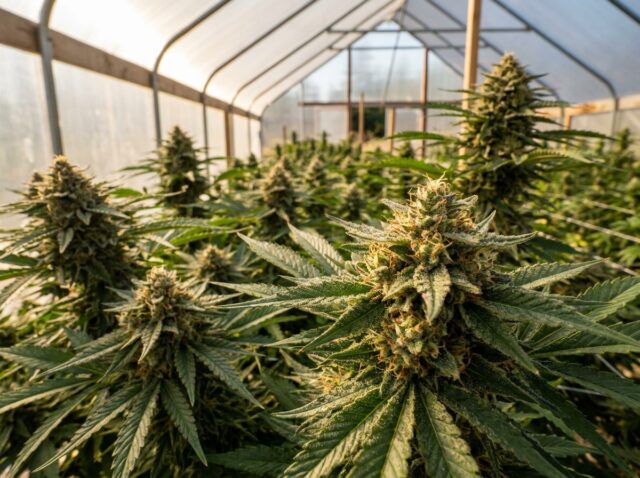
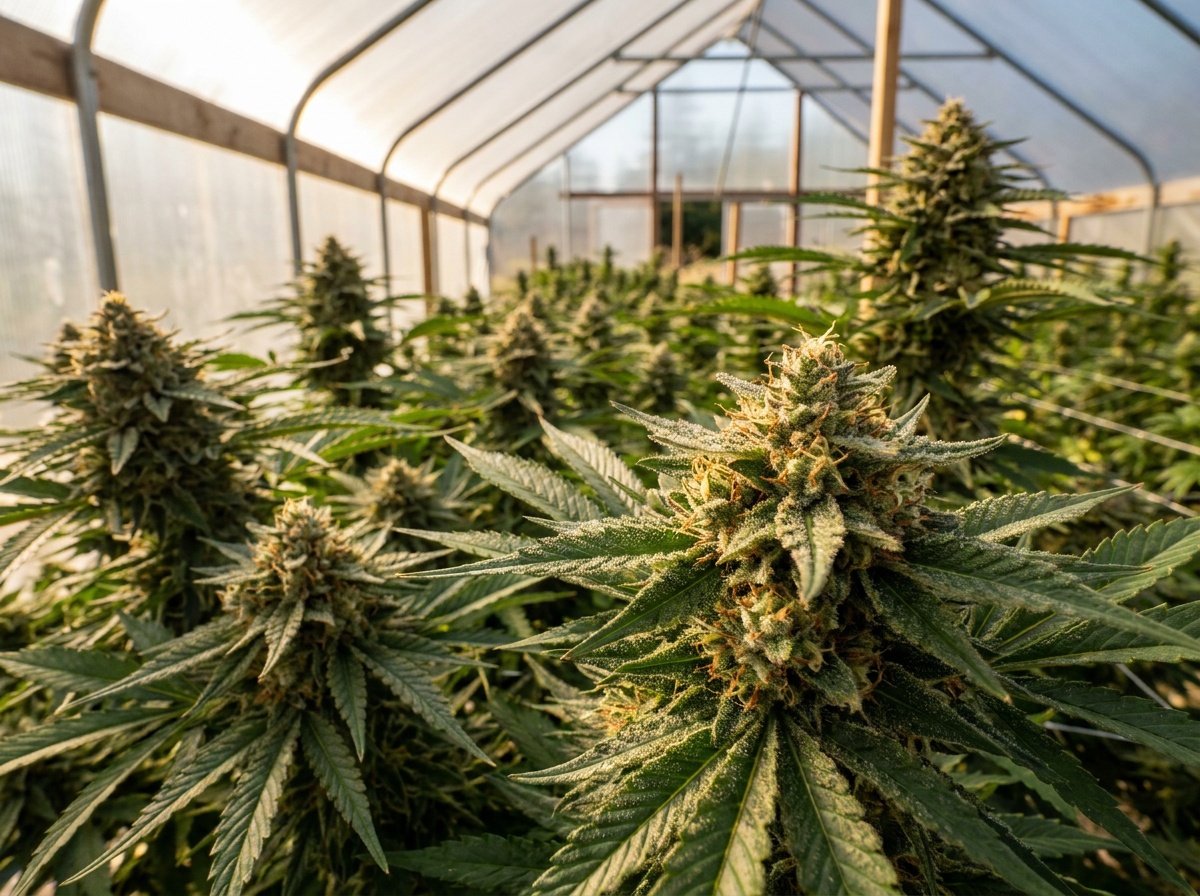
The agronomic and morphological architecture of Sour Tsunami reflects its elite diesel and heirloom indica heritage. In vegetative development, plants demonstrate rapid lateral branching, medium-long internodal spacing, and deep forest-green palmate foliage that readily responds to apical training, low-stress training (LST), and Screen of Green (SCROG) trellising. As flowering progresses through an 8.5 to 9.5-week photoperiod, Sour Tsunami develops elongated, dense, spear-shaped floral clusters studded with glandular capitate-stalked trichomes. The resin profile exudes an unmistakable aromatic bouquet dominated by pungent sour diesel fumes, sharp kerosene, damp coniferous forest soil, and sweet overripe citrus peel. This aromatic complexity is driven by a distinctive terpene profile heavily skewed toward myrcene, terpinolene, beta-caryophyllene, and alpha-pinene. For medical dispensaries, clinical practitioners, and craft cultivators alike, Sour Tsunami represents both a historic foundational ancestor of the modern CBD movement and an elite, daily-functional clinical tool for managing chronic pain, musculoskeletal spasm, autoimmune inflammation, and neuropsychiatric stress.
Botanical Identity & Quick Data Card
| Taxonomic Metric | Botanical Specification |
|---|---|
| Cultivar Name | Sour Tsunami (Catalog ID 340) |
| Primary Breeder & Origin | Lawrence Ringo / Southern Humboldt Seed Collective (SoHum Seeds), Humboldt County, CA (2008) |
| Genetic Lineage | Sour Diesel × NYC Diesel × Ferrari Afghan × Hawaiian |
| Genetic Classification | Sativa-Dominant Hybrid (60% Sativa / 40% Indica) |
| Cannabinoid Chemotype | Chemotype II / Chemotype III (Balanced to High-CBD: 1:1 to 4:1 CBD:THC) |
| Average Cannabinoid Content | CBD: 10.0% – 13.5% | THC: 6.0% – 9.0% | Total Cannabinoids: 18.0% – 24.5% |
| Dominant Terpenes | Beta-Myrcene, Terpinolene, Beta-Caryophyllene, Alpha-Pinene, Limonene |
| Flowering Duration | 9 to 10 Weeks (60 to 68 Days) |
| Average Indoor Yield | 450 – 550 g/m² (1.47 – 1.80 oz/ft²) |
| Average Outdoor Yield | 600 – 900 g/plant (21.2 – 31.7 oz/plant) |
| Primary Clinical Applications | Inflammatory Neuropathy, Musculoskeletal Spasms, Arthritis, Anxiety, PTSD, Migraine |
2. Genetic Heritage & Breeding History
To understand the genetic provenance of Sour Tsunami is to explore the genesis of the modern medical CBD movement in the United States. Throughout the 1980s, 1990s, and early 2000s, underground and early medical cannabis breeding focused almost exclusively on pushing THC percentages beyond the 20% threshold. As high-potency varietals flourished across California under Proposition 215, Lawrence Ringo, an artisan cultivator, musician, and breeder operating in Southern Humboldt County, noticed a troubling clinical void. Ringo suffered from severe, debilitating chronic back pain caused by degenerative disc disease and multiple spinal injuries. When consuming conventional high-THC cannabis, he found that while his perception of pain was occasionally altered, the high psychoactivity, accompanying anxiety, and cognitive fog impaired his ability to conduct physical farm work, design mechanical equipment, or live a fully functional daily life.
Convinced that the cannabis plant possessed other therapeutic compounds that had been unintentionally bred out of the commercial gene pool, Ringo began collecting diverse seeds and landrace lines from legacy collections, local Humboldt homesteaders, and international travelers. In 2007, Ringo established the Southern Humboldt Seed Collective (SoHum Seeds) with a clear, radical objective: to breed a cannabis cultivar rich in non-psychoactive medicinal cannabinoids that could deliver potent physical analgesia without intoxicating the user. At the time, analytical cannabis testing laboratories did not exist in Humboldt County, forcing Ringo to rely on organoleptic evaluation, physiological bioassays, and physical feedback from local patients who suffered from chronic inflammatory conditions, arthritis, and nerve damage.
The foundational architecture of Sour Tsunami emerged from crossing two iconic East Coast and West Coast fuel-heavy sativa lines—Sour Diesel and New York City Diesel (NYC Diesel)—with an exceptional, resinous local Afghan cultivar known as the Ferrari Afghan. The Ferrari Afghan was an early-ripening, highly pest-resistant, broad-leaf heirloom indica preserved in the hills of Southern Humboldt, prized for its dense floral clusters, heavy resin gland production, and deeply grounding somatic physical profile. To introduce structural vigor, enhanced mold resistance, and subtle tropical sweet notes, Ringo incorporated genetics from a selected Hawaiian sativa-indica cross. The resultant multi-way hybrid exhibited extraordinary vigor, robust branching, and pungent kerosene-citrus aromatic traits.
In late 2008, Steephill Labs in Oakland opened its doors as one of the very first commercial analytical testing laboratories dedicated to gas and liquid chromatography analysis of cannabis inflorescence. Lawrence Ringo was among the first breeders to bring his cured floral samples to the laboratory for objective chemical profiling. The initial lab results sent shockwaves through the California medical cannabis community: while hundreds of submitted cultivars tested at 18% to 22% THC with 0.05% or undetectable CBD, one of Ringo’s Sour Diesel hybrid selections tested at over 11% CBD alongside approximately 8% THC. Ringo famously dubbed this stabilizing selection ‘Sour Tsunami’—a tribute to its pungent sour diesel ancestry and the incoming tidal wave of cannabidiol therapeutics he envisioned sweeping through cannabinoid medicine.
Ringo did not stop at this initial analytical discovery. Over the subsequent four years, he subjected Sour Tsunami to rigorous inbreeding, open-pollination backcrossing, and sibling crosses to stabilize the underlying biochemical machinery governing cannabinoid synthase expression. Specifically, Ringo sought to stabilize the genetic loci encoding for CBDA synthase (cannabidiolic acid synthase), ensuring that seed progeny would reliably express either balanced Chemotype II (equal CBD and THC) or high-CBD Chemotype III profiles. Sour Tsunami became the definitive genetic parent of nearly every major high-CBD cultivar that followed in the American market, most notably serving as the direct pollen donor in crossing with Harlequin to create Harle-Tsu, as well as foundational crosses that yielded Canna-Tsu, Sour Pineapple CBD, and Swiss Tsunami. Lawrence Ringo’s selfless sharing of Sour Tsunami clones and seeds with pediatric epilepsy foundations, pain clinics, and independent medical collectives cemented the cultivar’s legacy as the grandfather of modern medical CBD breeding.
3. Morphology, Agronomics & Cultivation Dynamics
Cultivating Sour Tsunami requires an intimate understanding of its hybrid vigor and contrasting sativa-indica morphological influences. Structurally, the plant expresses the elongated, rapid vegetative elongation characteristic of its Sour Diesel and NYC Diesel lineage, while retaining the sturdy lateral branch architecture, dense internodal nodal stacking, and thick stems inherited from its Ferrari Afghan ancestor. Vegetative growth is vigorous, with plants establishing extensive fibrous root systems capable of rapid nutrient uptake. Fan leaves are dark emerald-green, displaying wide, deeply serrated leaflets with sharp lanceolate tips that moderately slenderize as the plant transitions into floral induction.
In indoor and greenhouse environments, canopy management is essential to maximize light penetration and optimize uniform floral maturation. Left untrained, Sour Tsunami exhibits moderate apical dominance, sending up a prominent central spire accompanied by rapid lateral secondary branching. Cultivators achieve the highest commercial yields and uniform cannabinoid concentration by applying early apical topping at the 4th or 5th node, followed by low-stress training (LST) and horizontal trellis integration using Screen of Green (SCROG) netting. During the initial two to three weeks of the 12/12 photoperiod transition, Sour Tsunami undergoes a vertical stretch factor of approximately 1.75x to 2.2x. Trellising ensures that lateral flowering sites are spread evenly across the horizontal plane, preventing lower canopy shading and maximizing the development of top-grade A-buds.
Nutritionally, Sour Tsunami is a moderate-to-heavy feeder that requires precise elemental balancing throughout its life cycle. In early vegetative development, plants thrive on an electrical conductivity (EC) range of 1.2 to 1.5 mS/cm, requiring ample nitrogen, calcium, and magnesium to sustain rapid tissue division and vigorous stem thickening. As flowering initiates, the nitrogen input should be tapered down gradually by week 3 of 12/12, while phosphorus, potassium, and micronutrients (especially sulfur, iron, and zinc) are increased to support dense calyx swelling and heavy trichome gland formation. Peak flowering nutrition should stabilize between 1.8 and 2.1 mS/cm in hydroponic or soilless coco coir substrates, with root zone pH maintained precisely between 5.8 and 6.2 (or 6.3 to 6.7 in living organic soil systems). Deficiencies in magnesium or calcium will rapidly manifest as interveinal chlorosis and necrotic marginal spotting on middle-canopy fan leaves, particularly under high-intensity LED illumination with elevated PPFD levels (850–1,000 µmol/m²/s).
Environmental parameters must be carefully regulated to protect the delicate monoterpenes and preserve optimal glandular trichome integrity. During the first four weeks of bloom, daytime canopy temperatures should be maintained between 24°C and 26°C (75°F–79°F), with nighttime temperatures between 19°C and 21°C (66°F–70°F), and a relative humidity (RH) of 55% to 60%, establishing a vapor pressure deficit (VPD) of 1.1 to 1.3 kPa. During the final four weeks of ripening (weeks 6 through 10), daytime temperatures should be lowered to 22°C to 24°C (71°F–75°F) and relative humidity aggressively lowered to 40% to 45% (VPD 1.3–1.5 kPa). This late-stage dehumidification is critical: because the Ferrari Afghan genetics impart dense, tightly clustered calyx architecture within the elongated diesel colas, high ambient humidity during late flowering substantially elevates the risk of Botrytis cinerea (gray mold) or powdery mildew inside the cola interiors.
Harvest timing for Sour Tsunami requires meticulous microscopic trichome inspection rather than relying solely on pistil coloration. Because CBDA synthesis reaches peak accumulation slightly earlier than THCA peak saturation, monitoring glandular trichome heads on the calyx surface with a 60x jeweler’s loupe or digital microscope is paramount. Maximum therapeutic CBD content occurs when approximately 85% to 90% of the capitate-stalked trichome heads transition from transparent clear to a dense, milky-cloudy opacity, with only 5% to 10% displaying amber coloration. Delaying harvest beyond this point results in enzymatic degradation of CBDA into non-active cannabinoid byproducts and oxidation of delicate monoterpenes like myrcene and pinene, reducing both aromatic vibrancy and clinical efficacy.
4. Complete Data Specifications
The following five technical data tables establish the comprehensive chemical, agronomic, and clinical specifications for Sour Tsunami, aligned with contemporary horticultural standards and laboratory verification protocols.
Table 1: Botanical & Chemotype Profile
| Parameter | Botanical & Analytical Value | Laboratory Verification Standard |
|---|---|---|
| Cultivar Lineage | Sour Diesel × NYC Diesel × Ferrari Afghan × Hawaiian | Historical SoHum Seeds Pedigree Verification |
| Taxonomic Designation | Cannabis sativa L. (Hybrid: 60% Sativa / 40% Indica) | Morphological & Genomic Assessment |
| Cannabinoid Chemotype | Chemotype II / Chemotype III (Co-dominant CBDA/THCA Synthase) | HPLC-DAD Decarboxylated Quantification |
| CBD:THC Ratio Range | 1:1 to 4:1 (Stabilized Selected Cut: ~2:1 to 3:1) | Analytical Cannabinoid Ratio Calculation |
| Total Active Cannabinoids | 18.5% – 24.8% by Dry Inflorescence Weight | High-Performance Liquid Chromatography |
| Total Terpene Concentration | 1.8% – 3.2% Total Volatile Fraction | GC-MS Headspace Analysis |
| Inflorescence Density | Medium-High Density, Elongated Diesel Colas | Volumetric Water Displacement (g/cm³) |
| Calyx-to-Leaf Ratio | High (Approximately 70:30 Post-Trim Ratio) | Post-Harvest Gravimetric Biomass Analysis |
Table 2: Cannabinoid Spectrum & Potency Range
| Cannabinoid Compound | Average Decarboxylated Mass % | Range (%) | Primary Receptor Mechanism |
|---|---|---|---|
| Cannabidiol (CBD) | 11.80% | 9.50% – 14.20% | Allosteric CB1 Modulator, 5-HT1A Agonist, TRPV1 Desensitizer |
| Delta-9-THC | 6.80% | 4.50% – 8.80% | Partial Agonist at CB1 and CB2 Orthosteric Sites |
| Cannabichromene (CBC) | 0.75% | 0.30% – 1.20% | TRPA1/TRPV1 Agonist, Anandamide Cellular Reuptake Inhibitor |
| Cannabigerol (CBG) | 0.65% | 0.25% – 1.10% | Alpha-2 Adrenergic Agonist, 5-HT1A Antagonist, GPR55 Antagonist |
| Cannabidivarin (CBDV) | 0.35% | 0.10% – 0.65% | TRPV1/TRPV2 Agonist, Anti-Epileptogenic Signaling |
| Tetrahydrocannabivarin (THCV) | 0.20% | 0.05% – 0.45% | Neutral CB1 Antagonist (Low Dose), Metabolic Modulator |
| Cannabinol (CBN) | 0.08% | 0.01% – 0.25% | Degradation Byproduct; Weak CB1/CB2 Agonist |
Table 3: Terpene Concentration Profile & Synergistic Effects
| Terpene Compound | Mean Weight (%) | Concentration Range | Aromatic & Pharmacological Synergy |
|---|---|---|---|
| Beta-Myrcene | 0.85% | 0.50% – 1.35% | Earthy, herbal; enhances blood-brain barrier permeability, sedation, analgesic synergy |
| Terpinolene | 0.55% | 0.30% – 0.90% | Crisp pine, herbal fuel; antioxidant, central nervous system depressant, anxiolytic |
| Beta-Caryophyllene | 0.45% | 0.25% – 0.75% | Spicy, peppery; direct dietary CB2 receptor full agonist, potent peripheral anti-inflammatory |
| Alpha-Pinene | 0.30% | 0.15% – 0.50% | Sharp coniferous; acetylcholinesterase inhibitor, bronchodilator, mitigates short-term memory deficits |
| D-Limonene | 0.25% | 0.10% – 0.40% | Citrus zest; elevates 5-HT and dopamine transmission, anxiolytic, gastroprotective |
| Alpha-Humulene | 0.15% | 0.05% – 0.28% | Woody, earthy; suppresses TNF-alpha, synergistic anti-edemic and appetite modulating action |
| Alpha-Bisabolol | 0.10% | 0.03% – 0.20% | Delicate floral, chamomile; wound healing, dermal analgesia, gastric mucosa cytoprotection |
Table 4: Agronomic Benchmarks & Cultivation Parameters
| Horticultural Phase | Optimal Environmental Target | Agronomic Guidelines & Nutrient Strategy |
|---|---|---|
| Propagation / Seedling | 24°C – 26°C, 70% – 75% RH, VPD 0.8 kPa | Mild rooting solution (EC 0.6–0.8), rooting hormones, low PPFD (150–200 µmol/m²/s) |
| Early Vegetative Growth | 25°C – 27°C, 60% – 65% RH, VPD 1.0 – 1.1 kPa | EC 1.2 – 1.5; N-P-K ratio 3:1:2, high Ca/Mg supplementation; apical topping at node 4 |
| Transition & Stretch (Weeks 1–3) | 24°C – 26°C, 55% – 60% RH, VPD 1.1 – 1.3 kPa | EC 1.6 – 1.8; integrate first horizontal SCROG layer; anticipate 2x stretch factor |
| Mid-Bloom Swell (Weeks 4–7) | 23°C – 25°C, 50% – 55% RH, VPD 1.2 – 1.4 kPa | EC 1.8 – 2.1; taper nitrogen; elevate potassium silicate, mono-potassium phosphate (MKP) |
| Ripening & Flush (Weeks 8–10) | 20°C – 22°C, 40% – 45% RH, VPD 1.3 – 1.5 kPa | EC 0.4 – 0.6; pure water flush or balanced hypoosmotic finish; inspect trichomes at 60x |
Table 5: Clinical Indication Mapping & Patient Efficacy
| Target Clinical Condition | Efficacy Score (1–10) | Primary Mechanism of Action | Recommended Ingestion Protocol |
|---|---|---|---|
| Chronic Neuropathic Pain | 9.4 / 10 | Synergistic CB1/CB2 modulation, glycine receptor potentiation, central wind-up inhibition | Dry herb convection vaporization (180°C–195°C) or full-spectrum lipid tincture |
| Musculoskeletal Spasticity | 9.1 / 10 | Polysynaptic reflex inhibition via CB1, myrcene-mediated motor cortex sedation | Inhalation for acute spasms; oral decarboxylated oil (15–25 mg CBD) for sustained relief |
| Rheumatoid & Osteoarthritis | 9.2 / 10 | Suppression of synovial TNF-alpha, IL-1beta, and COX-2 enzymes via CBD and caryophyllene | Dual administration: topical balm directly on arthritic joints paired with daily sublingual tincture |
| Generalized Anxiety & PTSD | 8.9 / 10 | 5-HT1A serotonergic neurotransmission enhancement; fear memory reconsolidation disruption | Low-temperature inhalation (170°C–180°C) or micro-dosed edible formulation |
| Refractory Migraine & Cephalea | 8.8 / 10 | Trigeminovascular nociceptive desensitization, neurogenic dural inflammation reduction | Rapid vapor inhalation at immediate aura onset followed by sublingual drops |
| Inflammatory Bowel Disease (IBD) | 8.6 / 10 | Enteric nervous system CB2 receptor activation, gut mucosal epithelial barrier restoration | Enteric-coated capsules or full-spectrum raw/decarboxylated botanical extractions |
5. Comprehensive Cannabinoid & Terpene Phytochemistry
The clinical distinction of Sour Tsunami lies in its sophisticated phytocomplex, where major and minor cannabinoids engage in deep functional synergy with an expressive mono- and sesquiterpene spectrum. In conventional recreational cannabis chemotypes (Chemotype I), delta-9-THC acts as a potent partial agonist at orthosteric CB1 receptors located densely throughout the central nervous system, neocortex, basal ganglia, and cerebellum. This unopposed CB1 stimulation frequently causes memory impairment, temporal distortion, anxiety, and tachycardia. In Sour Tsunami, the co-dominant presence of cannabidiol (CBD) fundamentally shifts the pharmacological landscape. CBD operates as a negative allosteric modulator (NAM) of the CB1 receptor. By binding to a distinct non-orthosteric site on the receptor protein, CBD alters the receptor’s tertiary conformation, significantly diminishing the binding affinity and functional efficacy of THC. Consequently, patients consuming Sour Tsunami receive the full therapeutic benefits of THC—including centrally mediated analgesia, muscle relaxation, and anti-emesis—without crossing the threshold into overwhelming cognitive intoxication or psychotomimetic dysphoria.
Beyond CB1 modulation, cannabidiol exerts robust polypharmacological activity across several non-cannabinoid receptor systems. CBD functions as a direct agonist at 5-HT1A serotonergic receptors, a mechanism directly responsible for the rapid anxiolytic, anti-panic, and neuroprotective responses documented in clinical studies. Furthermore, CBD interacts directly with transient receptor potential vanilloid type 1 (TRPV1) channels, initiating an initial ionic influx followed by rapid, sustained channel desensitization. Because TRPV1 channels mediate peripheral nociceptive signaling, heat sensitivity, and inflammatory pain transmission, their desensitization produces pronounced peripheral analgesic relief. In addition, CBD acts as an inhibitor of fatty acid amide hydrolase (FAAH), the primary intracellular enzyme responsible for catabolizing the body’s native endocannabinoid anandamide (AEA). By slowing anandamide degradation, CBD indirectly elevates endogenous endocannabinoid tone, restoring systemic homeostatic balance in states of clinical endocannabinoid deficiency.
The minor cannabinoid profile in Sour Tsunami provides substantial clinical reinforcement. Cannabichromene (CBC), typically testing between 0.3% and 1.2%, functions as a potent agonist at transient receptor potential ankyrin 1 (TRPA1) and TRPV1 channels while inhibiting cellular anandamide uptake. Research demonstrates that CBC interacts synergistically with CBD and THC to reduce inflammation and promote adult neural stem progenitor cell viability. Cannabigerol (CBG), present at 0.25% to 1.1%, provides alpha-2 adrenergic receptor agonism and moderate 5-HT1A antagonism, imparting mild muscle relaxant and antibacterial properties. In addition, trace levels of propyl-cannabinoid homologs, notably cannabidivarin (CBDV) and tetrahydrocannabivarin (THCV), modulate neurochemical pathways governing seizure thresholds, metabolic rate, and inflammatory signaling, confirming that whole-plant Sour Tsunami extracts possess clinical versatility that single-molecule CBD isolates cannot replicate.
The volatile aromatic fraction of Sour Tsunami is equally decisive in shaping its clinical efficacy. Beta-myrcene is the dominant monoterpene, often constituting over 35% of the total terpene volume (averaging 0.85% of dry biomass weight). Myrcene is celebrated for its earthy, musky, and herbal aroma, but its pharmacological significance centers on its ability to lower the resistance of the blood-brain barrier. By increasing biological membrane permeability, myrcene accelerates the transcellular uptake of cannabinoids into central nervous system tissues. Furthermore, myrcene exerts direct antinociceptive and sedative effects via alpha-2 adrenoreceptor activation, providing the profound somatic muscle relaxation experienced shortly after consumption.
Terpinolene (averaging 0.55%) is the secondary hallmark monoterpene in Sour Tsunami, providing its bright, complex diesel-pine undertone. In pharmacological assays, terpinolene exhibits noticeable central nervous system depressant activity, reducing locomotor agitation without producing mental heaviness. When paired with alpha-pinene (0.30%), which acts as a natural acetylcholinesterase inhibitor that counteracts THC-induced short-term memory deficits and dilates pulmonary airways, the resulting cognitive profile is lucid, focused, and calm. Beta-caryophyllene (0.45%), a unique dietary sesquiterpene, acts as a selective, full agonist at peripheral CB2 receptors, providing a non-psychoactive anti-inflammatory cascade that suppresses pro-inflammatory cytokine expression (TNF-alpha, IL-6, IL-1beta). This multi-target phytocomplex represents the ultimate manifestation of the botanical ‘entourage effect,’ where each constituent enhances therapeutic potency while mitigating adverse side effects.
6. Clinical Efficacy & Patient Pharmacokinetics
The clinical deployment of Sour Tsunami has been validated across thousands of medical patients over nearly two decades of observational and clinical practice. Unlike single-compound pharmaceutical cannabidiol formulations (such as synthetic isolates), Sour Tsunami’s natural 1:1 to 4:1 CBD-to-THC ratio offers a significantly broader therapeutic window. In pharmacology, single-molecule CBD exhibits a characteristic bell-shaped dose-response curve, wherein therapeutic efficacy increases with dosage up to a specific inflection point, after which higher doses produce diminishing clinical returns. Full-spectrum Sour Tsunami inflorescence, conversely, demonstrates a linear, dose-dependent clinical curve: as the dose increases, clinical analgesia, anti-inflammatory activity, and anxiolytic relief continue to scale upward without triggering a sudden therapeutic drop-off or adverse psychotomimetic crisis.
For patients presenting with chronic neuropathic pain—such as diabetic peripheral neuropathy, post-herpetic neuralgia, sciatica, or multiple sclerosis-related radiculopathy—Sour Tsunami delivers multi-layered symptomatic relief. Conventional analgesics like gabapentinoids, tricyclic antidepressants, and opioids frequently carry heavy side-effect burdens including severe sedation, weight gain, ataxia, and physical dependence. Inhaled or orally ingested Sour Tsunami mitigates neuropathic firing through simultaneous central and peripheral mechanisms: THC attenuates presynaptic glutamate release in the dorsal horn of the spinal cord via CB1 activation, while CBD and caryophyllene suppress microglial activation and neuroinflammatory cytokine production via CB2 and PPAR-gamma pathways. Clinical observation indicates that patients experience substantial decreases in both spontaneous burning pain and mechanical allodynia within minutes of inhalation, sustaining functional pain reduction for 2.5 to 4 hours.
In the domain of mental health and neuropsychiatric disorders, Sour Tsunami provides extraordinary utility for generalized anxiety disorder (GAD), panic disorder, social phobia, and post-traumatic stress disorder (PTSD). High-THC cannabis varietals are notorious for precipitating acute paranoia and panic attacks in sensitive individuals or trauma survivors due to excessive CB1 activation in the amygdala. Sour Tsunami’s elevated CBD concentrations protect the amygdalar circuits, preventing fear sensitization while CBD’s 5-HT1A agonism stimulates raphe nuclei signaling. PTSD patients report marked reductions in autonomic hyperarousal, night sweats, and intrusive flashbacks, accompanied by a state of relaxed vigilance that allows normal engagement in occupational, social, and therapeutic settings.
Pharmacokinetically, the route of administration determines the onset, peak plasma concentration (Cmax), and duration of clinical action. When administered via dry herb convection vaporization or combustion, cannabinoids enter pulmonary alveolar capillary beds directly, bypassing first-pass hepatic metabolism. Peak plasma concentrations of both CBD and THC occur within 3 to 10 minutes, with bioavailability ranging between 20% and 35%. This rapid onset makes vaporization ideal for acute symptom flare-ups, breakthrough neuropathic pain, migraine aura interruption, or sudden panic episodes. Conversely, when formulated into oral lipid tinctures, MCT oil infusions, or gel capsules, cannabinoids undergo hepatic processing, where delta-9-THC is partially metabolized by cytochrome P450 enzymes (specifically CYP2C9 and CYP3A4) into 11-hydroxy-THC, and CBD is converted into 7-hydroxy-CBD. Oral onset requires 45 to 90 minutes, with peak plasma concentrations achieved at 2 to 3 hours, providing prolonged systemic therapeutic coverage spanning 6 to 8 hours—an ideal pharmacokinetic profile for nighttime sleep maintenance, chronic arthritis management, and sustained autoimmune suppression.
7. Organoleptic Profiling & Consumption Experience
The organoleptic journey of Sour Tsunami is a masterclass in terpene equilibrium, immediately defying the outdated misconception that medicinal, high-CBD cannabis cultivars lack rich, exotic olfactory appeal. Cured inflorescences of Sour Tsunami present an intricate, multi-layered aromatic profile that pays immediate homage to its East Coast Sour Diesel and NYC Diesel lineage. Upon cracking open a cured glass jar, the initial olfactory strike is dominated by sharp, chemical diesel fuel, unrefined kerosene, and volatile organic solvent fumes. As the initial diesel wave settles, secondary aromatic layers emerge: damp coniferous forest floor, freshly crushed pine needles, spicy peppercorns, and an underlying earthy musk derived from its dense myrcene concentration.
When broken apart or ground in a precision aluminum mill, the ruptured glandular trichome heads release an intense burst of sour, overripe citrus peel—reminiscent of fermented grapefruit, tart Meyer lemon, and acidic green apple. This zesty, sharp citrus character is driven by the synergistic interaction of terpinolene, limonene, and trace sulfur-containing volatile compounds (thiophenes and prenylated sulfur volatiles) that give diesel strains their unmistakable, pungent skunkiness. The underlying Afghan heritage anchors these bright, effervescent volatile top notes with a deep, warm, hashish-like base note of aged cedarwood, sandalwood, and moist loam.
The combustion and vaporization dynamics of Sour Tsunami are remarkably smooth, provided the flower has undergone an expert multi-week slow curing process. Inhaled through a clean convection vaporizer set between 175°C and 190°C (347°F–374°F), the initial flavor across the palate is distinctly sour and herbaceous, coating the tongue in a wash of tart citrus, eucalyptus, and spicy clove. On the exhale, the flavor deepens into rich diesel exhaust, roasted earth, and sweet pine resin. The smoke is cool, expansive, and gentle on sensitive bronchial tissues, making it exceptionally well-suited for patients with respiratory sensitivities, asthma, or reactive airway conditions who cannot tolerate harsh, high-THC smoke.
The physiological and subjective experience of Sour Tsunami begins within moments of exhalation. Users experience a gentle, spreading warmth across the temples, ocular orbit, and base of the skull, accompanied by an immediate release of cranial and cervical muscle tension. Unlike high-THC cultivars that trigger rapid cerebral rush, perceptual distortion, or racing thoughts, Sour Tsunami induces an immediate sensation of cognitive lucidity and emotional calmness. The mind remains entirely sharp, functional, and organized, while the body undergoes deep somatic grounding. Breathing becomes slower and more diaphragmatic, peripheral limb tremors settle, and musculoskeletal pain dissolves into a quiet, manageable background murmur. There is zero couch-lock or lethargy; patients report feeling revitalized, centered, and fully capable of operating complex machinery, conducting professional creative work, or participating in physical exercise. As the experience gently recedes after two to three hours, there is no lethargic burnout, mental fog, or rebound irritability, leaving the patient with a sustained baseline of relaxed well-being.
8. Dispensary Sourcing, Curing & Quality Verification
For licensed dispensaries, clinical procurement specialists, and patient care consultants, sourcing authentic, high-grade Sour Tsunami requires stringent analytical verification and physical quality standards. Due to the popularity of the name and the natural genetic segregation that occurs in seed populations, market samples labeled ‘Sour Tsunami’ can vary significantly if not sourced from verified, laboratory-tested clonal stock. Authentic selected Sour Tsunami cuts must consistently exhibit a verified Chemotype II or Chemotype III profile, displaying a minimum 1:1 CBD:THC ratio and ideally achieving a 2:1 to 4:1 ratio (e.g., 10%–12% CBD with 4%–6% THC). Any commercial lot exhibiting less than 8% CBD or exceeding 10% THC without proportionate CBD levels represents an off-phenotype or improperly backcrossed line that will fail to deliver the expected clinical outcomes.
Post-harvest drying and curing protocols are decisive in preserving Sour Tsunami’s volatile monoterpenes and preventing the degradation of cannabidiolic acid into inactive cannabinoids. The inflorescences should be harvested via whole-plant hanging in a dedicated, environmentally controlled drying room maintained strictly at 15°C to 16°C (60°F) and 58% to 62% relative humidity (the gold-standard ’60/60′ protocol). This slow drying process should extend across 12 to 16 days, allowing enzymatic breakdown of harsh plant chlorophyll and starches while preventing the rapid evaporation of delicate terpenes like myrcene, terpinolene, and pinene. Once the smaller stems snap crisply rather than bending, the flowers should be hand-trimmed with surgical stainless steel shears and transferred into airtight glass curing vessels or food-grade stainless steel cure containers.
The secondary curing phase must continue for a minimum of 21 to 30 days at 15°C to 18°C (59°F–64°F) in dark, light-proof conditions, with daily headspace burping during the first two weeks to evacuate trapped moisture and ethylene gas. Final water activity (aw) must be strictly calibrated between 0.58 and 0.62 aw, with internal moisture content stabilizing at 10.5% to 12.0%. Maintaining water activity within this precise threshold inhibits the germination of fungal spores (Aspergillus, Penicillium) while preserving the viscoelastic mechanical integrity of the trichome heads. Dispensaries should mandate comprehensive third-party Certificate of Analysis (COA) testing for every batch, confirming zero detectable heavy metals (lead, cadmium, arsenic, mercury), zero residual agricultural pesticides, zero mycotoxins, and low microbial colony counts (TYMC < 10,000 CFU/g; TAMC < 100,000 CFU/g).
In dispensary display and patient consultation environments, Sour Tsunami should be stored in opaque, UV-blocking ultraviolet Miron glass jars or nitrogen-flushed, sealed amber containers held at stable room temperatures (18°C–20°C / 64°F–68°F). Exposure to direct retail lighting, heat, or ambient air will rapidly oxidize delicate monoterpenes into harsh, oxidized derivatives and convert delta-9-THC and CBD into CBN and other degraded artifacts. When properly cured, stored, and verified, Sour Tsunami stands as a crown jewel in any medical cannabis apothecary—a timeless, scientifically validated botanical monument that continues to provide life-changing relief to patients across the globe.