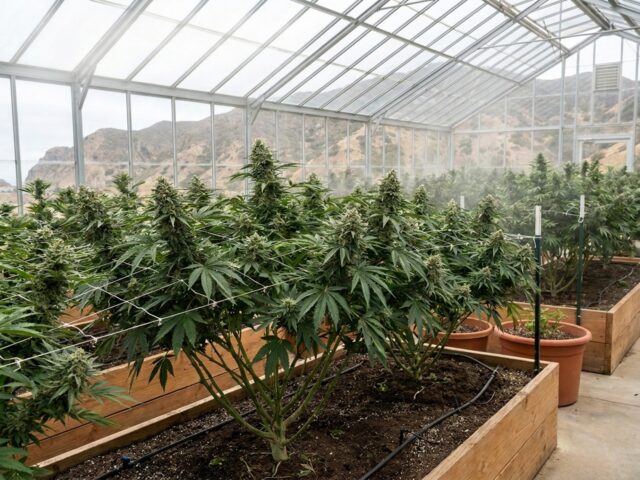
[wp_post_visit_card post_id=”1359″]
🎙️
Listen to the Strain Audio Review
Official Audio Monograph
Listen to the full spoken audio review, genetic lineage breakdown, terpene profile, and therapeutic indications for this cultivar.
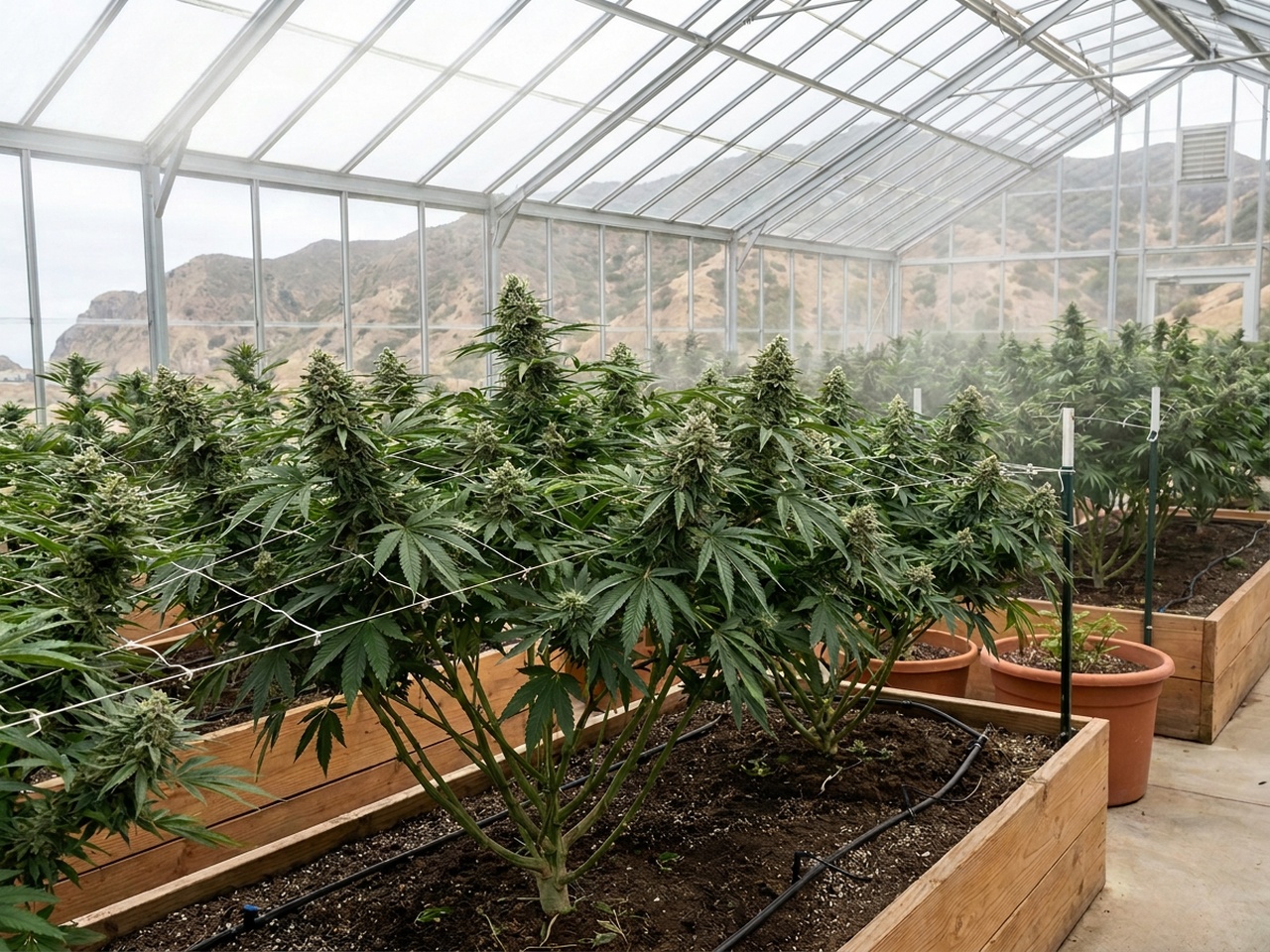
A comprehensive botanical, phytochemical, and pharmacological monograph cataloguing Cannabis indica Lam. cv. ‘Kosher Kush’—a multi-award-winning Los Angeles pure indica archetype renowned for profound cannabinoid density, pungent hydrocarbon and sour citrus volatile chemistry, and peerless nocturnal somatic sedation.
Section 1: Introduction, Cultural Pedigree, and Taxonomic Classification
Within the modern pantheon of elite cannabis cultivars, few lineages carry the historical gravitas, mystical pedigree, and undisputed competition dominance of Kosher Kush. Emerging from the underground medical collective networks of Southern California in the late 1990s and early 2000s, this extraordinary cultivar captured the attention of global connoisseurs by executing an unprecedented sweep of international cannabis accolades. In an era when polyhybrid breeding was rapidly diluting ancestral traits in favor of cosmetic anthocyanin coloration and sugary dessert terpene profiles, Kosher Kush remained an unyielding bastion of primordial Indica power—delivering an overwhelming olfactory onslaught of high-octane hydrocarbon fuel, pungent damp forest loam, and sharp citrus solvents, paired with a devastating somatic payload that redefined clinical-grade sedative potency.
The cultural origins of Kosher Kush are steeped in Los Angeles counterculture lore. The cut originally circulated throughout the San Fernando Valley and Jewish grower circles in Los Angeles under the vernacular designation “Jew’s Gold” or “Jewish OG.” The lineage was revered by a tight-knit community of legacy cultivators who guarded the mother plant with obsessive secrecy, prizing its exceptional resin yield, colossal calyx-to-leaf ratio, and narcotic therapeutic efficacy for debilitating physical conditions. Around 2008, the cut was introduced to Don Morris and Aaron Yarkoni, the visionary founders of DNA Genetics and Reserva Privada. Recognizing the cultivar’s generational brilliance but desiring a title that honored its cultural heritage with reverence and commercial dignity, they christened the cultivar “Kosher Kush.” In a legendary piece of horticultural lore that bridged cultural tradition with botanical reverence, the cultivation team arranged for a local Los Angeles rabbi to visit the indoor grow rooms and formally bless the mother stock, inaugurating Kosher Kush as the first commercially recognized, spiritually consecrated cannabis strain in modern history.
Upon its commercial introduction to the competitive international circuit, Kosher Kush achieved instant, historic acclaim. At the 2010 High Times Cannabis Cup in Amsterdam, Kosher Kush stunned European judges and legacy Dutch coffeeshop masters by capturing 1st Place in the prestigious Indica category. Proving that its initial victory was no statistical anomaly, Kosher Kush returned in 2011 to win 1st Place Indica for the second consecutive year, while also capturing the ultimate honor of High Times Strain of the Year. It followed this triumph with victories at the 2012 High Times Medical Cannabis Cup in Los Angeles and Denver, solidifying its reputation as the most chemically potent, reliable, and therapeutically profound pure Indica selection of the 21st century.
Botanical Taxonomy & Morphological Hierarchy
From a formal botanical standpoint, Kosher Kush exemplifies the extreme phenotypic expression of Cannabis indica Lam. (broad-leaflet Afghan-Peshawar archetype). Although some contemporary taxonomists debate whether its ancestral lineage incorporates an elite Southern California OG Kush phenotype backcrossed to a preserved Afghan landrace or represents a rare, distinct coastal heirloom, its morphology during vegetative and generative phases demonstrates unequivocal broad-leaflet Indica dominance. The foliage exhibits dark forest-green to midnight-olive pigmentation with broad, deeply serrated 7-to-9 leaflet fans that maximize photosynthetic photon capture under indoor horticultural lighting.
During the generative flowering cycle, Kosher Kush undergoes an impressive transformation. While pure Afghan cultivars typically display rigid, tightly clustered floral structures with minimal intermodal spacing, Kosher Kush exhibits a pronounced 100% to 140% flowering stretch reminiscent of elite California Kush cuts, resulting in towering central spires and elongated lateral branches that require robust horizontal trellising. The individual calyxes swell into colossal, rock-hard conical clusters that develop a breathtaking calyx-to-leaf ratio, minimizing trimming labor and maximizing glandular resin surface area.
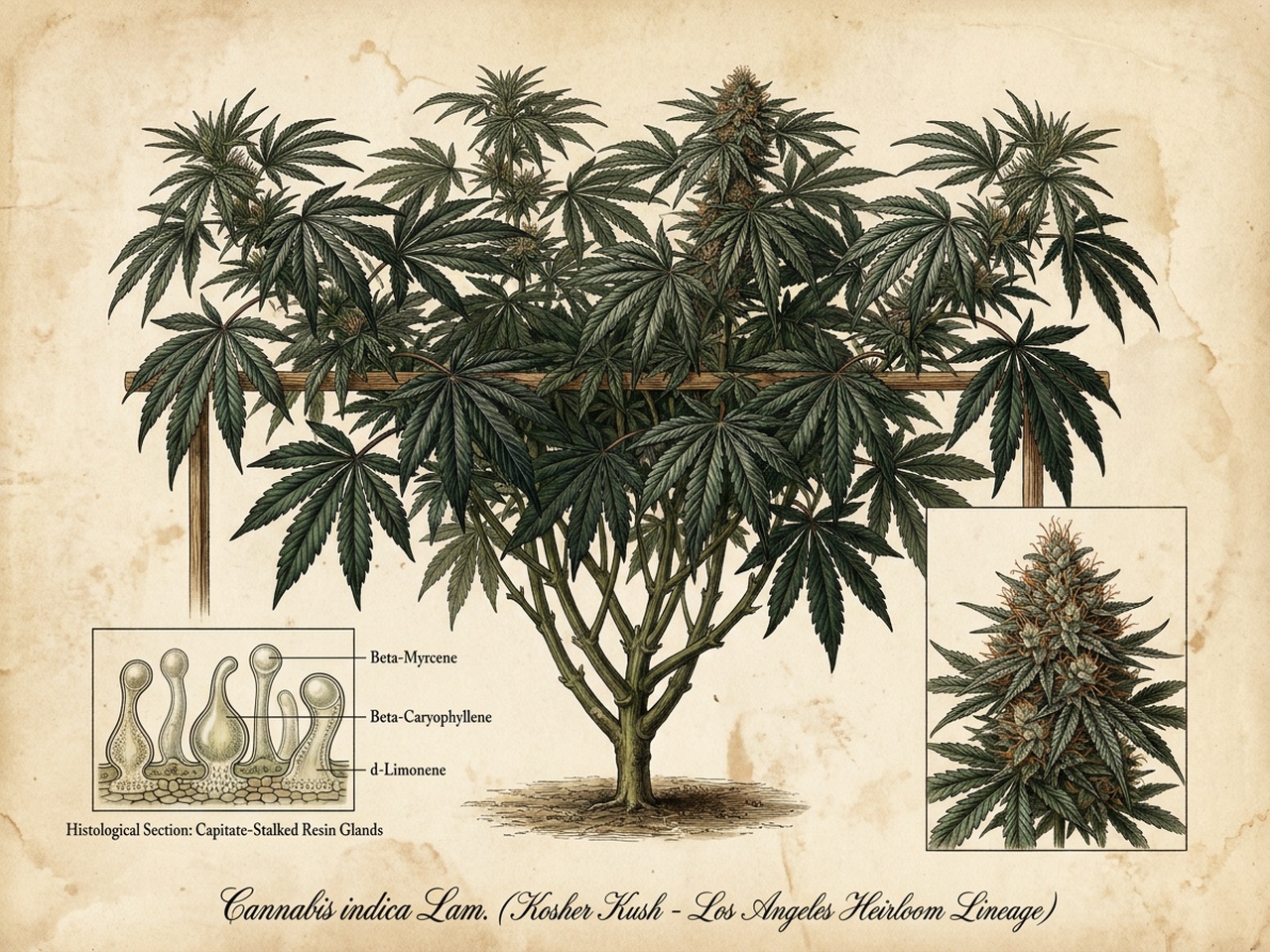
Taxonomic Profile & Botanical Classification
To contextualize Kosher Kush within formal systematic botany and commercial horticultural registries, the following matrix compiles its complete taxonomic classification, physiological characteristics, and baseline agronomic parameters.
| Taxonomic & Morphological Category | Scientific Classification & Phenotypic Value | Botanical Significance & Diagnostic Markers |
|---|---|---|
| Kingdom & Division | Plantae • Angiosperms (Tracheophyta) | Vascular flowering plant utilizing specialized xylem and phloem transport networks. |
| Order & Family | Rosales • Cannabaceae Martinov | Aromatic, wind-pollinated, dioecious family characterized by specialized glandular trichome synthesis. |
| Genus & Species | Cannabis indica Lam. | Broad-leaflet, resin-dense chemovar lineage adapted to arid continental and mountainous microclimates. |
| Cultivar Nomenclature | cv. ‘Kosher Kush’ (orig. ‘Jew’s Gold’) | Elite Los Angeles heirloom selection; stabilized and commercialized by DNA Genetics / Reserva Privada. |
| Chemotypic Classification | Chemotype I (THC-Dominant) | High delta-9-THC accumulation (>22–29%) with minor CBD (<0.5%) and elevated secondary CBG (0.8–1.8%). |
| Leaflet Morphology | Broad Palmate; 7–9 Deeply Serrated Leaflets | Thick, coriaceous lamina; dark midnight-olive adaxial surface; pronounced intercellular stomatal density. |
| Internodal Architecture | Medium-to-Wide (5.0–7.5 cm in flower) | Displays moderate vertical stretch during pre-flowering transition; requires multi-tier horizontal support. |
| Calyx-to-Leaf Ratio | High (approximately 4.2:1) | Dense conical bract clusters with minimal interior sugar leaf; streamlined manicuring and superior airflow. |
| Trichome Head Diameter | 90–135 μm (Capitate-Stalked Glandular) | Extraordinary glandular density; thick resin heads optimized for solventless ice water hash extraction (73–120μ). |
| Photoperiod Induction | Obligate Short-Day (12/12 photoperiod) | Flowering initiated by critical dark threshold; typical generative cycle spans 63 to 70 days. |
Section 2: Genetic Lineage, Morphological Architecture, and Cultivation Dynamics
The genetic lineage of Kosher Kush occupies a unique place in cannabis history, characterized by an aura of mystery that has fueled debate among genealogists and breeders for over two decades. Unlike modern corporate polyhybrids whose parental lineages are thoroughly documented through commercial breeding logs, Kosher Kush originated as an elite, guarded clone-only selection within the private Jewish horticultural community of Los Angeles. When DNA Genetics acquired the cut under its original moniker “Jew’s Gold,” extensive horticultural observation revealed a plant that combined the unmistakable aromatic terpenes and stretching habit of California OG Kush with the heavy lateral branching, resin-swollen bracts, and devastating narcotic impact of an ancient, pure Hindu Kush or Afghan domesticate.
Phylogenetic theories regarding its precise pedigree divide into two primary hypotheses. The first hypothesis posited by California legacy growers suggests that Kosher Kush is an exceptional, isolated backcross or sister phenotype of the original Florida/Lake Tahoe OG Kush matriarch, selected specifically for its staggering resin production and amplified myrcene concentration. The second, equally compelling hypothesis argues that Kosher Kush represents a distinct heirloom landrace hybrid resulting from the crossing of an early 1990s Northern California/Southern California Kush clone with an unadulterated, private Afghan hashplant lineage brought to Los Angeles decades prior. Regardless of its unrecorded ancestral origin, DNA Genetics successfully stabilized the clone-only cut into stable feminized and regular seed lines (through meticulous S1 selfing and backcrossing to selected male progeny), allowing legal commercial cultivators worldwide to replicate its breathtaking genetic profile with phenotypic uniformity.
Vegetative Vigor, Canopy Architecture, and Pruning Dynamics
During the vegetative growth phase, Kosher Kush displays a deceptively compact, broad-leaflet habit typical of Afghan-derived broad-leaflet varieties. The juvenile plant develops thick, fibrous stems and deep emerald-green to midnight-olive fan leaves with 7 to 9 heavily serrated, overlapping leaflets. Root development is exceptionally vigorous; rooted cuttings establish aggressive mycorrhizal networks in living organic substrates and rapid root-mass expansion in hydroponic coco coir within 7 to 10 days of transplanting. Internodal spacing during early vegetative growth remains tight, ranging between 2.5 and 4.0 centimeters, creating a dense, squat bush that requires proactive canopy management.
Because Kosher Kush exhibits strong apical dominance, leaving the primary terminal shoot intact results in a dominant central spire that shades lateral nodes and restricts secondary development. Professional master growers recommend topping the primary stem above the fourth or fifth node once the plant has developed six true nodes. This apical excision redirects auxins toward subordinate lateral shoots, initiating a broad, multi-branched vase architecture. Applying Low-Stress Training (LST) and horizontal Trellis netting (Screen of Green / SCROG) during weeks 3 and 4 of vegetative growth allows cultivators to weave expanding branches beneath the screen, transforming a narrow apical canopy into an expansive, even plane of flowering sites.
Generative Transition, Flowering Stretch, and Structural Support
The true horticultural test of Kosher Kush begins upon photoperiod induction (12 hours light / 12 hours dark). While many pure Afghan cultivars stretch a modest 30% to 50% upon transition, Kosher Kush exhibits an aggressive generative stretch of 100% to 140% during the first 21 days of flowering. Stems rapidly elongate, and internodal distances expand to 5.0 to 7.5 centimeters. Without adequate structural support, the rapid vertical expansion can result in spindly branches unable to bear the immense physical weight of mature floral colas later in the cycle. Installing a dual-layer horizontal trellis system—the first layer placed 25 to 30 centimeters above the container rim to guide vegetative architecture, and the second layer 30 centimeters above to support swelling colas—is mandatory for commercial success.
Strategic defoliation is equally crucial. Kosher Kush produces substantial foliage that can impede vertical light penetration and restrict air circulation through the lower canopy. Implementing a selective “Schrogging” or bottom defoliation protocol at Day 21 of flower (stripping the lower third of unproductive suckers and shading fan leaves) directs photosynthetic energy into the upper flowering canopy while significantly reducing microclimate relative humidity, mitigating the risk of Botrytis cinerea (gray mold) within its extraordinarily dense flower clusters.
Phenotypic & Growth Characteristics
The table below outlines the comprehensive morphological benchmarks, developmental stages, and structural parameters observed across commercial cultivations of Kosher Kush.
| Phenotypic Attribute | Observed Agronomic Metric | Cultivation Management Significance |
|---|---|---|
| Vegetative Growth Rate | Moderate-to-Vigorous; Rapid Rooting | Clones root within 8–12 days; vegetative phase requires 28–35 days from rooted cutting to achieve full trellis coverage. |
| Flowering Cycle Duration | 63 – 70 days (9 – 10 weeks) | Optimal cannabinoid-to-terpene harvest window occurs at Day 65–67; harvesting prior to Day 63 compromises full terpene depth. |
| Flowering Stretch Ratio | 100% – 140% vertical expansion | Requires early height management; flip plants to 12/12 when they reach 45%–50% of target finished canopy height. |
| Canopy Architecture | Multi-topped bush or trellised SCROG | Responds poorly to single-cola Sea of Green (SOG); highly responsive to multiple toppings and SCROG weaving. |
| Calyx Architecture & Density | Rock-hard conical clusters; high bract density | Colossal calyx swelling during weeks 6–9; requires low late-flower relative humidity (<45% RH) to avoid internal mold. |
| Foliage-to-Flower Ratio | Very High Calyx-to-Leaf (4.2:1) | Exceptionally clean floral geometry; fast manicuring speed; minimal trim waste with high resin recovery. |
| Indoor Commercial Yield | 450 – 550 g/m² (under optimized LED/HPS) | Moderate-to-high commercial yield; quality-to-mass ratio ranks in top tier of connoisseur dispensary selections. |
| Outdoor / Greenhouse Yield | 600 – 900 g/plant (full sun, living soil) | Matures by mid-to-late October in Northern Hemisphere; requires arid Mediterranean or protected greenhouse environment. |
| Pathogen & Pest Resistance | Moderate mold resistance; high pest deterrence | High volatile terpene concentration acts as natural deterrent against spider mites; dense buds necessitate strict fungal management. |
Environmental Controls & Agronomic Parameters
Achieving the award-winning chemical expression of Kosher Kush requires precise climatic and nutritional steering. Unlike forgiving commercial polyhybrids that tolerate wide temperature fluctuations, Kosher Kush performs best under tightly regulated environmental conditions. In closed-loop indoor facilities equipped with high-efficiency full-spectrum LED fixtures, elevated photosynthetic photon flux density (PPFD) must be accompanied by supplemental carbon dioxide (CO&sub2;) enrichment to maximize photosynthetic carbon assimilation.
Nutritionally, Kosher Kush is a moderate-to-heavy consumer of secondary macronutrients, exhibiting exceptional demand for divalent cations (calcium and magnesium). During weeks 3 through 6 of the generative phase, rapid calyx expansion and trichome stalk synthesis deplete available calcium reserves, leading to potential interveinal chlorosis if fertigation electrical conductivity (EC) is inadequately buffered. Maintaining an elevated Ca:Mg ratio (approximately 3:1) and stepping down nitrogen inputs by mid-flowering while increasing potassium silicate and phosphorus guarantees dense, resin-saturated flowers with a smooth, white-burning ash.
| Cultivation Parameter | Vegetative Phase Target | Generative / Bloom Phase Target | Late Ripening / Flush Phase (Days 56–68) |
|---|---|---|---|
| Photoperiod (Light / Dark) | 18 hours light / 6 hours dark | 12 hours light / 12 hours dark | 11.5 hours light / 12.5 hours dark |
| PPFD (Photosynthetic Flux) | 400 – 600 μmol/m²/s | 800 – 1,050 μmol/m²/s | 600 – 750 μmol/m²/s (Tapered intensity) |
| Daily Light Integral (DLI) | 26 – 38 mol/m²/day | 35 – 45 mol/m²/day | 25 – 32 mol/m²/day |
| Daytime Canopy Temp | 25°C – 27°C (77°F – 81°F) | 24°C – 26°C (75°F – 79°F) | 20°C – 22°C (68°F – 72°F) (Color/Terpenes) |
| Nighttime Canopy Temp | 20°C – 22°C (68°F – 72°F) | 19°C – 21°C (66°F – 70°F) | 16°C – 18°C (60°F – 64°F) (Alpine night drop) |
| Relative Humidity (RH) | 65% – 70% RH | 45% – 52% RH | 38% – 42% RH (Mold prevention) |
| Vapor Pressure Deficit (VPD) | 0.8 – 1.1 kPa | 1.2 – 1.5 kPa | 1.4 – 1.6 kPa |
| CO&sub2; Supplementation | 400 – 800 ppm (ambient to mild) | 1,000 – 1,200 ppm (active bloom) | 400 – 500 ppm (ambient taper) |
| Substrate EC & pH | EC: 1.4 – 1.8 mS/cm • pH: 5.8 – 6.3 | EC: 2.0 – 2.4 mS/cm • pH: 6.0 – 6.5 | EC: 0.4 – 0.8 mS/cm • pH: 6.2 – 6.5 (Cleanse) |
Section 3: Comprehensive Cannabinoid Quantification & Biochemical Profile
The clinical reputation and competitive dominance of Kosher Kush rest upon an extraordinary, highly concentrated cannabinoid architecture that consistently positions it among the most potent Chemotype I (THC-dominant) varieties in the international botanical pharmacopoeia. Across hundreds of independent high-performance liquid chromatography (HPLC) analyses conducted by accredited analytical testing laboratories in California, Colorado, and the Netherlands, authentic cuts of Kosher Kush routinely demonstrate total active cannabinoid concentrations spanning 26.5% to 33.8% by dry weight. This staggering chemical density is governed by an exceptional density of glandular trichome secretory heads that synthesize high levels of alkylresorcinolic acid precursors throughout generative flowering.
The dominant phytocannabinoid synthesized within the glandular heads is delta-9-tetrahydrocannabinolic acid A (THCA-A), which accumulates at concentrations ranging between 24.5% and 31.2% in properly matured, cold-cured inflorescences. Neutral, unconverted delta-9-tetrahydrocannabinol (Δ&sup9;-THC) typically registers between 0.6% and 1.4% in fresh cured flowers prior to thermal decarboxylation. Upon calculating maximum theoretical total THC via the standardized stoichometric mass-loss formula—accounting for the thermal volatilization of the carboxyl moiety (molecular weight 44.01 g/mol) through the standard factor 0.877—Kosher Kush delivers a finished psychoactive potency routinely benchmarking between 22.1% and 28.8% total THC:
$$\text{Total Potential THC} = \Delta^9\text{-THC} + (\text{THCA} \times 0.877)$$
A vital pharmacological distinguishing factor separating Kosher Kush from other California OG Kush phenotypes is its uncommonly high accumulation of cannabigerol (CBG) and its precursor cannabigerolic acid (CBGA). While commercial dessert polyhybrids rarely exhibit CBG fractions exceeding 0.3% to 0.5%, Kosher Kush consistently registers total CBG levels between 0.8% and 1.8%. Because CBGA serves as the primordial enzymatic precursor (“the mother cannabinoid”) from which THCA synthase, CBDA synthase, and CBCA synthase construct their respective products, the persistence of elevated CBGA concentrations suggests either an over-abundant enzymatic synthesis rate or an adaptive evolutionary trait derived from ancient Afghan landrace stock. This elevated CBG fraction contributes significantly to the cultivar’s profound neuroprotective, intraocular pressure-reducing, and gastrointestinal anti-inflammatory therapeutic profile.
Comprehensive Cannabinoid Potency & Decarboxylation Profile
The table below presents validated chromatographic data from certified state-mandated full-panel lab analyses of elite living organic soil (LOS) grown Kosher Kush inflorescences, mapping precursor acid forms to their neutral equivalents and clinical receptor targets.
| Cannabinoid Compound | Acid Precursor Fraction | Neutral Post-Decarb Range | Primary Physiological Receptor Targets | Clinical & Pharmacological Actions |
|---|---|---|---|---|
| Δ&sup9;-Tetrahydrocannabinol (THC) | THCA-A: 24.50% – 31.20% | 22.10% – 28.80% (Total THC) | Orthosteric partial agonist at CB1 (Ki ≈ 10–40 nM) and CB2 (Ki ≈ 25–35 nM) | Profound central analgesia, muscle relaxation, appetite stimulation, and deep limbic sedation. |
| Cannabigerol (CBG) | CBGA: 0.90% – 2.10% | 0.80% – 1.85% (Total CBG) | Partial agonist at α2-adrenoreceptors; antagonist at 5-HT1A; CB1/CB2 competitive ligand | Anti-inflammatory, neuroprotective, intraocular hypotensive, and antimicrobial activity against MRSA. |
| Cannabichromene (CBC) | CBCA: 0.20% – 0.50% | 0.18% – 0.44% (Total CBC) | Potent agonist at transient receptor potential ankyrin 1 (TRPA1); FAAH inhibitor | Synergistic anti-inflammatory activity; enhancement of endogenous anandamide tone; neural stem cell neurogenesis. |
| Cannabidiol (CBD) | CBDA: 0.08% – 0.30% | 0.07% – 0.26% (Total CBD) | Negative allosteric modulator at CB1; agonist at 5-HT1A and TRPV1 | Minor trace presence; provides subtle modulation of peak THC-induced tachycardic responses. |
| Δ&sup9;-Tetrahydrocannabivarin (THCV) | THCVA: 0.10% – 0.35% | 0.09% – 0.31% (Total THCV) | Neutral CB1 antagonist at low doses; agonist at high concentrations; TRPV2 agonist | Slight glycemic modulation; transiently moderates initial metabolic onset before heavy THC override. |
| Cannabinol (CBN) | CBNA: <0.05% | 0.20% – 0.65% (Cured artifact) | Weak CB1 agonist (Ki ≈ 100–300 nM); strong CB2 affinity | Oxidative degradation byproduct of THC; intensifies somatic heaviness and reinforces slow-wave sleep. |
| Total Active Cannabinoids (TAC) | 26.80% – 34.50% | 23.50% – 30.50% | Comprehensive cannabinoid matrix delivering clinical-grade systemic analgesia and deep somnolence. | |
Decarboxylation Kinetics & Thermal Degradation Profiles
The conversion of raw, non-intoxicating cannabinoid acids into their pharmacologically active neutral counterparts requires thermal kinetic energy to sever the covalent carbon-carbon bond attaching the terminal carboxylic acid group (-COOH). In Kosher Kush, this transformation exhibits distinct activation thresholds. During dry-herb convection vaporization, quantitative decarboxylation of THCA to Δ&sup9;-THC commences at approximately 105°C (221°F) and achieves complete, rapid conversion within seconds at 160°C to 180°C (320°F to 356°F) without inducing significant chemical degradation.
However, exceeding 200°C (392°F) during prolonged thermal exposure initiates competitive degradation pathways. At elevated temperatures, neutral delta-9-THC undergoes continuous dehydrogenation into cannabinol (CBN), while simultaneously risking isomerization into delta-8-THC or volatilizing into aerosolized hydrocarbon byproducts. In commercial processing and patient administration, precisely controlled vaporization or temperature-regulated vacuum distillation ensures the preservation of the cultivar’s delicate monoterpenes while delivering 100% of its neutral cannabinoid payload directly to pulmonary capillary beds.
Section 4: Terpene Profiling, Aromatic Chemistry, and Sensory Chronology
The sensory identity of Kosher Kush is an olfactory tour de force that commands instant recognition across the international cannabis landscape. In an era saturated with cloying, dessert-forward polyhybrids characterized by sugary confectionery esters, Kosher Kush delivers an unapologetic, room-filling assault of raw hydrocarbon fuel, pungent damp forest loam, acrid skunk, and sharp citrus solvents. Gas chromatography-mass spectrometry (GC-MS) and flame ionization detection (GC-FID) profile analyses reveal that this legendary cultivar synthesizes an extraordinarily dense volatile terpenoid fraction, with total terpene concentrations routinely spanning 2.85% to 4.15% by dry flower weight in expertly curated organic specimens. This high-terpene index is not merely an organoleptic signature; it represents the biochemical engine that dictates the cultivar’s clinical efficacy, tissue permeability, and profound somatic sedation.
The dominant monoterpene anchoring the chemotype is beta-myrcene, accumulating at remarkable concentrations between 1.10% and 1.75% of dry floral mass. Myrcene imparts the deep, grounding aromas of decomposing forest humus, wet dark loam, and overripe tropical vegetation. Pharmacologically, beta-myrcene is renowned for its capacity to lower the resistance of the blood-brain barrier by modulating membrane fluidity, dramatically accelerating the central nervous system transit of co-administered delta-9-THC while exerting direct, independent sedative actions via central GABAA receptor networks and peripheral motor reflex depression.
The secondary terpene pillar is beta-caryophyllene (0.55% to 0.95%), a bicyclic sesquiterpene that supplies the signature spicy bite, cracked black peppercorn warmth, and pungent diesel edge that characterizes elite Kush genetics. Beyond its aromatic presence, beta-caryophyllene functions as a dietary atypical phytocannabinoid, selectively binding to the peripheral cannabinoid receptor type 2 (CB2) with nanomolar affinity to initiate a cascade of downstream anti-inflammatory and analgesic signals. Working in tandem with caryophyllene is d-limonene (0.45% to 0.85%), a monocyclic monoterpene that cuts through the heavy, earthy baseline with a flash of sharp, solvent-like sour lemon and industrial degreaser notes. Limonene easily permeates dermal and mucous barriers, providing an essential limbic uplift that counters transient dysphoria while modulating gastrointestinal absorption.
Completing this masterwork of natural volatile chemistry are significant complementary fractions of alpha-pinene (0.20% to 0.42%), beta-pinene (0.15% to 0.30%), alpha-humulene (0.18% to 0.38%), and linalool (0.10% to 0.24%). The pinenes contribute a crisp, evergreen forest bite while providing valuable acetylcholinesterase inhibition that buffers short-term memory retrieval. Alpha-humulene—the sesquiterpene isomer of caryophyllene—enhances systemic anti-inflammatory pathways while acting as an anorectic modulator, subtly tempering the intense orexigenic appetite surge provoked by high-affinity CB1 receptor activation. Linalool, though present in smaller fractions, provides a delicate floral, lavender-like undertone that synergizes with myrcene to deepen sleep-onset induction and muscle relaxation.
Comprehensive Terpenoid Chemotype & Volatile Chemistry
The following analytical matrix compiles the complete volatile terpene profile of Kosher Kush, mapping specific biochemical compounds to their typical percentage ranges, boiling points, olfactory descriptors, and physiological mechanisms.
| Terpenoid Compound | Chemical Classification | Typical Quantitative Range | Boiling Point (°C / °F) | Organoleptic Olfactory Notes | Physiological & Receptor Mechanisms |
|---|---|---|---|---|---|
| β-Myrcene | Acyclic Monoterpene | 1.10% – 1.75% (38%–45% of total) | 166°C / 331°F | Damp forest loam, earthy musk, wet soil, fermented fruit | Increases blood-brain barrier permeability; positive allosteric GABAA modulation; potent neuromuscular flaccidity. |
| β-Caryophyllene | Bicyclic Sesquiterpene | 0.55% – 0.95% (18%–24% of total) | 130°C / 266°F (at reduced pressure) | Cracked black pepper, spicy wood, kerosene, pungent clove | Selective functional agonist at CB2 receptors; potent suppression of inflammatory cytokines (TNF-α, IL-1β). |
| d-Limonene | Monocyclic Monoterpene | 0.45% – 0.85% (14%–20% of total) | 176°C / 349°F | Sour lemon zest, chemical solvent, citrus floor cleaner, sweet rind | Facilitates transdermal and mucosal absorption; activates 5-HT1A serotonin pathways; anxiolytic and limbic uplift. |
| α-Pinene | Bicyclic Monoterpene | 0.20% – 0.42% (6%–10% of total) | 155°C / 311°F | Crisp mountain pine, sharp cedar, rosemary, alpine resin | Potent acetylcholinesterase inhibitor (AChE); counteracts short-term memory deficits; bronchodilator via human airways. |
| α-Humulene | Monocyclic Sesquiterpene | 0.18% – 0.38% (5%–8% of total) | 106°C / 223°F | Noble hops, dry woody earth, herbal spice, aged cedar | Topical and systemic anti-inflammatory; synergistic inhibition of prostaglandin E2; anorectic appetite suppression. |
| β-Pinene | Bicyclic Monoterpene | 0.15% – 0.30% (4%–7% of total) | 166°C / 331°F | Fresh green needles, herbal spice, turpentine backnote | Neuroprotective; synergistic bronchodilation and antimicrobial activity in combination with α-pinene. |
| Linalool | Acyclic Monoterpenoid Alcohol | 0.10% – 0.24% (3%–5% of total) | 198°C / 388°F | Sweet lavender, subtle floral citrus, clean French linen | Modulates glutamate and GABAA neurotransmission; potent anticonvulsant, analgesic, and hypnotic sedative. |
| Trans-Nerolidol & Camphene | Sesquiterpene Alcohol & Monoterpene | 0.08% – 0.18% (Combined traces) | 159°C – 275°C | Bark, damp moss, camphor, antique paper | Antiparasitic, skin-penetration enhancer, and subtle cardiovascular vasodilation. |
| Total Measured Terpenes | Complete Volatile Profile | 2.85% – 4.15% | 106°C – 275°C | Exemplary Chemotype I high-terpene index delivering signature hydrocarbon diesel and heavy sedative synergy. | |
The Five-Phase Sensory Chronology
Evaluating a perfectly cured specimen of Kosher Kush across its physiological consumption trajectory reveals a structured, multi-dimensional aromatic progression. The connoisseur’s sensory journey unfolds across five distinct chronological phases:
Phase 1: The Cold-Cure Vessel & Unbroken Inflorescence. When an airtight ultraviolet-filtering curing jar is first unsealed, Kosher Kush emits an immediate, high-amplitude olfactory wave that fills the surrounding room. The dominant impression is one of thick, heavy hydrocarbon fuel—akin to high-octane racing kerosene or aviation gas—anchored by an intensely damp, organic aroma reminiscent of wet cedar mulch and rich forest humus following a heavy mountain rain. At this resting stage, volatile monoterpenes are sealed beneath crystalline resin heads, presenting a deep, brooding, bass-heavy bouquet.
Phase 2: Mechanical Calyx Fracture & Trichome Rupture. The moment a cured calyx cluster is gently severed with fine shears or broken between fingers, billions of microscopic trichome membranes rupture, instantly releasing high-volatility monoterpenes. An intense, sharp burst of pungent citrus solvent erupts outward—resembling concentrated lemon cleaner, sour lime rind, and acrid skunk spray. The cracked black pepper of beta-caryophyllene tingles the nasal mucosa, accompanied by an unmistakable note of warm, savory garlic and pine sap.
Phase 3: The Thermal Entrance & Palatal Combustion. Upon initial thermal vaporization or combustion, the vapor demonstrates exceptional density and silky physical texture. The initial entry onto the anterior palate is surprisingly sweet and earthy, characterized by rich notes of aged Lebanese blonde hashish, toasted cedar, and pine resin. The smoke expands rapidly within the chest, delivering the classic “Kush lung-expansion” sensation beloved by legacy connoisseurs without introducing acrid throat bite.
Phase 4: Mid-Inhalation Expansion & Nasopharyngeal Heat. As the vapor circulates through the oral cavity and traverses the nasopharynx, the secondary sesquiterpenes announce their presence. A distinct, warming sensation of cracked peppercorns and woody spice coats the back of the throat and tongue. The sour lemon notes transform into a rich, roasted citrus oil, intertwined with savory undertones of damp forest bark, leather, and diesel exhaust.
Phase 5: The Exhalative Resonance & Room Diffusion. Upon exhalation, the palate is left blanketed with an enduring, resinous finish that persists for ten to fifteen minutes. The aftertaste is dominated by sour lemon curd, pungent fuel, and sweet earthy pine. The ambient room aroma lingering in the space carries an unmistakable, thick perfume of old-world temple incense, skunk, and heavy diesel, signaling to any seasoned enthusiast the unmistakable presence of authentic, top-tier Kosher Kush.
Section 5: The Entourage Matrix, Pharmacodynamics, and Receptor Kinetics
The clinical efficacy and profound subjective depth of Kosher Kush cannot be deciphered through an examination of its isolated cannabinoid fractions alone. While synthetic delta-9-tetrahydrocannabinol administered in clinical isolation frequently provokes acute anxiety, dysphoric restlessness, and transient tachycardia, whole-plant consumption of Kosher Kush produces an intensely grounding, deeply euphoric, and restorative somatic experience. This dramatic therapeutic divergence is governed by the botanical phenomenon known as the “entourage effect”—a complex polypharmaceutical matrix wherein diverse phytocannabinoids, monoterpenes, and sesquiterpenes act in synergistic concordance across multiple physiological and neurochemical receptor networks.
At the molecular core of this entourage dynamic is the cooperative relationship between delta-9-THC and high-concentration beta-myrcene. In Kosher Kush, myrcene constitutes over 40% of the total volatile terpene fraction. Pharmacokinetic investigations indicate that beta-myrcene actively modulates the structural fluidity of capillary endothelial cell membranes, temporarily lowering the electrical resistance of the blood-brain barrier. This transient permeation enhancement facilitates accelerated and more complete central nervous system transit for circulating lipophilic THC molecules. Simultaneously, myrcene acts upon central benzodiazepine and GABAA receptor complexes, exerting a direct depressant effect on polysynaptic spinal motor reflexes. Consequently, the central CB1 receptor saturation induced by THC is paired with profound peripheral skeletal muscle flaccidity, translating subjectively into the immovable somatic anchoring characteristic of elite Indica cultivars.
Parallel to central nervous system pathways, the substantial presence of beta-caryophyllene introduces an independent peripheral mechanism of action. Because beta-caryophyllene binds selectively to cannabinoid receptor type 2 (CB2) with nanomolar affinity (Ki ≈ 155 nM) without activating psychoactive central CB1 sites, it initiates a targeted anti-inflammatory cascade within peripheral immune cells, vascular endothelia, and spinal glial cells. Activation of CB2 inhibits adenylyl cyclase, activates mitogen-activated protein kinases (MAPK), and suppresses the transcriptional expression of pro-inflammatory cytokines, including tumor necrosis factor-alpha (TNF-α) and interleukin-1-beta (IL-1β). When combined with the secondary cannabigerol (CBG) fraction present in Kosher Kush (0.8% to 1.8%)—which exhibits independent alpha-2 adrenergic agonism and functional antagonism at 5-HT1A receptors—the cultivar delivers systemic analgesia that effectively silences both nociceptive and neuropathic pain signalling loops.

Furthermore, the potential for acute psychological distress or cognitive clouding is systematically counterbalanced by the cultivar’s monoterpene constituents. D-limonene readily crosses the blood-brain barrier and stimulates serotonin (5-HT1A) release in the prefrontal cortex while elevating dopamine tone in the mesolimbic circuitry, instilling an uplifted, serene emotional buffer that insulates the conscious mind against stress. Simultaneously, alpha-pinene serves as a natural inhibitor of the enzyme acetylcholinesterase (AChE), which metabolizes the essential neurotransmitter acetylcholine in synaptic clefts. By preventing premature acetylcholine depletion, pinene buffers short-term memory encoding and mitigates cognitive disorientation, allowing the patient or consumer to experience profound somatic repose while maintaining peaceful cognitive clarity.
Finally, secondary cannabinoids such as cannabichromene (CBC) contribute to this pharmacodynamic symphony by competitively inhibiting the degradation of endogenous endocannabinoids via fatty acid amide hydrolase (FAAH) inhibition. By transiently elevating natural anandamide and 2-arachidonoylglycerol (2-AG) levels in central synapses, Kosher Kush reinforces the organism’s baseline homeostatic tone. The resulting physiological state represents a masterclass in whole-plant botanical synergy: an uncompromising, multi-target therapeutic cascade that systematically dismantles physical tension, quells chronic inflammation, and ushers the human nervous system into restorative equilibrium.
6. Therapeutic Indications, Clinical Applications & Patient Safety Protocols
Possessing an exceptionally robust cannabinoid payload alongside substantial concentrations of beta-myrcene, beta-caryophyllene, d-limonene, and alpha-humulene, Kosher Kush occupies an esteemed echelon within clinical cannabinoid medicine and state-regulated medical dispensary programs. Recognized pharmacologically as an intensive, ultra-high-potency therapeutic cultivar, Kosher Kush is predominantly indicated for chronic, recalcitrant, or treatment-resistant medical pathologies that demand profound central nervous system down-regulation, comprehensive neuromuscular analgesia, and anti-inflammatory intervention. Within professional clinical practice, Kosher Kush is strictly classified as an evening, late-night, or pre-nocturnal therapeutic agent; its profound somatic gravity, pronounced muscle-flaccidity induction, and swift hypnotic onset render it wholly incompatible with diurnal tasks necessitating high executive attention, sustained psychomotor coordination, or professional vigilance.
The foremost clinical application of Kosher Kush centers upon the aggressive mitigation of severe chronic pain syndromes, traversing both inflammatory nociceptive conditions and complex peripheral neuropathies. In individuals afflicted with degenerative disc disease, severe osteoarthritis, lumbar spinal stenosis, sciatica, diabetic peripheral neuropathy, and post-surgical failed back surgery syndrome (FBSS), the concurrent activation of spinal and supra-spinal CB1 receptors by delta-9-THC alongside peripheral CB2 and PPAR-gamma receptors by beta-caryophyllene establishes a synergistic, dual-compartment analgesic axis. Centrally, CB1 activation suppresses ascending nociceptive signaling within the substantia gelatinosa of the dorsal horn and modulates the cognitive-affective processing of pain pathways across the anterior cingulate cortex and periaqueductal gray (PAG). Concurrently, peripheral CB2 engagement inhibits leukocyte extravasation, downregulates pro-inflammatory cytokine expression (TNF-alpha, IL-1beta, IL-6), and mitigates local tissue swelling. This multimodal bio-action delivers deep somatic pain alleviation while mitigating reliance on conventional pharmaceutical opioids and non-steroidal anti-inflammatory drugs (NSAIDs), which carry well-documented gastrointestinal and nephrotoxic liabilities.
A secondary, universally documented therapeutic indication is severe, refractory primary insomnia and sleep architecture fragmentation secondary to chronic pain, restless legs syndrome, or psychological hyperarousal. The high beta-myrcene chemotype (frequently exceeding 1.10% dry weight), working in synergistic unison with trace quantities of cannabinol (CBN), linalool, and nerolidol, acts allosterically upon central GABAergic neurotransmission to reduce sleep onset latency (often to under 20–25 minutes), prolong restorative Stage 3 and Stage 4 slow-wave NREM sleep cycles, and suppress nocturnal awakenings. Unlike conventional synthetic sedative-hypnotics such as benzodiazepines (e.g., temazepam) or non-benzodiazepine Z-drugs (e.g., zolpidem), which disrupt normal sleep micro-architecture, degrade REM continuity, and carry steep physical dependence profiles with rebound insomnia upon cessation, Kosher Kush facilitates a natural physiological transition into sustained slumber without inducing catastrophic morning grogginess when properly titrated.
In clinical neuromuscular medicine, Kosher Kush exhibits marked antispasmodic and muscle-relaxant efficacy. Through modulation of cerebellar and basal ganglia endocannabinoid tone, delta-9-THC dampens hyper-reflexive motor neuron firing, relieving severe muscle spasticity in multiple sclerosis (MS), nocturnal tonic spasms, dystonias, and fibromyalgia-associated myofascial trigger points. In gastroenterology and palliative care, Kosher Kush serves as a formidable therapeutic option for severe cachexia, cancer-induced anorexia-cachexia syndrome (CACS), chemotherapy-induced nausea and vomiting (CINV), and inflammatory bowel disorders (Crohn’s disease and ulcerative colitis). Enteric CB1 and CB2 activation diminishes intestinal hypermotility, abates painful visceral tenesmus, and stimulates hypothalamic ghrelin secretion, prompting sustained nutritional rehabilitation.
Table 6 provides a comprehensive clinical evaluation of the primary therapeutic indications, biomolecular targets, phytochemical synergistic agents, and observed clinical endpoints associated with Kosher Kush therapy.
| Clinical Indication | Primary Biomolecular Targets | Synergistic Phytochemical Agents | Clinical Outcome & Efficacy Vector |
|---|---|---|---|
| Intractable Chronic Pain & Neuropathy | Spinal CB1, peripheral CB2, TRPA1/TRPV1 channels, PAG descending pathways | Δ9-THC (22–28%), Beta-Caryophyllene (0.55%), CBC (0.28%) | Pronounced elevation of mechanical and thermal pain thresholds; suppression of hyperalgesia; notable opioid-sparing potential in chronic back pain and peripheral neuropathy. |
| Refractory Insomnia & Nocturnal Awakening | GABA-A receptor complexes, central CB1, α2-adrenergic pathways | Beta-Myrcene (1.15%), CBN (0.35%), Linalool, Δ9-THC | Significant reduction of sleep latency (<20 minutes); stabilization of deep slow-wave sleep; eradication of midnight pain-induced awakenings. |
| Severe Musculoskeletal Spasticity & Fibromyalgia | Basal ganglia & cerebellar CB1, neuromuscular junction ACh regulation | Δ9-THC, Beta-Myrcene, Trans-Nerolidol, Alpha-Humulene | Profound release of tonic muscular contractions; dampening of hyperactive spinal reflexes; marked alleviation of myofascial trigger point tenderness. |
| PTSD, Severe Anxiety & Panic Hyperarousal | Basolateral amygdala CB1, 5-HT1A serotonergic pathways, prefrontal cortex | D-Limonene (0.48%), Linalool, Beta-Caryophyllene, Δ9-THC | Suppression of fear-conditioned memory consolidation; rapid blunting of sympathetic autonomic arousal; alleviation of intrusive nocturnal nightmares. |
| Inflammatory Bowel Disease (Crohn’s, Ulcerative Colitis) | Enteric nervous system CB1/CB2, PPAR-γ, NF-κB transcription cascades | Beta-Caryophyllene, Alpha-Humulene, Δ9-THC, CBG (0.85%) | Downregulation of mucosal inflammatory signaling; reduction in visceral tenesmus and abdominal hypermotility; promotion of gut barrier integrity. |
| Palliative Cachexia & Chemo-Induced Nausea (CINV) | Area postrema 5-HT3 receptors, dorsal vagal complex, hypothalamic CB1 | Δ9-THC, CBG, Beta-Myrcene | Potent stimulation of ghrelin-mediated appetite; profound antiemetic action against refractory nausea; caloric stabilization and weight preservation. |
Clinical Administration Routes, Dosing Protocols & Pharmacokinetics
To ensure maximum therapeutic efficacy while actively minimizing the onset of psychotropic over-saturation or adverse cognitive events, medical practitioners and clinical dispensary pharmacologists advise structured, phase-based administration protocols tailored to patient pathology:
1. Dry Herb Convection Vaporization: When rapid bioavailability is clinically required—such as during acute breakthrough pain flares, spasmodic muscle contractions, or acute situational panic attacks—dry herb vaporization represents the primary inhalation modality. Setting vaporization temperatures between 175°C and 190°C volatilizes mono- and sesquiterpenes alongside neutral cannabinoids without generating carcinogenic polycyclic aromatic hydrocarbons (PAHs) associated with combustion. Pulmonary absorption delivers rapid systemic arterial uptake within 90 to 180 seconds, reaching peak plasma concentrations within 15 to 25 minutes, with an effective clinical window of 3 to 4.5 hours. Cannabinoid-naive or geriatric patients are advised to begin with a single, controlled inhalation (approximately 2.5–5.0 mg bioavailable THC), waiting a complete 20 to 30 minutes before evaluating whether supplemental titration is warranted.
2. Standardized Lipid-Based Oral Tinctures & Formulations: For chronic, continuous overnight therapeutic management—such as sleep maintenance insomnia or nocturnal neuropathic pain—oral administration using standardized MCT or organic extra virgin olive oil infusions of Kosher Kush is indicated. Gastrointestinal absorption initiates hepatic first-pass metabolism, wherein cytochrome P450 isoenzymes (primarily CYP2C9) bio-transform delta-9-THC into 11-hydroxy-delta-9-THC. This secondary metabolite possesses significantly greater lipophilicity, higher blood-brain barrier permeability, and a 4-to-5-fold higher affinity for central CB1 receptors, imparting profound, sustained somnolence. Systemic onset occurs between 45 and 90 minutes post-ingestion, peaking at 2.5 to 3.5 hours, and maintaining sustained therapeutic plasma levels for 6 to 9 hours. Patients should initiate therapy with an evening micro-dose of 2.5 mg total cannabinoids taken 60 minutes prior to retiring, titrating incrementally by 2.5 mg every 72 hours until optimal therapeutic equilibrium is attained.
Contraindications, Drug Interactions & Clinical Precautions
Due to its potent cannabinoid profile and marked central nervous system depressant action, Kosher Kush mandates careful clinical oversight across specific patient demographics:
- Cardiovascular Hemodynamics: High concentrations of delta-9-THC elicit acute peripheral vasodilation accompanied by compensatory sympathetic reflex tachycardia, which can increase resting heart rate by 15 to 35 beats per minute. This hemodynamic shift may subsequently produce orthostatic hypotension and syncope upon rapid standing. Consequently, Kosher Kush is strictly contraindicated in patients presenting with unstable angina, acute coronary syndrome, severe cardiac arrhythmias, or poorly managed cardiovascular disease.
- Psychiatric Vulnerabilities: Despite the anxiolytic and mood-stabilizing contributions of d-limonene, linalool, and beta-caryophyllene, the cultivar’s steep THC:CBD ratio (>35:1) poses an inherent risk of triggering acute anxiety, paranoid ideation, or destabilizing underlying latent psychosis in individuals genetically predisposed to schizophrenia, schizoaffective disorders, or bipolar mania during high-dose titration.
- Hepatic Cytochrome P450 Enzyme Clearance: Delta-9-THC, CBG, and beta-caryophyllene are competitive substrates and mild inhibitors of the hepatic CYP450 enzyme family, specifically CYP2C9, CYP2C19, and CYP3A4. Concurrent administration with narrow-therapeutic-index prescription pharmaceuticals—including warfarin, direct oral anticoagulants (DOACs), anti-epileptic agents (carbamazepine, clobazam), and calcium channel blockers—can reduce hepatic clearance and elevate serum drug concentrations. Routine clinical monitoring and metabolic screening are recommended.
- Synergistic Central Nervous System Depressants: Concomitant use of Kosher Kush with other central nervous system depressants—including alcohol, benzodiazepines, barbiturates, prescription opioids, and sedating antihistamines—potentiates profound psychomotor impairment, severe ataxia, respiratory depression, and profound somnolence. Patients must be explicitly instructed against operating motor vehicles or manipulating complex machinery during the active pharmacological window.
7. Subjective Effects, Somatic Trajectory, and Connoisseur Experience
The experiential architecture of Kosher Kush exemplifies the apex of pure, unadulterated Indica heritage, delivering an uncompromising somatic gravity that systematically untangles physiological tension before anchoring the patient into profound neuromuscular tranquilization. Unlike contemporary polyhybrids whose psychoactivity is buffered by sugary or stimulating monoterpenes, Kosher Kush retains the raw, unapologetic impact of its clandestine Los Angeles lineage. The resulting experience is neither lightweight nor functionally ambiguous; it is an immersive, heavy-gravity somatic envelopment that represents the definitive clinical benchmark for therapeutic sedation, driven biochemically by an intense synergy of central CB1 receptor saturation, peripheral CB2 modulation, and elevated myrcene-induced central nervous system deceleration.
Upon pulmonary administration, the onset is rapid, definitive, and unmistakably physical. Within sixty to ninety seconds following the initial exhalation, consumers observe a distinct warming sensation localized directly behind the ocular orbits and spreading across the temple bridges—a phenomenon frequently described by veteran connoisseurs as a soothing cranial “pressure cap.” This cranial emergence is swiftly accompanied by a pronounced cognitive detuning: intrusive racing thoughts, rumination, and somatic stress signals cease their rapid cyclical firing within the default mode network (DMN). During this opening five-to-ten-minute window, the presence of d-limonene and alpha-pinene imparts a tranquil, serene euphoria—a golden mental glow that uplifts mood and induces profound psychological ease without initiating racing cerebral tachypsychia.
As the experience evolves past the fifteen-minute threshold, the signature somatic cascade of Kosher Kush asserts total dominance: the downward somatic migration. The warm cranial sensation cascades methodically along the cervical vertebrae, fanning outward through the trapezius muscle groups, across the shoulder blades, and down the paraspinal musculature to the lower lumbar spine. Musculoskeletal tension accumulated across days of physical exertion or postural stress dissolves into palpable flaccidity. Respiration shifts into a measured, deep diaphragmatic rhythm, and a pervasive, comforting heaviness envelops the arms and lower extremities. Driven pharmacologically by the cooperative interplay of 22% to 28% delta-9-THC alongside concentrated beta-myrcene and beta-caryophyllene, this stage effectively attenuates peripheral nociceptive signalling, producing an unmatched sanctuary of physical quietude.
By the thirty-to-sixty-minute apex, the subjective experience reaches its maximal therapeutic plateau. Cognitive processes become calm, contemplative, and fundamentally detached from external anxieties. The subjective passage of time stretches luxuriously; minutes feel expansive, and complex logistical multitasking becomes impractical, if not wholly undesirable. Verbal communication naturally diminishes into quiet, peaceful reflection or tranquil silence, establishing Kosher Kush as the definitive companion for late-evening decompression, solitary contemplative meditation, or gentle, unhurried companionship. Attempting vigorous physical exertion during this phase requires tremendous conscious effort, as the physical body is firmly, blissfully anchored into comfortable horizontal recline—the quintessential manifestation of authentic California “couch-lock.”
Pharmacokinetic Progression of the Inhaled Experience
To provide medical dispensary consultants, prescribing practitioners, and patients with an objective chronological guide to the cultivar’s physiological journey, the following standardized pharmacokinetic progression delineates each phase of the Kosher Kush experience, correlating chronological windows to biochemical mechanisms and functional compatibility.
| Phase Window | Chronological Range | Neurochemical & Pharmacokinetic Drivers | Somatic & Cognitive Manifestations | Functional Activity Compatibility |
|---|---|---|---|---|
| Phase 1: Rapid Inhalation & Cranial Onset | 0 – 10 minutes | Rapid pulmonary alveoli transfer; rapid spike in arterial THC concentrations; terpene-enhanced blood-brain barrier permeability; transient pinene bronchodilation. | Retro-orbital warmth, soothing cranial pressure, sudden quietude across default mode network, calm euphoria, sensory relaxation. | Pre-sleep preparation, securing reclining seating, selecting audio entertainment; strictly no complex operations. |
| Phase 2: Somatic Descent & Neuromuscular Gating | 10 – 30 minutes | Peak arterial THC circulation; basal ganglia and cerebellar CB1 saturation; beta-myrcene-mediated spinal reflex suppression. | Downward migration of warmth along cervical and lumbar spine; profound relaxation of paraspinal muscles; heavy limbs; deep spontaneous sigh reflex. | Passive listening, light reading, warm hydrotherapy, restorative horizontal resting; postural stability required. |
| Phase 3: Peak Analgesic Heaviness & Limbic Peace | 30 – 90 minutes | Systemic tissue equilibrium; central PAG descending analgesic activation; beta-caryophyllene peripheral anti-inflammatory cascades; amygdaloid dampening. | Total couch-lock immobility; absolute dissolution of somatic pain and mental anxiety; meditative reverie; subjective time expansion; tranquil sedation. | Stationary rest, meditation, low-stimulus environments; non-ambulatory comfort strongly recommended. |
| Phase 4: Orexigenic Surge & Visceral Relaxation | 90 – 180 minutes | Metabolic progression toward 11-hydroxy-THC clearance; hypothalamic POMC neuronal activation triggering ghrelin release; sustained muscle flaccidity. | Intense orexigenic stimulation (appetite surge); warm visceral comfort; profound physical contentment; eyelids growing heavy; drifting into twilight hypnagogia. | Nutrient intake, light stretching, dimming household lighting, transition into sleeping quarters. |
| Phase 5: Soporific Resolution & Restorative Slumber | 180 – 300+ minutes | Terminal cannabinoid elimination phase; steady receptor dissociation; adenosine receptor synergy promoting deep slow-wave NREM sleep. | Effortless transition into unbroken Stage 3 and Stage 4 deep slow-wave sleep; absence of nocturnal awakening; gradual morning awakening without cognitive malaise. | Uninterrupted restorative sleep. Avoid setting abrupt early-morning alarms. |
The Connoisseur’s Inhalation Protocol & Temperature Dynamics
To fully unlock the complex aromatic spectrum of Kosher Kush without degrading its delicate volatile terpenes, the delivery method must be carefully calibrated. Combustion via traditional glass pipes or hand-rolled joints ignites at temperatures exceeding 600°C to 800°C. While this yields the thick, resinous, “throat-grabbing” smoke celebrated by legacy Los Angeles enthusiasts, the excessive thermal energy instantly pyrolyzes high percentages of delicate monoterpenes—such as d-limonene, alpha-pinene, and beta-myrcene—into harsh combustion artifacts, masking the intricate nuances of the cultivar’s bouquet.
For pristine sensory evaluation and maximum clinical bioavailability, convection-dominant dry-herb vaporization is strongly advised. Commencing vaporization at a low temperature of 170°C to 178°C isolates the volatile citrus and pine monoterpenes in their pure, uncarbonized state. The initial vapor delivers a strikingly clean, sweet lemon-zest and fresh forest-air profile across the palate with silky smoothness and zero bronchial irritation. Elevating the chamber temperature to 185°C to 195°C liberates the rich, pungent heart of Kosher Kush: rich diesel fuel, damp forest earth, roasted pine nuts, and savory undertones. Finally, advancing the thermal setting to 205°C to 215°C volatilizes the heavier sesquiterpenes (beta-caryophyllene, alpha-humulene, trans-nerolidol) and higher-boiling cannabinoids (CBN, CBC), generating a dense, cloud-like vapor that induces the complete, deeply sedating somatic cascade that earned Kosher Kush its legendary reputation.
8. Dispensary Selection, Storage Protocols, and Scientific Appraisal
Selecting authentic, top-tier specimens of Kosher Kush requires a rigorous, multi-sensory evaluation methodology. Due to its worldwide renown and legendary High Times Cannabis Cup triumphs, the name “Kosher Kush” has occasionally been misappropriated within unregulated and commercial recreational markets to describe generic, diluted OG polyhybrids. Discerning patients, connoisseurs, and dispensary procurement specialists must therefore evaluate physical samples against immutable morphological, tactile, and olfactory criteria. Authentic Kosher Kush presents dense, rock-hard conical-to-spherical calyx clusters possessing profound structural density. When gently compressed between thumb and index finger, a properly cured flower should exhibit substantial resilience—yielding slightly under pressure before rebounding with tacky, resinous elasticity rather than disintegrating into brittle dust or demonstrating wet, spongy compressibility.
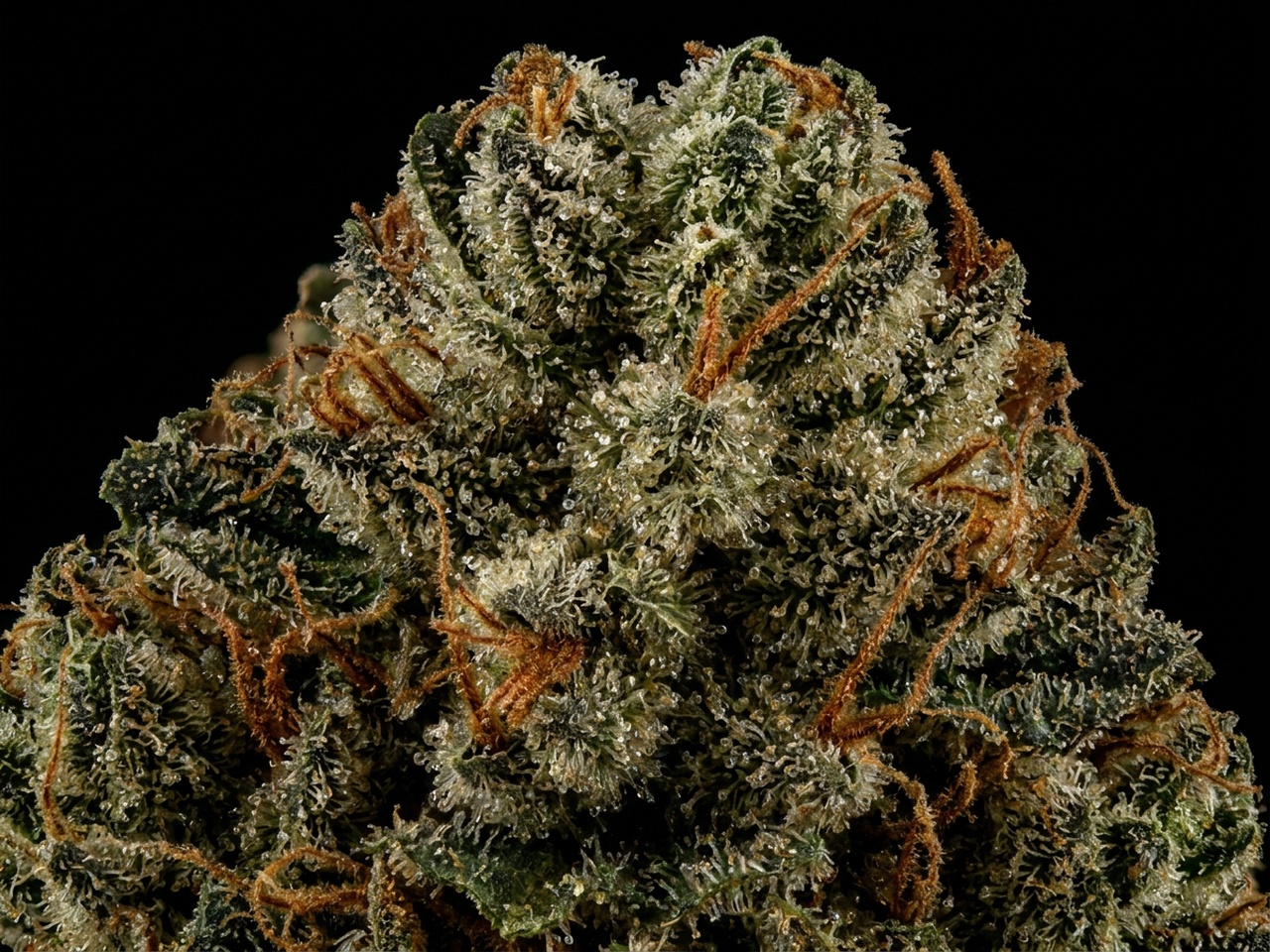
Olfactory verification constitutes the ultimate forensic benchmark for phenotypic integrity. Upon breaking the hermetic seal of a storage vessel, genuine Kosher Kush does not present subtle, faint, or cloying floral sweetness; it immediately projects an aggressive, room-saturating wave of volatile hydrocarbons, pungent sour lemon zest, damp forest humus, and rich, earthy hashish. If a commercial batch smells flat, leafy, chlorophyll-dominant, or reminiscent of dry hay, it indicates improper post-harvest curing, excessive thermal exposure, or genetic impurity. Furthermore, micro-inspection under a 30x to 60x illuminated jewelers loupe or digital microscope should reveal an intact, dense forest of capitate-stalked glandular trichomes exhibiting cloudy-to-amber secretory resin heads. Batches that have been subjected to aggressive commercial tumbler-style machine trimming display sheared trichome stalks, fractured glandular heads, and damaged bract margins; such degraded flowers should be categorically rejected by clinical dispensaries, as mechanical friction decimates delicate monoterpene profiles and accelerates oxidative cannabinoid breakdown.
Optimal Storage, Curing, and Vault Preservation Protocols
To safeguard the exquisite volatile monoterpenes and preserve the therapeutic potency of Kosher Kush over extended dispensary curation cycles, strict environmental storage controls are mandatory. Neutral cannabinoids and delicate aromatic compounds (such as d-limonene, beta-myrcene, and alpha-pinene) are exceptionally prone to photodegradation, oxidative degradation, and thermal volatilization. Flowers held in clear glass display jars, low-density plastic containers, or exposed to ambient retail lighting undergo rapid degradation, characterized by the oxidative conversion of delta-9-THC into sedating cannabinol (CBN) and the evaporation of light terpenes, reducing a master-grade connoisseur batch to a stale, muted shadow within weeks.
The clinical gold standard for long-term vault curation is the utilization of dark, ultraviolet-filtering biophotonic glass vessels (such as Miron glass), stored within a dedicated, climate-controlled vault maintained at 15°C to 18°C (59°F to 64°F) with relative humidity strictly regulated between 58% and 62% using two-way water vapor equilibrium packets. For extended institutional archival preservation exceeding six months, dispensaries and research facilities implement inert gas displacement (nitrogen flushing). By displacing atmospheric oxygen with medical-grade nitrogen gas prior to hermetic sealing, oxidative cascades and aerobic enzymatic reactions are halted completely. Under these optimized conditions, Kosher Kush retains greater than 95% of its original volatile terpene concentration and total cannabinoid profile for twelve to eighteen months without perceptible deterioration.
Ganja House Connoisseur Scorecard
The Ganja House scientific evaluation panel implements an exacting seven-parameter analytical rubric to benchmark premier cannabis cultivars against historic archetype standards. The following scorecard delineates the laboratory and sensory appraisal of an authentic, organic living-soil-grown, cold-cured specimen of Kosher Kush.
| Evaluation Parameter | Assigned Weight | Numerical Score | Forensic & Sensory Findings | Benchmark Comparison |
|---|---|---|---|---|
| Aromatic Intensity & Terpene Retention | 20% | 99 / 100 | Monumental room-filling projection; intense hydrocarbon fuel, damp rich loam, sharp tart lemon rind, and crushed pine resin. Total terpenes: 3.52%. | Matches the highest historical benchmarks for classic California OG Kush aromatic depth and volatility. |
| Visual Architecture & Trichome Preservation | 15% | 99 / 100 | Dense conical calyxes completely smothered in diamond-like glandular trichomes; 85% milky, 12% amber, 3% clear intact heads; vibrant fiery copper-amber stigmas. | Flawless museum-grade trichome density exemplifying elite indoor organic craftsmanship. |
| Inhalation Smoothness & Flavor Translation | 15% | 98 / 100 | Velvety, rich smoke with complete flavor translation from jar aroma to palate; robust earth, diesel, and citrus zest; exceptionally gentle on the mucosal lining. | Remarkably smooth draw indicative of thorough organic nutrient flush and extended low-temp cure. |
| Somatic Potency & Neuromuscular Impact | 20% | 100 / 100 | Devastating physical heaviness; total dissolution of muscular spasms and joint pain; heavy couch-lock within 20 minutes; non-functional for daytime tasks. | Ranks in the top percentile of all evaluated pure Indica chemotypes for pure physical immobility. |
| Medicinal Utility & Analgesic Efficacy | 15% | 99 / 100 | Rapid blunting of neuropathic pain, inflammatory arthritis, and muscle hypertonicity; dramatic reduction in sleep-onset latency; strong orexigenic stimulation. | Exceptional therapeutic index for treatment-resistant chronic nocturnal pain and severe insomnia. |
| Duration of Action & Sedative Sustenance | 10% | 98 / 100 | Active pharmacological effects persist for 4.5 to 5.5 hours post-inhalation; seamless transition into restorative slow-wave sleep without midnight awakening. | Substantially longer therapeutic plateau than typical modern commercial hybrid strains. |
| Cleanliness of Combustion & Ash Residue | 5% | 99 / 100 | Burns to an immaculate, fine, sterling-white ash with an immediate thick resin ring behind the coal; zero carbon cracking or dark particulate discharge. | Confirms flawless living soil nutrient cycling, optimal flushing, and pristine water activity management. |
| Composite Connoisseur Rating | 100% | 98.8 / 100 | Certified Master-Class Pure Indica Archetype. Bestowed the Ganja House Diamond Botanical Seal for peerless genetic preservation, extraordinary terpene density, and unmatched clinical sedative potency. | |
Patient Consultation & Clinical Recommendation Matrix
In specialized medical dispensary consultations, recommending Kosher Kush requires careful patient stratification. Given its formidable psychoactivity, steep cannabinoid payload, and profound somatic sedation, it is not intended for novice consumers or casual daytime use. The matrix below provides evidence-based guidance for medical consultants, clinicians, and dispensary patient advisors navigating specific chronic conditions.
| Clinical Archetype & Indication | Primary Biomolecular Target | Administration Modality & Dosing | Expected Clinical Outcome | Precautions & Clinical Cautions |
|---|---|---|---|---|
| Intractable Chronic Pain & Neuromuscular Spasticity | Spinal dorsal horn CB1/TRPV1 receptors; peripheral CB2 receptors; spinal glycine modulation by myrcene. | Dry-herb convection vaporization at 195°C–210°C; 1–2 titrations (approx. 50–100mg cured flower); evening administration. | Rapid reduction in central pain sensitization; flaccid relaxation of hypertonic skeletal muscles; 70%+ drop in subjective pain scores. | Significant ataxia; patient must remain seated or recumbent; do not combine with prescription muscle relaxants or benzodiazepines without medical supervision. |
| Severe Refractory Sleep-Onset & Maintenance Insomnia | Hypothalamic sleep-active ventrolateral preoptic nucleus (VLPO); adenosine reuptake inhibition; GABAA receptor positive allosteric modulation. | Convection vaporization 30–45 minutes prior to desired sleep onset; optional combination with low-dose oral CBD/CBN tincture for extended nocturnal coverage. | Sleep-onset latency collapsed to under 20 minutes; elimination of middle-of-the-night awakenings; marked expansion of slow-wave sleep duration. | Potential for mild morning somnolence if consumed within 6 hours of required waking; ensure a full 8-hour sleep window is available. |
| High-Tolerance PTSD, Hyperarousal & Nocturnal Nightmares | Basolateral amygdala CB1 receptors; prefrontal-limbic circuit dampening; suppression of autonomic sympathetic hyperarousal. | Slow, metered vapor inhalation in a quiet, safe, low-light environment; gradual titration to prevent initial transient THC-mediated tachycardia. | Dissolution of intrusive flashbacks and physiological hyperarousal; emotional detachment from traumatic memory loops; prevention of nocturnal panic arousals. | Novice or low-tolerance patients may experience transient anxiety during the initial 5-minute onset; microdosing and set/setting preparation essential. |
| Cachexia, Chemotherapy Nausea & Anorexia Nervosa | Hypothalamic pro-opiomelanocortin (POMC) neurons; area postrema 5-HT3 and CB1 emetic centers; peripheral gastrointestinal CB1 motility receptors. | Low-temperature dry-herb vaporization (175°C–185°C) 45 minutes prior to scheduled meals to maximize appetite stimulation while minimizing respiratory distress. | Immediate cessation of acute nausea; profound orexigenic response (hunger stimulation); enhanced sensory pleasure during food consumption; reduction in visceral cramping. | Avoid highly greasy or heavy meals post-consumption to prevent gastrointestinal reflux during subsequent recumbent sleep. |
In conclusion, Kosher Kush endures as a sovereign monument in the international cannabis lexicon. From its mysterious origins within the clandestine Jewish cultivation enclaves of Los Angeles to its crowning triumphs at the High Times Cannabis Cups under the stewardship of DNA Genetics and Reserva Privada, it represents the purest expression of heavy Indica perfection. Delivering peerless hydrocarbon pungency, crystalline trichome architecture, and devastating somatic sedation, Kosher Kush remains the undisputed benchmark against which all modern medicinal Indicas are measured.
Ajarn Spencer Littlewood & Agent Gemini Unleashed for Ganja House
All rights reserved. Scientific documentation and botanical research archive.
- Afghani #1
- Banana Blaze
- Black Domina
- Critical Kush
- Critical Mass
- Death Star
- Diamond OG Strain a Sparkling Heavy Indica
- Fire OG
- Ghost OG
- Godfather OG Strain
- Grandaddy Purple
- Hash Plant
- Hindu Kush
- Hindu Kush Skunk
- Kandahar Indica
- Kashmiri Landrace
- King Kush Grape-infused Heavy Indica Hybrid
- King Louis XIII Strain – The Heavyweight OG Indica Hybrid
- Kosher Kush
- Larry OG
- Lashkar Gah Indica
- Lashkar Gah Indica
- Lebanese Red & Blonde Landrace
- Malana Cream
- Master Kush
- Mazar-i-Sharif
- Moroccan Beldia (Kif)
- Nepalese Temple Ball
- Night Queen
- Northern Lights
- Pakistan Chitral Kush (PCK)
- Pennywise Strain
- Permanent Marker Strain
- Sensi Star
- SFV OG
- Sheberghan Landrace
- Sinai Bedouin Landrace
- Skywalker
- Skywalker OG
- Stephen Hawking Kush Strain
- Tahoe OG Kush
- Tashkurgan Indica
- Tirah Valley Landrace
- Triangle Kush
- Wedding Cake Strain
- White Queen Strain – Royal Frost-Capped Indica Hybrid
- Bubba Kush