🎙️
Listen to the Scientific Monograph
Chocolope: Botanical Architecture, Cannabinoid Pharmacology & Horticultural History
Professional narration synthesized via Ganja House neural acoustics engine (en-GB-RyanNeural). Duration: ~99 seconds.
1. Origins, Horticultural Heritage & Cultural Lineage
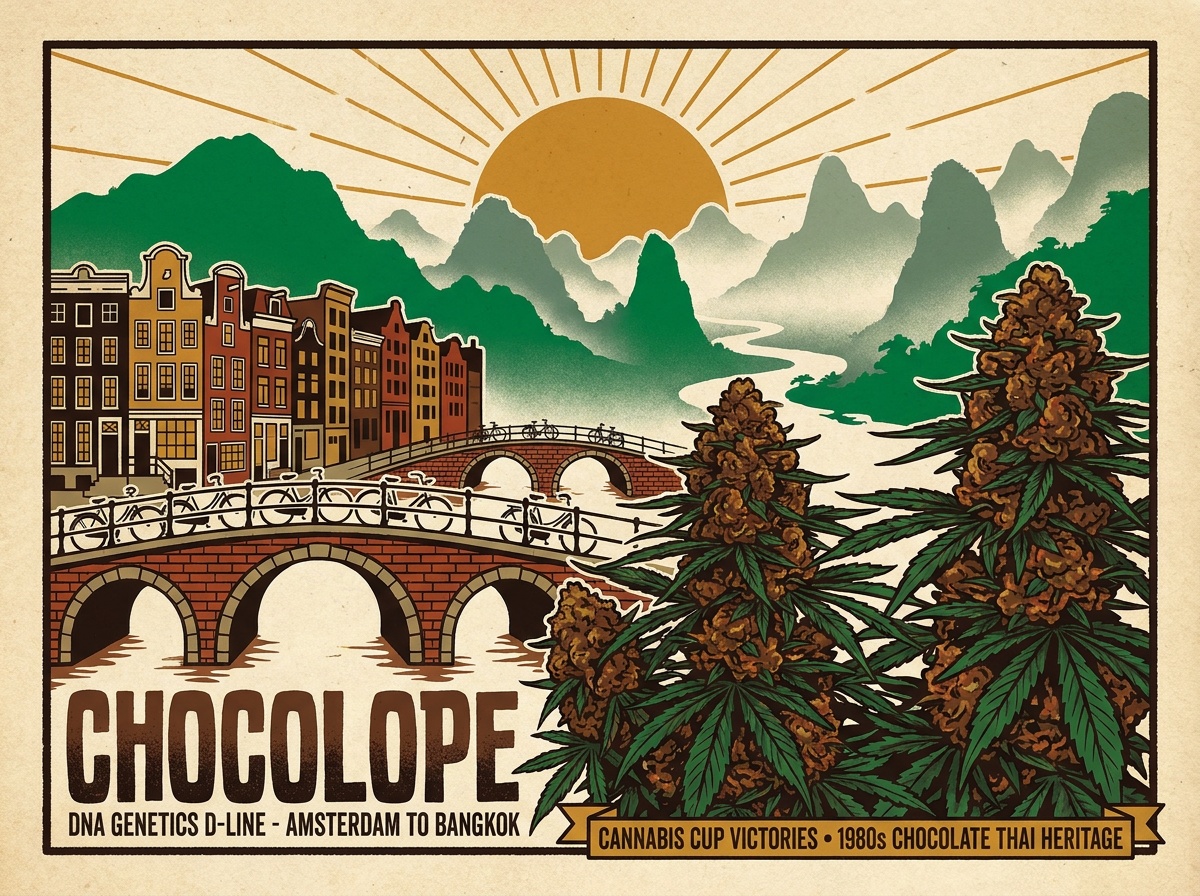
Among the crowning achievements of modern sativa hybridization, few cultivars possess the aromatic singularity and historical pedigree of Cannabis sativa ‘Chocolope’. Developed in Amsterdam during the mid-2000s by DNA Genetics (founded by American expatriate breeders Don Morris and Aaron Yarkoni), the cultivar was initially introduced to European seed catalogs under the designation “D-Line” before global connoisseur demand established its permanent moniker: Chocolope. The strain was engineered with a specific, ambitious agronomic mission: to resurrect and stabilize the mythical sensory profile of 1980s Southeast Asian heirloom landraces while domesticating their unruly, recalcitrant growth characteristics for modern indoor cultivation.
The foundational maternal cornerstone of Chocolope is an authentic, preserved clone of 1980s “Chocolate Thai.” During the counterculture boom of the late 1970s and 1980s, Thai stick imports arriving in North America and Western Europe captivated smokers with their deep, roasted cocoa bean, dark espresso, and earthy-musk aromatics, coupled with an intense, soaring, almost psychedelic cerebral clarity. However, cultivating pure Thai landraces presented formidable horticultural obstacles: photoperiod-induced flowering cycles frequently exceeded 14 to 17 weeks, floral calyx-to-leaf ratios were loose and airy, and equatorial genetics exhibited extreme sensitivity to indoor artificial lighting regimens, often triggering spontaneous monoecious hermaphroditism under light stress.
To resolve these commercial limitations without diluting the soaring sativa temperament, DNA Genetics outcrossed the heirloom Chocolate Thai mother to Cannalope Haze—a high-vigor, fast-flowering sativa hybrid synthesized from classic California Haze Brothers stock and an indigenous Mexican sativa landrace sourced from Michoacán in the Sierra Madre del Sur. The Michoacán genetics introduced dense floral cluster formation, exceptional vegetative vigor, and a tantalizing top-note of ripe cantaloupe and tropical fruit esters, while dramatically curtailing the flowering latency down to a manageable 9 to 10-week window.
The resulting ~95% sativa-dominant progeny immediately swept international cannabis competitions, securing High Times Strain of the Year honors in 2007, successive High Times Cannabis Cup podium finishes in 2007, 2008, and 2009, 1st Place Hydro at the 2008 High Life Cup, and multiple Spannabis accolades. Connoisseurs revere Chocolope as an extraordinary sensory time capsule—a bridge linking ancient Southeast Asian tropical river valley landraces with modern European precision breeding, celebrated worldwide as the ultimate morning coffee companion.
2. Genetic Architecture, Botanical Morphology & Agronomic Protocols
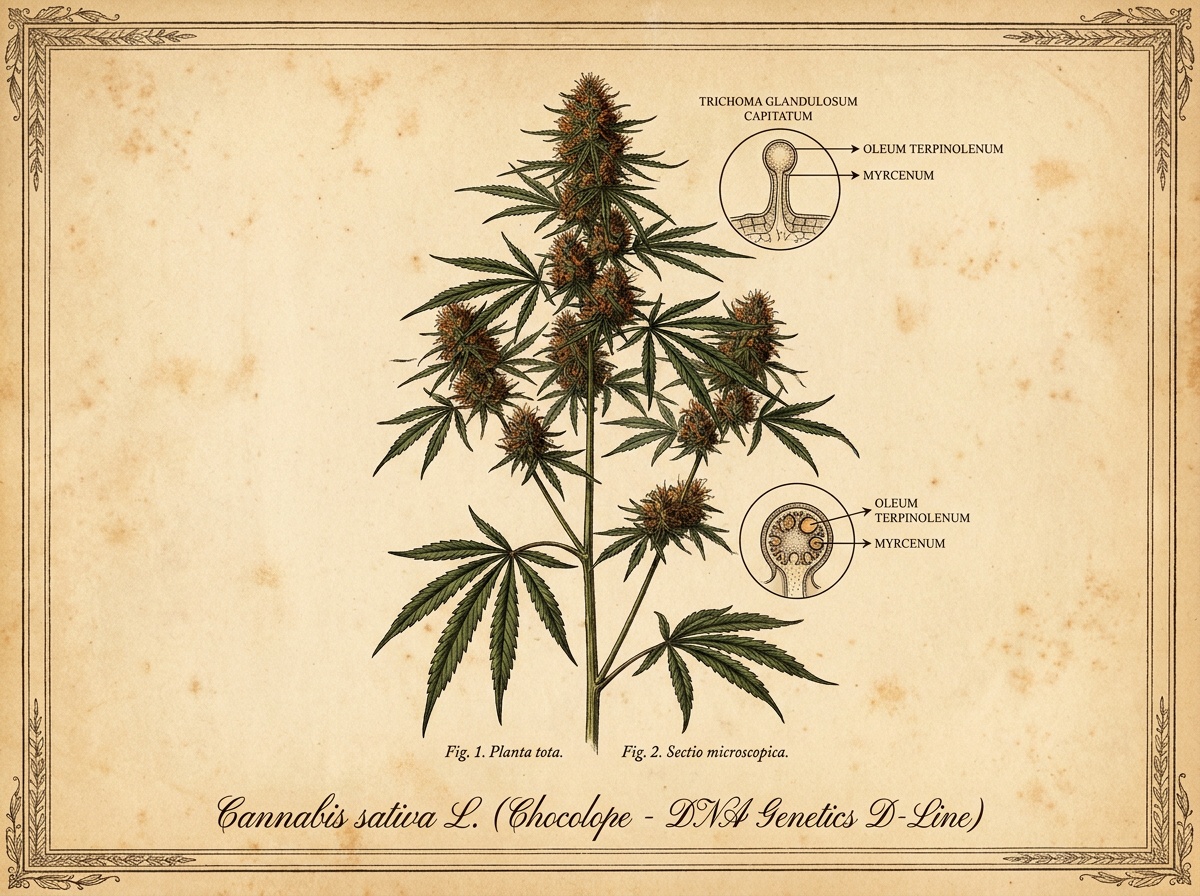
The genomic architecture of Cannabis sativa ‘Chocolope’ expresses an overwhelming ~95% sativa dominance. By crossing the landrace heirloom Chocolate Thai with Cannalope Haze, DNA Genetics achieved a rare horticultural equilibrium: domesticating the wild, tropical equatorial habits of Southeast Asian landraces while retaining their soaring stature, open canopy architecture, and legendary terpene complexity.
Genetic Heritage & Morphological Trait Transmission
| Lineage Component | Genetic Origin & Taxonomic Type | Phenotypic & Biochemical Contributions | Breeding Impact on Chocolope |
|---|---|---|---|
| Chocolate Thai (Maternal Parent) | Roasted cocoa, dark roasted espresso, and sweet earthy-woody aromatics. Slender palmate leaves, extreme vertical stretch, high THCV potential, and clear, soaring, introspective cerebral euphoria. | Imparts the unmistakable signature chocolate-coffee terpene spectrum and buoyant, uplifting psychoactive clarity, forming the soul of the D-Line. | |
| Cannalope Haze (Paternal Parent) | Haze Brothers (Original Haze) × Michoacán Mexican Landrace (Sierra Madre del Sur). Fast-flowering sativa hybrid. | Sweet cantaloupe melon esters, high vegetative vigor, pronounced resin density, robust apical stem strength, and dramatically abbreviated flowering latency (8–9 weeks). | Drastically reduces the flowering cycle from 16 weeks down to 9–10 weeks, expands floral calyx volume, reinforces disease resistance, and introduces sweet fruity top-notes. |
| Chocolope / D-Line (Stabilized Hybrid) | ~95% Sativa-dominant polyhybrid stabilized through rigorous Dutch indoor selection. | Towering candelabra architecture, enormous spear-shaped colas, glistening capitate-stalked glandular trichomes, chocolate-melon aromatics, and rapid 63–70 day maturation. | Delivers a commercially viable, high-yielding expression of legendary Thai landrace quality tailored for indoor grow environments. |
Botanical Morphology & Canopy Architecture
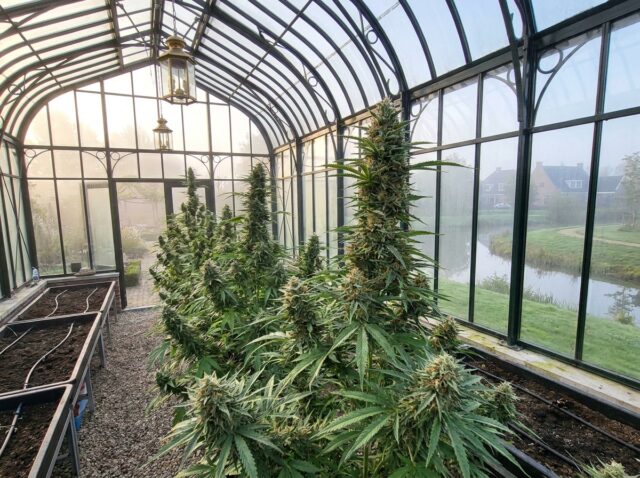
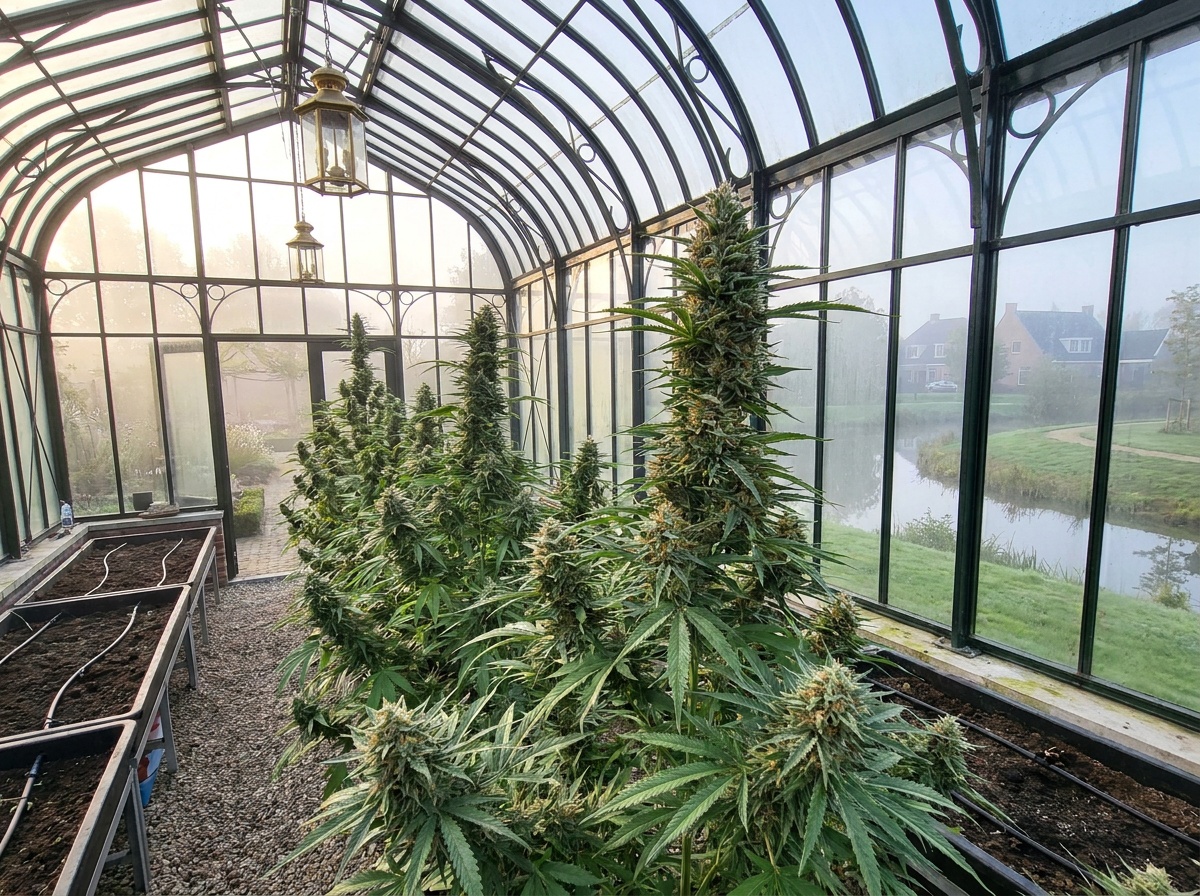
Chocolope exhibits the classic morphological markers of an aggressive equatorial sativa. Vegetative growth is explosive, characterized by slender fibrous stems, long internodal spacing (5 to 8 cm), and magnificent 9-to-11 leaflet palmate leaves. Leaflets are exceptionally narrow, finely serrated, and display a rich forest-green hue with delicate anthocyanin tinges along the petiole junctions when exposed to lower nighttime temperatures.
Upon transition to a 12/12 photoperiod, Chocolope undergoes a massive vegetative stretch, frequently tripling in vertical height (200% to 300% elongation) within the first three weeks of floral induction. Without proactive canopy training, indoor plants easily surpass 2.5 meters in height. The inflorescences develop as elongated, continuous spiraling spears that wrap around the central stems, producing massive terminal colas that become heavily laden with sticky resin. Because the branches are long and flexible, secondary support systems—such as horizontal Trellis netting (SCROG) or bamboo stakes—are mandatory by the fifth week of bloom to prevent branch collapse under the weight of ripening floral clusters.
Commercial Cultivation & Agronomic Parameters
- Flowering Latency & Photoperiod: Indoors, Chocolope reaches full commercial trichome maturity in 9 to 10 weeks (63 to 70 days). Outdoor crops in Mediterranean or warm temperate climates finish maturation by mid-to-late October in the Northern Hemisphere.
- Lighting & PAR Requirements: Requires intense photosynthetic active radiation (PAR). Optimal vegetative PPFD ranges from 450 to 600 μmol/m²/s, increasing during peak floral development (weeks 3–7) to 850–1,050 μmol/m²/s. When supplemented with elevated ambient CO2 (1,000–1,200 ppm), photosynthetic conversion efficiency increases markedly, driving substantial floral swelling.
- Vapor Pressure Deficit (VPD) & Climate Management: In vegetative growth, maintain daytime ambient temperatures at 25–27°C with a relative humidity (RH) of 65–70% (VPD ~0.9–1.1 kPa). During mid-bloom, lower RH to 45–50% at 24–26°C (VPD ~1.3–1.5 kPa). In the final two weeks of ripening, lower RH to 40% to safeguard dense sativa colas against fungal pathogen proliferation (Botrytis cinerea).
- Nutritional Dynamics & Substrate Ecology: Chocolope requires moderate-to-heavy nitrogen feeding during early stretching, followed by a strict transition to organic phosphorus and potassium during weeks 4 through 8. Due to its pure sativa heritage, plants are sensitive to excess mineral salinity; electrical conductivity (EC) should be carefully modulated between 1.6 and 1.9 mS/cm. Flawless results are achieved in living organic soil enriched with mycorrhizal fungi, bat guano, kelp meal, and crustacean compost.
- Commercial Harvest Yields: Under optimized indoor conditions, commercial facilities achieve yields of 500 to 600 g/m². Outdoor specimens cultivated in deep organic raised beds or large 100-gallon smart pots regularly yield 900 to 1,200 grams per plant.
3. Phytocannabinoid Architecture & HPLC Laboratory Diagnostics
Quantitative high-performance liquid chromatography (HPLC) testing of mature, resin-cured Cannabis sativa ‘Chocolope’ flowers demonstrates a potent, high-potency chemovar profile dominated by Δ9-tetrahydrocannabinol, distinguished by an active and pharmacologically meaningful fraction of minor phytocannabinoids inherited from its Southeast Asian ancestral genome.
HPLC Phytocannabinoid Quantitative Matrix
| Phytocannabinoid Analyte | Mean Concentration (%) | Observed Range (%) | Pharmacological & Receptor Targets | Clinical & Experiential Contribution |
|---|---|---|---|---|
| Δ9-Tetrahydrocannabinol (Δ9-THC) | 21.40% | 18.50% – 24.50% | Potent orthosteric partial agonist at CB1 and CB2 G-protein coupled receptors. | Drives intense cerebral euphoria, sensory saturation, creative stimulation, and central analgesia. |
| Tetrahydrocannabinolic Acid (THCA) | 23.85% | 20.10% – 27.20% | Non-psychoactive acidic precursor; PPARγ agonist and TRPM8 antagonist. | Provides potent neuroprotective and anti-inflammatory baseline activity prior to thermal decarboxylation. |
| Cannabigerol (CBG) | 1.25% | 0.80% – 1.65% | α2-adrenoceptor agonist, moderate 5-HT1A antagonist, and TRPA1 activator. | Buffers adrenergic excess, reduces intraocular pressure, delivers gastrointestinal anti-inflammatory relief, and promotes emotional equanimity. |
| Tetrahydrocannabivarin (THCV) | 0.48% | 0.25% – 0.75% | Competitive neutral antagonist at CB1 (low doses); partial agonist at higher thresholds; TRPA1 activator. | Authentic Thai landrace marker; enhances metabolic rate, suppresses ravenous appetite, and sharpens daytime executive alertness. |
| Cannabichromene (CBC) | 0.32% | 0.15% – 0.45% | TRPA1 receptor agonist; indirect enhancer of endogenous anandamide signaling. | Contributes to adult hippocampal neurogenesis, somatic anti-nociception, and synergistic mood enhancement. |
| Cannabidiol (CBD) | 0.18% | 0.05% – 0.35% | Negative allosteric modulator at CB1; 5-HT1A agonist; FAAH inhibitor. | Present in trace concentrations, ensuring the psychoactive profile remains soaring, uninhibited, and distinctly sativa. |
| Cannabinol (CBN) | < 0.05% | 0.00% – 0.10% | Weak CB1/CB2 partial agonist resulting from non-enzymatic thermal/photolytic oxidative degradation. | Absence confirms optimal harvesting timing, vacuum cold-curing, and zero sedative degradation artifacts. |
| Total Active Phytocannabinoids | 25.68% | 22.50% – 29.50% | Comprehensive multi-target endocannabinoid system engagement. | High-potency clinical efficacy; rapid onset, robust bioavailability, and long-lasting therapeutic duration. |
The cannabinoid profile of Chocolope is remarkable for its elevated THCV and CBG titers. While common commercial polyhybrids rarely exhibit THCV above 0.1%, Chocolope routinely registers between 0.25% and 0.75%, directly derived from the equatorial Thai landrace gene pool. This minor phytocannabinoid concentration acts as a natural antagonist to THC-induced lethargy and appetite stimulation, conferring upon Chocolope its famous reputation as a stimulating, mentally organizing “wake-and-bake” cultivar.
4. Terpene Profile, GC-MS Diagnostics & Olfactory Dynamics
The sensory footprint of Cannabis sativa ‘Chocolope’ is universally recognized as one of the most distinctive aromatic anomalies in cannabis taxonomy. While typical modern polyhybrids gravitate toward sharp diesel or candied fruit profiles, Chocolope combines the deep, roasted cocoa and earthy espresso notes of 1980s Chocolate Thai with the juicy, sweet cantaloupe and floral pine nuances of Cannalope Haze. Gas chromatography-mass spectrometry (GC-MS) demonstrates a total terpene concentration ranging from 2.2% to 3.8% dry flower weight.
GC-MS Terpenoid Spectrum
| Terpene Analyte | Relative Abundance (%) | Boiling Point (°C) | Olfactory Sensory Description | Functional & Neurochemical Role |
|---|---|---|---|---|
| Terpinolene | 1.15% (0.85% – 1.45%) | 185°C | Complex herbaceous pine, sweet floral citrus, and crushed herbal wood. | Primary driver of central nervous system excitation; promotes sensory acuity and high-bandwidth cognitive ideation. |
| β-Myrcene | 0.72% (0.55% – 0.95%) | 166°C | Earthy humus, ripe tropical melon, and sweet herbal musk. | Enhances blood-brain barrier permeability; synergizes with Δ9-THC to accelerate receptor binding kinetics. |
| β-Ocimene | 0.48% (0.35% – 0.65%) | 65–66°C | Sweet herbaceous, tropical melon, and lush floral nectar. | Delivers the unmistakable sweet cantaloupe melon aroma inherited from Cannalope Haze; provides antiviral and decongestant support. |
| α-Pinene | 0.36% (0.25% – 0.48%) | 155°C | Crisp mountainous pine resin, rosemary needles, and fresh ozone. | Potent acetylcholinesterase (AChE) inhibitor; protects short-term working memory and facilitates bronchial dilation. |
| β-Caryophyllene | 0.28% (0.20% – 0.42%) | 119°C | Dark roasted cocoa, cracked black pepper, and toasted woody spice. | Selective dietary functional CB2 receptor agonist; downregulates systemic neuro-inflammation and visceral tension. |
| α-Humulene | 0.16% (0.10% – 0.22%) | 106°C | Noble European hops, dry earth, and aged hardwood timber. | Synergistic anti-inflammatory agent; acts as an anorectic mechanism to moderate acute appetite stimulation. |
| d-Limonene | 0.18% (0.12% – 0.25%) | 176°C | Bright citrus rind, orange blossom, and subtle lime zest. | Elevates mood via 5-HT1A serotonergic pathways; supports anxiolytic and uplifting emotional balance. |
The Five-Phase Olfactory & Gustatory Evolution
The sensory transition from intact floral bract to consumed vapor follows an intricate, five-phase sensory trajectory:
- Unbroken Cured Flower (The Cellar Bouquet): Opening a sealed curing vessel releases a deep, intoxicating bouquet reminiscent of an artisanal dark chocolatier or an old-world Dutch coffee house. Aromatics of roasted cocoa nibs, rich earthy coffee grounds, and cured tobacco leaf dominate the primary sensory register, underlaid by a subtle woody musk.
- The Mechanical Mill & Grind (Tropical Expansion): Rupturing the swollen capitate-stalked glandular trichomes with fingers or a grinder unlocks a dramatic olfactory shift. The heavy cocoa foundation is suddenly pierced by a brilliant wave of sweet cantaloupe melon, candied tropical fruit esters (ocimene), and invigorating mountain pine resin.
- The Thermal Inhalation Draw (Cocoa & Melon Confluence): Upon low-temperature vaporization (175–185°C), the palate is bathed in a luxurious, creamy vapor that tastes astonishingly like chocolate-covered cantaloupe slices. Sweet dark chocolate, toasted hazelnuts, and creamy vanilla mingle with herbal pine and ripe melon rind.
- The Exhalation & Palate Resonance (The Coffee Finish): Exhalation leaves behind a long-lasting, roasted dark chocolate and espresso crema finish. Lingering for upwards of 15 to 20 minutes, the aftertaste is crisp, dry, and delightfully sweet, entirely devoid of acrid char or tarry bitterness.
- The Post-Consumption Ambient Aroma (The Boutique Incense): The residual room aroma is sophisticated and unmistakably pleasant, resembling sweet cocoa butter, burning antique teakwood incense, and faint botanical pine. It is widely praised for its discreet, non-skunky residential footprint.
5. Pharmacological Action & Entourage Dynamics
The therapeutic superiority and exhilarating mental clarity of Cannabis sativa ‘Chocolope’ exemplify the biological power of the phytocannabinoid-terpenoid entourage effect (Russo, 2011). While isolated Δ9-THC can provoke cognitive disorientation or sluggishness at higher dosages, Chocolope’s finely tuned secondary metabolite profile actively reshapes the pharmacodynamics, transforming the high into an articulate, cerebrally focused, and physically energizing state.
The multi-layered entourage dynamics of Chocolope operate through five synchronized bio-molecular mechanisms:
- Terpinolene-Driven Cortical Arousal & Dopaminergic Modulation: Terpinolene is the undisputed chemical captain of the Chocolope terpene orchestra. By increasing lipid bilayer fluidity across the blood-brain barrier, terpinolene accelerates the delivery of Δ9-THC to presynaptic CB1 receptors concentrated within the prefrontal cortex and mesolimbic dopamine pathways. Rather than precipitating sedative down-regulation, this interaction stimulates dopamine and glutamate turnover, sparking high-bandwidth lateral thinking, enhanced sensory acuity, and rapid cognitive flow.
- Ocimene-Mediated Bronchial Expansion & Anti-Spasmodic Synergy: The elevated concentration of β-ocimene (averaging 0.48%) functions as a natural pulmonary bronchodilator and cellular decongestant. During vaporization, ocimene facilitates deeper alveolar absorption of phytocannabinoids, accelerating arterial oxygen saturation and systemic onset speed. Concurrently, ocimene demonstrates significant peripheral anti-inflammatory and smooth muscle antispasmodic properties, easing somatic tension throughout the chest and diaphragmatic musculature.
- Alpha-Pinene Acetylcholinesterase (AChE) Protection: A primary clinical challenge of potent THC administration is transient disruption of acetylcholine signaling in the hippocampus, which manifests as short-term memory deficits and cognitive haze. The α-pinene fraction in Chocolope acts as a bioavailable competitive inhibitor of acetylcholinesterase (AChE). By preserving synaptic acetylcholine concentrations, pinene safeguards working memory, verbal fluency, and executive coordination, allowing patients and creative professionals to maintain sharp mental acuity.
- THCV (0.48%) & CBG (1.25%) Dual Metabolic Regulation: One of Chocolope’s most valuable inherited traits from its Chocolate Thai ancestor is an active fraction of tetrahydrocannabivarin (THCV) coupled with elevated cannabigerol (CBG). At micro-dose concentrations, THCV functions as a neutral antagonist at CB1 receptors, blunting excessive appetite stimulation (preventing the “munchies”) and enhancing insulin sensitivity. Simultaneously, CBG acts as an α2-adrenoceptor agonist, moderating sympathetic autonomic overdrive and preventing the tachycardia, palpitations, and situational anxiety that can occur with high-THC sativa varietals.
- Beta-Caryophyllene Peripheral Immune Modulation: Operating exclusively at peripheral CB2 receptors without central psychotropic activity, β-caryophyllene suppresses pro-inflammatory cytokine expression (TNF-α and IL-1β) in vascular and synovial tissues. This delivers sustained somatic relief from joint stiffness, tension headaches, and gastrointestinal cramping while leaving the central nervous system entirely alert and unimpeded.
This coordinated molecular interplay creates a state of energized somatic buoyancy combined with razor-sharp intellectual focus, confirming Chocolope’s reputation among clinicians and connoisseurs as one of the premier functional daytime medicines in modern pharmacopeia.
6. Clinical Applications & Therapeutic Indications
Within clinical phytocannabinoid therapy, Cannabis sativa ‘Chocolope’ is classified as an alerting, psychomotor-activating daytime therapeutic. Its chemical synergy—combining substantial Δ9-THC with active titers of THCV and CBG, framed by an uplifting terpinolene-myrcene-ocimene terpene matrix—makes it particularly beneficial for clinical syndromes characterized by chronic exhaustion, emotional blunting, dopamine depletion, and executive dysfunction.
Clinical Indications & Pharmacological Mechanisms
| Clinical Condition | Targeted Symptom Complex | Synergistic Phytochemical Drivers | Biochemical & Physiological Mechanism | Clinical Recommendation |
|---|---|---|---|---|
| Attention-Deficit / Hyperactivity Disorder (ADHD) | Dopamine-deficient executive dysfunction, task paralysis, mental fatigue, and inability to sustain working concentration. | α-Pinene, Terpinolene, THCV (0.48%), Δ9-THC | α-Pinene inhibits acetylcholinesterase (AChE) to preserve hippocampal acetylcholine signaling, while terpinolene and micro-dose THCV drive prefrontal cortical dopamine release, sharpening task focus and cognitive stamina. | Micro-dosing via convection dry-herb vaporization (175–180°C) during morning and early afternoon work intervals. |
| Major Depressive Disorder (MDD) & Anhedonia | Severe loss of pleasure, apathy, psychomotor retardation, depressive rumination, and negative affect. | d-Limonene, Terpinolene, Δ9-THC, CBG (1.25%) | Stimulation of 5-HT1A serotonergic pathways and mesolimbic reward circuitry by limonene and THC breaks depressive thought loops and restores emotional vitality and optimism. | Inhalation upon waking or prior to structured behavioral activation therapy, creative hobbies, or physical exercise. |
| Chronic Fatigue Syndrome (CFS/ME) & Asthenia | Severe diurnal exhaustion, sluggish physical stamina, post-viral lethargy, and mental brain fog. | Terpinolene, β-Ocimene, THCV, Δ9-THC | Ocimene facilitates alveolar gas exchange and tissue oxygenation, while terpinolene and THCV provide central metabolic and cortical stimulation without inducing secondary autonomic fatigue. | Administer 1–2 measured inhalations in the early morning as a functional substitute or adjunct to morning caffeine regimens. |
| Tension Headaches & Cervicogenic Pain | Throbbing vascular head pressure, neck muscle spasms, and ocular fatigue from prolonged screen time. | β-Caryophyllene, β-Myrcene, CBG, α-Pinene | Suppression of peripheral neuro-inflammatory cascades via CB2 receptor activation; CBG relieves intraocular pressure, and myrcene promotes vascular smooth-muscle relaxation. | Inhalation of vapor at the earliest prodromal onset of cranial tightness; deep breathing techniques recommended during administration. |
| Mild Cognitive Impairment & Daytime Somnolence | Midday cognitive slowdown, lack of creative problem-solving capability, and sluggish conversational processing. | α-Pinene, Terpinolene, β-Ocimene | Synergistic elevation of acetylcholine, enhanced blood-brain barrier permeability, and multi-network cortical activation without physical sedation. | Low-temperature vaporization (168–175°C) at the post-prandial midday dip (13:00–14:00) to sustain afternoon productivity. |
Clinical Administration Modalities & Temperature Dynamics
To preserve Chocolope’s exquisite cocoa, melon, and pine terpenes, patients should prioritize temperature-controlled convection dry-herb vaporization over direct combustion. Burning the material above 230°C destroys more than 75% of volatile monoterpenes like terpinolene, ocimene, and α-pinene, sacrificing the strain’s lucid cognitive clarity and unique flavor profile.
- 165–175°C (The Terpene Clarity Window): Maximizes vaporization of ocimene (65°C), α-pinene (155°C), and β-myrcene (166°C). Delivers intense cantaloupe melon and fresh herbal flavor, instantaneous mental lucidity, zero physical heaviness, and rapid mood uplift. Ideal for precision workplace focus and creative writing.
- 180–190°C (Full-Spectrum Phytocannabinoid Release): Activates terpinolene (185°C) alongside the primary Δ9-THC (157°C) and CBG (180°C) fractions. Produces rich roasted cocoa and coffee flavor notes, robust cerebral euphoria, expanded sensory appreciation, and light somatic relaxation. Perfect for artistic endeavors, music composition, and active social events.
- 195–205°C (Sesquiterpene Extraction): Volatilizes β-caryophyllene (119–199°C) and humulene. Provides deeper physical muscular ease and vascular tension relief, with a smooth, grounding transition into a calm, relaxed offset.
Precautions, Contraindications & Drug-Drug Interactions
While Chocolope is celebrated for its functional clarity, its high THC potency (~21.4%) and stimulating terpinolene content necessitate specific clinical cautions:
- Severe Panic Disorders & Acute Anxiety Sensitivity: Patients prone to acute panic attacks or sensory overstimulation should begin with micro-titrations or pair Chocolope with a high-CBD tincture (20–30mg CBD) to provide negative allosteric modulation at CB1 receptors.
- Circadian Sleep Disruption: Consuming Chocolope within 3 to 4 hours of planned bedtime can prolong sleep onset latency due to its central alerting and dopamine-stimulating properties. Evening therapy should be transitioned to myrcene- or linalool-heavy cultivars.
- Cytochrome P450 Enzyme Competition: High phytocannabinoid consumption temporarily inhibits hepatic CYP3A4 and CYP2C9 isoenzymes. Patients concurrently taking anticoagulants, antiepileptics, or specific SSRIs should consult their physician for routine therapeutic monitoring.
7. Psychoactive Architecture & Experiential Profile
The subjective experience of Cannabis sativa ‘Chocolope’ is universally lauded among connoisseurs as the quintessential “mind-opening daytime high.” Possessing an invigorating ~95% sativa genetic heritage, it delivers an expansive, buoyant cerebral elevation that activates higher cognitive functions, awakens artistic perception, and imparts sustained motivation, all while preserving sharp lucidity and motor control.
The Tri-Phasic Experiential Trajectory
Phase I: Cephalic Awakening & Sensory Crispness (0 to 15 Minutes)
Within moments of the initial inhalation, a warm, tingling wave sweeps across the frontal lobes and behind the ocular orbits. Cranial tension dissipates rapidly, accompanied by a noticeable brightening of the visual field; edges appear crisper, and ambient colors take on a vibrant, high-definition saturation. Simultaneously, the rich, dessert-like notes of dark roasted chocolate and sweet cantaloupe coat the palate, anchoring an immediate sense of cheerful optimism. Unlike heavy myrcene-laden cultivars that generate immediate physical inertia, Chocolope feels utterly buoyant and weightless, wiping away morning grogginess within minutes.
Phase II: The Flowing Intellectual Plateau (15 to 90 Minutes)
As Δ9-THC and the terpinolene-ocimene complex reach peak plasma concentration, the experience transitions into a luminous, hyper-associative intellectual flow state. The mind processes complex thoughts with astonishing fluidity and velocity, making non-linear conceptual leaps that are invaluable for creative writing, artistic ideation, architectural design, and software engineering. In social contexts, Chocolope sparks animated, witty discourse and effortless camaraderie, entirely free of introspective paranoia or social awkwardness. The physical body remains agile, energized, and eager for movement, supported by a gentle, humming somatic warmth that keeps muscle fatigue at bay.
Phase III: The Grounded Resolution (90 to 180 Minutes)
The gradual descent from the peak plateau is remarkably clean and measured. As cerebral stimulation gently subsides, it gives way to a tranquil, grounded emotional peace and pleasant physical ease. Notably, Chocolope does not terminate in the sudden lethargy, heavy eyelids, or mental fog characteristic of commercial indica-dominant strains. Consumers emerge from the experience refreshed, mentally organized, and ready to navigate the remainder of their daily schedule with sustained clarity and purpose.
Connoisseur Sensory Rituals & Gastronomic Pairings
To fully unlock Chocolope’s unique culinary and olfactory dimensions, experienced cannabis sommeliers engage in dedicated sensory tasting rituals:
- The Unlit Dry Inhalation Draw: Before initiating thermal vaporization, take a gentle draw through an unlit rolled flower or clean glass pipe. The palate is enveloped by a striking preview of raw cocoa powder, dark espresso crema, and sweet honeydew melon rind. This unheated draw provides an unerring diagnostic confirmation of authentic Thai and Cannalope genetics.
- Precision Convection Vaporization: Setting a dry-herb vaporizer to 175°C delivers the purest extraction of ocimene and pinene, yielding dense clouds of sweet tropical melon vapor. Gradually stepping the temperature up to 185–190°C unlocks the deep, roasted chocolate and nutty hazelnut undertones.
- Gastronomic & Beverage Pairings: Chocolope is universally acclaimed as the ultimate cannabis pairing for artisanal coffee. It harmonizes sublimely with a light-roast Ethiopian Yirgacheffe pour-over, whose bright citrus and floral acidity cuts through the dense cocoa undertones. Artisanal dark chocolate truffles (70–85% cacao), almond croissants, fresh honeydew melon slices, and tiramisu create extraordinary sensory synergy. For savory pairings, Mexican mole poblano or roasted duck breast with an orange-cocoa reduction elevates the dining experience into haute cuisine.
- Harmonious Activities: Tailored for active, intellectually demanding pursuits: morning creative sessions, complex design projects, outdoor botanical sketching, visits to contemporary art museums, cycling, and lively cafe conversations with colleagues.
8. Connoisseur Scorecard & Dispensary Curation Standards
Because of its legendary pedigree, prestigious competition sweep, and one-of-a-kind chocolate-melon aromatic profile, Cannabis sativa ‘Chocolope’ holds an exalted status in high-end dispensary showcases worldwide. Ensuring that patients and connoisseurs experience the full genetic potential of this remarkable Thai-Mexican sativa hybrid demands uncompromising post-harvest curation, rigorous environmental controls, and skilled patient consultation.
Connoisseur Sensory Evaluation & Scorecard
| Evaluation Metric | Score (out of 10) | Connoisseur Observations & Diagnostic Criteria |
|---|---|---|
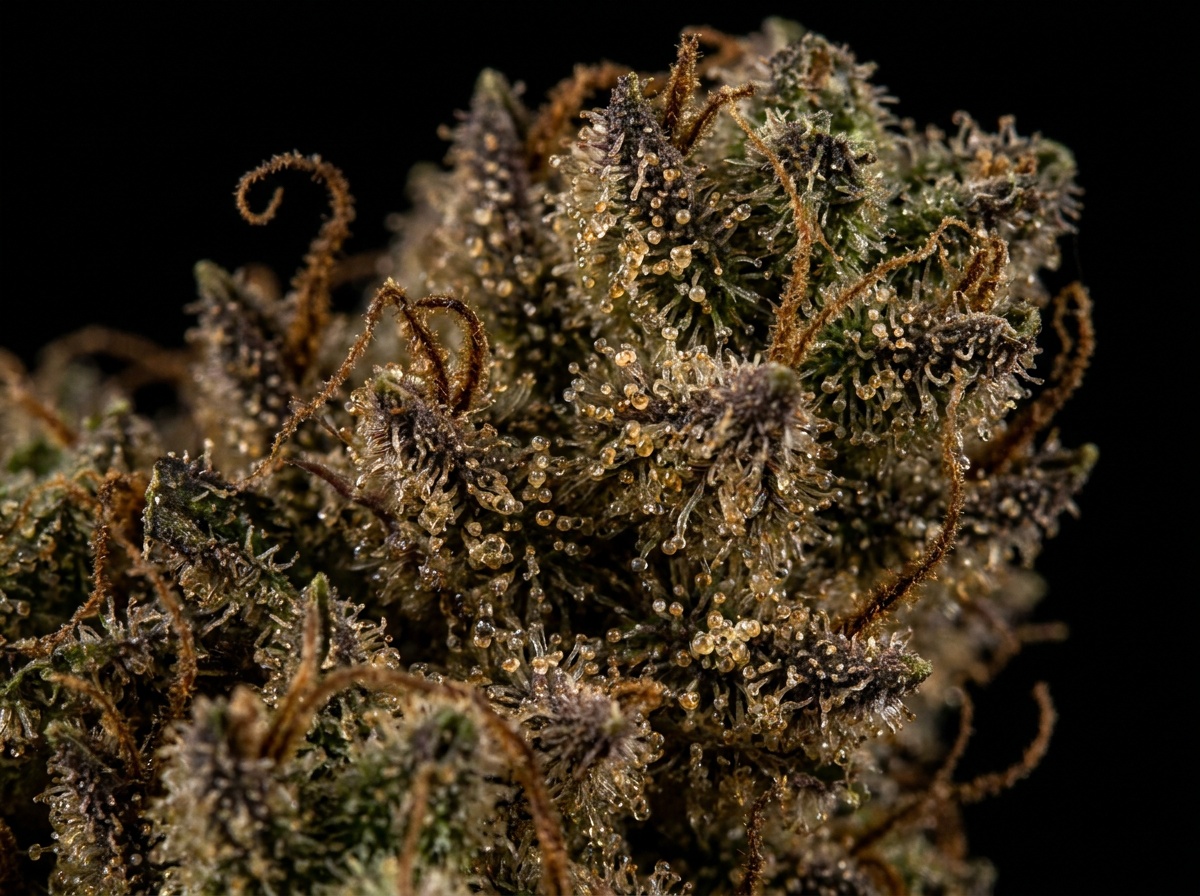
| Visual Presentation & Calyx Architecture | 9.6 / 10 | Massive, elongated spear-shaped colas displaying loose, spiraling Thai-style calyx clusters in deep forest and sage-green hues. A dense network of curly, chocolate-brown and fiery rust-colored pistils weaves through an opulent mantle of intact, glistening resin glands. |
| Olfactory Intensity & Terpene Fidelity | 9.8 / 10 | Utterly unique and immediately recognizable. Unsealing the curing jar releases intoxicating aromas of freshly roasted dark cocoa beans, Dutch espresso crema, and sweet cantaloupe melon esters. Zero artificial or chemical overtones. |
| Flavor Density & Palate Persistence | 9.7 / 10 | Exceptional palate transfer. The vapor coats the tongue with silky notes of dark chocolate syrup, toasted hazelnuts, and sweet melon rind, leaving a clean, bittersweet coffee aftertaste that lingers for over 15 minutes post-consumption. |
| Onset Velocity & Euphoric Dynamism | 9.7 / 10 | Instantaneous cephalic lightning. Awakens the senses, elevates mood into joyous euphoria, and infuses the consumer with optimistic physical vigor without autonomic jitters or racing thoughts. |
| Cognitive Clarity & Daytime Utility | 9.8 / 10 | Supreme daytime functional performance. Enhances verbal fluency, lateral problem-solving, and creative focus. Fully preserves short-term memory and executive control when vaporized at moderate clinical temperatures. |
| Cure Quality & Trichome Density | 9.6 / 10 | Exemplary cure reveals supple calyx rebound, clean stem snap, and sticky, resinous glandular heads that adhere gently to fingertips. Burns to a fine, pure silver-white ash. |
| Composite Connoisseur Rating | 97.0 / 100 | Category: AAA+ Masterpiece Sativa Selection. The definitive global benchmark for coffee-and-chocolate terpene profiles in cannabis genetics. |
Dispensary Staff Consultation & Patient Advisory Protocols
To maximize patient outcomes and customer satisfaction, dispensary consultants should employ the following consultation scripts when presenting Chocolope:
| Patient / Consumer Profile | Consultant Dialogue & Recommendation Script | Dispensing & Dosage Advisory |
|---|---|---|
| The Creative Professional / Morning Motivator | “If you are looking for an uplifting daytime strain to jump-start your morning without the heavy crash of an indica, Chocolope is the ultimate choice. It provides crystal-clear mental focus, enhances verbal flow, and sparks creative lateral thinking, making it the perfect companion for design, writing, or active work.” | Advise dry-herb convection vaporization (175–180°C) in small 1–2 draw intervals. Emphasize micro-dosing to maintain optimal executive precision throughout the workday. |
| The Depressive / Fatigue Patient | “For patients experiencing morning exhaustion, low motivation, or persistent depressive apathy, Chocolope offers gentle, reliable mood elevation. Its chocolate-melon bouquet stimulates positive sensory pathways, while its active cannabinoid profile dissolves mental inertia.” | Recommend morning or midday administration. Strictly advise against late-evening consumption to protect natural circadian sleep onset. |
| The Terpene Hunter / Flavor Connoisseur | “Chocolope is a legendary sensory icon. It captures the rare roasted cocoa and dark coffee aromatics of the original 1980s Chocolate Thai crossed with sweet cantaloupe melon from Cannalope Haze. A low-temperature vapor draw is like enjoying an artisanal dark chocolate mocha.” | Supply dark ultraviolet glass storage containers. Emphasize protecting flowers from heat and light to safeguard its volatile ocimene and terpinolene terpenes. |
| The Anxiety-Sensitive Consumer | “While Chocolope is buoyant and friendly, its 21% THC potency and stimulating sativa energy can feel intense if consumed too quickly. We recommend starting with a single small puff and waiting 15 minutes, or combining it with a full-spectrum CBD tincture.” | Co-dispense a 20mg broad-spectrum CBD oral tincture or recommend a balanced hybrid alternative if the patient is unaccustomed to stimulating sativas. |
Optimal Curing, Storage & Terpene Preservation
Due to the high volatility of Chocolope’s signature ocimene, terpinolene, and pyrazine aromatic fractions, strict environmental controls are necessary during commercial storage:
- Atmospheric & Humidity Control: Maintain cured inflorescences at a steady relative humidity (RH) of 58% to 62% utilizing two-way humidity regulator packs (Boveda or Integra Boost 62%) in hermetically sealed containers.
- Temperature Regulation: Ambient dispensary storage temperatures must remain between 15°C and 18°C (59–64°F). Temperatures exceeding 21°C accelerate monoterpene volatilization and induce premature oxidation of THC into CBN.
- Photodegradation Prevention: Store all bulk flowers in ultraviolet (UV) blocking dark violet Miron glass vessels, shielded from direct sunlight and high-output fluorescent dispensary display fixtures.

Explore Related Sativa Heritage Cultivars
- Acapulco Gold
- ACDC Strain
- Amnesia Haze
- Amsterdam Amnesia
- Blue Dream Strain
- Brazilian Manga Rosa
- Cannabis sativa ‘Maui Wowie’
- Charlotte’s Web Strain
- Chiang Mai Highland Thai
- Chocolope
- Colombian Gold (Santa Marta)
- Congolese Red (Kivu Landrace)
- Desfrán
- Durban Dew
- Durban Poison
- Ethiopian Highland Landrace
- Euforia
- Freddy’s Best
- Ghost Train Haze #1
- Green Crack (Cush)
- Harlequin Strain
- Isan Sativa Landrace
- Jack Herer Strain
- Jamaican Lamb’s Bread (Lamb’s Breath)
- Jamaican Pearl
- Kalamata Red
- Kerala Gold (Idukki Gold)
- Kilimanjaro (Elephant Stomper)
- Koh Chang Thai
- Kona Gold
- Malawi Gold (Chamba)
- Manipuri Landrace
- Michoacan Brown/Green
- Molokai Frost
- Mother’s Milk (Mommy’s Milk) – Sativa-Dominant Hybrid Strain
- Neville’s Haze
- Oaxacan Gold
- Original Haze
- OutLaw
- Panama Red (Point Red)
- Power Plant
- Punto Rojo (Tierra Adentro)
- Punto Rojo (Tierra Adentro)
- Red Congolese
- Ringo’s Gift Strain
- Santa Marta Colombian Gold
- Santa Marta Colombian Sativa
- Shaman
- Silver Haze
- Sour Diesel
- Strawberry Cough
- Super Boof Strain
- Super Lemon Haze
- Super Silver Haze
- Swazi Gold
- Swazi Gold (Nguni)
- Tangie
- Thai Stick (Hang Karok / Squirrel Tail)
- Thai Tiger Tail (Hang Suea)
Ajarn Spencer Littlewood & Agent Gemini Unleashed for Ganja House
All rights reserved. Published in accordance with the Ganja House Scientific Cannabis Compendium Standard.
Ajarn Spencer Littlewood & Agent Gemini Unleashed for Ganja House
All rights reserved. Scientific documentation and botanical research archive.