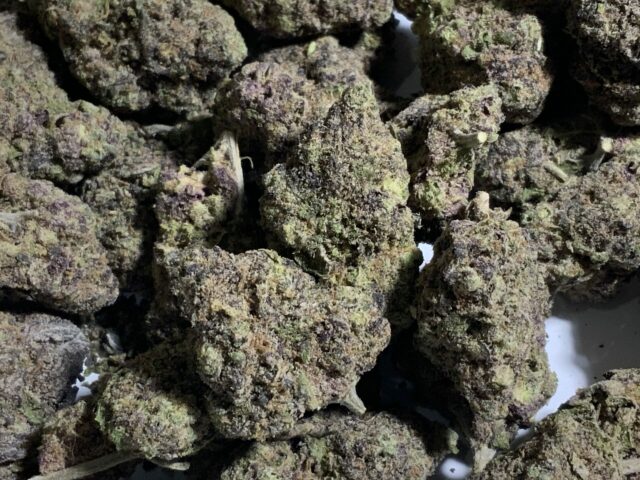
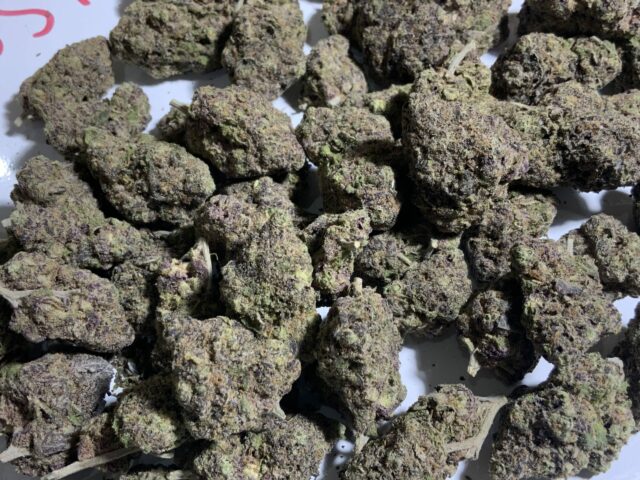
Black Russian Cannabis Strain

Clearing Up the Misunderstanding of CBD Content in Cannabis Strains

For centuries, cannabis has served humanity with its diverse medicinal and recreational properties. However, a significant challenge persists: the widespread misunderstanding of its chemical composition. Specifically, the content of key cannabinoids like CBD (cannabidiol) and THC (tetrahydrocannabinol) is frequently obscured by misinformation and inconsistent reporting. Consequently, this has led to a global misrepresentation of CBD content across various cannabis strains.

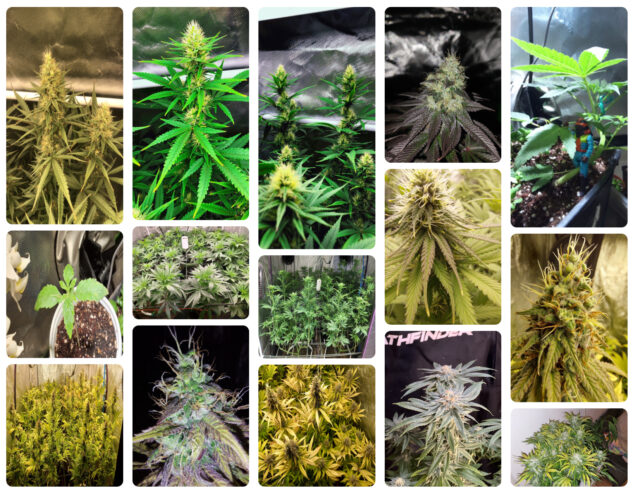
Various Blueberry Strains

The Intricate Nature of Cannabis Strains

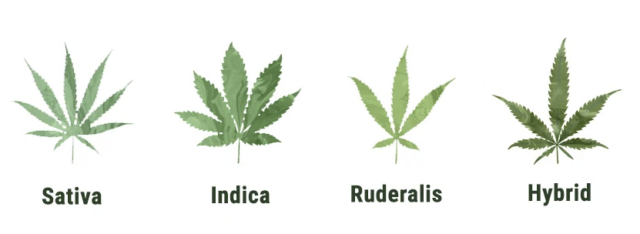
To begin with, cannabis strains are generally categorized into three primary groups: sativa, indica, and hybrid. Each strain possesses a unique cannabinoid profile, showcasing varying concentrations of CBD and THC. Nevertheless, the hybrid nature of most modern strains, resulting from the crossbreeding of sativa, indica, and ruderalis, introduces substantial variability. Thus, the precise cannabinoid content can differ dramatically not only between strains but also from batch to batch within the same strain.

The Problem of Inaccurate Reporting and Lack of Standardization.

Furthermore, a major contributor to the misunderstanding of CBD content is the absence of standardized testing and transparent reporting. Indeed, many dispensaries and online resources, such as Leafly, offer general information about strain cannabinoid content. However, this data is often derived from anecdotal evidence or limited, non-rigorous testing. Therefore, the reported CBD levels frequently fail to accurately reflect the actual chemical composition of the strain.

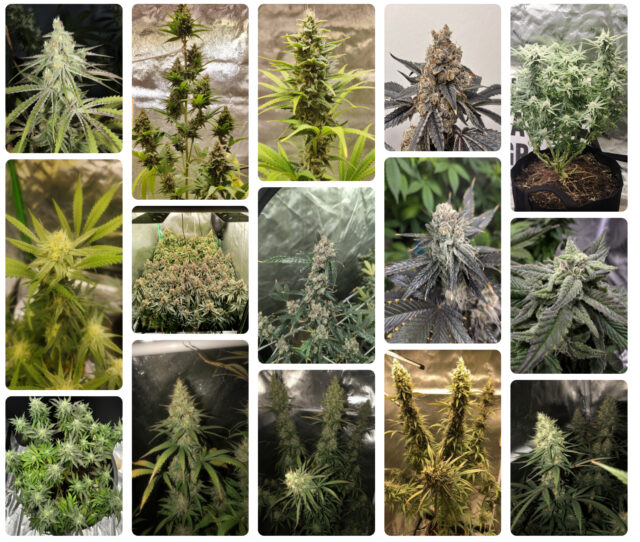
More of the many Various Blueberry Strains

For instance, it is common to encounter claims that certain strains contain less than 1% CBD.

However, this broad generalization is often misleading, as it overlooks the inherent variability in cannabinoid content. In reality, different strains, and even different cultivations of the same strain, exhibit varying CBD concentrations. Notably, indica strains are generally recognized for their higher CBD content compared to sativa strains, which tend to exhibit higher THC levels.

The Critical Importance of Accurate Information

Undoubtedly, accurate information regarding the CBD content of cannabis strains is paramount for both medical and recreational users. For medical patients, precise knowledge of a strain’s cannabinoid profile is essential for selecting the appropriate product to address specific therapeutic needs. Conversely, for recreational users, accurate information enhances the overall experience and ensures consumption aligns with desired expectations.

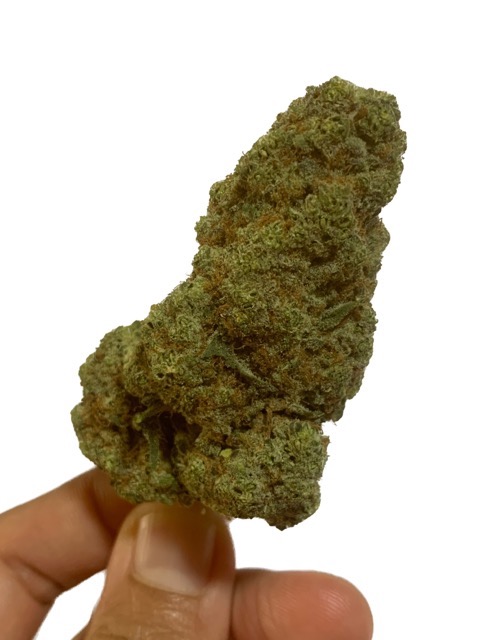
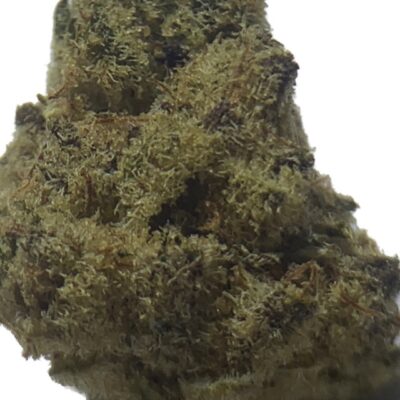
Black Russian Top Shelf Weed

Black Russian Top Shelf Weed

GanjaHouse.Net: Championing Accurate Information Through Scientific Testing

In response to this challenge, GanjaHouse.Net, a legal Thai cannabis dispensary located in Koh Lanta, Krabi, Thailand, is dedicated to providing reliable and precise information about the CBD content of diverse cannabis strains. To this end, the dispensary is developing a comprehensive database built upon rigorous scientific testing to guarantee user access to accurate data.

Rigorous Scientific Testing and Data Collection

Specifically, GanjaHouse.Net collaborates with reputable laboratories to conduct thorough analyses of its cannabis products. These analyses meticulously examine the cannabinoid profiles of various strains, quantifying the levels of CBD, THC, and other relevant cannabinoids. By employing advanced testing methodologies, GanjaHouse.Net ensures the collection of reliable and precise data.

Building a Comprehensive and Accessible Database

Subsequently, the data obtained from scientific testing is compiled into a comprehensive database, providing detailed insights into the CBD content of various cannabis strains. Significantly, this database is accessible to students, researchers, and anyone seeking accurate information about the therapeutic potential of cannabis.

Grandpas Cookies AAA Top Shelf Cannabis Buds in the hand

Grandpas Cookies AAA Top Shelf Cannabis Buds in the hand to show the immense size of these buds

Empowering the Public Through Education

Moreover, beyond providing accurate data, GanjaHouse.Net is committed to educating the public about the significance of understanding cannabinoid profiles. To further this objective, the dispensary publishes informative articles and educational resources on its website, empowering users to make informed decisions regarding their cannabis consumption.

Types of Cannabis Strains

Types of Cannabis Strains; Sativa, Indica, Ruderalis, and Hybrid (Mix of any of the aforementioned)

Moving Towards Clarity and Informed Consumption

In summary, the prevailing global misunderstanding and inaccurate declarations of CBD content in cannabis strains have fostered confusion and misinformation.

However, through scientific testing and transparent reporting, the dissemination of reliable information about cannabinoid profiles is achievable. Notably, GanjaHouse.Net is at the forefront of this movement, establishing a comprehensive database of accurate data to benefit both medical and recreational users. Ultimately, by prioritizing transparency and education, GanjaHouse.Net is effectively dispelling misconceptions and ensuring users have the necessary information to make informed decisions about their cannabis consumption.

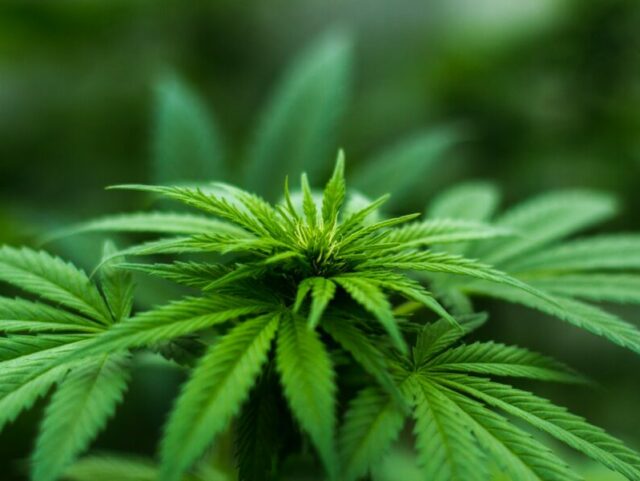
Cannabis Plant photo courtesy of Michael Fischer

Exploring Potential Uses of Cannabis: Using Hemp Cannabinoids as a Natural Alternative to Chemical Pesticides

Recent research from Cornell University suggests a promising avenue for the future of pest control hemp cannabinoids. The study, conducted by scientists at the School of Integrative Plant Science at Cornell AgriTech’s College of Agriculture and Life Sciences (CALS), delved into the potential applications of cannabinoids as natural pesticides. The researchers discovered that hemp plants with a higher concentration of cannabinoids in their leaves exhibited less damage from chewing insects compared to those with lower cannabinoid levels. This finding opens up possibilities for the development of new, natural insecticides, primarily targeted for use on non-edible plants.


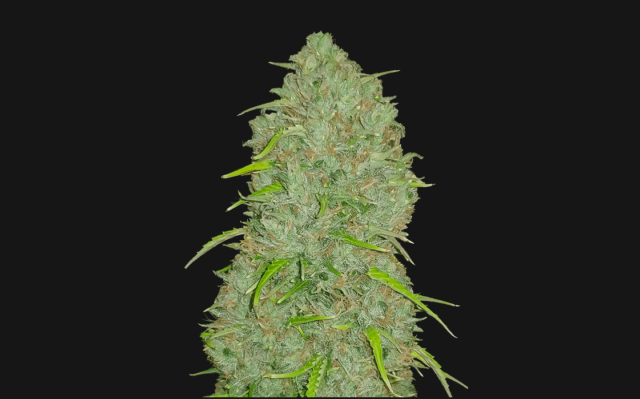
Jack Herer Cannabis Bud - Simply the Best

However, the application of these pesticides on food crops remains uncertain due to the pharmacological effects of cannabinoids, such as CBDA, THCA, and CBGA. These compounds can be converted to CBD, THC, and CBG, respectively, through a process known as decarboxylation, which involves the addition of heat.

Larry Smart, a plant breeder and professor at CALS, noted that while the intoxicating and medicinal effects of cannabinoids have been studied for decades, little research has been conducted to understand why cannabis plants evolved to produce over 100 distinct substances.

“It has been speculated that they are defensive compounds, primarily accumulating in female flowers to protect seeds, a common concept in plants,” said Smart, the senior author of the study.

The research was part of Cornell’s Hemp Breeding Program, initiated in 2017. The program evaluates various commercially available hemp cultivars to provide recommendations to farmers based on local soil and climate conditions.

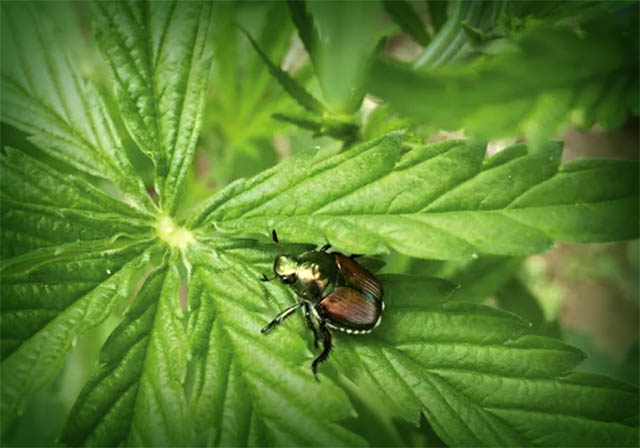
Varieties of hemp from a breeding program in Ukraine, lacking cannabinoid production, were found to be highly susceptible to damage from Japanese beetles. In contrast, hemp varietals producing cannabinoids demonstrated reduced vulnerability to these insects.

Japanese Beetle Eating Cannabis.

Japanese Beetle Eating Cannabis.

“In the absence of cannabinoids, we saw heavy insect damage, and in the presence of cannabinoids, we saw much less damage,” explained Smart.

Isolating CBDA and CBGA for controlled insect feeding studies, the researchers observed that insect larvae experienced stunted growth and lower survival rates with increasing cannabinoid concentrations. Following the recent legalization of hemp for commercial cultivation in the United States, farmers are seeking comprehensive advice on integrated pest management (IPM). A fresh article in the freely accessible Journal of Integrated Pest Management provides an up-to-date overview of ongoing research related to insect and arthropod pests affecting hemp, highlighting areas that require further investigation.

George Stack, a postdoctoral researcher in Smart’s lab, emphasized that the study provides insight into how cannabinoids function in natural systems. He sees the potential to develop THC-compliant hemp cultivars with natural defenses against herbivores.

The researchers plan to investigate the impact of cannabinoids on sap-sucking insects like aphids. However, the ongoing federal illegality of marijuana poses challenges to this research. While the prospect of cannabinoids as pesticides sparks excitement for future research, regulatory barriers are anticipated due to the pharmacological activity of these compounds. Further studies are essential to determine the pests against which cannabinoids will be most effective. The study, titled “Cannabinoids Function in Defense Against Chewing Herbivores in Cannabis Sativa L.,” was published in October in the peer-reviewed journal Horticulture Research.

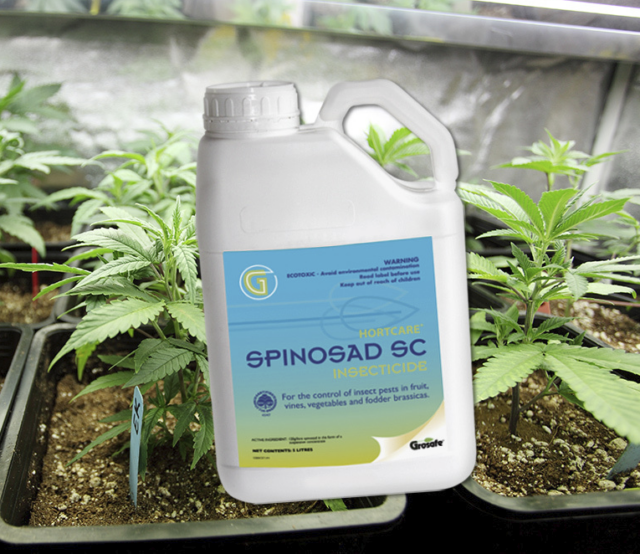
Spinosad Cannabis Fertilizer

Cannabis sativa as a Promising Eco-Friendly Pesticide: Potential Risks and Benefits

Despite the undeniable benefits synthetic pesticides have offered in pest and disease control, their usage comes at a significant cost to the environment and living organisms, prompting a growing interest in eco-friendly alternatives. This article delves into the available ethnobotanical evidence and conducts a systematic review of experimental studies to analyze the potential of Cannabis sativa as a pesticide.

Methods: The study explores ethnobotanical evidence and reviews experimental studies to assess the viability of C. sativa as a pesticide, considering its potential benefits and drawbacks. The findings suggest that both ethnobotanical knowledge and experimental studies support the efficacy of C. sativa as a pesticide, showcasing remarkable toxicity against various pest organisms. The systematic review of experimental studies (n=30) reveals a degree of heterogeneity but draws certain conclusions to guide further research. Notably, promising pesticide properties were observed, particularly against Arachnida and Insecta. The diverse compounds within C. sativa contribute to its efficacy, potentially through synergistic effects. Standardizing the phytochemical profile, exploring appropriate extraction methods, and considering different parts of the plant for essential oil production are crucial for obtaining reproducible results.

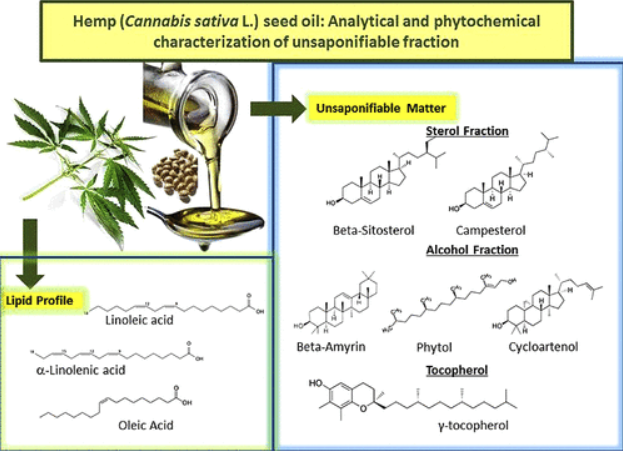
Cannabis Phytochemical Profile

Opinion: As new findings emerge, the promising potential of C. sativa as a pesticide will become clearer. This review serves as a valuable tool for understanding the potential benefits and risks associated with using C. sativa as an eco-friendly alternative. It underscores the importance of responsible exploration and application of such alternatives, particularly in the context of the environmental challenges posed by conventional pesticides.

Postscript: In reflecting on the potential of Cannabis sativa as a pesticide, it is essential to recognize the broader implications of pesticide use on the environment. This study sheds light on the promising aspects of C. sativa as a natural pesticide, emphasizing the need for responsible and informed exploration of alternatives. The article raises questions about the potential risks and benefits associated with cannabinoids and prompts consideration of the environmental impact of conventional pesticides, drawing parallels to the color-coated pesticide balls used in certain regions, which have contributed to a significant decline in global insect populations. As we navigate these discussions, it becomes imperative to strike a balance between effective pest control and the preservation of our ecosystems.

Further Study and research Sources;

https://entomologytoday.org/tag/cannabis-aphid/
“IPM in Hemp: Managing Pests in a “New” Crop” PMID: 34612729 PMCID: PMC9418361 DOI: 10.1089/can.2021.0095 –  https://pubmed.ncbi.nlm.nih.gov/34612729/

Determination of pesticides residue in cannabis; https://pharmacy.mahidol.ac.th/journal/_files/2021-48-4_6.pdf

smoking hygiene is of great importance for healthy consumption of cannabis

Maintaining smoking instruments, such as bongs and other paraphernalia, holds substantial importance for user health and the quality of the cannabis consumption experience. Regular cleaning and proper maintenance mitigate the accumulation of tar, resin, and harmful bacteria, ensuring a safer and healthier smoking experience. Neglecting cleaning can lead to increased health risks due to the inhalation of harmful residues, impacting both the quality of the smoke and potentially causing respiratory complications.
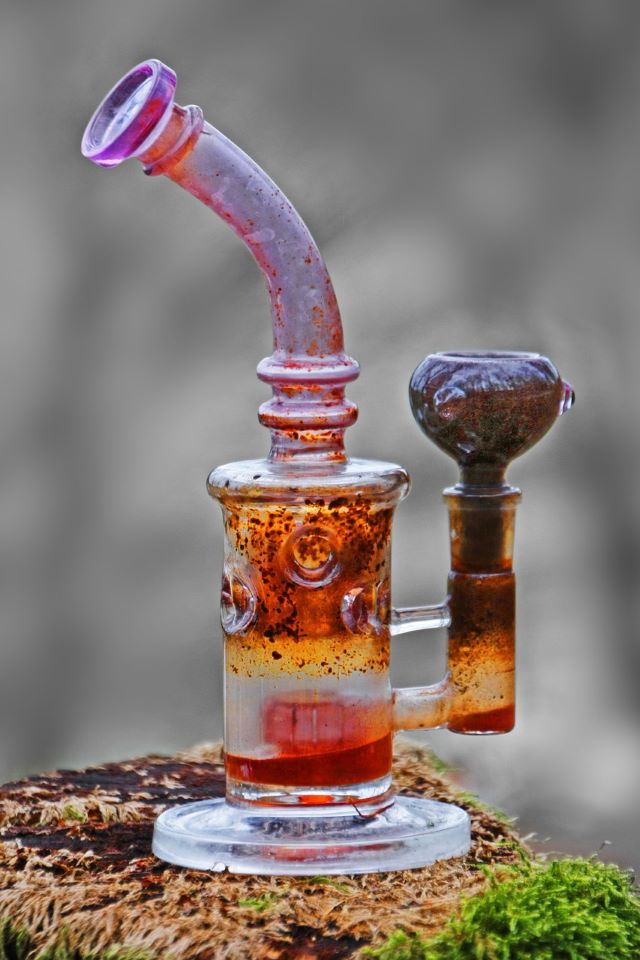
Dirty Bong Water is unhealthy; Proper maintenance of smoking instruments is essential to health

Dirty Bong Water is unhealthy; Proper maintenance of smoking instruments is essential to health

  • Encouraging Responsible Use and Maintenance of Bongs and Smoking Paraphernalia
  • Promoting responsible use and maintenance involves encouraging users to adopt a disciplined approach to their cannabis consumption practices. This includes:
  • Regular Cleaning: Emphasizing the significance of regular cleaning routines to prevent residue buildup and safeguard user health.
  • Proper Handling: Encouraging careful handling and storage of smoking instruments to prevent breakage or damage.
  • Education: Empowering users with information on the risks associated with neglecting maintenance and the benefits of adopting responsible usage practices.
  • Future Considerations and the Need for Further Research in the Field of Safe Cannabis Consumption
  • The future of safe cannabis consumption relies on ongoing research and advancements:
  • Material Innovation: Exploring new materials for smoking instruments to enhance durability, hygiene, and safety, such as non-stick surfaces or antimicrobial materials.
  • Cleaning Technologies: Developing efficient and user-friendly cleaning tools or solutions tailored for various smoking instrument materials to simplify maintenance practices.
  • Public Health Campaigns: Continuing and expanding educational campaigns to raise awareness about the significance of proper maintenance and safe usage practices, targeting both seasoned and new cannabis users.
  • Legislation and Regulation: Strengthening or modifying existing regulations to align with evolving standards in the cannabis industry, ensuring safe manufacturing, distribution, and use of smoking instruments.

Maintaining smoking instruments is integral to ensuring a safe and pleasurable cannabis consumption experience. By fostering responsible use, encouraging regular maintenance, and advancing research and education, the industry can evolve to promote healthier and safer practices for cannabis enthusiasts, ultimately enhancing public health and safety within the cannabis community.

Glass and Plastic Bongs

Cleaning glass and plastic bongs pose different challenges due to their materials and design intricacies. While glass bongs are generally easier to clean due to their non-porous nature and transparent surface, plastic bongs can be more challenging due to their potential to retain odors and their susceptibility to damage from cleaning agents. Both types of bongs can have complexities in cleaning, especially with exotic designs such as U-shaped or undulated tubular bongs that obstruct easy access for cleaning instruments.

A Clean and well maintained Bong is a Healthy Bong

Glass vs. Plastic Bongs:

Glass Bongs:

  • Advantages: Glass is non-porous, allowing for easier removal of residues. The transparent surface makes it easy to monitor the buildup of residue. Glass can withstand higher temperatures, allowing for the use of hotter cleaning solutions.
  • Challenges: Fragile, although generally easier to clean due to the non-porous nature.

Plastic Bongs:

  • Advantages: Lightweight, less expensive, and less fragile than glass. Ideal for portability.
  • Challenges: Tendency to retain odors and can be damaged by certain cleaning solutions, which might affect the taste of subsequent sessions.

Difficulty of Cleaning Exotic Designs:

Exotic designs, such as U-shaped or undulated tubular bongs, can hinder the cleaning process. The irregular shapes and hard-to-reach areas in these designs make it challenging to access all surfaces where residue may accumulate. This can result in the buildup of tar, resin, and bacteria in areas that are tough to clean using conventional cleaning tools, impacting both hygiene and the quality of the smoking experience.

A Clean Bong is a Healthy Bong, but some Bongs are not easy to clean!

A Clean Bong is a Healthy Bong, but some Bongs are not easy to clean!

Methods for Proper Hygienic Maintenance of Glass Bongs:

  1. Regular Cleaning Schedule: Regular cleaning is crucial to prevent the buildup of residue. It’s recommended to clean after each session or at least every few uses.
  2. Use of Cleaning Solutions: Isopropyl alcohol or specialized bong cleaning solutions are commonly used. They effectively dissolve and remove tar and resin buildup. Salt can be added to enhance scrubbing effectiveness.
  3. Cleaning Tools: Non-abrasive brushes, pipe cleaners, or cloth can help reach into the bong’s intricate or hard-to-access areas. Larger glass bongs can be cleaned using pipe cleaners or brushes with longer handles.
  4. Soaking and Rinsing: Soaking the bong’s parts in the cleaning solution can soften the residue, allowing for easier removal. Thorough rinsing ensures that no cleaning agent remains.
  5. Drying and Storage: Complete drying after cleaning prevents mold growth. Proper storage in a cool, dry place away from direct sunlight ensures bong longevity and cleanliness.

These methods, while effective for glass bongs, may require adaptation for cleaning challenging designs or plastic bongs due to their different material and structural characteristics. Regular and thorough maintenance is key to ensuring a safe and enjoyable smoking experience.

Bamboo bongs offer a natural and rustic alternative to traditional glass or plastic bongs. They come with their own set of advantages and drawbacks.

Bamboo Bongs:
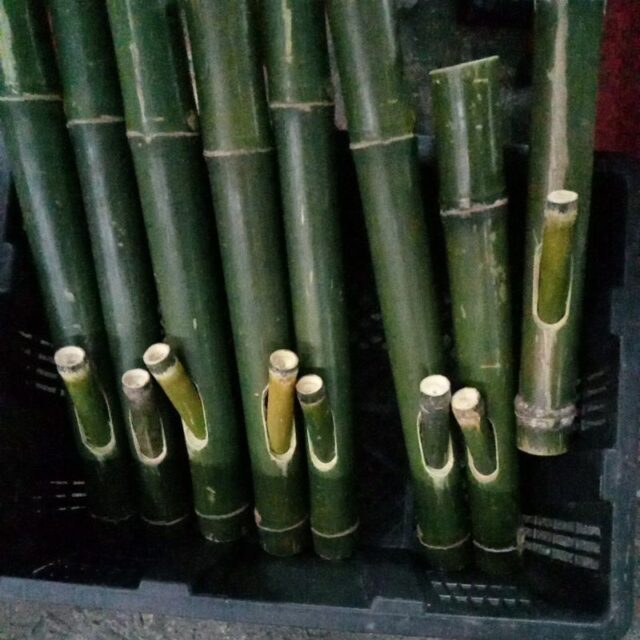
Traditional Basic Thai Bamboo Bongs

Traditional Basic Thai Bamboo Bongs

Pros and Cons of Bamboo Bongs

Pros:

  1. Eco-Friendly and Aesthetically Pleasing: Bamboo, a renewable resource, adds a natural and unique aesthetic to the smoking experience.
  2. Durable and Long-Lasting: Bamboo, known for its strength, provides a sturdy and long-lasting smoking instrument when well-maintained.
  3. Smooth Smoke: Bamboo’s porous nature can help filter and cool the smoke, providing a smoother hit.
  4. Customizable and Handcrafted: Bamboo bongs often offer the opportunity for handcrafted and customizable designs, adding a personalized touch.

Cons:

  1. Maintenance Challenges: Bamboo, being porous, can absorb residues more readily, making cleaning more challenging. Residue buildup may affect the taste and quality of the smoke.
  2. Prone to Mold: If not dried properly or exposed to moisture, bamboo can be prone to mold growth, potentially impacting hygiene and the bong’s lifespan.
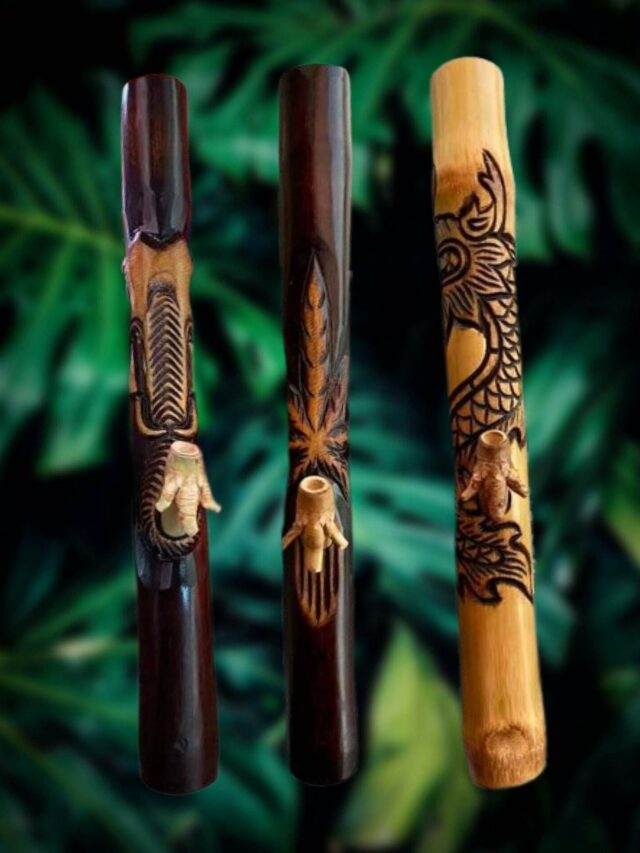
Luxury Custom Bamboo Thai Bongs

Luxury Custom Bamboo Thai Bongs

Cleaning and Maintenance:

Proper maintenance is essential to ensure the longevity and hygienic use of bamboo bongs:

  1. Regular Cleaning: Regular cleaning, preferably after each use or at least every few sessions, is necessary to prevent residue buildup.
  2. Gentle Cleaning Agents: Mild cleaning solutions like diluted vinegar or lemon juice can be used to clean bamboo bongs. Avoid harsh chemicals that might damage the natural material.
  3. Soaking and Scrubbing: Soaking the bamboo parts in the cleaning solution can loosen residue. A soft brush or cloth can be used to scrub the interior surfaces gently.
  4. Drying and Storage: Complete drying after cleaning is crucial to prevent mold growth. Store the bong in a dry area away from moisture.

Usage Lifespan:

With proper care and maintenance, a well-crafted bamboo bong can last a long time. However, the porous nature of bamboo means it may not last as long as non-porous materials like glass or metal. Regular cleaning and adequate drying after use are key to prolonging its lifespan. Avoiding exposure to moisture and storing the bong in a dry environment is crucial to prevent deterioration and mold growth.

The unique and natural characteristics of bamboo bongs offer a distinct smoking experience, but their maintenance, particularly in terms of cleaning to prevent residue buildup and mold, is vital for ensuring both longevity and a hygienic and enjoyable smoking experience.

Thai Bongs, Traditionally Hand Carved Works of Art from Ganja House

Thai Bongs, Traditionally Hand Carved Works of Art from Ganja House

Teak or other Aromatic Wooden Bongs

Traditional Basic Thai Bamboo Bongs

Traditional Basic Thai Bamboo Bongs

Teak Wood Bongs stand out as a luxurious and sophisticated smoking instrument that offers exceptional benefits for cannabis enthusiasts. Crafted meticulously with high precision engineering, these bongs are designed to revolutionize the cannabis smoking experience, providing both aesthetic appeal and outstanding functionality. Unlike the traditional Thai Bamboo Bong, the Teak Wood Bong is characterized by unparalleled durability, making it a lifelong companion for aficionados who appreciate a taste of luxury in their smoking rituals.
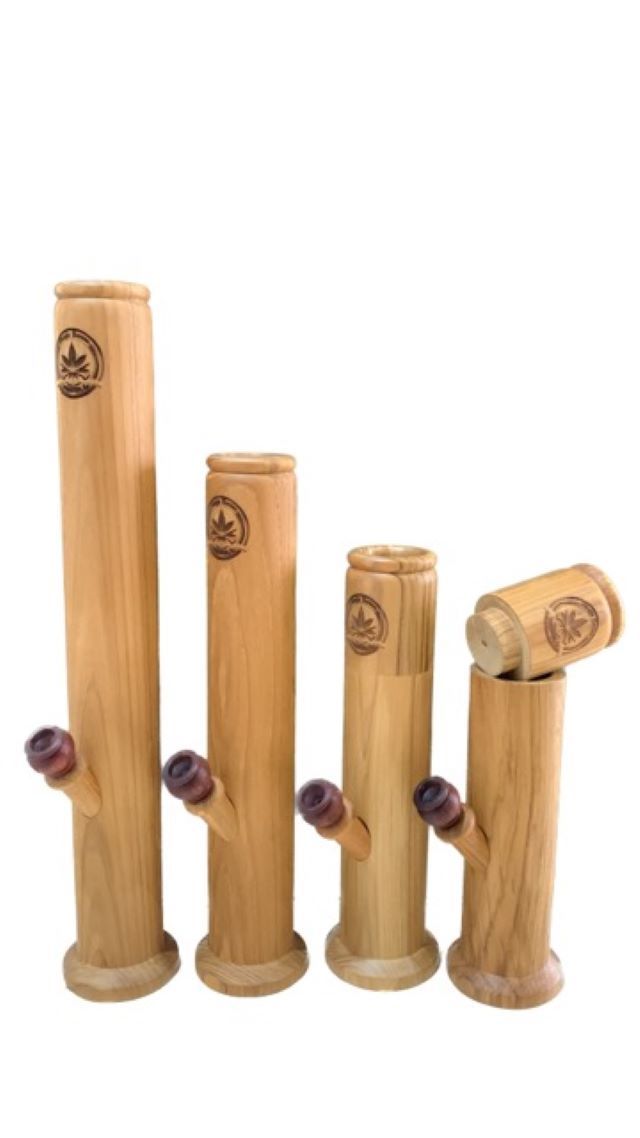
Teak Wood Thai Traditional Bongs

Teak Wood Thai Traditional Bongs in various sizes

Benefits of Teak Wood Bongs:

Aromatic and Flavorful Experience: Teak wood’s natural fragrance and rich, earthy tones contribute to an enhanced flavor profile. It elevates the smoking experience by accentuating the terpene spectrum of the cannabis strains, providing a burst of exquisite delight with every hit. Unlike glass or plastic bongs, Teak Wood Bongs enrich the taste and aroma of the cannabis, ensuring a fuller, more pleasurable experience.

Durability and Longevity: Teak Wood Bongs are not only a stunning decorative piece but also a long-lasting smoking instrument. Their inherent durability and resistance simplify maintenance. With proper care, these bongs can stand the test of time, surpassing even the longevity of bamboo bongs.

Ease of Maintenance: Cleaning and maintaining Teak Wood Bongs is hassle-free. The durability and resistance of teak wood make it easy to clean without requiring harsh chemicals. The Ganjahouse three-4 piece Teak Bongs, in particular, can be easily cleaned with pipe brushes and water, offering a hygienic smoking experience without the need for chemicals, providing superior convenience in maintenance.

Vs. Other Smoking Instruments: Comparatively, glass or plastic bongs lack the ability to enhance the taste and aroma of cannabis due to their material properties. Paper-wrapped joints, apart from being environmentally unfriendly, can also hinder the taste with the added paper elements. Bamboo bongs, while natural, are less durable and require more frequent replacement compared to Teak Wood Bongs.

Conclusion:

Teak Wood Bongs emerge as the superior smoking instrument, surpassing other bong or pipe varieties in multiple aspects. Their rarity and beauty add an aesthetic appeal, while their ability to enhance the taste and aroma of cannabis sets them apart. Furthermore, their durability surpasses bamboo bongs and requires less maintenance effort, ensuring a longer-lasting, hygienic smoking experience. In conclusion, the Teak Wood Bong stands as the pinnacle of elegance and functionality, offering both a visually stunning and tastefully enhanced cannabis consumption experience that remains unmatched by other types of smoking instruments.