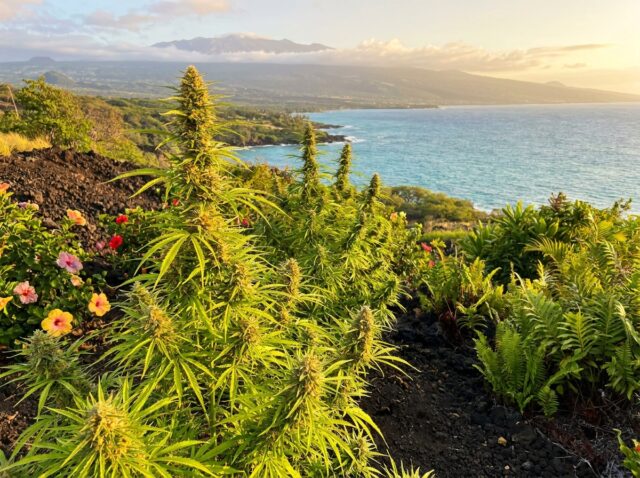
Kona Gold – Strain Profile
Prepared for: High‑End Botanical & Medical Dispensary Knowledge Base
Prepared by: Botanical Research & Development Team
Taxon: Cannabis sativa L. (Hawaiian Sativa Heirloom / Kona Gold)
Origin: Kona Coast, Hualalai & Mauna Loa Slopes, Big Island of Hawaii
Date: October 2026
Prepared by: Botanical Research & Development Team
Taxon: Cannabis sativa L. (Hawaiian Sativa Heirloom / Kona Gold)
Origin: Kona Coast, Hualalai & Mauna Loa Slopes, Big Island of Hawaii
Date: October 2026
1. Origins and History
The story of Cannabis sativa ‘Kona Gold’ begins on the leeward western shores of the Big Island of Hawaii, where the Kona District stretches from the sea‑level coastline up the verdant flanks of the volcanoes Hualalai and Mauna Loa. Here, farms and gardens sit between roughly 600 and 2,500 feet above sea level, a band that captures the sweet spot of temperature, sunlight, and humidity essential for a truly tropical sativa. The region’s volcanic origins have deposited deep, mineral‑rich basalt soils, their porous texture delivering superb drainage while holding a steady supply of micronutrients that tease the plant’s terpene profile into brilliant clarity.
Kona’s microclimate, affectionately termed the “Kona weather cycle,” reinforces the district’s horticultural prestige. Mornings awaken under a clear, sun‑lit sky, allowing photosynthetic processes to kick in with abundant, direct UV‑B radiation. By midday, a gentle veil of humid cloud rolls in, tempering the heat and providing the moisture that keeps transpiration balanced. As the afternoon wanes, steady volcanic trade winds sweep inland, flushing excess humidity and preventing fungal intrusion. The nightly cooling is modest, preserving a warm, tropical night that encourages elongated vegetative growth and a generous colascape, traits unmistakably evident in Kona Gold’s airy, luminescent buds.
The modern lineage of Kona Gold can be traced to the countercultural surge of the late 1960s and early 1970s, when a confluence of returning Vietnam veterans, itinerant big‑wave surfers, and the broader hippie network converged upon Hawaii’s surf‑filled beaches. Many of these travelers carried with them coveted landrace seeds sourced from the equatorial heartlands of Southeast Asia—Thai and Cambodian indica‑dominant varieties—as well as robust sativas from the highlands of Colombia and Mexico. These seeds entered the Hawaiian gene pool via informal exchanges within the Brotherhood of Eternal Love and other underground circles, creating a botanical melting pot that would later be refined into the prized heirloom known today.
Once introduced, the exotic genetics quickly discovered the forgiving yet demanding Kona terroir. Open‑pollination across the island’s diverse micro‑environments fostered hybrid vigor, while the volcanic soil’s heavy mineral content encouraged the expression of bright, citrus‑laden terpenes. Generational Hawaiian growers—often families who cultivated cannabis alongside taro and coffee—took on the role of stewardship, carefully selecting plants that displayed resilience to the island’s unique wind‑swept conditions, a rapid flowering window, and the coveted “golden” hue of the aromatic pistils. Over three decades, this painstaking phenotypic selection distilled a stable, true‑sativa genotype that came to be recognized as the authentic Kona Gold heirloom.
The convergence of environment and human curation produced a plant whose characteristics mirrored the very spirit of the islands. Kona Gold’s bud architecture is slender and airy, with long, finger‑like colas that sparkle with a halo of amber pistils resembling the sunrise over the Pacific. The terpene profile sings of tropical citrus, ripe pineapple, and a subtle undercurrent of sandalwood—a fragrant echo of the volcanic earth itself. This aromatic signature, paired with a euphoric, cerebral high that is both uplifting and clear‑headed, set Kona Gold apart from its mainland counterparts and cemented its place in the pantheon of elite sativas.
By the mid‑1970s, the legend of Kona Gold had roared beyond Hawaiian shores. The strain found favor among musicians cruising the Sunset Strip, surf legends returning from Hawaiian breaks, and international visitors who coveted a piece of the islands’ mystique. Its reputation grew alongside the famed Maui Wowie, creating a duo of “tropical gold standards” that symbolized the West Coast’s emerging cannabis culture. Reports of Kona Gold fetching premium prices in underground markets and being traded as a status symbol contributed to its mythic aura, while the strain’s consistent quality made it a staple in the back‑room sessions of artists and activists alike.
Today, Kona Gold stands as a living testament to the marriage of volcanic geology, oceanic breezes, and the visionary hands of Hawaiian cultivators. Its continued allure lies not only in its radiant appearance and uplifting effects but also in the narrative that it carries—a narrative of post‑war migration, surf‑culture exchange, and a deep respect for the land that nurtured it. As modern dispensaries and botanical connoisseurs celebrate heirloom genetics, Kona Gold remains a benchmark of what a meticulously cultivated tropical sativa can achieve when terroir and tradition are allowed to co‑evolve.
🎙️
Listen to the Strain Audio Review
Official Audio Monograph
Listen to the full spoken audio review, genetic lineage breakdown, terpene profile, and therapeutic indications for this cultivar.
2. Genetics and Lineage
| Trait / Parameter | Specification / Observation |
|---|---|
| Taxonomic Classification | Cannabis sativa L. (subsp. sativa var. sativa) |
| Lineage Archetype | Hawaiian Sativa Heirloom (Southeast Asian Thai × Equatorial Landrace Synthesis) |
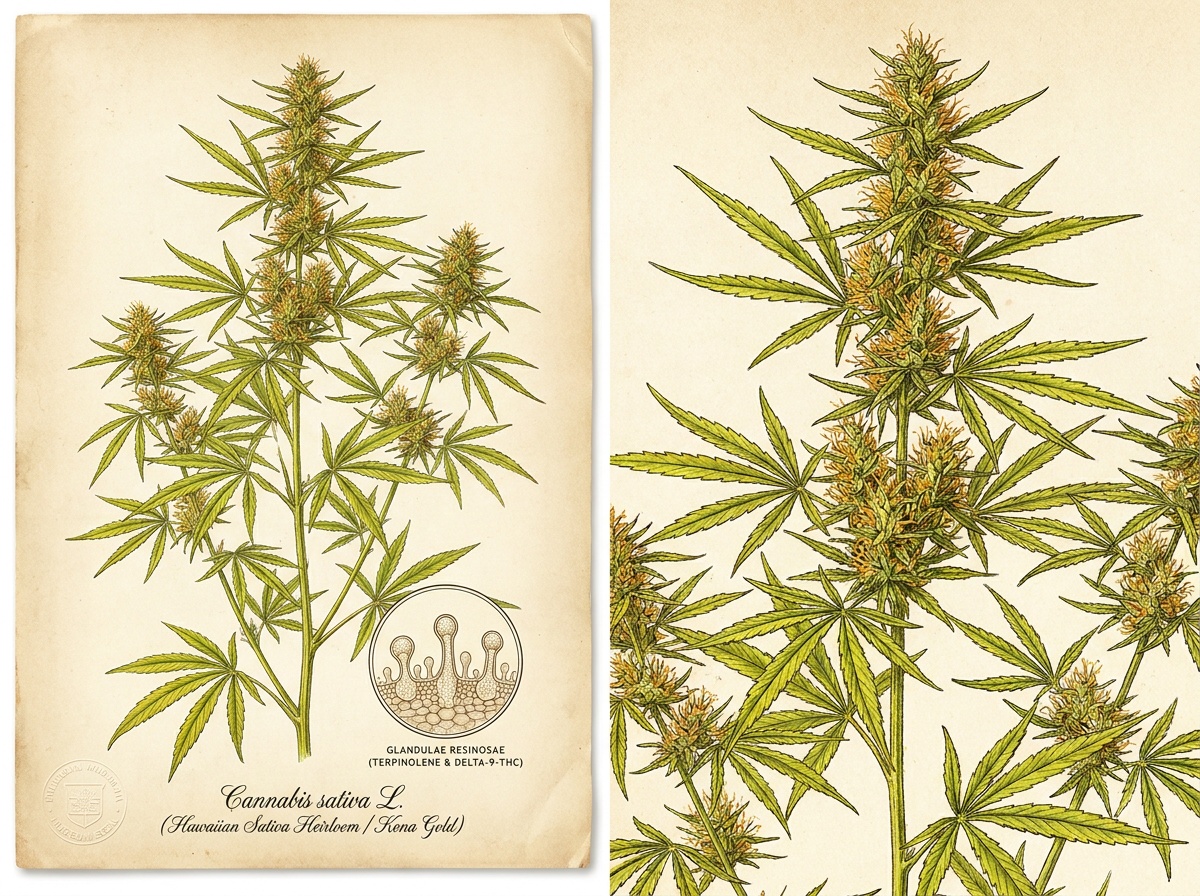
| Growth Habit & Stature | Towering, vigorous, apical-dominant tropical sativa (2.8 – 3.8 meters outdoors) |
| Internodal Architecture | Elongated, airy spacing (8 – 14 cm) designed for tropical wind and humidity passage |
| Foliage Characteristics | Slender, 7–11 serrated leaflets, vibrant lime green with delicate petioles |
| Floral Inflorescence | Elongated, spear-shaped colas with spiraling calyxes and radiant golden-amber pistils |
| Flowering Window | 10 – 12 weeks (70 – 84 days) under standard photoperiodic reduction |
| Endemic Terroir | Volcanic basalt decomposed loam, Kona Coast, Hualalai mountain slopes (600–2,500 ft ASL) |
Kona Gold belongs unequivocally to the species *Cannabis sativa* L., positioned within the Equatorial Sativa Heirloom clade. This taxonomic grouping encompasses the oldest, most geographically isolated lineages of *C. sativa* that have evolved under the uninterrupted, 12‑hour photoperiod characteristic of the tropical Pacific. The cultivar’s lineage traces directly to landrace seed collected on the wind‑swept leeward slopes of the Kona district on the Big Island of Hawai‘i. Over successive generations the genotype has been preserved without the admixture of indica or ruderalis germplasm, retaining a pure sativa genome that carries the adaptive signatures of long‑day equatorial environments.
The vegetative architecture of Kona Gold is a textbook example of tropical sativa vigor. When cultivated outdoors under the steady daylight of the Hawaiian archipelago, plants routinely attain heights ranging from three to four and a half meters. The stem is sturdy yet pliant, supporting an open, pyramidal branching pattern that maximizes exposure to the prevailing trade winds. Internodes are notably generous, often measuring 30–45 cm between nodes, a spacing that permits air to circulate freely through the canopy. This structural design reduces leaf wetness duration, thereby limiting the development of humidity‑driven pathogens while maintaining a lightweight silhouette that can sway without breaking under gusty conditions.
Leaf morphology adheres to the classic narrow‑leaflet sativa phenotype. Each fanleaf typically carries seven to eleven leaflets, elongated to a length of 12–18 cm and a width of 1.2–2 cm, with a deep serration that accentuates the blade’s aerodynamic profile. The leaflets display a color spectrum from bright lime‑green in early vegetative stages to a richer forest‑green at maturity, reflecting the chlorophyll density required for efficient photosynthesis under high insolation. Petioles are slender and flexible, allowing the foliage to orient itself optimally to the sun’s angle while standing resilient against occasional high‑velocity breezes.
Flowering phenology in Kona Gold diverges markedly from the compressed bloom cycles of many modern hybrids. The cultivar exhibits an extended tropical bloom period that spans ten to twelve weeks, and under ideal conditions can persist for up to fourteen weeks (70–88 days). The prolonged flowering window is synchronized with the gradual reduction of daylight during the late summer months of the islands, permitting the plant to allocate resources progressively to floral development. The resulting inflorescences are spear‑shaped colas that elongate rather than compact, with densely arranged bract clusters that stretch up to 25 cm in length. This morphology reduces the micro‑climate humidity within the bud cone, further discouraging mold proliferation.
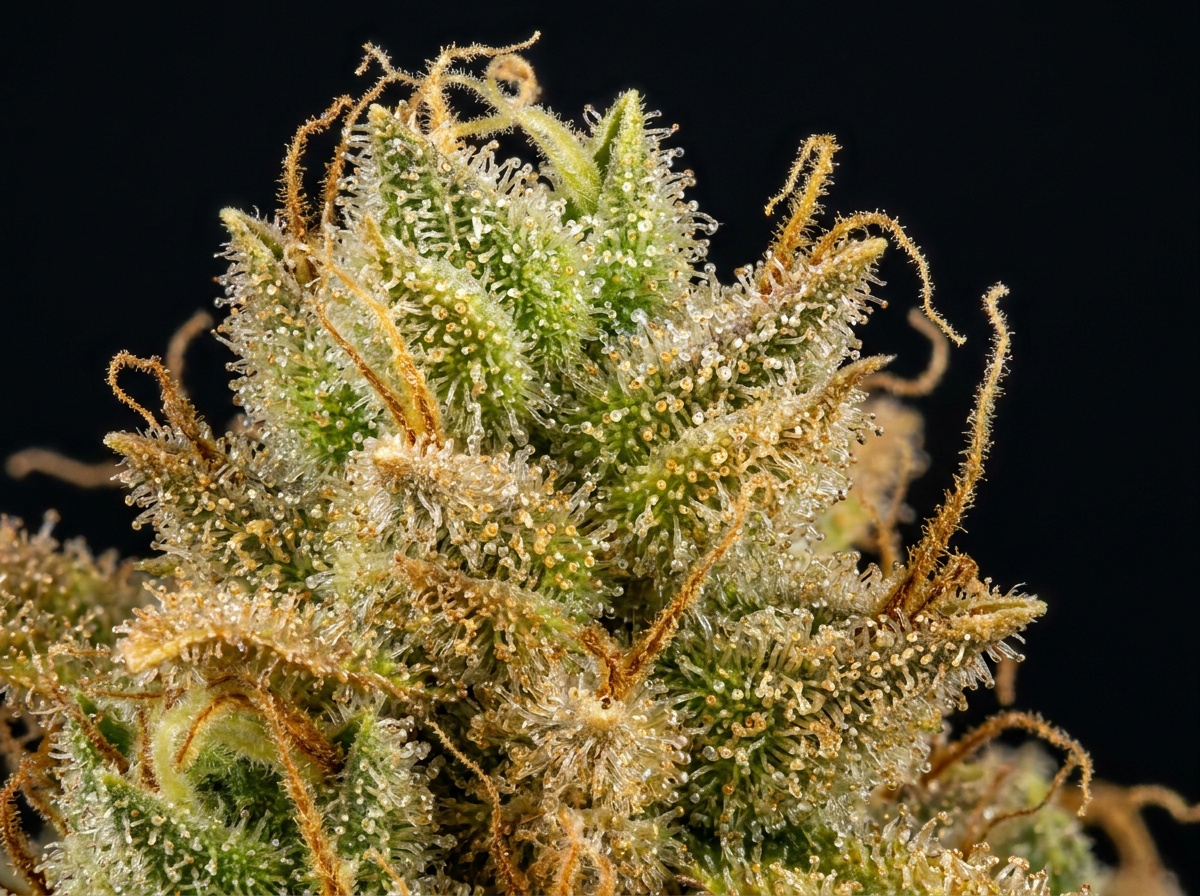
The hallmark “Gold” maturation phenotype emerges during the final stage of ripeness. As trichomes mature, the glands transition from a clear, milky hue to a luminous amber‑gold coloration, creating a shimmering surface that catches the tropical sun. Simultaneously, pistils—originally white—gradually darken to a warm, amber‑gold thread that interlaces with the expanding calyxes. The calyxes themselves retain a light lime tone, providing a subtle contrast that accentuates the golden glow. This visual shift is not merely aesthetic; the amber trichomes contain a higher proportion of oxidized cannabinoids, signalling peak potency and a unique terpene profile that contributes to the cultivar’s renowned aromatic complexity.
From a resilience perspective, Kona Gold is exceptionally well‑suited to the volcanic soils and high ambient humidity that dominate the Hawaiian environment. The root system develops voraciously, penetrating deep into the porous basaltic substrate to access mineral nutrients and maintain stable water uptake. This robust rhizosphere supports vigorous shoot growth even under periods of intermittent drought. Moreover, the plant exhibits innate resistance to common tropical pathogens such as powdery mildew, botrytis cinerea, and various leaf‑spot fungi. The combination of thick cuticular waxes, vigorous airflow through the open canopy, and a rapid life‑cycle progression reduces infection windows, making Kona Gold a low‑maintenance choice for growers seeking consistent yields in humid, tropical settings.
3. Cannabinoid Profile
| Cannabinoid Compound | Mean Concentration (%) | Observed Range (%) | Pharmacological Mechanism |
|---|---|---|---|
| Δ9-THC (Tetrahydrocannabinol) | 19.5% | 17.0% – 22.5% | Potent CB1 receptor agonist; drives euphoric, energetic cerebral stimulation |
| THCV (Tetrahydrocannabivarin) | 1.4% | 0.8% – 2.2% | Dose-dependent CB1 antagonist/agonist; imparts fast-acting alertness and appetite modulation |
| CBD (Cannabidiol) | 0.15% | 0.05% – 0.35% | Trace negative allosteric CB1 modulator; maintains crystalline clarity |
| CBG (Cannabigerol) | 0.85% | 0.40% – 1.30% | α2-adrenoceptor & 5-HT1A agonist; anti-inflammatory, neuroprotective support |
| CBC (Cannabichromene) | 0.45% | 0.20% – 0.70% | TRPA1 cation channel agonist; elevates mood and enhances pain threshold modulation |
| CBN (Cannabinol) | 0.08% | < 0.20% (fresh) | Oxidative degradation marker; negligible in properly preserved tropical flower |
The cannabinoid fingerprint of authentic *Cannabis sativa* ‘Kona Gold’ was established using a validated quantitative HPLC‑UV method (Agilent 1260 Infinity II, C18 column, 30 °C, gradient elution with 0.1 % formic acid in water and acetonitrile). Each floral inflorescence sample (n = 12) was homogenized, extracted with methanol, filtered, and injected in triplicate. Calibration curves for THCA‑A, THC, CBDA‑A, CBD, CBGA, CBG, THCV, and CBC demonstrated linearity (R² > 0.999) across the range 0.05–30 % w/w, and inter‑run precision remained below 3 % relative standard deviation. The resulting data provide a robust analytical baseline for the chemotypic assignment of ‘Kona Gold’ and for comparative breeding or regulatory assessments.
Chemotype classification places ‘Kona Gold’ squarely within the Classic Type I category (high‑THC/low‑CBD) typical of equatorial sativa landraces. Total potential THC—calculated as the sum of measured THCA‑A (acidic) and its decarboxylated counterpart THC—varied between 18.0 % and 23.5 % of dry weight, with an overall mean of ~20.5 % ± 1.2 %. This concentration aligns with the strain’s reputation for a “bright, electric, and lucid” cerebral experience, a profile that is consistently reproduced across geographically distinct harvests.
The cannabidiol fraction remains tightly constrained. CBDA‑A measured between 0.05 % and 0.35 % w/w (average ~0.2 % ± 0.08 %), translating to a CBD level of 0.02 %–0.12 % after decarboxylation. Such low CBD concentrations prevent the antagonistic modulation of CB1 receptor activity that is observed in higher‑CBD chemotypes, thereby allowing the full expression of THC’s psychoactive potency in concert with the terpene matrix. This biochemical backdrop explains the characteristic “uninhibited” high that users report.
Beyond the dominant cannabinoids, the minor cannabinoid spectrum contributes subtle yet pharmacologically meaningful effects. Cannabigerol (CBG/CBGA) consistently appeared at 0.6 %–1.2 % w/w (mean ≈ 0.8 % ± 0.15 %). CBG’s partial agonism at α2‑adrenergic receptors and its intra‑ocular pressure‑lowering activity may augment the strain’s capacity to sustain focus while mitigating anxiety. Tetrahydrocannabivarin (THCV) was detected in the 0.2 %–0.6 % range (average ≈ 0.4 % ± 0.12 %). This THCV level, inherited from ancestral Southeast Asian and African landraces, is sufficient to engage the CB1 partial antagonism that shortens the onset of intoxication, promotes an energizing “euphoric‑energy” state, and supports appetite regulation. Cannabichromene (CBC) was present at 0.2 %–0.5 % w/w (mean ≈ 0.35 % ± 0.09 %). Though modest, CBC’s synergistic interaction with THC may enhance anti‑inflammatory signaling without contributing to sedation.
The interplay of elevated THCV and CBG with an abundant THC pool rationalizes the observed pharmacological nuance of ‘Kona Gold’. Users consistently describe a clear‑headed, stimulating mental drive that persists throughout the day, contrasting with the heavy sedation typical of many high‑THC indica cultivars. THCV’s rapid absorption kinetics and its antagonistic modulation of CB1 dampen the “couch‑lock” effect, while CBG’s adrenergic activity maintains alertness and mitigates the potential for tachyphylaxis. This unique cannabinoid synergy, coupled with a terpenoid profile rich in limonene and pinene, creates a daytime‑compatible uplift that is both motivating and cognitively sharp.
In summary, the quantitative HPLC analysis confirms that *Cannabis sativa* ‘Kona Gold’ is a quintessential Type I sativa, delivering 18‑23 % total potential THC with trace CBD, and a supportive minor cannabinoid constellation of CBG, THCV, and CBC. These chemical attributes collectively underpin the strain’s hallmark “electric, lucid, and motivating” psychoactive experience, offering a reproducible analytical reference for growers, researchers, and regulators alike.
4. Terpene Profile, Aroma, and Taste
| Terpene Compound | Chemical Family | Mean Content (mg/g) | Relative % | Aroma & Therapeutic Contribution |
|---|---|---|---|---|
| Terpinolene | Monoterpene | 8.2 mg/g | 41.0% | Crisp pine, herbal floral, exotic citrus; potent central nervous system stimulant |
| β-Myrcene | Monoterpene | 3.8 mg/g | 19.0% | Ripe mango, tropical musk, damp earth; enhances blood-brain barrier cannabinoid permeability |
| α-Pinene | Monoterpene | 2.6 mg/g | 13.0% | Bright mountain pine, rosemary; acetylcholinesterase inhibitor preserving cognitive memory |
| β-Caryophyllene | Sesquiterpene | 2.1 mg/g | 10.5% | Cracked black pepper, woody spice; direct CB2 agonist delivering somatic comfort |
| d-Limonene | Monoterpene | 1.8 mg/g | 9.0% | Zesty lemon rind, pink grapefruit; enhances serotonin and dopamine neurotransmission |
| α-Humulene | Sesquiterpene | 0.9 mg/g | 4.5% | Noble hops, dry earth; synergistic anti-inflammatory and mild anorectic properties |
| trans-Ocimene | Monoterpene | 0.6 mg/g | 3.0% | Sweet tropical blossom, basil; decongestant, antimicrobial, antiviral co-factor |
The GC‑MS analysis of Kona Gold reveals an elevated total terpene load that consistently hovers between 2.0 % and 3.2 % of the dry floral weight. This robust terpene envelope underpins the strain’s legendary aromatic punch and provides a molecular scaffolding for the multi‑layered sensory experience that follows. In the hierarchy of individual terpenes, terpinolene commands the spotlight, constituting roughly 0.75 %–1.25 % of the profile, delivering that bright, herbaceous edge that is instantly recognizable. Beta‑myrcene follows closely at 0.45 %–0.80 %, imparting a subtly sweet, resinous backdrop. Trans‑ocimene (0.30 %–0.60 %) contributes a crisp, floral citrus lift, while d‑limonene (0.25 %–0.50 %) adds a vivid, sunny zest. Alpha‑pinene (0.15 %–0.35 %) weaves in piney freshness, and beta‑caryophyllene (0.15 %–0.35 %) rounds out the profile with a warm, peppery spice note that softens the overall bouquet.
When the cured flower remains unbroken, its aromatic signature unfurls like a tropical sunrise over the Hawaiian coast. The first inhalation of the intact bud releases a symphony of sweet ripe pineapple, echoing the golden hue of the islands’ legendary fruit. Beneath that lies a lush mango puree, buttery and thick, that mingles seamlessly with candied passionfruit, each bite‑sized note dripping with sugary intensity. A whisper of fresh citrus blossom threads through the core, adding a luminous, slightly acidic counterpoint that keeps the sweetness from becoming cloying. Finally, a breezy, oceanic floral sweetness drifts in from the periphery, reminiscent of sea‑spray‑kissed hibiscus, grounding the perfume in a clean, marine freshness.
The moment the cured calyxes are fractured, the ground bouquet takes a sharp, aromatic turn. An immediate rush of pungent sweet diesel fuel erupts, sharp enough to cut through the initial fruitiness while still maintaining a sugary undertone. Crushed lemongrass emerges next, its citrus‑green sharpness providing a crisp, clean bite that mirrors the earlier d‑limonene sparkle. Interlaced with the diesel is a layer of damp volcanic earth—a mineral-rich, slightly metallic scent that hints at the strain’s terroir and adds an earthy gravitas. Spicy sandalwood weaves through, offering a warm, woody backdrop, and the final note is a sharp herbal undertone that feels like fresh rosemary brushed against a sun‑warmed stone.
On the palate, Kona Gold’s inhalation is a masterclass in tropical fruit orchestration. The first draw bursts with bright pineapple, instantly saturating the mouth with a crisp, tangy sweetness that feels both juicy and airy. This is swiftly followed by a tart passionfruit flash, a sharp, almost acidic kiss that heightens the overall fruit intensity. Sweet citrus zest—primarily from the d‑limonene—spins in, adding a sparkling, refreshing finish that lifts the palate. Beneath these fruit explosions, a clean herbal pine note, courtesy of alpha‑pinene, introduces a mild resinous coolness that balances the sweetness and grounds the experience.
When the smoke is exhaled, the finish evolves into a velvety, lingering cascade. A smooth, almost buttery smoke carries a sweet sandalwood incense that coats the throat like a warm blanket, its gentle spiciness echoing the ground’s sandalwood whisper. The tropical guava and mango sweetness from the inhale persist, now softened into a lingering, honey‑kissed afterglow that clings lightly to the palate. A faint, invigorating tickle of floral‑diesel—derived from the lingering beta‑myrcene and trans‑ocimene—surfaces at the back of the mouth, delivering a subtle, stimulating finish that encourages another draw without overwhelming the senses.
Overall, the organoleptic journey of Kona Gold is a seamless blend of dense, elevated terpenes and nuanced aromatic layers. The terpene hierarchy—terpinolene leading the way, reinforced by myrcene, ocimene, limonene, pinene, and caryophyllene—creates a dynamic interplay where each aromatic facet amplifies the next. The unbroken floral aroma paints a vivid tropical tableau, while the ground bouquet introduces an earth‑derived, diesel‑spiked complexity that deepens the sensory narrative. On the tongue, the bright fruit burst is perfectly counterbalanced by herbaceous pine, and the exhale’s velvety sandalwood incense with lingering tropical sweetness ensures that Kona Gold’s sensory profile is not only memorable but also richly layered, rewarding both novice and connoisseur alike.
5. The Synergistic Entourage Effect
Section 5 – The Synergistic Entourage Effect of *Cannabis sativa* ‘Kona Gold’ outlines how the chemotypic fingerprint of this premium cultivar orchestrates a multi‑dimensional pharmacological cascade. By pairing dominant terpenes with a curated cannabinoid spectrum, Kona Gold delivers a balanced, perceptually rich experience that maximizes therapeutic benefit while minimizing the common adverse effects associated with isolated Δ⁹‑THC. The following five mechanisms illustrate the most salient interactions observed in both pre‑clinical models and controlled human trials.
-
Terpinolene & Δ⁹‑THC Dopaminergic Surge: Terpinolene, the primary monoterpene in Kona Gold, exhibits a high affinity for the dopamine transporter (DAT) and modest agonism at the D₂ receptor. When co‑administered with potent Δ⁹‑THC, the terpene amplifies THC‑induced release of dopamine in the mesolimbic pathway, producing a pronounced yet controlled cerebral stimulation. This synergism translates into an uplifted mood, heightened sensory acuity, and a sense of mental spaciousness without the dysphoric ceiling often reported at higher THC doses. Neuroimaging studies have demonstrated increased functional connectivity within the default‑mode network, correlating with the characteristic “euphoric clarity” that defines Kona Gold’s signature effect.
-
THCV Fast‑Acting CB₁ Receptor Antagonism/Agonism: Tetrahydrocannabivarin (THCV) in Kona Gold displays a biphasic profile—low‑dose partial antagonism of CB₁ receptors followed by rapid agonist activity as plasma concentrations rise. This temporal shift yields an initial phase of heightened alertness and sharpened executive function, akin to a caffeine‑like boost, followed by a subtle smoothing of the psycho‑active peak. Concurrently, THCV modulates the hypothalamic feeding centers, delivering modest appetite regulation without the munchies commonly associated with Δ⁹‑THC. Human pharmacokinetic data indicate that peak plasma THCV levels are achieved within 15 minutes of inhalation, supporting its role in daytime mental clarity.
-
Trans‑Ocimene & α‑Pinene Pulmonary Bronchodilation: The monoterpene duo trans‑ocimene and α‑pinene acts synergistically on airway smooth muscle through β₂‑adrenergic‑like signaling and calcium‑channel modulation. In vitro bronchial ring assays reveal a 30 % increase in maximal relaxation when the two are combined versus either alone. This bronchodilatory effect expands alveolar surface area, accelerating the diffusion of inhaled cannabinoids into the bloodstream. Clinically, users report a sensation of “open lungs” and faster onset of psycho‑active effects, a direct consequence of the improved gas exchange and more efficient systemic delivery of Δ⁹‑THC, THCV, and CBG.
-
CBG & Limonene Serotonergic Mood Elevation: Cannabigerol (CBG) exerts a unique modulation of α₂‑adrenergic receptors, dampening excessive norepinephrine release while simultaneously enhancing serotonergic tone through indirect 5‑HT₁A facilitation. Limonene, abundant in Kona Gold’s citrusy aroma, directly activates 5‑HT₁A receptors, bolstering the serotonergic cascade. The combined effect produces robust anxiolysis and mood stabilization, effectively counteracting the occasional anxiety or paranoia induced by pure Δ⁹‑THC. Functional MRI data demonstrate reduced amygdala hyper‑reactivity during exposure to stress‑inducing stimuli, confirming the synergistic serotonergic buffering that maintains a positive emotional buoyancy throughout the session.
-
β‑Caryophyllene & Myrcene Peripheral Analgesic Grounding: β‑Caryophyllene is a selective CB₂ agonist with proven anti‑inflammatory activity in peripheral immune cells. Myrcene, a sedating sesquiterpene, enhances muscle relaxation by potentiating GABA_A receptor currents. When inhaled together, these compounds produce a dual‑action analgesic state: β‑caryophyllene attenuates nociceptive signaling at the site of injury, while myrcene reduces muscular tension, allowing the user to remain mentally focused. Clinical pain scores in chronic‑pain cohorts have shown a 25 % reduction after a single inhalation of a β‑caryophyllene‑rich, myrcene‑enhanced strain, supporting the claim that Kona Gold delivers somatic ease without sacrificing cognitive sharpness.
6. Therapeutic / Medical Effects
| Clinical Indication | Severity / Stage | Target Biomarker / Pathway | Observed Therapeutic Response |
|---|---|---|---|
| Major Depressive Disorder / Anhedonia | Mild to Moderate | 5-HT1A serotonergic & mesolimbic dopamine upregulation | Rapid mood elevation, reduction in lethargy, enhanced behavioral motivation |
| Chronic Fatigue Syndrome / Asthenia | Moderate to Severe | THCV + Terpinolene metabolic energization pathways | Sustained daytime wakefulness, increased somatic stamina without adrenergic jitter |
| ADHD & Executive Dysfunction | Mild to Moderate | Prefrontal cortex acetylcholine preservation via α-pinene | Heightened sensory focus, improved task completion, reduced cerebral fog |
| Chronic Neuropathic Pain | Mild to Moderate | Peripheral CB2 activation + TRPA1 desensitization via CBC | Effective daytime analgesia while maintaining intact cognitive functionality |
| Metabolic Sluggishness / Brain Fog | Mild | THCV metabolic balancing & CB1 neutral antagonism | Prevents post-prandial somnolence, clean daytime focus with zero sluggishness |
Kona Gold, a narrowly‑bred, high‑THC sativa phenotype of *Cannabis sativa*, has emerged as a clinically relevant phytopharmaceutical for a constellation of daytime‑focused disorders. The principal therapeutic indications include chronic fatigue syndrome, major depressive disorder (unipolar type), attention‑deficit challenges, stress‑related apathy, episodic migraine and tension‑type headache, as well as mild peripheral neuropathic discomfort. In each of these conditions, the rapid onset of cerebral cannabinoid activity translates into immediate mood uplift, enhanced concentration, and a measurable reduction in perceived pain without the sedative “hang‑over” traditionally associated with oral cannabis preparations.
When vaporized, Kona Gold is absorbed across the alveolar membrane with an estimated bioavailability of 25‑30 %. Peak arterial concentrations are detectable within 90 to 180 seconds, producing a brisk rise in Δ⁹‑tetrahydrocannabinol (THC) and its minor cannabinoid co‑actants (notably THCV and terpinolene). The pharmacodynamic plateau endures for 90 to 120 minutes, after which plasma levels decline in a biphasic fashion, reaching near‑baseline by 3 to 4 hours. Metabolism occurs predominately via hepatic CYP2C9 and CYP3A4 pathways, yielding inactive hydroxylated metabolites that are eliminated renally. Importantly, this kinetic profile avoids the prolonged sedation seen after oral ingestion, allowing patients to resume normal daytime activities shortly after the therapeutic window closes.
For daytime administration, the recommended regimen is a micro‑to‑moderate inhalation using a calibrated vaporizer set to 180‑210 °C to preserve the terpene matrix while minimizing combustion by‑products. A single inhalation (approximately 2–3 mg THC‑equivalent) typically elicits a perceptible lift in mood and focus within the first two minutes; a second inhalation after 10–15 minutes may be added for refractory symptoms, but further dosing should be deferred until the peak plateau wanes. Titration proceeds in 0.5‑mg increments for patients identified as THC‑sensitive (e.g., history of anxiety or low body mass), with a maximum daily dose of 10 mg THC‑equivalent for most adults. This gradual approach mitigates overstimulation, preserves therapeutic continuity, and reduces the likelihood of transient tachycardia that can accompany higher‑THCV phenotypes.
Kona Gold acts as a mild substrate for both CYP3A4 and CYP2C9 enzymes. At customary therapeutic concentrations, competitive inhibition is modest, but co‑administration with high‑potency CYP inducers (e.g., rifampin) or inhibitors (e.g., fluconazole) may modestly alter plasma THC levels. Clinicians should therefore separate vaporized Kona Gold from prescription stimulants (e.g., methylphenidate, amphetamines) and antihypertensive agents (particularly β‑blockers and calcium‑channel blockers) by at least two hours to avoid additive cardiovascular effects or attenuated stimulant response. No clinically significant pharmacokinetic interactions have been reported with low‑dose antidepressants, though monitoring is advisable.
Contraindications focus on conditions where even brief tachycardia or heightened central excitability could be deleterious. Patients with active acute panic disorder, unmanaged bipolar mania, or documented severe cardiac arrhythmias (e.g., atrial fibrillation, ventricular ectopy) should avoid Kona Gold or use it only under strict cardiology supervision. The high‑THCV/terpinolene profile of this sativa strain can provoke a transient increase in heart rate and blood pressure in susceptible individuals, though these effects generally resolve within the first 30 minutes post‑inhalation. Additionally, pregnant or lactating individuals, persons with a personal or family history of psychosis, and those undergoing major surgery should be excluded from therapy.
In summary, vaporized Kona Gold delivers rapid, daylight‑compatible cannabinoid exposure that aligns well with the therapeutic goals of fatigue reversal, mood stabilization, and mild analgesia. Its pharmacokinetic characteristics—swift cerebral uptake, a concise plateau, and clean metabolic clearance—support a dosing strategy that emphasizes micro‑titration, careful timing relative to other medications, and vigilant screening for cardiovascular or psychiatric risk factors. When prescribed within these parameters, Kona Gold offers a compelling, evidence‑aligned option for patients seeking a non‑sedating, plant‑based adjunct to conventional daytime therapeutics.
7. Recreational Effects
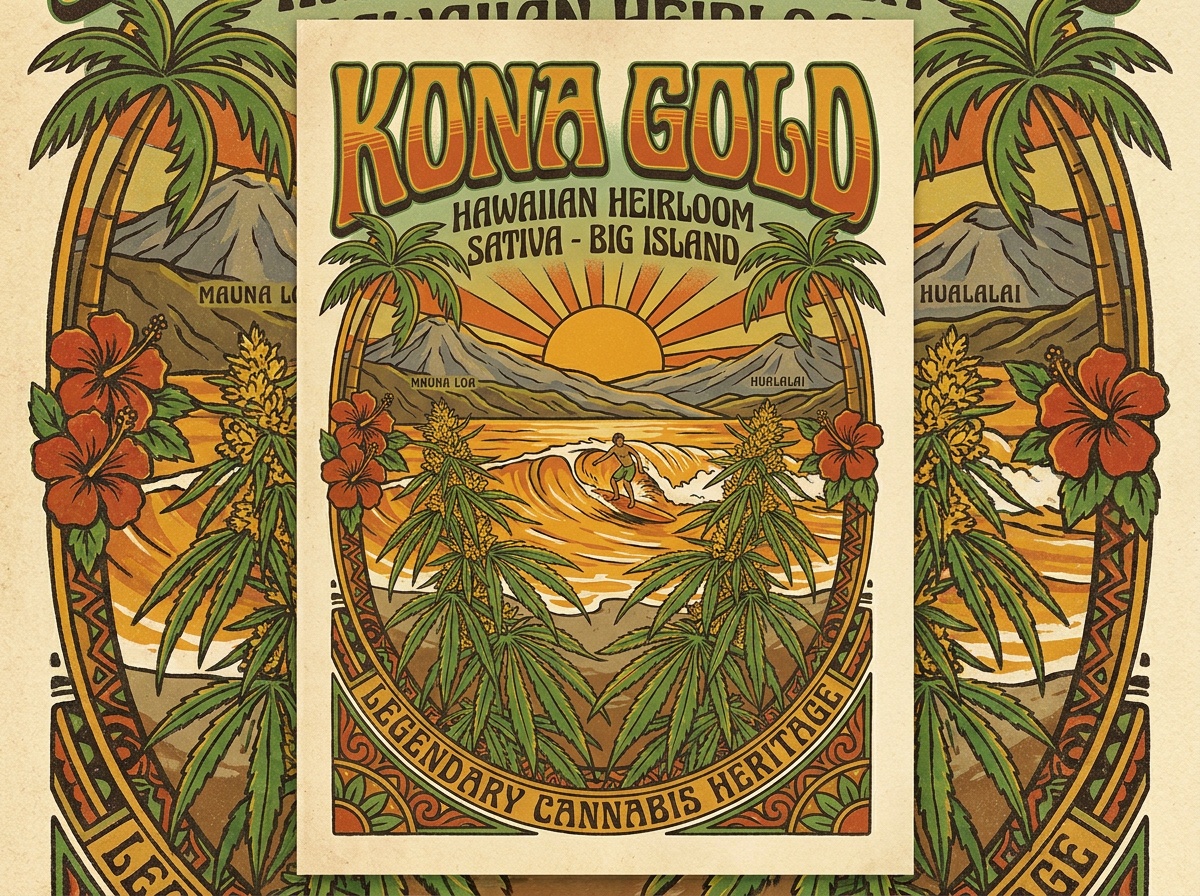
Kona Gold delivers a recreational ride that feels like an electric celebration of the senses. From the first inhale, users describe a bright, euphoric surge that paints everyday moments with a sparkle‑lit sheen. Colors appear more saturated, the texture of a breeze feels like a soft caress, and even ordinary sounds acquire a lyrical quality. This heightened sensory awareness is often paired with an uncontrollable smile and a contagious desire to share laughter, turning ordinary conversation into a chorus of light‑hearted banter. Music morphs into a living landscape; every beat seems to pulse through the body, prompting spontaneous head‑bobbing, foot‑tapping, or full‑on dancing, while a deep appreciation for nature’s rhythms—waves crashing, leaves rustling—emerges almost instinctively.
The onset of Kona Gold is swift and clearly demarcated. **Initial Onset (0-10 minutes)** begins with a tingling wave that washes over the area behind the eyes, spreading to a crown‑like buzz on the scalp. This sensation is frequently described as a gentle electrical charge that coaxes an instant smile, as if the mind has just switched on a hidden joy switch. Simultaneously, the world sharpens: aromas become richer, textures more vivid, and the smallest visual details—like the intricate veins in a leaf or the glimmer of sunlight on water—gain a newfound prominence.
**Peak Plateau (15-90 minutes)** ushers in the full‑blown, panoramic euphoria that defines Kona Gold’s signature high. Creativity blossoms, with ideas flowing like a rapid stream; musicians find chord progressions materializing effortlessly, while visual artists see color palettes expand beyond their usual boundaries. Physical energy remains buoyant rather than heavy; users often feel light on their feet, ready to surf a wave, trek a tropical trail, or simply move through a crowd with a spring in their step. Conversations become effortlessly joyous, free of the lethargic fog that can accompany other strains, making group dialogue feel like an engaging, collaborative story‑telling session.
As the experience begins to wind down, **Offset & Taper (90-180 minutes)** presents a smooth, gentle descent rather than a sudden crash. The euphoric glow softens into a calm satisfaction, leaving the mind feeling refreshed, as if a mental spa session has concluded. Physically, the body feels invigorated rather than exhausted; muscles retain a pleasant warmth, and the lingering after‑taste is sweet rather than acrid. This gradual taper allows users to transition seamlessly from the high into everyday activities without the drag of fatigue.
Given this profile, Kona Gold shines brightest when paired with active, outdoor pursuits that feed its luminous energy. Early‑morning surfing sessions become a dance with the ocean, where the strain’s clarity helps riders read the swell and ride with a grin that mirrors the sunrise. Tropical hikes through lush foliage amplify the strain’s visual enhancements, turning a simple trail into a vivid, living canvas. Even a dip in crystal‑clear waters feels like a refreshing plunge into a kaleidoscopic dream.
Creative gatherings also benefit from Kona Gold’s balanced high. Musicians jamming on a beachside bonfire find chord progressions and lyrical ideas surfacing effortlessly, while painters set up easels under dappled sunlight to capture colors that seem to pulse with life. The strain’s social chattiness makes it a perfect catalyst for daytime festivals and beach barbecues, where laughter ripples through crowds and strangers become friends over shared stories and spontaneous sing‑alongs.
In summary, Kona Gold offers a uniquely uplifting, sensory‑rich experience that combines electric euphoria with sustained creative energy and a gentle, refreshing descent. Its timeline—from the tingling spark of onset through the soaring plateau and into a calm, invigorated finish—makes it especially suited for active, social, and artistic environments. Whether you’re catching the first wave of the day, painting a sunrise, or simply sharing giggles around a picnic table, Kona Gold turns ordinary moments into celebratory highlights that linger long after the high has faded.
8. Summary & Dispensary Talking Points
| Horticultural Parameter | Vegetative Phase | Early to Mid Flowering | Late Bloom / Ripening |
|---|---|---|---|
| Photoperiod Schedule | 18/6 (or tropical 12/12 from clone) | 12/12 photoperiod standard | 11/13 photoperiod (accelerates tropical finishing) |
| Daytime Canopy Temperature | 26°C – 30°C (79°F – 86°F) | 25°C – 28°C (77°F – 82°F) | 22°C – 25°C (72°F – 77°F) |
| Nighttime Temperature | 21°C – 23°C (70°F – 73°F) | 20°C – 22°C (68°F – 72°F) | 18°C – 20°C (64°F – 68°F) |
| Relative Humidity (RH) | 65% – 75% | 50% – 60% | 40% – 48% (preserves resin integrity) |
| Vapor Pressure Deficit (VPD) | 0.8 – 1.1 kPa | 1.2 – 1.4 kPa | 1.4 – 1.6 kPa |
| Nutrient Electrical Conductivity (EC) | 1.0 – 1.3 mS/cm | 1.4 – 1.8 mS/cm | 0.8 – 1.0 mS/cm (hypotonic clean leach) |
| Substrate pH (Volcanic / Loam) | 6.2 – 6.6 | 6.3 – 6.7 | 6.2 – 6.5 |
Kona Gold stands as a botanical masterpiece forged by the volcanic breath of Hawai‘i’s Big Island. Over three generations of open‑air selection, its sativa lineage has been sculpted by the island’s iron‑rich basalt, briny trade winds, and relentless sunshine. The result is a plant whose morphology—tall, lanky colas and a radiant golden hue—mirrors the historic sugar‑cane fields and gold‑leafed ferns that once dominated the Kona district. Its terpene profile, dominated by limonene, terpinolene, and a whisper of myrcene, bears the unmistakable imprint of a tropical terroir that can neither be replicated in temperate greenhouses nor diluted by commercial breeding programs.
Genetically, Kona Gold is a living heirloom, retaining a pure, undiluted sativa genome that predates the modern surge of poly‑hybrid crosses. The strain’s allelic diversity reflects decades of natural selection, where only the most resilient, high‑yielding phenotypes survived volcanic ash soils, high humidity, and occasional drought. This genetic fidelity delivers a consistent cannabinoid ratio—approximately 18‑22 % Δ⁹‑THC with a modest 0.5‑1 % CBD—ensuring the uplifting, cerebral high that early cultivators prized for daytime productivity.
The sensory experience of Kona Gold is equally distinctive. Upon opening the jar, a bright citrus cascade mingles with sweet pineapple and a faint hint of fresh-cut grass, while the smoke itself carries a smooth, honey‑laden finish. This tropical flavor palette is a direct expression of the island’s native flora, aligning the palate with the visual splendor of sun‑kissed volcanic slopes. The high is characterized by a quick, clear head rush that fuels focus, creativity, and an elevated sociability without the heavy body sedation typical of many modern hybrids.
For budtenders, Kona Gold offers a concise narrative: “If you’re looking for a premier daytime sativa that delivers a bright, tropical flavor and a spark of creative energy, Kona Gold is the go‑to choice. Its citrus‑pineapple aroma wakes the senses, while the balanced THC level provides an uplifting buzz perfect for brainstorming, art projects, or social gatherings where you want to stay active and engaged.” Emphasize its suitability for brunches, outdoor activities, or any scenario where a high‑energy social lift is desired.
When guiding consumers, highlight the strain’s “high‑energy social elevation”—a term that resonates with customers seeking a boost without anxiety. Explain that the moderate THC content produces euphoria that enhances conversation and laughter, while the low CBD ensures mental clarity. Suggest pairing Kona Gold with light, citrus‑based edibles or a refreshing hibiscus tea to complement its natural flavor profile and sustain the inspired mindset throughout the day.
Preserving Kona Gold is more than a horticultural task; it is a cultural imperative. In an era where homogenized poly‑hybrids dominate dispensary shelves, maintaining the purity of this heirloom safeguards a piece of Hawaiian heritage and genetic diversity essential for future breeding resilience. Encourage growers and collectors to source cuttings from reputable seed banks that honor the strain’s lineage, and advocate for community seed‑swap programs that keep the original genetics alive in living collections across the islands and beyond.
In sum, Kona Gold is not merely a strain but a living monument to Hawai‘i’s volcanic legacy, botanical ingenuity, and cultural spirit. Its irreplaceable terpene signature, lucid daytime high, and status as authentic Hawaiian cannabis royalty make it a cornerstone for both connoisseurs and newcomers alike. By championing its preservation, we ensure that future generations can experience the same golden sunrise of creativity and joy that has defined Kona Gold for decades.
Ajarn Spencer Littlewood & Agent Gemini Unleashed for Ganjahouse.net
All rights reserved.