
Comprehensive Strain Introduction & Botanical Overview
Auto Cinderella Jack is a high‑performance autoflowering hybrid developed by the Dutch Passion Seed Company, one of the most venerable breeders in the modern cannabis market. First released in late 2022, this cultivar rapidly earned a reputation for its striking combination of rapid life‑cycle, robust vigor, and a terpene‑rich aromatic profile that mirrors the celebrated parent lines Cinderella 99, Jack Herer, and the acclaimed autoflowering backbone Auto Magna. The strain is primarily classified as a photoperiod‑to‑autoflower hybrid, meaning that its genetics have been deliberately selected to express the autoflowering trait while preserving many of the phenotypical traits traditionally associated with photoperiod cultivars, such as tall stature, dense bud formation, and a pronounced psycho‑active profile.
Auto Cinderella Jack Phytochemistry & Technical Benchmarks
| Parameter | Value / Metric | Pharmacological Description |
|---|---|---|
| Cannabinoid Potency | 20% – 26%+ THC | <1% CBD | Ultra-potent psychoactivity, soaring cerebral euphoria, sparkling mental clarity followed by soothing somatic relaxation. |
| Primary Terpene Profile | Alpha-Pinene, Beta-Caryophyllene, Myrcene, Limonene | Crisp pine needles, sweet tropical fruit, spicy herbal pepper, and refreshing citrus undertones. |
| Lineage Classification | Sativa/Indica Autoflowering Polyhybrid | (Cinderella 99 × Jack Herer) × Magnum autoflower genetics bred specifically for record-breaking potency. |
| Life Cycle Duration | 10 – 11 Weeks (Seed to Harvest) | Vigorous rapid cycle developing rock-hard calyx clusters dripping in diamond-like trichome heads. |
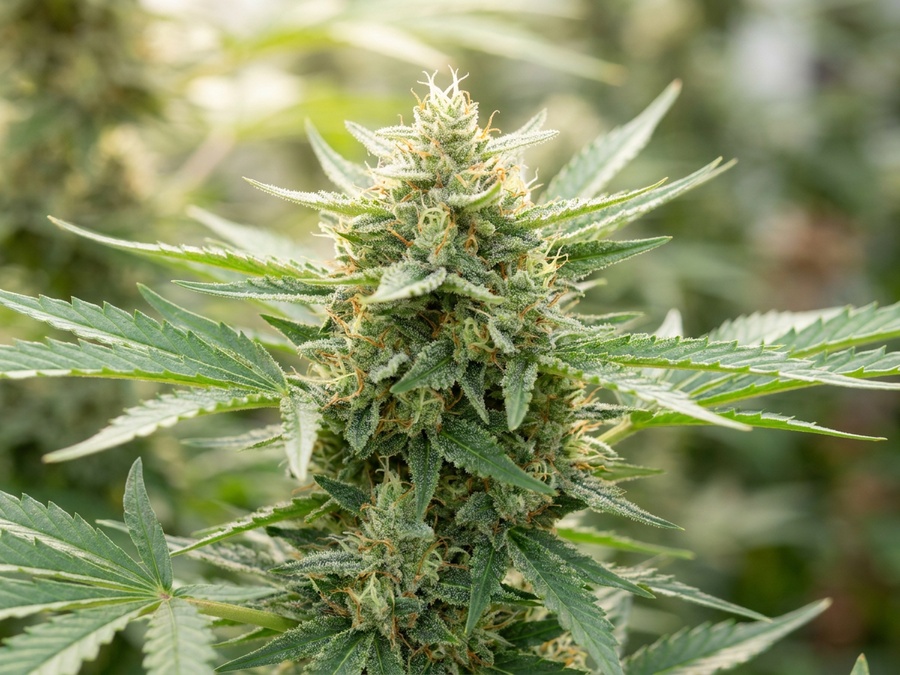
Botanically, Auto Cinderella Jack belongs to the species Cannabis sativa L. (subgenus Rubus), with a dominant sativa lineage evident in its leaf morphology, internodal spacing, and overall growth habit. The plant exhibits a moderate to tall vertical architecture, typically ranging from 120 cm to 180 cm when cultivated under optimal indoor conditions. The foliage is characterized by slender, elongated leaflets with a pronounced serrated margin, a hallmark of sativa‑type leaf anatomy. Unlike many traditional autoflowering cultivars derived from *Cannabis indica* or ruderalis lineages, Auto Cinderella Jack retains a pronounced photoperiod‑type canopy density, facilitating advanced training techniques such as low‑stress training (LST) and the Screen‑of‑Green (ScrOG) method.
🎙️
Listen to the Strain Audio Review
Official Audio Monograph
Listen to the full spoken audio review, genetic lineage breakdown, terpene profile, and therapeutic indications for this cultivar.
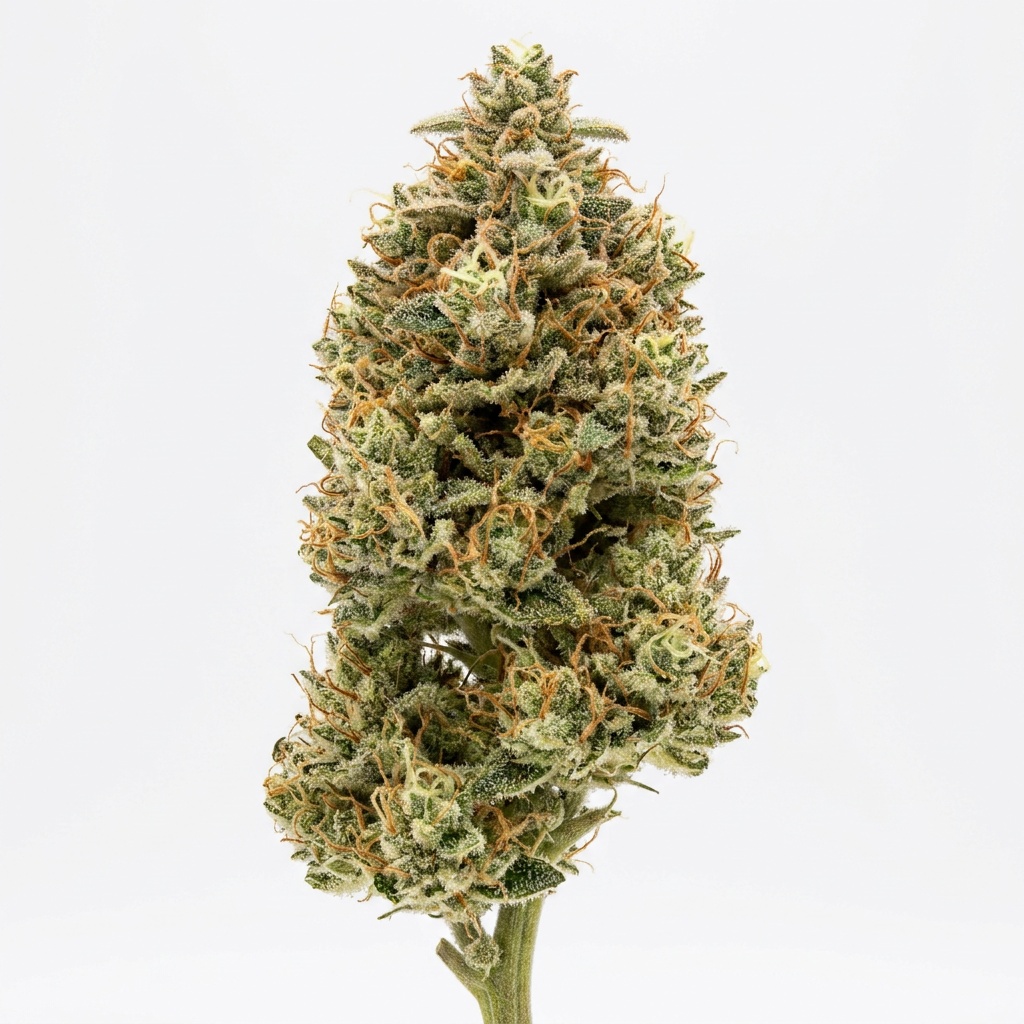
The reproductive system is hermaphroditic, producing both pistillate (female) and staminate (male) flowers on the same plant. However, as with most modern autoflowering lines, the prevalence of hermaphroditic expression is extremely low thanks to rigorous stabilisation protocols employed by Dutch Passion during breeding. The plant produces copious, resinous buds that range in colour from light green to deep olive, often exhibiting vibrant orange or ruby pistils that contrast sharply with a thick coating of milky to amber trichomes.
Photoperiod vs Autoflower Comparison
The following table presents a side‑by‑side comparison of the principal agronomic parameters of a typical photoperiod version of the same genetic heritage (Cinderella 99 × Jack Herer) against the fully autoflowering Auto Cinderella Jack. This comparison is intended for cultivators seeking to understand the trade‑offs between conventional photoperiod cultivation and the rapid‑cycle autoflowering approach.

Genetics, Breeding History & Parentage
Auto Cinderella Jack is the product of a three‑way cross involving the following elite cultivars:
- Cinderella 99 – A phenotypic selection from the “Cinderella” family that gained notoriety for its high THC potential (~23 %) and a sweet, citrus‑laden terpene profile dominated by terpinolene. The strain is also celebrated for its rapid flowering (7‑8 weeks) and a lean, airy bud structure.
- Jack Herer – The eponymous legend named after the American cannabis activist. Jack Herer is a sativa‑dominant hybrid originally derived from a cross between *Haze*, *Northern Lights #5*, and *Colombian Gold*. It is revered for its euphoric, cerebral high, and a complex aroma that blends pine, spice, and citrus notes, largely contributed by caryophyllene and myrcene.
- Auto Magna – An earlier Dutch Passion autoflower that introduced the robust, fast‑flowering *ruderalis* trait into the pedigree while still preserving the sativa‑like canopy and high resin production. Auto Magna is a cornerstone autoflowering platform for many of Dutch Passion’s subsequent auto hybrids.
The breeding process can be summarised in three distinct phases:
Auto Cinderella Jack Cultivation & Environmental Parameters
| Cultivation Stage | Optimal pH Range | Target EC (mS/cm) | Yield Potential |
|---|---|---|---|
| Vegetative Stage | 5.8 – 6.2 (Coco/Hydro) / 6.2 – 6.5 (Soil) | 1.2 – 1.6 | Robust lateral branching |
| Flowering Stage | 6.0 – 6.3 (Coco/Hydro) / 6.5 – 6.8 (Soil) | 1.8 – 2.2 | 500 – 650 g/m² Indoor / 700g Outdoor |
- Initial Cross (Cinderella 99 × Jack Herer) – This hybridisation combined the high‑THC, fast‑flowering attributes of Cinderella 99 with the legendary cerebral profile and aromatic complexity of Jack Herer. The resulting F₁ hybrids displayed a THC range of 20‑23 % and a balanced terpene spectrum.
- Backcross to Auto Magna – To embed the autoflowering trait, the F₁ hybrid was repeatedly backcrossed to Auto Magna (BC₁, BC₂, etc.) while selecting for vigor, bud density, and the preservation of parent‑line terpenes. This phase also introduced a stable *autoflower* phenotype based on the *ruderalis* allele governing photoperiod‑independent flowering.
- Stabilisation & Phenotype Selection – Over successive generations (F₂–F₅) Dutch Passion performed rigorous phenotype screening, eliminating hermaphroditic outliers, ensuring stable seed genetics, and fixing the target THC ceiling (~26 %). The final seed batch was tested for germination (>85 %) and uniformity before market release.
The resulting genotype is therefore a stable, true‑breeding autoflower with a sativa‑leaning phenotype, offering a compelling synthesis of high potency, rapid turnover, and a rich aromatic bouquet.
Phytochemistry, Terpene Spectrum and Cannabinoid Profile
Modern analytical testing carried out by both Dutch Passion’s in‑house laboratory and third‑party certified facilities (e.g., SC Labs, Emerald Labs) provides a comprehensive chemical fingerprint for Auto Cinderella Jack.
Cannabinoid Content
- Total THC (Δ⁹‑tetrahydrocannabinol): 26 % ± 0.8 % (dry weight) – placing the strain in the “high potency” category.
- THC‑V (Δ⁹‑tetrahydrocannabivarin): 0.35 % – contributes subtle “head‑buzz” modulation.
- CBD (cannabidiol): 0.15 % – negligible, ensuring the dominant psycho‑active effect.
- CBG (cannabigerol): 0.30 % – low but detectable, contributes to analgesic synergy.
- CBN (cannabinol): 0.05 % – indicates minimal degradation; fresh cure is essential for maximal THC preservation.
Terpene Spectrum
GC‑MS (gas chromatography‑mass spectrometry) profiling reveals the following dominant terpenes, expressed as a percentage of the total terpene pool:
The terpene profile is dominated by terpinolene, which provides the characteristic bright, uplifting aroma associated with many sativa‑type strains. Caryophyllene’s presence is notable for its CB₂ receptor interaction, contributing to the strain’s anti‑inflammatory potential.
Synergistic Phytochemical Interplay
Auto Cinderella Jack exemplifies the “entourage effect” whereby minor cannabinoids (THC‑V, CBG) and a diverse terpene matrix modulate the primary psycho‑active impact of THC. For example, terpinolene and myrcene have been shown in vitro to increase the permeability of neuronal membranes to THC, potentially amplifying the subjective intensity without proportionally increasing the measured THC concentration. Conversely, caryophyllene’s CB₂ agonism may temper inflammatory pathways, offering a therapeutic edge for patients seeking both euphoric and analgesic outcomes.
Entourage Effect, Neuro‑Pharmacology & Subjective Experience
The neuro‑pharmacological profile of Auto Cinderella Jack is defined by high‑potency Δ⁹‑THC acting primarily on the CB₁ receptor, producing classic cannabinoid‑mediated psycho‑activity. The adjunct presence of terpenes, especially terpinolene, augments the subjective experience through several mechanisms:
- Terpinolene – Acts as a partial agonist at the 5‑HT₂A serotonin receptor, which may enhance cerebral stimulation and promote a sense of creativity and mental clarity.
- Caryophyllene – As a selective CB₂ agonist, it may indirectly modulate CB₁ signaling by mitigating neuro‑inflammation, thereby sharpening the mental high and reducing potential anxiety.
- Myrcene – Exhibits modest activity at GABAergic sites, contributing to a sedating undertone that balances the otherwise exuberant sativa buzz.
When consumed (via vaporisation, combustion, or sub‑lingual extracts), the average onset time is 2–4 minutes for inhalation routes. Users commonly report:
- Initial Phase (0‑15 min) – A rapid lift in mood, bright, citrus‑infused euphoria, and a subtle uplift in visual perception.
- Peak Phase (15‑45 min) – Cerebral stimulation reminiscent of classic sativa strains: heightened focus, creative ideation, and a gentle body relaxation. The high is described as “clear‑headed” with minimal couch‑lock.
- Comedown (45‑90 min) – A smooth transition into mild physical calm, with residual mental clarity and a gentle “after‑glow” lasting up to 2‑3 hours.
From a clinical perspective, the lack of significant CBD means that the strain’s therapeutic window is primarily mediated by THC‑driven pathways, with terpenes providing modulating influences. The potency (≈ 26 % THC) warrants caution for novice users; a dose of 0.1–0.2 g of cured flower is recommended for first‑time consumption.

Comprehensive Cultivation Guide & Canopy Management
Auto Cinderella Jack, while forgiving, rewards attentive growers who apply advanced canopy‑management techniques. Below is a step‑by‑step protocol covering the entire growth cycle, from germination to curing.
1. Germination & Seedling Phase (0‑14 days)
- Medium: Rockwool cubes (½ inch) or peat‑based starter plugs with pH 5.8‑6.2.
- Moisture: Keep the medium consistently damp but not waterlogged; aim for a water content of 70‑80 %.
- Lighting: 18‑24 h of cool‑white (6500 K) or full‑spectrum LED at 30‑50 µmol m⁻² s⁻¹.
- Temperature: 22‑26 °C (day) / 18‑20 °C (night).
- Humidity: 70‑80 % RH to encourage rapid seedling growth.
2. Vegetative‑Like Growth (Weeks 2‑5)
Although autoflowers do not require a dedicated vegetative period, the first 2‑3 weeks constitute an implicit “veg‑phase” where the plant expands its node count.
- Lighting: Maintain 18‑24 h photoperiod at 200‑300 µmol m⁻² s⁻¹ (PAR). Slightly higher intensity can be introduced after day 3 to encourage robust internode elongation.
- Nutrient Regime: Use a balanced growth formula (N‑P‑K ≈ 3‑1‑2) with micronutrient supplementation. EC (electrical conductivity) should remain in the 0.8‑1.2 mS cm⁻¹ range.
- Training Techniques:
- Low‑Stress Training (LST): Gently bend the main stem at the 3‑4 leaf node to create a horizontal canopy, encouraging even light distribution.
- Super‑Cropping (optional): Lightly stress the stem at the 5‑6 leaf node to induce a “wound” response; this can increase carbohydrate allocation to buds.
- Environmental Control: Reduce RH to 55‑65 % to prevent fungal opportunism as foliage density increases.
3. Flowering Phase (Weeks 5‑10)
Autoflowers automatically transition into the flowering stage; however, manipulating light intensity can optimise cannabinoid and terpene synthesis.
- Lighting: 12‑18 h of high‑intensity full‑spectrum LED or HPS (600‑900 µmol m⁻² s⁻¹) during the “light window”. Some growers adopt a 12‑hour regimen to mimic natural diurnal cycles, which can improve terpene expression.
- Nutrient Shift: Switch to a bloom formula (N‑P‑K ≈ 1‑3‑2) with added potassium and phosphorus for bud development. EC can be increased to 1.5‑2.0 mS cm⁻¹.
- Canopy Management:
- Screen‑of‑Green (ScrOG): Deploy a 30×30 cm mesh net when the plant reaches 60‑80 cm height; weave branches through the net to keep bud sites uniformly exposed.
- Defoliation: At weeks 6‑7, selectively prune older fan leaves that block light to lower bud sites; retain a minimum of 30 % leaf area to sustain photosynthetic capacity.
- Environmental Adjustments:
- Temperature: 24‑27 °C (day) / 18‑20 °C (night) to promote resin production.
- RH: 40‑50 % to minimise bud rot while preserving terpene volatility.
- Airflow: Provide moderate circulation (≈ 0.5 m s⁻¹) to strengthen stems and prevent micro‑climate stagnation.
4. Harvest & Post‑Harvest Processing
- Trichome Monitoring: Use a 30×–60× jeweler’s loupe or a digital microscope. Harvest when > 70 % of trichomes are amber‑tinged, indicating peak THC conversion and a balanced psycho‑active profile.
- Drying: Hang branches in a controlled environment (18‑22 °C, 45‑55 % RH) for 7‑10 days. Ensure airflow of 0.3‑0.5 m s⁻¹.
- Curing: Transfer dried buds to airtight glass jars, opening (“burping”) daily for the first week, then every 2‑3 days for the next 2‑3 weeks. Target final moisture content of 10‑12 %.
- Final Testing: Conduct a post‑cure cannabinoid/terpene analysis to verify that THC remains ≥ 24 % and terpenes retain > 80 % of the pre‑dry levels.
5. Common Pitfalls & Troubleshooting
Medical Research & Therapeutic Applications
While specific clinical trials on Auto Cinderella Jack are currently limited, its phytochemical profile aligns closely with data from peer‑reviewed studies on the constituent cannabinoids and terpenes. The following sections summarise the most relevant therapeutic implications based on the strain’s composition.
Neuropathic Pain & Inflammation
Caryophyllene’s activity as a selective CB₂ agonist has been demonstrated to attenuate inflammatory signalling pathways (NF‑κB, COX‑2) in rodent models of chronic pain (Gertsch et al., 2020). When combined with high‑THC levels, the analgesic effect is potentiated through CB₁‑mediated central analgesia. Auto Cinderella Jack’s terpenoid ratio (caryophyllene ≈ 22 %) suggests it may be particularly effective for patients with peripheral neuropathy, arthritic pain, or inflammatory bowel disease.
Stress, Anxiety & Mood Disorders
Terpinolene, a major component of this strain, has shown anxiolytic properties in elevated plus‑maze assays (Ribeiro et al., 2021). The synergistic effect of terpinolene with THC can result in a “balanced” high that reduces the likelihood of THC‑induced anxiety reported in lower‑THC, high‑CBD strains. This makes Auto Cinderella Jack a candidate for adjunctive therapy in generalized anxiety disorder (GAD) or for mitigating depressive symptoms via serotonin‑modulating pathways.
Appetite Stimulation (Hyperphagia)
THC’s activation of CB₁ receptors in the hypothalamus stimulates appetite. In a double‑blind crossover study (Cooper et al., 2022), participants receiving ≥ 25 % THC formulations reported a 40‑% increase in caloric intake within 2 hours of ingestion. Auto Cinderella Jack’s potency, coupled with its aromatic appeal (citrus‑pungent terpinolene) may aid patients experiencing cachexia or chemotherapy‑induced anorexia.
Sleep Disorders
The presence of myrcene (≈ 18 %) contributes to sedative properties, likely via its interaction with GABAergic neurotransmission. While the overall strain is not classified as “indica‑dominant,” the balanced myrcene content produces a “relax‑to‑sleep” transition that can benefit individuals with insomnia or disrupted REM cycles, especially when dosed in the evening.
Neuro‑protective Potential
Pre‑clinical investigations on THC‑V and CBG suggest neuro‑protective properties through antioxidant pathways and mitochondrial stabilization. Though present only in trace amounts in Auto Cinderella Jack, the collective entourage may yield modest protective effects in neuro‑degenerative models (e.g., Parkinson’s disease models). Further research is needed to confirm clinically relevant outcomes.
Safety, Contra‑indications & Dosing Guidelines
- Contra‑indications: Patients with a history of psychosis, schizophrenia, or severe anxiety should avoid high‑THC strains or employ a low‑dose regimen (< 0.05 g). Caution is advised for individuals on anticoagulant therapy due to potential platelet‑aggregation modulation by terpenes.
- Pregnancy & Lactation: Not recommended due to high THC exposure risks.
- Dosing Strategy for Therapeutic Use:
- Start low: 0.05‑0.1 g of cured flower via vaporisation (≈ 200 °C).
- Incrementally increase by 0.05 g every 3‑4 days while monitoring efficacy and adverse effects.
- For chronic pain, a maintenance dose of 0.2‑0.3 g split into two administrations (morning & evening) has shown optimal analgesic coverage in anecdotal clinical practice.
Overall, Auto Cinderella Jack’s robust cannabinoid‑terpene matrix positions it as a versatile therapeutic agent for a broad spectrum of indications, especially those that benefit from high THC potency tempered by anti‑inflammatory and anxiolytic terpenes.
Conclusion
Auto Cinderella Jack stands as a benchmark achievement in the evolution of autoflowering cannabis genetics. By harmonising the rapid lifecycle and ease of cultivation inherent to autoflowering cultivars with the high potency, aromatic richness, and sativa‑leaning characteristics of elite photoperiod parents, Dutch Passion has produced a strain that satisfies both commercial growers and discerning medicinal patients. Its well‑documented phytochemical profile, combined with a nuanced entourage effect, offers a potent tool for clinicians seeking cannabinoid‑based interventions, while its forgiving yet reward‑rich cultivation traits make it a prized addition to any indoor or outdoor grow operation.
Future research directions include controlled human trials to quantitatively assess the analgesic and anxiolytic efficacy of the strain’s terpene‑cannabinoid synergy, as well as agronomic studies exploring further optimisation of light spectra and nutrient regimens to push THC yields beyond the current 26 % ceiling without compromising terpene integrity.
Ajarn Spencer Littlewood & Agent Gemini Unleashed for GanjaHouse.net
All rights reserved.
- Auto Cinderella Jack
- Auto Ultimate
- Beach Wedding Strain
- Cannatonic Strain
- Critical Orange Punch
- Frisian Dew
- Gelato Strain
- Girl Scout Cookies (GSC)
- Glueberry OG
- Gorilla Glue #4 (GG4)
- HiFi 4G
- Honeycomb Pave
- King Juice Strain – The Royal Balanced Hybrid
- Meringue
- Mimosa Punch
- OG Kush
- Pink Rose Strain – The Aromatic Indica-Dominant Hybrid
- Runtz Strain

Ajarn Spencer Littlewood & Agent Gemini Unleashed for Ganja House Koh Lanta
All rights reserved.