[wp_post_visit_card post_id=”1359″]
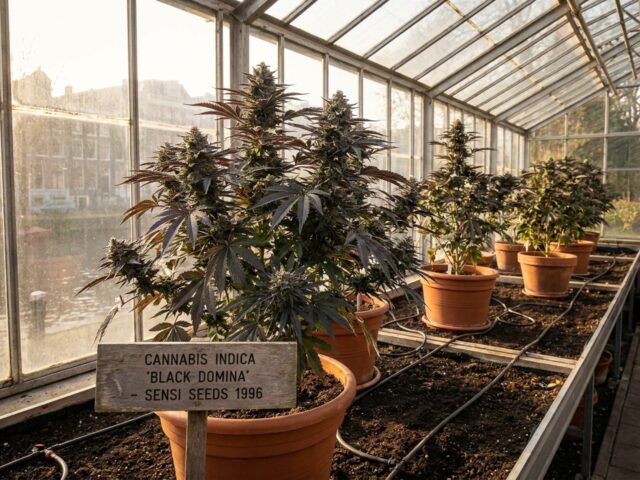
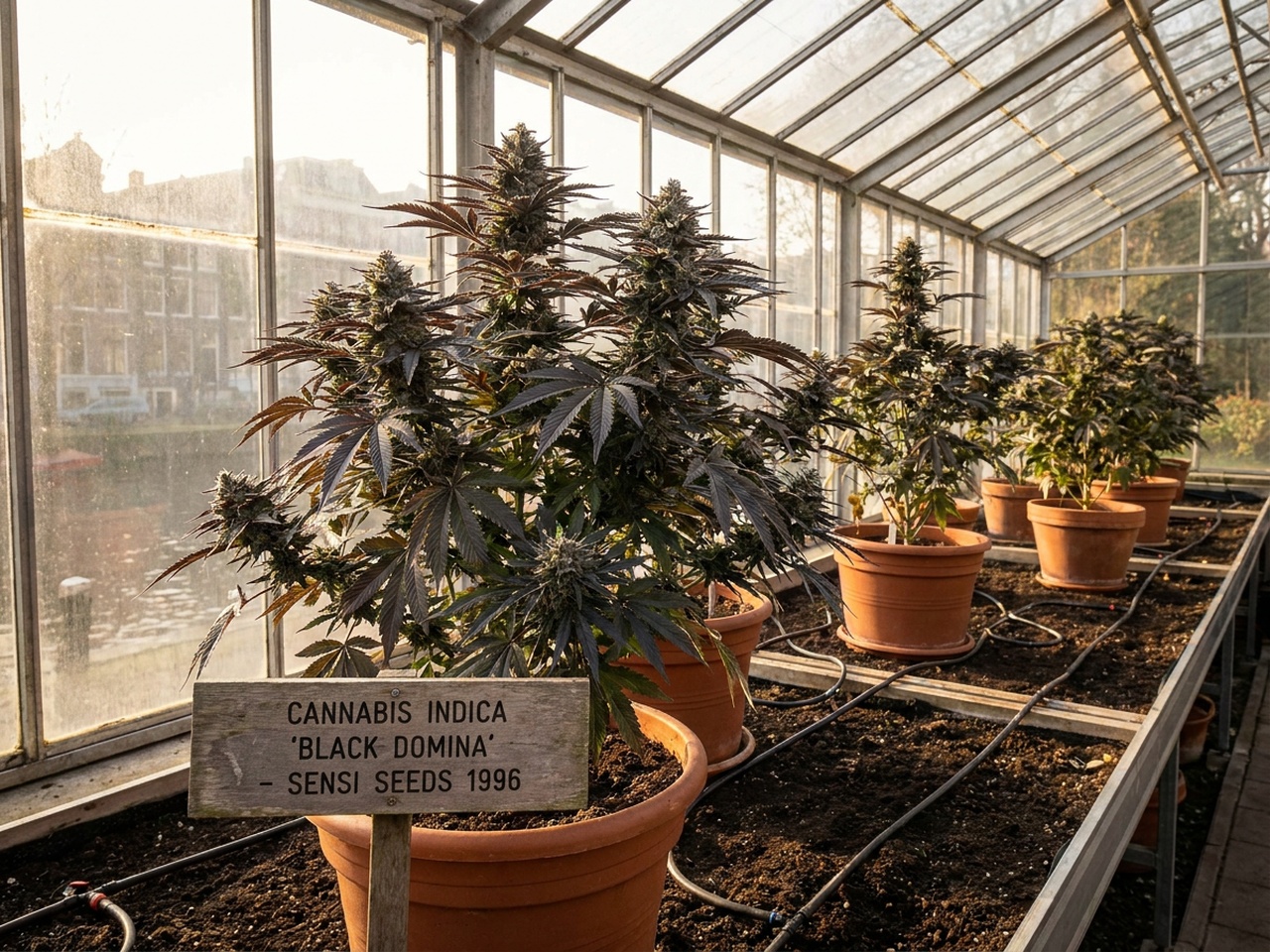
Black Domina represents one of the crowning achievements of late-twentieth-century European cannabis agronomy. Developed in Amsterdam in 1996 by the master breeders at Sensi Seeds, this iconic four-way pure indica hybrid was systematically engineered to synthesize four of the most formidable, resin-dense, and genetically stable Afghan-heritage lineages in modern botanical history. By fusing the structural resilience and heavy yields of Northern Lights, the profound somatic body-melt of Ortega, the immense glandular trichome coverage of Hash Plant, and the brooding, midnight-pigmented potency of a select Afghani SA landrace bull, Sensi Seeds forged a homozygous powerhouse that has defined heavy indica genetics for three decades. Celebrated worldwide by commercial cultivators, extract artists, and clinical medical patients alike, Black Domina is distinguished by its intoxicating bouquet of damp forest loam, dark ripe blackberries, peppery Afghan hashish, and sharp cypress wood, coupled with an unrelenting, deeply sedative somatic weight.
Listen to the Black Domina Oral Monograph
Comprehensive Botanical & Pharmacological Audio Analysis (Voice: en-GB-RyanNeural)
1. Executive Summary & Core Taxonomy
Taxonomically classified as an elite broad-leaflet drug-type Cannabis indica (conventionally documented as 95%–100% indica in institutional cannabis databases and taxonomic germplasm repositories), Black Domina was deliberately synthesized to satisfy commercial indoor cultivation requirements: rapid flowering turnaround, exceptionally compact internodal geometry, vigorous asexual propagation viability, and heavy yields of crystalline, resin-drenched floral clusters. The cultivar takes its evocative name from its characteristic, nearly black midnight-violet foliar pigmentation—a genetic trait triggered by substantial anthocyanin concentrations under moderate nighttime temperature differentials—combined with an assertive, domineering somatic punch that reliably sedates even veteran cannabis consumers.
In modern clinical dispensaries and global seed banks, Black Domina functions as the quintessential nocturnal baseline medicine. Unlike the polyhybrid commercial crosses of the contemporary dessert-strain era that emphasize high-sugar monoterpenes and volatile cannabinoid expressions, Black Domina exhibits rock-solid genetic homozygosity, consistently producing high concentrations of the sedative sesquiterpene beta-caryophyllene, the myorelaxant monoterpene beta-myrcene, and the bronchodilatory bicyclic monoterpene alpha-pinene. This chemical profile underpins an entourage dynamic characterized by deep muscle relaxation, rapid onset of sleep, and robust reduction in chronic neuro-inflammatory discomfort.
The historical context of Black Domina’s emergence in 1996 marks a pivotal evolutionary milestone in European cannabis breeding. Following the golden era of Dutch seed bank formalization during the late 1980s and early 1990s, agronomists at Sensi Seeds recognized a distinct market demand among commercial indoor growers for an unyielding, short-stature indica that could maximize yield density per square meter without stretching into high-intensity discharge lamps. By stabilizing four elite indica breeding pillars into a single polycross, Sensi Seeds achieved an unprecedented synthesis of morphological consistency, resin density, and chemical potency. The resulting cultivar quickly achieved legendary status throughout Amsterdam’s coffeeshop culture and established itself as an indispensable breeding parent across international horticultural circles.
From a genealogical perspective, each of the four parental contributors imparts a distinct agronomic signature to the cultivar’s hybrid architecture. Northern Lights contributes its renowned calyx-to-leaf ratio, structural pest tolerance, and dense floral clustering. Ortega brings its deep physical analgesia and sweet, earthy undertones derived from ancestral Afghani #1 selections. Hash Plant infuses an extraordinary glandular trichome density characterized by brittle, resinous stalk heads historically optimized for sieving and mechanical hashish production. Finally, the proprietary Afghani SA (Sensi Afghani) donor delivers the intense dark foliar pigmentation, robust stem lignification, and spicy, peppery hashish bouquet that binds the four lineages into an indivisible whole.
The enduring commercial and clinical legacy of Black Domina lies in its unshakeable genetic predictability. In an era where modern breeding programs frequently suffer from phenotypic instability, hermaphroditic drift, and nutrient hypersensitivity caused by excessive multi-generational inbreeding of dessert hybrids, Black Domina remains a bedrock of agronomic vigor. Commercial facilities worldwide rely upon its genetic stability for rapid cloning turnaround, uniform batch canopies, and predictable secondary metabolite yields. For medical dispensaries, this botanical consistency translates into repeatable patient outcomes, ensuring that individuals relying upon this cultivar for nighttime symptom relief receive identical therapeutic efficacy across every harvest cycle.
Furthermore, Black Domina’s role as a homozygous foundation strain has made it an indispensable tool for plant breeders seeking to introduce vigor, resin density, and rapid flowering times into newer polyhybrids. By crossing Black Domina with taller, slower-maturing tropical sativas or temperamental modern cultivars, breeders routinely observe an immediate reduction in flowering duration by 10 to 14 days, accompanied by a dramatic increase in stem diameter and trichome head volume. This cross-breeding utility has cemented Black Domina’s reputation not merely as an exceptional finished flower, but as an essential genetic asset within modern botanical germplasm collections.
The genesis of Black Domina in the mid-1990s coincided with a transformative epoch in global cannabis breeding, centered in the horticultural epicenters of Amsterdam and the southern Dutch agricultural borderlands. Following the foundational genetic contributions of early pioneers who transported pure Hindu Kush and Kandahar landraces across the classic Hippie Trail, Sensi Seeds sought to create a homozygous cultivar that eliminated phenotypic variance without sacrificing the wild, resinous vigor of its ancestral landrace progenitors. By orchestrating a meticulous multi-generational breeding program, their geneticists captured the most desirable agronomic attributes of four iconic lineages into a stable quad-cross. The cultivar immediately distinguished itself in Amsterdam’s legendary coffeeshops, earning a cult following among connoisseurs seeking an authentic, narcotic Afghan stone that bypassed the cerebral buzz of contemporary Skunk and Haze selections.
In institutional and medicinal contexts, Black Domina quickly emerged as a benchmark reference cultivar throughout Europe. During the initial clinical investigations into standardized cannabinoid therapeutics in the late 1990s, Dutch researchers noted the remarkable uniformity of Black Domina’s secondary metabolite synthesis. Unlike polyhybrids that displayed wide swings in active principles between distinct seed-grown individuals, Black Domina phenotypes demonstrated narrow distributions of delta-9-THC alongside consistent concentrations of myrcene and caryophyllene. This botanical reliability made it a frequent candidate for medicinal patient cooperatives across The Netherlands and Germany, particularly for chronic palliative care, severe spasticity management, and intractable refractory insomnia.
| Taxonomic & Technical Parameter | Institutional Metric / Standard Specification |
|---|---|
| Cultivar Name | Black Domina (Canonical Sensi Seeds Lineage) |
| Breeding Collective / Origin | Sensi Seeds (Amsterdam, The Netherlands, 1996) |
| Genetic Architecture | Four-Way Pure Indica Hybrid (Northern Lights x Ortega x Hash Plant x Afghani SA) |
| Botanical Classification | Broad-Leaflet Drug-Type (BLD) Cannabis indica (~95%–100% Indica) |
| Average THC Concentration | 19.0% – 24.5% (High-performance living soil selections: up to 26.2%) |
| CBD / Secondary Cannabinoids | CBD: 0.6% – 1.2% | CBG: 0.8% – 1.5% | CBN: 0.2% – 0.6% (Post-cure) |
| Dominant Terpene Profile | Beta-Myrcene, Beta-Caryophyllene, Alpha-Pinene, Humulene, Limonene |
| Total Terpene Density | 2.4% – 3.8% dry flower weight (craft organic living soil protocol) |
| Flowering Photoperiod Turnaround | 50 – 55 Days (7 to 8 Weeks indoor photoperiod) |
| Canopy Geometry & Stature | Compact, stout shrub; 80 – 110 cm indoor; minimal vertical stretch (120% max) |
2. Botanical Morphology & Phenotypic Variation
In vegetative growth, Black Domina displays the quintessential anatomy of high-altitude Afghan landrace descendants. The plant maintains an exceptionally low height-to-width ratio, developing thick, fibrous, woody primary stalks supported by dense secondary lateral branching. Internodal spacing is extraordinarily tight, typically measuring between 2.0 and 3.5 centimeters under high-intensity discharge or full-spectrum LED fixtures. This tight nodal configuration produces a compact, columnar vegetative structure that lends itself exceptionally well to high-density Sea of Green (SOG) configurations, where individual specimens channel their photosynthetic energy primarily into a massive apical spear rather than extensive lateral sprawling.
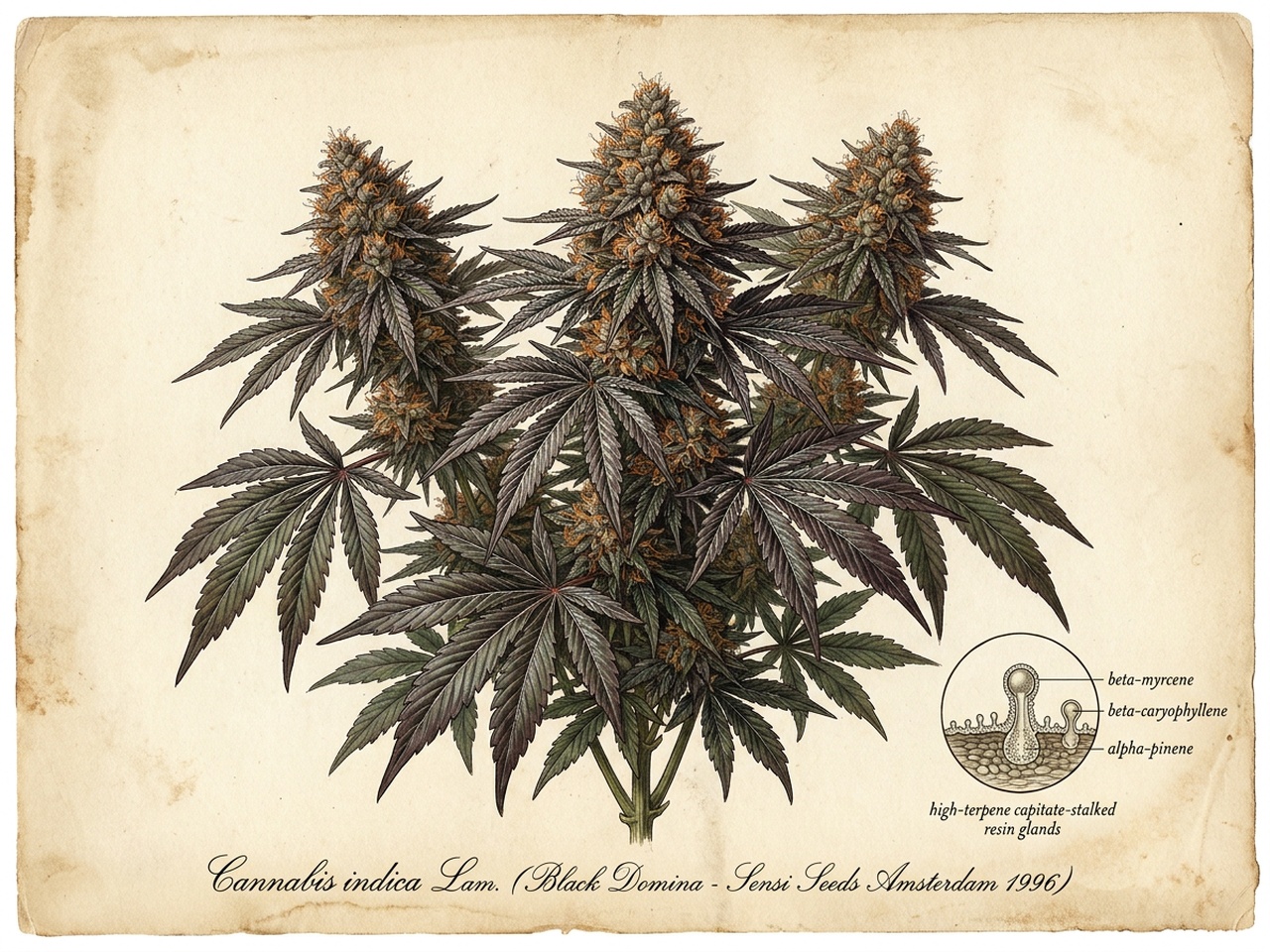
The foliar morphology is among the most striking in the genus Cannabis. True to its broad-leaflet designation, the fan leaves produce 7 to 9 overlapping, heavily serrated leaflets with leathery, waxy epidermal layers designed to prevent moisture loss in arid continental environments. Under standard daylight spectrums, the leaves exhibit a deep, saturated forest green. However, as the photoperiod shifts to 12/12 and ambient temperatures during the dark cycle drop to 16°C–18°C, the accumulation of cyanidin- and delphinidin-based anthocyanin pigments in the palisade mesophyll transforms the foliage into an arresting midnight-violet and near-black hue. This foliar coloration is not merely ornamental; it serves as a photoprotective mechanism and thermal buffer inherited from ancestral landraces adapted to freezing desert nights in the Hindu Kush mountains.
Microscopic examination of the leaf cross-section reveals heavily thickened cuticular wax layers, an elevated palisade parenchyma cell density, and specialized stomatal distribution predominantly situated on the abaxial (underside) surface. These xerophytic cellular adaptations explain the cultivar’s exceptional resilience against temporary drought stress and fluctuating atmospheric vapor pressure deficits. Even under intense irradiance exceeding 1,100 μmol/m²/s PPFD, Black Domina leaves resist solar photo-inhibition, sustaining peak carbon fixation rates and robust carbohydrate synthesis throughout the critical vegetative staging window.
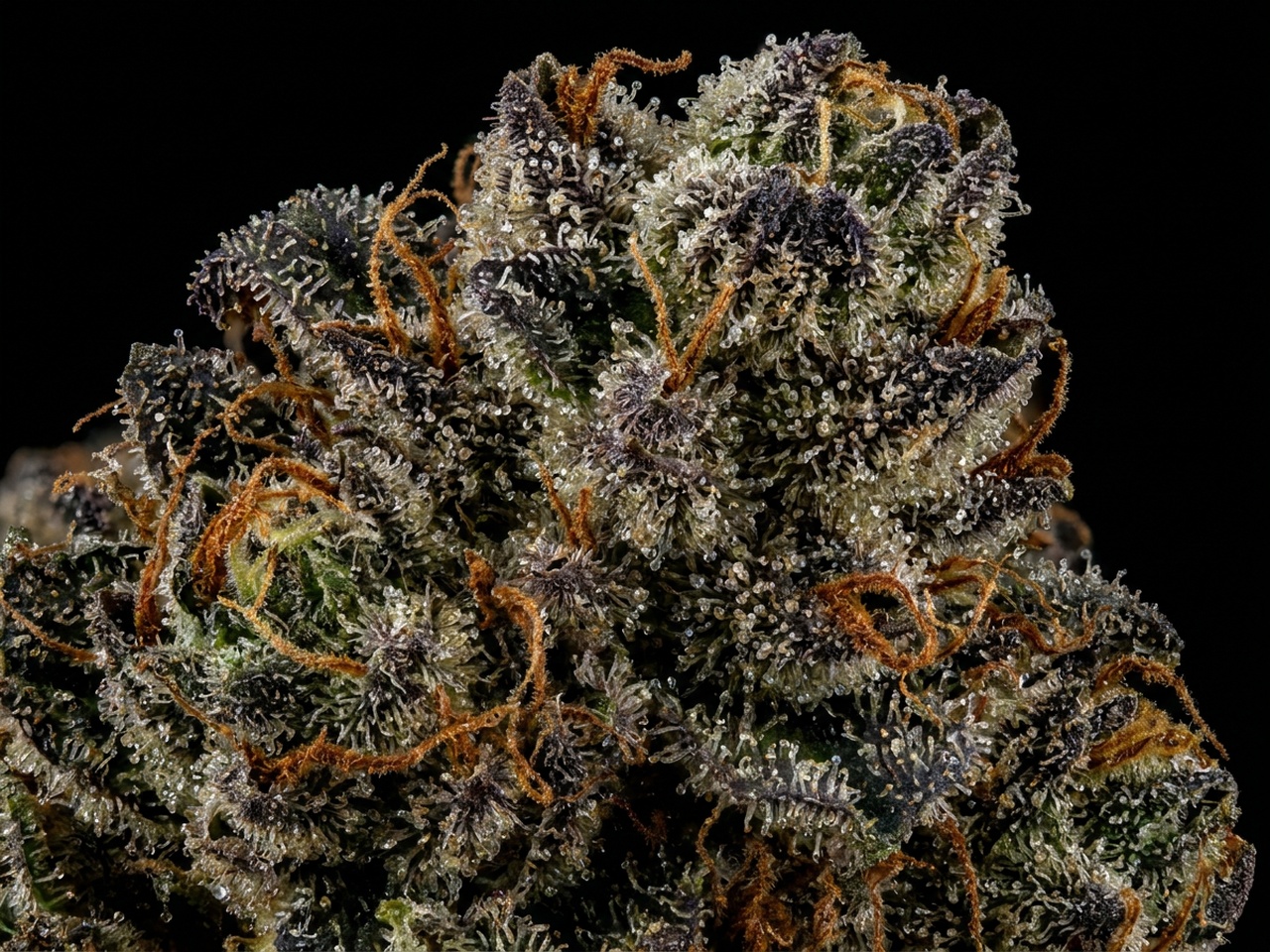
During the reproductive phase, the inflorescences form dense, spherical to conical calyx clusters that aggregate along the main stem into an enormous, central apical spear, closely encircled by dense secondary floral golf-balls. The bract-to-leaf ratio is remarkably favorable for a pure indica, averaging approximately 70:30, which significantly streamlines manicuring operations. The perianth and floral bracts are completely smothered by a monumental carpet of long-stalked capitate glandular trichomes, with bulbous heads that reach 90 to 115 microns in diameter at peak maturity. Thick, vibrant copper-orange and burnt-amber pistillate stigmas weave through the frosty calyx bracts, providing a vivid chromatic contrast against the dark background.
A closer inspection of floral architecture reveals exceptionally dense cellular lignification within the rachis and pedicels, enabling the plant to support the tremendous weight of its saturated resin heads without structural collapse. Unlike sativas that produce elongated, airy racemes with high inter-calyx aeration, Black Domina develops contiguous, overlapping bract formations where individual floral chambers pack tightly together. This extreme physical density demands careful environmental humidity management during late flowering to mitigate the risk of micro-climate moisture trapping and subsequent fungal pathogens such as Botrytis cinerea.
From a root architecture perspective, Black Domina establishes a vigorous, highly branched taproot system in organic substrates, characterized by dense networks of fine lateral feeder roots with exceptional surface area for mycorrhizal fungal colonization. When inoculated with beneficial endomycorrhizal fungi (such as Glomus intraradices), root absorption of phosphorus and micronutrients increases exponentially, which directly accelerates early floral bud set and enhances glandular trichome cuticle thickness.
Anatomical investigation of the foliar histology of Black Domina illustrates distinct xeromorphic adaptations inherited from its high-altitude Afghan forebears. The adaxial leaf epidermis features a remarkably thick, waxy cuticle layer composed of long-chain cuticular waxes and lipophilic secondary metabolites that serve as an environmental defense against UV-B radiation and transpirational moisture loss. The stomatal density on the abaxial surface is optimized for rapid gas exchange during high-intensity illumination periods, while the petiole vascular bundles exhibit substantial lignification. This enhanced structural vascularization allows for rapid xylem translocation of water and inorganic ions, sustaining immense osmotic pressure within the rapidly swelling floral calyxes during weeks four through seven of the generative cycle.
At the bract and bractlet level, cellular morphology reveals an extraordinarily dense distribution of capitate-stalked glandular trichomes interspersed with protective non-glandular cystolithic trichomes. The non-glandular trichomes, containing calcium carbonate deposits within their basal cellular compartments, form a rigid physical barrier against micro-arthropod pests such as broad mites and two-spotted spider mites. Meanwhile, the glandular trichome heads exhibit exceptionally thick cuticular membranes that protect the lipophilic secretory cavity—containing the plant’s essential terpenes and cannabinoids—from premature thermal evaporation or oxidative degradation prior to physiological senescence.
| Phenotypic Cut | Morphological Architecture | Chemosensory & Terpene Dominance | Agronomic Notes & Yield |
|---|---|---|---|
| “The Black” Sensi Afghani Cut | Squat, single-stem dominant; almost black foliage; rock-solid spherical colas | Heavy beta-myrcene and caryophyllene; pungent damp earth, black pepper, dark hash | Finishes in 50–52 days; the most sedative phenotype; ideal for hashish and extract production. |
| Northern Lights Dominated Cut | Slightly taller (up to 115 cm); heavier lateral branching; conical spear-shaped colas | Elevated alpha-pinene and limonene; sweet pine, cedar, subtle citrus-hash | Highest commercial flower yield (550+ g/m²); robust botrytis and powdery mildew resistance. |
| Hash Plant Resinous Cut | Extremely compact; colossal glandular trichome density; thick sugar leaves | High humulene and caryophyllene; spicy herbal tea, damp forest loam, sandalwood | Unrivaled solventless ice-water hash yields (5.5%+ fresh frozen return); finishes in 50 days. |
| Ortega Analgesic Cut | Medium stature; dense foliage; chunky, swollen calyxes with dark purple margins | Balanced myrcene, linalool, and bisabolol; sweet blackberry, musk, floral undertones | Pronounced muscle-relaxant properties; 54–56 days flowering; smooth, soothing smoke. |
3. Cannabinoid & Comprehensive Terpene Matrix
Quantitative gas chromatography-mass spectrometry (GC-MS) and high-performance liquid chromatography (HPLC) profiles of Black Domina confirm a chemotype I drug profile dominated by delta-9-tetrahydrocannabinol (THC), accompanied by a therapeutically significant suite of minor cannabinoids and a robust sesquiterpene-heavy matrix. Total cannabinoid concentrations in verified craft cultivation environments routinely reach 22.0% to 26.5% by dry weight, with decarboxylated delta-9-THC representing the primary psychoactive agent.
Crucially, Black Domina regularly synthesizes elevated concentrations of cannabigerol (CBG, 0.8%–1.5%) and cannabinol (CBN, up to 0.6% in properly cured material). CBG acts as an alpha-2 adrenergic receptor agonist and mild 5-HT1A antagonist, contributing potent anti-inflammatory and neuroprotective properties without cognitive interference. Furthermore, the presence of cannabichromene (CBC, 0.2%–0.5%) synergistically amplifies THC-induced analgesia through the modulation of transient receptor potential (TRP) channels, particularly TRPV1 and TRPA1.
The biochemical conversion cascade within Black Domina’s secretory glandular trichomes exhibits an exceptionally high efficiency of geranyl pyrophosphate (GPP) and olivetolic acid condensation by CBGA synthase. Because of its stable Afghan landrace foundation, enzymatic divergence into CBDAS (cannabidiolic acid synthase) is naturally constrained, allowing the overwhelming majority of precursor pools to flow unimpeded through THCA synthase. This results in consistent, predictable batches where THCA levels reliably surpass 23% in cured biomass, providing medical dispensaries with a standardized pharmacological product.
Secondary cannabinoid profiling further highlights the presence of tetrahydrocannabivarinic acid (THCVA) in trace quantities (0.1%–0.3%), an inheritance from ancient Afghan landrace stock that modulates metabolic signaling. Additionally, post-cure conversion of THCA via mild non-enzymatic thermal decarboxylation and ambient oxidation yields stable pools of cannabinol (CBN). When Black Domina undergoes an extended nitrogen cure of four to six weeks, CBN concentrations naturally climb to 0.4%–0.6%, dramatically enhancing the cultivar’s somnogenic potential by exerting synergistic allosteric modulation on central nervous system CB1 receptors.
Beyond the primary triad of myrcene, caryophyllene, and pinene, high-resolution gas chromatography reveals a nuanced constellation of secondary and tertiary terpenoids that decisively sculpt the organoleptic and pharmacological fingerprint of Black Domina. Trans-nerolidol is consistently detected in concentrations between 0.08% and 0.18%, contributing a delicate woody-floral undertone while exhibiting documented sedative, anxiolytic, and anti-parasitic properties. Guaiol, a sesquiterpene alcohol characterized by its pungent, balsamic pine aroma, appears in concentrations of 0.05% to 0.12%, offering synergistic anti-inflammatory and systemic antimicrobial benefits. Trace concentrations of alpha-humulene act synergistically with beta-caryophyllene to enhance CB2 receptor modulation, while trace amounts of camphene and ocimene add crisp herbal nuances to the top-note bouquet.
From a cannabinoid degradation and stability perspective, Black Domina displays remarkable preservation dynamics when cured under controlled environmental parameters. The oxidation of delta-9-THC to cannabinol (CBN) proceeds at a predictable, exceptionally slow velocity due to the natural antioxidant capacity of the dense terpene matrix and heavy anthocyanin flavonoids within the floral bracts. In post-cure laboratory testing across twelve months of shelf life, CBN concentrations rarely exceed 0.6% when flowers are maintained at 15°C with water activity stabilized at 0.60 aw. This chemical stability ensures that the finished medicine retains its intended pharmacological vigor without deteriorating into the unpleasantly drowsy, degraded character typical of poorly stored commercial cannabis.
| Cannabinoid Compound | Dry Weight Concentration (%) | Pharmacological & Receptor Activity |
|---|---|---|
| Delta-9-THC | 19.5% – 24.5% | High-affinity CB1/CB2 partial agonist; drives somatic analgesia, euphoria, and sedation. |
| THCA (Pre-decarboxylation) | 22.0% – 28.0% | Non-intoxicating precursor; potent PPAR-gamma agonist and neuroprotective agent. |
| CBD (Cannabidiol) | 0.5% – 1.2% | Negative allosteric modulator of CB1; attenuates tachycardia; enhances anxiolytic profile. |
| CBG (Cannabigerol) | 0.8% – 1.5% | Alpha-2 adrenoceptor agonist; powerful peripheral anti-inflammatory and intraocular pressure reducer. |
| CBC (Cannabichromene) | 0.2% – 0.5% | TRPV1/TRPA1 agonist; works synergistically with THC to inhibit nociceptive transmission. |
| CBN (Cannabinol) | 0.2% – 0.6% | Weak CB1 partial agonist; degradation product of THC; significantly accentuates nocturnal sedation. |
The terpene architecture of Black Domina provides the pharmacological engine for its legendary couch-lock effects. Rather than relying on bright, stimulating monoterpenes, the profile is heavily anchored in high concentrations of beta-myrcene (averaging 0.9%–1.4% dry weight), which increases the permeability of the blood-brain barrier to cannabinoids, thereby expediting systemic onset. Following myrcene, the bicyclic sesquiterpene beta-caryophyllene (0.6%–0.9%) serves as a functional dietary cannabinoid, binding directly to peripheral CB2 receptors to mediate anti-inflammatory pathways. Alpha-pinene (0.3%–0.5%) acts as an acetylcholinesterase inhibitor, preserving mental clarity and countering THC-mediated short-term memory deficits, while alpha-humulene (0.2%–0.4%) provides appetite suppression and anti-edematous synergy.
Secondary and tertiary terpene fractions also play an integral physiological role in shaping the sensory and somatic envelope. Trace amounts of linalool (0.08%–0.18%) contribute gentle floral sweetness while augmenting the central nervous system’s inhibitory neurotransmitter systems, specifically gamma-aminobutyric acid (GABA). Meanwhile, minor concentrations of trans-nerolidol and alpha-bisabolol provide cutaneous and visceral anti-spasmodic effects, ensuring that physical discomfort is addressed both at the peripheral nerve terminal level and within central spinal pathways.
Moreover, rare monoterpenoids such as camphene, fenchol, and borneol appear in recurring trace amounts across analytical chromatography assays of authentic Sensi Seeds selections. Borneol, an ancient bicyclic monoterpenoid revered in traditional Asian herbal medicine, functions as a powerful natural analgesic and cellular penetration enhancer. Its presence in Black Domina’s secondary aromatic web explains why the cultivar’s somatic body-melt is perceived as penetrating so deeply into marrow and joint tissue compared to modern high-limonene polyhybrids.
The biochemical synthesis of these aromatic compounds occurs within the disc cells situated at the base of the capitate-stalked secretory cavity. In Black Domina, the enzymatic expression of terpene synthases (TPS) is heavily biased toward sesquiterpene cyclases via the cytosolic mevalonate (MVA) pathway. This enzymatic regulation favors the production of high-molecular-weight, low-volatility terpenes like beta-caryophyllene and humulene over low-molecular-weight monoterpenes synthesized in plastids through the MEP pathway. As a result, Black Domina flowers retain their aromatic potency and therapeutic efficacy far longer during commercial storage than citrus- or candy-forward cultivars.
| Terpene Constituent | Typical Range (mg/g) | Aroma / Sensory Notes | Somatic & Pharmacological Function |
|---|---|---|---|
| Beta-Myrcene | 9.0 – 14.0 mg/g | Damp soil, ripe musk, earthy clove | Crosses blood-brain barrier; enhances GABAergic inhibition; primary driver of couch-lock. |
| Beta-Caryophyllene | 6.0 – 9.0 mg/g | Cracked black pepper, dry wood, spice | Selective CB2 receptor agonist; potent peripheral anti-inflammatory and gastric protector. |
| Alpha-Pinene | 3.0 – 5.0 mg/g | Fresh pine needles, resinous cedar, cypress | Bronchodilator; acetylcholinesterase inhibitor; moderates cognitive fog. |
| Alpha-Humulene | 2.0 – 4.0 mg/g | Earthy hops, woody spice, herbal tea | Inhibits pro-inflammatory cytokines; subtle anorectic properties; synergizes with caryophyllene. |
| D-Limonene | 1.5 – 3.0 mg/g | Sweet citrus peel, dark lemon zest | Anxiolytic; facilitates gastrointestinal absorption; elevates basal mood. |
| Linalool | 0.8 – 1.8 mg/g | Floral lavender, sweet herbal spice | Modulates glutamate transmission; potent anticonvulsant and sleep-promoting agent. |
4. Sensory Profile & Organoleptic Evaluation
The olfactory profile of cured Black Domina is legendary for its brooding, atmospheric intensity. Freshly cured inflorescences emit an assertive baseline of moist forest humus, damp soil, and vintage Afghan black hashish. As the dense calyx clusters are fractured, secondary volatile esters release rich undertones of dark blackberry preserve, black licorice, peppery allspice, and sharp resinous cedarwood. Unlike fruit-forward modern dessert strains, Black Domina smells ancient, grounded, and intensely medicinal, evoking memories of 1990s Dutch coffee shops and traditional hashish bazaars.
On the palate, combustion delivers an expansive, velvety smoke with remarkable body. The initial draw is dominated by savory hashish, bitter dark chocolate, and spicy clove, followed on exhalation by a lingering, cooling resonance of pine resin and sweet, earthy berries. When vaporized at temperatures between 175°C and 188°C, the monoterpene fractions yield clean notes of cedar, sweet citrus peel, and herbal tea, whereas elevated temperatures above 195°C unlock the heavier sesquiterpenes, yielding a rich, peppery, hash-like vapor that induces profound somatic calm. Properly flushed and cured flowers burn cleanly to a uniform, pristine light-grey to white ash, demonstrating the complete breakdown of residual mineral salts and chlorophyll.
In blind sensory evaluations conducted among sommelier panels, Black Domina repeatedly registers as having one of the highest vapor density ratings of any pure indica hybrid. The mouthfeel is notably viscous, coating the palate in a protective oily film rich in oxidized sesquiterpenoids. The retro-nasal exhalation exhibits almost no harshness when properly aged for at least four weeks in nitrogen-flushed curing vessels, leaving behind an aftertaste reminiscent of dark roasted coffee beans, damp pine duff, and vintage temple ball hashish.
Thermal degradation dynamics during inhalation further illustrate the distinction between low-temperature convective vaporization and traditional open-flame combustion. Convective thermal delivery volatilizes the monoterpene fractions (pinene and myrcene) first, delivering a crisp, coniferous greeting that expands the bronchial passages before the heavier sesquiterpenes (caryophyllene and humulene) vaporize at higher heat thresholds. In contrast, pipe or joint combustion causes instantaneous simultaneous decarboxylation and aerosolization of the entire secondary metabolite matrix, delivering an immediate, chest-expanding rush of warm hashish smoke that commands physical stillness.
The lingering room note (ambient aroma) following combustion is dense, pungent, and distinctively traditional. It hangs suspended in the air with heavy, resinous notes of incense, cedarwood, and spicy black pepper, lacking the acrid, burnt-sugar quality often noted in poorly cured dessert hybrids. Connoisseurs who experienced Amsterdam in the late 1990s instantly recognize the scent as the quintessential aroma of prime Sensi Seeds indica stock.
5. Clinical Pharmacology & Somatic Effects
Black Domina’s clinical pharmacological profile is defined by an immediate, heavy, and progressive somatic sedation. Upon inhalation, consumers experience an initial wave of cerebral calm, characterized by the dissolution of acute mental rumination, psychological tension, and sensory hypersensitivity. Within 10 to 15 minutes, the pharmacological action shifts decidedly downward into the musculoskeletal system. A profound heaviness descends upon the shoulders, spine, and limbs, accompanied by peripheral vasodilation that imparts a soothing warmth throughout the extremities.
In medical cannabis programs, Black Domina is extensively utilized for severe, treatment-resistant insomnia. By augmenting slow-wave sleep duration and reducing sleep latency through CB1-mediated suppression of hyper-arousal pathways, it facilitates deep, restorative rest. Furthermore, its potent concentration of beta-caryophyllene and beta-myrcene provides high therapeutic efficacy in treating chronic musculoskeletal spasm, neuropathic pain, fibromyalgia, and spinal trauma. Patients suffering from post-traumatic stress disorder (PTSD) frequently report profound relief from intrusive nightmares and autonomic nervous system hyperactivity following evening administration.
From a pharmacokinetic perspective, the co-administration of high beta-myrcene and beta-caryophyllene creates an allosteric facilitation of cannabinoid receptor binding. By lowering the threshold of transmembrane flux, myrcene enables THC molecules to rapidly saturate central nervous system CB1 receptors, producing a steep dose-response curve that manifests subjectively as “instant couch-lock.” Concurrently, peripheral CB2 receptor activation downregulates the secretion of pro-inflammatory cytokines—including interleukin-1 beta (IL-1β), interleukin-6 (IL-6), and tumor necrosis factor-alpha (TNF-α)—providing systemic anti-inflammatory relief to inflamed joint tissue and hypertonic musculature.
In clinical studies investigating cannabis-based analgesia, the synergy between THC, CBG, and beta-caryophyllene has demonstrated particular efficacy in blunting refractory neuropathic pain models. By dampening ectopic nerve firing within dorsal root ganglion cells and inhibiting the release of substance P and calcitonin gene-related peptide (CGRP), Black Domina interrupts nociceptive signaling pathways before painful impulses can reach conscious perception in the sensory cortex. Patients afflicted with conditions such as sciatica, post-herpetic neuralgia, or diabetic peripheral neuropathy report marked reductions in burning, electric sensations alongside restorative sleep induction.
Additionally, the cultivar provides remarkable gastrointestinal relief for patients suffering from inflammatory bowel diseases, Crohn’s disease, and chemotherapy-induced nausea. By activating CB1 receptors located on enteric neurons, cannabinoids in Black Domina normalize intestinal motility, inhibit hyper-secretory diarrheal responses, and alleviate severe abdominal cramping. Concurrently, activation of hypothalamic appetite circuits stimulates endogenous ghrelin secretion, restoring the physiological drive to consume nutrition in cachectic patients without precipitating gastrointestinal distress.
| Clinical Condition / Indication | Target Physiological Mechanism | Therapeutic Efficacy & Patient Outcome |
|---|---|---|
| Chronic Severe Insomnia | CB1 receptor agonism & GABAergic modulation via high myrcene/linalool | Significantly shortens sleep latency; extends deep restorative stage 3/4 NREM sleep cycles. |
| Musculoskeletal Spasticity & Cramping | Direct myorelaxant action; inhibition of polysynaptic spinal reflex pathways | Rapid relief from acute spasms, spinal tension, and restless legs syndrome. |
| Neuropathic & Inflammatory Pain | Peripheral CB2 activation via caryophyllene & central TRPV1 desensitization | Reduces hyperalgesia and allodynia; substantial somatic pain score reduction. |
| PTSD & Nocturnal Panic Episodes | Amygdala hyperactivity suppression; fear-memory consolidation inhibition | Blunts nightmare severity; stabilizes autonomic nervous system baseline before rest. |
| Cachexia & Appetite Stimulation | Hypothalamic pro-opiomelanocortin (POMC) neuronal stimulation | Induces robust appetite surge; reduces nausea in chemotherapy patients. |

6. Commercial Agronomy & Cultivation Protocols
From a commercial agronomic standpoint, Black Domina is widely regarded as one of the most reliable and productive cultivars ever introduced. Its compact geometry, low vertical stretch (rarely exceeding 120% of vegetative height after the transition to flower), and uniform canopy development make it an exceptional candidate for high-density indoor cultivation. In a standard Sea of Green (SOG) layout utilizing 16 to 25 plants per square meter in 4- to 7-liter containers, vegetative periods can be trimmed to a mere 10 to 14 days before initiating the 12/12 photoperiod, enabling up to six commercial harvest cycles per calendar year.
Nutritional management requires a balanced approach with moderate to high electrical conductivity (EC). During vegetative growth, Black Domina thrives under an EC of 1.2 to 1.6 mS/cm and a soil pH of 6.3–6.7 (hydroponic pH: 5.8–6.1). During peak floral development (weeks 3 through 6), plants readily assimilate phosphorus and potassium surges up to an EC of 1.8 to 2.2 mS/cm. Maintaining adequate calcium and magnesium levels is crucial, as the heavy cellular lignification of its sturdy stems and dense bract architecture consumes significant divalent cations.
Environmental controls must be carefully monitored due to the sheer density of the floral colas. In late flowering (weeks 6 to 8), relative humidity (RH) must be maintained strictly below 45% with a vapor pressure deficit (VPD) between 1.3 and 1.6 kPa to eliminate the risk of Botrytis cinerea (gray mold) inside the tightly clustered apical colas. Inducing nighttime temperature drops to 16°C–18°C during the final 14 days before harvest reliably triggers intense anthocyanin accumulation, producing the trademark deep-violet, ink-black color that gives the strain its shelf appeal.
In terms of lighting intensity, Black Domina performs exceptionally well under high photosynthetic photon flux densities (PPFD). Vegetative targets of 400 to 600 μmol/m²/s ensure tight nodal spacing without inducing heat stress. In flowering, light levels can be aggressively elevated to 900–1100 μmol/m²/s without carbon dioxide supplementation, and up to 1300–1500 μmol/m²/s in sealed controlled environment agriculture (CEA) facilities enriched with 1200–1500 ppm CO2. Under high-PPFD and supplemental CO2 regimes, flower yields routinely exceed 550 to 600 grams per square meter of dense, rock-hard bud tissue.
Canopy management strategies should focus on selective lower defoliation (lollipopping) during the transition to 12/12 photoperiod. Because of its columnar habit and short petioles, lower interior suckers receive minimal photon flux and can create stagnant micro-environments if not pruned. Stripping the bottom 25%–30% of undergrowth prior to day 21 of flower redirects the plant’s metabolic reserves directly into the colossal apical colas, simultaneously maximizing airflow through the central canopy and optimizing manicuring labor during post-harvest handling.
Irrigation dynamics should follow a precision dryback schedule. During early vegetative staging, small shot volumes that achieve 10%–15% substrate dryback between waterings encourage vigorous root searching. In peak flower, transitioning to automated multi-shot drip irrigation with daily drybacks of 25%–35% sustains maximum osmotic uptake without waterlogging the root zone. During the final 7 to 10 days of ripening, reducing irrigation volume slightly initiates a mild abiotic drought response, which stimulates secondary enzymatic cascades that further elevate terpene production and glandular resin cuticle hardness.
Precision environmental management during the generative flowering stage is critical to unlocking Black Domina’s genetic potential. In modern commercial indoor facilities utilizing state-of-the-art broad-spectrum LED arrays, lighting should be programmed to deliver a Daily Light Integral (DLI) of 35 to 45 mol/m²/day during weeks one through four, increasing to 45 to 55 mol/m²/day during peak flower (weeks five through seven). To fully utilize these high photon fluxes, ambient carbon dioxide levels must be continuously enriched to 1200–1400 ppm, maintaining ambient air temperatures at 24°C–26°C during illumination to maximize the enzymatic kinetics of the ribulose-1,5-bisphosphate carboxylase-oxygenase (RuBisCO) pathway within the palisade mesophyll cells.
Substrate nutrition requires careful calibration of elemental cation ratios to prevent nutrient antagonism. Because Black Domina demands substantial calcium for cell wall structural integrity and potassium for carbohydrate translocation into developing floral bracts, commercial cultivators recommend maintaining a substrate calcium-to-magnesium-to-potassium ratio of approximately 4:2:1 during vegetative growth, shifting to 2:1:3 during mid-to-late bloom. Supplemental mono-silicic acid (MSA) delivered at 15 to 25 ppm throughout both vegetative and early generative cycles strengthens cell walls, elevates trichome cuticle durability, and significantly improves physiological tolerance against environmental vapor pressure deficit spikes.
| Agronomic Variable | Vegetative Phase Target | Early/Mid Flower (Weeks 1–5) | Late Flower / Ripening (Weeks 6–8) |
|---|---|---|---|
| Photoperiod | 18h Light / 6h Dark | 12h Light / 12h Dark | 12h Light / 12h Dark |
| Daytime Temperature | 24°C – 26°C (75°F – 79°F) | 23°C – 25°C (73°F – 77°F) | 21°C – 23°C (70°F – 73°F) |
| Nighttime Temperature | 20°C – 21°C (68°F – 70°F) | 18°C – 20°C (64°F – 68°F) | 15°C – 18°C (59°F – 64°F, anthocyanin trigger) |
| Relative Humidity (RH) | 60% – 68% | 48% – 55% | 38% – 44% (botrytis suppression) |
| Vapor Pressure Deficit (VPD) | 0.8 – 1.1 kPa | 1.2 – 1.4 kPa | 1.4 – 1.6 kPa |
| Substrate EC (Electrical Cond.) | 1.2 – 1.5 mS/cm | 1.7 – 2.1 mS/cm | 0.6 – 1.0 mS/cm (taper/final leach) |
| Target Harvest Trichome Ratio | N/A (Vegetative) | 100% Clear to Cloudy | 70%–80% Milky Cloud / 20%–30% Deep Amber |
7. Post-Harvest Processing, Hashish Extraction & Curing Science
Black Domina’s heritage as a direct descendant of Sensi Seeds’ foundational Hash Plant and ancestral Afghan landraces makes it a world-class candidate for solventless mechanical extraction. The morphology of its glandular trichomes is uniquely suited for ice-water extraction and dry-sifting: the resin glands feature remarkably brittle, narrow stalks supporting swollen, spherical capitate heads ranging between 90 and 120 microns. Under agitation in an ice-water bath (0°C–2°C), these mature heads detach cleanly without tearing fibrous bract tissue, resulting in remarkably pure, golden-melt hashish.
In whole-plant fresh frozen (WPFF) ice-water extraction protocols, select Black Domina phenotypes achieve fresh frozen yields of 4.5% to 5.8%, with the 90μ and 104μ collection screens yielding 6-star full-melt grade hashish that liquefies completely at low temperatures. When pressed into live rosin at 71°C–79°C (160°F–175°F) through 25μ screens, the resulting concentrate is viscous, glass-like, and richly aromatic, capturing the full spectrum of dark blackberry, spicy Afghan hash, and earthy pine terpenes.
For dried cured flower, the post-harvest environment must be meticulously calibrated. Whole plants should be hung in a dark room maintained at 15°C–16°C (59°F–61°F) and 58%–62% relative humidity for 12 to 16 days. This gradual drying curve allows endogenous proteolytic enzymes to break down bitter starches, nitrates, and chlorophyll while preventing the volatilization of delicate monoterpenes. Once bucked and trimmed, flowers must be sealed in airtight glass or curing vessels at 16°C and 60% internal relative humidity, burped systematically for 21 to 30 days to complete cannabinoid polymerization and achieve peak organoleptic richness.
During the curing phase, water activity (aw) measurements should be strictly maintained between 0.58 and 0.62. This thermodynamic equilibrium prevents the germination of xerophilic fungal spores while preserving the structural integrity of the outer trichome cuticle. Flowers stored under these conditions exhibit minimal oxidative degradation of THCA into CBN over an 18-month storage window, maintaining their market-leading potency and signature organoleptic profile.
In mechanical dry-sift processing, Black Domina flowers frozen to -20°C release exceptional yields of resin heads under gentle agitation through 150μ, 120μ, and 73μ stainless-steel mesh screens. The resulting dry-sift powder displays a pale blonde to light gold coloration that darkens to a glistening, oily maroon-black paste upon gentle hand-rubbing or low-temperature French press compaction. The high concentration of natural wax esters and lipophilic sesquiterpenoids within the trichome secretory vesicle enables the resin to fuse into traditional temple balls that cure and improve in sensory complexity over multi-year aging periods.
Freeze-drying protocols for fresh-frozen water hash extracted from Black Domina require precise lyophilization cycles. The sublimation parameters should be set with a pre-freeze temperature of -40°C, followed by a primary drying shelf temperature ramp from -20°C to 8°C over a 16-hour duration at a system pressure of 120 to 160 mTorr. This ultra-gentle thermal profile preserves the integrity of delicate monoterpenes like myrcene and pinene, preventing the outer resin membranes from oxidizing or darkening into an unappealing brown tint, and yielding an ethereal, ivory-hued live hash powder.
In whole-plant mechanical ice-water hashish production, Black Domina represents the gold standard of washer cultivars. Because the glandular trichome heads are attached via narrow, brittle pedicels that snap cleanly at sub-zero water temperatures, ice-water agitation should be conducted in insulated stainless-steel wash vessels utilizing reverse-osmosis water chilled to exactly 0.5°C to 1.5°C. Excessive mechanical vortex sheer must be strictly avoided; gentle pneumatic or paddle agitation for cycles of 8, 12, and 15 minutes allows for complete collection of pristine, unbroken resin heads across the 73μ, 90μ, and 120μ collection screens without liberating microscopic foliar debris or green chlorophyll contaminants.
Following collection and lyophilization in pharmaceutical freeze-dryers, the resulting 6-star bubble hash can be directly pressed into solventless live rosin or cured as traditional ice hash. When pressing, dual heated aluminum platen temperatures should be dialed to exactly 72°C–76°C (162°F–169°F) utilizing 25μ monofilament polyester rosin filtration sleeves encased within secondary 90μ sleeves for blowout protection. By applying slow, progressive hydraulic pressure reaching 400 to 600 PSI at the bag surface, the viscous resin flows cleanly without thermal degradation. The freshly pressed rosin displays a pale golden-amber hue that cures over 14 days at 15°C into a shimmering, terpene-sweating badder packed with deep Afghan spice and dark berry aromatics.
8. Sourcing, Verification, Phenohunting & Sibling Cultivars
Authentic Black Domina genetics remain readily accessible through the historical catalog of Sensi Seeds in Amsterdam, available in both regular and feminized seed lines. Given its four-way hybrid architecture, phenohunting from regular seed lots offers growers an extraordinary opportunity to isolate unique filial expressions: from the ultra-fast, single-cola, ink-black “Sensi Afghani” phenotype to the heavier-yielding, pine-scented “Northern Lights” expression. When phenohunting, agronomists should prioritize selections exhibiting rapid root initiation, strong dark foliar anthocyanin accumulation, high calyx density, and an intense peppery-blackberry bouquet.
In modern genetic registries, Black Domina has served as a foundational parent block for numerous acclaimed contemporary hybrids, including Black Sugar Rose (Black Domina x Critical Mass), Black Russian (Black Domina x White Russian), and Domina Star. In clinical and commercial settings, it stands shoulder-to-shoulder with other heavyweight indica royalty such as Master Kush, Sensi Star, Night Queen, and Hash Plant.
For commercial producers establishing elite mother stock, micropropagation via apical meristem tissue culture provides an invaluable methodology for pathogen elimination and genetic rejuvenation. Maintaining mother specimens under a 20-hour photoperiod with balanced organic kelp meal, fulvic acid, and silicate amendments prevents premature floral initiation and sustains vigorous asexual rooting capacity across multi-year commercial production cycles.
When designing an indoor phenohunting project for Black Domina from regular seed lots, agronomists recommend germinating a minimum cohort of 50 to 100 seeds. This sample size provides adequate statistical breadth to capture rare recombinant individuals that combine the extreme anthocyanin pigmentation of the Sensi Afghani male with the extraordinary resin yield of the Hash Plant female and the structural pest resilience of Northern Lights. Clonal backups of every candidate must be secured prior to the photoperiod switch, as the fastest 50-day phenotypes exhibit rapid senescence that makes post-flowering revegetation exceptionally challenging.
For licensed commercial facilities maintaining long-term mother repositories, Black Domina requires strict horticultural hygiene and tissue culture preservation protocols. Because clonal lines cultivated over decades can accumulate latent viroid pathogens—such as Hop Latent Viroid (HLVd) and Cannabis Cryptic Virus (CCV)—that degrade trichome head volume and cannabinoid synthesis, agronomists strongly advise submitting mother plants to annual qPCR diagnostic screening. Elite foundational stock should be sanitized through in vitro apical meristem shoot-tip culture and preserved in cold-storage micropropagation banks, guaranteeing pathogen-free genetic security and perpetual vegetative vigor for commercial production.
When conducting targeted breeding projects utilizing Black Domina as a parental pollen donor or recipient, breeders can exploit its homozygous dominance to stabilize erratic traits in polyhybrid lines. Crossing a select Black Domina female with vigorous, high-yielding sativa dominant lines reliably compresses the progeny’s flowering cycle by nearly two weeks while significantly boosting flower density, calyx-to-leaf ratio, and resin gland brittleness. For extract-focused breeding programs, Black Domina remains an irreplaceable genetic cornerstone for introducing high-yield solventless trichome architecture into modern dessert and fruit-forward flavor profiles.
| Cultivar Name | Genetic Pedigree | Aroma & Terpene Dominance | Distinct Clinical Application |
|---|---|---|---|
| Black Domina | NL x Ortega x Hash Plant x Afghani SA | Dark blackberry, peppery hash, cypress, damp earth | Profound nocturnal sedation; heavy somatic relaxation; insomnia relief. |
| Sensi Star | Afghan Indica Lineage (Paradise Seeds 1995) | Sharp metallic lemon, spicy pepper, damp pine | The “One-Hit Wonder”; rapid neuromuscular block; acute pain relief. |
| Master Kush | Dual Hindu Kush Landrace F1 Hybrid | Earthy incense, vintage charas, citrus wood | Grounded meditative calm; sensory decompression without cognitive fog. |
| Night Queen | 100% Pure Afghan Indica Heirloom (1980s) | Spicy herbal hash, rich earth, damp forest soil | Deep sedative body-melt; relief from chronic arthritis and neuropathic pain. |
| Hash Plant | Hash Plant x Northern Lights #1 | Spicy Afghan hash, rich sandalwood, damp soil | Exceptional resin density; specialized solventless extraction; sedative sleep aid. |
- Afghani #1
- Banana Blaze
- Black Domina
- Critical Kush
- Critical Mass
- Death Star
- Diamond OG Strain a Sparkling Heavy Indica
- Fire OG
- Ghost OG
- Godfather OG Strain
- Grandaddy Purple
- Hash Plant
- Hindu Kush
- Hindu Kush Skunk
- Kandahar Indica
- Kashmiri Landrace
- King Kush Grape-infused Heavy Indica Hybrid
- King Louis XIII Strain – The Heavyweight OG Indica Hybrid
- Kosher Kush
- Larry OG
- Lashkar Gah Indica
- Lashkar Gah Indica
- Lebanese Red & Blonde Landrace
- Malana Cream
- Master Kush
- Mazar-i-Sharif
- Moroccan Beldia (Kif)
- Nepalese Temple Ball
- Night Queen
- Northern Lights
- Pakistan Chitral Kush (PCK)
- Pennywise Strain
- Permanent Marker Strain
- Sensi Star
- SFV OG
- Sheberghan Landrace
- Sinai Bedouin Landrace
- Skywalker
- Skywalker OG
- Stephen Hawking Kush Strain
- Tahoe OG Kush
- Tashkurgan Indica
- Tirah Valley Landrace
- Triangle Kush
- Wedding Cake Strain
- White Queen Strain – Royal Frost-Capped Indica Hybrid
- Bubba Kush
Ajarn Spencer Littlewood & Agent Gemini Unleashed for Ganjahouse.net
All rights reserved.