Charlotte’s Web – Strain Profile
Prepared for a high-end medical dispensary knowledge base.
1. Origins and History
| Item | Detail |
|---|---|
| First documented appearance | 2011, Colorado, USA |
| Primary developer | The Stanley Brothers |
| Naming | Named officially in honor of Charlotte Figi, whose story sparked the modern CBD wellness movement. |
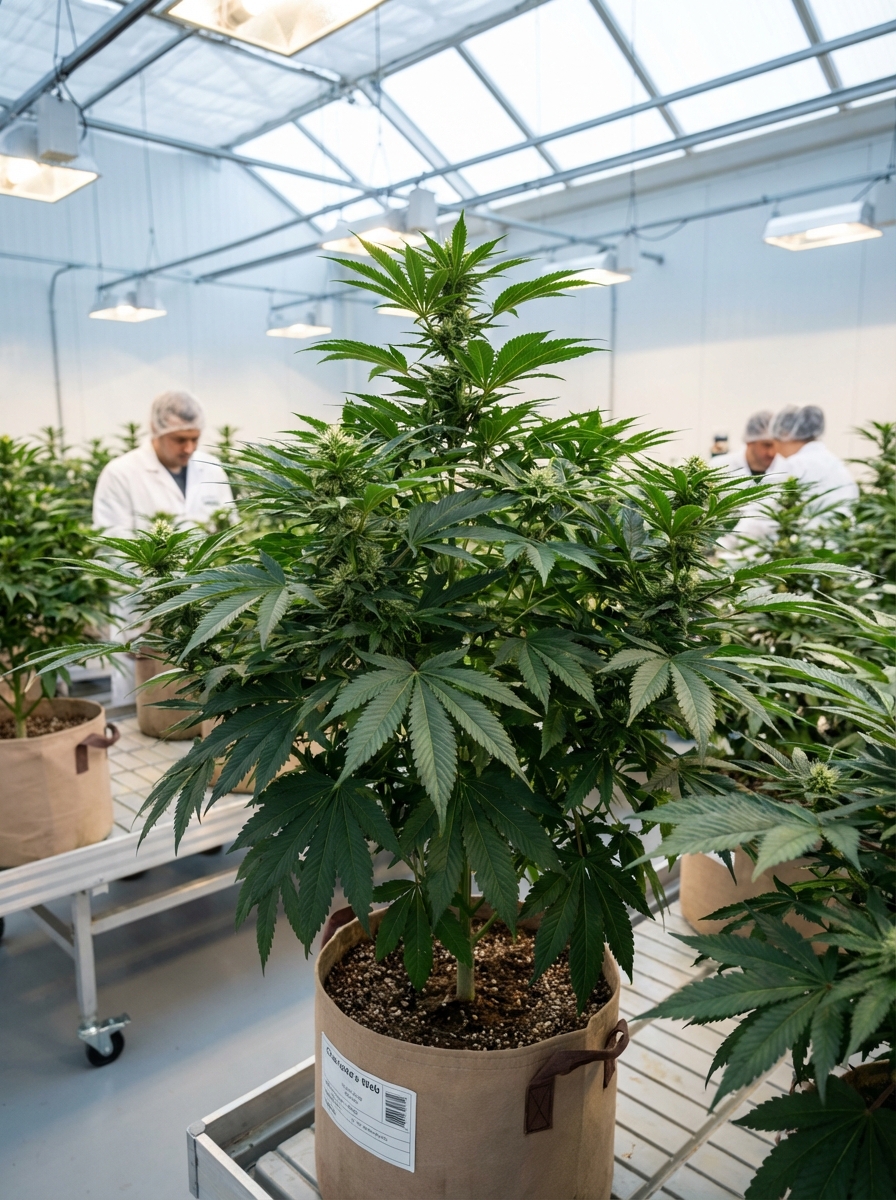
| Historical context | Developed originally as a crossbred variety of industrial hemp and marijuana to yield extremely high cannabidiol (CBD) and virtually nonexistent tetrahydrocannabinol (THC). |
A Tribute to Charlotte Figi
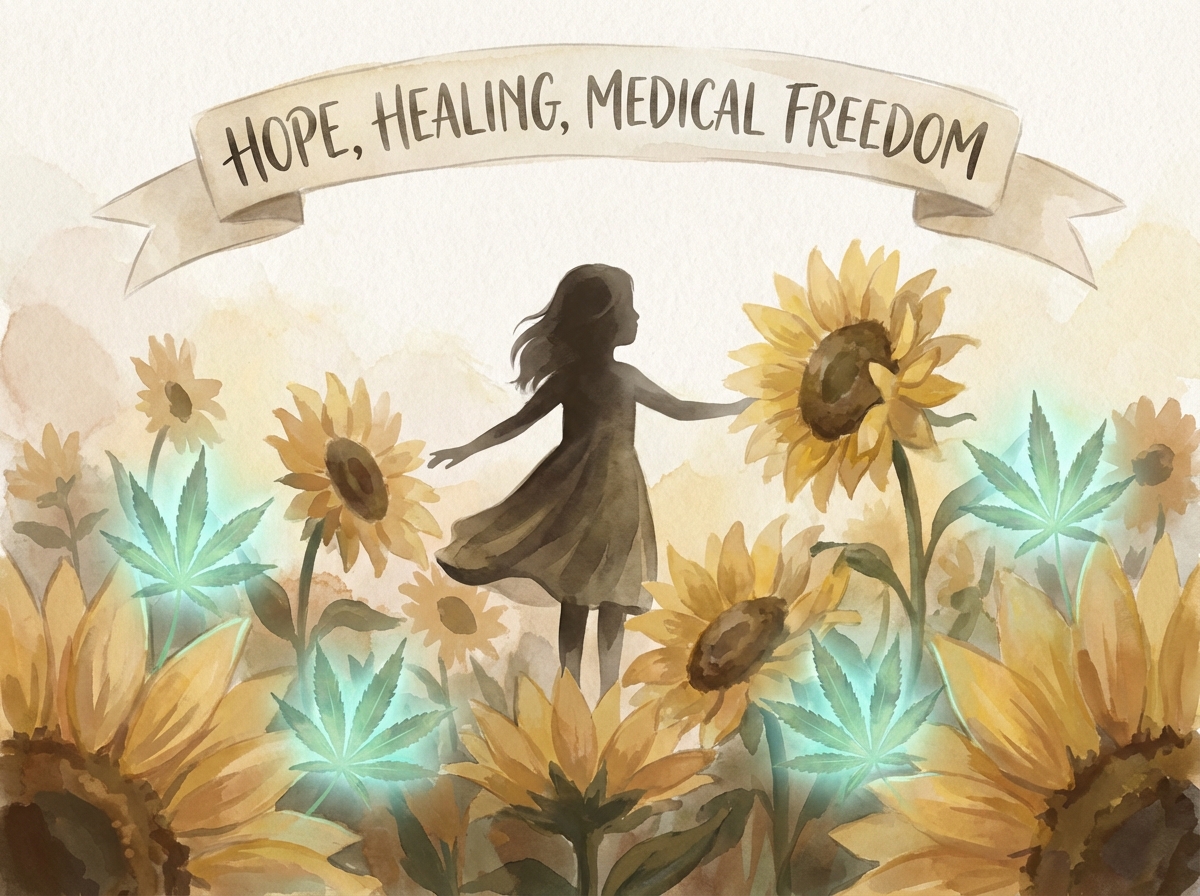
Early Life and the Battle with Dravet Syndrome
Charlotte Figi entered the world on October 18, 2006, in the small town of Colorado Springs, Colorado. From her first months, it became painfully clear that Charlotte was not like other children. At the age of six months she experienced what doctors later identified as Dravet syndrome—a rare, catastrophic form of epilepsy that begins in infancy and is characterized by prolonged, often febrile seizures, developmental delays, and a high risk of sudden unexpected death in epilepsy (SUDEP). The relentless seizures struck multiple times daily, sometimes lasting for hours, leaving Charlotte exhausted, despondent, and disconnected from the world around her.
Standard antiepileptic drugs offered little relief. Over the course of her early childhood, Charlotte tried more than a dozen pharmaceutical regimens—phenobarbital, valproic acid, clobazam, and newer agents such as stiripentol—each accompanied by a litany of side effects ranging from severe drowsiness to liver toxicity. The cumulative burden on the family was crushing: the constant fear of an uncontrolled fit, the emotional toll of watching their daughter’s laughter and curiosity dim, and the financial strain of endless specialist visits and hospitalizations.
It was within this crucible of desperation that Charlotte’s parents, the Figi family, began to explore alternative treatments. Their search led them, in 2011, to the Stanley Brothers, who had cultivated a low-THC, high-CBD cannabis strain. This strain, later named “Charlotte’s Web” in honor of the young girl whose life it transformed, would become a defining chapter in the modern story of medical cannabis.
The Discovery of Charlotte’s Web and Its Immediate Impact
Charlotte’s first dose of Charlotte’s Web was administered in February 2012, using a tincture made from the plant’s flower and leaf material. Within weeks, her seizure frequency plummeted from an average of 300 per month to fewer than five. The severity of episodes diminished dramatically; when seizures did occur, they were brief and easily managed. Moreover, Charlotte reclaimed time once lost to incessant recovery—she began to crawl, speak, and engage with her surroundings again.
Her remarkable response spread quickly through online forums dedicated to Dravet syndrome, capturing the attention of parents, neurologists, and advocacy groups worldwide. In the months that followed, the Figi family documented Charlotte’s progress in the first peer-reviewed case report on CBD-rich cannabis for pediatric epilepsy, published in The Journal of Epilepsy Research in 2013. The paper highlighted not only the dramatic seizure reduction but also the minimal adverse effects, thereby establishing a credible scientific foundation for further investigation.
Charlotte’s story became a catalyst for a cascade of clinical trials. The United Kingdom’s “Epidyolex” study, the U.S. Farm Bill-mandated “Epidiolex” trials, and numerous independent research projects were launched, all tracing their impetus back to the young girl whose life was saved by a plant once outlawed. By 2018, the U.S. Food and Drug Administration (FDA) had approved Epidiolex as the first cannabis-derived medication for treating seizures associated with Dravet and Lennox-Gastaut syndromes.
Global Legal Shifts and Charlotte’s Enduring Legacy
The ripple effect of Charlotte’s Web extended far beyond the laboratory. In the United States, her story amplified the push for compassionate access laws. By 2014, eleven states had enacted “CBD-only” legislation, and by 2020, more than thirty states permitted medical cannabis for epilepsy. Internationally, countries such as Canada, Israel, and several European nations revisited their drug schedules, introducing regulatory pathways for cannabidiol-based medicines and, in some cases, permitting low-THC cannabis cultivation for medicinal purposes.
Charlotte Figi’s own journey, tragically cut short by a fatal seizure in April 2020 at the age of thirteen, resonates as both a triumph and a solemn reminder of the fragility of those living with severe epilepsy. Her legacy lives on in the thousands of children whose seizure burden has been eased, the scientific literature that now validates CBD’s efficacy, and the legal frameworks that ensure families can pursue evidence-based treatments without fear of prosecution. Her name endures not only in the strain that bears her moniker but in the ongoing quest to harness nature’s compounds for compassionate, patient-centered care.
2. Genetics and Lineage
| Attribute | Description |
|---|---|
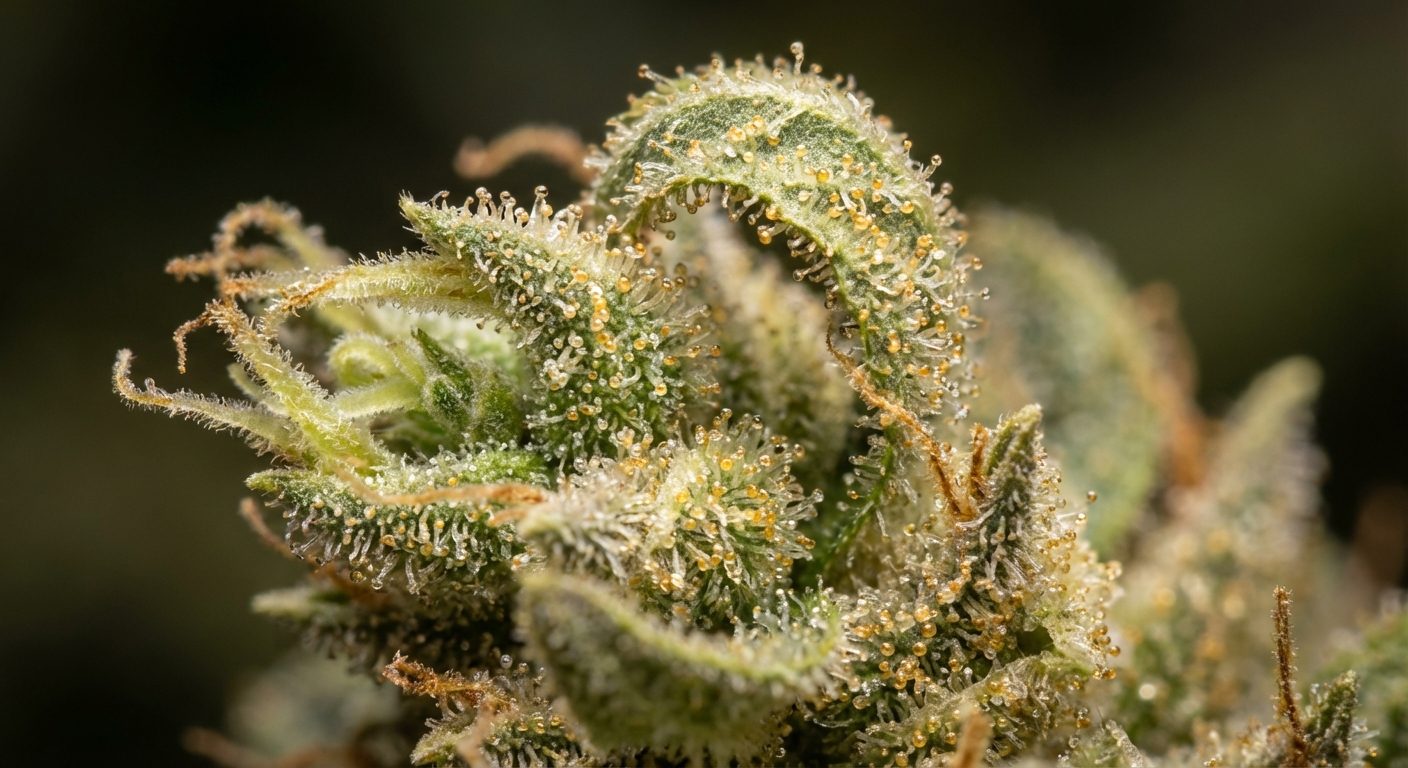
| Genotype | Sativa-dominant (often classified legally as Hemp due to THC levels). |
| Parent strains | Proprietary cross between a distinct marijuana strain (rumored low-THC Sativa) and industrial hemp. |
| Notable offspring | Led to a massive shift in breeding, influencing the creation of ACDC, Ringo’s Gift, and Remedy. |
3. Cannabinoid Profile
| Cannabinoid | Typical Range (%) | Comments |
|---|---|---|
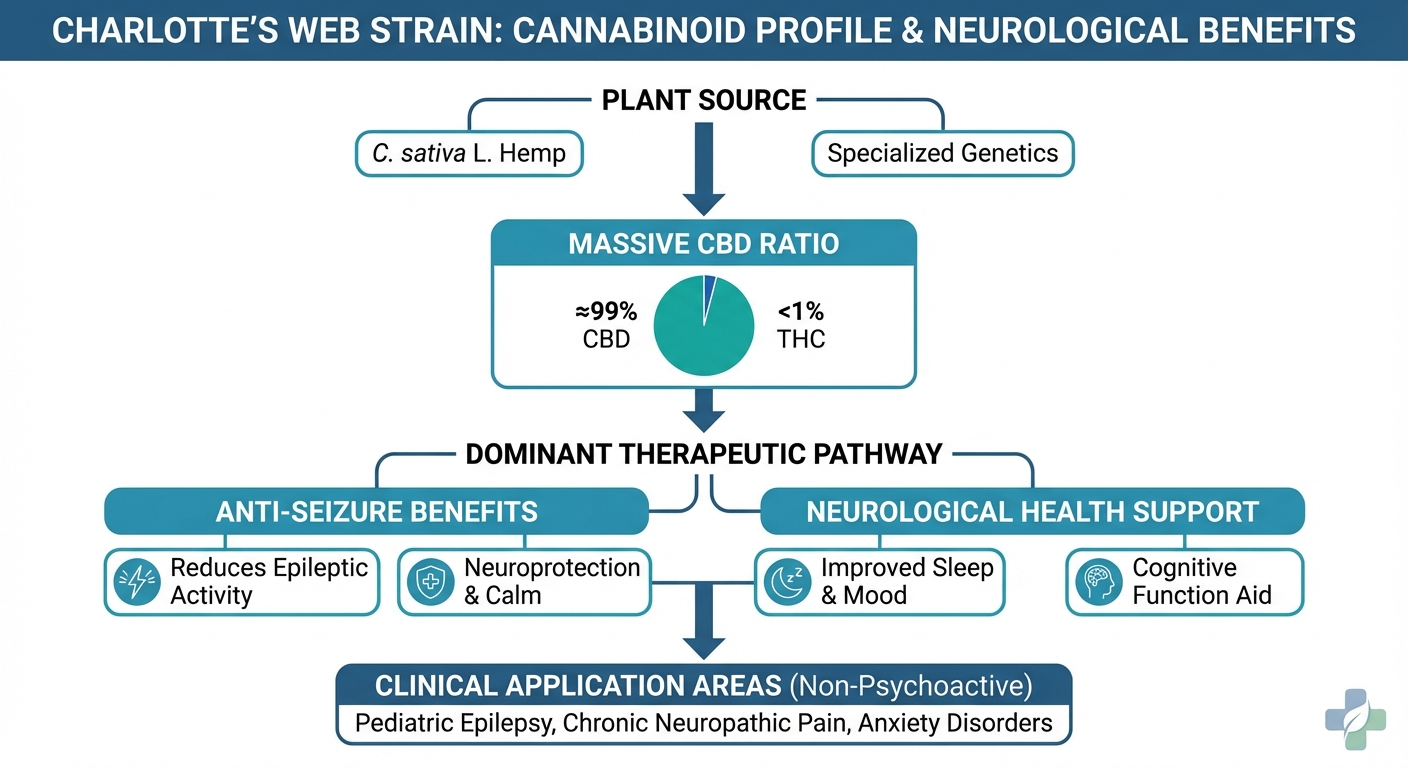
| CBD | 15% – 20% | The defining compound. Often a 30:1 ratio compared to THC. |
| Δ⁹‑THC | < 0.3% | Strictly maintained to remain non-intoxicating and legally hemp in many jurisdictions. |
4. Terpene Profile, Aroma, and Taste
| Major Terpene | Sensory Notes | Pharmacological Relevance |
|---|---|---|
| Myrcene | Earthy, herbal, slightly musky base. | Relaxing and mild sedative properties. |
| Caryophyllene | Peppery spice. | Binds to CB2 receptors to aid in reducing inflammation. |
| Pinene | Fresh pine-needle crispness. | Promotes alertness and counteracts potential lethargy. |
Aroma & Taste: Delicate, earthy pine scent with subtle floral and sweet citrus undertones. The smoke or vapor is exceptionally smooth, tasting of sweet cedar, lemon, and a grounded herbal funk.
5. The Synergistic Entourage Effect
Charlotte’s Web relies heavily on the “Entourage Effect.” While CBD is the star, the presence of trace THC, combined with the anti-inflammatory properties of Caryophyllene and the calming effects of Myrcene, creates a whole-plant medicine that is significantly more effective than isolated CBD alone. This synergy is particularly vital for neurological and inflammatory conditions.
6. Therapeutic Effects
| Condition | Typical patient-reported outcome |
|---|---|
| Neurological Disorders | Frontline treatment for severe epilepsy (Dravet, Lennox-Gastaut), significantly reducing seizure frequency. |
| Anxiety and Stress | Powerful anxiolytic, calming the nervous system without impairing cognitive function. |
| Inflammation and Pain | Highly effective for managing arthritis, fibromyalgia, and neuropathic pain. |
| Neuroprotection | High CBD content provides properties aiding in the management of conditions like Parkinson’s and MS. |
7. Recreational Effects
From a purely recreational standpoint, Charlotte’s Web offers no psychoactive effects. You will not feel “stoned.” However, recreational users often seek it out for its “functional relaxation.” It provides a clear-headed, physical calm that is perfect for taking the edge off a stressful day, recovering from a harsh workout, or mixing with high-THC strains to temper anxiety and induce a more balanced, mellow experience.
Ajarn Spencer for ganjahouse.net
All rights to Ganja House Koh Lanta.