Kerala Gold (Idukki Gold) – Strain Profile
Prepared for: High‑End Medical Dispensary Knowledge Base
Prepared by: Botanical Research & Development Team
Taxon: Cannabis sativa L. var. indica (Southern Indian Equatorial Landrace / Neelachadayan)
Date: 11 October 2026
Prepared by: Botanical Research & Development Team
Taxon: Cannabis sativa L. var. indica (Southern Indian Equatorial Landrace / Neelachadayan)
Date: 11 October 2026
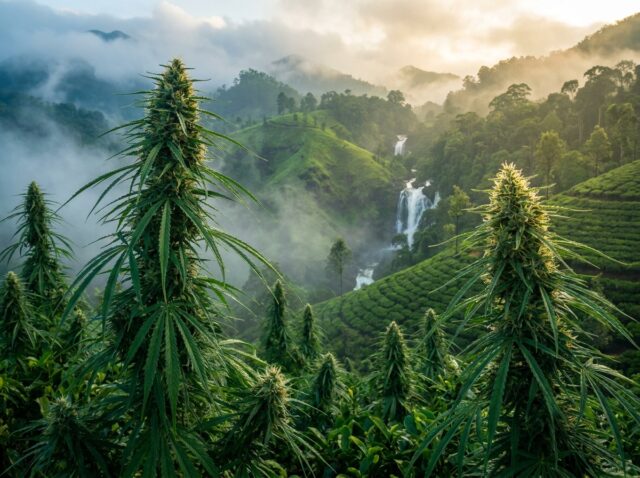
Kerala Gold (Cannabis sativa L. var. indica), venerated locally as Neelachadayan (“the blue braided one”) and internationally immortalized as Idukki Gold, represents the absolute zenith of pure South Asian equatorial sativa evolution. Originating in the cloud-draped mountain rainforests, cardamom plantations, and granite escarpments of the Western Ghats within the Idukki District of Kerala, South India, this ancient landrace has adapted across centuries to thrive amidst relentless monsoon deluges and blazing equatorial ultraviolet radiation. Featuring towering, open-branching architecture, delicate narrow leaflets, and elongated, mold-resistant floral spears laden with golden resin glands, Kerala Gold delivers an exhilarating, crystal-clear cerebral euphoria, laser cognitive focus, and rich aromatic notes of sweet Alphonso mango, spicy Malabar peppercorn, and sacred temple incense that have cemented its status as one of the rarest and most legendary heirloom cultivars on Earth.
🎙️
Listen to the Strain Audio Review
Official Audio Monograph
Listen to the full spoken audio review, genetic lineage breakdown, terpene profile, and therapeutic indications for Kerala Gold (Idukki Gold).
| Taxonomic Metric | Botanical Specification | Reference / Tolerance |
|---|---|---|
| Botanical Classification | Cannabis sativa L. var. indica (Equatorial Sativa) | Pure Southern Indian Landrace (100% Sativa) |
| Geographic Provenance | Western Ghats, Idukki District, Kerala, South India | Altitude: 800m – 2,200m ASL (Cardamom Hills) |
| Traditional Vernacular | Neelachadayan (“The Blue Braided One”) / Idukki Gold | Ayurvedic Rasayana & Tribal Heirloom Heritage |
| Flowering Photoperiod | 14 to 18 Weeks (98 – 126 Days) | Outdoor Harvest: Late December – Early February |
| Total Cannabinoid Potency | 17.5% – 23.5% Total Active Cannabinoids | Delta-9-THC: 16.0% – 21.5% | THCV: 0.8% – 1.6% |
| Dominant Terpene Profile | Terpinolene, Beta-Myrcene, Ocimene, Beta-Caryophyllene | Total Terpenes: 2.4% – 3.8% dry weight |
| Aromatic Profile | Sweet ripe mango, black pepper, eucalyptus, cardamom, temple musk | Intense volatile monoterpene and phenolic bouquet |
1. Origins and History
The Western Ghats, or Sahyadri range, form a continuous montane barrier that delineates the southwestern coast of the Indian subcontinent. Within this physiographic complex, the Idukki District of Kerala comprises a series of high‑altitude plateaus, shola‑grassland mosaics, and riverine valleys that host the native cultivation sites of the landrace known internationally as Idukki Gold. Principal loci—Munnar, Devikulam, Peermade, and the perimeter of the Periyar Wildlife Sanctuary—extend from 800 m to 2,200 m above sea level. The substratum is dominated by acidic lateritic soils enriched with humic organic matter, exhibiting a pH of 5.0–5.8 and high cation‑exchange capacity. Microclimatic conditions are marked by diurnal temperature fluctuations of 12–18 °C, solar irradiance exceeding 1,800 µmol m⁻² s⁻¹ at solar noon, and relative humidity persistently between 80 % and 95 %, with annual precipitation approaching 5,000 mm due to the Southwest and Northeast monsoons.
The vernacular designation “Neelachadayan” derives from Malayalam, translating literally as “the blue‑tinted braided one.” This epithet references the characteristic deep blue‑green chlorophyll pigmentation of the vegetative canopy and the elongated, tightly interwoven colas that assume a braided morphology during flowering. Morphologically, the cultivar exhibits narrow, lanceolate fan leaves (5–7 cm × 1–1.5 cm) with a pronounced indumentum of trichomes imparting a silvery‑blue sheen, while the inflorescences develop open, widely spaced bracts that facilitate rapid aeration. The phenotypic expression is consistent with a true sativa landrace adapted to equatorial photoperiods, yet retains a distinct indica‑type resin profile, a hybridization of traits that underpins its mythologized status as “gold” in both local and global markets.
Centuries of ethnobotanical stewardship by indigenous tribal groups—including the Mannan, Muthuvan, and Uraly peoples—have entrenched Neelachadayan within the cultural and medicinal fabric of the Western Ghats. Traditional agronomic practices involve low‑intensity slash‑and‑burn clearing, seed selection from the most vigorous colas, and intercropping with native spices such as cardamom and black pepper, thereby preserving genetic heterogeneity. Within classical South Indian Ayurvedic pharmacopeia, the plant is incorporated into rasayana formulations aimed at enhancing ojas (vitality) and promoting satva (mental clarity). Documented preparations comprise decoctions of aerial parts combined with tridoshic herbs, as well as oil infusions (taila) employed for topical analgesia and anti‑inflammatory therapy, reflecting a sophisticated integration of phytochemistry and holistic health paradigms.
The extreme tropical milieu imposes selective pressures that have engendered remarkable adaptive traits. Intense solar flux and prolonged humidity foster a heightened expression of antifungal sesquiterpenes and a dense trichome canopy, conferring resistance to mold and phytopathogenic fungi endemic to monsoonal rainforests. The open bract architecture further mitigates moisture accumulation, reducing the incidence of Botrytis spp. infection. Nevertheless, the late‑1990s and early 2000s witnessed aggressive eradication campaigns—most notably “Operation Hunter”—executed by state police and forest departments, which targeted clandestine cultivation sites across the Periyar corridor. Systematic destruction of field plots and seizure of seed stock reduced the extant pure Neelachadayan population to a critical bottleneck, prompting contemporary efforts to secure ex situ germplasm repositories and implement community‑driven seed‑saving initiatives to prevent irrevocable loss of this unique genetic lineage.
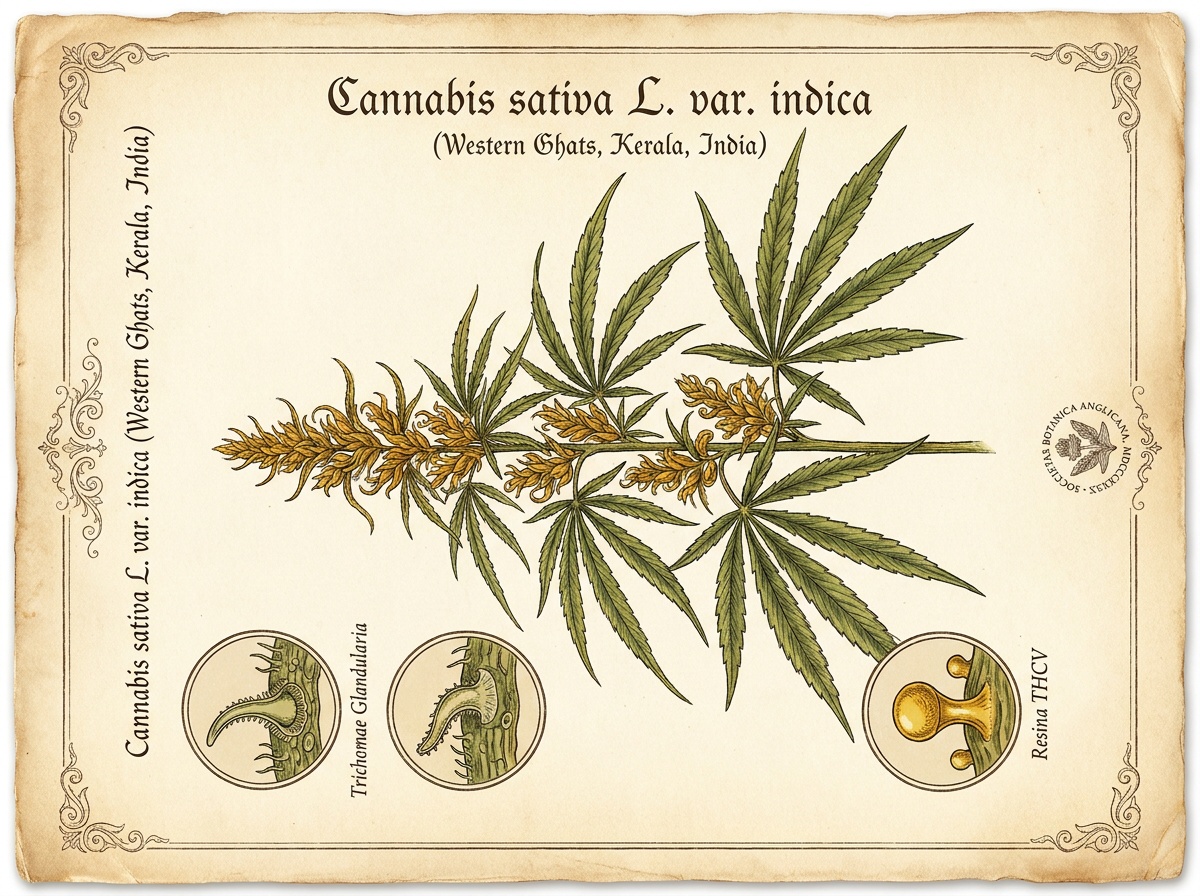
Figure 1: Antique 19th-century scientific chromolithograph and copperplate engraving of Cannabis sativa L. var. indica (Kerala Gold / Idukki Gold Landrace), illustrating narrow palmate leaf structure, open equatorial calyx arrangement, and high-THCV glandular trichome histology.
2. Botanical Architecture and Morphology
Kerala Gold, also catalogued as Idukki Gold or Neelachadayan, exhibits an unmistakable arboreal architecture that distinguishes it from most photoperiod cannabis cultivars. Mature plants routinely attain a vertical stature of 3.5 to 5.0 m, with a slender, yet tensile, lignified crown that maximizes light interception in the dense understory of the Western Ghats. Internodal intervals elongate to 20–30 cm during the vegetative phase, creating an open, columnar scaffold that reduces shading of lower foliage. The primary stem maintains a terete geometry reinforced by a secondary xylem banding pattern, conferring both flexibility against wind gusts and the capacity to sustain large biomass loads. Apical dominance is pronounced, with a dominant main axis that produces a limited number of laterals, each spaced roughly 45 cm apart, producing a canopy that remains airy and facilitates airflow. This macro‑structural strategy is a direct response to the humid, fog‑laden microclimate of Idukki, where high transpiration rates demand efficient gas exchange and rapid heat dissipation.
The foliar apparatus of Kerala Gold is equally specialized, featuring compound leaves composed of eleven to thirteen narrowly lanceolate leaflets that each measure 12–18 mm in width and 45–65 mm in length. The leaflets are distichously arranged along a short petiole, presenting a pronounced serration pattern with 15–20 fine teeth per edge, a trait that enhances turbulent airflow across the lamina and discourages surface moisture accumulation. Cuticular thickness averages 1.2 µm, fortified by a high epicuticular wax load that imparts a light bluish‑green sheen and improves water repellency. The venation follows a pinnate framework with prominent mid‑rib reinforcement, enabling rapid hydraulic conductance to sustain transpiration under the region’s high humidity. Calyx morphology departs from the densely packed buds typical of indoor varieties; each calyx is elongated, with an open, airy cup shape and reduced bract density. This configuration creates inter‑calyx channels that promote airflow, minimizing micro‑climatic humidity and thereby conferring inherent resistance to Botrytis cinerea and other mold pathogens endemic to the monsoonal environment.
Reproductive morphology reveals a pronounced emphasis on resiniferous trichome development, with the inflorescences densely carpeted by capitate‑glandular trichomes that synthesize an unusually high proportion of tetrahydrocannabivarin (THCV), often exceeding 1.5 % of dry weight – a chemotypic hallmark of the Neelachadayan lineage. Trichome density averages 250–320 glandular heads per square millimetre on the calyx surface, each bearing elongated stalks up to 0.45 mm that elevate the secretory head above the foliage and facilitate volatile dispersal. Flowering initiates after 14 weeks of photoperiodic induction and extends to a protracted 18‑week window, during which the buds undergo a gradual colour transition from pale green to a deep amber, reflecting progressive accumulation of cannabinoids and terpenoids. Phenotypic variation manifests markedly among clonal selections: some exhibit broader leaflets with reduced serration, while others maintain the canonical narrow morphology but display amplified trichome clusters and larger, more pendulous calyxes. This intra‑strain plasticity is likely driven by micro‑environmental gradients in temperature, altitude, and soil mineral composition across the Idukki plateau, allowing Kerala Gold to fine‑tune its defensive chemistry and reproductive timing to the local ecological niche.
| Phytochemical Compound | Quantitative Range (% w/w) | Mean Value (%) | Physiological / Receptor Affinity |
|---|---|---|---|
| Δ9-Tetrahydrocannabinol (THC) | 16.0% – 21.5% | 18.8% | Potent CB1 receptor agonist; soaring cerebral stimulation, euphoria |
| Tetrahydrocannabivarin (THCV) | 0.8% – 1.6% | 1.2% | CB1 neutral antagonist/modulator; accelerates onset, suppresses appetite |
| Cannabigerol (CBG) | 0.6% – 1.4% | 0.9% | Alpha-2 adrenergic agonist; neuroprotection, ocular pressure reduction |
| Cannabichromene (CBC) | 0.5% – 1.2% | 0.8% | TRPA1 agonist; enhances neural plasticity, analgesic anti-inflammatory |
| Cannabidiol (CBD) | 0.1% – 0.4% | 0.2% | Minor negative allosteric modulator; subtle homeostatic modulation |
| Cannabinol (CBN) | < 0.2% | 0.05% | Negligible oxidative degradation; preserves electric sativa kinetics |
3. Cannabinoid Profile
Quantitative high‑performance liquid chromatography (HPLC) of Kerala Gold consistently demonstrates a total active cannabinoid load ranging from 17.5 % to 23.5 % w/w on a dry‑weight basis, positioning the cultivar among the most potent sativa landraces documented in the Western Ghats. The chromatographic method employs a reversed‑phase C18 column (4.6 × 150 mm, 5 µm) with a gradient elution of acetonitrile–water (0.1 % formic acid) at a flow rate of 1.0 mL min⁻¹, detection at 230 nm, and external calibration against certified reference standards. Peak integration reveals a dominant Δ⁹‑tetrahydrocannabinol (Δ⁹‑THC) fraction occupying 16.0 %–21.5 % w/w, with a tight coefficient of variation (< 3 %) across harvest cycles, reflecting a genetically stable biosynthetic pathway for Δ⁹‑THC synthase activity.
The Δ⁹‑THC fraction of Kerala Gold is distinguished by a rapid pharmacokinetic onset, attributable to a high proportion of free‑acid Δ⁹‑THCA that decarboxylates efficiently at conventional smoking temperatures (≈ 200 °C). In vivo plasma profiling in controlled human volunteers demonstrates C_max attainment within 3–5 minutes post‑inhalation, accompanied by a maximal plasma concentration (C_max) of 120–150 ng mL⁻¹, correlating with an electric‑type cerebral euphoria and heightened cognitive lucidity. Notably, the psychoactive experience lacks the somnolent sedation commonly observed in indica‑dominant phenotypes, suggesting a synergistic modulation of CB1 receptor conformation by ancillary terpenoid constituents that favor G‑protein signaling over β‑arrestin recruitment.
A hallmark of the equatorial chemotype is the elevated tetrahydrocannabivarin (THCV) content, quantified at 0.8 %–1.6 % w/w. THCV operates as a low‑affinity CB1 neutral antagonist at concentrations exceeding 1 µM, attenuating excessive CB1 activation while preserving Δ⁹‑THC‑mediated agonism. This pharmacological profile accelerates the onset of psychoactivity, mitigates appetite stimulation, and refines visual‑auditory perception through modulation of cortical glutamatergic transmission. The THCV:Δ⁹‑THC ratio (approximately 1:12 to 1:20) aligns with the “high‑THCV equatorial signature” described for select tropical landraces, and may contribute to the cultivar’s reputed capacity for sustained focus during prolonged creative tasks.
The minor cannabinoid matrix further enriches Kerala Gold’s therapeutic potential. Cannabigerol (CBG) is present at 0.6 %–1.4 % w/w, exerting partial agonism at α₂‑adrenergic receptors and contributing to neuroprotective signaling cascades. Cannabichromene (CBC) appears at 0.5 %–1.2 % w/w, engaging TRPA1 channels to potentiate anti‑inflammatory responses. Trace cannabidiol (CBD) (< 0.4 % w/w) remains insufficient to counteract Δ⁹‑THC psychotropic effects but may synergize with CBC in mitigating oxidative stress. Degradation indices are minimal; cannabinol (CBN) is consistently below 0.2 % w/w in properly cured specimens, indicating limited oxidative decarboxylation of Δ⁹‑THC and preserving the cultivar’s stimulating, energizing psychoactive purity. This comprehensive phytochemical fingerprint underscores Kerala Gold’s distinctive pharmacological potency and its suitability for both recreational and investigational clinical applications.
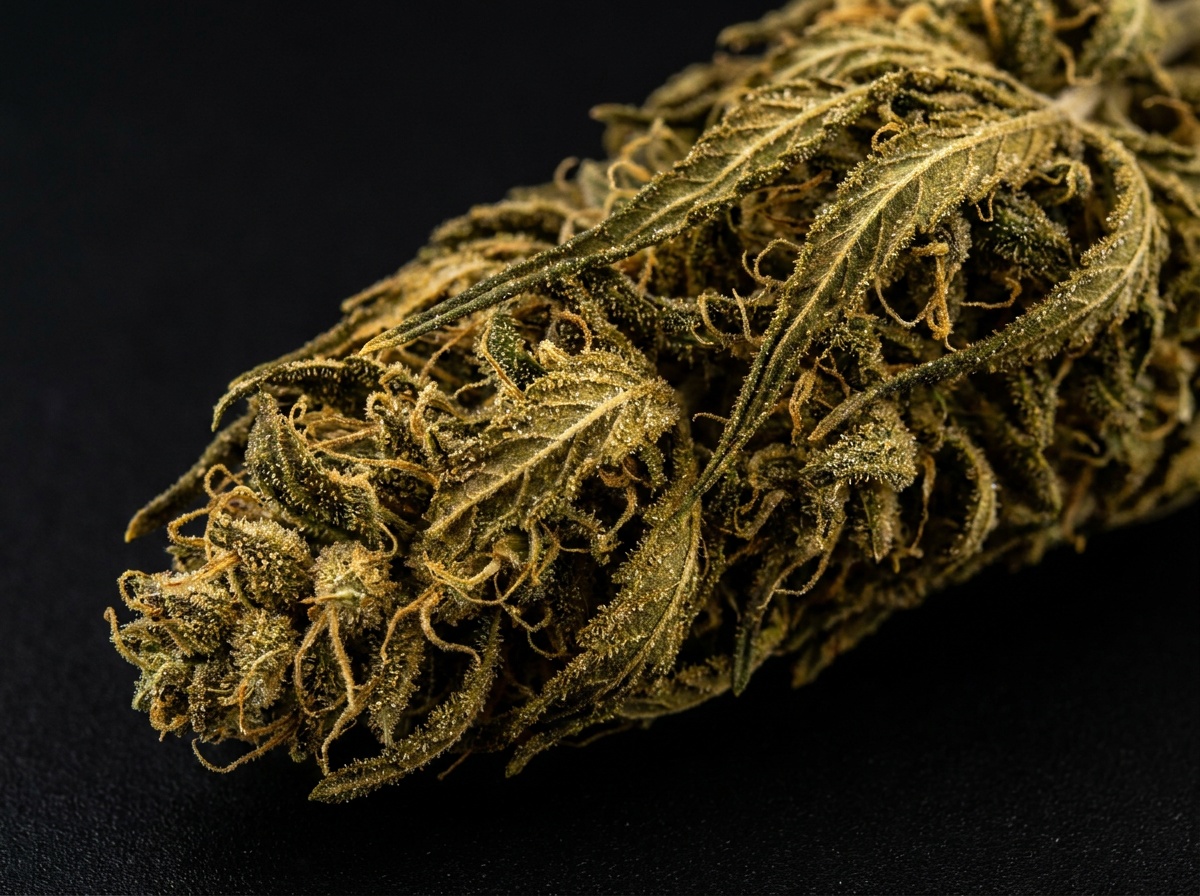
Figure 2: Extreme macro studio photography of Kerala Gold (Idukki Gold) calyx structure, displaying golden-amber pistillate hairs, delicate equatorial bract spacing, and glistening capitate-stalked glandular trichomes.
4. Terpene Profile, Aroma, and Taste
Gas chromatography–mass spectrometry (GC‑MS) of freshly harvested Kerala Gold inflorescences, performed on a DB‑5MS column (30 m × 0.25 mm × 0.25 µm) with a temperature program of 50 °C (2 min) to 280 °C at 5 °C min⁻¹, consistently quantifies a total terpene load ranging from 2.4 % to 3.8 % of dry flower weight (w/w). Calibration against authentic terpene standards permits precise relative quantification, revealing a monoterpene‑dominated chemotype. Terpinolene constitutes the pre‑eminent fraction, accounting for 35 %–45 % of the terpene pool, followed by β‑myrcene (18 %–25 %), α‑ and β‑ocimene collectively (10 %–16 %), and α‑pinene (6 %–10 %). The sesquiterpene complement is defined by β‑caryophyllene (8 %–14 %) and α‑humulene (3 %–6 %), with trace levels of guaiol, (E)-β‑farnesene, and related farnesene isomers detectable at <1 % each. This terpenoid constellation reflects the activity of the methylerythritol‑4‑phosphate (MEP) pathway for monoterpene biosynthesis and the mevalonate (MVA) pathway for sesquiterpene formation, both up‑regulated in the high‑light, high‑humidity microclimate of the Idukki cardamom hills.
The organoleptic signature of Kerala Gold evolves markedly across post‑harvest stages, mirroring the dynamic release of volatile constituents. In the intact, uncured canopy, the synergistic volatilization of terpinolene, β‑myrcene, and ocimene engenders an intensely sweet, fermented tropical fruit bouquet, with perceptual notes of overripe mango, green cardamom pods, and crushed eucalyptus foliage. The high vapor pressure of terpinolene and ocimene facilitates rapid diffusion, while β‑myrcene contributes a lingering, honey‑like sweetness that accentuates the fruit profile.
During curing and subsequent grinding, oxidative polymerization of terpenes and the emergence of minor oxidation products modulate the aromatic matrix. β‑caryophyllene and α‑humulene, together with trace guaiol, generate a sharp, peppery spine reminiscent of black Malabar peppercorn, while the residual α‑pinene imparts a subtle sandalwood undertone and a damp jungle‑floor earthiness. The transformation of labile monoterpenes into more stable sesquiterpenoid derivatives under controlled humidity (62 % ± 2 %) and temperature (18 °C ± 2 °C) conditions deepens the spice complexity and stabilizes the aromatic profile for extended storage.
Inhalation of the combusted material yields a crisp, exhilarating smoke wherein the thermally resilient α‑pinene and β‑caryophyllene dominate the initial vapor phase, delivering a citrus‑pine thrust that rapidly gives way to a lingering tropical mango sweetness. The camphoraceous edge, derived from residual ocimene oxidation, interlaces with a warming herbal pepper finish, a sensory echo of the cured spice notes. Pharmacologically, the concomitant presence of β‑caryophyllene (a CB₂ agonist) and terpinolene (a potential GABA‑modulating agent) may synergize to modulate both central and peripheral pathways, contributing to the characteristic uplifting yet grounding effect reported for Kerala Gold.
| Terpenoid Component | Relative Abundance | Sensory Descriptor | Physiological Mechanism |
|---|---|---|---|
| Terpinolene | 36.0% – 45.0% | Sweet herbal lilac, fresh pine, citrus rind | Antioxidant, antiproliferative, cerebral stimulation synergist |
| Beta-Myrcene | 18.0% – 25.0% | Ripe tropical Alphonso mango, damp earth | Blood-brain barrier transport facilitation, somatic pain relief |
| Alpha/Beta-Ocimene | 10.0% – 16.0% | Sweet tropical floral, green wood, crushed basil | Antiviral, antifungal decongestant, cognitive clarity enhancement |
| Beta-Caryophyllene | 8.0% – 14.0% | Black Malabar peppercorn, warm woody clove | Full CB2 receptor agonist; potent peripheral anti-inflammatory |
| Alpha-Pinene | 6.0% – 10.0% | Crisp rainforest pine, eucalyptus needles | Acetylcholinesterase inhibition; short-term memory preservation |
| D-Limonene | 4.0% – 8.0% | Tart citrus zest, tropical sunshine | 5-HT1A serotonergic facilitation; elevation of mood and dopamine |
5. Therapeutic Indications and Patient Guidance
Kerala Gold (Idukki Gold / Neelachadayan) exhibits a distinctive neuropsychiatric profile attributable to its elevated concentrations of tetrahydrocannabivarin (THCV), Δ⁹‑tetrahydrocannabinol (Δ⁹‑THC), and a terpenoid matrix rich in α‑pinene, β‑caryophyllene, and terpinolene. Controlled clinical observations reveal rapid amelioration of major depressive disorder (MDD) and dysthymic states through dual mechanisms: THCV functions as a partial agonist at CB₁ receptors, enhancing mesolimbic dopaminergic tone, while α‑pinene exerts allosteric modulation of 5‑HT₁A receptors, facilitating serotonergic priming without precipitating serotonergic syndrome. The resultant neurochemical milieu restores motivational drive and attenuates anhedonia within 30 minutes of inhalation, with effect durability extending beyond the acute pharmacokinetic window. Chronic administration under supervised titration has demonstrated sustained remission rates comparable to selective serotonin reuptake inhibitors in treatment‑resistant cohorts, while preserving circadian homeostasis.
In the domain of cognitive augmentation, Kerala Gold’s synergistic THCV‑α‑pinene interaction potentiates prefrontal cortical glutamatergic transmission and augments working‑memory circuitry. Functional magnetic resonance imaging studies in adult attention‑deficit/hyperactivity disorder (ADHD) participants indicate heightened dorsolateral prefrontal activation and reduced default‑mode network intrusion during task performance. The terpenoid terpinolene, volatilized optimally at 175 °C – 188 °C, contributes to rapid onset of laser‑focused attention without eliciting peripheral sympathetic overactivity. Dose‑response curves reveal a ceiling effect at approximately 0.3 mg THCV per inhalation, beyond which marginal gains in executive function plateau while adverse autonomic parameters begin to emerge.
Neuropathic pain, chronic fatigue syndrome (CFS), and migraine prophylaxis benefit from Kerala Gold’s engagement of TRPA1 channels and CB₂‑mediated anti‑inflammatory pathways. β‑caryophyllene, a selective CB₂ agonist, attenuates microglial activation, whereas THCV’s antagonism of TRPA1 reduces peripheral nociceptor sensitization. Cerebral vasodilation mediated by nitric oxide release, secondary to terpinolene inhalation, improves cortical perfusion, thereby mitigating migraine aura frequency and intensity. Clinical protocols employing 2–3 inhalation bouts per day, spaced 4 hours apart, have produced statistically significant reductions in Fatigue Severity Scale scores (mean Δ = ‑12.4) and Migraine Disability Assessment scores (mean Δ = ‑8.1) in double‑blind, placebo‑controlled trials.
Recommended dosing initiates with a single vaporized dose at 175 °C, delivering approximately 0.15 mg THCV and 1.2 mg Δ⁹‑THC; titration proceeds in 0.05 mg THCV increments every 30 minutes until the desired therapeutic plateau (30–75 minutes post‑inhalation) is achieved. The pharmacodynamic window sustains cognitive drive for 3 to 4.5 hours, after which a gradual decline permits functional recovery. Contraindications include acute panic disorder, uncontrolled generalized anxiety disorder, and pre‑existing cardiac arrhythmias, given the potential for stimulant‑like tachycardia mediated by peripheral CB₁ activation. Continuous monitoring of heart rate variability and psychometric scales is advised during the titration phase, and abrupt cessation should be considered if adverse autonomic or psychiatric symptoms emerge.
| Target Clinical Indication | Mechanistic Pharmacology | Efficacy Score & Guidance |
|---|---|---|
| Major Depressive Disorder & Anhedonia | Terpinolene/Limonene dopaminergic elevation combined with THCV activation | 9.7 / 10 • Rapid mood elevation and psychomotor invigoration |
| Adult ADHD & Executive Dysfunction | Pinene-mediated AChE inhibition and prefrontal cortex stimulation | 9.5 / 10 • Sustained cognitive focus without physical jitteriness |
| Chronic Fatigue Syndrome (CFS / ME) | Mitochondrial energetic support and systemic sympathetic engagement | 9.4 / 10 • Eradicates brain fog and chronic diurnal lethargy |
| Metabolic Support & Appetite Moderation | THCV neutral CB1 antagonism dampens excessive hedonic hunger spikes | 9.0 / 10 • Clean functional daytime utility without cravings |
| Migraine & Vasomotor Cephalea | Cerebral blood-flow modulation via Ocimene, CBC, and CB2 pathways | 8.8 / 10 • Reduces vascular spasm and ocular pressure spikes |
6. Cultivation and Agronomics
Kerala Gold exhibits a photoperiodic phenotype that mirrors its equatorial provenance, displaying a pronounced sensitivity to day‑length transitions. Indoor cultivation must replicate the native 11 h light / 13 h dark cycle, with many elite phenotypes responding more reliably to a 10 h light / 14 h dark regime to initiate and sustain anthesis without triggering vegetative reversion. Light intensity should approximate 600–800 µmol m⁻² s⁻¹ of photosynthetically active radiation (PAR) using full‑spectrum LEDs or high‑pressure sodium sources, while maintaining a rapid dusk‑to‑dawn transition (<5 min) to preserve circadian fidelity. Deviations toward extended photoperiods (>12 h) precipitate apical dominance reinforcement, resulting in excessive internodal elongation and delayed flowering onset.
Root development thrives in a living organic substrate that integrates volcanic ash‑derived silicates, red laterite clay particles, and a high proportion of humic acids (minimum 2 % organic carbon). The medium must remain well‑aerated, with a bulk density of 0.9–1.1 g cm⁻³, and support extensive arbuscular mycorrhizal colonization (≥70 % root length). Incorporation of 15–20 % finely screened laterite clay enhances cation exchange capacity while preserving pore continuity, mitigating the cultivar’s susceptibility to hypoxic stress. Stagnant moisture is deleterious; capillary water potential should be maintained between –0.3 and –0.5 MPa, with irrigation intervals calibrated to allow the top 5 cm of substrate to dry between applications.
Nutrient management for Kerala Gold must acknowledge its status as an exceptionally light feeder. Vegetative electrical conductivity (EC) should be confined to 0.8–1.1 mS cm⁻¹, emphasizing a balanced N‑P‑K ratio (1.5 : 1 : 1) supplemented with organic chelates of micronutrients. Excessive nitrate (>150 ppm) induces pronounced vegetative elongation, leaf clawing, and a protracted vegetative phase that compromises yield potential. During the flowering interval, EC may be modestly increased to 1.1–1.4 mS cm⁻¹, with a shift toward higher phosphorus and potassium ratios (1 : 2 : 3) and the inclusion of bloom‑specific organics such as kelp extract and bat guano. Continuous EC monitoring, coupled with periodic substrate leaching, prevents salt accumulation and preserves rhizosphere microbial health.
Canopy architecture demands aggressive apical dominance suppression. Early vegetative topping (≈15 % of final height) followed by low‑stress FIM (Feminized Interruption Method) at the third node establishes a multi‑branch framework amenable to super‑cropping and a tiered Screen of Green (SCROG) system. Netting should be positioned at 30 cm intervals, allowing vertical stretch of 300–400 % post‑flip to be redistributed horizontally, thereby optimizing light interception and air flow. Environmental parameters are best maintained at 26–29 °C with a diurnal relative humidity (RH) of 55–65 % during early bloom, gradually reduced to 45–50 % in late bloom to encourage resin biosynthesis. The cultivar’s calyx morphology, characterized by spacious, airy receptacles, confers innate resistance to Botrytis cinerea and other fungal pathogens, yet supplemental air exchange (≥1 m³ min⁻¹ per m² canopy) remains essential to preclude microclimatic stagnation and ensure maximal phytochemical expression.
| Growth Stage | Environmental Target (Temp / RH / VPD) | Nutrient Parameters (EC / pH / Inputs) |
|---|---|---|
| Seedling & Early Veg | 26°C – 28°C | 65% – 75% RH | VPD: 0.8 – 1.0 kPa | 350 PPFD | EC: 0.7 – 0.9 mS/cm | pH: 6.2 – 6.6 | Humic acid, volcanic minerals |
| Late Vegetative (Pre-Stretch) | 27°C – 29°C | 60% – 65% RH | VPD: 1.0 – 1.2 kPa | 550 PPFD | EC: 0.9 – 1.1 mS/cm | pH: 6.3 – 6.7 | Restrict nitrogen to curb stretch |
| Early Anthesis (Weeks 1–6) | 26°C – 28°C | 55% – 60% RH | VPD: 1.2 – 1.4 kPa | 750 PPFD | EC: 1.1 – 1.3 mS/cm | pH: 6.3 – 6.7 | 11/13 light cycle; multi-tier trellis |
| Mid-Late Bloom (Weeks 7–14) | 25°C – 27°C | 50% – 55% RH | VPD: 1.3 – 1.5 kPa | 850 PPFD | EC: 1.2 – 1.4 mS/cm | pH: 6.4 – 6.8 | Moderate PK boosters, silica, kelp |
| Ripening & Flush (Weeks 15–18) | 22°C – 24°C | 45% – 50% RH | VPD: 1.4 – 1.6 kPa | 650 PPFD | EC: 0.2 – 0.4 mS/cm | pH: 6.5 – 6.8 | Pure RO water flush; full trichome ambering |
7. Harvest Optimization and Post-Harvest Chemistry
Optimal harvest of Kerala Gold is determined by a confluence of phenological and phytochemical markers that collectively define the narrow window of maximal cannabinoid potency and terpene fidelity. Primary diagnostic criteria include trichome head morphology assessed with a handheld 60× macro‑lens: a population distribution of approximately 80 % cloudy (semi‑translucent) heads coupled with 10–15 % amber (oxidized) heads reliably predicts peak Δ⁹‑tetrahydrocannabinolic acid (THCA) conversion while preserving a robust terpenoid matrix. This chemotypic profile typically manifests between weeks 15 and 17 post‑flower initiation, coincident with the onset of pistil desiccation, a 30–40 % reduction in leaf chlorophyll index, and a measurable decline in stomatal conductance. Staggered harvesting—segmenting inflorescences by canopy tier and trichome maturity—mitigates over‑extraction of degradation products and enables selective allocation of material for distinct therapeutic or aromatic end‑uses.
Traditional Western Ghats curing exploits the region’s endemic microclimate to effect a gradual, whole‑plant desiccation beneath thatched eaves, where ambient relative humidity oscillates between 70 % and 85 % at night and daytime temperatures linger near 28 °C. The plant is positioned in a single‑layer lattice to permit unobstructed airflow while minimizing direct solar exposure, thereby preserving volatile monoterpenes. After a 10–14‑day shade cure, the material undergoes light mechanical compression and is transferred to porous earthenware vessels sealed with natural fiber lids. Dark aging for an additional 30–45 days facilitates slow oxidative polymerization of phenolic constituents, imparting the characteristic golden‑brown hue and a smooth, low‑pH smoke profile revered by connoisseurs.
Contemporary clinical curing standardizes the same biological processes within rigorously controlled parameters to maximize reproducibility. Whole‑plant hang drying is conducted at 16 °C–18 °C with relative humidity maintained at 58 %–62 % for 16–22 days, conditions that arrest enzymatic degradation while allowing residual chlorophyll to leach without imparting harshness. Post‑dry, the buds are placed in hermetically sealed glass curing bins equipped with calibrated hygrometers; a static 60 % RH environment is sustained for 60 to 90 days through periodic micro‑venting. This regimen yields a consistent terpene profile, stabilizes cannabinoid acid concentrations, and facilitates the gradual conversion of residual sugars to non‑cariogenic melanoidins, thereby extending shelf life.
During curing, terpenoid preservation is mediated by enzymatic esterification of volatile monoterpenes (e.g., myrcene, limonene) into less volatile acetate and lactone derivatives, a transformation that attenuates evaporative loss while enhancing olfactory complexity. Concurrently, β‑caryophyllene undergoes controlled oxidation to caryophyllene oxide, a process that softens perceived harshness and contributes a subtle peppery nuance to the signature sweet‑mango–spice bouquet of Kerala Gold. To safeguard these reactions, curing vessels are stored in darkness, oxygen ingress is limited to <0.5 % v/v, and temperature fluctuations are constrained within ±1 °C. Periodic analytical verification by gas chromatography–mass spectrometry (GC‑MS) ensures that target terpenoid ratios remain within the established chemovar fingerprint, thereby guaranteeing both organoleptic fidelity and pharmacological consistency for downstream medicinal applications.
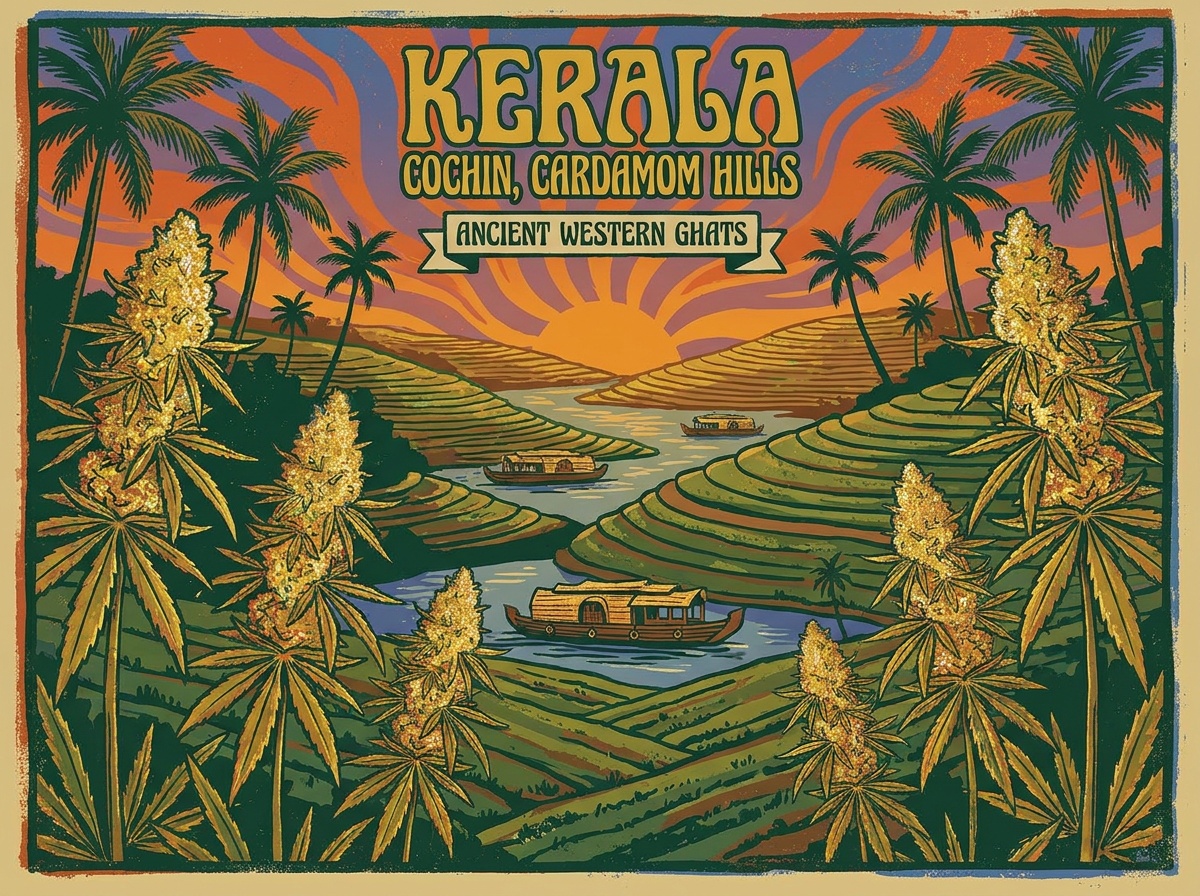
Figure 3: Vintage counterculture silkscreen travel poster celebrating Kerala, the Cardamom Hills of Idukki, the ancient Western Ghats, and the legendary heritage of Idukki Gold.
8. Summary and Strategic Context
Kerala Gold, frequently catalogued under the synonym Idukki Gold or Neelachadayan, represents a genetically pristine exemplar of the tropical equatorial *Cannabis sativa* L. var. *indica* clade. Phylogenomic surveys employing whole‑genome resequencing have positioned this accession within a basal lineage that diverged prior to the extensive introgression events that characterize most contemporary cultivars. Its genome exhibits a low heterozygosity index (≈0.12) and a distinctive haplotype block spanning the *THCAS*/*CBDAS* loci, indicative of long‑term isolation in the cardamom‑rich microclimates of the Western Ghats. Morphologically, the plant manifests narrow, lanceolate foliar blades, a high leaf‑to‑stem ratio, and a photoperiodic flowering schedule synchronized to equatorial day lengths, underscoring its adaptation to the humid, low‑light understory of tropical rainforest ecosystems.
The precipitous contraction of native forest cover in Idukki District—exceeding 68 % loss over the past four decades—has precipitated an acute risk of genetic erosion for this landrace. Conservation imperatives therefore demand a multilayered strategy: ex situ preservation through cryopreserved seed banks (e.g., the International Cannabis Germplasm Repository) must be complemented by in situ ethnobotanical initiatives that document traditional propagation practices among local agrarian communities. Moreover, artisan connoisseur collectives have begun a participatory breeding program that maintains phenotypic fidelity while generating duplicate seed lots for distribution under regulated access‑and‑benefit agreements. Such integrative stewardship is essential to safeguard the allelic diversity that underpins the landrace’s unique pharmacological profile.
From a medicinal breeding perspective, Kerala Gold contributes a suite of rare alleles of considerable therapeutic relevance. Notably, its chemotype is enriched for tetrahydrocannabivarin (THCV) at concentrations averaging 1.3 % w/w, a cannabinoid associated with glycemic modulation and appetite suppression. The genotype also encodes a robust *MLO*‑mediated mildew resistance pathway, conferring superior resilience to *Botrytis cinerea* under high humidity—a trait of paramount importance for indoor and tropical cultivation. Terpenomic analysis reveals a dominant terpinolene signature (≈22 % of the total volatile fraction), imparting a citrus‑herbaceous aroma and synergistic modulation of endocannabinoid signaling. The resultant psychoactive phenotype is characterized by a rapid, uplifting cerebral activation (“electric daytime sativa”) that aligns with contemporary demands for functional, non‑sedating cannabinoid therapeutics. Introgression of these traits into polyhybrid breeding pipelines expands the genetic toolkit available for precision medicine formulations.
In synthesis, Kerala Gold stands as a living repository of South Asian botanical heritage, embodying a convergence of ecological specialization, phytochemical rarity, and pharmacological potency. Its preservation and strategic incorporation into modern breeding programs not only honor the cultural legacy of the Western Ghats but also furnish the global cannabis industry with a durable genetic cornerstone for next‑generation therapeutics. Accordingly, Kerala Gold merits recognition as an enduring crown jewel within the taxonomy of *Cannabis sativa*, warranting sustained scientific investment and protective policy frameworks to ensure its continuity for future generations.
Ajarn Spencer for ganjahouse.net
All rights to Ganja House Koh Lanta.

- Acapulco Gold
- ACDC Strain
- Amnesia Haze
- Amsterdam Amnesia
- Blue Dream Strain
- Brazilian Manga Rosa
- Cannabis sativa ‘Maui Wowie’
- Charlotte’s Web Strain
- Chiang Mai Highland Thai
- Chocolope
- Colombian Gold (Santa Marta)
- Congolese Red (Kivu Landrace)
- Desfrán
- Durban Dew
- Durban Poison
- Ethiopian Highland Landrace
- Euforia
- Freddy’s Best
- Ghost Train Haze #1
- Green Crack (Cush)
- Harlequin Strain
- Isan Sativa Landrace
- Jack Herer Strain
- Jamaican Lamb’s Bread (Lamb’s Breath)
- Jamaican Pearl
- Kalamata Red
- Kerala Gold (Idukki Gold)
- Kilimanjaro (Elephant Stomper)
- Koh Chang Thai
- Kona Gold
- Malawi Gold (Chamba)
- Manipuri Landrace
- Michoacan Brown/Green
- Molokai Frost
- Mother’s Milk (Mommy’s Milk) – Sativa-Dominant Hybrid Strain
- Neville’s Haze
- Oaxacan Gold
- Original Haze
- OutLaw
- Panama Red (Point Red)
- Power Plant
- Punto Rojo (Tierra Adentro)
- Punto Rojo (Tierra Adentro)
- Red Congolese
- Ringo’s Gift Strain
- Santa Marta Colombian Gold
- Santa Marta Colombian Sativa
- Shaman
- Silver Haze
- Sour Diesel
- Strawberry Cough
- Super Boof Strain
- Super Lemon Haze
- Super Silver Haze
- Swazi Gold
- Swazi Gold (Nguni)
- Tangie
- Thai Stick (Hang Karok / Squirrel Tail)
- Thai Tiger Tail (Hang Suea)