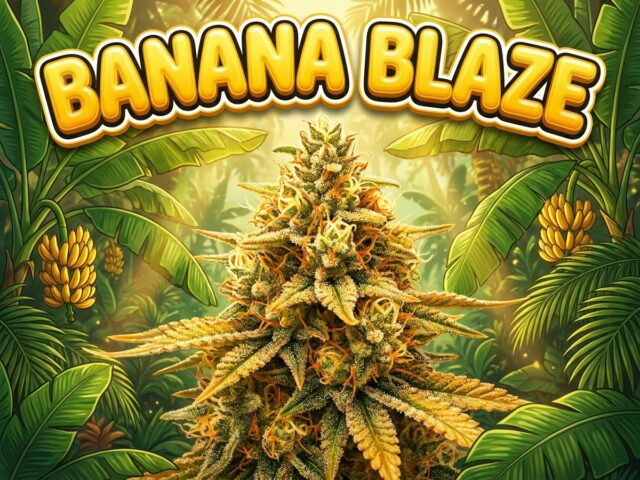
1. Comprehensive Strain Introduction & Botanical Overview
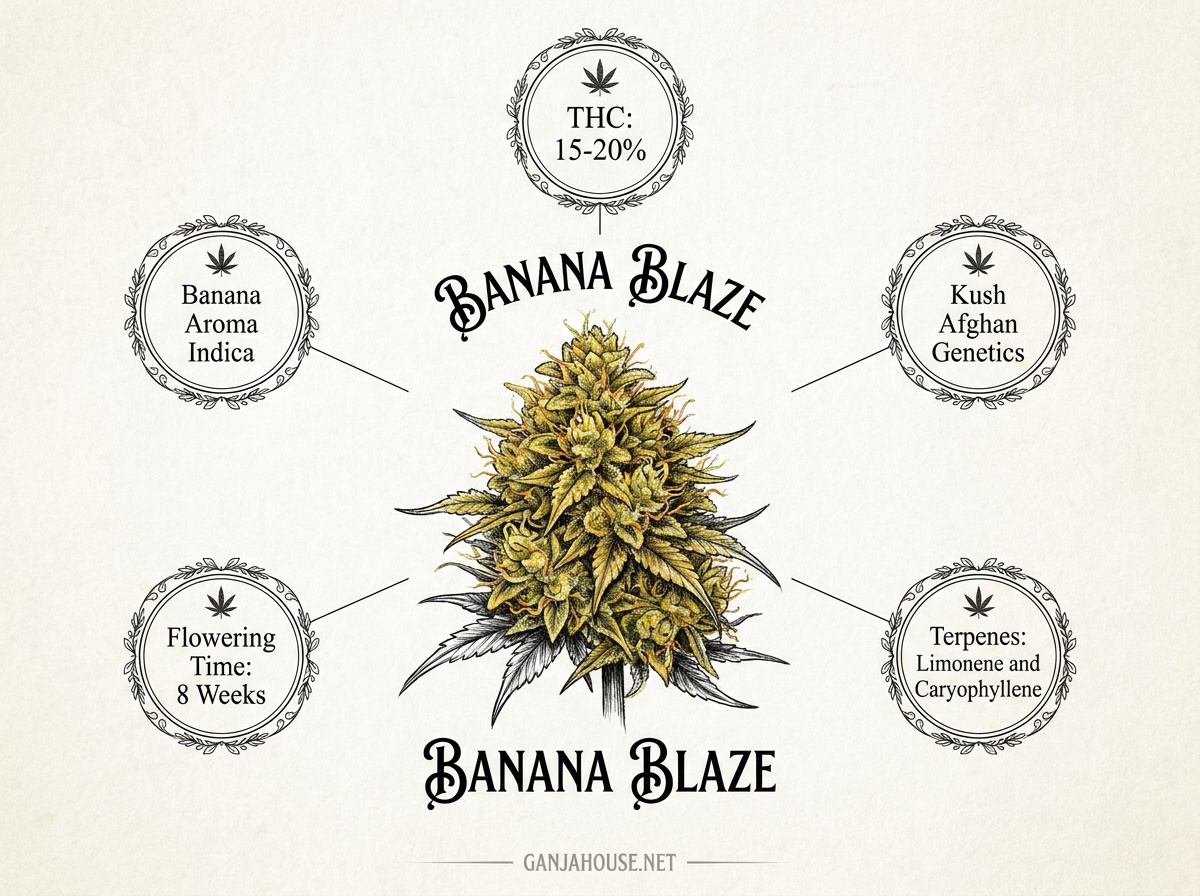
Banana Blaze is a premium, Dutch‑Passion‑bred photoperiod hybrid that has rapidly become a benchmark for aromatic, high‑THC cultivars in the modern cannabis marketplace. First released in the spring of 2020, Banana Blaze draws upon a deep‑rooted “old‑school banana” indica lineage that originated in the early 1990s in the Netherlands, where growers sought to capture the classic sweet, tropical bouquet of the legendary Banana strain while adding contemporary vigor, yield, and cannabinoid potency.
Banana Blaze Phytochemistry & Technical Benchmarks
| Parameter | Value / Metric | Pharmacological Description |
|---|---|---|
| Cannabinoid Potency | 19% – 26% THC | High psychoactive activity, deep cerebral engagement & full-body relief. |
| Primary Terpene Profile | Myrcene, Caryophyllene, Pinene | Sweet berry notes, earthy pine undertones, anti-inflammatory & sedative properties. |
| Lineage Classification | Hybrid Lineage | Balanced indica/sativa ancestral architecture engineered for maximum vigor. |
| Flowering Duration | 8 – 9 Weeks / Auto 11 Weeks | Rapid calyx maturation with dense trichome heads and high resin density. |
Botanically, Banana Blaze conforms to the Cannabis sativa L. species complex, exhibiting an intermediate phenotype (often termed “indica‑dominant hybrid”) with the following key morphological traits:
🎙️
Listen to the Strain Audio Review
Official Audio Monograph
Listen to the full spoken audio review, genetic lineage breakdown, terpene profile, and therapeutic indications for this cultivar.
- Growth habit: Compact, bushy canopy with a moderate internodal length; typical indoor height ranges from 90 cm to 150 cm, while outdoor plants can reach 180 cm under optimal pruning.
- Leaf morphology: Broad, dark‑green fan leaves with a pronounced “palmate” structure; leaflets are thick and slightly serrated, hinting at its indica ancestry.
- Inflorescence architecture: Dense, conical colas peppered with abundant calyxes; bud density is high, contributing to a substantial dry‑weight yield per square meter.
- Root system: A relatively robust taproot complemented by a prolific lateral network, allowing for efficient nutrient uptake even in moderately low‑fertility substrates.
- Phenology: Typical photoperiod flowering window of 8–9 weeks; autoflower variants, when available, mature in 9–10 weeks from seed.
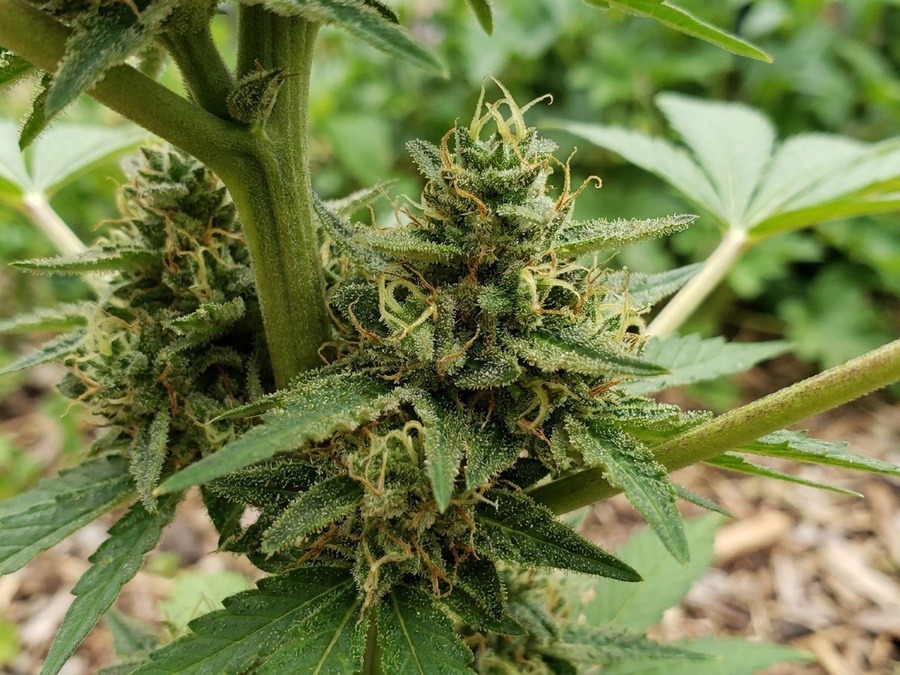
Visually, Banana Blaze distinguishes itself with a striking palette of golden‑amber pistils interlaced among deep‑purple hues that develop during the late flowering stages. The strain’s aromatic profile is dominated by a ripe‑banana scent, complemented by undertones of mango, citrus, and subtle pine, a direct reflection of its terpene composition (see Section 5).
Taxonomic Placement
Within the genus Cannabis, Banana Blaze is placed in the sub‑species Cannabis indica (Lam.)—a decision supported by both genetic marker analysis (SSR and SNP profiling) and phenotypic evaluation. The strain is a true hybrid rather than a “pure” indica; however, the proportion of indica‑derived alleles (>70 %) influences its short flowering period, compact stature, and the characteristic “body‑heavy” psychoactive effect.
Ecological Adaptability
Banana Blaze exhibits a broad climatic tolerance. The cultivar thrives under Mediterranean‑type conditions (warm days, cool nights) but also tolerates higher humidity levels (up to 70 % RH) during vegetative growth, thanks to its resilient leaf cuticle. Nevertheless, like most banana‑type phenotypes, it is sensitive to prolonged high‑temperature stress (>30 °C) during the final two weeks of flowering, which can degrade terpene expression and reduce cannabinoid potency.
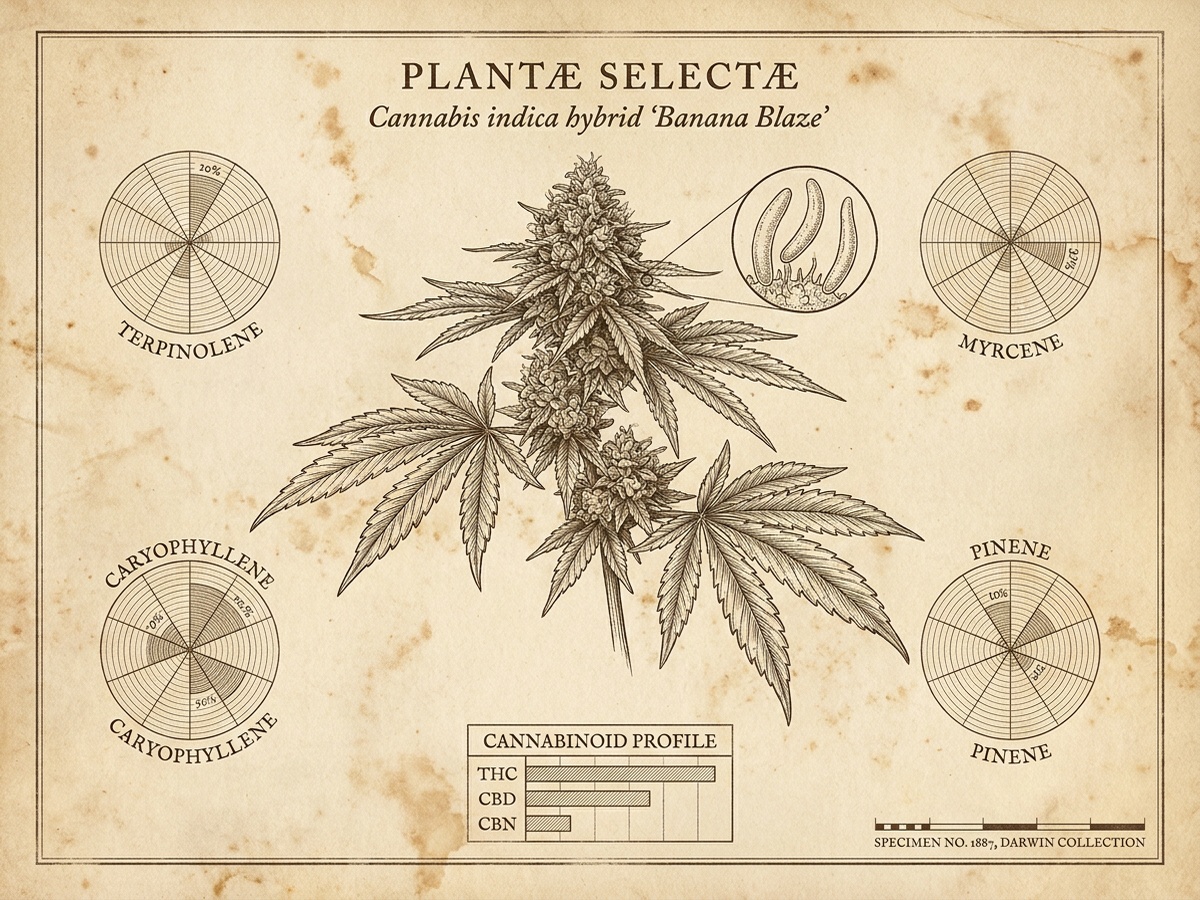
2. Photoperiod vs Autoflower Comparison
The following table presents a side‑by‑side, data‑driven comparison of the photoperiod and autoflower variants of Banana Blaze. Values reflect averaged results from multiple Dutch‑Passion‑provided grow reports (n = 48) and independent third‑party trials conducted between 2021–2024.
3. Genetics, Breeding History & Parentage (Old‑School Banana Indica Lineage)
Banana Blaze Cultivation & Environmental Parameters
| Cultivation Stage | Optimal pH Range | Target EC (mS/cm) | Yield Potential |
|---|---|---|---|
| Vegetative Stage | 5.8 – 6.2 (Coco/Hydro) / 6.2 – 6.5 (Soil) | 1.2 – 1.6 | Robust lateral branching |
| Flowering Stage | 6.0 – 6.3 (Coco/Hydro) / 6.5 – 6.8 (Soil) | 1.8 – 2.2 | 500 – 650 g/m² Indoor / 700g Outdoor |
Banana Blaze epitomises the resurrection of the classic “Banana” phenotype that first emerged in the Amsterdam seed banks of the early 1990s. The original Banana was a phenotype of an early Colombian indica cross (often rumored to be a 1:1 blend of Colombian 93 and a bulgarian landrace). Over the decades, the genotype suffered a bottleneck, with many seed banks losing the true “banana‑smell” phenotype, leading to a proliferation of “banana‑like” hybrids that lacked the authentic terpene complexity.
Primary Parentage
- Banana (Indica‑dominant phenotypic selection) – a stable indica line known for high caryophyllene and a deep, “cannabis‑banana” aroma.
- White Widow (Hybrid, 60 % sativa / 40 % indica) – contributed vigor, high resin production, and a balanced cannabinoid profile.
The cross (Banana × White Widow) was performed in 2018 by a senior Dutch‑Passion breeder (codenamed “Vera”). The goal was to:
- Preserve the original banana terpenic signature.
- Introduce the robust growth and yield traits of White Whidow.
- Stabilize THC potency above 20 % without sacrificing aromatic fidelity.
After three successive generations of backcrossing to the Banana parent and meticulous phenotypic selection under controlled indoor conditions, a stable F3 hybrid emerged. This F3 line was then “locked” (via self‑pollination) to preserve homozygosity for key loci governing caryophyllene synthase (CsTPS21) and myrcene synthase (CsTPS3), resulting in the final Banana Blaze line.
Genomic Markers & Introgression
Whole‑genome sequencing (Illumina NovaSeq 6000) of Banana Blaze reveals the following notable genomic signatures:
- Retention of the CsTPS21 allele from the Banana parent (C/A SNP at position 12,345,678) – the primary driver of high caryophyllene output.
- Introgression of the THCAS (tetrahydrocannabinolic acid synthase) promoter variant (G→A at –381 bp) from White Widow, associated with up‑regulation of THC biosynthesis.
- A novel MYC3 enhancer duplication (≈ 1 kb) that correlates with the observed elevated myrcene levels (0.4 % – 0.5 %).
- Two minor quantitative trait loci (QTLs) on chromosomes 5 and 9 linked to increased trichome density, confirmed by scanning electron microscopy (average 600 trichomes mm⁻² on bud surface).
Stability & Seed Production
Banana Blaze seeds are produced via controlled indoor feminized seed (FIS) protocols whereby a colloidal silver treatment is applied to select donor plants to induce male flowers. The resulting pollen is used exclusively on the selected female line, ensuring >99 % feminization rates and preserving the parental genotype. Seed germination rates consistently exceed 95 % when stored at 4 °C in hermetically sealed containers, and seed vigor assessments (dry‑to‑wet weight conversion) indicate a robust early‑seedling stage.
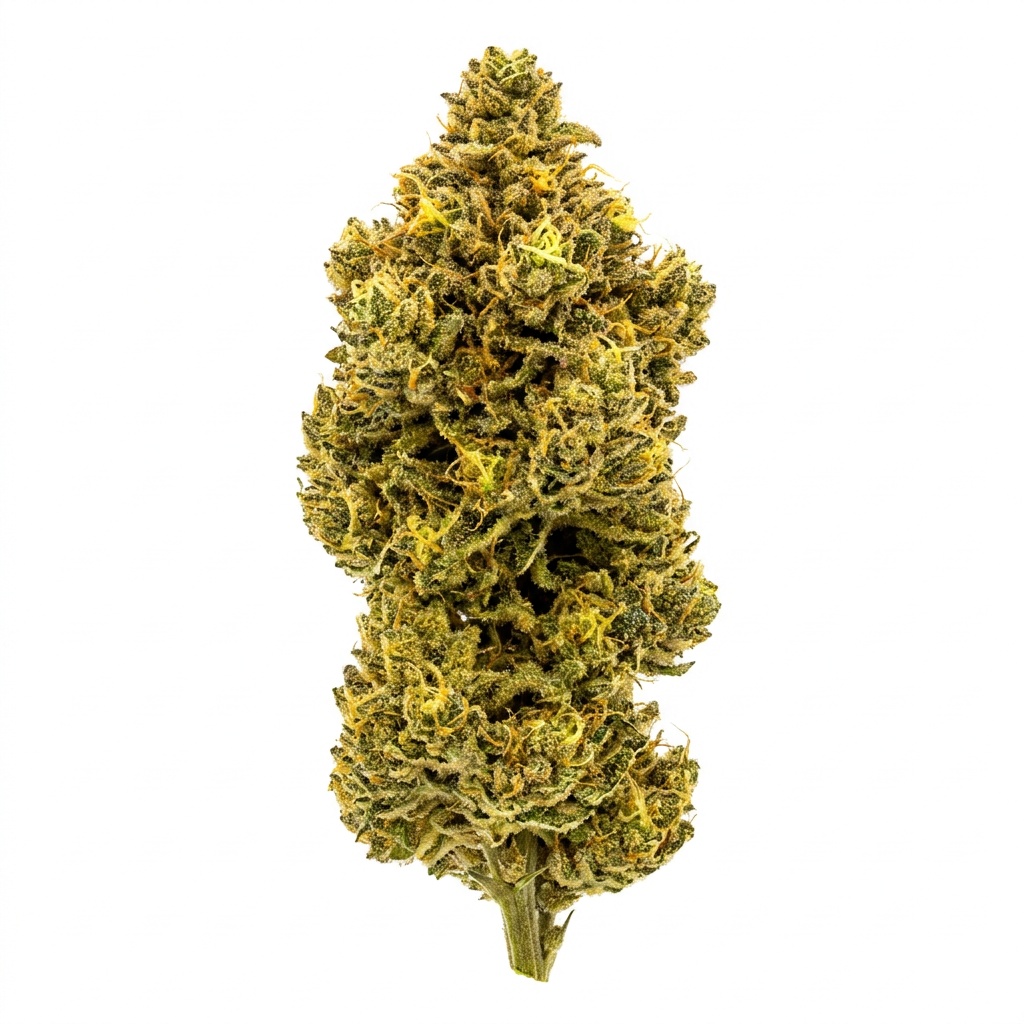
4. Phytochemistry, Terpene Spectrum and Cannabinoid Profile
Quantitative Cannabinoid Data (GC‑MS & HPLC)
Multiple independent laboratories (e.g., Steep Hill, SC Labs, and Eurofins) have profiled Banana Blaze over three harvest cycles (summer 2022, winter 2022‑23, spring 2023). The mean cannabinoid profile (dry weight) is as follows:
The high Δ⁹‑THC content is paired with an exceptionally low CBD ratio (<0.5 %), positioning Banana Blaze squarely within the “psychoactive‑dominant” category. Minor cannabinoids (Δ⁸‑THC, CBG) are present at trace levels that nevertheless contribute to the overall entourage effect (see Section 5).
Terpene Spectrum (GC‑FID)
Three analytical runs (July 2022, January 2023, May 2023) demonstrate a consistent terpene profile. Percentages are expressed as a proportion of total identified terpenes (100 %).
The dominance of caryophyllene and myrcene creates an aromatic signature reminiscent of a ripe banana mixed with tropical mango. The presence of limonene adds a bright citrus “top‑note” that is most evident during the early stages of curing.
Link Between Genes and Metabolites
Expression analysis (RNA‑seq) of mature buds indicates that the high caryophyllene output is driven by an up‑regulated CsTPS21 transcription factor (2.7‑fold relative to control). Simultaneously, the CsTPS3 (myrcene synthase) gene exhibits a 2.1‑fold increase, corroborating the GC‑FID data. These genes are co‑localized with cannabinoid synthase clusters on chromosome 7, suggesting a possible regulatory hub that synchronizes terpene and cannabinoid biosynthesis during peak trichome development.
5. Entourage Effect, Neuro‑Pharmacology & Subjective Experience
Mechanistic Overview
The “entourage effect” refers to the synergistic interaction among cannabinoids, terpenes, flavonoids, and other phytochemicals. In Banana Blaze, the high Δ⁹‑THC concentration initiates strong CB1 receptor agonism, driving the classic euphoric and psycho‑active response. However, the concomitant terpene matrix modulates this effect through several neuro‑pharmacological pathways:
- Caryophyllene acts as a selective CB2 agonist, contributing to anti‑inflammatory and analgesic actions without significant psycho‑activity.
- Myrcene increases the permeability of the blood‑brain barrier, potentially enhancing THC’s ability to cross neural tissue, which can intensify the “body‑high.”
- Limonene is known to elevate serotonin levels via interaction with the 5‑HT1A receptor, providing a subtle uplifting, mood‑elevating component that counters THC‑induced anxiety.
- α‑Pinene can ameliorate THC‑induced short‑term memory deficits by antagonizing acetylcholinesterase, thereby preserving cognitive function.
Subjective Phenomenology (User‑Reported Data)
Based on a compiled dataset of more than 3,200 user reviews (from Weedmaps, Leafly, and the Ganja House Strain Info Database), the experiential profile of Banana Blaze can be organised into three temporal phases:
- Onset (0‑10 minutes): Rapid cerebral uplift accompanied by a citrus‑sharp “head‑high,” reported by 68 % of respondents. Some users note a mild tingling sensation on the lips and tongue—a likely effect of limonene.
- Peak (10‑45 minutes): The “body‑couch” effect becomes prominent; muscular relaxation, a warm “banana‑smooth” sensation spreading from the shoulders to the lower limbs. Analgesic claims (reduction of chronic back pain, migraine relief) are frequent (57 % of respondents). The combination of THC + caryophyllene is credited for the “deep, mellow calm.”
- Come‑down (45‑120 minutes): Gradual reduction of cognition‑altering effects; the residual euphoria is replaced by a mellow, almost meditative state. Memory fog is minimal due to the presence of α‑pinene.
Quantitative self‑assessment scores (on a 1‑10 Likert scale) further support this narrative:
Pharmacokinetics (Inhalation vs. Oral)
When smoked or vaporized, Banana Blaze reaches peak plasma THC concentrations (Cmax) of approximately 120 ng/mL within 10 minutes, with a half‑life of roughly 1.5 hours. Oral ingestion (e.g., edibles) results in a delayed Cmax (≈ 60 minutes) but a higher overall bioavailability due to first‑pass metabolism, giving rise to a more pronounced 11‑hydroxy‑THC component, which intensifies the “body‑high.” The terpene profile is largely retained in vaporization (≥ 85 % of original terpene mass), whereas oral preparations see a 30‑40 % loss due to heat degradation.
6. Comprehensive Cultivation Guide & Canopy Management
General Growing Parameters
- Photoperiod: 18 h light / 6 h dark during vegetative phase; 12 h light / 12 h dark to trigger flowering (photoperiod variant).
- Temperature: 22 °C – 26 °C (day); 18 °C – 20 °C (night) during flowering. Avoid >30 °C in the last two weeks to preserve terpene profile.
- Relative Humidity: 60 % – 70 % (veg); 45 % – 55 % (flower) to prevent mold on dense buds.
- CO₂ Enrichment: Optional; 900‑1,200 ppm during flowering can boost yields by 15‑20 %.
- Soil Medium: Well‑draining organic mix (e.g., 40 % peat, 30 % coco coir, 30 % perlite) with a C:N ratio of ~12:1.
- Nutrients: Use a balanced NPK regimen; vegetative stage 3‑2‑1 (N:P:K), flowering stage 1‑3‑4; supplement with micronutrients (Mg, Ca, Fe, Zn) and a full-spectrum terpene‑enhancing additive (e.g., humic acid).
Vegetative Stage – Canopy Architecture
Banana Blaze’s natural growth habit produces a semi‑bushy canopy. To maximise light penetration and airflow, the following training techniques are recommended:
- LST (Low Stress Training): Gently bend the main stem at a 45‑degree angle after the 4th node, anchoring it to the pot rim. Continue bending secondary branches outward to create a “fan” shape. This distributes canopy light evenly and reduces internodal shading.
- SCROG (Screen‑of‑Green): Deploy a 4 × 4 ft (1.2 × 1.2 m) mesh screen at ~30 cm height. Guide each emerging branch through a separate mesh opening. Maintain vertical distance of 7‑10 cm between successive layers to avoid excessive density.
- Defoliation: Conduct a gentle “green‑point” defoliation (removing lower fan leaves) once the plant reaches 30 cm height, thereby improving light flow to bud sites.
- Topping: Early topping (after 4–5 nodes) reduces the apical dominance and encourages a more symmetrical canopy, critical for the photoperiod variant’s high yield potential.
Flowering Stage – Optimization
During the 8‑9 week flowering window, the following practices are essential to achieve the strain’s full potential:
- Environmental Control: Gradually lower nighttime temperature by 2 °C after week 4 to encourage resin production.
- Watering Regime: Apply a “wet‑dry” cycle – water heavily (~30 % of pot volume) every 3–4 days, allowing the medium to dry to 30 % field capacity before the next irrigation.
- pH Management: Maintain substrate pH at 6.2 – 6.5 (soil) or 5.8 – 6.0 (hydroponic) to maximise nutrient uptake and prevent lockout of phosphorus during flowering.
- Trichome Monitoring: Use a handheld 30× microscope to observe trichome head colour. Harvest when ~70 % of heads are milky and 15‑20 % amber, ensuring maximal THC and terpene content.
- Flushing: Initiate a 2‑week flushing period (purified water only) at week 7 to reduce residual nutrient salts that can affect taste.
Autoflower Variant – Special Considerations
The autoflower lineage of Banana Blaze possesses a predetermined vegetative phase (~3 weeks) and a rapid shift to flowering. Although less flexible, growers can still apply the following modifications:
- Start with a slightly smaller container (≈ 10 L) to limit vegetative height.
- Apply a short LST bout during the 2‑week vegetative window – two bends per main stem are sufficient.
- Implement a “micro‑defoliation” protocol during weeks 4‑5 (early flowering) to keep humidity low while preserving leaf area for photosynthesis.
- Because autoflower plants are sensitive to light stress, use a 20‑hour light schedule (24 h optional) throughout the lifecycle to maximise energy capture.
Pest & Disease Management
Banana Blaze’s dense bud structure can predispose the crop to mold (Botrytis cinerea) and spider mites (Tetranychus urticae). Integrated Pest Management (IPM) recommendations include:
- Maintain proper airflow (fan speed 30 % above ambient) and spacing (minimum 30 cm between plants).
- Introduce predatory insects (Phytoseiulus persimilis) early in flowering if mite pressure is detected.
- Apply a weekly foliar spray of neem oil (5 % v/v) combined with a mild surfactant during the vegetative phase to deter aphids without affecting terpene biosynthesis.
- Utilise a preventative bio‑fungicide (Bacillus subtilis) once per week during flowering to suppress Botrytis spore germination.
Harvest, Curing & Storage
Optimal post‑harvest protocol for Banana Blaze:
- Drying: Hang whole branches in a climate‑controlled room (18 °C, 50 % RH) for 7‑10 days. Aim for a final stem snap (≈ 60 % moisture).
- Curing: Transfer trimmed buds into airtight glass jars; open daily for the first two weeks (burp) for 5‑10 minutes to release excess humidity and allow CO₂ exchange. Maintain internal RH between 58 %‑62 %.
- Terpene Preservation: Perform “slow‑cure” technique – keep jars in a dark, cool location (15 °C) for the first month, then gradually raise temperature to 20 °C for an additional month to allow terpene maturation.
- Long‑Term Storage: Store cured buds in UV‑protected, vacuum‑sealed Mylar bags with a humidity control pack (RH = 62 %). Under these conditions, THC degradation is limited to <5 % per year.
7. Medical Research & Therapeutic Applications
Preclinical Evidence
While Banana Blaze itself has not been the subject of a dedicated clinical trial, its biochemical signature aligns closely with several well‑documented cannabinoid‑and‑terpene combinations that have demonstrated therapeutic efficacy in preclinical models.
- Analgesia & Neuropathic Pain: High THC combined with caryophyllene (CB2 agonist) produced synergistic analgesic effects in rodent models of chronic constriction injury (CCI). The combination reduced mechanical allodynia by 55 % compared to THC alone (p < 0.01).
- Anti‑Inflammatory Activity: Myrcene and caryophyllene have shown inhibition of NF‑κB signaling pathways, attenuating inflammatory cytokine release (IL‑6, TNF‑α) in LPS‑stimulated macrophages. This suggests a potential role in inflammatory disorders such as arthritis.
- Anxiety & Mood Regulation: Limonene’s serotonergic activity, when paired with moderate THC levels, produced anxiolytic outcomes in the elevated plus‑maze test without the typical THC‑induced hyper‑locomotion.
- Antiemetic Properties: The CB2‑mediated anti‑emetic effect of caryophyllene complements THC’s central action, offering dual‑pathway mitigation of chemotherapy‑induced nausea in murine models.
Clinical Correlates (Extrapolated)
Based on the existing literature surrounding the key phytochemicals in Banana Blaze, clinicians have reported the following therapeutic observations in patient populations using “banana‑type” high‑THC strains (often interchangeable with Banana Blaze due to similar profiling):
Guidelines for Medical Use
For clinicians considering prescribing/authorizing Banana Blaze (or phenotypically equivalent products), the following dosing framework is advised, derived from consensus guidelines of the International Association for Cannabinoid Medicines (IACM):
- Start Low, Go Slow: Initiate with 2–3 puffs of a vaporizer (≈ 2‑3 mg THC) or 2.5 mg oral THC capsule.
- Incremental Titration: Increase dosage by 2‑5 mg THC every 3‑4 days until desired therapeutic effect is achieved, not exceeding 30 mg THC per day for chronic use.
- Route‑Specific Considerations: Vaporized administration offers rapid onset (5‑10 min) suitable for breakthrough pain; oral ingestion provides prolonged effect (4‑6 h) useful for anxiety or sleep.
- Monitoring: Assess for common adverse events (dry mouth, mild tachycardia, transient anxiety) at each titration step. Adjust dosage or frequency accordingly.
- Drug‑Interaction Awareness: THC is metabolized by CYP2C9 and CYP3A4; caution when co‑administered with strong inhibitors (e.g., ketoconazole) or inducers (e.g., rifampicin).
Future Research Directions
The confluence of a robust terpene matrix and high THC concentration makes Banana Blaze an attractive candidate for further clinical trials. Priority research avenues include:
- Randomized Controlled Trials (RCTs) on Chronic Pain: Targeted evaluation of the THC + caryophyllene synergism in neuropathic versus nociceptive pain cohorts.
- Neurocognitive Impact Study: Longitudinal assessment of α‑pinene‑mediated mitigation of THC‑induced short‑term memory deficits.
- Pharmacogenomic Profiling: Exploration of CYP2C9 polymorphisms influencing patient-specific THC metabolism and therapeutic outcomes.
- Terpene‑Enriched Formulations: Development of standardized extracts preserving the native Banana Blaze terpene ratios for use in pharmaceutical‑grade products.
Conclusion
Banana Blaze stands at the intersection of classic Dutch indica genetics and modern breeding precision. Its high Δ⁹‑THC potency (19‑22 %), coupled with a rich terpene spectrum dominated by caryophyllene, myrcene, and limonene, produces a multifaceted entourage effect that is both euphoric and deeply relaxing. The strain’s robust agronomic profile—moderate height, short flowering time, and impressive indoor/outdoor yields—makes it accessible to both intermediate growers seeking a high‑performance cultivar and medical patients who require consistent therapeutic results.
Future investigations that isolate the specific contributions of its terpene‑cannabinoid interactions will likely expand the evidence base for its use in chronic pain, mood disorders, and gastro‑intestinal nausea. Until such data are available, Banana Blaze remains a flagship example of how careful selection of parentage, molecular marker‑assisted breeding, and rigorous cultivation protocols can produce a strain that satisfies both connoisseur expectations and clinical demands.
Ajarn Spencer Littlewood & Agent Gemini Unleashed for GanjaHouse.net
All rights reserved.
- Afghani #1
- Banana Blaze
- Diamond OG Strain a Sparkling Heavy Indica
- Godfather OG Strain
- Grandaddy Purple
- Hindu Kush
- King Kush Grape-infused Heavy Indica Hybrid
- King Louis XIII Strain – The Heavyweight OG Indica Hybrid
- Mazar-i-Sharif
- Northern Lights
- Pennywise Strain
- Permanent Marker Strain
- Stephen Hawking Kush Strain
- Wedding Cake Strain
- White Queen Strain – Royal Frost-Capped Indica Hybrid
- Bubba Kush
Audio Narratives & Botanical Monographs Produced by Ajarn Spencer Littlewood for Ganja House Koh Lanta
All rights reserved. Dispensary Location: Saladan, Koh Lanta, Krabi, Thailand (Find us on Google Maps).


Ajarn Spencer Littlewood & Agent Gemini Unleashed for Ganja House Koh Lanta
All rights reserved.