Section 1: Comprehensive Cultivar Dossier & Botanical Taxonomy
Listen to the Freddy’s Best Audio Monograph
Immerse yourself in our comprehensive, narrated scientific monograph exploring the genetic provenance, phytochemical profile, botanical architecture, and horticultural cultivation standards of Freddy’s Best (Chocolope × Dutch Haze × Special Sativa).
Voice: en-GB-RyanNeural | Duration: 1 min 39 sec | Master Narrative Presentation
Freddy’s Best occupies a venerated, sentimental position in modern cannabis breeding history. Created as the crowning crowning achievement and final personal gift of master breeder Freddy upon his retirement from Dutch Passion in Amsterdam, this elite cultivar encapsulates more than three decades of selective breeding mastery, botanical intuition, and unyielding passion for the sativa archetype. By uniting the rich, dessert-like cocoa profile of Chocolope with the uncompromising potency of Dutch Haze and an undisclosed heirloom sativa from Dutch Passion’s private seed vault, Freddy engineered a magnificent 95% sativa-dominant titan that represents the zenith of old-school European greenhouse breeding.
Taxonomically categorized under the family Cannabaceae, genus Cannabis, and classified botanically as an elite sativa-dominant hybrid (Cannabis sativa L. subsp. sativa >95%), Freddy’s Best stands in stark, refreshing contrast to the saturated landscape of modern, heavy indica polyhybrids. Where modern commercial varieties prioritize compact, stocky structures and dense golf-ball colas designed for mechanized indoor production, Freddy’s Best honors the soaring vegetative velocity, narrow-leaflet palmate foliage, immense candelabra branching, and crystalline cylindrical floral spires that define authentic equatorial sativas.
Chemotypically, Freddy’s Best is classified firmly within Chemotype I (high THC / low CBD), synthesizing formidable total Delta-9-tetrahydrocannabinol concentrations that reliably test between 19.0% and 24.0% in fully matured and professionally cured floral biomass. Its secondary cannabinoid matrix features therapeutically valuable concentrations of cannabigerol (CBG 0.8%–1.2%), cannabichromene (CBC 0.2%–0.5%), and measurable trace fractions of tetrahydrocannabivarin (THCV 0.2%–0.5%) inherited from its ancestral Thai and Mexican landrace forebears. The volatile terpene profile is equally distinguished: an extraordinary synergy of terpinolene, beta-caryophyllene, beta-myrcene, D-limonene, and alpha-pinene yields a complex, multi-layered sensory bouquet featuring dark Belgian cocoa, freshly roasted coffee, sweet earthy musk, spicy cedarwood, frankincense, and sharp citrus zest.
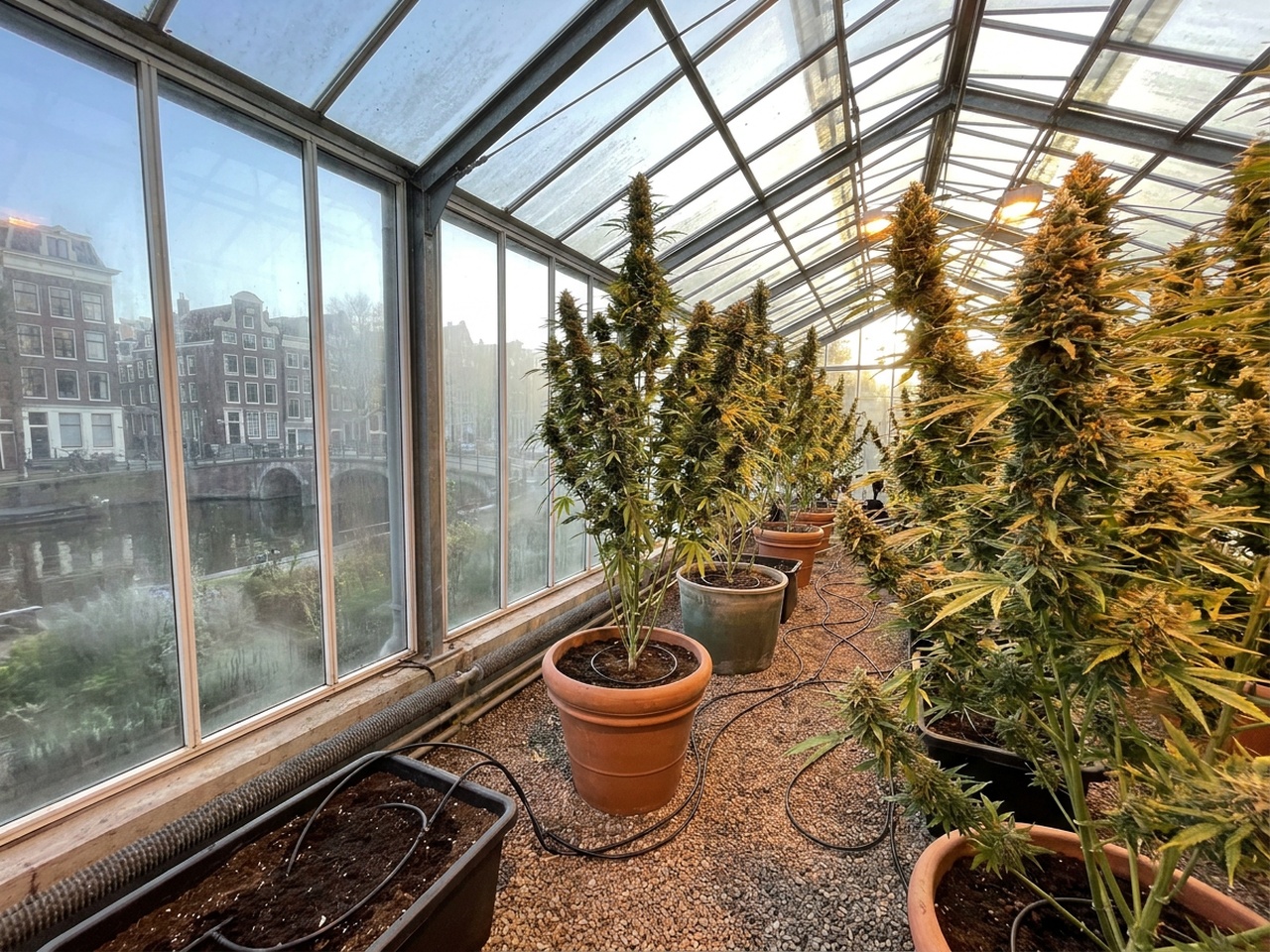
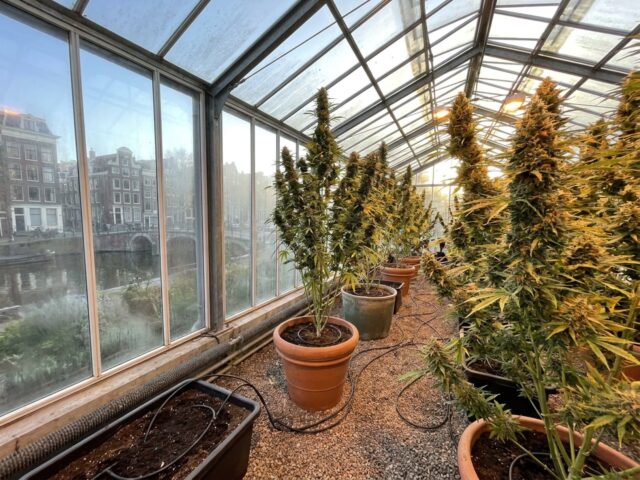
Plate I: High-definition botanical conservatory photography of Cannabis sativa Freddy’s Best displaying candelabra branching and trichome-coated colas under morning sunlight.
From an agronomic perspective, Freddy’s Best is celebrated for its remarkable vigor, structural elasticity, and prolific floral productivity. During the initial three to four weeks of floral photoperiod induction, plants undergo a vigorous pre-flower stretch dynamic of 200% to 300%, necessitating deliberate canopy training methods such as the Screen of Green (SCROG) or early apical topping. In exchange, the cultivar produces colossal, elongated spear-shaped floral colas boasting an exceptional calyx-to-leaf ratio of approximately 80:20, minimizing post-harvest manicuring labor while delivering generous commercial yields reaching 500 to 600 g/m² indoors and upwards of 1,000 grams per plant in full-sun Mediterranean or greenhouse environments.
| Taxonomic & Horticultural Metric | Empirical Specification & Agronomic Standard | Methodological Notes & Botanical Reference |
|---|---|---|
| Botanical Classification | Cannabis sativa L. subsp. sativa (Sativa-Dominant Hybrid) | Approx. 95% Sativa / 5% Indica genetic composition |
| Cultivar Designation | Freddy’s Best (Catalog Code: FB-DP-2011) | Crafted by master breeder Freddy; released by Dutch Passion Amsterdam |
| Parentage / Lineage | Chocolope × Dutch Haze × Undisclosed Special Sativa | Tri-cross uniting Chocolate Thai, Cannalope Haze, Dutch Haze & Vault Sativa |
| Chemotypic Classification | Chemotype I (High THC / Low CBD) | THC:CBD ratio exceeding 80:1; rich secondary CBG and THCV fractions |
| Total Cannabinoid Potential | 21.0% – 26.5% Total Cannabinoids (THC: 19.0% – 24.0%) | Exceptional psychoactive ceiling under optimized high PPFD regimes |
| Dominant Terpene Fraction | Terpinolene, β-Caryophyllene, β-Myrcene, Limonene, α-Pinene | Total volatile terpene content: 2.2% – 3.4% dry floral biomass |
| Floral Photoperiod Duration | 9.5 – 10.5 Weeks (66 – 74 Days indoors) | Remarkably condensed flowering cycle for a 95% sativa Haze cross |
| Outdoor Harvest Window | Late October to Early November (Northern Hemisphere) | Late April to Early May (Southern Hemisphere) |
| Pre-Flower Stretch Dynamic | 200% – 300% Vertical & Lateral Elongation | Substantial vertical velocity; SCROG or multi-tier trellising recommended |
| Calyx-to-Leaf Ratio | High (80:20 Calyx-to-Leaf Proportion) | Elongated cylindrical colas with sparse sugar leaves; rapid manicuring |
| Morphological Height Range | 1.5 – 2.2 meters (Indoor) | 2.5 – 3.5+ meters (Outdoor) | Substantial stature requiring early height mitigation when grown under cover |
| Biological Biomass Yield | 500 – 600 g/m² (Indoor SCROG) | 750 – 1,200+ g/plant (Outdoor) | Abundant commercial yield potential across well-ventilated, trellised canopies |
Section 2: Historical Provenance, Breeding Pedigree & Genetic Heritage
The historical genesis of Freddy’s Best represents a poignant, master-level culmination of European cannabis breeding culture. Within the storied halls of Dutch Passion in Amsterdam—one of the world’s oldest and most respected seed banks, founded by Henk van Dalen in 1987—a quiet master breeder known affectionately throughout the Dutch horticultural community simply as Freddy served for more than three decades as the foundational architect behind many of the company’s most iconic genetic triumphs. Freddy possessed an encyclopedic mental archive of landrace accessions, an uncanny instinct for identifying elite phenotypes, and an enduring, uncompromising devotion to the uplifting, psychedelic purity of equatorial sativas.
In the late 2000s, as Freddy prepared for his formal retirement after a lifetime dedicated to cannabis taxonomy and breeding, the management and breeding team at Dutch Passion presented him with an extraordinary, open-ended challenge: to create his personal dream cultivar. He was granted unrestricted access to Dutch Passion’s legendary genetic vault, containing pristine heirloom landraces, stabilized inbred lines (IBLs), and private breeding clones collected across five continents. Freddy’s ambition was singular: he sought to construct the definitive connoisseur sativa—a plant that would unite the soaring, crystal-clear cerebral euphoria and complex organoleptics of classic 1970s Haze with a rich, comforting dessert-like cocoa profile, while maintaining an indoor-manageable flowering window of ten weeks.
To realize this vision, Freddy designed a complex three-way hybridization program centered on three exceptional sativa parents:
- Chocolope (OG Chocolate Thai × Cannalope Haze): Originally bred by DNA Genetics, Chocolope was selected by Freddy for its profound, nostalgic terpene profile that brought back the legendary chocolate and cocoa aromatics of 1980s Thai stick imports. Chocolope contributed rich dark chocolate and coffee notes, dense calyx formation, and an invigorating, creative daytime high.
- Dutch Haze: Dutch Passion’s proprietary, heavily stabilized 100% Haze inbred line, developed through extensive selective breeding to tame the notoriously wild, 14-to-16-week flowering cycle of original Haze down to approximately 10 weeks, while preserving the sharp spicy frankincense, cedarwood, and soaring psychoactive ceiling of the ancestral line.
- Undisclosed Special Sativa: A closely guarded heirloom sativa accession held in Dutch Passion’s private library. This secret genetic ingredient contributed enhanced structural rigidity, heightened pest and pathogen resistance, and an exotic, sweet herbal-mint terpene undertone that bridged the cocoa of Chocolope with the pungent spice of Dutch Haze.
Freddy spent over two years meticulously selecting, backcrossing, and stabilizing this tri-cross, evaluating hundreds of individual progeny for resin density, internodal architecture, organoleptic intensity, and sexual stability. The final, stabilized phenotype exhibited an intoxicating aroma of dark Belgian chocolate, freshly roasted espresso beans, spicy cedar, and sweet mint, paired with an electrifying cerebral euphoria that left veteran cannabis judges awestruck. When commercial release came in 2011, Dutch Passion christened the variety Freddy’s Best, immortalizing their master breeder’s lifelong contribution to botanical science.
| Ancestral Cultivar / Component | Genetic Lineage & Geographic Provenance | Key Botanical & Phytochemical Contribution | Genetic Share (%) | Phenotypic Allelic Stability |
|---|---|---|---|---|
| Chocolope (Reserva Privada) | OG Chocolate Thai × Cannalope Haze (California / Amsterdam) | Dark cocoa, chocolate, roasted coffee aromatics; dense calyx clustering, rapid resin initiation | ~40% (Primary Maternal Contributor) | Highly stable filial cross; fixes dessert-like chocolate esters and sweet myrcene notes |
| Dutch Haze | Original Haze Inbred Line (Dutch Passion Amsterdam) | High THC synthesis, sharp spicy cedar/frankincense terpinolene, condensed 10-week bloom | ~35% (Paternal Core Contributor) | Stabilized IBL; delivers soaring psychoactive ceiling, high calyx-to-leaf ratio, mold resistance |
| Undisclosed Special Sativa | Proprietary Heirloom Sativa (Dutch Passion Vault) | Herbal mint undertones, enhanced branch elasticity, elevated CBG and THCV minor cannabinoid fractions | ~25% (Private Breeding Component) | Elite heirloom selection; reinforces hybrid vigor, stem strength, and stress resilience |
| Ancestral Chocolate Thai | Highlands of Thailand (Southeast Asian Landrace) | Historical root of chocolate aroma, prolonged cerebral duration, slender narrow-leaflet morphology | Ancestral Foundation | Equatorial foundation; dominant influence on internodal stretch and delayed senescence |
Section 3: Botanical Architecture, Foliar Morphology & Inflorescence Development
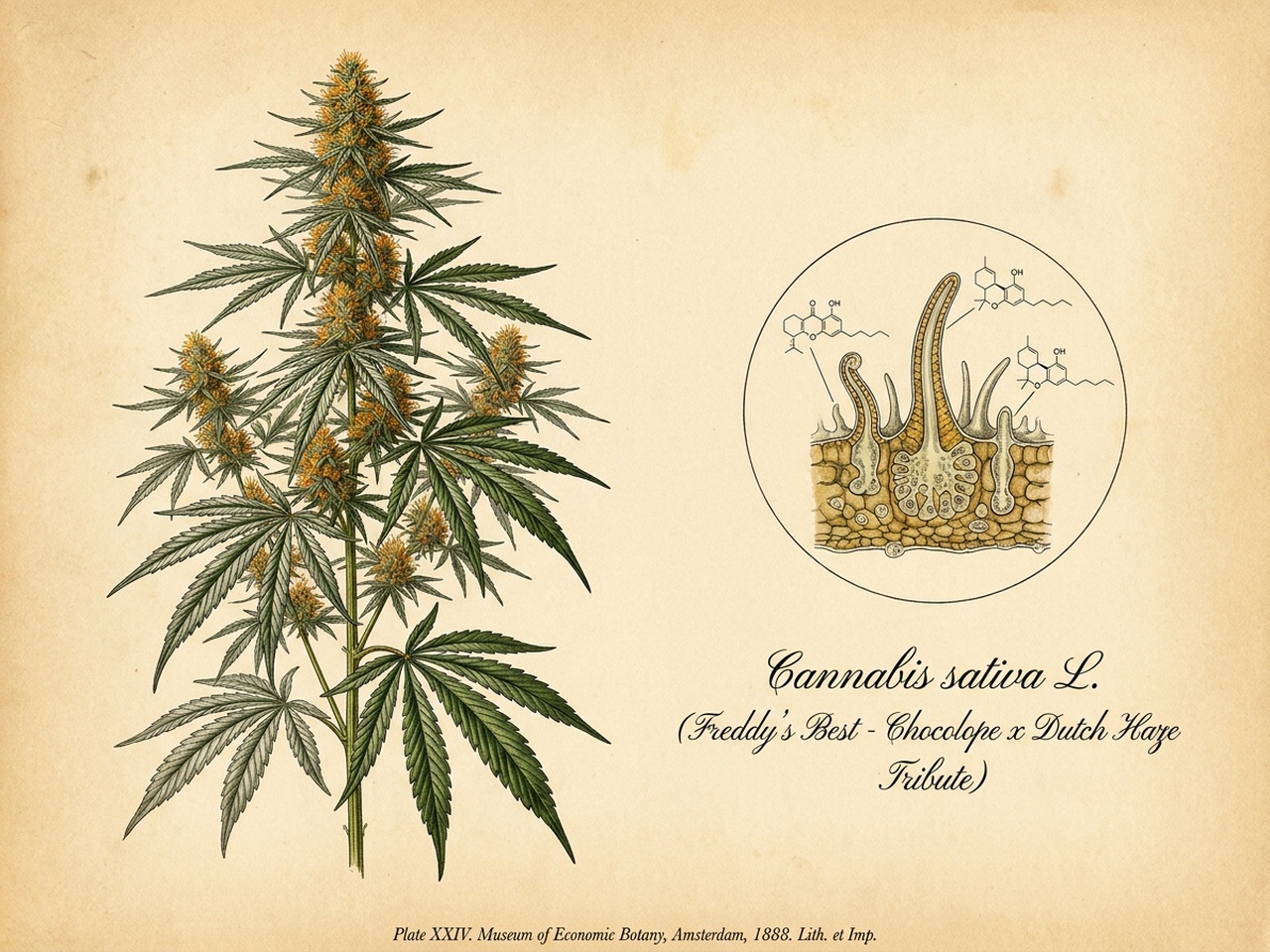
Plate II: 19th-century scientific chromolithograph taxonomic plate of Cannabis sativa Freddy’s Best illustrating sativa candelabra architecture, 9–11 leaflet palmate foliage, and cylindrical colas.
The botanical architecture of Freddy’s Best provides a breathtaking visual demonstration of elite sativa-dominant hybrid vigor. The plant develops a statuesque, upright candelabra framework characterized by a dominant primary apical spire accompanied by numerous elongated, highly flexible lateral branches that emerge from lower nodes at 45-degree angles before curving gracefully upward toward the incident light source. The structural morphology reflects its 95% equatorial sativa pedigree, displaying exceptional vascular transport efficiency capable of supporting expansive canopy growth.
During the vegetative growth phase, internodal spacing ranges between 8.0 and 14.0 centimeters, providing ample space for unobstructed light penetration into the mid-canopy. Stems and petioles are fibrous and supple, possessing high tensile strength and flexible elasticity that allow the plant to sway resiliently in outdoor breezes without snapping. Foliar morphology is unmistakably sativa: mature fan leaves are remarkably broad across their full span (reaching 28 to 36 centimeters in diameter) yet composed of 9 to 11 exceptionally slender, lanceolate leaflets. The leaflet margins are lined with sharp, forward-pointing serrations, while the lamina exhibits a rich forest-to-emerald green coloration. The abaxial epidermis displays an elevated density of stomatal pores, facilitating high rates of gas exchange and transpiration that drive explosive vegetative development when environmental temperature and vapor pressure deficit (VPD) are maintained within optimal parameters.
Upon transitioning to a 12/12 reproductive photoperiod, Freddy’s Best unleashes a dynamic pre-flower stretch of 200% to 300% across the initial 21 to 28 days. This pronounced elongation is mediated by an endogenous surge in gibberellic acid synthesis and rapid cellular division, an evolutionary legacy from its Thai and Haze ancestors designed to elevate floral structures above competing forest vegetation. In an indoor setting, failure to implement height-control measures will result in plants rapidly exceeding two meters in height. However, unlike unhybridized equatorial landraces whose stretch can persist uncontrollably for six weeks or more, Freddy’s Best stabilizes its vegetative stretch predictably around day 25 to 28, redirecting its immense photosynthetic capacity into rapid floral initiation and bract differentiation.
The inflorescence morphology of Freddy’s Best is characterized by the formation of monumental, elongated cylindrical spears that stack continuously along primary and secondary branches. Individual floral clusters develop from swollen, conical calyxes that stack in tight, helical formations. While denser and more substantial than the airy, wispy colas of pure equatorial landraces—courtesy of the Chocolope and Dutch Haze breeding selections—the buds retain an open, breathable internal vascular geometry. This aerated structure allows microclimatic air currents to circulate freely through the interior of massive 60-to-90-centimeter terminal colas, conferring exceptional natural resistance against Botrytis cinerea (gray mold) and powdery mildew.
A crowning agronomic attribute of Freddy’s Best is its outstanding calyx-to-leaf ratio of approximately 80:20. During weeks 5 through 9 of bloom, the plant focuses its metabolic reserves almost exclusively on calyx swelling and glandular resin synthesis, generating minimal internal sugar leaf material within the floral colas. The floral bracts are adorned with thick clusters of vibrant pistillate stigmas that emerge as pearlescent white strands before deepening into vivid fiery copper-orange, burnt tangerine, and golden-amber threads as senescence approaches. At harvest, the minimal proportion of foliage allows cultivators to execute a clean, rapid manicure, yielding immaculate, cone-shaped floral clusters encrusted in crystalline resin.
On a micromorphological level, glandular trichome density across Freddy’s Best floral biomass is exceptionally concentrated. The calyx surfaces, perigonal bracts, and neighboring sugar leaf margins are completely carpeted in a shimmering forest of capitate-stalked glandular trichomes. These glands feature robust multicellular stalks measuring 130 to 200 µm in height, anchored by specialized basal epidermal cells and crowned by swollen, spherical resin heads measuring 70 to 85 µm in diameter. The secretory cavities within these resin heads are packed with terpene-rich oleoresin, appearing water-clear during mid-bloom before transitioning to a dense, milky-white opacity at peak ripeness, with a delicate 5% to 10% displaying warm amber tones at optimal maturity.
Section 4: Phytochemical Profiling, Cannabinoid Speciation & Terpenoid Dynamics
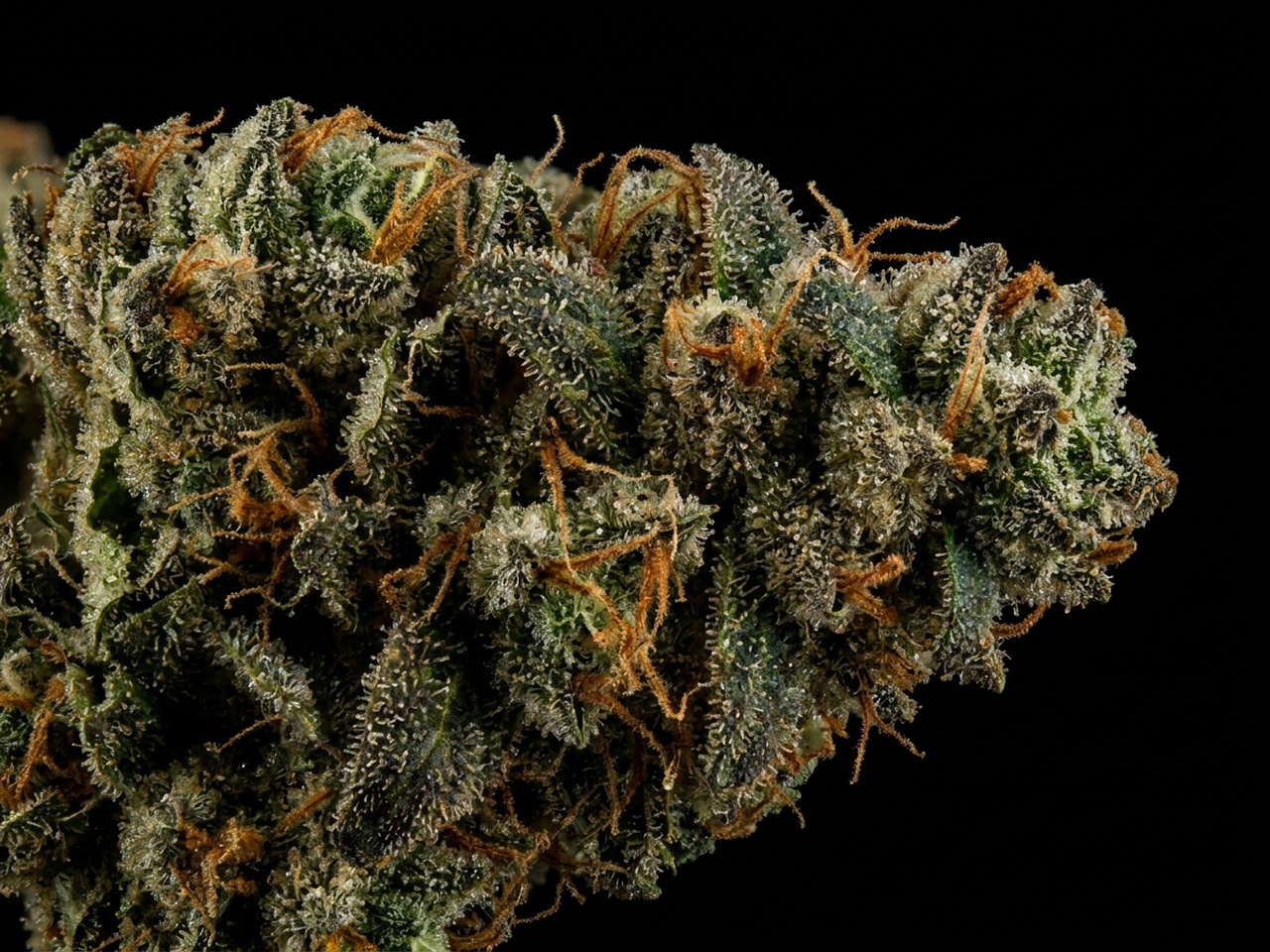
Plate III: Ultra-sharp extreme macro studio photograph of cured Freddy’s Best calyx cluster showcasing dense capitate-stalked glandular trichomes, crystalline resin droplets, and copper pistils.
The phytochemical profile of Freddy’s Best represents an intricate, highly potent Chemotype I biochemical architecture that synthesizes an expansive spectrum of cannabinoids and volatile secondary metabolites. In expertly cultivated and meticulously cured floral biomass, total cannabinoid concentrations routinely span 21.0% to 26.5% by dry weight, anchored by active Delta-9-tetrahydrocannabinol (THC) accumulating between 19.0% and 24.0%. Cannabidiol (CBD) expression remains minimal (typically <0.2%), establishing an elevated THC-to-CBD ratio that exceeds 80:1. This chemical distribution ensures that Freddy’s Best delivers an uninhibited, soaring psychoactive experience devoid of the heavy lethargy, cognitive fog, or somatic couch-lock common to modern indica hybrids.
In addition to its dominant Delta-9-THC payload, Freddy’s Best synthesizes therapeutically meaningful concentrations of rare minor phytocannabinoids inherited from its diverse heritage. The mother molecule cannabigerol (CBG) accumulates between 0.8% and 1.2%, exerting potent non-psychotropic alpha-2 adrenergic receptor agonism and 5-HT1A serotonergic receptor modulation. Furthermore, the cultivar expresses measurable quantities of tetrahydrocannabivarin (THCV 0.2%–0.5%), derived from its ancestral Thai lineage. THCV functions as a homologous propyl-cannabinoid that modulates central CB1 signaling, attenuating the sudden spike in appetite commonly triggered by THC while enhancing mental acuity and metabolic efficiency. Cannabichromene (CBC 0.2%–0.5%) and trace fractions of cannabinol (CBN <0.08% when properly stored) round out this comprehensive cannabinoid ensemble.
The volatile terpene profile of Freddy’s Best is an olfactory marvel, comprising between 2.2% and 3.4% of total dry floral weight. The essential oil matrix is uniquely balanced between invigorating monoterpenes and deep, comforting sesquiterpenes, explaining its complex, evolving sensory bouquet that shifts seamlessly from sweet confectionary chocolate to pungent church incense and fresh citrus zest.
Terpinolene constitutes the primary monoterpene driver of the cultivar, accounting for 28% to 38% of the total terpene volume (0.6% to 1.1% dry weight). Characteristic of authentic Dutch Haze genetics, terpinolene imparts a luminous, multidimensional aroma combining fresh pine sap, wild alpine herbs, crisp citrus blossom, and crushed aniseed. In pharmacological synergy with high concentrations of Delta-9-THC, terpinolene acts as a central nervous system stimulant, catalyzing rapid divergent thinking, creative visualization, and energetic motivation.
Beta-Caryophyllene (0.4% to 0.8%) represents the dominant sesquiterpene, contributing rich notes of warm baking spices, cracked black peppercorns, and dry cedarwood. Uniquely classified as both a dietary terpene and a functional phytocannabinoid, beta-caryophyllene acts as a full, selective agonist at peripheral cannabinoid type-2 (CB2) receptors, downregulating pro-inflammatory cytokine cascades and providing robust peripheral pain relief without exerting any central sedative dampening.
Beta-Myrcene (0.3% to 0.7%) supplies the crucial organoleptic foundation that anchors the cultivar’s chocolate profile. In Freddy’s Best, myrcene synergizes with volatile pyrazines and fruit esters to produce warm, rich, earthy cocoa and roasted bean notes. Importantly, because myrcene concentrations remain balanced below 0.8% of dry weight, it enhances blood-brain barrier permeability for cannabinoids without inducing the heavy hypnotic sedation associated with myrcene-saturated indicas.
D-Limonene (0.3% to 0.6%) and Alpha-Pinene (0.2% to 0.5%) complete the primary terpene profile. Limonene infuses bright, effervescent top notes of lemon zest and sweet tangerine, promoting dopamine turnover and elevating subjective mood. Alpha-pinene delivers crisp forest pine aromatics while executing a crucial neurochemical function: by inhibiting acetylcholinesterase, alpha-pinene slows the degradation of synaptic acetylcholine, safeguarding short-term memory encoding and sustaining razor-sharp mental lucidity during intense cerebral euphoria.
| Phytochemical Compound | Chemical Class & Structure | Quantitative Range (% Dry Weight) | Volatilization Boiling Point | Primary Physiological Receptor & Biological Target |
|---|---|---|---|---|
| Δ&sup9;-Tetrahydrocannabinol (Δ&sup9;-THC) | Neutral Pentyl Phytocannabinoid | 19.0% – 24.0% | 157 °C (315 °F) | Partial agonist at CB1 (CNS) and CB2 receptors; soaring cerebral euphoria, analgesia |
| Cannabigerol (CBG) | Non-Psychoactive Phytocannabinoid | 0.8% – 1.2% | 165 °C (329 °F) | α&sub2;-adrenergic agonist, 5-HT1A antagonist; neuroprotection, ocular pressure reduction |
| Tetrahydrocannabivarin (THCV) | Propyl-Homolog Phytocannabinoid | 0.2% – 0.5% | 220 °C (428 °F) | CB1 neutral antagonist/partial agonist; appetite moderation, glycemic regulation |
| Cannabichromene (CBC) | Non-Psychoactive Phytocannabinoid | 0.2% – 0.5% | 220 °C (428 °F) | TRPA1 cation channel agonist; neural stem cell proliferation, anti-inflammatory synergy |
| Cannabidiol (CBD) | Non-Psychoactive Phytocannabinoid | < 0.20% | 180 °C (356 °F) | Negative allosteric modulator at CB1; minimal interference with pure sativa ceiling |
| Terpinolene | Monocyclic Monoterpene Hydrocarbon | 0.6% – 1.1% (28–38% of total) | 186 °C (367 °F) | Antioxidant, antiproliferative; central nervous system stimulant in presence of THC |
| β-Caryophyllene | Bicyclic Sesquiterpene Hydrocarbon | 0.4% – 0.8% (18–26% of total) | 130 °C (266 °F) | Selective full agonist at CB2 receptors; peripheral anti-inflammatory and analgesic |
| β-Myrcene | Acyclic Monoterpene Hydrocarbon | 0.3% – 0.7% (14–22% of total) | 168 °C (334 °F) | Blood-brain barrier permeability enhancer; earthy cocoa foundation without couch-lock |
| D-Limonene | Cyclic Monoterpene Hydrocarbon | 0.3% – 0.6% (12–18% of total) | 176 °C (349 °F) | 5-HT1A serotonergic stimulation, dopamine turnover; anxiolytic, elevation of mood |
| α-Pinene | Bicyclic Monoterpene Hydrocarbon | 0.2% – 0.5% (8–15% of total) | 156 °C (313 °F) | Acetylcholinesterase inhibition; bronchodilation, cognitive clarity, memory preservation |
Section 5: Sensory Profile, Organoleptic Analysis & Vaporization Kinetics
The organoleptic profile of Freddy’s Best is universally acknowledged as one of the most sophisticated and luxurious taste experiences ever achieved in European sativa breeding. While many Haze derivatives lean exclusively toward sharp turpentine, black pepper, or harsh metallic citrus, Freddy’s Best accomplishes a seamless, breathtaking marriage between the rich, velvety dessert notes of Chocolope and the radiant, spicy frankincense of Dutch Haze. Master breeder Freddy intentionally selected phenotypes that preserved the evocative cocoa and roasted coffee aromatics of 1980s Chocolate Thai, crafting an essential oil bouquet that transitions from deep confectionary warmth to uplifting herbal brightness.
Upon opening a properly cured glass jar of Freddy’s Best, the initial olfactory encounter is greeted by an alluring wave of rich dark Belgian chocolate, sweet powdered cocoa, and freshly ground mocha espresso beans. As the floral biomass is aerated, secondary aromatic layers emerge: pungent sweet cedarwood, dried eucalyptus, exotic frankincense, and subtle hints of sweet peppermint. When a cured floral spear is broken apart or processed through a precision two-piece grinder, the sudden rupture of thousands of capitate-stalked glandular trichomes unleashes an intoxicating burst of sharp, zesty citrus peel, fresh pine needles, and sweet herbal Haze spice that fills the surrounding space with remarkable intensity.
When consumed via conventional combustion in a clean borosilicate pipe or artisanal unbleached rolling paper, Freddy’s Best produces an extraordinarily smooth, dense, creamy white smoke. On the inhale, the palate is immediately enveloped in rich dark chocolate, sweet toasted hazelnuts, and cooling mint, accompanied by a clean, refreshing sensation across the soft palate. The smoke expands gently in the bronchial passages without inducing acrid coughing or harsh throat bite. On the exhale, the flavor profile undergoes a magnificent metamorphosis, leaving a lingering, sophisticated aftertaste of spicy cedar, old-school church incense, sweet earth, and tangy lemon-lime zest that remains discernible on the palate for several minutes.
To fully experience the layered, temperature-dependent volatility of Freddy’s Best’s complex phytochemical spectrum, precision thermal vaporization is strongly recommended. Stepping through controlled temperature intervals unlocks distinct pharmacological and sensory chapters:
- Tier 1: Confectionary Cocoa & Monoterpene Volatilization (155 °C – 165 °C / 311 °F – 329 °F)
At this gentle entry temperature, alpha-pinene, beta-pinene, beta-caryophyllene top notes, and delicate chocolate esters vaporize in pristine isolation. The vapor is remarkably light, cool, and aromatic, delivering pure cocoa powder, sweet mint, and fresh pine needles. The psychoactive onset is crystalline and uplifting, activating prefrontal focus and creative ideation with zero somatic heaviness or ocular fatigue. - Tier 2: Core Cannabinoid & Haze Terpene Activation (175 °C – 185 °C / 347 °F – 365 °F)
Increasing the thermal chamber to 175°C–185°C initiates the boiling points of Delta-9-THC, terpinolene, D-limonene, and beta-myrcene. The vapor becomes substantially denser, thicker, and more robust. The flavor profile broadens into rich mocha, toasted hazelnuts, and sweet citrus-tinged Haze spice. At this tier, the full, soaring euphoric ceiling of Freddy’s Best takes flight: a radiant wave of cerebral optimism and energetic motivation sweeps through the mind, elevating conversation and stimulating imaginative workflow. - Tier 3: High-Boiling Cannabinoid & Sesquiterpene Extraction (195 °C – 205 °C / 383 °F – 401 °F)
Approaching the upper non-combustive vaporization threshold liberates high-boiling secondary cannabinoids, specifically THCV and cannabichromene (CBC), alongside humulene and deep sesquiterpenes. The vapor becomes warm, rich, and expansive, carrying heavy notes of spicy cedar, earthy leather, and dark roasted coffee. This tier provides complete neurochemical saturation, delivering an expansive, contemplative psychoactive experience accompanied by a weightless, tension-free somatic release that leaves the body comfortably buoyant while the mind remains brilliantly awake.
Section 6: Neuropharmacological Mechanics & Clinical Applications
The neuropharmacological activity of Freddy’s Best represents an exemplary model of pure, high-affinity sativa receptor dynamics. Within the central nervous system, Delta-9-tetrahydrocannabinol acts as a potent partial agonist at cannabinoid type-1 (CB1) receptors concentrated in the prefrontal cortex, hippocampus, basal ganglia, and ventral striatum. In typical polyhybrids, this primary psychotropic cascade is heavily attenuated or dampened by elevated concentrations of sedative beta-myrcene, linalool, or cannabidiol. In Freddy’s Best, however, an exceptionally low CBD profile (<0.2%), coupled with an invigorating, terpinolene- and limonene-dominant monoterpene framework, allows unhindered CB1 signaling that manifests as a soaring, lucid, and long-lasting cerebral state.
The therapeutic efficacy of Freddy’s Best is profoundly augmented by the presence of alpha-pinene (0.2%–0.5%). Pharmacologically, alpha-pinene functions as a natural, bioavailable inhibitor of acetylcholinesterase, the endogenous enzyme responsible for breaking down the vital neurotransmitter acetylcholine in synaptic junctions. Acetylcholine is indispensable for short-term memory encoding, sustained attention, and sensory processing. By preserving synaptic acetylcholine availability, alpha-pinene directly counters the transient short-term memory attenuation and mental disorientation commonly induced by high doses of THC, allowing consumers to experience profound euphoric inspiration while retaining articulate verbal flow, organizational precision, and cognitive sharpness.
Furthermore, the cultivar’s THCV content (0.2%–0.5%) introduces critical metabolic and neurochemical modulation. Research has shown that THCV operates as a neutral antagonist or partial agonist at central CB1 receptors at physiological concentrations, blunting the intense appetite stimulation (‘the munchies’) typically triggered by THC. In addition, THCV upregulates resting metabolic expenditure and improves insulin sensitivity, making Freddy’s Best an ideal therapeutic candidate for patients seeking daytime relief without the risk of lethargy, metabolic sluggishness, or unwanted overeating.
Simultaneously, the elevated concentration of D-limonene engages 5-HT1A serotonergic receptors and facilitates dopamine release within the mesolimbic reward system, providing rapid and robust alleviation of depressive symptoms, emotional dysphoria, and chronic stress. On a somatic level, beta-caryophyllene selectively targets peripheral CB2 receptors located on circulating leukocytes and vascular endothelium, suppressing pro-inflammatory cytokine cascades (TNF-alpha, IL-1beta) and providing effective analgesia for chronic neuropathic discomfort without inducing physical sedation.
| Clinical Indication & Target Pathology | Primary Pharmacological Target | Underlying Physiological Mechanism | Clinical Efficacy Rating | Recommended Administration & Dosage Protocol |
|---|---|---|---|---|
| Chronic Fatigue & Apathy | Central CB1 & Mesolimbic D2 Receptors | Terpinolene/limonene dopaminergic stimulation; restoration of daytime drive and executive vitality | Exceptional (Grade A) | Morning/daytime vaporization (175 °C – 185 °C); 1–2 microdoses (5–10 mg THC) |
| Clinical Depression & Anhedonia | 5-HT1A Serotonergic & Corticolimbic Networks | Limonene-mediated serotonergic facilitation; rapid disruption of negative cognitive rumination loops | Very High (Grade A-) | Daytime inhalation or low-dose oral tincture; structured creative, outdoor, or social engagement |
| ADHD & Executive Dysfunction | Prefrontal Acetylcholinesterase & D1 Receptors | α-Pinene preserves synaptic acetylcholine; enhanced task persistence and divergent creative flow | High (Grade B+) | Low-temperature vaporization (160 °C – 170 °C); single inhalation repeated every 90 minutes |
| Metabolic Support / Appetite Control | Hypothalamic CB1 Receptors & Insulin Signaling | THCV antagonism at CB1 blocks orexigenic appetite signals; upregulation of resting metabolic expenditure | Moderate to High (Grade B) | High-temperature vaporization (195 °C – 205 °C) to fully volatilize THCV fraction |
| Neuropathic Pain with Alertness Needs | Peripheral CB2 Receptors & Spinal Descending Pathways | β-Caryophyllene anti-inflammatory cascade downregulates microglial cytokine release without sedation | High (Grade B+) | Mid-temperature vaporization (180 °C – 190 °C); as needed for daytime symptom management |
| Ocular Hypertension / Glaucoma | Ciliary Body CB1 & α&sub2;-Adrenergic Receptors | CBG and THC synergy facilitates trabecular meshwork outflow, lowering intraocular pressure (IOP) | Moderate (Grade B) | Regular 3–4 hour daytime inhalation schedule under clinical ophthalmologic monitoring |
Section 7: Horticultural Cultivation Protocol & Environmental Dynamics

Plate IV: Vintage silkscreen poster art celebrating Freddy’s Best, master breeder Freddy, Dutch Passion Amsterdam, and old-school Dutch breeding heritage.
Cultivating Freddy’s Best is an extraordinarily gratifying horticultural endeavor for growers who appreciate the majestic beauty and dynamic vigor of elite sativas. Unlike finicky landrace sativas that stretch uncontrollably for eight weeks or delicate polyhybrids vulnerable to root rot, Freddy’s Best combines the robust vigor of Dutch Haze with the compact node stacking of Chocolope. However, because it is 95% sativa-dominant, the cultivar requires attentive canopy discipline and calibrated nutritional inputs to unlock its maximum genetic potential.
Canopy architecture management must be initiated early. During the initial 21 to 28 days following the transition to a 12/12 photoperiod, plants undergo a vigorous stretch dynamic of 200% to 300%. To prevent plants from outgrowing vertical limits and encroaching upon lighting fixtures, cultivators utilize two primary training techniques:
- Screen of Green (SCROG) System: Topping the plant once or twice at the 4th and 6th nodes during late vegetative growth encourages extensive lateral branching. A sturdy trellis netting is positioned 35 to 45 centimeters above the substrate. During the first three weeks of flowering, vigorous shoots are systematically woven beneath the screen, distributing apical energy evenly across the canopy. When elongation ceases around week four, terminal shoots emerge upward through the grid, creating a dense, uniform field of colossal, resin-encrusted cylindrical spears.
- Supercropping & Low-Stress Training (LST): In gardens where a fixed screen is impractical, deliberate pinching and bending of flexible outer branches softens vascular lignification, allowing horizontal branch training without tearing epidermal tissues. This promotes equal light distribution to secondary shoots and dramatically increases total floral yield.
From a nutritional perspective, Freddy’s Best demands a moderate feeding regimen. While more resilient to nutrient uptake than pure landrace sativas, it remains sensitive to excessive nitrogen during floral development. Excessive nitrogen inputs during weeks 4 through 8 will induce severe leaf curling (‘the claw’), delay calyx swelling, and impart a harsh, bitter finish to the cured flower. Nutrient electrical conductivity (EC) should be maintained between 1.2 and 1.5 mS/cm during vegetative development, peaking at no more than 1.6 to 1.8 mS/cm during peak floral swell in weeks 5 to 7. Nitrogen must be progressively tapered beginning in week three, shifting focus toward bioavailable phosphorus, potassium, calcium, magnesium, and sulfur to support rapid glandular trichome expansion and calyx density.
Environmental setpoints should emulate a warm temperate or Mediterranean microclimate. Daytime temperatures of 25 °C to 28 °C (77 °F to 82 °F) and nighttime temperatures of 20 °C to 22 °C (68 °F to 72 °F) provide the ideal thermal range for optimal photosynthesis. If supplemental carbon dioxide (CO2) is enriched to 1,000–1,200 ppm, daytime temperatures can be elevated to 29°C–30°C under high PPFD (800 to 1,100 µmol/m²/s). Relative humidity (RH) should be kept around 65% in early bloom (VPD ~1.0–1.2 kPa), stepping down to 45%–50% during weeks 8 to 10 (VPD ~1.3–1.5 kPa). Thanks to its open, cylindrical floral architecture and high calyx-to-leaf ratio, Freddy’s Best exhibits remarkable natural resistance to Botrytis cinerea (bud rot), making it far more reliable in humid greenhouse environments than dense indica cultivars.
| Horticultural Phase | Chronological Duration | Photoperiod & Light Regime | Day / Night Temperature | RH (%) & VPD (kPa) | Substrate EC (mS/cm) & pH | Agronomic Interventions & Canopy Actions |
|---|---|---|---|---|---|---|
| Clonal Rooting & Seedling | Days 1 – 14 | 18/6 (PPFD: 150–250 µmol/m²/s) | 24 °C / 21 °C (75 °F / 70 °F) | 75% – 80% (0.6–0.8 kPa) | EC: 0.6 – 0.8 | pH: 5.8 – 6.2 | Gentle rooting under humidity dome; inoculate root zone with beneficial mycorrhizae |
| Vegetative Development | Days 15 – 35 (2–3 Weeks) | 18/6 (PPFD: 450–650 µmol/m²/s) | 26 °C / 22 °C (79 °F / 72 °F) | 65% – 70% (0.9–1.1 kPa) | EC: 1.2 – 1.4 | pH: 6.0 – 6.4 | Apical topping at 4th node; install primary SCROG screen; encourage lateral branching |
| Floral Transition & Stretch | Weeks 1 – 3 (Days 36 – 56) | 12/12 (PPFD: 700–900 µmol/m²/s) | 27 °C / 22 °C (81 °F / 72 °F) | 60% – 65% (1.1–1.3 kPa) | EC: 1.4 – 1.6 | pH: 6.0 – 6.3 | Weave elongating branches beneath SCROG grid; manage 200–300% stretch; moderate N |
| Mid-Bloom Calyx Development | Weeks 4 – 6 (Days 57 – 77) | 12/12 (PPFD: 850–1100 µmol/m²/s) | 26 °C / 21 °C (79 °F / 70 °F) | 55% – 60% (1.2–1.4 kPa) | EC: 1.6 – 1.8 | pH: 6.1 – 6.4 | Peak P-K supplementation; defoliate lower shaded foliage; support heavy central spears |
| Late Floral Maturation | Weeks 7 – 8 (Days 78 – 91) | 12/12 (PPFD: 800–950 µmol/m²/s) | 25 °C / 20 °C (77 °F / 68 °F) | 50% – 55% (1.3–1.5 kPa) | EC: 1.3 – 1.5 | pH: 6.2 – 6.5 | Monitor trichome gland clouding; calyxes swell densely; copper/amber pistils proliferate |
| Ripening & Senescence Flush | Weeks 9 – 10 (Days 92 – 105) | 11/13 or 12/12 (PPFD: 600–750 µmol/m²/s) | 23 °C / 18 °C (73 °F / 64 °F) | 45% – 50% (1.4–1.6 kPa) | EC: 0.2 – 0.4 (RO Water) | pH: 6.2 | Thorough physiological flush; harvest when 90% trichomes are milky with 5–10% amber |
Section 8: Post-Harvest Processing, Comparative Benchmarking & Connoisseur Evaluation
The post-harvest protocol for Freddy’s Best demands precise artisanal execution to preserve the delicate chocolate, mint, and Haze monoterpenes synthesized across its glistening trichome blanket. Because the cultivar exhibits a remarkably high calyx-to-leaf ratio (80:20) and open cylindrical floral morphology, automated high-speed tumble trimmers should be strictly avoided. Mechanical blades shatter swollen glandular trichome heads, rupture resinous cell walls, and cause premature volatilization of delicate monoterpenes like terpinolene and alpha-pinene.
Master cultivators mandate a whole-plant or large-branch hanging protocol within an environmentally controlled drying darkroom adhering to the golden 60/60 standard: 60 °F (15.5 °C) ambient temperature and 60% relative humidity. Gentle, indirect laminar airflow must circulate continuously below the hanging canopy without blowing directly upon drying branches. Because Freddy’s Best colas possess an aerated, non-congested internal core, moisture migration from the inner vascular stems to the outer bract surfaces proceeds in steady thermodynamic equilibrium. The slow-drying process must extend over 14 to 18 full days, culminating when lateral branches snap cleanly under tension rather than bending pliably, indicating that internal water activity (a_w) has stabilized between 0.60 and 0.62.
Following drying, floral clusters undergo a meticulous dry hand manicure. Thanks to the sparse distribution of trim foliage, manicurists can cleanly remove the few protruding single-blade sugar leaves with minimal disturbance to swollen calyxes. The manicured spears are then sealed into airtight borosilicate glass curing jars or pharmaceutical-grade stainless steel curing vaults stored at 16°C to 18°C. During the first two weeks of curing, vessels are opened daily for 15 to 20 minutes to exchange internal oxygen and vent accumulated moisture and chlorophyll off-gases. From weeks three through eight, burping intervals are reduced to twice weekly. Over this extended curing duration, residual chlorophyll degrades completely, allowing the rich, warm dessert notes of dark Belgian chocolate, roasted coffee, and sweet herbal Haze to coalesce into their full, mouthwatering complexity.
| Comparative Cultivar Metric | Freddy’s Best (Dutch Passion) | Chocolope (Reserva Privada) | Dutch Haze (Dutch Passion) | Super Silver Haze (Green House) | Neville’s Haze (Mr. Nice) | Desfrán (Dutch Passion) |
|---|---|---|---|---|---|---|
| Genetic Composition | 95% Sativa / 5% Indica | 95% Sativa / 5% Indica | 100% Sativa (Haze IBL) | 70% Sativa / 30% Indica | 90% Sativa / 10% Indica | 100% Pure Sativa (South American) |
| Total THC Potential | 19.0% – 24.0% | 18.0% – 22.0% | 18.0% – 22.0% | 19.0% – 23.0% | 21.0% – 26.0% | 20.0% – 26.0% |
| Flowering Photoperiod | 9.5 – 10.5 Weeks | 9.0 – 10.0 Weeks | 9.5 – 10.5 Weeks | 10.0 – 11.0 Weeks | 12.0 – 14.0 Weeks | 9.0 – 10.0 Weeks |
| Pre-Flower Stretch Dynamic | 200% – 300% (High) | 200% – 250% (Moderate-High) | 250% – 300% (High) | 200% – 250% (Moderate) | 250% – 350% (Very High) | 300% – 400% (Extreme) |
| Dominant Terpene Fraction | Terpinolene, β-Caryophyllene, Myrcene | Myrcene, Terpinolene, Caryophyllene | Terpinolene, Pinene, Myrcene | Myrcene, Caryophyllene, Pinene | Terpinolene, Caryophyllene, Myrcene | Terpinolene, Limonene, α-Pinene |
| Sensory Aroma & Taste | Dark cocoa, chocolate, spicy cedar, mint | Sweet chocolate, melon, earthy cocoa | Pungent Haze, spicy cedar, frankincense | Sweet skunk, spicy citrus, peppery earth | Frankincense, leather, pine, bitter lemon | Green apple, sweet pear, caramel, pine |
| Calyx-to-Leaf Ratio | High (80:20) | High (75:25) | Very High (80:20) | Moderate-High (70:30) | Moderate-High (70:30) | Extremely High (85:15) |
| Subjective Psychoactive Arc | Soaring, creative, crystal-clear euphoria | Dreamy, uplifting, cerebral euphoria | Rushing, intense, soaring Haze buzz | Dynamic, energetic, balanced head-body | Intense electric surge, cerebral rush | Soaring, hyper-lucid, creative euphoria |
In the final connoisseur evaluation, Freddy’s Best endures as a shining beacon of European breeding excellence. It is far more than a commercial hybrid—it is a heartfelt tribute and living monument to master breeder Freddy, whose decades of tireless dedication shaped the genetic foundation of modern European cannabis. By masterfully capturing the nostalgic cocoa richness of Chocolope and the crystalline psychoactive fire of Dutch Haze, Freddy created a timeless heirloom that continues to inspire cultivators, taxonomists, and connoisseurs worldwide.
[wp_post_visit_card post_id=”1359″]
- Acapulco Gold
- ACDC Strain
- Amnesia Haze
- Amsterdam Amnesia
- Blue Dream Strain
- Brazilian Manga Rosa
- Cannabis sativa ‘Maui Wowie’
- Charlotte’s Web Strain
- Chiang Mai Highland Thai
- Chocolope
- Colombian Gold (Santa Marta)
- Congolese Red (Kivu Landrace)
- Desfrán
- Durban Dew
- Durban Poison
- Ethiopian Highland Landrace
- Euforia
- Freddy’s Best
- Ghost Train Haze #1
- Green Crack (Cush)
- Harlequin Strain
- Isan Sativa Landrace
- Jack Herer Strain
- Jamaican Lamb’s Bread (Lamb’s Breath)
- Jamaican Pearl
- Kalamata Red
- Kerala Gold (Idukki Gold)
- Kilimanjaro (Elephant Stomper)
- Koh Chang Thai
- Kona Gold
- Malawi Gold (Chamba)
- Manipuri Landrace
- Michoacan Brown/Green
- Molokai Frost
- Mother’s Milk (Mommy’s Milk) – Sativa-Dominant Hybrid Strain
- Neville’s Haze
- Oaxacan Gold
- Original Haze
- OutLaw
- Panama Red (Point Red)
- Power Plant
- Punto Rojo (Tierra Adentro)
- Punto Rojo (Tierra Adentro)
- Red Congolese
- Ringo’s Gift Strain
- Santa Marta Colombian Gold
- Santa Marta Colombian Sativa
- Shaman
- Silver Haze
- Sour Diesel
- Strawberry Cough
- Super Boof Strain
- Super Lemon Haze
- Super Silver Haze
- Swazi Gold
- Swazi Gold (Nguni)
- Tangie
- Thai Stick (Hang Karok / Squirrel Tail)
- Thai Tiger Tail (Hang Suea)
Ajarn Spencer Littlewood & Agent Gemini Unleashed for GanjaHouse.net
All rights reserved.