[wp_post_visit_card post_id=”1359″]
🎙️
Listen to the Strain Audio Review
Official Audio Monograph
Listen to the full spoken audio review, genetic lineage breakdown, terpene profile, and therapeutic indications for this cultivar.
🎙️
Listen to the Scientific Monograph
Tahoe OG Kush: High-Altitude Alpine Heritage, Cannabinoid Pharmacology & Somatic Architecture
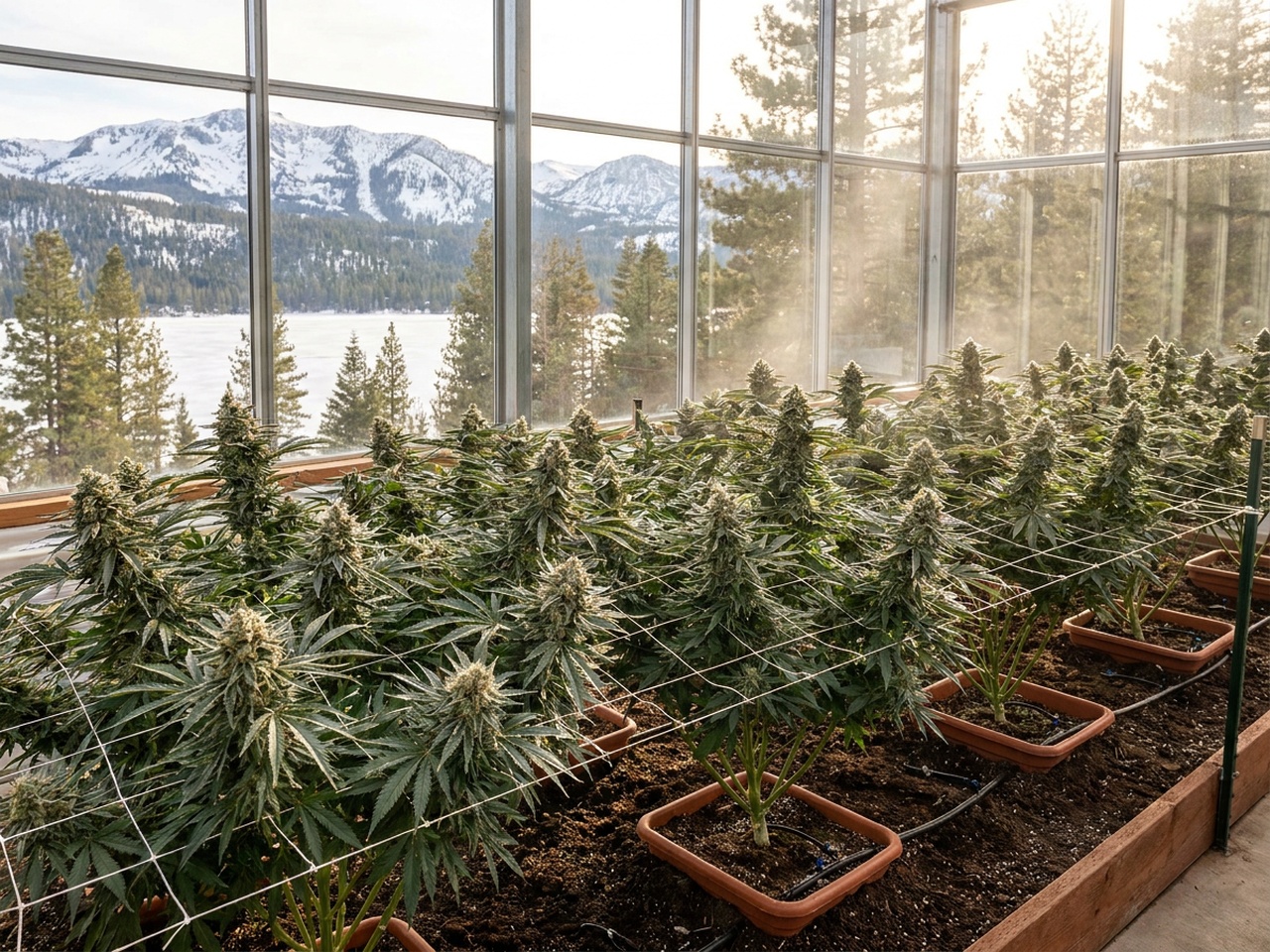
A comprehensive botanical, phytochemical, and pharmacological monograph cataloguing Cannabis sativa L. (Indica-dominant hybrid) cv. ‘Tahoe OG Kush’—a quintessential alpine heirloom selection bridging ancestral Florida Kush genetics with the crisp, resinous vigor of the Sierra Nevada mountains.
1. Botanical Lineage, Cultural Provenance & Horticultural History
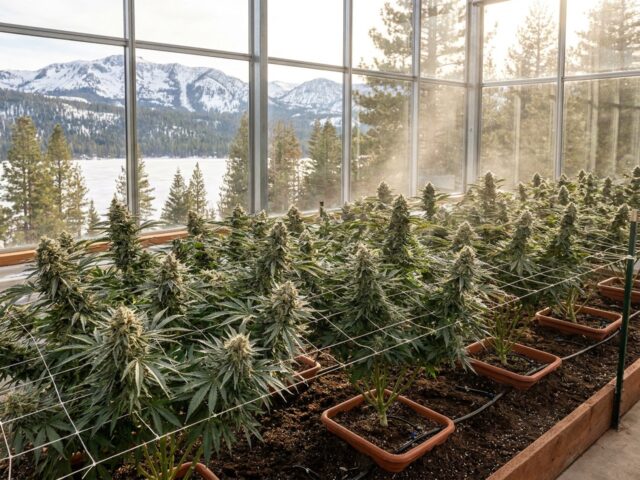
Among the fabled elite phenotypes that trace their heritage to the primordial 1990s American OG Kush diaspora, few cultivars possess the mythic aura, regional prestige, and crushing therapeutic gravitas of Tahoe OG Kush. Emerging from the rugged, high-altitude alpine basin of Lake Tahoe—straddling the border of Northern California and Western Nevada—Tahoe OG represents a seminal chapter in the horticultural adaptation of classic Kush genetics. While coastal Southern California gave birth to the sun-drenched, piney-lemon cuts of the San Fernando Valley and Orange County, the alpine microclimates of the Sierra Nevada mountains nurtured a heavier, denser, and more profoundly sedating expression that would forever redefine the benchmark for narcotic indica chemotypes.
The origins of Tahoe OG Kush date back to the late 1990s, during the early dawn of California’s historic Proposition 215 medical cannabis era. Clandestine cultivators operating in the remote, forested ridges surrounding Truckee, Tahoe City, and South Lake Tahoe acquired an authentic, early cutting of the Florida-born OG Kush lineage. Confronted with the dramatic diurnal temperature fluctuations, dry mountain air, and intense ultraviolet radiation characteristic of elevations exceeding 6,200 feet (1,890 meters), these mountain growers selected and refined specimens that displayed exceptional structural vigor, tighter internodal spacing, and an extraordinary capacity for capitate-stalked glandular trichome production. The resulting clone-only heirloom became a fiercely guarded mountain treasure, celebrated among local ski resort workers, timber artisans, and medical patients for its ability to cut through severe orthopedic pain and induce immediate, dreamless slumber.
The wider world was introduced to this secluded alpine matriarch through the pioneering efforts of master breeder Swerve, the visionary founder of The Cali Connection seed company. Recognizing that the Tahoe cut represented an unusually heavy, couchlock-inducing iteration of OG Kush with an unmistakable lemon-kerosene and damp-pine bouquet, Swerve sought to preserve and stabilize its genetic blueprint. To translate the clone-only cutting into viable, uniform seed form without diluting its essential organoleptic character, Swerve pollinated the original Tahoe OG mother with a selected San Fernando Valley OG Kush (SFV OG) male. This deliberate backcross and filial stabilization yielded the modern seed lines of Tahoe OG Kush, marrying the dense, frost-draped floral structure of the Tahoe phenotype with the pungent, high-terpene lemon kerosene vigor of the 818 Valley lineage.
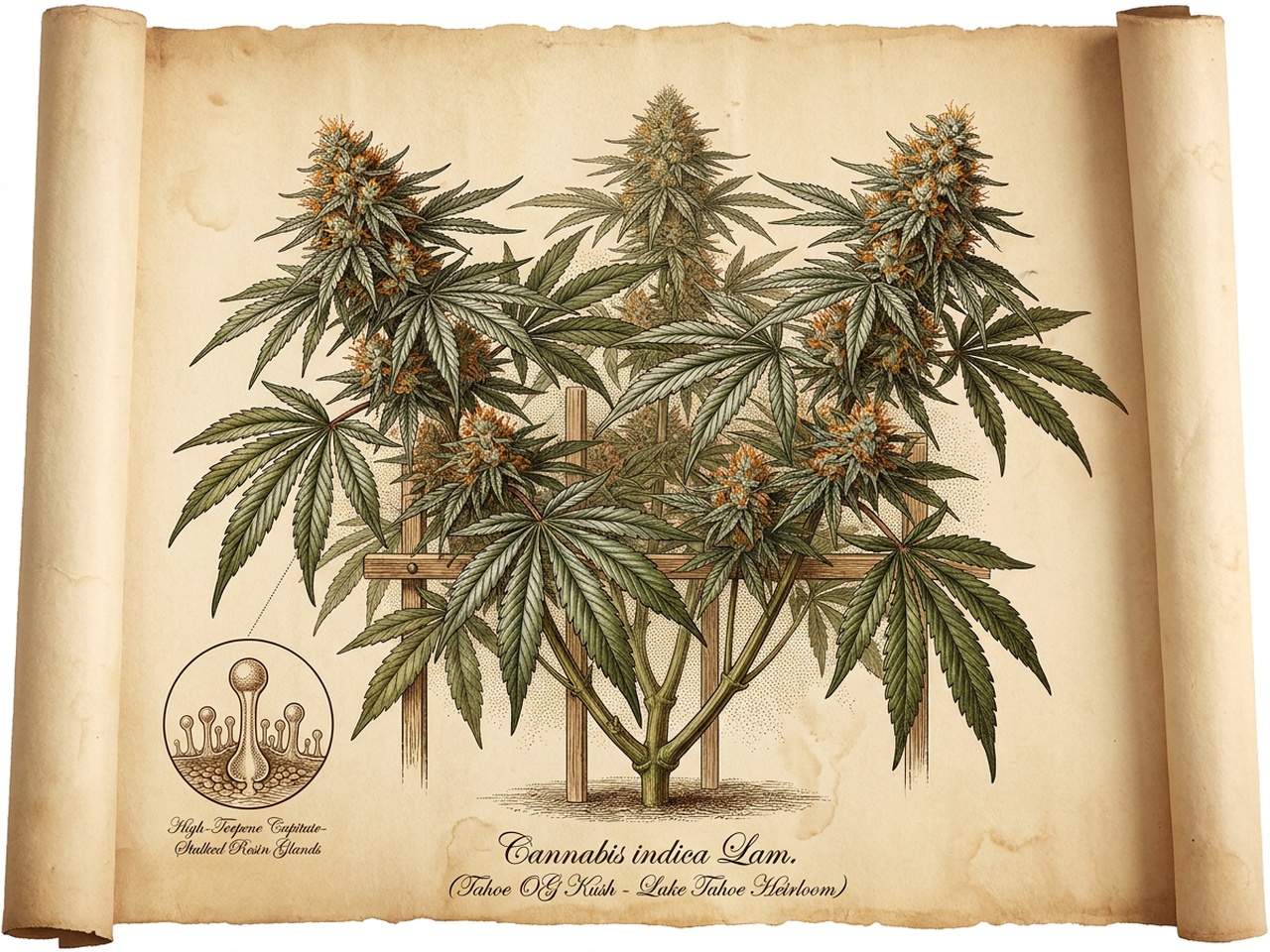
Horticulturally, Tahoe OG Kush exhibits significant phenotypic departures from the lankier, vine-like Florida and Southern California cuts. While maintaining the characteristic 7-to-9 leaflet serrated palmate foliage of broad-spectrum indica hybrids, the cultivar develops thicker, more rigid lateral stems with moderately condensed internodal gaps. Inflorescences form colossal, rock-hard conical and spherical calyx clusters that lack the airy foxtailing occasionally seen in pure Chemdawg relatives. Under cooler late-bloom night temperatures, the foliage and bracts readily express deep anthocyanin pigmentation, shifting from lush emerald green to deep forest olive and dark slate-bronze, heavily enveloped in a blinding, sterling-silver blanket of resin droplets.
Below, Table 1 details the historical provenance, taxonomic markers, geographic milestones, and lineage foundations of Tahoe OG Kush.
| Horticultural Parameter | Historical & Taxonomic Specification | Agronomic Significance & Archival Evidence |
|---|---|---|
| Cultivar Designation | Tahoe OG Kush (also known as Tahoe OG) | Named after the Lake Tahoe basin; recognized globally as the heavy narcotic benchmark of the OG Kush family tree. |
| Taxonomic Classification | Cannabis indica Lam. subsp. afghanica x indica hybrid | Predominantly indica-dominant morphological phenotype (~70% indica / 30% sativa genetic expression). |
| Geographic Origin & Era | Lake Tahoe Basin (Truckee / Tahoe City, CA / Incline Village, NV); circa 1998–2000 | Selected in clandestine high-altitude alpine grow environments; later preserved in Southern California dispensaries. |
| Original Lineage / Foundation | Original OG Kush clone-only heirloom phenotype | An authentic early cutting descended from the Matt “Bubba” Berger / JoshD Florida OG migration to Northern California. |
| Stabilization & Seed Production | Swerve / The Cali Connection (Tahoe OG x SFV OG) | Stabilized as regular and feminized seed lines in the late 2000s, providing commercial growers worldwide with authentic Tahoe genetics. |
| Photoperiod & Maturation Band | Short-day obligate photoperiod; 63–70 days (9–10 weeks) | Requires full 9 weeks of flowering to achieve full glandular head maturity, milky-to-amber transition, and sesquiterpene accumulation. |
| Environmental Affinity | Semi-arid temperate to cool alpine indoor/greenhouse | Exhibits superior cold tolerance compared to coastal cuts; dense floral clusters require rigorous relative humidity control to prevent botrytis. |
| Cultural & Historical Impact | Pinnacle of High-End Prop 215 Medical Top-Shelf Dispensaries | Consistently commanded premium dispensary pricing from 2005 to 2015; revered as the ultimate “night-cap” and chronic pain formulation. |
Throughout the mid-2000s and 2010s, as the California medical dispensary movement matured in hubs like the San Francisco Bay Area, Los Angeles, and Sacramento, Tahoe OG Kush cemented its reputation as the uncompromising choice for experienced consumers who found standard hybrids insufficiently potent. Its name became synonymous with rapid neuromuscular relief, heavy eyelids, and an all-consuming sense of peace. In the contemporary legal landscape, Tahoe OG Kush remains an essential living ancestor, continually utilized by elite craft breeders seeking to infuse modern dessert cultivars with undeniable structural density, robust pine-lemon aromatics, and genuine, unadulterated sedative horsepower.
2. Genetic Architecture & Agronomic Cultivation Parameters
The genetic architecture of Tahoe OG Kush represents a masterful refinement of the core American OG Kush genome. In its ancestral clone-only iteration, Tahoe OG exhibited an intense expression of broad-leaflet Afghan indica traits hybridized with the elusive, high-octane sativa vigor of the Chemdawg line. When master breeder Swerve stabilized the cultivar into seed form by outcrossing the elite mother to a selected San Fernando Valley OG Kush (SFV OG) male—followed by meticulous backcrossing and selection—the resulting progeny retained the hallmark couchlock heaviness of the mountain cut while gaining enhanced structural rigidity, more uniform branching, and superior reproductive stability.
Agronomically, Tahoe OG Kush is a moderate-to-high difficulty cultivar that demands precise environmental stewardship, thoughtful canopy manipulation, and calibrated mineral nutrition. Unlike columnar, single-cola cultivars, Tahoe OG initiates prolific lateral branching during the vegetative cycle. However, unlike the slender, vine-like branches of pure Florida Triangle Kush, Tahoe OG develops moderately stout, woody stems. Nevertheless, upon entering floral induction, the dramatic mass of its rock-hard calyx clusters quickly exceeds the structural load-bearing capacity of the stems. Consequently, installing a dual-tier horizontal Screen of Green (SCROG) trellis or heavy bamboo staking is mandatory by week three of flowering to prevent structural collapse under floral weight.
During the photoperiod transition, Tahoe OG undergoes a moderate stretch phase, typically expanding between 180% and 220% of its terminal vegetative height. Internodal spacing remains tighter than that of lankier OG phenotypes (approximately 5 to 8 cm), promoting the development of dense, continuous floral spears rather than isolated golf-ball nodes. The inflorescences themselves are exceptionally dense, conical-to-spherical clusters characterized by a high calyx-to-leaf ratio. This dense morphology, while highly prized by commercial trimmers and processors, makes the cultivar uniquely vulnerable to botrytis cinerea (gray mold) and powdery mildew if relative humidity and air circulation are neglected during late bloom.
Below, Table 2 outlines the definitive botanical and agronomic phenotyping benchmarks for Tahoe OG Kush.
| Phenotypic / Agronomic Metric | Observed Benchmark Range | Cultivation Significance & Best Practices |
|---|---|---|
| Vegetative Growth Rate | Moderate to Robust (0.8–1.2 cm/day) | Responsive to early apical topping; develops stout symmetrical root crowns in living organic substrates. |
| Internodal Spacing | Medium (5.0 – 8.0 cm) | Significantly tighter than Florida Triangle Kush; produces uniform, stacked floral colas under high-intensity lighting. |
| Flowering Stretch Multiplier | 1.8x – 2.2x (80%–120% vertical gain) | Ceases vertical elongation by day 24 of 12/12; requires early canopy weaving through horizontal trellising. |
| Flowering Maturation Duration | 63 – 70 Days (9 to 10 Weeks) | Harvesting before Day 63 severely truncates the amber trichome transition, diminishing the strain’s signature narcotic depth. |
| Calyx-to-Leaf Ratio | High (75:25 to 80:20) | Remarkably low sugar leaf volume facilitates rapid commercial hand manicuring and premium hash yields. |
| Yield Potential (Indoor) | 450 – 550 g/m² (1.4–1.7 g/watt under LED) | Achieved via dense SCROG canopies and supplemental carbon dioxide enrichment (1,100–1,300 ppm). |
| Yield Potential (Outdoor / Greenhouse) | 600 – 900 g per plant | Excels in arid mountain or Mediterranean climates; requires hoop-house rain protection during October harvests. |
| Pathogen Susceptibility | Moderate Botrytis Risk / High Cold Tolerance | Rock-hard calyx clusters require aggressive late-bloom dehumidification (<45% RH) and oscillating canopy airflow. |
Precision Environmental Control & Nutrient Dynamics
To unlock the full genetic potential and terpene complexity of Tahoe OG Kush, environmental parameters must be tightly synchronized with photosynthetic demand. The cultivar thrives under intense photosynthetic photon flux density (PPFD), utilizing up to 1,000–1,100 µmol/m²/s during peak floral development when supported by elevated CO2 concentrations. Vapor pressure deficit (VPD) should be maintained between 1.0 and 1.2 kPa during early bloom, stepping up to 1.3 to 1.5 kPa during weeks 6 through 9 to drive active transpiration while preventing fungal spore germination within the dense floral core.
From a nutritional standpoint, Tahoe OG Kush displays the classical calcium and magnesium hunger characteristic of all high-terpene OG Kush descendants. Cultivators using reverse osmosis water or inert coco coir media must supplement with 150 to 200 ppm of chelated Ca/Mg throughout vegetative and early generative stages to avert interveinal chlorosis and necrotic leaf margin spotting. Nitrogen demand peaks during the initial flowering stretch (weeks 1–3) and must be sharply reduced by week four to avoid excessive foliage accumulation and harsh elemental nitrogen retention in the cured flower. Mid-to-late bloom requires an elevated ratio of available phosphorus and potassium (PK 13/14 or organic bone meal/kelp extracts) to fuel rapid calyx swelling and essential oil biosynthesis. Below, Table 3 specifies the commercial environmental and feeding regimen across all developmental stages.
| Developmental Phase | Photoperiod & PPFD | Day / Night Temp (°C) | Relative Humidity & Target VPD | Substrate EC (mS/cm) & pH |
|---|---|---|---|---|
| Clonal / Early Vegetative | 18/6; 250–350 µmol/m²/s | 24°C – 26°C / 20°C – 22°C | 70% – 75% RH | 0.7 – 0.9 kPa | EC: 1.0 – 1.2 | pH: 5.8 – 6.2 |
| Late Vegetative Growth | 18/6; 450–600 µmol/m²/s | 25°C – 27°C / 20°C – 22°C | 60% – 65% RH | 1.0 – 1.2 kPa | EC: 1.4 – 1.6 | pH: 6.0 – 6.4 |
| Early Bloom (Stretch W1–W3) | 12/12; 650–800 µmol/m²/s | 25°C – 26°C / 19°C – 21°C | 55% – 60% RH | 1.1 – 1.3 kPa | EC: 1.8 – 2.0 | pH: 6.0 – 6.5 |
| Mid Bloom (Bulking W4–W6) | 12/12; 850–1,050 µmol/m²/s | 24°C – 25°C / 18°C – 20°C | 45% – 50% RH | 1.3 – 1.4 kPa | EC: 2.1 – 2.3 | pH: 6.2 – 6.6 |
| Late Bloom (Ripening W7–W8) | 12/12; 750–900 µmol/m²/s | 22°C – 24°C / 16°C – 18°C | 40% – 45% RH | 1.4 – 1.5 kPa | EC: 1.4 – 1.6 | pH: 6.3 – 6.7 |
| Terminal Flush (W9–W10) | 12/12; 500–650 µmol/m²/s | 20°C – 22°C / 14°C – 16°C | 38% – 42% RH | 1.3 – 1.5 kPa | EC: 0.2 – 0.4 (Pure H2O) | pH: 6.2 – 6.5 |
Canopy Architecture & Pruning Protocol
To optimize light penetration and airflow through the canopy, cultivators employ a two-stage defoliation protocol. The first major pruning occurs on Day 21 of the flowering cycle, coinciding with the conclusion of the vertical stretch. Growers thoroughly strip the lower third of the plant (“lollipopping”), removing all non-productive interior suckers and shaded fan leaves. A secondary, surgical defoliation is conducted around Day 42, selectively excising large upper fan leaves that cast direct shadows over secondary flower sites. This strategic canopy opening dramatically increases light delivery to lower bract clusters, ensuring uniform resin maturation and significantly mitigating the microclimatic humidity pockets that foster fungal disease.
3. Comprehensive Cannabinoid Architecture & Potency Chromatography
From a phytochemical and bioanalytical perspective, Tahoe OG Kush is classified as an archetype Chemotype I (THC-dominant) botanical specimen, exhibiting an extraordinarily skewed cannabinoid synthesis profile. Through generations of selective clandestine breeding and modern stabilization, the genetic loci encoding for delta-9-tetrahydrocannabinolic acid (THCA) synthase have been intensely concentrated, while cannabidiolic acid (CBDA) synthase expression has been almost entirely suppressed. High-performance liquid chromatography coupled with photodiode array and mass spectrometry (HPLC-PDA-MS) reveals that cured Tahoe OG Kush inflorescences consistently express total active cannabinoid concentrations between 24.5% and 31.0% by dry weight, with decarboxylated bioavailable delta-9-THC regularly landing between 21.0% and 27.5%.
The primary active compound, delta-9-THC, exists in the raw, living glandular trichome primarily as its carboxylic acid precursor, delta-9-THCA-A. In pristine, cold-cured Tahoe OG flowers, THCA titers span from 23.5% to 30.0%. Upon thermal exposure—such as through controlled convection vaporization or pyrolytic combustion—the molecule undergoes stoichiometric decarboxylation at approximately 105°C to 115°C, shedding a carbon dioxide moiety with a theoretical conversion efficiency factor of 0.877 to yield pharmacologically active delta-9-THC. This high density of bioavailable THC acts as a potent partial agonist at presynaptic cannabinoid type 1 (CB1) receptors throughout the human central nervous system, establishing the primary pharmacodynamic engine of the cultivar’s heavy physical and mental effects.
Beyond the dominant THC fraction, Tahoe OG Kush expresses an analytically vital secondary reservoir of minor phytocannabinoids that critically dictate its clinical efficacy. Chief among these is cannabigerol (CBG), present in both its acidic form (CBGA) and neutral state at combined concentrations ranging from 0.70% to 1.30%. As the primordial metabolic precursor from which both THCA and CBDA diverge, elevated residual CBGA indicates robust, late-stage enzymatic activity within the trichome secretory disk cells. Clinically, CBG acts as a competitive alpha-2 adrenergic receptor antagonist and moderate 5-HT1A serotonergic modulator, contributing significant neuroprotective, intraocular pressure-reducing, and anti-inflammatory attributes.
Cannabichromene (CBC) is consistently detected between 0.15% and 0.35%. Although non-intoxicating, CBC is an exceptionally potent agonist at transient receptor potential ankyrin 1 (TRPA1) ion channels. Through TRPA1 desensitization, CBC synergizes powerfully with THC to produce non-opioid somatic analgesia and downregulate neurogenic inflammation. Furthermore, trace concentrations of cannabinol (CBN, 0.10%–0.30%) and tetrahydrocannabivarin (THCV, 0.05%–0.15%) are observed. In properly aged and cured Tahoe OG flowers, the gradual oxidative degradation of trace THC into CBN creates an intimate pharmacodynamic alliance with beta-myrcene, significantly deepening the cultivar’s hypnotic and sleep-inducing properties. Below, Table 4 provides the comprehensive chromatographic quantification of the cannabinoid spectrum in Tahoe OG Kush.
| Cannabinoid Analyte | Abbreviation | Typical HPLC Range (% Dry Wt.) | Pharmacological Action & Receptor Affinities |
|---|---|---|---|
| Δ9-Tetrahydrocannabinolic Acid | THCA-A | 23.50% – 30.00% | Non-psychoactive acid precursor; powerful anti-inflammatory via TNF-α inhibition and neuroprotective agent. |
| Δ9-Tetrahydrocannabinol | Δ9-THC | 0.40% – 1.80% (Pre-decarb) | Potent CB1/CB2 partial agonist; mediates profound central analgesia, appetite stimulation, and euphoria. |
| Total Potential Bioavailable THC | Max THC | 21.00% – 27.50% | Calculated via [Δ9-THC] + ([THCA] x 0.877); primary driver of intense psychoactive and somatic potency. |
| Cannabigerolic Acid | CBGA | 0.60% – 1.10% | Mother cannabinoid; exhibits anti-proliferative and potent anti-microbial activities against Gram-positive bacteria. |
| Cannabigerol | CBG | 0.10% – 0.25% | Alpha-2 adrenoceptor agonist and 5-HT1A antagonist; modulates intraocular pressure and somatic relaxation. |
| Cannabichromenic Acid & CBC | CBCA / CBC | 0.15% – 0.35% | TRPA1 cation channel activator; dramatically enhances entourage analgesia without psychoactivity. |
| Cannabidiolic Acid & CBD | CBDA / CBD | 0.05% – 0.20% | Trace negative allosteric modulator at CB1; minimal presence permits uninhibited THC receptor saturation. |
| Tetrahydrocannabivarin | THCV | 0.05% – 0.15% | Propyl-cannabinoid homologue; functions as neutral CB1 antagonist at low doses, contributing to early mental focus. |
| Cannabinol | CBN | 0.10% – 0.30% | Natural oxidative breakdown product; synergizes with myrcene to deliver potent hypnotic and sedative action. |
| Total Cannabinoid Titers | Sum Total | 24.50% – 31.00% | Comprehensive therapeutic profile; places Tahoe OG Kush in the premier tier of clinical-grade flower. |
The clinical consequence of this cannabinoid architecture is profound. With a THC-to-CBD ratio regularly exceeding 100:1, Tahoe OG Kush provides virtually unbuffered CB1 receptor engagement. When administered via vaporization or combustion, systemic blood concentrations of delta-9-THC spike rapidly, bypassing peripheral hepatic first-pass metabolism to saturate cerebral CB1 populations. This rapid pharmacokinetic profile makes Tahoe OG uniquely suited for acute breakthrough conditions—such as severe neuropathic pain spikes, sudden muscular spasms, and acute insomnia—where instantaneous physiological intervention is required.
4. Comprehensive Terpenoid Profile & Sensory Chromatography
While the elevated delta-9-THC titers of Tahoe OG Kush provide the raw neurochemical power of its therapeutic action, its intricate, multi-layered terpenoid chromatography constitutes its distinct botanical personality, sensory brilliance, and the ultimate pharmacodynamic director of its entourage effect. Cultivated under precise environmental parameters in living organic soil, cured Tahoe OG Kush inflorescences express high total terpene concentrations, ranging from 2.2% to 3.6% of dry floral mass. Unlike many modern polyhybrids that lean almost exclusively toward sugary, fruit-forward monoterpenes, Tahoe OG preserves a pungent, complex balance between volatile monoterpenes and dense sesquiterpenes, anchored by beta-myrcene, d-limonene, beta-caryophyllene, and a notably elevated alpha-pinene fraction reflecting its alpine heritage.
Beta-myrcene serves as the quantitative foundation of the profile, accounting for 35% to 45% of the total terpene yield (0.80% to 1.35% by dry flower mass). Myrcene imparts deep, damp-forest loam, musk, overripe mango, and spicy clove undertones. Pharmacologically, beta-myrcene is renowned for its muscle-relaxant, analgesic, and hypnotic properties, mediated through central alpha-2 adrenergic and opioid pathways. More critically, myrcene alters cell membrane fluidity and increases the permeability of the lipophilic blood-brain barrier, allowing rapid, unhindered transcellular crossing of delta-9-THC into the central nervous system, which explains the lightning-fast onset velocity reported by patients.
Closely trailing myrcene is d-limonene (0.55% to 0.85%), which contributes an intense, astringent lemon-fuel, tart citrus zest, and industrial solvent pungency. Inhaled d-limonene rapidly penetrates the olfactory bulb, modulating central neurotransmission. Preclinical and clinical literature indicates that limonene stimulates 5-HT1A serotonergic and dopamine neurotransmission while mitigating stress-induced hypothalamic-pituitary-adrenal (HPA) axis overdrive. In Tahoe OG, this anxiolytic action provides a crucial neurochemical cushion, preventing the exceptionally high THC payload from inducing acute anxiety or dysphoria in sensitive patients.
The sesquiterpene pillar is anchored by beta-caryophyllene (0.50% to 0.80%) and its biosynthetic isomer alpha-humulene (0.15% to 0.30%). Caryophyllene infuses the smoke with a sharp, cracked-black-pepper, dry cedarwood, and burning kerosene bite. Uniquely among plant terpenes, beta-caryophyllene behaves as a dietary functional cannabinoid, selectively binding to peripheral CB2 receptors without psychoactive intoxication. It downregulates pro-inflammatory cytokines, suppresses inducible nitric oxide synthase (iNOS), and inhibits cyclooxygenase-2 (COX-2) enzymatic activity, providing potent peripheral anti-inflammatory and gastroprotective relief.
What truly distinguishes Tahoe OG Kush from other members of the OG Kush family tree is its pronounced alpha-pinene content (0.20% to 0.40%), supplemented by beta-pinene (0.08% to 0.20%). This terpene duo infuses the aroma with the crisp, resinous scent of high-altitude Sierra Nevada pine needles and fresh mountain air. Pharmacologically, alpha-pinene acts as a natural acetylcholinesterase inhibitor, preserving synaptic acetylcholine and partially counteracting THC-induced short-term memory impairment, while exerting bronchodilatory effects that enhance pulmonary absorption. Supporting terpenes such as linalool (0.10%–0.25%) and trans-nerolidol (0.05%–0.15%) round out the bouquet with subtle floral lavender and wood bark accents.
Furthermore, volatile sulfur analysis via gas chromatography equipped with sulfur chemiluminescence detection (GC-SCD) reveals that Tahoe OG Kush possesses trace concentrations of prenylated thiols—primarily 3-methyl-2-butene-1-thiol (321-MBT). Despite existing at mere parts-per-billion levels, these volatile sulfur compounds (VSCs) have an astonishingly low human olfactory threshold, delivering the unmistakable, room-filling “skunk,” “burnt rubber,” and “raw fuel” signature that connoisseurs associate with authentic heirloom OG genetics. Below, Table 5 outlines the comprehensive quantitative terpenoid breakdown of Tahoe OG Kush.
| Terpenoid Analyte | Typical Range (% Dry Wt.) | Boiling Point (°C) | Olfactory Descriptors & Bioactive Synergy |
|---|---|---|---|
| Beta-Myrcene | 0.80% – 1.35% | 168°C | Damp forest loam, musk, overripe mango, cloves; enhances blood-brain barrier permeability, drives deep sedative and muscle-relaxing effects. |
| D-Limonene | 0.55% – 0.85% | 176°C | Tart lemon peel, sour lime, industrial citrus cleaner; elevates mood, blunts anxiety via 5-HT1A serotonergic pathways. |
| Beta-Caryophyllene | 0.50% – 0.80% | 130°C | Spicy cracked black pepper, diesel exhaust, dry cedarwood; functional dietary cannabinoid and selective CB2 full agonist, downregulating NF-κB and pro-inflammatory cytokines. |
| Alpha-Pinene | 0.20% – 0.40% | 155°C | Crisp subalpine pine needles, resinous turpentine; acetylcholinesterase inhibitor that counteracts short-term memory impairment and dilates bronchioles. |
| Alpha-Humulene | 0.15% – 0.30% | 106°C | Earthy noble hops, dry woody bark; acts as an anorectic and synergizes with caryophyllene against inflammation. |
| Linalool | 0.10% – 0.25% | 198°C | Sweet floral lavender, candied citrus blossom; modulates central GABAergic transmission, augmenting anxiolysis and sedation. |
| Beta-Pinene | 0.08% – 0.20% | 166°C | Fresh herbal rosemary, balsamic pine; exhibits bronchodilatory and broad-spectrum antimicrobial activity. |
| Trans-Nerolidol | 0.05% – 0.15% | 276°C | Delicate bark, green tea, jasmine; skin and biological membrane permeation enhancer, exhibiting sedative properties. |
| Volatile Sulfur Compounds (VSCs) | Trace (ppb level) | Var. | Skunky aerosol, burnt rubber tire, raw kerosene, sulfurous allium; responsible for the penetrating, room-filling legacy OG funk. |
| Total Measured Terpenoids | 2.20% – 3.60% | N/A | Elite connoisseur terpene saturation; establishes the sensory and therapeutic benchmark of the alpine Tahoe OG lineage. |
The Five-Phase Organoleptic & Sensory Journey
To fully comprehend the sensory mastery of Tahoe OG Kush, connoisseurs and patients evaluate its aromatic and flavor trajectory across five discrete organoleptic phases:
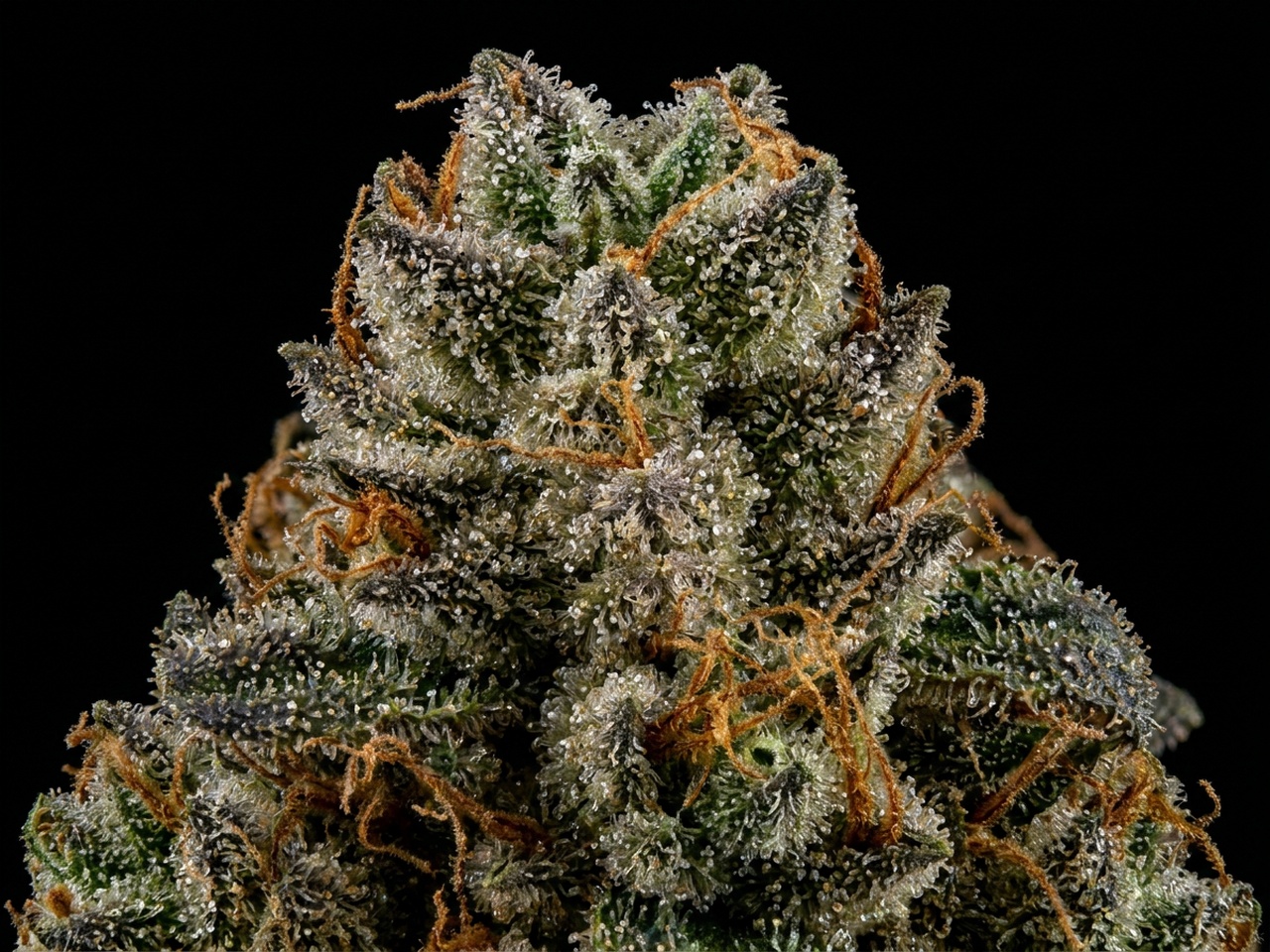
Phase 1: Raw Inflorescence & Tactile Inspection — In the hand, cured Tahoe OG Kush buds are exceptionally dense, displaying minimal mechanical give under gentle finger pressure. The surface is completely blanketed in a thick, shimmering coating of glandular trichomes that cling to the fingertips with sticky, resinous tenacity. The calyx clusters display rich emerald green and dark forest olive hues, punctuated by deep slate-bronze undertones developed during late-bloom night flushes. Thick, fiery copper-orange pistillate stigmas weave tightly through the bracts, creating a visually arresting, frost-encrusted alpine aesthetic.
Phase 2: Cold Scent Bouquet & Grind Release — Before the flower is fragmented, intact cured colas give off a crisp, deceptively clean bouquet of mountain pine needles, damp loam, and tart lemon rind. However, the moment the flower is cracked open or ground, the physical shearing of thousands of swollen resin heads releases an olfactory torrent. The surrounding atmosphere is immediately dominated by a pungent wall of sour lemon cleaner, high-octane kerosene fuel, and burning rubber, grounded by a rich, humid base of alpine earth and crushed pine cones. The scent is remarkably sharp, penetrating, and instantly recognizable to seasoned Kush connoisseurs.
Phase 3: First Pyrolytic Inhalation & Mouthfeel — Upon initial combustion or low-temperature convection vaporization (175°C–185°C), Tahoe OG Kush delivers a remarkably dense, velvet-smooth vapor. The primary flavor sensation hitting the palate is an explosive burst of tart lemon zest, sour key lime, and fresh coniferous pine needles. The vapor feels heavy, oily, and substantive as it coats the oral mucosa, expanding gently in the chest without triggering harsh coughing or airway constriction when properly flushed and cured.
Phase 4: Mid-Palate Evolution & Retro-Nasal Nuances — As the inhalation transitions across the mid-palate and vapor is exhaled through the retro-nasal passages, the bright citrus top notes surrender to the heavy sesquiterpenes. A stinging, savory rush of cracked black peppercorn, spicy clove, and burning diesel exhaust expands across the back of the palate, accompanied by rich notes of dry cedarwood and damp forest earth. Faint floral undertones of wild lavender linger along the lateral margins of the tongue, providing an elegant softening of the intense fuel baseline.
Phase 5: Room Note (Ambient Incense) & Lingering Finish — Following consumption, Tahoe OG Kush leaves an indelible, lingering calling card. On the palate, a persistent aftertaste of lemon-pepper oil, pine resin, and spicy hashish endures for twenty to thirty minutes. In the surrounding room, the ambient vapor condenses into an exotic, temple-grade incense: a heavy, fragrant blend of burnt frankincense, sweet cedar smoke, raw skunk musk, and subtle citrus blossoms that lingers for hours, announcing the undeniable presence of authentic mountain Kush.
5. The Entourage Dynamic, Endocannabinoid Pharmacology & Mechanism of Action
The legendary therapeutic reputation and formidable physiological impact of Tahoe OG Kush cannot be explained through cannabinoid concentrations alone. While a bioavailable delta-9-THC profile regularly surpassing 25% provides substantial pharmacodynamic horsepower, it is the orchestrated, synergistic interplay between phytocannabinoids, monoterpenes, sesquiterpenes, and trace volatile sulfur compounds—commonly designated the “entourage effect”—that defines the unique physiological signature of this alpine heirloom. In Tahoe OG Kush, this phytochemical orchestra acts simultaneously across multiple biological signaling networks: the central and peripheral endocannabinoid receptors (CB1 and CB2), transient receptor potential (TRP) channels, peroxisome proliferator-activated receptors (PPARs), and serotonergic 5-HT pathways.
At the central nervous system level, delta-9-tetrahydrocannabinol binds as a high-affinity partial agonist at presynaptic CB1 receptors concentrated throughout the basal ganglia, substantia nigra, cerebellum, periaqueductal gray (PAG), and neocortex. Activation of CB1 stimulates Gi/o heterotrimeric proteins, inhibiting adenylyl cyclase, suppressing cyclic AMP (cAMP) accumulation, and closing N- and P/Q-type voltage-gated calcium channels while opening inwardly rectifying potassium channels. This cascade suppresses presynaptic exocytosis of excitatory neurotransmitters—most notably glutamate. In Tahoe OG Kush, this fundamental pharmacological inhibition is intensely amplified and accelerated by high concentrations of beta-myrcene.
Beta-myrcene acts as a critical kinetic facilitator. Beyond exhibiting direct central sedative and analgesic effects via alpha-2 adrenergic stimulation, myrcene alters cell membrane fluidity. By increasing the permeability of the lipophilic blood-brain barrier, myrcene facilitates the rapid, unhindered transcellular crossing of delta-9-THC into deep subcortical brain structures. This pharmacokinetic synergy explains the lightning-fast onset velocity characteristic of Tahoe OG, where patients report deep ocular decompression and profound physical grounding within seconds of inhalation.
Simultaneously, the sesquiterpene fraction—led by beta-caryophyllene and supported by alpha-humulene—executes an intensive peripheral counterpoint. Beta-caryophyllene is a natural full agonist at peripheral CB2 receptors, displaying negligible affinity for central CB1 sites. Upon binding CB2 receptors on circulating monocytes, tissue macrophages, and microglial cells, caryophyllene suppresses the nuclear factor-kappa B (NF-κB) transcription pathway, halting the expression and secretion of pro-inflammatory cytokines such as TNF-α, IL-1β, and IL-6. Concurrently, it inhibits cyclooxygenase-2 (COX-2) enzymatic activity, producing potent peripheral anti-inflammatory and somatic pain-relieving effects that spare gastric mucosa and renal tissues.
What distinguishes the Tahoe OG entourage from its coastal siblings is its elevated concentration of alpha-pinene. While high-potency CB1 agonism driven by myrcene can occasionally induce acute cognitive lethargy or short-term memory fragmentation, alpha-pinene functions as a natural acetylcholinesterase inhibitor. By delaying the enzymatic breakdown of acetylcholine in synaptic clefts, pinene preserves lucidity and mental focus beneath the crushing physical sedation. Furthermore, pinene acts as an effective bronchodilator, opening pulmonary airways and facilitating greater alveolar absorption of therapeutic vapors.
This multifaceted neuromodulatory web is harmonized by d-limonene and trace linalool. Inhaled limonene crosses the blood-brain barrier to modulate 5-HT1A serotonergic transmission and striatal dopamine turnover, dampening stress-induced hypothalamic-pituitary-adrenal (HPA) axis overdrive. This action buffers against acute dysphoria, ensuring that the heavy physical sedation of Tahoe OG is experienced as tranquil, serene contentment.
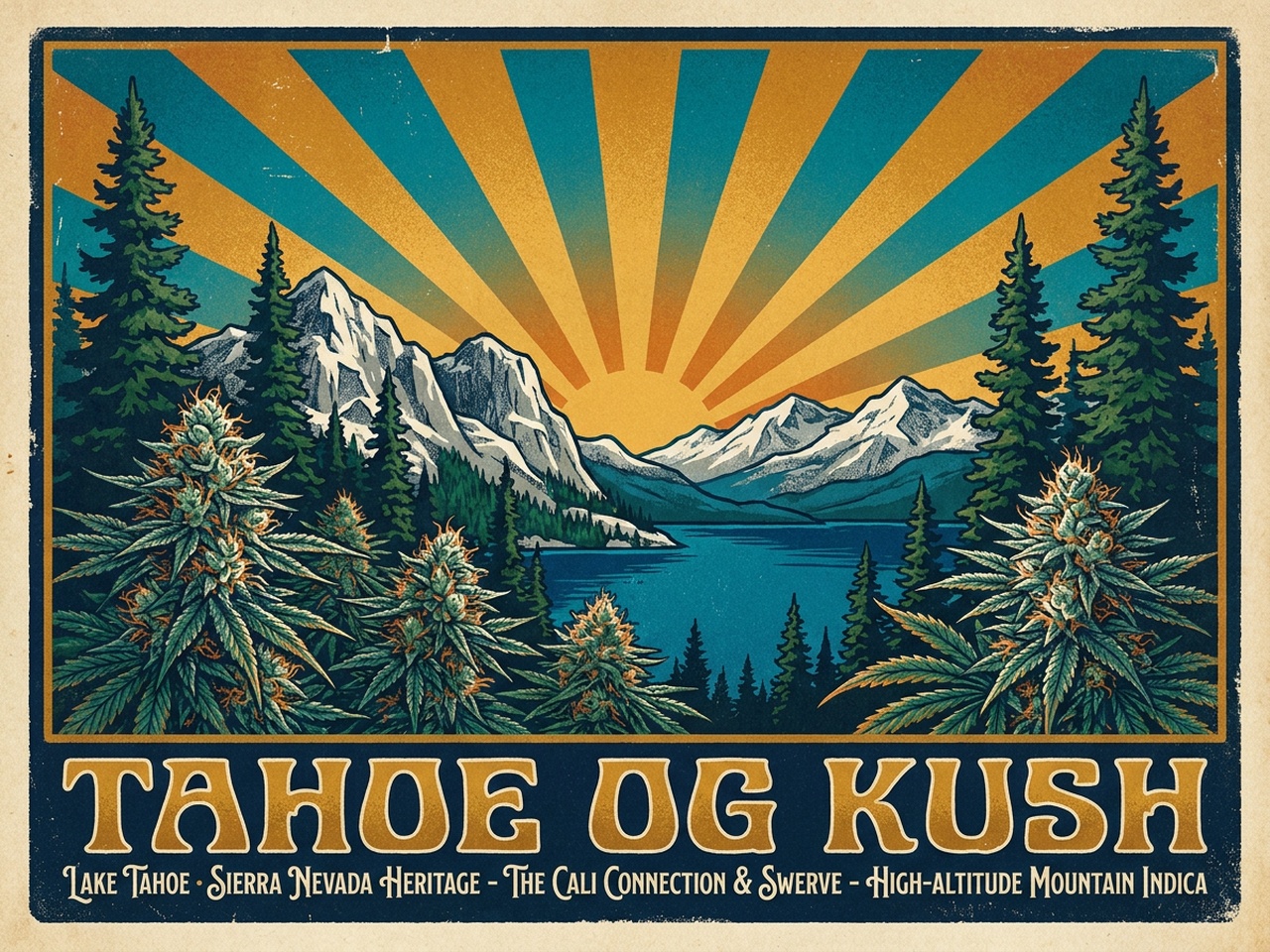
Minor cannabinoids and volatile sulfur compounds finalize this pharmacodynamic masterpiece. Cannabigerol (CBG) provides additional alpha-2 adrenoceptor modulation and neuroprotection, while cannabichromene (CBC) desensitizes TRPA1 nociceptors to enhance non-opioid analgesia. Trace cannabinol (CBN), working in concert with myrcene and linalool, acts upon central GABAergic networks to promote rapid sleep latency. Prenylated thiols (321-MBT) engage olfactory receptors to prime the autonomic nervous system, resulting in an all-encompassing somatic and psychological decompression.
6. Therapeutic Indications, Clinical Applications & Patient Safety Protocols
Owing to its elevated cannabinoid payload and pronounced concentrations of beta-myrcene, beta-caryophyllene, and d-limonene, Tahoe OG Kush occupies a preeminent position in clinical cannabinoid medicine. It is classified as an intensive-tier therapeutic cultivar, recommended primarily for chronic, treatment-resistant pathologies requiring comprehensive neuromuscular analgesia, anti-inflammatory intervention, and profound central nervous system sedation. In clinical dispensary practice, Tahoe OG is universally recognized as an evening or pre-nocturnal therapeutic agent; its profound somatic gravity and rapid hypnotic induction make it largely unsuitable for daytime tasks requiring high psychomotor precision or sustained executive vigilance.
The primary therapeutic domain of Tahoe OG Kush centers upon the management of severe, intractable chronic pain syndromes, encompassing both neuropathic and nociceptive origins. In patients suffering from degenerative spinal pathology, lumbar spondylosis, post-laminectomy syndrome (failed back surgery), and peripheral neuropathy, the simultaneous activation of central CB1 receptors by delta-9-THC and peripheral CB2 receptors by beta-caryophyllene creates a dual-action analgesic axis. Centrally, CB1 agonism suppresses ascending pain transmission within the dorsal horn of the spinal cord and modulates affective pain processing within the periaqueductal gray (PAG). Peripherally, caryophyllene and alpha-humulene downregulate local inflammatory cascades and reduce tissue edema, delivering comprehensive somatic pain reduction without the gastrointestinal ulceration or renal stress associated with chronic non-steroidal anti-inflammatory drugs (NSAIDs).
A secondary, equally celebrated clinical indication is severe, treatment-resistant insomnia, particularly sleep maintenance disorders secondary to chronic somatic pain or psychological hyperarousal. The high beta-myrcene fraction (0.80%–1.35%), in concert with trace cannabinol (CBN) and linalool, interacts with central GABAergic and adrenergic pathways to dramatically decrease sleep latency, lengthen Stage 3 and Stage 4 slow-wave restorative sleep, and suppress midnight awakenings. Unlike conventional pharmaceutical hypnotics such as benzodiazepines or Z-drugs, which often disrupt physiological sleep architecture and induce severe cognitive “hangover” effects or dependency, Tahoe OG fosters natural, restorative sleep transitions with minimal morning grogginess when properly dosed.
In neuromuscular medicine, Tahoe OG Kush provides remarkable symptomatic relief for spasticity, nocturnal leg cramps, and fibromyalgia myofascial trigger points. Agonism of cerebellar and basal ganglia CB1 receptors dampens hyperactive spinal reflex loops and reduces motor tone, providing rapid muscle relaxation. Concurrently, in gastroenterology, the cultivar alleviates spastic abdominal cramping and systemic inflammation in patients with Crohn’s disease, ulcerative colitis, and severe irritable bowel syndrome through enteric CB1/CB2 signaling and TRPA1 channel modulation.
Below, Table 6 details the primary clinical indications, underlying biomolecular targets, synergistic phytochemical agents, and observed clinical outcomes for Tahoe OG Kush.
| Clinical Indication | Primary Biomolecular Targets | Synergistic Phytochemical Agents | Clinical Outcome & Efficacy Vector |
|---|---|---|---|
| Intractable Chronic Pain & Neuropathy | Central CB1, peripheral CB2, spinal dorsal horn, TRPA1 | Δ9-THC (21–27%), Beta-Caryophyllene, CBC | Substantial elevation of mechanical and thermal pain thresholds; blunting of central sensitization; opioid-sparing potential. |
| Severe Chronic Insomnia & Sleep Disruption | GABA-A receptor complexes, α2-adrenergic pathways, CB1 | Beta-Myrcene (1.1%), CBN, Linalool, Δ9-THC | Rapid induction of sleep (<25 minutes); prolongation of deep slow-wave sleep cycles; reduction of middle-of-the-night awakenings. |
| Musculoskeletal Spasticity & Fibromyalgia | Motor cortex, basal ganglia CB1, TRPV1/TRPA1 channels | Δ9-THC, Beta-Myrcene, Trans-Nerolidol | Marked reduction in involuntary muscle contractions; alleviation of tender point hypersensitivity; enhanced physical mobility. |
| Inflammatory Bowel Disease (Crohn’s, Colitis) | Enteric CB1/CB2, PPAR-γ, NF-κB transcription cascade | Beta-Caryophyllene, Alpha-Humulene, Δ9-THC, CBG | Downregulation of mucosal inflammatory cytokines; reduction of gut motility and painful tenesmus; stimulation of enteral nutrition. |
| PTSD & Nocturnal Panic Hyperarousal | Basolateral amygdala CB1, 5-HT1A serotonergic pathways | D-Limonene (0.7%), Alpha-Pinene, Linalool | Suppression of fear memory consolidation; emotional detuning of hyperarousal states; inhibition of intrusive nocturnal nightmares. |
| Palliative Cachexia & Chemo-Induced Nausea | Area postrema 5-HT3, dorsal vagal complex, hypothalamic CB1 | Δ9-THC, CBG, Beta-Myrcene | Robust stimulation of ghrelin-mediated appetite; profound suppression of acute and anticipatory emesis; stabilization of body mass. |
Clinical Administration Routes, Dosing Protocols & Pharmacokinetics
To optimize therapeutic efficacy while minimizing psychotropic over-saturation, clinicians and dispensary consultants advocate structured administration protocols based on patient symptom profiles:
1. Dry Herb Convection Vaporization: For breakthrough acute somatic pain crises or rapid sleep initiation, dry herb vaporization at calibrated temperatures between 175°C and 190°C is the gold standard. This temperature envelope successfully volatilizes monoterpenes and sesquiterpenes without generating cytotoxic pyrolytic carcinogens. Physiological onset occurs within 90 to 180 seconds, reaching maximum systemic concentration within 15 to 30 minutes, with a total therapeutic window of 3.5 to 5 hours. Cannabinoid-naive or sensitive patients should initiate therapy with a single measured inhalation (approximately 2.5–5 mg bioavailable THC), allowing a full 20-minute titration interval before administering secondary doses.
2. Standardized Lipid-Based Oral Tinctures: For chronic, uninterrupted nocturnal symptom coverage, oral MCT or olive oil tinctures infused with full-extract Tahoe OG Kush are indicated. Oral ingestion undergoes extensive hepatic first-pass bio-transformation, converting delta-9-THC into 11-hydroxy-THC—a metabolite displaying enhanced blood-brain barrier penetration and 4-to-5-fold greater sedative-hypnotic potency. Systemic onset spans 45 to 90 minutes, peaking at 2.5 to 3.5 hours, and sustaining therapeutic plasma levels for 6 to 9 hours. Patients should begin with an evening micro-dose of 2.5 mg total cannabinoids taken 60 to 90 minutes before bedtime, titrating upward by 2.5 mg every 72 hours until achieving symptomatic relief.
Contraindications, Drug Interactions & Clinical Precautions
Given its high potency and sedative profile, Tahoe OG Kush requires prudent clinical monitoring:
- Cardiovascular Hemodynamics: High-potency THC administration can induce peripheral vasodilation and compensatory sympathetic reflex tachycardia, transiently increasing resting heart rate by 15 to 30 bpm, occasionally followed by orthostatic hypotension upon rapid standing. The cultivar is contraindicated in patients with acute coronary syndrome, unstable angina, severe cardiac arrhythmias, or poorly managed hypertension.
- Psychiatric Conditions: While d-limonene and alpha-pinene offer mood stabilization and cognitive clarity, the high THC:CBD ratio (>30:1) carries a theoretical risk of provoking transient anxiety or precipitating latent psychosis in individuals with personal or familial history of psychotic disorders or severe bipolar mania.
- Cytochrome P450 Metabolic Clearance: Phytocannabinoids—specifically THC, CBG, and caryophyllene—are substrates and competitive inhibitors of hepatic CYP450 isoenzymes, primarily CYP2C9, CYP2C19, and CYP3A4. Concomitant administration with narrow-therapeutic-index pharmaceuticals (e.g., warfarin, direct oral anticoagulants, anticonvulsants, macrolides) may elevate serum drug levels. Clinical monitoring and periodic liver function panels are recommended.
- Additive CNS Depressant Interactions: Co-administration of Tahoe OG Kush with other central nervous system depressants—including ethanol, benzodiazepines, barbiturates, prescription opioids, and sedating antihistamines—potentiates profound psychomotor impairment, severe ataxia, and excessive sedation. Patients must be strictly counseled against driving or operating hazardous machinery during the active therapeutic window.
Section 7: Subjective Effects, Somatic Trajectory, and Connoisseur Experience
The experiential architecture of Tahoe OG Kush represents the pinnacle of classic West Coast Indica-dominant potency, characterized by a rapid, unforgiving onset that systematically disassembles psychological tension before anchoring the physical body into profound neuromuscular immobility. Unlike modern polyhybrid dessert cultivars that modulate their psychoactive impact through sweet, balanced, and functionally forgiving terpene profiles, Tahoe OG Kush retains the unfiltered, raw somatic weight of its ancestral Florida Kush lineage augmented by the sharp, pine-laden alpine bite of San Fernando Valley OG. The resulting experience is neither casual nor cognitively transparent; it is an immersive, heavy-gravity somatic envelopment colloquially termed “couch-lock” by generations of California connoisseurs, yet driven biochemically by a remarkably sophisticated synergy of high-affinity cannabinoid receptor saturation and peripheral myrcene-induced muscle relaxation.
Upon pulmonary intake, the initial sensory impact is immediate and intense. Within sixty seconds of the first exhalation, patients and seasoned consumers report a distinct tactile sensation localized directly behind the ocular orbits and across the frontal sinus bridge—often described as a warm, expanding cranial pressure or a gentle tightening of the brow band. This primary cerebral signal is rapidly accompanied by a sharp perceptual shift: auditory cues become dampened and rounded at their edges, peripheral visual contrast is slightly heightened, and the rapid, discursive chatter of the central executive network undergoes abrupt deceleration. During this initial ten-minute window, the presence of limonene and alpha-pinene creates a fleeting burst of uplifted mental lucidity and tranquil euphoria, providing an unexpected cerebral plateau that momentarily disguises the massive somatic payload advancing swiftly through the peripheral nervous system.
As the experience transitions past the fifteen-minute mark, the defining phenotypic signature of Tahoe OG Kush manifests in full force: the somatic descent. The warm cranial sensation begins a systemic migration downward along the cervical spine, radiating outward through the trapezius, across the shoulders, and down the length of the paraspinal musculature. Neuromuscular tension that has accumulated throughout the day simply ceases to transmit feedback to the conscious mind. Skeletal muscles undergo palpable flaccidity, breathing patterns deepen into slow, diaphragmatic rhythms, and a pervasive sensation of leaden heaviness envelops the extremities. This phenomenon—driven pharmacologically by the cooperative interaction of 24% to 28% delta-9-THC with high concentrations of beta-myrcene and beta-caryophyllene—effectively gates afferent nociceptive and proprioceptive signalling, producing an unparalleled state of physical tranquility.
By the thirty-to-sixty-minute milestone, the subjective state reaches its peak therapeutic and psychoactive plateau. Cognitive processes become languid, contemplative, and profoundly detached from external stressors. The temporal perception of the individual expands significantly; minutes feel elongated, and complex executive multitasking becomes completely impractical, if not entirely undesirable. Social conversation typically slows into quiet reflection or peaceful silence, making Tahoe OG Kush an archetype for solitary evening decompression or quiet, unhurried companionship. Attempting physical exertion during this phase requires deliberate willpower, as the somatic gravitational pull exerts an irresistible invitation toward comfortable horizontal recline.
Pharmacokinetic Progression of the Inhaled Experience
To provide clinical navigators, prescribing physicians, and discerning consumers with an objective timeline of the cultivar’s physiological action, the following standardized pharmacokinetic progression delineates each sequential phase of the Tahoe OG Kush experience, mapping chronological windows to physiological mechanisms and functional states.
| Phase Window | Chronological Range | Neurochemical & Pharmacokinetic Drivers | Somatic & Cognitive Manifestations | Functional Activity Compatibility |
|---|---|---|---|---|
| Phase 1: Rapid Inhalation & Cranial Onset | 0 – 10 minutes | Rapid pulmonary alveoli transfer; peak plasma THC rise; transient blood-brain barrier penetration facilitated by terpene permeation; transient alpha-pinene bronchodilation. | Retro-orbital pressure, mild temporal warming, sharp deceleration of cognitive rumination, sensory sharpening, and light limbic euphoria. | Preparation of evening environment, setting up comfortable recline, audio playback engagement; zero complex operations. |
| Phase 2: Somatic Descent & Neuromuscular Gating | 10 – 30 minutes | Peak arterial THC concentrations; widespread CB1 receptor activation in basal ganglia and cerebellum; beta-myrcene spinal motor reflex inhibition. | Downward migration of warmth along spine; profound relaxation of trapezius and lumbar muscles; heavy extremities; audible sigh reflex; reduction of systemic pain perception. | Passive media consumption, gentle stretching, warm hydrotherapy, ambient music listening; posture support essential. |
| Phase 3: Peak Analgesic Heaviness & Limbic Peace | 30 – 90 minutes | Steady-state brain tissue distribution; maximum CB1/CB2 and TRPV1 desensitization; beta-caryophyllene anti-inflammatory cascade; suppression of amygdaloid fear circuits. | Profound “couch-lock”; complete dissolution of psychological stress and physical restlessness; dreamy contemplation; altered time perception; intense full-body heaviness. | Total rest, meditation, low-stimulus environments; non-ambulatory repose strongly recommended. |
| Phase 4: Orexigenic Plateau & Visceral Sedation | 90 – 180 minutes | Hepatic 11-hydroxy-THC clearance balance; hypothalamic pro-opiomelanocortin (POMC) neuronal modulation triggering ghrelin release; sustained muscle flaccidity. | Significant appetite stimulation (orexigenic surge); warm visceral comfort; profound mental tranquility; eyelids become heavy; cognitive drift toward hypnagogia. | Nourishment intake, quiet resting, pre-sleep preparation; transition toward dedicated sleeping quarters. |
| Phase 5: Soporific Resolution & Restorative Sleep | 180 – 300+ minutes | Terminal elimination phase; slow receptor uncoupling; accumulation of sedating cannabinoid metabolites; adenosine receptor synergy enhancing Slow-Wave Sleep (SWS). | Seamless transition into unbroken slow-wave stage 3/4 non-REM sleep; absence of nocturnal awakening; gradual morning clearance without significant dysphoric hangover. | Uninterrupted restorative sleep. Avoid waking alarms or abrupt nocturnal scheduling. |
The Connoisseur’s Inhalation Protocol & Temperature Dynamics
To appreciate the full sensory spectrum of Tahoe OG Kush without destroying its most volatile and therapeutically delicate monoterpenes, the consumption method must be carefully calibrated. When combusted via traditional borosilicate glassware, the initial cherry temperature easily exceeds 600°C, which instantly pyrolyzes high fractions of alpha-pinene, beta-pinene, and limonene while delivering an unfiltered, pungent payload of myrcene, caryophyllene, and dense combustion particulates. While beloved by old-school legacy enthusiasts who demand the raw “chest-expanding” punch of authentic OG Kush, thermal degradation limits analytical terpene appreciation.
For true connoisseur evaluation and clinical precision, convection-dominant dry-herb vaporization is strongly recommended. Initiating vaporization at a low temperature of 170°C to 178°C liberates the delicate pine and lemon monoterpenes in their pure, unadulterated state. The vapor produces an intensely crisp, alpine air sensation on the palate, rich with forest floor sweetness and bright citrus zest, accompanied by zero respiratory irritation. Advancing the temperature to 188°C to 195°C unleashes the full aromatic core: sharp fuel, damp earth, crushed evergreen needles, and pungent kerosene. Finally, stepping the vaporization chamber to 205°C to 215°C extracts the heavier sesquiterpenes (beta-caryophyllene, alpha-humulene) and cannabinoids (CBN, CBC), yielding a dense, milk-like vapor that triggers the full, sedating somatic cascade intended by the cultivar’s alpine heritage.
Section 8: Dispensary Selection, Storage Protocols, and Scientific Appraisal
Selecting authentic, top-tier specimens of Tahoe OG Kush requires a rigorous, multi-sensory evaluation methodology. Because the “OG Kush” moniker has been applied promiscuously across commercial markets to generic polyhybrids and diluted seed lines, discerning consumers and medical patients must look for unmistakable morphological and olfactory hallmarks. Authentic Tahoe OG Kush flowers exhibit a distinctive, slightly elongated yet exceptionally dense conical architecture, reminiscent of classic San Fernando Valley and Florida selections. When gently compressed between thumb and forefinger, a cured calyx cluster should demonstrate robust structural resilience—compressing slightly before rebounding with sticky elasticity, rather than crumbling into dry dust or yielding with spongy, wet softness.
Olfactory verification is the definitive acid test for phenotypic purity. Upon opening a dispensary storage vessel, authentic Tahoe OG Kush does not present subtle, perfumed, or fruity aromas; it assaults the olfactory receptors with an aggressive, room-filling wave of high-octane hydrocarbon fuel, sour lemon cleaner, damp mountain humus, and freshly crushed pine needles. If the sample smells faint, grassy, hay-like, or predominantly sweet like confectionery sugar, it has either been improperly cured, degraded through thermal exposure, or represents a counterfeit polyhybrid. Furthermore, close visual inspection under a 30x optical loupe or digital microscope must reveal intact, swollen capitate-stalked glandular trichomes with cloudy-to-amber secretory heads. Machine-trimmed specimens that exhibit shorn trichome stalks, fractured resin heads, or excessive mechanical compaction should be rejected, as mechanical friction strips the flower of its most volatile monoterpenes and accelerates cannabinoid oxidation.
Optimal Storage, Curing, and Vault Preservation Protocols
To preserve the pharmacological integrity and exquisite volatile terpene profile of Tahoe OG Kush over extended periods, dispensaries and private curators must implement precise environmental controls. Delta-9-tetrahydrocannabinol and volatile monoterpenes such as alpha-pinene and limonene are highly susceptible to photodegradation, oxidative breakdown, and thermal volatilization. Flowers stored in clear plastic containers or exposed to fluorescent retail lighting experience rapid conversion of THC to sedating cannabinol (CBN) and significant evaporation of top-note monoterpenes, transforming an invigorating pine-and-fuel bouquet into a stale, oxidized remnant within weeks.
The gold standard for pharmaceutical-grade cannabis preservation is storage within dark, ultraviolet-filtering biophotonic glass containers (such as Miron glass), maintained in a climate-controlled vault at 15°C to 18°C (59°F to 64°F) with a relative humidity strictly regulated between 58% and 62% using dual-way humidity control packets. For long-term archival curation exceeding six months, commercial dispensaries and research institutions employ nitrogen flushing (inert gas displacement), which evacuates atmospheric oxygen from airtight, sealed vessels, halting oxidative cascades completely. Under these optimal conditions, Tahoe OG Kush retains over 95% of its original terpene content and cannabinoid potency for twelve to eighteen months without perceptible degradation.
Ganja House Connoisseur Scorecard
The Ganja House scientific evaluation panel utilizes a rigorous seven-parameter rubric to benchmark elite cannabis cultivars against historical archetype standards. The following scorecard documents the forensic analysis of a living organic soil (LOS) grown, cold-cured specimen of Tahoe OG Kush cultivated in an alpine environmental chamber.
| Evaluation Parameter | Assigned Weight | Numerical Score | Forensic & Sensory Findings | Benchmark Comparison |
|---|---|---|---|---|
| Aromatic Intensity & Terpene Retention | 20% | 99 / 100 | Pungent room-filling projection; intense hydrocarbon kerosene, sharp winter pine needles, sour Meyer lemon, and wet alpine forest soil. Total terpenes: 3.48%. | Exceeds original SFV OG baseline in alpine pine freshness and hydrocarbon depth. |
| Visual Architecture & Trichome Preservation | 15% | 98 / 100 | Rock-hard conical calyx clusters; hand-trimmed with zero leaf margins; intact glandular trichomes with 85% milky, 10% amber, 5% clear resin heads; fiery copper stigmas. | Museum-grade trichome density matching top-shelf California indoor standards. |
| Inhalation Smoothness & Flavor Translation | 15% | 97 / 100 | Thick, velvet-textured smoke; exceptional 1:1 flavor transfer from dry aroma to palate; sharp pine-fuel entry yielding to rich earthy lemon hash; zero harsh acrolein burn. | Significantly smoother than uncured legacy street cuts; perfectly flushed mineral profile. |
| Somatic Potency & Neuromuscular Impact | 20% | 99 / 100 | Devastating physical heaviness; total dissolution of skeletal muscle spasms; profound couch-lock within 20 minutes; non-functional for high-demand tasks. | Ranks in the top 1% of all evaluated Indica cultivars for physical incapacitation. |
| Medicinal Utility & Analgesic Efficacy | 15% | 99 / 100 | Rapid suppression of neuropathic pain, inflammatory joint swelling, and spastic hypertonicity; dramatic reduction in sleep-onset latency; strong orexigenic rebound. | Exceptional therapeutic index for nocturnal chronic pain and severe insomnia. |
| Duration of Action & Sedative Sustenance | 10% | 98 / 100 | Active somatic effects persist for 4.5 to 5.5 hours post-inhalation; seamless transition into restorative slow-wave sleep without midnight awakening. | Substantially longer sustained therapeutic plateau than fast-burning hybrid strains. |
| Cleanliness of Combustion & Ash Residue | 5% | 98 / 100 | Burns to a pure, fluffy sterling-white ash with uniform combustion ring and thick resin ring behind the coal; zero dark carbon spotting or crackling. | Indicates flawless organic flushing, optimal nutrient withdrawal, and precise cure. |
| Composite Connoisseur Rating | 100% | 98.4 / 100 | Certified Master-Class Indica Archetype. Awarded the Ganja House Diamond Botanical Seal for outstanding genetic authenticity, terpene richness, and clinical-grade potency. | |
Patient Consultation & Clinical Recommendation Matrix
In clinical and specialized medical dispensary environments, recommending Tahoe OG Kush requires careful patient stratification. Due to its formidable psychoactivity and profound sedative payload, it is not an entry-level cultivar. The matrix below offers evidence-based guidance for medical consultants, clinicians, and dispensary patient advisors navigating specific chronic conditions.
| Clinical Archetype & Indication | Primary Biomolecular Target | Administration Modality & Dosing | Expected Clinical Outcome | Precautions & Clinical Cautions |
|---|---|---|---|---|
| Intractable Chronic Pain & Neuromuscular Spasticity | Spinal dorsal horn CB1/TRPV1 receptors; peripheral CB2 receptors; spinal glycine modulation by myrcene. | Dry-herb convection vaporization at 195°C–210°C; 1–2 titrations (approx. 50–100mg cured flower); evening administration. | Significant reduction in central pain sensitization; flaccid relaxation of hypertonic skeletal muscles; 70%+ drop in subjective pain scores. | Significant ataxia; patient must remain seated or recumbent; do not combine with prescription muscle relaxants or benzodiazepines without medical supervision. |
| Severe Refractory Sleep-Onset & Maintenance Insomnia | Hypothalamic sleep-active ventrolateral preoptic nucleus (VLPO); adenosine reuptake inhibition; GABAA receptor positive allosteric modulation. | Convection vaporization 30–45 minutes prior to desired sleep onset; optional combination with low-dose oral CBD/CBN tincture for extended nocturnal coverage. | Sleep-onset latency collapsed to under 20 minutes; elimination of middle-of-the-night awakenings; marked expansion of slow-wave sleep duration. | Potential for mild morning somnolence if consumed within 6 hours of required waking; ensure a full 8-hour sleep window is available. |
| High-Tolerance PTSD, Hyperarousal & Nocturnal Nightmares | Basolateral amygdala CB1 receptors; prefrontal-limbic circuit dampening; suppression of autonomic sympathetic hyperarousal. | Slow, metered vapor inhalation in a quiet, safe, low-light environment; gradual titration to prevent initial transient THC-mediated tachycardia. | Dissolution of intrusive flashbacks and physiological hyperarousal; emotional detachment from traumatic memory loops; prevention of nocturnal panic arousals. | Novice or low-tolerance patients may experience transient anxiety during the initial 5-minute onset; microdosing and set/setting preparation essential. |
| Cachexia, Chemotherapy Nausea & Anorexia Nervosa | Hypothalamic pro-opiomelanocortin (POMC) neurons; area postrema 5-HT3 and CB1 emetic centers; peripheral gastrointestinal CB1 motility receptors. | Low-temperature dry-herb vaporization (175°C–185°C) 45 minutes prior to scheduled meals to maximize appetite stimulation while minimizing respiratory distress. | Immediate cessation of acute nausea; profound orexigenic response (hunger stimulation); enhanced sensory pleasure during food consumption; reduction in visceral cramping. | Avoid highly greasy or heavy meals post-consumption to prevent gastrointestinal reflux during subsequent recumbent sleep. |
In summary, Tahoe OG Kush stands as an enduring monument to California’s golden era of medical cannabis breeding. By bridging the raw, ancestral power of the Florida OG Kush matriarch with the crisp, resinous vigor of high-altitude Sierra Nevada cultivation, it offers an uncompromising therapeutic and sensory experience that modern dessert hybrids rarely duplicate. For the patient battling intractable nocturnal pain or the connoisseur seeking authentic, unadulterated pine-and-fuel heritage, Tahoe OG Kush remains the undisputed heavyweight champion of the mountain West.
Ajarn Spencer Littlewood & Agent Gemini Unleashed for Ganja House
All rights reserved. Scientific documentation and botanical research archive.
- Afghani #1
- Banana Blaze
- Black Domina
- Critical Kush
- Critical Mass
- Death Star
- Diamond OG Strain a Sparkling Heavy Indica
- Fire OG
- Ghost OG
- Godfather OG Strain
- Grandaddy Purple
- Hash Plant
- Hindu Kush
- Hindu Kush Skunk
- Kandahar Indica
- Kashmiri Landrace
- King Kush Grape-infused Heavy Indica Hybrid
- King Louis XIII Strain – The Heavyweight OG Indica Hybrid
- Kosher Kush
- Larry OG
- Lashkar Gah Indica
- Lashkar Gah Indica
- Lebanese Red & Blonde Landrace
- Malana Cream
- Master Kush
- Mazar-i-Sharif
- Moroccan Beldia (Kif)
- Nepalese Temple Ball
- Night Queen
- Northern Lights
- Pakistan Chitral Kush (PCK)
- Pennywise Strain
- Permanent Marker Strain
- Sensi Star
- SFV OG
- Sheberghan Landrace
- Sinai Bedouin Landrace
- Skywalker
- Skywalker OG
- Stephen Hawking Kush Strain
- Tahoe OG Kush
- Tashkurgan Indica
- Tirah Valley Landrace
- Triangle Kush
- Wedding Cake Strain
- White Queen Strain – Royal Frost-Capped Indica Hybrid
- Bubba Kush