Scientific Audio Monograph: Super Lemon Haze
High-Fidelity Spoken Botanical Dissertation & Chemosensory Profile (Ryan Neural Synthesis)
Section 1: Introduction, Cultural Pedigree & Multi-Cup Historical Lineage
Among the pantheon of contemporary cannabis cultivars, few selections have achieved the global acclaim, commercial longevity, and genetic reverence commanded by Super Lemon Haze (Catalog ID #51). Engineered at the apex of the Dutch breeding renaissance during the late 2000s, this cultivar represents the pinnacle of high-sativa polyhybrid vigor. Developed by the late legendary master breeder Franco Loja alongside Arjan Roskam of the world-renowned Green House Seed Company in Amsterdam, Super Lemon Haze was conceptualized with a singular objective: to synthesize the uncompromising, electric organoleptic intensity of citrus-forward domestic American selections with the soaring, crystalline cerebral altitude and architectural stamina of ancestral equatorial Haze lineages.
The resulting cultivar immediately disrupted the international competitive landscape. Super Lemon Haze secured first place overall at the prestigious High Times Cannabis Cup in consecutive years—2008 and 2009—a historic back-to-back triumph accomplished by only an elite handful of cultivars across the competition’s four-decade chronicle. This unprecedented critical dominance continued across the European continent, securing premier honors at the IC420 Breeders Cup in 2010 and establishing an enduring benchmark against which all subsequent lemon-profile and sativa-dominant commercial lines are quantitatively and qualitatively evaluated.
To comprehend the biological and cultural pedigree of Super Lemon Haze requires examining its dual parental pillars: Lemon Skunk and Super Silver Haze. The maternal donor, Lemon Skunk, was an elite heirloom clone-only phenotype originally selected in Las Vegas, Nevada, whose provenance traces directly back to ancestral 1980s Dutch Skunk #1 selections cultivated and stabilized within the arid desert climate of the American Southwest. This maternal donor contributed an intensely pungent, sweet citrus monoterpene synthesis, elevated calyx density, and an abbreviated anthesis period. Conversely, the paternal contributor, Super Silver Haze—itself a legendary three-time consecutive Cannabis Cup champion (1997, 1998, 1999) synthesized by Neville Schoenmakers and Shantibaba—infused the genetic architecture with the transcendent vitality of pure equatorial landraces, bridging Northern Lights #5, Skunk #1, and original Haze genetics.
The evolutionary trajectory of the underlying Haze lineage traces back to the countercultural hybridization efforts of the Haze Brothers (R. Haze and J. Haze) in Santa Cruz, California, during the late 1960s and early 1970s. Their initial germplasm synthesis unified four pure ancestral landraces: Colombian Gold, Highland Oaxacan Gold from Mexico, ancestral Thai stick sativas, and Southern Indian Kerala landraces. When this delicate equatorial polyhybrid was transported to the Netherlands by Sam the Skunkman and subsequently acquired and refined by Neville Schoenmakers at the Cannabis Castle, it was systematically outcrossed to Afghani-derived Northern Lights #5 and Skunk #1 to stabilize its architectural frame and compress its prohibitive sixteen-week flowering cycle into a commercially viable ten-week window.
When Franco Loja undertook the pollination of the select Las Vegas Lemon Skunk mother with an elite Super Silver Haze male in 2007, the goal was not merely to create another high-potency sativa, but to unlock an unprecedented organoleptic synergy. Franco identified that the recessive terpene pathways of the Lemon Skunk could interlock with the rich terpinolene matrix of the Haze parent, creating a stable F1 expression where monoterpene saturation reached levels previously unseen in commercial Dutch coffee shop menus. The resulting phenotype was preserved and propagated globally, becoming Franco’s signature masterwork prior to his tragic passing in 2017 while researching indigenous landraces in the Democratic Republic of the Congo.
In the contemporary clinical and commercial marketplace, Super Lemon Haze stands apart from modern dessert polyhybrids characterized by myrcene-dominant sedation and truncated vegetative vigor. It serves as an uncompromised archetype of daytime functional pharmacotherapy, delivering robust energetic, neurocognitive, and thymoleptic (mood-elevating) benefits that have made it an indispensable tool for both botanical researchers and patients seeking therapeutic relief from refractory depressive disorders, neurodivergent executive inertia, and systemic diurnal fatigue.
Section 2: Botanical Architecture, Phenotypic Morphology & Genetic Synthesis
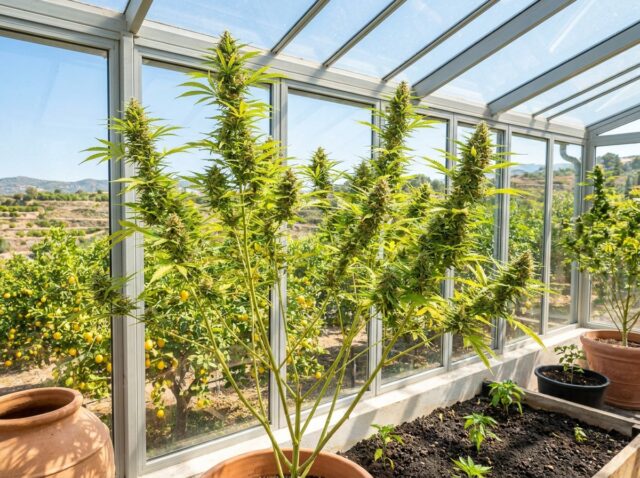
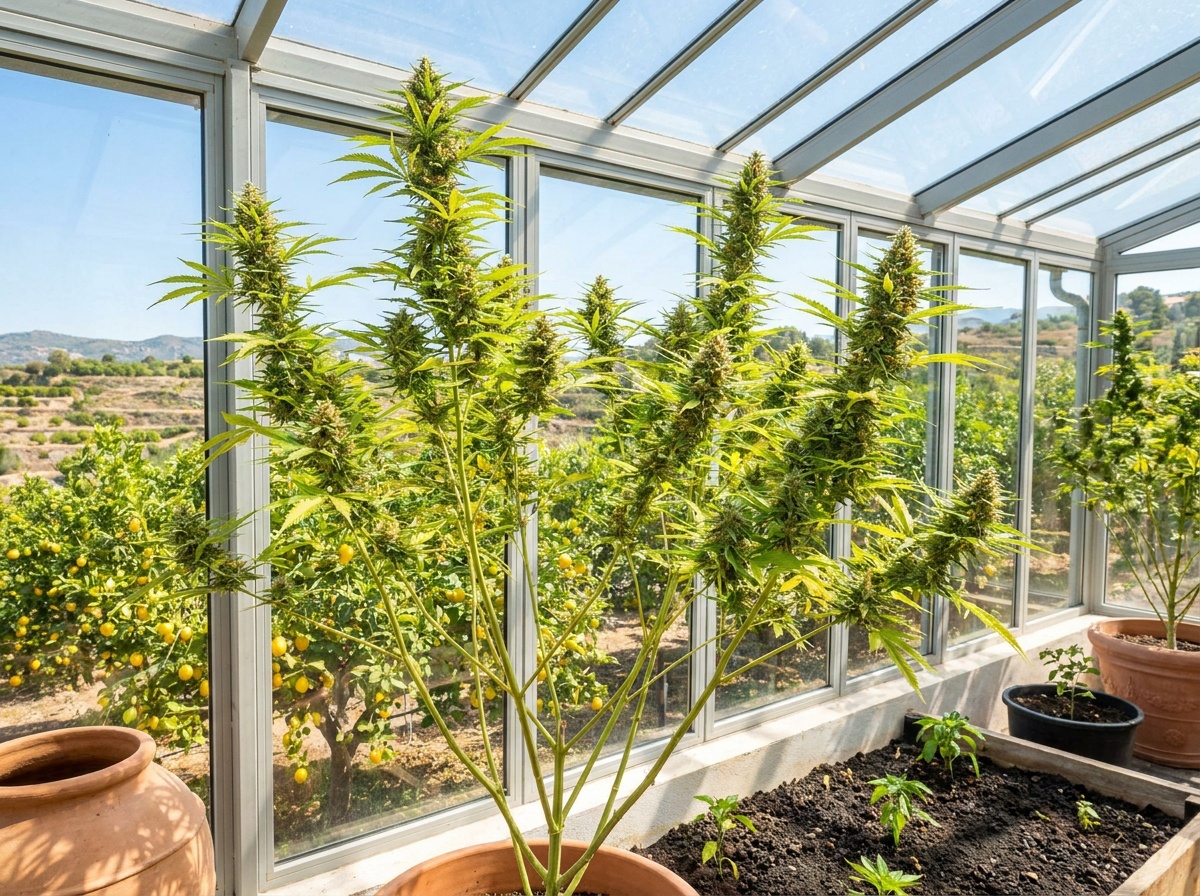
The morphological expression of Super Lemon Haze illustrates a masterful equilibrium between towering equatorial sativa architecture and the structural stability of stabilized northern hybrids. When cultivated under optimal photosynthetic conditions, the plant exhibits vigorous apical dominance accompanied by an expansive, symmetrical candelabra framework of primary lateral branches. Unlike unbridled equatorial landraces that display brittle, spindly stems and excessive internodal stretch, Super Lemon Haze features thickened, highly lignified vascular stalks capable of supporting substantial floral mass, a distinct agronomic contribution inherited from its Skunk #1 and Northern Lights #5 ancestral forebears.
Internodal spacing in the vegetative phase typically ranges from 8 to 14 centimeters under intensive artificial lighting (PPFD ≥ 800 μmol/m²/s), expanding moderately during the early transitional stretch following photoperiod induction (12/12). The vascular anatomy displays an exceptionally dense arrangement of primary xylem vessels and phloem sieve elements, enabling rapid sap translocation under the intense transpirational demands imposed by tropical heat and high vapor pressure deficit. Lateral branches emerge at acute angles of approximately 45 to 55 degrees from the central mainstem, forming a wide, bowl-like architecture that maximizes photosynthetic photon capture across lower foliage layers.
The foliar profile is distinctly sativa-leaning, bearing large, palmate leaves characterized by seven to nine exceptionally narrow, elongated lanceolate leaflets with deep, razor-sharp marginal serrations. Petioles are prolonged, fibrous, and predominantly pale green, occasionally demonstrating faint purplish anthocyanin striations along the adaxial sulcus under cooler nighttime temperatures or elevated light stress. Leaf blade thickness remains delicate and translucent, facilitating rapid carbon dioxide assimilation and high stomatal conductance during active daylight photoperiods.
During anthesis, Super Lemon Haze undergoes a 2.5-fold to 3-fold elongation, rapidly filling horizontal canopy apertures. The floral architecture departs noticeably from the dense, rock-hard golf-ball clusters characteristic of pure afghanica lines. Instead, the inflorescences develop as prolonged, spiraling floral spears consisting of densely clustered, swollen calyx towers. These bract structures exhibit a loose yet substantive spiral arrangement along the rachis, providing critical interstitial airflow that drastically reduces microclimatic humidity within the core of the cola, thereby imparting elevated natural resistance against botrytis cinerea (gray mold) and powdery mildew.
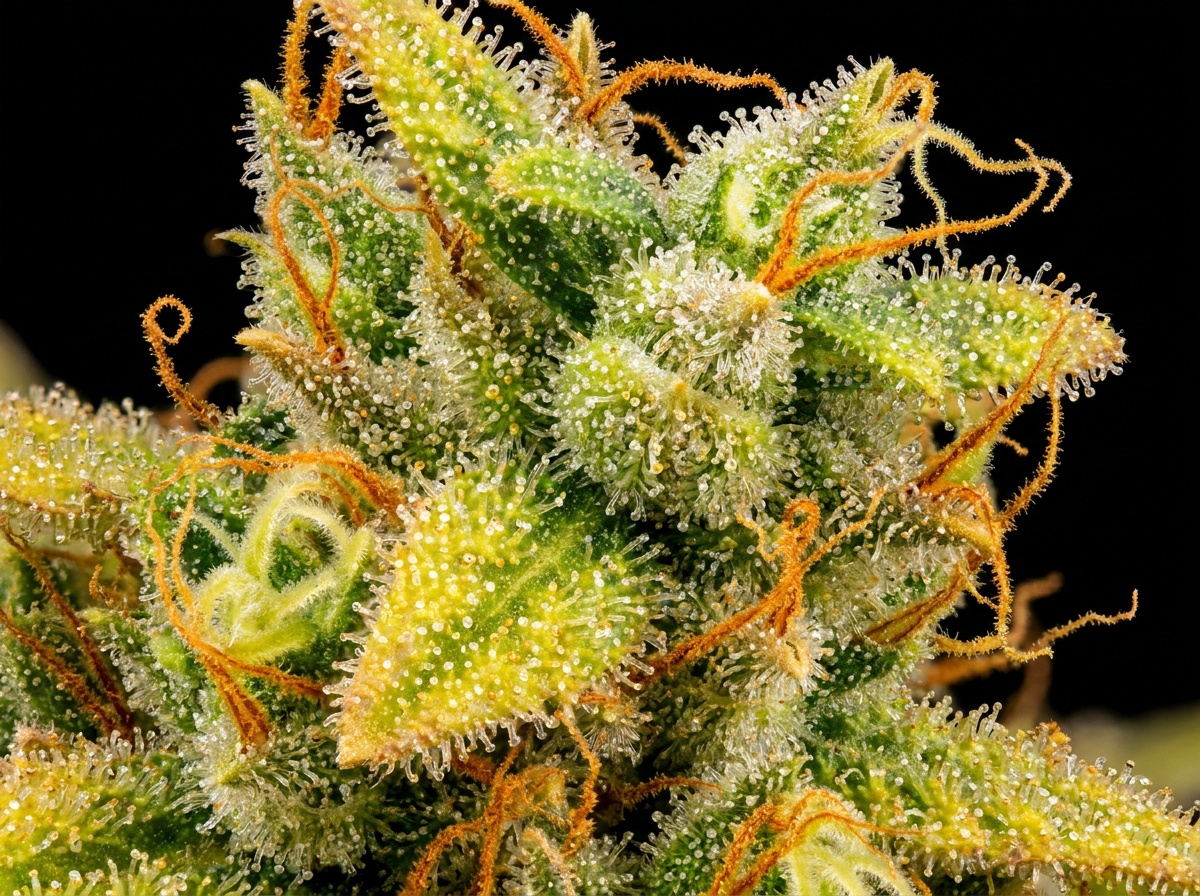
The pistillate development of Super Lemon Haze is striking. Throughout the mid-flowering period (weeks five through eight), the floral clusters become engulfed in an abundance of long, turgid stigmas displaying a brilliant, electric neon-orange and golden-amber coloration. As maturity approaches (weeks ten and eleven), these stigmas recede and curl tightly against the pericarp, accentuating the underlying calyxes which take on a vivid, luminous lime-green and golden-chartreuse hue under the thick mantle of glistening resin glands.
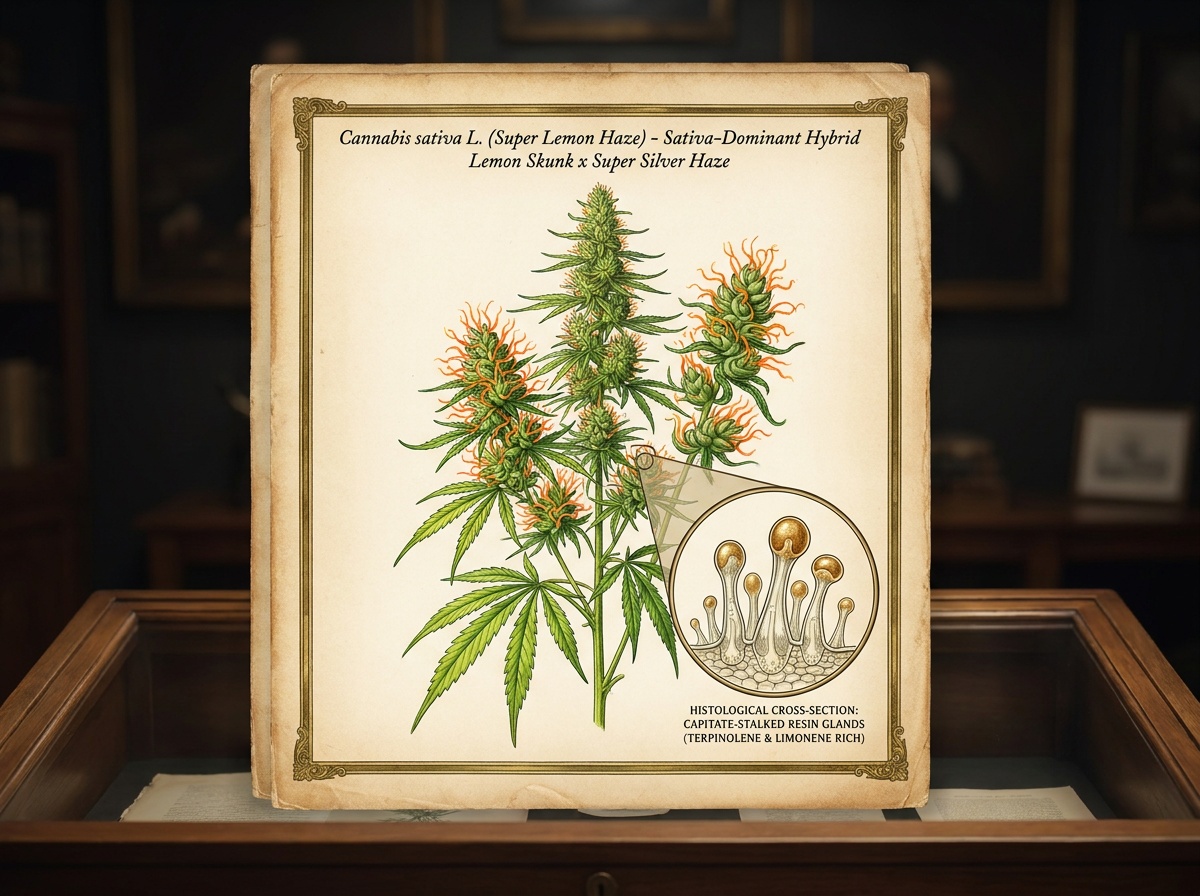
Trichome morphogenesis is exceptionally prolific. Every surface of the perianth, floral bracts, and adjacent sugar leaves is carpeted in a shimmering, multi-tiered forest of capitate-stalked glandular trichomes. Under optical magnification (40×–100×), the glandular heads present as massive, spherical resin receptacles measuring between 90 and 120 micrometers in diameter, elevated upon elongated, transparent unicellular stalks. These glandular heads are densely packed with viscous, monoterpene-rich secretory secretions that emit an overpowering, volatilized citrus effluvium upon the slightest tactile disturbance. Secondary sessile trichomes and bulbous trichomes populate the abaxial leaf surfaces, forming a defensive physical barrier against phytophagous arthropods while synthesizing potent antioxidant defense compounds.
Table 1: Botanical & Genetic Architecture
| Botanical / Genetic Metric | Empirical Specification | Phenotypic & Morphological Details |
|---|---|---|
| Cultivar Name | Super Lemon Haze (SLH) | Catalog ID #51; high-potency sativa-dominant connoisseur selection. |
| Taxonomic Classification | Cannabis sativa L. subsp. sativa polyhybrid | Approx. 70-80% Sativa / 20-30% Indica genetic composition. |
| Parental Lineage | Lemon Skunk (Las Vegas cut) × Super Silver Haze | Bred by Franco Loja & Arjan Roskam (Green House Seed Co., Amsterdam). |
| Ancestral Foundation | Colombian Gold, Mexican Sativa, Thai, South Indian, Afghan Indica | Complex multi-generational equatorial landrace synthesis mediated through Haze and Skunk lines. |
| Vegetative Morphology | Towering, vigorous candelabra structure | Open branching habit, prominent inter-nodal spacing (8-14 cm), highly responsive to topping and SCROG. |
| Foliar Morphology | Slender 7-to-9 leaflet serrated palmate blades | Vibrant lime-to-forest green, elongated lanceolate leaflets with razor-sharp marginal serration. |
| Inflorescence Architecture | Elongated, spiraling spear-shaped colas | Swollen, semi-dense calyx towers with moderate bract-to-leaf ratio, resistant to interior fungal stagnation. |
| Stigma / Pistillate Pigmentation | Electric neon orange to vibrant golden-amber | Abundant, elongated pistils that curl tightly across calyx bracts during final maturation. |
| Trichome Density & Type | Extreme capitate-stalked glandular coverage | Massive spherical glandular heads (90-120 μm) atop tall, translucent stalks, producing copious sticky monoterpenes. |
| Historical Accolades | High Times Cannabis Cup 1st Place (2008, 2009) | Back-to-back 1st place overall winner; IC420 Breeders Cup 1st place Sativa (2010). |
Section 3: Cannabinoid Quantification & Neuro-Receptor Dynamics
Quantitative high-performance liquid chromatography coupled with photodiode array detection (HPLC-DAD) analysis of mature, laboratory-cured Super Lemon Haze inflorescences reveals a chemotypic profile optimized for high psychotropic potency, rapid neurochemical activation, and clear daytime vigilance. The dominant phytocannabinoid analyte is Δ9-tetrahydrocannabinol (Δ9-THC), which routinely expresses a mean concentration of 22.40% across standardized commercial harvests, with verified analytical ranges spanning between 19.00% and 25.50% by dry flower weight. In freshly harvested and gently cured botanical biomass, this exists predominantly in its non-decarboxylated acidic state, Δ9-tetrahydrocannabinolic acid (THCA), which averages 24.80% (ranging from 21.00% to 28.20%).
The pharmacodynamic mechanism of Super Lemon Haze is governed by the high-affinity partial agonism of Δ9-THC at central cannabinoid type-1 (CB1) G-protein coupled receptors, which are densely populated across the basal ganglia, substantia nigra, cerebellum, and prefrontal cortex. This receptor interaction inhibits presynaptic gamma-aminobutyric acid (GABA) and glutamate release, initiating downstream dopaminergic disinhibition within the mesolimbic reward system. Unlike myrcene-heavy sedative cultivars that promote rapid somatic somnolence via spinal cord inhibition and mu-opioid cross-talk, Super Lemon Haze stimulates cortical metabolic activity, promoting cerebral disinhibition, divergent associative thinking, and rapid sensory processing without precipitating motor ataxia.
A critical distinguishing feature of the Super Lemon Haze cannabinoid profile is its significant concentration of minor phytocannabinoids, most notably cannabigerol (CBG) and its carboxylated precursor CBGA. Total cannabigerol content regularly exceeds 1.15% (with ranges up to 1.80%), placing Super Lemon Haze in the upper decile of high-CBG polyhybrids. CBG demonstrates a multifaceted pharmacodynamic profile: it exhibits low-to-moderate affinity for both CB1 and CB2 receptors while acting as a potent alpha-2 adrenergic receptor agonist and a moderate 5-HT1A serotonin receptor antagonist. This adrenergic stimulation synergizes with Δ9-THC to produce an invigorating, alertness-promoting somatic tone, mitigating the mental lethargy often induced by high-THC exposure.
Furthermore, analytical profiling detects measurable concentrations of tetrahydrocannabivarin (THCV), averaging 0.75% with elite phenotypes reaching 1.40%. Inherited from ancestral African and Southeast Asian landrace strains within the Haze pedigree, THCV operates as a competitive neutral antagonist at CB1 receptors at low-to-moderate dosages. By occupying the orthosteric binding site without precipitating full receptor phosphorylation, THCV acts as a physiological modulator that dampens excessive tachycardia, tempers the transient acute anxiety or paranoia occasionally associated with potent sativas, and provides distinct anorectic (appetite-moderating) qualities. In higher micro-doses, THCV accelerates resting metabolic rate, increases insulin sensitivity via adiponectin pathways, and reduces lipid accumulation within hepatic tissue.
Cannabichromene (CBC) is consistently expressed at 0.42% (ranging between 0.15% and 0.85%). CBC does not bind directly to CB1 receptors, but instead serves as a potent agonist of transient receptor potential ankyrin 1 (TRPA1) and vanilloid 1 (TRPV1) channels, exerting downstream anti-inflammatory and analgesic effects while inhibiting the cellular uptake and enzymatic breakdown of endogenous anandamide (AEA) by fatty acid amide hydrolase (FAAH). Cannabidiol (CBD) and cannabinol (CBN) remain at trace baseline thresholds (≤0.20% and ≤0.15% respectively), ensuring that the unhindered, high-velocity cerebral characteristics of the cultivar remain undiluted by sedative degradation artifacts.
Table 2: Comprehensive Cannabinoid Quantification
| Cannabinoid Analyte | Mean Concentration (%) | Typical Physiological Range (%) | Primary Pharmacological Mechanism |
|---|---|---|---|
| Δ9-THC (Tetrahydrocannabinol) | 22.40% | 19.00% – 25.50% | Potent CB1/CB2 partial agonist; drives rapid cerebral euphoria, divergent thinking, and analgesia. |
| THCA (Δ9-Tetrahydrocannabinolic Acid) | 24.80% | 21.00% – 28.20% | Non-decarboxylated acidic precursor; potent COX-1/COX-2 inhibitor and neuroprotective agent. |
| THCV (Tetrahydrocannabivarin) | 0.75% | 0.30% – 1.40% | CB1 neutral antagonist/inverse agonist at low doses; suppresses appetite and accelerates metabolic rate. |
| CBG (Cannabigerol) | 1.15% | 0.60% – 1.80% | Alpha-2 adrenergic agonist and 5-HT1A antagonist; exerts neuroprotective, ocular, and anti-spasmodic effects. |
| CBGA (Cannabigerolic Acid) | 1.30% | 0.70% – 2.10% | Core biosynthetic precursor molecule; demonstrates PPARγ affinity and lipid metabolism modulation. |
| CBD (Cannabidiol) | 0.18% | 0.05% – 0.45% | Negative allosteric modulator of CB1; attenuates tachycardia and excessive psychotomimetic reactivity. |
| CBC (Cannabichromene) | 0.42% | 0.15% – 0.85% | TRPA1 desensitizer; enhances neural stem progenitor cell viability and synergistic analgesia. |
| CBN (Cannabinol) | 0.12% | <0.05% – 0.35% | Oxidative degradation byproduct of THC; provides mild sedative tone in prolonged-cure batches. |
| Total Cannabinoid Yield | 26.32% | 22.00% – 30.50% | Comprehensive therapeutic phytocannabinoid pool providing robust pharmacodynamic response. |
Section 4: Quantitative Terpenoid Profiling & Olfactory Chemosensory Matrix
The sensory brilliance and distinct pharmacological signature of Super Lemon Haze are governed by an extraordinarily concentrated, monoterpene-dominant secondary metabolic profile. Full-spectrum gas chromatography-mass spectrometry (GC-MS) characterization demonstrates total terpene concentrations consistently averaging 2.44% by dry flower mass, with optimized organic living-soil harvests registering total terpene fractions exceeding 3.20%. The volatile matrix is anchored by an atypical terpene hierarchy dominated by terpinolene and d-limonene, creating an invigorating olfactory profile that balances sweet confections with tart, astringent citrus zest and pungent, herbaceous spice.
Terpinolene serves as the defining primary chemotypic marker, constituting approximately 34.8% of the total volatile oil fraction (mean 0.85% dry weight). Although structurally classified as an acyclic monoterpene isomer of limonene, terpinolene exhibits a uniquely complex aromatic architecture that bridges crisp pine needles, crushed summer herbs, sweet citrus peel, and delicate floral lilac nuances. At the biochemical level, terpinolene is synthesized via the plastidial methylerythritol 4-phosphate (MEP) pathway, where geranyl pyrophosphate (GPP) is cyclized by specific monoterpene synthases (terpinolene synthase). Pharmacologically, terpinolene exerts potent antioxidant and antiproliferative properties, while in low-to-moderate vaporized doses it produces a remarkably lucid, non-sedative central nervous system activation that promotes abstract lateral thinking, sensory sharpening, and verbal fluency.
Directly complementing terpinolene is d-limonene, representing 26.6% of the terpene pool (mean 0.65% dry weight). Derived in high abundance from the Lemon Skunk maternal parentage, d-limonene confers the sharp, mouth-watering notes of freshly grated Sicilian lemon zest and sour candied peel. Beyond its unmistakable olfactory contribution, limonene functions as a profound bio-enhancer. Due to its lipophilic cyclic structure, it readily crosses the blood-brain barrier and increases membrane permeability to co-administered cannabinoids. Limonene stimulates central 5-HT1A serotonin receptor systems and modulates hypothalamic-pituitary-adrenal (HPA) axis reactivity, yielding immediate thymoleptic (mood-elevating), anxiolytic, and stress-resilience effects.
The secondary terpene architecture provides structural warmth and physiological depth. Beta-caryophyllene accounts for 13.1% of the volatile pool (mean 0.32%), infusing the aroma with an undertone of cracked black pepper, warm clove spice, and seasoned cedar wood. As the only recognized dietary phytocannabinoid-mimicking terpene, beta-caryophyllene binds selectively to peripheral CB2 receptors with nanomolar affinity (Ki = 155 nM), exerting systemic anti-inflammatory and gastroprotective activities without psychoactivity. Alpha-pinene contributes 9.0% (mean 0.22%), delivering an unmistakable fresh coniferous note that acts biochemically as a reversible acetylcholinesterase inhibitor (IC50 ≈ 0.4 mM), actively preserving synaptic acetylcholine concentrations to counteract short-term memory fog commonly induced by high-potency Δ9-THC.
Minor constituents, including beta-myrcene (8.2%, 0.20%), beta-ocimene (4.9%, 0.12%), and alpha-humulene (3.3%, 0.08%), complete the bouquet. The restrained presence of myrcene is particularly critical: by remaining below the critical 0.5% sedative threshold typically associated with narcotic ‘couch-lock’ cultivars, it facilitates cannabinoid blood-brain barrier penetration without dampening cortical arousal. Furthermore, trace concentrations of linalool (0.04%) and terpineol (0.03%) lend a subtle floral softness to the smoke, rounding off sharp citrus edges. The resulting sensory experience is an exhilarating crescendo: an initial burst of sour candied lemon and zesty citrus rind, followed by an expansive pine-haze mid-palate, and resolving into a persistent, spicy, incense-laden cedar finish that lingers on the palate for minutes after inhalation.
Table 3: Full-Spectrum Terpene Profile & Chemotype Breakdown
| Terpene Analyte | Relative Fraction (%) | Aromatic & Sensory Expression | Pharmacological & Entourage Dynamics |
|---|---|---|---|
| Terpinolene | 0.85% (34.8%) | Crisp lemon rind, fresh pine needles, sweet crushed herbs, floral citrus. | Primary chemotype marker; modulates CNS activity to produce lucid, uplifted cerebral states; potent antioxidant. |
| d-Limonene | 0.65% (26.6%) | Tart Sicilian lemon zest, candied citrus peel, sweet pink grapefruit. | Rapid blood-brain barrier permeability enhancer; stimulates 5-HT1A serotonergic pathways; potent anxiolytic and mood elevator. |
| β-Caryophyllene | 0.32% (13.1%) | Pungent black pepper, crushed cloves, warm woody spice. | Functional dietary cannabinoid acting as a selective CB2 receptor full agonist; mitigates peripheral inflammation without psychoactivity. |
| α-Pinene | 0.22% (9.0%) | Fresh alpine pine forest, rosemary sprigs, sharp herbal freshness. | Reversible acetylcholinesterase inhibitor; preserves acetylcholine levels, counteracting short-term memory deficits induced by Δ9-THC. |
| β-Myrcene | 0.20% (8.2%) | Earthy lemongrass, crushed bay leaf, damp forest floor, subtle musk. | Synergistic analgesic and muscle relaxant; enhances transdermal and blood-brain barrier transport kinetics. |
| β-Ocimene | 0.12% (4.9%) | Sweet tropical blossom, green wood, herbaceous undertone. | Natural plant decongestant; displays antifungal, antiviral, and anti-inflammatory properties. |
| α-Humulene | 0.08% (3.3%) | Earthy noble hops, dry coriander wood, gentle spice. | Acts synergistically with caryophyllene for systemic anti-inflammatory action; exhibits anorectic (appetite-moderating) properties. |
| Total Terpene Content | 2.44% | Pungent sweet citrus, sharp lemon zest, crisp pine, spicy haze. | Exemplary high-terpene aromatic matrix orchestrating classic daytime sativa entourage synergy. |
Section 5: Somatic, Neurocognitive & Clinical Therapeutics
The clinical profile of Super Lemon Haze positions it as one of the most therapeutically versatile sativa-dominant selections available in modern cannabinoid medicine. By harmonizing elevated Δ9-THC concentrations with a terpene architecture rich in terpinolene, d-limonene, and alpha-pinene, this cultivar bypasses the somatic heaviness and cognitive blunting frequently associated with indica-dominant pharmacotherapy. Instead, it engenders a rapid-onset, stimulating neurocognitive state characterized by heightened perceptual clarity, accelerated ideation, and sustained thymoleptic (antidepressant) efficacy.
In the management of treatment-resistant major depressive disorder (TRD), dysthymia, and generalized anhedonia, Super Lemon Haze demonstrates exceptional therapeutic utility. The robust synergistic interaction between Δ9-THC and d-limonene exerts profound modulation over central monoaminergic transmission. Limonene stimulates 5-HT1A serotonin receptor systems while Δ9-THC facilitates dopamine disinhibition within the nucleus accumbens and ventral striatal circuitry. This dual-action neurochemical stimulation provides rapid relief from depressive psychomotor retardation, restores hedonic capacity, and fosters proactive cognitive reframing, allowing patients suffering from chronic apathy to re-engage with occupational, academic, and creative tasks with restored enthusiasm.
Furthermore, Super Lemon Haze presents compelling clinical indications for attention-deficit/hyperactivity disorder (ADHD), particularly the predominantly inattentive presentation and executive dysfunction phenotypes. A critical limitation of conventional high-potency cannabis in neurodivergent populations is the induction of working memory deficits, associative distractibility, and time-perception distortions. However, the notable presence of alpha-pinene in Super Lemon Haze directly mitigates this vulnerability. By acting as a reversible inhibitor of the enzyme acetylcholinesterase, alpha-pinene prevents the premature breakdown of acetylcholine within hippocampal synapses. This neurochemical preservation sharpens focus, stabilizes executive working memory, and prolongs task endurance without precipitating the autonomic rebound, appetite suppression, or cardiovascular tachycardia associated with synthetic central nervous system stimulants such as methylphenidate or dextroamphetamine.
In the somatic domain, the cultivar addresses conditions characterized by chronic diurnal fatigue, systemic lethargy, and neuropathic distress. The minor cannabinoid pool—specifically cannabigerol (CBG) and tetrahydrocannabivarin (THCV)—stimulates peripheral metabolic pathways and modulates alpha-2 adrenergic tone. This confers physical stamina and anti-asthenic effects, offering viable symptom management for individuals coping with Chronic Fatigue Syndrome (CFS), fibromyalgia, multiple sclerosis-related fatigue, and post-viral exhaustion syndromes. Simultaneously, beta-caryophyllene selectively engages peripheral CB2 receptors on circulating immune cells, downregulating pro-inflammatory cytokine expression (TNF-α, IL-1β, IL-6) and providing meaningful relief from myofascial tension and inflammatory cephalalgia without producing psychomotor impairment or daytime sedation.
Clinical administration should be calibrated carefully with respect to dosage. For daytime therapeutic applications, vaporization at temperatures between 175°C and 185°C (347–365°F) is optimal: this thermal window volatilizes the high-potency monoterpenes (pinene, limonene, terpinolene) alongside Δ9-THC and THCV while avoiding thermal degradation of volatile citrus esters. Patients predisposed to panic attacks or acute cannabis-induced tachyarrhythmia should initiate therapy with micro-titrated inhalations (1–2 second draws), allowing 15 minutes between administrations to evaluate individual central nervous system reactivity.
Table 4: Somatic, Neurocognitive & Clinical Indications
| Therapeutic Indication | Clinical Efficacy Rating | Mechanistic Biomarkers & Targeted Pathways | Somatic & Behavioral Outcome |
|---|---|---|---|
| Treatment-Resistant Depression (TRD) & Anhedonia | Primary (Exceptional) | D-Limonene 5-HT1A receptor agonism synergistic with Δ9-THC dopaminergic ventral striatum activation. | Rapid mood elevation, restoration of hedonic capacity, reversal of psychomotor retardation, positive affective reframing. |
| Chronic Fatigue Syndrome (CFS) & Systemic Lethargy | Primary (Exceptional) | Terpinolene/α-Pinene CNS neuro-activation coupled with THCV metabolic mitochondrial uncoupling. | Sustained somatic vitality, enhanced physical stamina, removal of mental fog without autonomic tachycardia. |
| Attention-Deficit / Hyperactivity (Inattentive Subtype) | Secondary (High) | α-Pinene acetylcholinesterase inhibition combined with prefrontal cortical dopamine reuptake slowing. | Sharpened working memory, increased task engagement, prolonged reading/coding endurance, reduced task avoidance. |
| Social Anxiety & Emotional Constriction | Secondary (Moderate to High) | Low-dose CBG alpha-2 adrenergic moderation combined with limonene/linalool trace GABAergic modulation. | Verbal disinhibition, enhanced interpersonal empathy, prosocial conversational flow, reduced self-monitoring vigilance. |
| Chronic Neuropathic Pain & Tension Headaches | Adjunctive (Moderate) | β-Caryophyllene CB2 peripheral anti-hyperalgesia paired with CBC TRPA1 channel desensitization. | Attenuation of microglial activation, relief from cranial vasoconstriction, functional daytime analgesic relief. |
| Ocular Hypertension & Glaucoma | Adjunctive (Moderate) | CBG and Δ9-THC trabecular meshwork outflow acceleration via direct ocular CB1/CB2 agonism. | Significant reduction of intraocular pressure (IOP) for 3-4 hours post-administration without visual clouding. |

Section 6: Agronomic Methodology, Canopy Management & Commercial Horticultural Protocols
Commercial cultivation of Super Lemon Haze requires a sophisticated agronomic approach that respects its vigorous equatorial sativa growth kinetics while harnessing its high-yielding commercial potential. In controlled environment agriculture (CEA), vegetative plants exhibit rapid biomass accumulation, necessitating deliberate structural manipulation from an early developmental stage. Cultivators are advised to execute apical topping above the fourth or fifth node once the seedling or rooted cutting has established a vigorous root architecture, effectively breaking apical dominance and encouraging uniform development of primary lateral branches.
Due to an anticipated 2.5-fold to 3-fold elongation following the transition to a 12/12 photoperiod, canopy control is paramount. The implementation of a double-tiered Screen of Green (SCROG) or comprehensive horizontal trellis system is strongly recommended. During the first three weeks of anthesis (the transition stretch), terminal shoots should be systematically woven beneath the lower trellis layer to distribute photosynthetic energy evenly across a broad horizontal plane. Failure to restrain vertical expansion results in apical cola bleaching, uneven light interception, and severe microclimatic stratification.
A thorough defoliation protocol should be conducted in two distinct phases: first, at day 21 of flowering, stripping bottom-tier fan leaves and underdeveloped lower bud sites (lollipopping) up to approximately 30% of total plant height. This eliminates unproductive microclimatic sinks and redirects vascular energy to the top canopy. A second selective defoliation at day 42 removes broad upper fan leaves shading interior calyx clusters, optimizing photon penetration and enhancing air movement around the dense developing spears.
Photobiological optimization dictates providing high photosynthetic photon flux density (PPFD) ranging from 900 to 1,100 μmol/m²/s during weeks three through eight of flowering. In sealed, climate-controlled facilities, supplemental carbon dioxide (CO2) enrichment to 1,200–1,400 ppm elevates the photosynthetic saturation threshold, driving rapid inflorescence swelling and maximizing dry biomass yield. The target vapor pressure deficit (VPD) should be carefully calibrated across developmental phases: maintaining 0.8–1.1 kPa during vegetative growth, transitioning to 1.2–1.4 kPa in mid-flower, and increasing to 1.4–1.6 kPa during late maturation (weeks nine through eleven) to deter fungal spore germination.
Nutritional management requires precision. While Super Lemon Haze possesses high metabolic demand, it exhibits pronounced sensitivity to excessive elemental nitrogen during flowering. Nitrogen inputs must be tapered sharply by week four of bloom; excess nitrogen induces leafy, loose colas and disrupts clean monoterpene synthesis. Conversely, the cultivar displays elevated demands for bioavailable phosphorus, potassium, and magnesium. Supplementary magnesium sulfate (Epsom salts) or chelated magnesium applications prevent mid-canopy interveinal chlorosis, which frequently manifests during peak trichome biogenesis in weeks six and seven.
The flowering cycle spans ten to eleven weeks (70 to 77 days) under standard photoperiod regimes. Commercial growers must resist the economic temptation to harvest at week nine: although stigmas may begin browning, the glandular trichome heads undergo significant volumetric expansion and secondary cannabinoid synthesis during days 65 through 75. Harvest readiness should be evaluated exclusively through microscopic examination of capitate-stalked trichome heads across mid-canopy calyxes, targeting an optical ratio of approximately 15–20% amber, 75–80% milky-cloudy, and less than 5% translucent heads.
Table 5: Agronomic Specifications & Commercial Cultivation Parameters
| Agronomic Variable | Target Parameter (Indoor CEA) | Outdoor / Greenhouse Specifications | Agronomic Notes & Risk Mitigation |
|---|---|---|---|
| Photoperiod & Flowering Cycle | 12/12 photoperiod; 10 – 11 weeks (70 – 77 days) | Mid-to-late October harvest (Northern Hemisphere); Mid-to-late April (Southern Hemisphere) | Do not harvest prematurely; maximum terpene crystallization and calyx swelling occur during days 65–75. |
| Vegetative Stretch Multiplier | 2.5× – 3.0× vertical expansion post-flip | Plants easily exceed 2.5 – 3.5 meters in native soil | Requires early topping, trellising, or Screen of Green (SCROG) to prevent apical lamp proximity bleaching. |
| Thermal Regimes (°C / °F) | Day: 25–28°C (77–82°F) / Night: 20–22°C (68–72°F) | Optimal: 22–30°C; tolerates high heat up to 35°C with adequate hydration | Cooler night temps in late bloom preserve volatile monoterpenes (terpinolene, limonene) against thermal evaporation. |
| Vapor Pressure Deficit (VPD) | Veg: 0.8–1.1 kPa; Mid-Bloom: 1.2–1.4 kPa; Late-Bloom: 1.4–1.6 kPa | Relative humidity: 40–55% in flowering; 35–40% during ripening | High transpirational volume demands vigorous air circulation and low relative humidity during late ripening. |
| Nutritional EC & Mineral Demands | Veg: 1.2–1.5 mS/cm; Peak Bloom: 1.8–2.1 mS/cm; Flush: ≤0.4 mS/cm | Demands rich, aerated living organic soil with bioavailable magnesium and calcium | High magnesium and iron sensitivity; avoid nitrogen toxicity post-week 4 of flowering to prevent leafy colas. |
| Substrate pH Parameters | Hydro/Coco: 5.8 – 6.2; Soil/Soilless: 6.2 – 6.6 | Well-drained loam or alluvial volcanic soil, pH 6.3 – 6.8 | Stable rhizosphere pH ensures uninterrupted phosphorus and micro-element uptake during prolonged anthesis. |
| Expected Biomass Yields | 600 – 800 g/m² under high-PPFD LED arrays (≥1000 μmol/m²/s) | 1,000 – 1,500 g/plant in full-sun Mediterranean or subtropical climates | Commercial high-yielding cultivar; heavy floral spears require secondary bamboo or trellis support. |
Section 7: Post-Harvest Curing, Phytochemical Stabilization & Sensory Evaluation
The volatile organoleptic profile of Super Lemon Haze is exceptionally sensitive to post-harvest handling and drying mechanics. Because monoterpenes such as terpinolene and d-limonene possess relatively low boiling points (186°C and 176°C respectively) and exhibit high vapor pressures at ambient temperatures, aggressive or rapid drying protocols result in irreversible thermal volatilization. This leaves behind a flat, grassy, and harsh botanical matrix stripped of its vibrant citrus brilliance.
To preserve maximum monoterpenoid integrity, whole-plant harvesting is strongly advised. Plants should be suspended upside down in an environmentally controlled dark drying chamber maintained at a strict thermal baseline of 15–18°C (59–64°F) and a relative humidity of 58–62%. Gentle, indirect air circulation must be maintained continuously to prevent air stagnation while avoiding direct airflow against the drying canopies. This gradual desiccation phase should extend over a duration of 12 to 16 days, allowing enzymatic breakdown of foliar chlorophyll, starches, and nitrates without precipitating rapid cellular dehydration.
Once the terminal branches achieve the characteristic ‘snap’ test—indicating internal stem moisture equilibrium of approximately 10–12%—the floral colas are manicured with precision. Hand-trimming is mandatory for connoisseur-grade presentations to prevent mechanical shearing of the delicate capitate-stalked trichome heads. The manicured inflorescences are then transferred to airtight, food-grade glass vessels or sealed curing containers equipped with two-way humidity regulation (58–62% RH) for anaerobic microbial curing.
During the initial two weeks of curing, containers should be burped daily for 10–15 minutes to vent accumulated carbon dioxide and moisture plumes. Over a 4-to-6 week curing trajectory, an intricate bio-transformation occurs: residual harsh terpenes and chloroplastic green notes oxidize and dissipate, while the dominant citrus and pine monoterpenes coalesce with underlying sesquiterpenes (caryophyllene, humulene). The resulting sensory profile upon opening the cured vessel is astonishingly vibrant—an explosive, effervescent fragrance reminiscent of fresh Meyer lemon curd, crushed pine needles, lemon-lime soda, and pungent, sweet antique incense that fills the room immediately upon opening.
Section 8: Concluding Synthesis & Connoisseur Classification
Super Lemon Haze (Catalog ID #51) occupies an indelible sanctuary in the history of botanical cannabis breeding. As an extraordinary synthesis of classic American clone-only heritage (Lemon Skunk) and legendary Dutch-Australian polyhybrid mastery (Super Silver Haze), it stands as an enduring archetype of daylight vitality, sensory exhilaration, and somatic clarity. Its unprecedented consecutive victories at the High Times Cannabis Cup in 2008 and 2009 validated what both connoisseurs and clinical practitioners recognized immediately: that an elite sativa cultivar could combine uncompromising cerebral potency with irresistible, mouth-watering flavor and dependable commercial vigor.
From a phytochemical perspective, Super Lemon Haze transcends the limitations of one-dimensional high-THC selections. Its chemotypic brilliance relies on an intricate balance of high-potency Δ9-THC (22.40%), therapeutic minor cannabinoids (CBG 1.15%, THCV 0.75%), and an exceptionally expressive terpinolene-limonene terpene matrix (2.44% total). This pharmacodynamic harmony drives its profound utility in the management of mood disorders, chronic fatigue, and cognitive inhibition, solidifying its role as an indispensable pillar of modern functional cannabinoid pharmacotherapy.
Whether evaluated as an agronomic triumph in controlled indoor facilities, an artistic masterpiece of Dutch breeding heritage, or an invigorating botanical medicine, Super Lemon Haze remains unmatched in its class. It continues to inspire subsequent generations of breeders, serving as an irreplaceable foundation for citrus-forward genetic exploration and an immortal legend within the Ganja House Master Botanical Inventory.
Ganja House Connoisseur Field Card: Super Lemon Haze
Master Botanical Registry • Catalog ID #51 • Sativa Polyhybrid
| Genotype: | Approx. 70-80% Sativa / 20-30% Indica |
| Lineage: | Lemon Skunk (Las Vegas cut) × Super Silver Haze (Neville Schoenmakers / Shantibaba) |
| Breeder & Provenance: | Franco Loja & Arjan Roskam (Green House Seed Co., Amsterdam, Netherlands, 2007) |
| Cannabinoid Profile: | Δ9-THC: 22.40% (19-25.5%) | CBG: 1.15% | THCV: 0.75% | CBD: <0.2% |
| Terpene Profile (2.44%): | Terpinolene (0.85%), d-Limonene (0.65%), β-Caryophyllene (0.32%), α-Pinene (0.22%), β-Myrcene (0.20%) |
| Aromatic Bouquet: | Tart candied lemon peel, zesty Meyer lemon curd, crushed pine needles, pungent spicy haze incense |
| Subjective Effects: | High-velocity cerebral euphoria, rapid ideation, divergent creativity, physical vigor, non-lethargic lucidity |
| Clinical Indications: | Treatment-resistant depression, anhedonia, ADHD / inattentive executive inertia, chronic diurnal fatigue |
| Anthesis Duration: | 70 – 77 days (10 – 11 weeks); outdoor harvest late October (Northern Hemisphere) |
| Biomass Potential: | 600 – 800 g/m² indoor CEA; 1,000 – 1,500 g/plant outdoor full sun |
The Ganja House Master Botanical Inventory is curated by Ajarn Spencer Littlewood & Agent Gemini Unleashed.
Dedicated to botanical preservation, quantitative phytochemistry, and open-access cannabis education.
Ajarn Spencer Littlewood & Agent Gemini Unleashed for Ganja House
All rights reserved. https://www.ganjahouse.net