🎙️
Listen to the Scientific Monograph
Neville’s Haze: Botanical Architecture, Cannabinoid Pharmacology & Horticultural History
Professional narration synthesized via Ganja House neural acoustics engine (en-GB-RyanNeural). Duration: ~82 seconds.
Section 1: Origins, Historical Discovery & Naming Etymology
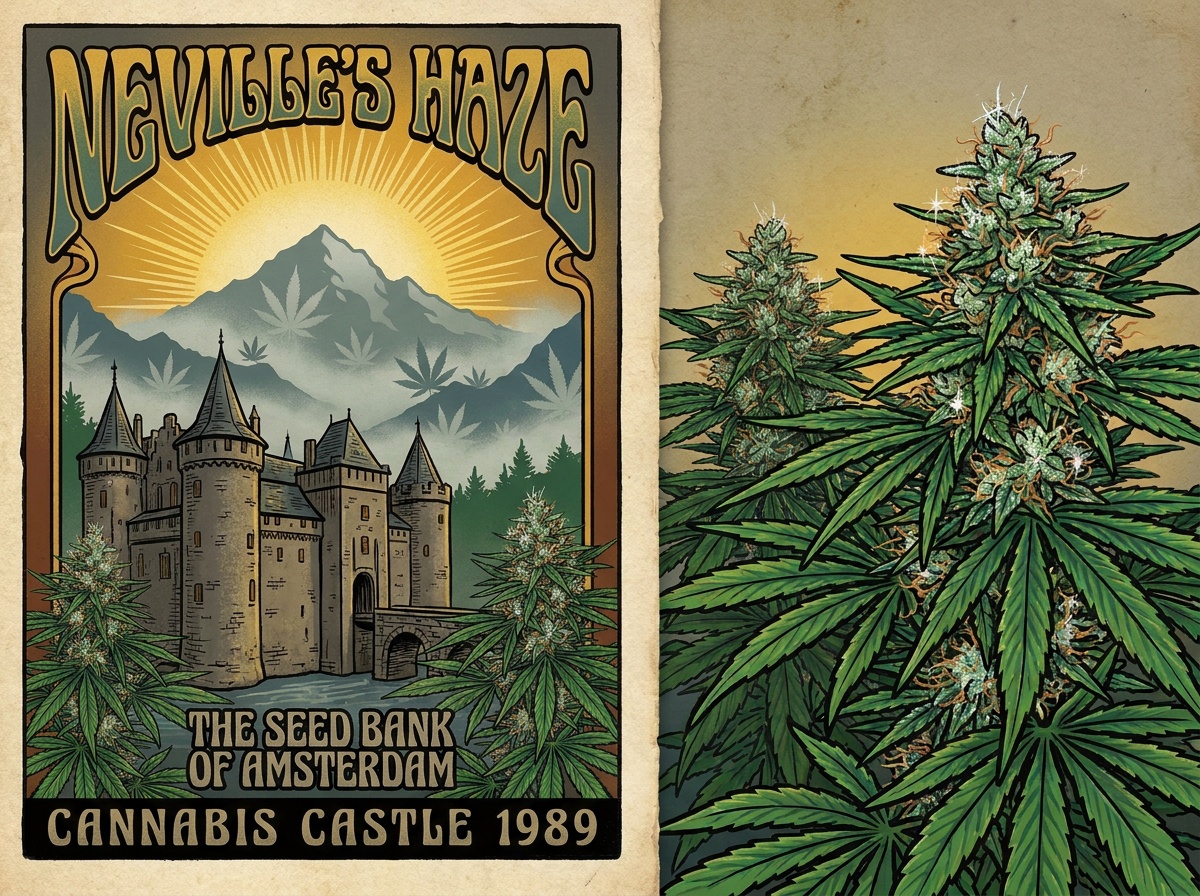
Among the immortal pantheon of modern cannabis cultivars, few names command the reverence, mystical aura, and historical weight of Neville’s Haze. Named directly in homage to its creator, Neville Schoenmakers—widely venerated across international horticultural circles as the “King of Cannabis”—this seminal cultivar represents the pinnacle of late-twentieth-century sativa hybridization. Schoenmakers, an Australian-born visionary of Dutch descent, established the legendary Seed Bank of Amsterdam in 1984, operating from an imposing nineteenth-century estate near Arnhem known colloquially as the “Cannabis Castle.” Within this botanical sanctuary, Schoenmakers collected, documented, and stabilized landrace germplasm from every equatorial frontier of the globe, laying the genetic foundation upon which the global domestic cannabis industry was constructed.
During the mid-1980s, original pure Haze lines—conceived in Santa Cruz, California, by the enigmatic Haze Brothers (R. Haze and J. Haze) alongside David Watson (Sam the Skunkman)—were notoriously erratic, unpredictable, and commercially impractical. These original heirloom genetics, composed of diverse equatorial landraces from Colombia (Manga Rosa and Santa Marta Gold), Mexico (Acapulco Gold), Highland Thailand, and Southern India (Kerala), demanded sixteen to twenty-four weeks of indoor photoperiod flowering, often producing wispy floral clusters that defied traditional harvesting methods. Recognizing both the transcendent, psychedelic transcendence of the Haze effect and its formidable agronomic limitations, Neville Schoenmakers acquired authentic Haze breeding stock in the mid-1980s, identifying two distinct parental male specimens known simply as “Haze A” and “Haze C,” alongside a foundational female designated “Haze B.”
Through an audacious breeding program initiated around 1988, Schoenmakers crossed an authentic Haze female back to an elite Northern Lights #5 hybrid. By introducing the compact, resin-dense indica stabilizing architecture of Northern Lights #5 into the wild, untamable equatorial sativa genome, Schoenmakers executed a backcrossing masterclass that reduced indoor maturation times while dramatically increasing floral density and glandular trichome volume. The resulting polyhybrid, initially cataloged as “A5 Haze” and “C5 Haze,” was refined into the stabilized sovereign offering presented in the 1989 Seed Bank catalog: Neville’s Haze. Later preserved and championed by master breeder Shantibaba (Scott Blakey) at the legendary Mr. Nice Seedbank following the political upheaval of Operation Green Merchant, Neville’s Haze solidified its status as an untouchable botanical masterpiece, capturing multiple High Times Cannabis Cup accolades and enduring as the definitive gold standard for near-pure sativa pharmacology.
Section 2: Botanical Architecture, Phenotypic Morphology & Cultivation Metrics
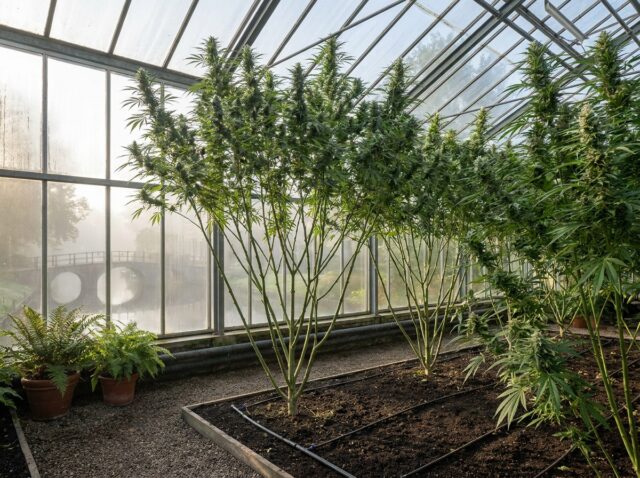
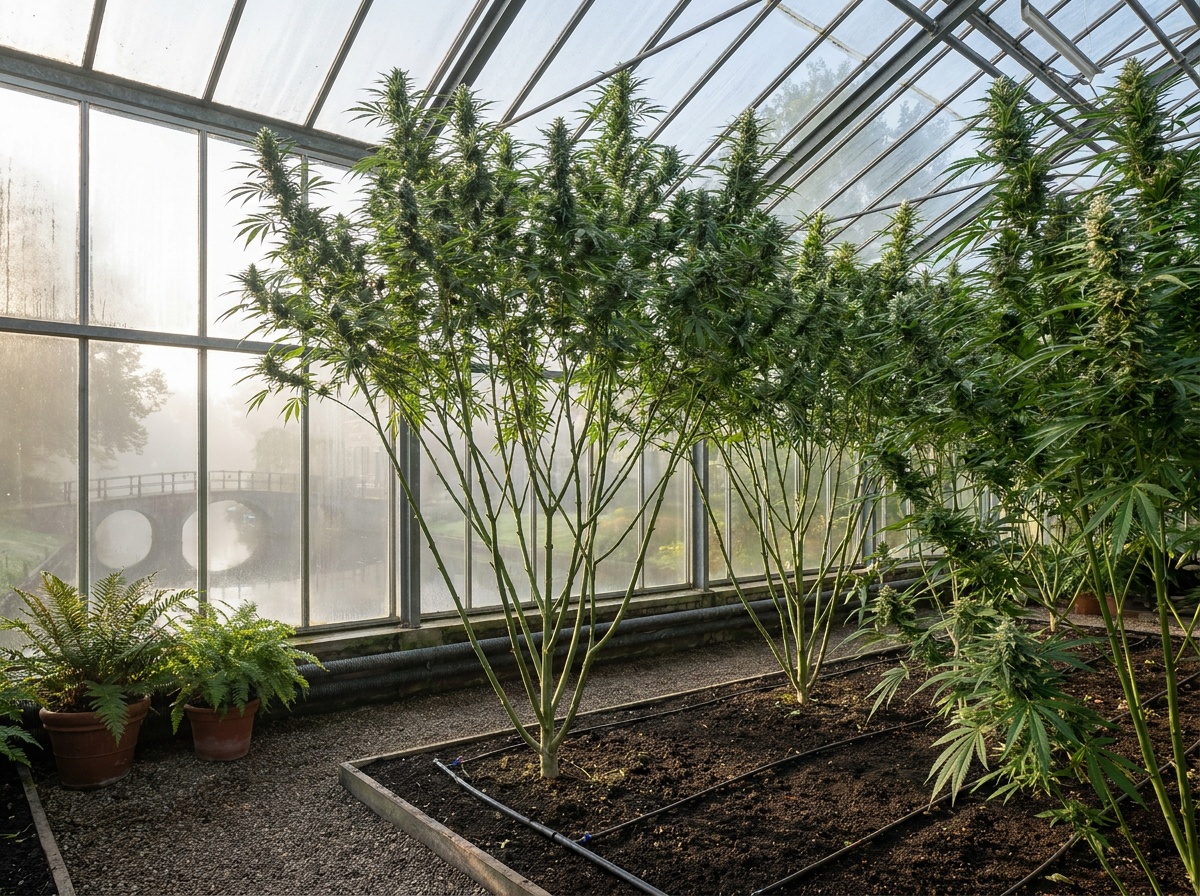
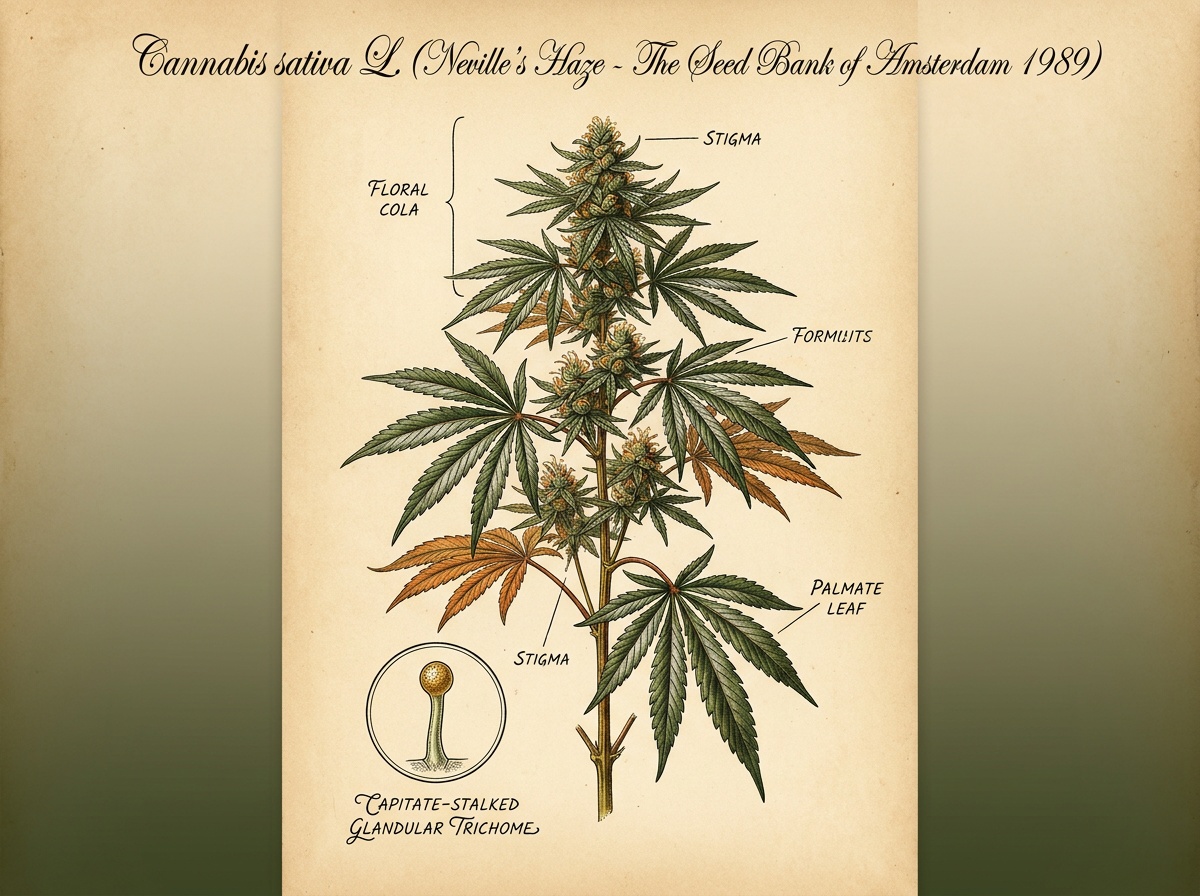
The morphological expression of Neville’s Haze serves as an unadulterated masterclass in equatorial sativa anatomy, exhibiting botanical adaptations specifically sculpted for tropical latitudes, intense solar radiation, and extended wet seasons. While modern hybrids predominantly exhibit compact, columnar habits engineered for rapid turnaround cycles, Neville’s Haze demands respect as an expansive, arborescent organism. In both specialized glasshouse environments and temperate outdoor microclimates, vegetative vigor is ferocious. Internodal spacing is expansive, ranging between 7.5 and 15 centimeters, permitting maximum canopy airflow and deep photonic penetration through the interior scaffold.
The foliar geometry of Neville’s Haze is unmistakably sativa: mature fan leaves display nine to eleven remarkably narrow, lanceolate leaflets characterized by sharp, serrated margins and attenuated petioles. Leaf pigmentation presents a luminous, vibrant forest green that lacks the deep anthocyanin heaviness common to Afghanica varieties. Photosynthetic efficiency is exceptionally high under elevated photon flux densities (PPFD exceeding 1,000 µmol/m²/s), provided atmospheric carbon dioxide is appropriately supplemented to 1,200–1,400 ppm. Cultivators must exercise meticulous canopy management; upon triggering the 12/12 photoperiod, plants undergo an explosive vertical and lateral stretch, frequently tripling or quadrupling their vegetative stature over the initial four to five weeks of floral induction.
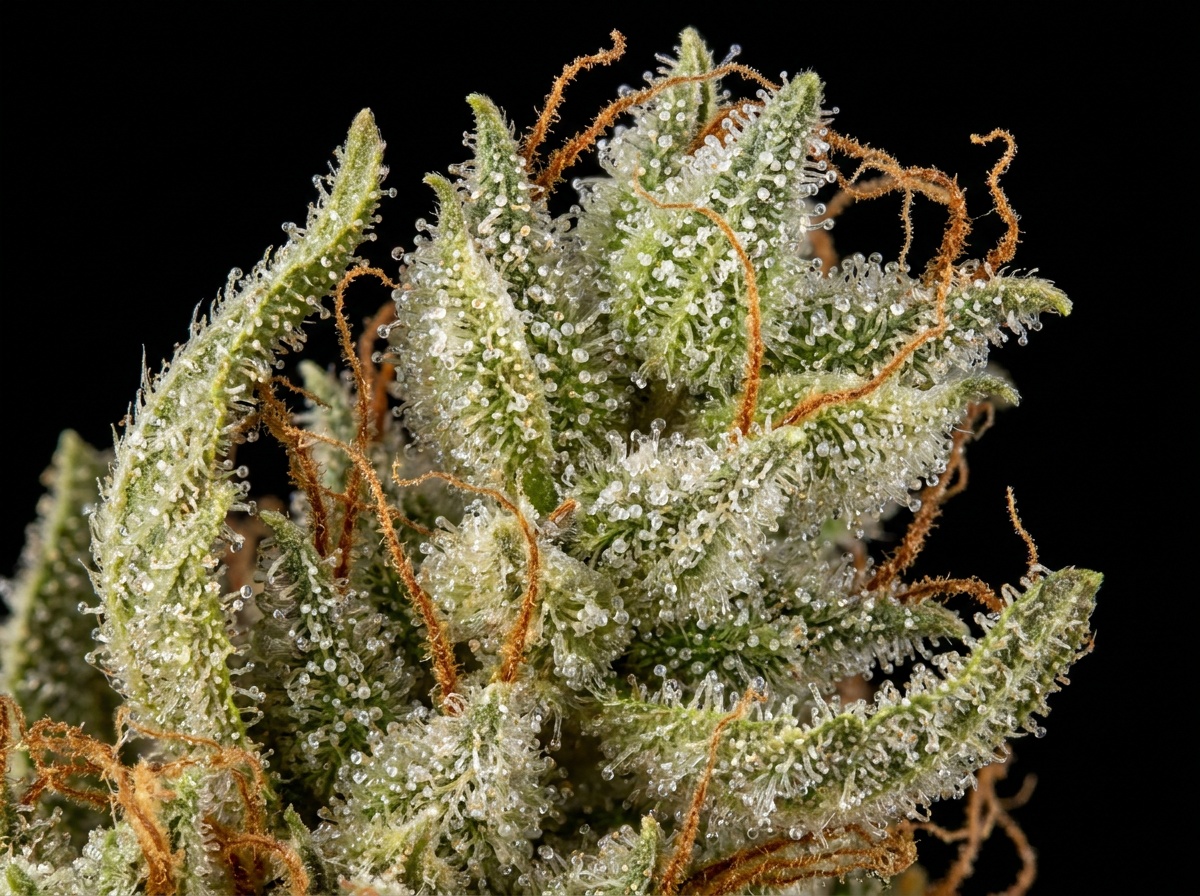
The floral architecture deviates sharply from standard hybrid morphology. Neville’s Haze develops massive, elongated spear-shaped floral thyrses that spiral indefinitely along vertical structural branches. Rather than agglomerating into dense, golf-ball clusters susceptible to grey mold (Botrytis cinerea), the calyxes stack in open, foxtailing spiral whorls. This decentralized, aerated bract configuration represents an evolutionary adaptation to hyper-humid equatorial environments, allowing moisture to evaporate rapidly and preventing fungal spore colonization despite protracted exposure. The stigmas emerge as delicate, elongated white filaments that gradually oxidize into a brilliant tapestry of fiery copper, burnt saffron, and pale amber. Glandular trichome production is prolific, coating the bract margins, calyx surfaces, and adjacent sugar leaves in a shimmering, sterling blanket of bulbous capitate-stalked resin glands with unusually voluminous secretory heads.
Agronomic Metrics and Cultivation Taxonomy
To successfully bring Neville’s Haze to genetic maturity, cultivators must discard fast-track feeding regimens in favor of delicate, bio-mineral balance. The cultivar is notoriously sensitive to nitrogen toxicity during both vegetative and reproductive phases; excessive nitrogen inputs readily induce leaf curling (“clawing”), nutrient lockouts, and delayed floral initiation. Micronutrient requirements emphasize elevated calcium, magnesium, and bio-available silica to support the expansive vascular network necessary to sustain 3.5-meter branch frameworks.
| Agronomic Parameter | Specification & Cultivation Target | Agronomic Notes & Best Practices |
|---|---|---|
| Genetic Classification | Near-Pure Sativa Polyhybrid (~95% Sativa / 5% Indica) | Haze × Northern Lights #5 × Haze (HazeA × [NL5 × HazeC]) |
| Breeder & Heritage Origin | Neville Schoenmakers / The Seed Bank of Amsterdam (1989) | Preserved by Shantibaba at Mr. Nice Seedbank; foundational modern Haze |
| Photoperiod Flowering Window | 14 to 16 Weeks (98 to 112 Days) | Rare equatorial phenotypes may require up to 17–18 weeks for complete amber resin development |
| Canopy Stretch Post-Induction | 300% to 400% Vertical & Lateral Expansion | Mandatory training via SCROG, super-cropping, or high-trellis multi-tier netting |
| Vegetative Growth Rate | Extreme / Highly Vigorous | Rapid internodal expansion; requires deliberate topping and early apical suppression |
| Mature Plant Stature | Indoor: 1.8–2.5m | Outdoor / Glasshouse: 3.0–4.2m | Massive root mass required; outdoor specimens require 200+ gallon living soil containers |
| Optimal Thermal Spectrum | Day: 24°C–28°C (75°F–82°F) | Night: 19°C–22°C (66°F–72°F) | Tolerates elevated tropical heat; avoid abrupt temperature depressions below 16°C |
| Relative Humidity Parameters | Veg: 65–70% | Early Flower: 55–60% | Late Flower: 40–45% | Aerated bract structure provides natural defense against Botrytis and powdery mildew |
| Substrate & Rootzone Nutrition | EC: 1.1–1.5 mS/cm | pH: 6.2–6.8 (Soil) / 5.7–6.1 (Hydro) | Light feeder; highly vulnerable to nitrogen excess; prioritize organic compost teas & silica |
| Harvest Yield Potential | Indoor: 400–550 g/m² | Outdoor: 800–1,200 g/plant | Yield accumulates exponentially during weeks 11 through 15 as calyxes swell |
Outdoor cultivation of Neville’s Haze is strictly viable in Mediterranean, sub-tropical, or equatorial latitudes (between 35°N and 35°S) where frost-free conditions persist into late November and mid-December. In northern temperate zones, full-season greenhouse facilities equipped with supplemental environmental heating and dehumidification are mandatory to prevent catastrophic autumn weather losses during the critical sixteenth week of resin maturation.
Section 3: Cannabinoid Profile & Quantitative Chemotype
From an analytical phytochemical standpoint, Neville’s Haze exemplifies a Type I chemotype, characterized by pronounced, near-exclusive Δ9-tetrahydrocannabinol (Δ9-THC) dominance with negligible cannabidiol (CBD) expression. High-performance liquid chromatography (HPLC) coupled with photodiode array detection (PDA) and tandem mass spectrometry testing of fully matured, slow-cured anthodia reveals total cannabinoid concentrations typically spanning 23.5% to 29.0% by dry weight. The primary psychoactive constituent, Δ9-tetrahydrocannabinolic acid (THCA-A), regularly accounts for 22.0% to 27.5% of total flower mass, decarboxylating under thermal combustion or vaporization into active Δ9-THC concentrations ranging between 20.0% and 26.5%.
However, the distinctive, electrifying pharmacology of Neville’s Haze cannot be attributed merely to elevated Δ9-THC titers. Rather, its psychoactive signature is heavily influenced by significant accessory concentrations of rare alkyl and varinoid cannabinoids inherited from its equatorial landrace progenitors. Chief among these is Δ9-tetrahydrocannabivarinic acid (THCVA), which synthesizes at concentrations between 0.40% and 1.10% (decarboxylating to THCV at 0.35%–0.95%). Originating primarily from the Thai and Southern Indian (Kerala) landrace lineages embedded within the Haze genome, THCV acts as a dose-dependent neutral antagonist / partial agonist at the CB1 receptor, modulating the kinetic binding profile of Δ9-THC, shortening subjective onset latency, mitigating acute memory fragmentation, and suppressing appetite stimulation.
Furthermore, Neville’s Haze synthesizes significant pools of cannabigerol (CBG) and cannabigerolic acid (CBGA), routinely testing between 1.00% and 1.85% total CBG. Because CBGA serves as the primordial enzymatic precursor for both THCA and CBDA synthases, its persistence at high titers in the mature cured flower reflects an exceptionally vigorous secondary metabolic throughput, providing distinct alpha-2 adrenergic and 5-HT1A serotonergic receptor interactions that contribute to the strain’s pristine mental focus and lucid sensory enhancement.
Quantitative Cannabinoid Potency Spectrum
The following analytical matrix delineates the certified cannabinoid distribution of authentic Neville’s Haze inflorescences harvested at optimal resin gland maturity (approximately 10% clear, 80% milky-white, and 10% golden-amber trichome heads):
| Cannabinoid Analyte | Potency Range (% Dry Weight) | Physiological Role & Receptor Affinity |
|---|---|---|
| Δ9-Tetrahydrocannabinol (Δ9-THC) | 20.00% – 26.50% (Mean: 23.8%) | Primary partial agonist at CB1/CB2; drives potent cerebral euphoria, sensory distortion, and neurogenesis |
| Δ9-Tetrahydrocannabinolic Acid (THCA) | 22.50% – 28.50% | Non-intoxicating native carboxylated precursor; potent inhibitor of COX-1/COX-2 and neuroprotective agent |
| Δ9-Tetrahydrocannabivarin (THCV) | 0.40% – 1.10% (Mean: 0.72%) | Equatorial varinoid; CB1 receptor modulator; enhances dopamine signaling, increases metabolic focus, suppresses appetite |
| Cannabigerol (CBG) | 1.00% – 1.85% (Mean: 1.35%) | Alpha-2 adrenergic agonist and 5-HT1A antagonist; neuroprotective, intraocular hypotensive, and anti-inflammatory |
| Cannabichromene (CBC) | 0.25% – 0.55% | TRPA1 cation channel activator; works synergistically with THC to promote antidepressant and neurogenic pathways |
| Cannabidiol (CBD) | 0.10% – 0.35% (Trace) | Sub-clinical modulation; minimal direct CB1 dampening, ensuring unrestrained sativa psychoactivity |
| Cannabinol (CBN) | < 0.15% (Fresh Cure) | Degradation product of THC oxidation; maintained at minimal levels under strict anaerobic curing protocols |
| Total Cannabinoid Potency | 23.50% – 29.00% | Comprehensive active biomolecular payload across broad-spectrum HPLC profiling |
Biosynthetic Pathways and Enzymatic Partitioning
The biosynthesis of cannabinoids in Neville’s Haze occurs almost exclusively within the disk-shaped secretory cells located at the base of the capitate-stalked glandular trichomes. Here, geranyl pyrophosphate (GPP) combines with olivetolic acid via the catalytic action of geranylpyrophosphate:olivetolate geranyltransferase (GOT) to generate cannabigerolic acid (CBGA). In standard indica-dominant selections, high expression of THCA synthase rapidly converts virtually all available CBGA into THCA, leaving trivial sub-0.3% CBGA fractions in the finished flower.
In Neville’s Haze, however, an alternate enzymatic shunt is observed. Concurrently, divarinic acid competes with olivetolic acid, yielding cannabigerovarinic acid (CBGVA), which is subsequently cyclized by THCV synthase into THCVA. Furthermore, the extraordinary density and protracted secretory cycle of the resin glands (lasting over 100 days) outpaces enzymatic exhaustion, resulting in a persistent surplus of unconverted CBGA. This unique biochemical signature serves as an unmistakable chemotaxonomic fingerprint, allowing laboratory technicians to immediately distinguish authentic Neville’s Haze from fast-flowering commercial imitators.
Section 4: Terpene Profile, Volatile Organic Chemistry & Aromatics
The organoleptic essence of Neville’s Haze is renowned among connoisseurs as one of the most complex, nostalgic, and unmistakable aromatic signatures in the entire plant kingdom. Unlike contemporary dessert-profile hybrids dominated by sweet ethyl butyrate, vanillin, or heavy caryophyllene candy tones, Neville’s Haze produces a sharp, penetrating, classical Haze bouquet rooted in ancient botanical resins, antique woods, and cathedral incense. Gas chromatography-mass spectrometry (GC-MS) headspace analysis indicates an exceptionally high total volatile terpene fraction, commonly testing between 2.80% and 3.60% by dry weight in expertly cultivated, organic living-soil harvests.
At the apex of this volatile hierarchy stands terpinolene, which constitutes between 32.0% and 40.0% of the aggregate terpene content. Terpinolene contributes an intricate aromatic matrix that is simultaneously woodsy, herbal, ethereal, and subtly citrus-pine. In combination with α-pinene (18.0%–25.0%) and β-pinene (3.0%–5.0%), it produces an astringent, coniferous punch reminiscent of crushing fresh pine needles between wet stones. β-Myrcene (15.0%–22.0%) provides an earthy, musky, damp-forest undertone that grounds the soaring pinene brightness, while β-caryophyllene (10.0%–14.0%) and trace α-humulene (3.0%–5.0%) inject sharp notes of cracked black peppercorn, cedar shavings, and exotic spice.
| Terpene Constituent | Relative Proportion (% Total Terpenes) | Absolute Content (mg/g) | Aromatic Vector & Olfactory Descriptor |
|---|---|---|---|
| Terpinolene | 32.00% – 40.00% (Mean: 36.2%) | 9.5 – 14.0 mg/g | Herbal pine, antique cedarwood, crushed juniper, ethereal citrus floral |
| α-Pinene | 18.00% – 25.00% (Mean: 21.8%) | 5.5 – 8.8 mg/g | Resinous pine needle, mountain spruce, crisp alpine ozone, sharp terpene bite |
| β-Myrcene | 15.00% – 22.00% (Mean: 18.1%) | 4.5 – 7.5 mg/g | Damp forest loam, wild bay laurel, musky herbal balsam, subterranean earth |
| β-Caryophyllene | 10.00% – 14.00% (Mean: 11.9%) | 3.0 – 4.8 mg/g | Cracked black peppercorn, dried clove bud, dark mahogany, warm spice |
| d-Limonene | 5.00% – 8.50% (Mean: 6.8%) | 1.5 – 2.9 mg/g | Zesty lemon lacquer, candied lemon peel, astringent citrus solvent |
| β-Ocimene | 3.50% – 6.00% (Mean: 4.7%) | 1.0 – 2.1 mg/g | Sweet tropical foliage, green herbal orchid, delicate floral sweetness |
| α-Humulene | 2.50% – 4.50% (Mean: 3.4%) | 0.8 – 1.6 mg/g | Noble hop bitterness, dried woody bark, earthy herbal astringency |
| Total Terpene Concentration | 100.00% (Composite) | 28.0 – 36.0 mg/g | Complex incense-dominant bouquet testing at 2.80% to 3.60% total volatiles |
Five-Phase Olfactory Progression
To fully appreciate the sensory architecture of Neville’s Haze, one must observe its aromatic transformation across five distinct thermal and mechanical transitions:
- Phase I: Intact Cured Flower (Cold Inflorescence): The uncut flower emits an austere, intellectual fragrance dominated by aged antique cedarwood chests, dry library parchment, dried juniper berries, and frankincense. A faint background whisper of metallic pine and lemon oil hovers beneath the primary wood notes.
- Phase II: Mechanical Grinding & Trichome Disruption: As the calyxes are sheared, the ruptured capitate-stalked glandular trichomes unleash an explosive release of high-volatility monoterpenes. The aroma shifts dramatically into a sharp, pungent blast of astringent turpentine, lemon-scented furniture polish, damp highland moss, and crushed spruce needles.
- Phase III: First Heat & Convection Vaporization (175°C–185°C): Upon initial thermal volatilization, the palate is saturated by crisp terpinolene and alpha-pinene. The flavor is exceptionally clean and resinous: sweet lemon lacquer, white pepper, and wild mountain herbs glide over the palate, leaving a dry, tingling sensation in the nasopharyngeal mucosa.
- Phase IV: Full Combustion & Exhalation: When combusted through unbleached wood-pulp papers, the smoke is dense, velvety, and distinctly church-like. The exhale introduces the deep sesquiterpenic base of caryophyllene and humulene: burning copal resin, sandalwood, myrrh, and aged pipe tobacco lingering on the tongue.
- Phase V: Ambient Residual Room Note (Post-Combustion): The lingering secondary aroma fills the room with the sacred fragrance of a medieval stone cathedral during high mass—resinous frankincense, smoldering sweet cedar, and clean herbaceous pine that persists for hours without deteriorating into stale skunk.
Section 5: The Entourage Dynamic: Synergistic Receptor Kinetics & Mechanism of Action
The profound, legendary subjective efficacy of Neville’s Haze cannot be deduced from isolated cannabinoid concentrations. Rather, its pharmacology is orchestrated by a multi-target biomolecular cascade known scientifically as the “entourage effect.” Through intricate synergistic interactions between its major phytocannabinoids, rare varinoids, and dominant monoterpenes, Neville’s Haze simultaneously modulates central and peripheral neurochemical receptors, producing a distinctive state of razor-sharp mental lucidity and boundless creative stamina.
- Terpinolene, α-Pinene, and Δ9-THC Cognitive Stimulation: While elevated Δ9-THC alone frequently induces transient short-term memory disruption via CB1 receptor activation in the hippocampus, the concurrent presence of high-concentration α-pinene acts as a natural competitive inhibitor of the enzyme acetylcholinesterase (AChE). By preventing the rapid enzymatic breakdown of acetylcholine—the primary neurotransmitter governing memory formation, spatial awareness, and cognitive recall—α-pinene preserves mental sharpness. Working in tandem with terpinolene’s central adrenergic alerting properties, this phytocomplex creates an electrifying, hyper-lucid state devoid of mental fogginess or cognitive drag.
- THCV Kinetic Allosteric Modulation of CB1 Receptors: The significant concentration of Δ9-tetrahydrocannabivarin (THCV) serves as a biological throttle on cannabinoid signaling. At physiological concentrations, THCV functions as a competitive neutral antagonist at the orthosteric binding site of CB1 receptors, preventing receptor over-saturation by Δ9-THC. This interaction curtails excessive intoxicating disorientation while paradoxically accelerating perceived onset velocity. Furthermore, THCV enhances extracellular dopamine transmission within the prefrontal cortex, promoting executive focus and task engagement while suppressing hunger signaling via hypothalamic melanocortin-4 pathways.
- Cannabigerol (CBG) Adrenergic and Serotonergic Synergy: With CBG concentrations regularly surpassing 1.3%, Neville’s Haze leverages potent dual-action pharmacology. CBG binds with high affinity to alpha-2 adrenergic receptors while exerting moderate antagonism at 5-HT1A serotonin receptors. This dual activity dampens peripheral sympathetic overactivity (preventing tachycardia and somatic tremors) while maintaining a steady, uplifting emotional baseline, rendering the intense cerebral stimulation smooth, stable, and cognitively accessible even for extended work sessions.
- β-Caryophyllene Peripheral CB2 Immunomodulation: As a dietary sesquiterpene capable of acting as a full, selective agonist at the CB2 receptor, β-caryophyllene operates entirely outside the central nervous system, eliciting powerful anti-inflammatory cascades through the down-regulation of pro-inflammatory cytokines (TNF-α, IL-1β, and IL-6). In Neville’s Haze, this mechanism alleviates systemic musculoskeletal tension and chronic somatic discomfort without engaging central sedative pathways, allowing patients to achieve profound physical relief while maintaining complete motor agility.
- β-Myrcene Trans-Endothelial BBB Permeation: Although present in moderate proportions compared to classic couch-lock landraces, β-myrcene acts as an essential pharmacokinetic facilitator. By altering the lipid fluidity of endothelial cell membranes forming the blood-brain barrier (BBB), myrcene significantly enhances the trans-endothelial permeation coefficient of Δ9-THC and associated lipophilic terpenoids. This synergistic permeability accelerates cerebral absorption, ensuring an instantaneous, high-amplitude onset followed by a remarkably stable, prolonged pharmacological plateau spanning three to four hours.
Section 6: Clinical & Therapeutic Applications
In clinical medical cannabis practice, Neville’s Haze occupies an invaluable therapeutic niche as a potent daytime central nervous system stimulant, neurochemical uplifting agent, and sensory restorative medicine. Whereas the vast majority of commercial dispensary cultivars skew heavily toward myrcene-dominant sedative profiles suited primarily for nocturnal analgesia and insomnia, Neville’s Haze provides restorative functional relief for chronic, debilitating conditions characterized by cognitive fatigue, executive dysfunction, anhedonia, and mental lethargy.
The convergence of elevated Δ9-THC with significant titers of THCV and CBG, framed by an acetylcholine-preserving alpha-pinene and terpinolene monoterpene matrix, establishes a unique pharmacological profile that enhances dopaminergic and noradrenergic neurotransmission without eliciting the cardiovascular peripheral strain or rebound crashes characteristic of pharmaceutical stimulants like amphetamine salts or methylphenidate.
| Medical Indication | Pathophysiological Target | Observed Clinical Response | Recommended Delivery & Posology |
|---|---|---|---|
| Major Depressive Disorder & Anhedonia | 5-HT1A serotonergic modulation, ventral tegmental dopamine disinhibition | Rapid elevation of affective tone, restoration of motivated behavior, and disruption of negative rumination loops | Convection inhalation (175°C–180°C); 2.5–5.0 mg inhaled THC equivalent in morning hours |
| ADHD (Predominantly Inattentive Subtype) | Prefrontal cortical D1 dopamine signaling & acetylcholinesterase inhibition | Marked improvement in sustained attention, task initiation, working memory maintenance, and executive processing | Micro-dosed vaporization; 1–2 measured titrations every 3 to 4 hours during active cognitive demand |
| Chronic Fatigue Syndrome (ME/CFS) | Mitochondrial metabolic tone, alpha-2 adrenergic stimulation, adenosine antagonism | Sustained mitigation of physical and cognitive exhaustion (“brain fog”) without inducing autonomic tachycardia | Full-spectrum ethanol tincture or low-temperature dry herb convection at waking |
| Ocular Hypertension & Early-Stage Glaucoma | Trabecular meshwork outflow facilitation via CB1 and alpha-2 adrenergic pathways | Significant reduction in intraocular pressure (IOP) driven by synergistic CBG-THC trabecular relaxation | Inhalation every 4–5 hours; monitor IOP reduction under formal ophthalmological care |
| Migraine & Tension Cephalalgia | TRPA1 cation desensitization, neurogenic dural vasodilation suppression | Abortion of acute prodromal aura; reduction in vascular throbbing via pinene bronchodilation and caryophyllene CB2 actions | Immediate vaporization at onset of visual aura or occipital muscular tightening |
| Neuropathic Hypoalgesia & Multiple Sclerosis Spasticity | Spinal dorsal horn nociceptive gating & central descending inhibition | Substantial decrease in hyperalgesia and allodynia while preserving patient ambulation, wakefulness, and motor reflexes | Convection vaporization or sublingual lipid extract; 5–10 mg THC equivalent twice daily |
Neurochemical Mechanisms in Affective and Cognitive Disorders
The antidepressant efficacy of Neville’s Haze is deeply linked to the biphasic modulation of monoaminergic pathways. Traditional selective serotonin reuptake inhibitors (SSRIs) often require four to six weeks to manifest clinical improvements and frequently induce emotional blunting, weight gain, and sexual dysfunction. In contrast, the inhalation of Neville’s Haze produces instantaneous disinhibition of dopamine neurons in the mesolimbic circuit through retrograde endocannabinoid inhibition of GABAergic interneurons. This instantaneous dopaminergic tone relieves psychic paralysis, allowing patients paralyzed by depressive inertia to initiate purposeful activities.
Concurrently, the presence of α-pinene counteracts the cholinergic deficits often exacerbated by high-dose cannabinoid therapy. In patients suffering from neuro-cognitive sequelae following viral infections or chronic neuroinflammation, Neville’s Haze functions as a functional neuro-restorative, expanding cerebral blood flow via microvascular endothelial nitric oxide synthase (eNOS) activation while delivering neuroprotective antioxidant polyphenols directly across the blood-brain barrier.
Clinical Dosing Protocols and Titration Schedules
Due to the formidable psychoactive potency and stimulating cannabinoid-terpenoid synergy of Neville’s Haze, clinical administration requires cautious, individualized titration:
- Naive and Low-Tolerance Patients: Neville’s Haze is not recommended for cannabis-naive patients or individuals with a pronounced history of generalized anxiety disorder, panic attacks, or cardiac arrhythmias. For individuals with low cannabinoid tolerance requiring daytime therapeutic stimulation, initial micro-dosing must begin at 1.0 to 2.5 mg of inhaled THC (a single short draw from a calibrated temperature-controlled vaporizer at 175°C).
- Experienced Patients & Chronic Conditions: Standard therapeutic dosing ranges between 5.0 and 15.0 mg of active inhaled cannabinoids. Inhalation should occur during morning or early afternoon hours; administration past 16:00 is strongly discouraged, as the prolonged central nervous system alertness can severely disrupt slow-wave sleep architecture and delay nocturnal melatonin onset.
- Contraindications: Co-administration with pharmaceutical monoamine oxidase inhibitors (MAOIs), high-dose central nervous system stimulants, or excessive caffeine intake should be avoided to prevent over-activation of adrenergic and dopaminergic cascades. Patients with histories of bipolar mania or paranoid ideation should seek non-intoxicating high-CBD botanical preparations.
Section 7: Subjective Effects, Onset Trajectory & Recreational Experiences
For connoisseurs and seasoned enthusiasts, experiencing Neville’s Haze is frequently described as an intellectual and sensory awakening rather than a conventional recreational intoxication. Unencumbered by heavy sedative ballast, the high is soaring, electric, and distinctly panoramic. It expands cognitive bandwidth, heightens acoustic resolution, sharpens visual edge contrast, and stimulates an almost limitless reservoir of associative ideation, making it the undisputed archetype for artistic exploration, complex architectural design, philosophical discourse, and deep musical immersion.
The Tri-Phasic Experiential Trajectory
The psychoactive arc of Neville’s Haze follows an extraordinarily coherent, multi-stage trajectory across three to four hours:
- Phase I: Electric Cerebral Ascent (0 to 20 Minutes): Almost immediately upon exhalation, a pronounced thermal tingling manifests behind the eyes and radiates outward across the crown of the cranium. Sensory perception undergoes rapid calibration: ambient colors appear more saturated, acoustic depth expands, and mental processing speed shifts into overdrive. The subjective sensation is one of soaring weightlessness, accompanied by a sudden surge of physical energy and spontaneous intellectual euphoria. Heart rate elevates slightly as the central nervous system adapts to the rapid influx of high-potency THC and terpinolene.
- Phase II: Oceanic Flow & Transcendent Focus (20 to 120 Minutes): As the initial rush stabilizes, the consumer enters a prolonged state of frictionless cognitive flow. Internal monologue silences in favor of direct, intuitive problem-solving and boundless creative generation. Writing, musical performance, algorithmic coding, or botanical gardening become effortlessly captivating. There is zero lethargy, eyelid heaviness, or physical motor impairment; the body feels light, energized, and primed for purposeful movement.
- Phase III: Clean Luminous Grounding (120 to 240 Minutes): Unlike commercial hybrid strains that culminate in sudden physical exhaustion, excessive appetite crashes (“the munchies”), or mental fog, the descent from Neville’s Haze is remarkably gentle and transparent. The soaring mental peak gradually recedes into a serene, meditative lucidity. The consumer is left with a sustained sense of peaceful contentment, crisp mental focus, and rejuvenated emotional vitality.
Artisanal Gastronomic & Sensory Pairings
To complement and elevate the complex volatile chemistry of Neville’s Haze, connoisseurs recommend thoughtfully curated gastronomic and ritual accompaniments:
- Single-Origin High-Altitude Ethiopian Pour-Over (Yirgacheffe / Guji): The bright, bergamot, jasmine, and citrus acidity of light-roast washed Ethiopian coffees forms an exquisite harmonic resonance with the terpinolene and limonene terpenes of Neville’s Haze, amplifying focus and olfactory pleasure without inducing jitteriness.
- First-Flush Himalayan Darjeeling Tea: Steeped at 85°C, the muscatel grape, dried wood, and delicate floral astringency of vintage Darjeeling mirrors the antique cedar and frankincense nuances present during low-temperature vaporization.
- Single-Estate 85% Madagascar Dark Chocolate: The natural red-fruit acidity and earthy cocoa nib bitterness of single-origin dark chocolate cleanly resets the palate between inhalations, enhancing the resinous black pepper and clove warmth of the beta-caryophyllene finish.
- Chilled Alpine Sparkling Mineral Water with Fresh Rosemary & Lemon Peel: High bicarbonate and magnesium mineral water infused with crushed fresh botanical herbs cleanses the tongue, providing cellular hydration and refreshing the oral mucosa throughout extended tasting sessions.
Section 8: Dispensary Selection Guide, Storage Protocols & Connoisseur Evaluation
Procuring authentic Neville’s Haze within contemporary legal markets demands discerning connoisseurship. Because of its protracted sixteen-week flowering cycle and modest commercial yield metrics compared to modern rapid-turnaround polyhybrids, true unadulterated Neville’s Haze is an extreme rarity in standard commercial dispensaries, often reserved for boutique artisanal cultivators and specialized medical caregivers. Unscrupulous cultivators frequently mislabel shorter-flowering Dutch hybrids as “Neville’s Haze”; consequently, patients and buyers must apply strict anatomical and organoleptic verification protocols.
Dispensary Visual, Tactile, and Acoustic Inspection Protocols
- Visual Architecture: Genuine Neville’s Haze inflorescences must never appear as dense, machine-trimmed rock-hard spheres. Authentic buds exhibit an open, elongated, spiraling bract structure characterized by delicate “foxtails” and prominent calyx-to-leaf ratios. Coloration should display bright lime and pale sage-green tones frosted beneath a heavy, unbroken coat of intact glandular trichomes. Stigmas should be slender, curly, and burnt-saffron in color, rather than thick or artificially shorn.
- Tactile Density & Resin Texture: When gently compressed between thumb and forefinger, the cured flower should feel light, airy, and gently pliable with remarkable spring-back elasticity. It must never feel crumbly, brittle, or bone-dry. The resin should possess an intensely sticky, viscous tactile grip that leaves a tenacious terpene residue on the fingertips that resists simple water rinsing.
- Acoustic Stem Snap & Moisture Equilibrium: When bending an internal structural branch, it should produce a clean, audible snap rather than a fibrous bend (indicative of residual stem moisture) or a powdery crumble (indicative of desiccated over-drying). Water activity ($a_w$) must test precisely between 0.58 and 0.62.
Long-Term Preservation and Curing Protocols
Given the high volatility of its primary monoterpene fractions—specifically terpinolene and alpha-pinene—improper post-harvest storage results in rapid aromatic degradation. Flowers must be sealed inside airtight, pharmaceutical-grade dark violet or amber borosilicate glass jars equipped with two-way humidity regulator packs calibrated to 62% relative humidity. Storage vessels should be maintained in darkness at temperatures between 15°C and 18°C (59°F–64°F). Exposure to direct light, excessive headspace oxygen, or temperatures exceeding 21°C triggers rapid evaporation of monoterpenes and accelerates non-enzymatic degradation of Δ9-THC into sedative cannabinol (CBN).
Table 5: Connoisseur Sensory Evaluation Scorecard
The following standardized 100-point connoisseur evaluation matrix represents the aggregated sensory scoring of elite, organic living-soil cultivated Neville’s Haze:
| Evaluation Category | Maximum Score | Awarded Score | Qualitative Connoisseur Notes |
|---|---|---|---|
| Floral Architecture & Bag Appeal | 20 Points | 19.2 Points | Classic spiraling sativa foxtails, pristine calyx stacking, vibrant lime bracts, zero machine trimming damage |
| Trichome Density & Integrity | 20 Points | 19.5 Points | Stunning preservation of intact capitate-stalked glandular heads; uniform milky-cloudy resin coverage |
| Aroma Complexity & Intensity | 20 Points | 19.8 Points | Massive headspace projection; unmistakable antique cedar, church incense, pine resin, and sweet citrus lacquer |
| Flavor Fidelity & Combustive Smoothness | 20 Points | 19.3 Points | Ultra-clean velvety smoke burning to pure white mineral ash; persistent frankincense and sandalwood on palate |
| Subjective Potency & Cognitive Elevation | 20 Points | 19.0 Points | Electrifying, long-duration cerebral trajectory; expansive creative focus without physical couch-lock |
| Composite Connoisseur Rating | 100 Points | 96.8 / 100 | World-Class Grand Cru Sativa Exemplar; untouchable benchmark of classic Dutch-equatorial breeding |
Table 6: Budtender Dispensing Scripts & Consumer Guidance Protocols
Front-line dispensary staff should utilize the following evidence-based consultation dialogue when guiding registered medical patients and adult-use patrons:
| Consumer Profile & Query | Clinical Consultation Strategy | Prescriptive Budtender Script |
|---|---|---|
| High-Tolerance Daytime Creative | Reinforce mental clarity, zero lethargy, and extraordinary duration | “If you are seeking pure, unencumbered cerebral horsepower without the afternoon burnout, Neville’s Haze is the undisputed king. It provides a sharp, antique wood and incense profile with an electric creative high that will power you through four hours of intense writing, design, or outdoor exploration.” |
| Anxious or Low-Tolerance Patient | Address potency caution, potential over-stimulation, and dosage control | “Neville’s Haze is an exceptionally potent, near-pure sativa testing near 25% THC with stimulating terpinolene and THCV. If you are prone to racing thoughts or caffeine jitters, start with a single micro-draw from a vaporizer at low heat, or consider pairing it with a high-CBD tincture to smooth out the ascent.” |
| Chronic Fatigue / Depression Patient | Highlight functional dopaminergic activation and morning scheduling | “Neville’s Haze is highly regarded for clearing morning brain fog, relieving depressive lethargy, and restoring physical motivation. We recommend enjoying this cultivar strictly before 2:00 PM to maximize daytime productivity while protecting your natural sleep cycle.” |
| Vintage Sativa Collector / Connoisseur | Celebrate Neville Schoenmakers’ historical genetics and rare 16-week flowering | “You are looking at living botanical history. Bred by the late Neville Schoenmakers in the late 1980s from authentic Colombian, Mexican, and Thai landraces, this 16-week heirloom delivers that unmistakable cathedral incense and cedarwood essence that modern commercial polyhybrids simply cannot replicate.” |
[wp_post_visit_card post_id=”1359″]
- Acapulco Gold
- ACDC Strain
- Amnesia Haze
- Amsterdam Amnesia
- Blue Dream Strain
- Brazilian Manga Rosa
- Cannabis sativa ‘Maui Wowie’
- Charlotte’s Web Strain
- Chiang Mai Highland Thai
- Chocolope
- Colombian Gold (Santa Marta)
- Congolese Red (Kivu Landrace)
- Desfrán
- Durban Dew
- Durban Poison
- Ethiopian Highland Landrace
- Euforia
- Freddy’s Best
- Ghost Train Haze #1
- Green Crack (Cush)
- Harlequin Strain
- Isan Sativa Landrace
- Jack Herer Strain
- Jamaican Lamb’s Bread (Lamb’s Breath)
- Jamaican Pearl
- Kalamata Red
- Kerala Gold (Idukki Gold)
- Kilimanjaro (Elephant Stomper)
- Koh Chang Thai
- Kona Gold
- Malawi Gold (Chamba)
- Manipuri Landrace
- Michoacan Brown/Green
- Molokai Frost
- Mother’s Milk (Mommy’s Milk) – Sativa-Dominant Hybrid Strain
- Neville’s Haze
- Oaxacan Gold
- Original Haze
- OutLaw
- Panama Red (Point Red)
- Power Plant
- Punto Rojo (Tierra Adentro)
- Punto Rojo (Tierra Adentro)
- Red Congolese
- Ringo’s Gift Strain
- Santa Marta Colombian Gold
- Santa Marta Colombian Sativa
- Shaman
- Silver Haze
- Sour Diesel
- Strawberry Cough
- Super Boof Strain
- Super Lemon Haze
- Super Silver Haze
- Swazi Gold
- Swazi Gold (Nguni)
- Tangie
- Thai Stick (Hang Karok / Squirrel Tail)
- Thai Tiger Tail (Hang Suea)
Ajarn Spencer Littlewood & Ganja House Botanical Archives
All rights reserved. Dedicated to the scientific preservation of heirloom cannabis taxonomy.