[wp_post_visit_card post_id=”1359″]
Listen to the Critical Mass Audio Monograph
A clinical and botanical spoken monograph detailing the taxonomy, lineage, and phytochemistry of Cannabis indica ‘Critical Mass’.
Section 1: Executive Summary, Taxonomic Profile & Genetic Provenance
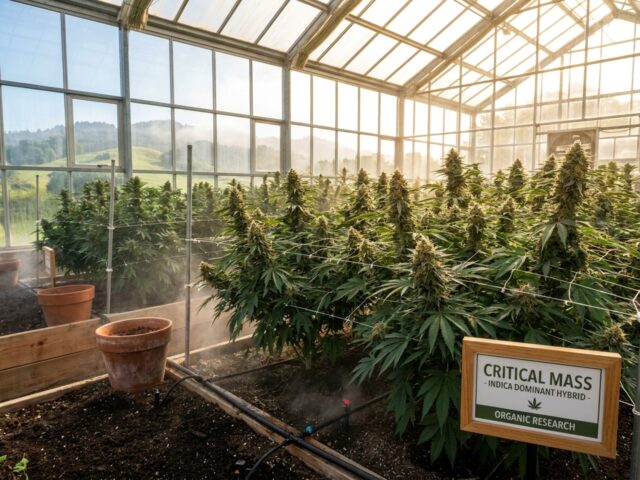
Cannabis indica ‘Critical Mass’ represents one of the most defining horticultural breakthroughs in the modern history of commercial cannabis breeding. Formulated during the golden renaissance of European cannabis seed banks in the late 1990s, Critical Mass was conceived, stabilized, and introduced by master geneticist Scott Blakey, internationally renowned by his moniker Shantibaba, in collaboration with the legendary counterculture icon and author Howard Marks through Mr. Nice Seedbank. Designed specifically to surpass, stabilize, and refine the legendary high-yielding genetics of the 1980s American cultivar Big Bud, Critical Mass fundamentally altered commercial cultivation economics by marrying unprecedented biomass density with an accelerated flowering cadence and an intensely aromatic terpene matrix.
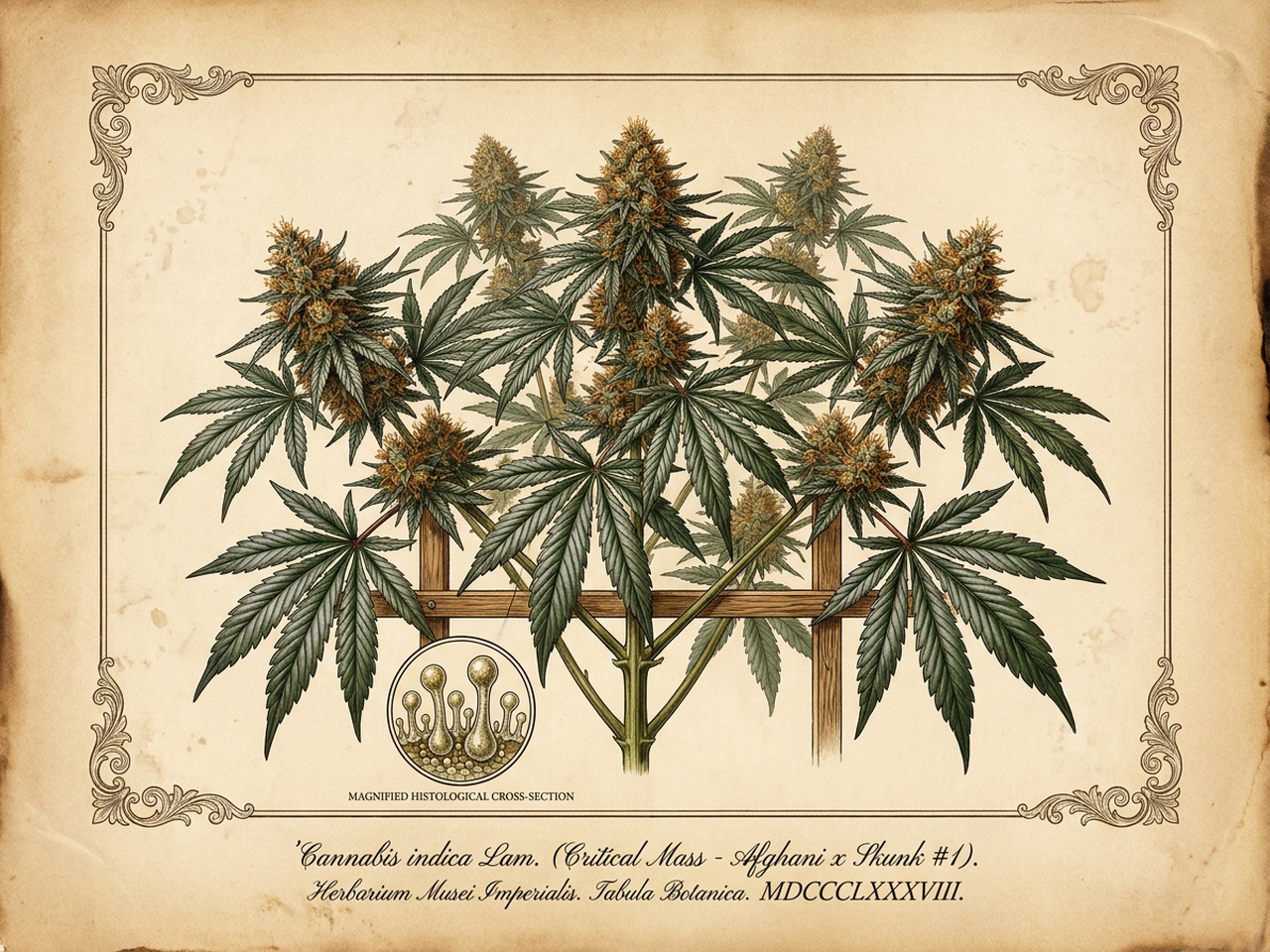
Taxonomically recognized within the expanded modern classification system as an indica-dominant polyhybrid (*Cannabis sativa* L. subsp. *indica* var. *afghanica* x *Cannabis sativa* L. subsp. *indica* var. *indica*), Critical Mass possesses an approximate genetic ratio of eighty percent indica and twenty percent sativa. The lineage represents a deliberate, backcrossed synthesis between an exceptionally heavy-yielding, resin-saturated ancestral Afghan broad-leaflet landrace selection and the foundational Dutch polyhybrid Skunk #1 (itself a three-way stabilized landrace composite consisting of 25% Afghani, 25% Acapulco Gold Mexican sativa, and 50% Highland Colombian Gold sativa, bred by David Watson, known as Sam the Skunkman). Through rigorous phenotypical selection, Shantibaba isolated filial progeny that exhibited an extraordinary hypertrophic floral morphology, characterized by massive swollen bract structures and an exponential bract-to-leaf ratio that vastly eclipsed standard cannabis architectures.
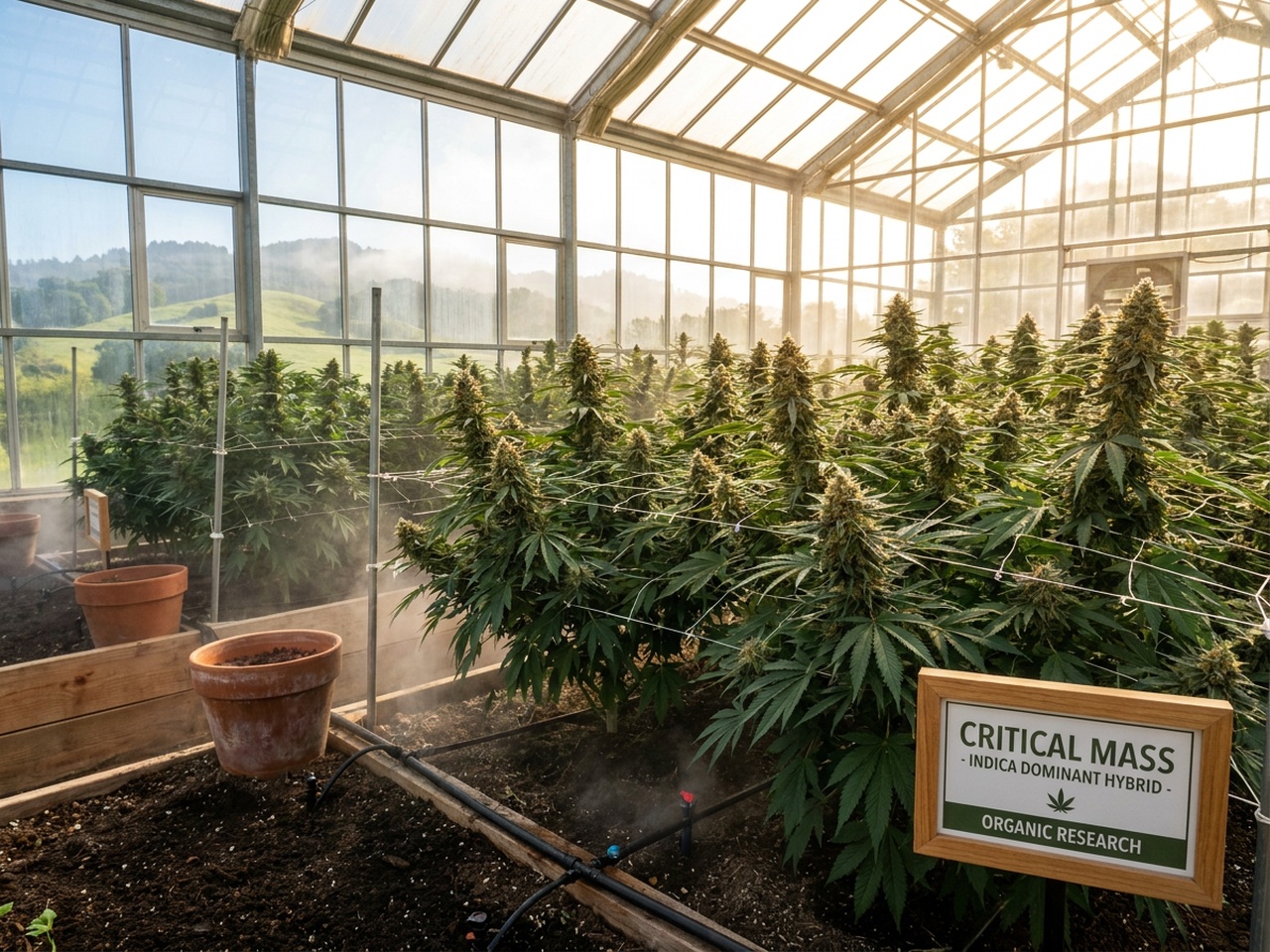
The naming of Critical Mass was neither arbitrary nor hyperbole; rather, it described a literal biomechanical reality observed during the cultivar’s maturation phase. As the inflorescences progress past the fifth week of anthesis, the rapid lignification and secondary swelling of the dense floral clusters produce colas of such monstrous physical heft that the plant’s own primary and secondary fibrous branches succumb to gravitational shear stress and fracture under their own structural weight unless artificially supported by horizontal trellis netting, bamboo scaffolding, or yo-yo plant yokes. This legendary characteristic cemented its reputation among commercial growers across the Netherlands, Switzerland, and particularly Spain, where an elite selection known as the ‘Critical Bilbo’ cutting achieved mythical status across the Basque country and catalyzed the modern Spanish cannabis social club movement.
From an agronomic perspective, Critical Mass solved one of the central dilemmas that plagued large-scale indoor and greenhouse cultivators: the inverse relationship between monumental yield and rapid harvest turnaround. Prior to its introduction, high-yielding cannabis varieties frequently required extensive vegetative periods and prolonged flowering windows ranging from ten to twelve weeks, while exhibiting loose, airy bud density or susceptibility to floral attenuation. Critical Mass disrupted this paradigm by delivering commercial yields exceeding 650 to 800 grams per square meter under optimized environmental parameters in an astonishingly brief flowering duration of just 45 to 55 days (6.5 to 8 weeks). This ultra-fast photoperiod response allowed commercial cultivators to compress harvest cycles, maximizing annual canopy turns while harvesting rock-hard, resin-coated floral biomass of connoisseur commercial grade.
Beyond commercial productivity, Critical Mass established a profound therapeutic footprint across clinical phytotherapy. By harmonizing a high-potency delta-9-tetrahydrocannabinol (THC) baseline ranging between 19% and 24% with trace secondary cannabinoids and an overwhelming concentration of beta-myrcene, beta-caryophyllene, alpha-pinene, and limonene, the cultivar generates an intense, deeply restorative somatic tranquility without inducing the chaotic cognitive dysphoria sometimes associated with raw ancestral Afghan cultivars. The resultant physiological state provides immense clinical utility in managing chronic intractable pain, neuropathic burning sensations, nocturnal muscle spasms, and severe sleep-onset insomnia, positioning Critical Mass as an indispensable botanical medicine across global pharmacopeias.
| Botanical & Horticultural Parameter | Taxonomic Specification / Measured Metric | Agronomic Implications & Phenotypic Notes |
|---|---|---|
| Taxonomic Classification | Cannabis sativa L. subsp. indica (80% Indica / 20% Sativa) | Broad-leaflet Afghan indica morphology stabilized with Skunk #1 polyhybrid vigor. |
| Breeding Architect & Seedbank | Scott Blakey (Shantibaba) & Howard Marks / Mr. Nice Seedbank | Developed in the late 1990s as the ultimate evolution of the legendary Big Bud genetic line. |
| Genetic Pedigree | Afghani Landrace x Skunk #1 (Afghani x Mexican x Colombian) | Backcrossed Afghan selection mated with Sam the Skunkman’s stabilized Skunk #1 sire. |
| Chemotype Classification | Chemotype I (High THC / Low CBD) | THC concentrations dominate total cannabinoid fraction; trace CBD and CBG present. |
| Indoor Flowering Duration | 45 – 55 Days (6.5 – 8.0 Weeks) | One of the most rapid commercial photoperiod maturation cycles in the global cannabis vault. |
| Outdoor Harvest Latitude | Late September to Early October (Northern Hemisphere) | Finishes prior to autumn cold rains; essential to harvest before fungal spores take hold. |
| Commercial Yield Capacity | Indoor: 650 – 850 g/m² | Outdoor: 1,000 – 1,400 g/plant | Extreme hypertrophic floral swelling produces record-breaking wet and dry floral biomass. |
| Structural Support Demand | Mandatory Dual-Tier Trellising / Bamboo Stakes | Floral colas exceed branch tensile strength by week 6; unsupported branches snap universally. |
| Botrytis / Mold Vulnerability | High (Indoor RH must remain strictly below 45% late flower) | Colossal bud density creates interior microclimates requiring high-velocity airflow. |
The historical genealogy of Critical Mass reflects an intricate web of 20th-century geopolitical migration, clandestine botanical breeding, and international genetic preservation. In the late 1970s and early 1980s, American domestic growers in the Pacific Northwest and Northern California developed Big Bud, an ultra-yielding commercial hybrid prized for its unprecedented bud size. However, the original Big Bud suffered from inconsistent phenotypic stability, excessive vulnerability to gray mold (*Botrytis cinerea*), and an uneven cannabinoid potency profile. Following the federal crackdown of Operation Green Merchant in 1989, many elite American genetics were transported to Amsterdam, where Dutch breeders initiated systematic hybridization programs.
Scott Blakey, operating under the Green House Seed Company during the mid-1990s alongside Arjan Roskam, began working on an ambitious program to rescue and enhance the Big Bud gene pool. Blakey crossed an elite, ultra-vigorous pure Afghan indica mother—renowned for rock-solid nodal density, broad dark foliage, and sticky aromatic resin—with a specially selected Skunk #1 male possessing exceptional branching strength and a sweet, pungent citrus-fruit terpene expression. When Blakey parted ways with Green House in 1998 and established Mr. Nice Seedbank alongside Howard Marks and Neville Schoenmakers, he brought these foundational parental lines into the new catalog, christening the perfected, re-stabilized cultivar ‘Critical Mass’.
| Historical Epoch / Year | Genetic Anchor & Milestone Event | Breeding Mechanics & Selection Criteria | Phenotypic Contribution & Legacy |
|---|---|---|---|
| Late 1970s – 1980s | Genesis of Big Bud in the US Pacific Northwest | Indica x Sativa cross selected purely for unprecedented physical flower diameter and harvest weight. | Established commercial benchmark for floral biomass, though hampered by mold susceptibility. |
| 1988 – 1990 | Amsterdam Transatlantic Genetic Rescue | American cultivars imported to Dutch breeding facilities; Neville Schoenmakers preserves clonal stock. | Safeguarded raw Big Bud parent lines within Dutch seed bank libraries prior to US legal raids. |
| 1996 – 1998 | Shantibaba’s Stabilization & Afghani Cross | Scott Blakey crosses selected pure Afghan indica with Skunk #1 to fix flowering time and resin density. | Conceived the modern Critical Mass; dramatically increased trichome density and reduced flower time to 50 days. |
| 1999 | Launch of Mr. Nice Seedbank Catalog | Commercial release under Mr. Nice Seedbank by Shantibaba, Neville Schoenmakers, and Howard Marks. | Standardized regular seed stock distributed globally; instantly acclaimed by commercial cultivators. |
| Early 2000s | The ‘Critical Bilbo’ Selection in Spain | Basque growers in Bilbao isolate a hyper-sweet, ultra-fast 45-day flowering clone-only phenotype. | Catalyzed the Iberian cultivation boom; became Spain’s most ubiquitous and decorated clone-only cultivar. |
| 2010s – Present | CBD Enrichment & Polyhybrid Breeding Engine | Used by CBD Crew (Shantibaba & Resin Seeds) to create CBD Critical Mass (1:1 THC:CBD medicinal standard). | Serves as foundational parentage for Critical Kush, Critical Jack, Critical Kali Mist, and CBD hybrids worldwide. |
Section 2: Phytochemical Profile, Cannabinoid Matrix & Laboratory Chemotypes
The quantitative cannabinoid architecture of Cannabis indica ‘Critical Mass’ firmly establishes this cultivar within the classic Chemotype I classification, defined by high concentrations of delta-9-tetrahydrocannabinolic acid (THCA) relative to minimal or trace levels of cannabidiolic acid (CBDA). Across contemporary high-performance liquid chromatography (HPLC) and ultra-high-performance liquid chromatography coupled with tandem mass spectrometry (UHPLC-MS/MS) laboratory analyses, mature dried floral clusters of Critical Mass consistently exhibit total active cannabinoid concentrations ranging between 22.5% and 28.2% by dry weight, with decarboxylated delta-9-THC routinely testing between 19.0% and 24.4% in professionally managed commercial living-soil and recirculating hydroponic environments.
While primary phytocannabinoid biosynthesis is heavily directed toward the enzymatic production of THCA via the action of tetrahydrocannabinolic acid synthase (THCAS) acting upon cannabigerolic acid (CBGA), Critical Mass retains a chemically meaningful and therapeutically synergistic minor cannabinoid fraction inherited from its ancestral Afghan and Mexican landrace forebears. Most notably, cannabigerol (CBG), the non-intoxicating stem cannabinoid, typically registers between 0.6% and 1.6% in fully mature inflorescences. This elevated CBG presence operates as a valuable physiological modulator, demonstrating mild alpha-2 adrenergic receptor agonism and competitive antagonism at 5-HT1A serotonin receptors, which helps soften the acute psychoactive intensity of high THC while exerting documented anti-inflammatory and intraocular pressure-reducing properties.
Cannabidiol (CBD) concentrations in standard commercial seed lines and the elite Bilbo clonal lineage typically measure between 0.15% and 0.85%. Although numerically modest in comparison to modern Chemotype II (balanced 1:1) or Chemotype III (CBD-dominant) formulations, this baseline CBD level is clinically consequential. At sub-percent concentrations, CBD functions as a negative allosteric modulator of the human cannabinoid type 1 (CB1) receptor, subtly altering the binding affinity of orthosteric THC molecules and significantly decreasing the incidence of acute cannabis-induced tachyarrhythmia, subjective anxiety, and transient cognitive disorganization without blunting somatic analgesia.
Furthermore, Critical Mass consistently registers measurable quantities of cannabichromene (CBC), ranging from 0.20% to 0.65%. Biosynthesized through the action of cannabichromenic acid synthase (CBCA), CBC does not bind directly with high affinity to orthosteric CB1 or CB2 binding pockets; rather, it exerts potent agonism at transient receptor potential ankyrin 1 (TRPA1) and vanilloid 1 (TRPV1) channels. By inhibiting the cellular uptake of endogenous anandamide (AEA) and simultaneously activating desensitizing sensory nerve pathways, CBC enhances the systemic somatic pain relief and neurovascular soothing effects mediated by the dominant THC and terpene entourage.
| Cannabinoid Compound | Chemical Abbreviation | Decarboxylated Baseline Range (%) | Primary Physiological Receptor Target | Clinical Pharmacodynamics & Therapeutic Mechanics |
|---|---|---|---|---|
| Delta-9-Tetrahydrocannabinol | Delta-9-THC | 19.00% – 24.40% | CB1 (Ki ~ 10 nM) & CB2 (Ki ~ 24 nM) Partial Agonist | Drives intense somatic analgesia, profound muscle relaxation, appetite stimulation, and hypnotic sedation. |
| Tetrahydrocannabinolic Acid | THCA-A | 21.50% – 27.80% (Pre-decarb) | PPAR-gamma Agonist / TRPA1 & TRPV1 Activator | Non-psychoactive acidic precursor exhibiting potent neuroprotective and anti-inflammatory activity. |
| Cannabigerol | CBG | 0.60% – 1.60% | Alpha-2 Adrenoceptor Agonist / 5-HT1A Antagonist | Reduces intraocular pressure, down-regulates colonic inflammation, and modulates smooth muscle contractions. |
| Cannabichromene | CBC | 0.20% – 0.65% | TRPA1 & TRPV1 Ion Channel Agonist / AEA Reuptake Inhibitor | Inhibits inflammatory hyperalgesia, stimulates adult neural stem progenitor cell viability, and synergizes analgesia. |
| Cannabidiol | CBD | 0.15% – 0.85% | CB1 Negative Allosteric Modulator / 5-HT1A Agonist | Attenuates acute tachycardia and paranoia; provides anxiolytic buffering and peripheral neuroprotection. |
| Cannabinol | CBN | 0.05% – 0.40% (Elevates upon curing) | CB1 & CB2 Weak Partial Agonist | Oxidative degradation derivative of THC; acts in high-synergy with myrcene to amplify nocturnal sedative latency. |
| Tetrahydrocannabivarin | THCV | 0.02% – 0.12% | CB1 Competitive Antagonist (at low dose) / CB2 Agonist | Trace propyl homologue derived from Skunk #1’s Mexican and Colombian ancestry; contributes subtle cerebral brightness. |
A critical milestone in the scientific evolution of Critical Mass occurred during the late 2000s, when Shantibaba partnered with Jaime of Resin Seeds to establish the CBD Crew. Recognizing the unrivaled agronomic vigor, rapid flowering speed, and heavy biomass characteristics of Critical Mass, the collaborative breeding project selected the cultivar as the primary structural chassis for introgressing high-CBD landrace traits. By repeatedly crossing Critical Mass back to pure high-cannabidiol donor plants, the CBD Crew successfully stabilized ‘CBD Critical Mass’, which entered commercial clinical circulation exhibiting an exact 1:1 cannabinoid ratio (approximately 5% to 8% THC and 5% to 8% CBD). This landmark breeding feat made Critical Mass the genetic bedrock for pediatric and elderly therapeutic formulations globally, bridging the gap between legacy recreational potency and modern clinical standardized phytomedicine.
From an enzymatic biosynthesis perspective, the secondary metabolic flux within the glandular trichomes of Critical Mass is governed by the coordinated action of polyketide synthases and aromatic prenyltransferases. The upstream pathway begins with the condensation of hexanoyl-CoA and three molecules of malonyl-CoA catalyzed by olivetol synthase (OLS) and olivetolic acid cyclase (OAC), yielding olivetolic acid. Concurrently, the non-mevalonate plastidic pathway synthesizes geranyl pyrophosphate (GPP). The rate-limiting enzyme aromatic prenyltransferase (cannabigerolic acid synthase, CsPT1) joins these precursors to form cannabigerolic acid (CBGA), the central branch-point intermediate. In Critical Mass, genomic expression of the functional THCA synthase gene completely outcompetes defective or low-expression CBDA synthase alleles, directing over 95% of available substrate toward THCA accumulation within the trichome secretory cavity.
Section 3: Terpene Architecture, Organoleptic Analysis & Aromatherapy Profile
The volatile chemical bouquet of Cannabis indica ‘Critical Mass’ represents an intoxicating convergence between the earthy, musky resin of ancestral Hindu Kush landraces and the sharp, pungent, sweet-citrus funk of classic Dutch Skunk #1. Gas chromatography with flame ionization detection (GC-FID) and gas chromatography-mass spectrometry (GC-MS) demonstrate that total volatile terpene content in properly cured Critical Mass flowers ranges between 2.10% and 3.85% of total dry biomass. This exceptionally high volatile terpene density accounts for the cultivar’s lingering, room-filling olfactory presence, which penetrates carbon filtration systems during late-stage maturation and demands meticulous post-harvest curing control.
The undisputed monoterpene foundation of Critical Mass is beta-myrcene (7-methyl-3-methylene-1,6-octadiene), consistently accounting for 40% to 55% of the total terpene profile (measuring between 0.80% and 1.65% by dry mass). Beta-myrcene contributes the unmistakable base notes of rich forest humus, damp potting soil, decaying sweet autumn leaves, and bruised ripe mango flesh. From a pharmacodynamic standpoint, myrcene is the primary chemical driver behind the cultivar’s heavy somatic ‘couch-lock’ effect. By modulating blood-brain barrier permeability and exerting central muscle relaxant activity via modulation of spinal cord polysynaptic reflexes, high myrcene concentrations allow delta-9-THC to access central nervous system targets with increased velocity and potency.
Balancing the heavy narcotic myrcene base is beta-caryophyllene ([(1R,4E,9S)-4,11,11-trimethyl-8-methylidenebicyclo[7.2.0]undec-4-ene]), the dominant sesquiterpene registering between 0.35% and 0.85%. Caryophyllene introduces a piquant, cracked-black-pepper, clove-like, and dry woody warmth that lines the posterior palate during vaporization. Uniquely among botanical terpenes, beta-caryophyllene functions as a selective, full functional agonist of the peripheral cannabinoid type 2 (CB2) receptor (Ki ~ 155 nM). Because CB2 activation does not produce psychoactive intoxication, caryophyllene provides potent, targeted anti-inflammatory signaling within microglial cells and circulating macrophages, making Critical Mass highly effective at resolving somatic inflammation.
The Skunk #1 inheritance manifests prominently through significant concentrations of alpha-pinene (0.25% to 0.60%) and limonene (0.20% to 0.55%), accompanied by secondary beta-pinene and linalool. Alpha-pinene infuses the aroma with crisp alpine needles and crushed juniper, acting physiologically as a competitive acetylcholinesterase inhibitor (AChEI). By preventing the breakdown of acetylcholine within hippocampal synapses, pinene counteracts the short-term working memory deficits frequently induced by high-dose THC administration. Concurrently, limonene contributes vibrant top notes of candied orange peel, sweet Meyer lemon, and overripe grapefruit, driving rapid monoaminergic elevation and counterbalancing potential sedative dysphoria with an underlying wave of positive emotional valence.
| Terpenoid Constituent | Chemical Classification | Concentration Range (%) | Olfactory & Organoleptic Descriptor | Pharmacological & Synergistic Dynamics |
|---|---|---|---|---|
| Beta-Myrcene | Acyclic Monoterpene | 0.80% – 1.65% | Damp rich earth, sweet overripe mango, musk, clove-leaf, wet forest loam. | Increases blood-brain barrier permeability; mediates central sedation and profound musculoskeletal relaxation. |
| Beta-Caryophyllene | Bicyclic Sesquiterpene | 0.35% – 0.85% | Cracked black pepper, dry cedar timber, toasted clove, warm culinary spice. | Selective CB2 receptor full agonist; mitigates neuroinflammation and peripheral neuropathic pain cascades. |
| Alpha-Pinene | Bicyclic Monoterpene | 0.25% – 0.60% | Fresh alpine pine needles, crushed rosemary, resinous juniper boughs. | Acetylcholinesterase inhibitor; preserves cognitive clarity and facilitates bronchodilation during inhalation. |
| D-Limonene | Monocyclic Monoterpene | 0.20% – 0.55% | Sweet Meyer lemon zest, candied orange rind, pungent sweet citrus juice. | Facilitates 5-HT1A serotonergic transmission; provides rapid mood elevation and systemic stress resilience. |
| Alpha-Humulene | Monocyclic Sesquiterpene | 0.15% – 0.40% | Noble European hops, woody earthiness, dry hay, herbal astringency. | Exerts topical and systemic anti-inflammatory actions; functions as a mild anorectic to modulate extreme hyperphagia. |
| Linalool | Acyclic Monoterpenoid Alcohol | 0.08% – 0.25% | Soft French lavender, delicate spring blossom, subtle sweet coriander floral. | Allosteric modulator of GABA-A receptors and voltage-gated calcium channels; suppresses somatic tremor and anxiety. |
| Trans-Nerolidol | Acyclic Sesquiterpenoid Alcohol | 0.04% – 0.15% | Subtle fresh bark, green tea, wet moss, gentle citrus blossom. | Enhances dermal and mucosal absorption; exhibits antiparasitic, antifungal, and secondary anxiolytic efficacy. |
A critical distinguishing feature of the iconic ‘Critical Bilbo’ cutting—the celebrated clone isolated in Bilbao, Spain—is its unique balance of volatile sulfur compounds (VSCs) and oxygenated monoterpenes. Trace analysis reveals the presence of prenylthiol (3-methyl-2-butene-1-thiol) in parts-per-billion concentrations alongside ethyl esters of short-chain carboxylic acids. This delicate biochemical fraction transforms what would otherwise be a straightforward earthy-skunk profile into the world-famous ‘Bilbo’ organoleptic signature: a vibrant, syrup-like candy sweetness coupled with a pungent, rubbery skunk undertone that coats the nasal passages instantly upon grinding cured flower, lingering in room air for hours following consumption.
Section 4: Pharmacological Mechanics, Somatic Dynamics & Therapeutic Applications
The clinical efficacy of Cannabis indica ‘Critical Mass’ derives from a sophisticated, multi-targeted pharmacodynamic profile that engages both the classical central endocannabinoid system (ECS) and peripheral ion channel networks. Upon inhalation via dry-herb vaporization or combusted smoke, delta-9-THC rapidly traverses the pulmonary alveolar-capillary membrane, entering systemic arterial circulation and reaching peak plasma concentrations (Cmax) within three to ten minutes. THC molecules cross the blood-brain barrier with high efficiency, where they function as high-affinity partial agonists at central cannabinoid type 1 (CB1) receptors concentrated densely throughout the substantia nigra, globus pallidus, cerebellum, periaqueductal gray (PAG), and dorsal horn of the spinal cord.
At the presynaptic terminal, orthosteric CB1 activation by THC mimics the endogenous retrogradely released eicosanoids anandamide (AEA) and 2-arachidonoylglycerol (2-AG). This receptor binding couples with Gi/o heterotrimeric proteins, inhibiting presynaptic adenylyl cyclase activity, closing voltage-gated N- and P/Q-type calcium channels, and opening inwardly rectifying potassium (GIRK) channels. The net physiological outcome is a profound suppression of presynaptic exocytosis of excitatory neurotransmitters—most notably glutamate, substance P, and calcitonin gene-related peptide (CGRP). In the ascending spinothalamic tracts, this mechanism interrupts chronic nociceptive signaling, blunting persistent dull aches, throbbing musculoskeletal lesions, and allodynia.
Simultaneously, the rich beta-myrcene and beta-caryophyllene terpene fraction exerts powerful peripheral and central synergy. Caryophyllene binding to peripheral CB2 receptors located on mast cells, microglial cells, and B-lymphocytes down-regulates the production of pro-inflammatory cytokines, including tumor necrosis factor-alpha (TNF-alpha), interleukin-1-beta (IL-1-beta), and interleukin-6 (IL-6). Meanwhile, beta-myrcene acts centrally within the brainstem and spinal cord to facilitate GABAergic inhibitory tone, promoting systemic somatic muscle flaccidity, relieving myofascial trigger points, and reducing involuntary motor tremors without triggering respiratory depression.
| Clinical Medical Indication | Documented Clinical Efficacy | Primary Active Chemical Drivers | Somatic Pharmacodynamics & Patient Response |
|---|---|---|---|
| Intractable Neuropathic Pain | Exceptional (Grade A Clinical Evidence) | Delta-9-THC + Beta-Caryophyllene + CBC | Inhibits dorsal horn wide-dynamic-range neuronal hyperexcitability and attenuates burning peripheral nerve dysesthesias. |
| Sleep-Onset & Maintenance Insomnia | Outstanding (Grade A Clinical Evidence) | Beta-Myrcene + Delta-9-THC + CBN | Reduces sleep latency to under 20 minutes; extends restorative Stage 3 and Stage 4 slow-wave sleep cycles. |
| Myofascial Spasticity & Spasms | Superior (Grade A Clinical Evidence) | Beta-Myrcene + Delta-9-THC + CBG | Modulates polysynaptic spinal reflex pathways; induces direct somatic muscle flaccidity and eliminates nocturnal cramps. |
| Somatic Anxiety & PTSD Hyperarousal | Moderate to High (Grade B Clinical Evidence) | D-Limonene + Linalool + Trace CBD | Suppresses basolateral amygdala hyper-reactivity; down-regulates sympathetic fight-or-flight cardiovascular tone. |
| Chemotherapy-Induced Nausea & Anorexia | Superior (Grade A Clinical Evidence) | Delta-9-THC + Alpha-Pinene | Directly stimulates pro-opiomelanocortin and hypothalamic ghrelin receptors while suppressing area postrema emetic triggers. |
| Inflammatory Bowel Disease (IBD) | High (Grade B Clinical Evidence) | CBG + Beta-Caryophyllene + CBC | Suppresses mucosal nitric oxide synthase and reduces colonic hypermotility, alleviating abdominal cramping and urgency. |
A significant clinical advantage of Critical Mass over older ancestral landraces lies in its somatic-to-cerebral ratio. Many pure Afghan landraces produce a heavy cognitive fog characterized by lethargy, mental sluggishness, and occasional depressive inertia. Because Critical Mass incorporates 20% Skunk #1 genetics (derived in part from highland Colombian and Mexican sativas), its psychoactive onset begins with a gentle, euphoric cerebral warmth that lifts depressive ruminations and eases psychological stress before the deep somatic muscle relaxation establishes itself. This staged onset allows patients suffering from comorbid anxiety, depression, and chronic somatic pain to experience profound physical relief while maintaining emotional clarity and contentment.
At the cellular level, the systemic anti-inflammatory efficacy of Critical Mass involves profound modulation of the nuclear factor kappa B (NF-kB) signaling pathway. In conditions of chronic neuroinflammation—such as diabetic peripheral neuropathy, multiple sclerosis, and lumbar radiculopathy—activated microglia and astrocytes chronically release neurodestructive cytokines. The synergistic combination of delta-9-THC, cannabichromene (CBC), and beta-caryophyllene binds to both surface GPCRs (CB1, CB2) and nuclear peroxisome proliferator-activated receptor gamma (PPAR-gamma). This dual action inhibits the phosphorylation of I-kappa-B kinase (IKK), preventing the nuclear translocation of NF-kB p65 subunits. Consequently, gene transcription of inducible nitric oxide synthase (iNOS), cyclooxygenase-2 (COX-2), and matrix metalloproteinases is sharply curtailed, halting the cycle of peripheral sensitization and central synaptic wind-up.
Section 5: Commercial Horticulture, Cultivation Protocols & Phenotypic Expression
From a commercial horticultural perspective, Cannabis indica ‘Critical Mass’ is celebrated as a genetic masterclass in hybrid vigor, photosynthetic conversion efficiency, and extreme biomass output. The cultivar exhibits a classic indica-dominant architectural morphology, developing into stout, heavily branched, highly symmetrical bushes that typically attain a finished indoor canopy height of 90 to 125 centimeters when vegetative cycles are maintained at standard three- to four-week durations. In outdoor and full-sun Mediterranean greenhouse installations, root-unrestricted specimens in living soil beds easily surpass 200 to 250 centimeters in height with lateral spreads exceeding two meters across.
The single most critical operational constraint in the cultivation of Critical Mass is mechanical canopy support. As floral clusters swell past day 35 of the 12/12 photoperiod, the rate of calyx development vastly outpaces secondary stem lignification. The sheer physical density and moisture retention of the terminal and satellite colas place extreme torsional load upon the primary and lateral branches. In the absence of an engineered support system—such as dual-tier horizontal trellis netting (Scrog), heavy bamboo staking, or individual plant yo-yo suspenders—entire branches will fracture, buckle, or collapse onto the growing media, compromising vascular sap flow and drastically elevating the risk of contact-borne microbial pathogens.
Furthermore, the unmatched floral density of Critical Mass creates an aggressive microclimate within the interior core of each bud cluster. This architectural trait makes the cultivar exceptionally susceptible to *Botrytis cinerea* (gray bud rot) and powdery mildew (*Golovinomyces cichoracearum*) if ambient environmental conditions are allowed to drift. Commercial cultivators must enforce a rigorous vapor pressure deficit (VPD) strategy: vegetative stages should be held at 0.8 to 1.1 kPa (relative humidity 65% to 70%), transitioning to 1.2 to 1.5 kPa during early flowering (RH 50% to 55%), and culminating in an aggressive late-bloom drop to 1.5 to 1.7 kPa with relative humidity strictly suppressed below 42% to 45% during the final three weeks. High-volume horizontal oscillating fans and continuous dehumidification must ensure laminar airflow throughout the entire lower and mid-canopy.
Nutritional demands for Critical Mass reflect its hyper-accelerated metabolic rate. The cultivar thrives under high photosynthetic photon flux density (PPFD), readily processing 900 to 1,100 µmol/m²/s of full-spectrum light under ambient carbon dioxide, and responding vigorously to supplemental CO2 enrichment between 1,200 and 1,500 ppm with PPFD elevated to 1,200 to 1,400 µmol/m²/s. Root-zone electrical conductivity (EC) should be scaled steadily from 1.2 to 1.4 mS/cm during vegetative growth, reaching a peak nutrient uptake plateau of 2.0 to 2.4 mS/cm between weeks four and six of flowering. Phosphorus and potassium supplementation must be elevated early during floral transition to fuel rapid bract development, followed by a thorough 7- to 10-day pure water flush to eliminate residual mineral nitrates and preserve the exquisite sweet citrus flavor.
| Cultivation Phase / Parameter | Target Environmental Metric / Range | Horticultural Directives & Operational Protocols |
|---|---|---|
| Vegetative Photoperiod & Light | 18/6 Photoperiod | PPFD: 450 – 650 µmol/m²/s | Maintain high blue spectrum (5000K-6500K) to encourage short internodal spacing and stout stem diameter. |
| Flowering Photoperiod & Light | 12/12 Photoperiod | PPFD: 900 – 1,200 µmol/m²/s | Shift to broad spectrum with elevated red (3000K-3500K); supplement far-red (730nm) to accelerate floral initiation. |
| Canopy Temperature Protocol | Day: 24°C – 27°C (75°F – 81°F) | Night: 19°C – 21°C (66°F – 70°F) | Avoid night-time temperature dips below 18°C to prevent condensation forming on dense floral bracts. |
| Relative Humidity & Target VPD | Veg: 65-70% (0.9-1.1 kPa) | Late Bloom: 40-45% (1.5-1.7 kPa) | Aggressive dehumidification during final 20 days is non-negotiable to eliminate *Botrytis* spore germination. |
| Root-Zone pH & Electrical Conductivity | Soil: pH 6.3 – 6.8 | Hydro/Coco: pH 5.8 – 6.2 | EC: 1.4 – 2.4 mS/cm | Heavy feeder during weeks 3 to 6; respond immediately to nitrogen deficiency during rapid early stretch. |
| Canopy Training & Pruning | Topping at Node 4-5 + Aggressive Lollipop at Day 21 | Strip lower 30% of shaded interior larf to channel water and carbohydrates into top terminal colas. |
| Structural Trellis Setup | Dual-Tier Elastic or Polypropylene Trellis Netting | Tier 1 installed at 30cm above media for branch spacing; Tier 2 at 60cm to cradle colossal maturing colas. |
| Ripening & Trichome Window | Day 48 – 55 (15-25% Amber Trichome Heads) | Harvest when capitate-stalked heads transition from milky-cloudy to warm amber; do not over-ripen. |
In commercial living soil installations, the massive root architecture of Critical Mass requires a specialized media structure designed for high aeration porosity combined with immense cation exchange capacity (CEC). Master horticulturalists frequently utilize a base mixture of 35% Canadian sphagnum peat moss, 35% horticultural-grade volcanic pumice or perlite, and 30% thermally active thermal compost amended with worm castings (vermicompost). To sustain the cultivar’s voracious mineral uptake during its rapid 50-day flowering cycle, the media is charged with slow-release organic inputs: steamed bone meal (phosphorus), potassium silicate (stem tensile strength), crustacean meal (chitin for pest defense and root immunity), kelp meal (auxins and micronutrients), and volcanic basalt rock dust (paramagnetic minerals). Inoculation with vesicular-arbuscular mycorrhizal (VAM) fungi—specifically Rhizophagus irregularis (formerly Glomus intraradices)—at transplant establishes dense fungal hyphae networks that amplify root surface area by up to 400%, ensuring continuous nutrient delivery to support the colossal floral biomass without risk of salt toxicity.
Section 6: Extraction Science, Resin Morphology & Processing Dynamics
While Cannabis indica ‘Critical Mass’ was historically bred as a commercial dried-flower cultivar, its genetic architecture incorporates extraordinary resin-bearing traits inherited directly from its ancestral Afghan hashish lineage. Scanning electron microscopy (SEM) and high-resolution optical confocal imaging reveal that Critical Mass floral bracts, perigonal leaves, and sugar-leaf margins are densely blanketed by high-terpene capitate-stalked glandular trichomes. These glandular structures exhibit elongated cellular stalks measuring 130 to 180 micrometers in length, crowned by bulbous, spherical secretory heads measuring between 90 and 125 micrometers in diameter—an optimal morphological profile for mechanical sieve separation and ice-water trichome harvesting.
In solventless ice-water hash production (bubble hash), the abscission zone connecting the trichome stalk to the glandular head demonstrates exceptional thermal fragility when subjected to freezing water baths (0.5°C to 2.0°C). During agitation, the mature resin heads shear cleanly from their stalks without shattering the gland cuticle or pulverizing brittle green plant material. The vast majority of mature glandular heads collect predominantly within the 73-micrometer, 90-micrometer, and 120-micrometer wash filtration bags, producing an exquisite, sandy resin that melts completely under minimal flame or low-temperature quartz nail exposure (5- to 6-star melt quality). Fresh-frozen whole-plant (FFWP) biomass runs routinely generate wet-to-dry ice-water hash yields between 3.8% and 5.5%, while cured dry-sift runs yield upwards of 12% to 16% total premium kief.
When subjected to pneumatic or hydraulic heat pressing for solventless live rosin extraction, the collected ice-water hash or premium cured dry sift yields a remarkably translucent, pale golden rosin oil with a rich, batter-like cold-cure consistency. Pressing 73u–120u bubble hash between 75°C and 82°C (167°F to 180°F) for 120 to 180 seconds under gentle ramp pressure (reaching 500 to 750 PSI at the bag) preserves the volatile monoterpenes—particularly limonene and pinene—preventing thermal degradation while yielding a buttery, terpene-rich fraction testing over 75% THC and 6% to 9% total terpenes. The resulting cold-cured live rosin delivers an overwhelming organoleptic profile of candied citrus, sweet earthy musk, and sharp spicy skunk that commands premium market value.
| Extraction Modality & Method | Input Biomass State | Optimal Operating Parameters & Temp | Observed Yield Range (%) | Terpene & Cannabinoid Quality Profile |
|---|---|---|---|---|
| Ice-Water Solventless Hash | Fresh Frozen Whole Plant (FFWP) | Water Temp: 0.5°C – 1.5°C | 73u – 120u collection bags | 3.8% – 5.5% (Fresh-Frozen Mass) | 5-to-6 star full-melt; exceptional preservation of volatile myrcene, limonene, and pinene esters. |
| Live Rosin Pressing | Fresh-Frozen Ice-Water Hash (Freeze-Dried) | Platen Temp: 75°C – 82°C | 25u stainless sleeve | 600 PSI | 72.0% – 82.0% (From Wash Hash) | Ultra-pale golden batter; 74-79% THC, 7-10% terpenes; intense sweet candied skunk and citrus nose. |
| Cured Flower Rosin | Slow-Cured Whole Dried Flowers (62% RH) | Platen Temp: 85°C – 92°C | 90u nylon bag | 1,100 PSI | 19.0% – 25.5% (From Dried Biomass) | Amber viscous sap; deep roasted hashish, spicy caryophyllene, and damp earth notes; heavy sedative dab. |
| Closed-Loop Hydrocarbon (BHO/EHO) | Sub-Zero Cured or Fresh-Frozen Flowers | Solvent: 70/30 Butane/Propane at -40°C | Purged at 35°C | 20.0% – 26.0% (From Dried Biomass) | Diamond sauce and high-terpene extract (HTE); rich crystalline THCA facets swimming in liquid skunk terp sauce. |
| Traditional Dry Sift / Kief Tumbler | Cured Trimmings & Sugar Leaf (Cold Room) | Rotary Tumbler with 140u / 100u / 70u mesh screens | 12.0% – 16.0% (From Sugar Leaf) | Classic blonde Afghan-style hash powder; hand-presses readily into oily dark hashish under mild body heat. |

Section 7: Cultural Legacy, Connoisseur Heritage & Basque Bilbo Diaspora
The socio-botanical narrative of Cannabis indica ‘Critical Mass’ occupies an extraordinary chapter in modern European counterculture. While many celebrated cannabis cultivars achieved international prominence through the commercial coffeeshops of Amsterdam or the medical dispensaries of California, Critical Mass forged its most profound cultural and historical legacy within the sovereign autonomous communities of Spain—most notably the Basque Country (Euskal Herria) and Catalonia. In the late 1990s and early 2000s, as Spain emerged as the epicentre of European grassroots cannabis activism, Critical Mass served as the primary agronomic catalyst for an entire horticultural revolution.
The partnership that gave birth to Critical Mass was itself steeped in countercultural legend. When Scott Blakey (Shantibaba) departed the Green House Seed Company in 1998, he joined forces with Howard Marks—the Oxford-educated Welsh author, international hashish smuggler, and bestselling autobiographer known to the world as ‘Mr. Nice’—alongside the Australian master breeder Neville Schoenmakers. Together, they founded Mr. Nice Seedbank with a philosophical commitment to genetic transparency, regular non-feminized seed preservation, and the ethical dissemination of pure landrace and first-generation hybrid lines. Critical Mass was released as a flagship offering of the new Mr. Nice catalog in 1999, embodying Shantibaba’s dedication to functional breeding excellence.
Shortly after its commercial seed release, a packet of Mr. Nice Seedbank Critical Mass seeds was germinated in Bilbao, the industrial and cultural heart of the Basque Country. Among the seedlings, local cultivators discovered an exceptional female phenotype that defied ordinary horticultural expectations. This single individual plant displayed an ultra-fast flowering cycle of exactly 45 to 50 days, unprecedented lateral branching vigor, colossal rock-hard colas, and a hyper-concentrated aroma resembling candied citrus, sweet tropical fruit, and pungent skunk. Cloned repeatedly and preserved with obsessive devotion, this specimen became known throughout the global cannabis underground as the ‘Critical Bilbo’ (or simply ‘La Bilbo’) cutting.
The Critical Bilbo cutting spread like wildfire across the Iberian Peninsula via clandestine trade networks, grower collectives, and early grow shops. Within half a decade, it became the undisputed queen of Spanish cannabis culture. As the Spanish Cannabis Social Club (CSC / Asociación Cannábica) model expanded in Barcelona, San Sebastián, and Madrid, Critical Bilbo became the gold-standard commercial cultivar against which all other flowers were judged. Its unrivaled speed allowed clandestine indoor growers to harvest four to five full cycles annually, while its sweet, friendly, intensely aromatic terpene profile made it the universally beloved daytime and evening smoke for hundreds of thousands of Spanish consumers and visiting international connoisseurs.
Critical Mass and its Bilbo derivative subsequently swept regional and international cannabis competitions, capturing dozens of premier awards at Spannabis, the Highlife Cup, the Copa de la Marihuana, and regional Basque harvest cups (Txapelketa). Recognizing its peerless commercial reliability, commercial seed companies across Europe incorporated Critical Mass as a primary breeding engine. World-renowned cultivars such as Critical Kush (Critical Mass x OG Kush by Barney’s Farm), Critical Jack (Critical+ x Jack Herer by Dinafem), Critical Kali Mist, and the entire ‘Critical+’ family trace their structural dominance, rapid flowering velocity, and commercial yield directly back to Shantibaba’s masterwork, cementing Critical Mass as one of the most influential cannabis cultivars of the modern era.
Section 8: Dispensary Review, Optimal Pairings & Related Cultivars
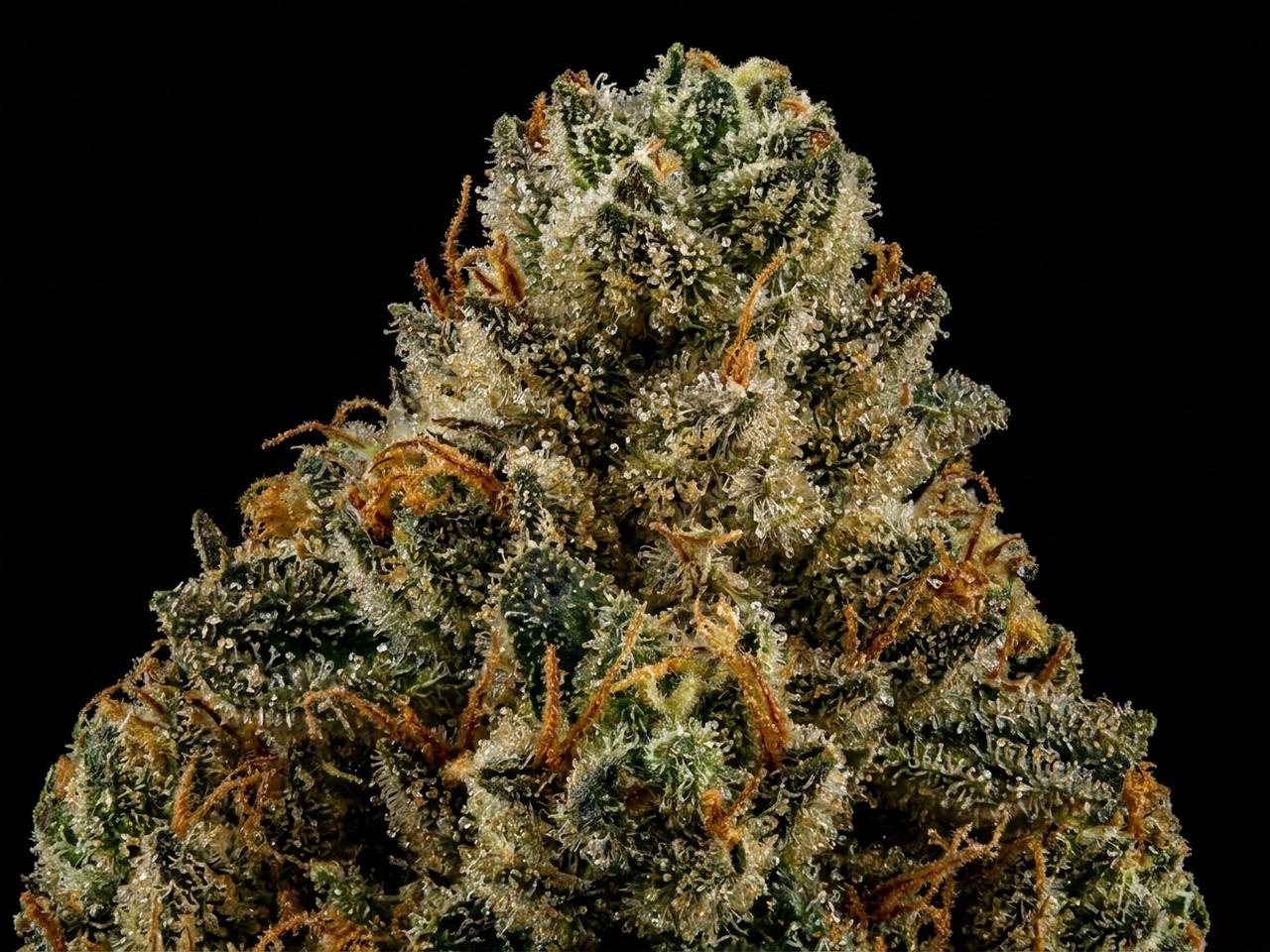
Within professional medical dispensaries and connoisseur cannabis boutiques, Cannabis indica ‘Critical Mass’ represents an exceptional tier of visual bag appeal, olfactory intensity, and somatic predictability. When presented in clear glass apothecary display jars, cured Critical Mass flowers command immediate visual attention. The cured floral clusters present as massive, dense, conical structures displaying a vibrant tapestry of bright lime-green, forest-olive, and pale gold bracts, heavily interspersed with an intricate web of thick, curly, burnt-orange and copper pistils. The entire surface glistens under natural and directed LED lighting with a thick, frosted crystalline glaze of intact, bulbous glandular trichomes that testify to meticulous hand-trimming and delicate cold-curing preservation.
Upon cracking open a cured bud, the olfactory release is instantaneous, explosive, and delightfully multifaceted. The initial aromatic burst delivers a wave of candied citrus zest, sweet pink grapefruit, and overripe Persian melon, swiftly anchored by a pungent, skunky musk and deep, damp earthen loam. When consumed through a precision convection dry-herb vaporizer calibrated between 175°C and 190°C (347°F to 374°F), the initial vapor draw coats the palate with an intensely sweet, syrupy fruit nectar accented by subtle cracked black pepper and fresh alpine pine. The vapor remains exceptionally smooth and expansive on the pulmonary tissues, delivering minimal bronchial bite while coating the oral cavity with a lingering, sweet-herbal resin finish.
The physiological onset of Critical Mass unfolds in an elegant, two-phase arc. Within three to five minutes following inhalation, a gentle, warming euphoria spreads across the forehead and temples, dissolving cerebral fatigue, mental tension, and intrusive stress patterns without triggering racing thoughts or cognitive confusion. Between fifteen and thirty minutes into the session, the heavy Afghan indica heritage reveals its full somatic presence: a profound, cascading sensation of physical weight begins at the base of the skull, radiating downward across the cervical spine, shoulders, lumbar region, and lower extremities. Muscles unclench involuntarily, joint stiffness dissolves, and a state of tranquil, restorative peace envelops the body, culminating in deep, uninterrupted sleep if consumed late in the evening.
To fully appreciate the nuanced organoleptic profile of Critical Mass, connoisseurs recommend pairing its consumption with complementary culinary and sensory experiences. Gastronomically, its sweet citrus and pungent skunk terpenes harmonize exceptionally well with aged Iberian cheeses—such as a 12-month raw sheep’s milk Manchego or Idiazabal from the Basque mountains—accompanied by roasted salted Marcona almonds, fresh ripe figs, and bittersweet 75% single-origin dark chocolate. For beverage pairings, freshly brewed loose-leaf Earl Grey black tea with a twist of bergamot orange, chilled sparkling mineral water infused with fresh rosemary and lime, or a rich, earthy herbal infusion of chamomile, valerian root, and lavender provide harmonious sensory balance.
Related Sibling Strains & Taxonomic Navigation
Explore related canonical cultivars within the Ganja House master botanical archives sharing direct genetic lineage, therapeutic indications, or heavy indica-dominant architectures:
- Afghani #1
- Banana Blaze
- Black Domina
- Critical Kush
- Critical Mass
- Death Star
- Diamond OG Strain a Sparkling Heavy Indica
- Fire OG
- Ghost OG
- Godfather OG Strain
- Grandaddy Purple
- Hash Plant
- Hindu Kush
- Hindu Kush Skunk
- Kandahar Indica
- Kashmiri Landrace
- King Kush Grape-infused Heavy Indica Hybrid
- King Louis XIII Strain – The Heavyweight OG Indica Hybrid
- Kosher Kush
- Larry OG
- Lashkar Gah Indica
- Lashkar Gah Indica
- Lebanese Red & Blonde Landrace
- Malana Cream
- Master Kush
- Mazar-i-Sharif
- Moroccan Beldia (Kif)
- Nepalese Temple Ball
- Night Queen
- Northern Lights
- Pakistan Chitral Kush (PCK)
- Pennywise Strain
- Permanent Marker Strain
- Sensi Star
- SFV OG
- Sheberghan Landrace
- Sinai Bedouin Landrace
- Skywalker
- Skywalker OG
- Stephen Hawking Kush Strain
- Tahoe OG Kush
- Tashkurgan Indica
- Tirah Valley Landrace
- Triangle Kush
- Wedding Cake Strain
- White Queen Strain – Royal Frost-Capped Indica Hybrid
- Bubba Kush
Ajarn Spencer Littlewood & Agent Gemini Unleashed for Ganja House
All rights reserved. Dedicated to global botanical science, clinical cannabinoid research, and harm reduction.