[wp_post_visit_card post_id=”1359″]
Listen to the Night Queen Botanical Monograph
Comprehensive scientific, historical, and clinical audio overview narrated by Dr. Spencer Littlewood (en-GB-RyanNeural).
1. Executive Summary, Historical Provenance & Dutch Passion Amsterdam Heritage
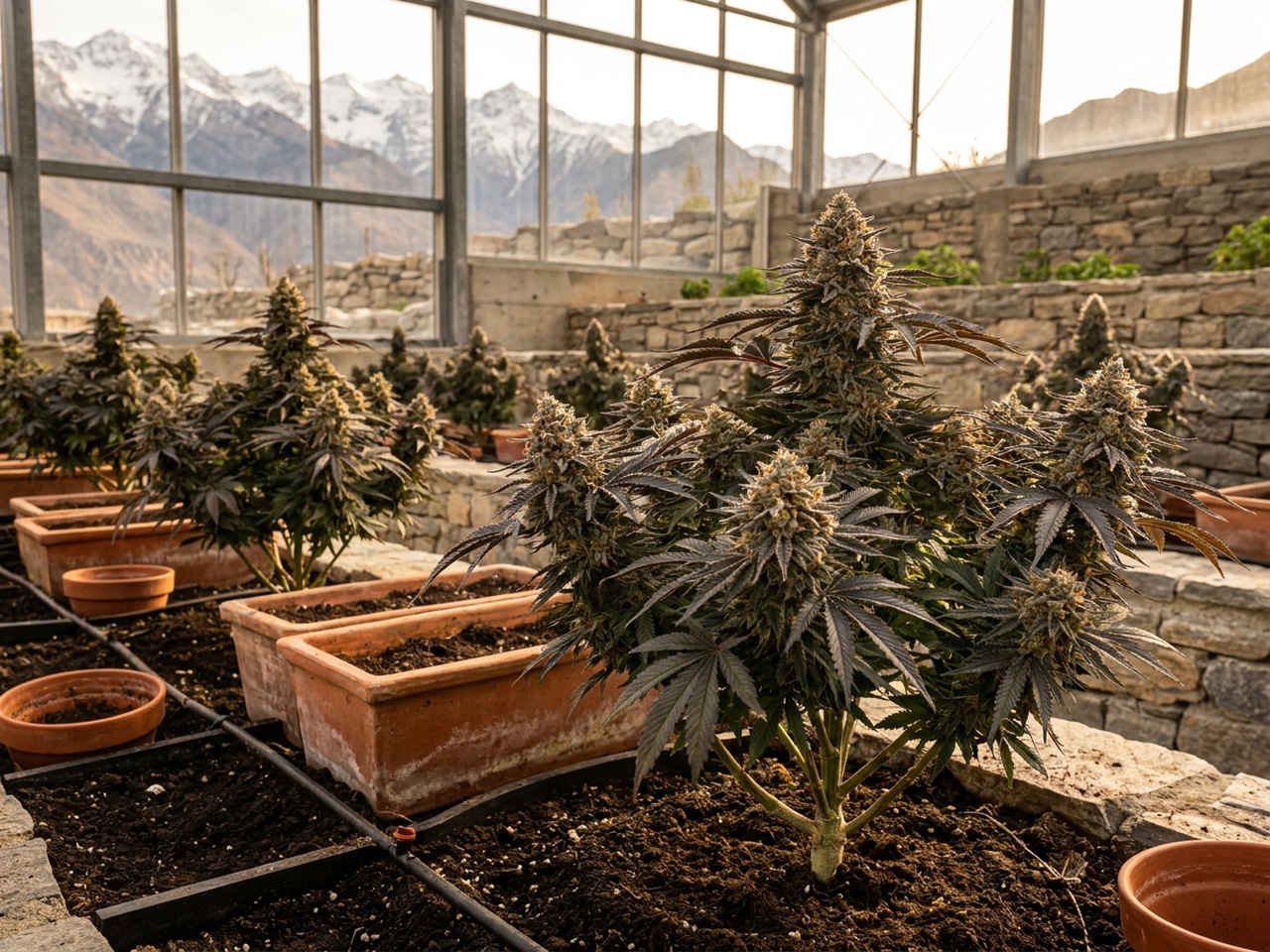
Night Queen occupies an exalted and historic position within the global germplasm archives of pure broadleaf cannabis, representing one of the most genetically unadulterated, authentic Afghan indica landrace heirlooms preserved in contemporary horticulture. Originally accessioned into Dutch Passion’s foundational Amsterdam breeding library during the early 1980s, Night Queen was celebrated among master growers, commercial greenhouse operators, and coffeeshop purists as an uncompromising, un-hybridized classic. During an era when pioneering Dutch seed banks were intensely collecting, acclimatizing, and categorizing Central Asian landraces, Dutch Passion founder Henk van Dalen prioritized the preservation of true-breeding, homozygous heirloom landraces that had not been altered by outcrossing with equatorial sativas or European industrial hemp. Night Queen was recognized immediately as a crowning archetype of high-altitude northern Afghan genetics, characterized by extreme resin gland density, rock-hard floral geometry, and an overwhelming narcotic stone historically associated with traditional dry-sieve hashish production.
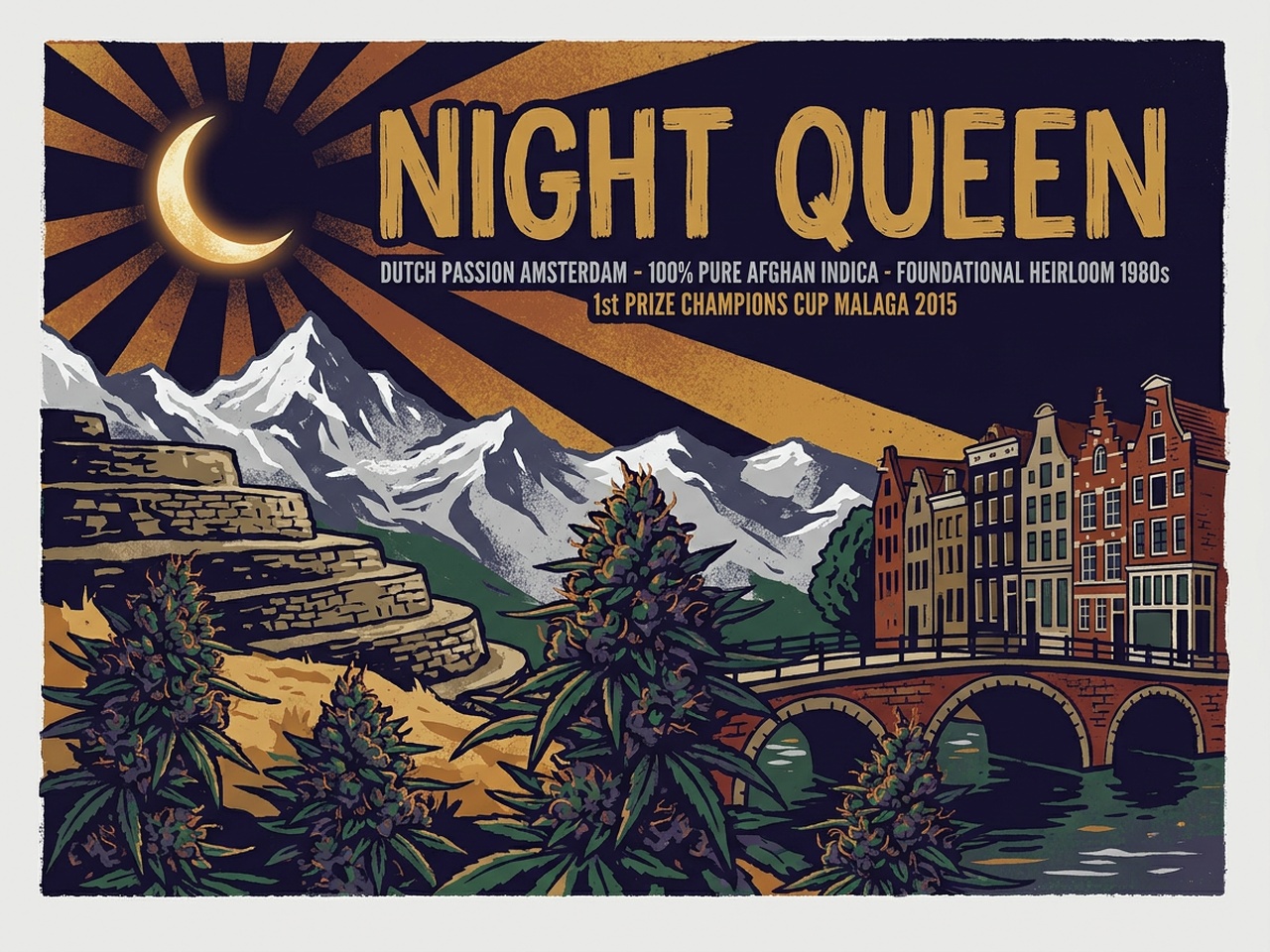
Although widely distributed in Dutch Passion’s initial seed catalogs throughout the 1980s, Night Queen was eventually placed into cryogenic vault reserve during the mid-1990s as the commercial market shifted abruptly toward Dutch Skunk hybrids, Neville’s Hazes, and sweeter commercial polyhybrids. However, as the global cannabis movement matured into the 21st century and commercial connoisseurs began lamenting the pervasive loss of original, heavy-hitting indica heirlooms, Dutch Passion made the momentous decision to re-select, test, and formally re-release Night Queen from their historical vault reserves in 2011. The resurrection of Night Queen sent shockwaves through the international cannabis community: here was an unhybridized time-capsule cultivar that demonstrated unequivocal superiority over modern watered-down hybrids. The international acclaim was swift and decisive, culminating in Night Queen capturing 1st Prize in the prestigious Champions Cup in Malaga, Spain in 2015 within the Indoor Bio Category, decisively validating that ancestral Afghan landrace genetics remain entirely peerless when cultivated with organic biological methodologies.
Geographically and culturally, the genetic origins of Night Queen trace directly to the legendary cannabis-producing valleys of northern Afghanistan, encompassing the fertile microclimates flanking the Hindu Kush and Balkh mountain corridors. For centuries, Afghan agrarian communities in regions such as Balkh, Mazar-i-Sharif, and Kunduz cultivated specialized landrace populations of Cannabis indica subsp. afghanica under arid, high-altitude conditions. These plants were systematically selected over successive generations for maximum resin secretion, drought endurance, structural resistance to high winds, and rapid reproductive cycles tailored to short, intense mountain summers. The ancestral farmers harvested these colas not for loose flower consumption, but for the artisanal production of sieved hashish (locally termed gardaa or chars), where massive glandular trichome heads were mechanically separated across silk sieves and hot-pressed into glossy, black aromatic slabs. Night Queen retains every physiological and phytochemical adaptation engineered by those ancient agrarian selection pressures.
The microclimatic conditions under which Night Queen originally evolved are characterized by intense abiotic stress. Sited at elevations between 1,200 and 2,400 meters above sea level, these northern Afghan valleys experience extreme diurnal temperature fluctuations, where daytime temperatures exceeding 35°C can plunge to near-freezing at night. Furthermore, atmospheric humidity is notoriously sparse, with precipitation rarely exceeding 200 to 300 millimeters annually throughout the vegetative growing season. To survive, the wild ancestral populations evolved thick, waxy leaf cuticles, deeply penetrating taproot systems capable of seeking subterranean aquifers, and an extraordinary density of resinous capitate-stalked glandular trichomes designed specifically to reflect harmful ultraviolet-B (UV-B) radiation and deter desert insect pests. Night Queen carries these high-altitude survival mechanisms encoded within its chromosomes, conferring exceptional vigor, pest resilience, and drought tolerance in modern cultivation environments.
In modern clinical dispensary practice and craft cultivation facilities, Night Queen fulfills an indispensable role as the definitive therapeutic reference cultivar for heavy somatic sedation and intractable pain management. In a contemporary cannabis marketplace dominated by complex polyhybrids with chaotic, unpredictable chemical expressions, Night Queen stands apart for its absolute genetic stability, remarkable phenotypic uniformity, and predictable, rock-solid cannabinoid and terpene synthesis. Cultivators can rely upon Night Queen to deliver identical squat growth habits, dense floral clusters, and profound myrcene-and-caryophyllene-dominated chemotypes across every single individual from seed. For dispensaries, patients, and discerning connoisseurs seeking the authentic, unapologetic power of an antique high-altitude Afghan indica, Night Queen remains an irreplaceable living masterwork of cannabis botanical history.
| Botanical & Agronomic Parameter | Scientific Taxonomic Specification | Commercial Cultivation Benchmark |
|---|---|---|
| Taxonomic Classification | Cannabis indica Lam. subsp. afghanica (Pure Broadleaf Indica) | 100% Pure Afghan Landrace Heirloom |
| Breeding History & Provenance | 1980s Vault Heirloom preserved & re-released by Dutch Passion Amsterdam | Champions Cup Winner (1st Prize Bio, Malaga 2015) |
| Canopy Growth Architecture | Stout, columnar, compact bush; thick woody stems; minimal internodal stretch | Indoors: 80–110 cm; Outdoors: 120–160 cm |
| Photoperiod Flowering Duration | 56 to 63 Days (8.0 to 9.0 Weeks of 12/12 photoperiod) | Rapid late-October outdoor finish in northern latitudes |
| Total Cannabinoid Potency | 23.50% – 28.00% Total Cannabinoids by Dry Weight HPLC | THC: 20.0%–25.0% | CBD: 0.8%–1.4% | CBG: 1.0%–1.5% |
| Primary Terpenoid Profile | Beta-Myrcene, Beta-Caryophyllene, Alpha-Humulene, Alpha-Pinene | Total Terpene Density: 2.20% – 3.80% (High Terpene Extract Grade) |
| Commercial Floral Yield | 450 – 550 g/m² (Indoor Sea of Green / SCROG); 500 – 650 g/plant (Outdoor) | Exceptional calyx-to-leaf ratio for pure unhybridized indica |
2. Genetic Lineage, Landrace Pedigree & Breeding Architecture
The genetic architecture of Night Queen represents a masterclass in landrace preservation and homozygous line stabilization. Unlike the overwhelming majority of modern commercial cannabis strains, which are complex polyhybrids created by cross-breeding previously hybridized cultivars across multiple generations, Night Queen is an authentic inbred line (IBL) derived entirely from pure Cannabis indica subsp. afghanica ancestral stock. Sourced directly from traditional farming hamlets situated in the rugged northern Afghan mountainous valleys prior to the extensive geopolitical disruptions of the late 20th century, this germplasm was isolated and safeguarded by Dutch Passion’s horticultural team in Amsterdam. Through rigorous genealogical selection and meticulous filial stabilization, the breeders eliminated recessive hermaphroditic tendencies and vegetative instability while fixing the most desirable physiological traits: profound resin encrustation, exceptional environmental resilience, rapid floral maturation, and an intensely sedative somatic footprint.
Botanically and taxonomically, Night Queen embodies the precise morphological and genetic criteria established by Dr. Richard Evans Schultes and later expanded by Robert C. Clarke and Dr. David Watson for broad-leaf drug-type cannabis (BLD). These plants evolved in harsh continental desert-mountain climates characterized by intense ultraviolet exposure, low atmospheric humidity, cold night-time alpine temperatures, and brief seasonal windows of abundant sunlight. To adapt to these rigorous environmental constraints, the ancestral gene pool developed morphological defenses that are on full display in Night Queen: extraordinarily wide, dark-green to midnight-purple palmate foliage with 7 to 9 overlapping, deeply serrated leaflets; heavy cuticle leaf layers that minimize transpirational moisture loss; an exceptionally stocky, woody central stalk reinforced with dense cellulose microfibrils to withstand mountain gale-force winds; and an accelerated reproductive phase triggered decisively by waning late-summer photoperiods.
In phylogenetic studies comparing Central Asian cannabis accessions, Northern Afghan landraces demonstrate marked genetic divergence from both Indian subcontinent landraces (such as Malana or Kerala sativas) and Southern Afghan lines (such as Kandahar or Lashkar Gah indicas). While southern Afghan accessions frequently exhibit greater broad-leaf dwarfism and higher heat tolerance adapted to dry river basins, Northern Afghan landraces such as Night Queen reflect selective breeding for intense alpine cold-hardiness and rapid resin accumulation under shorter daylight windows. The genomic homogeneity of Night Queen is exceptionally high, displaying high allele fixation across loci controlling terpene synthase enzymes (specifically TPS02-myrcene synthase and TPS08-caryophyllene synthase) and cannabinoid synthase genes (THCA synthase). This homozygosity ensures that seedlings exhibit almost no genetic drift, making Night Queen one of the most reliable breeding parents in the global cannabis gene bank.
A critical horticultural virtue of Night Queen’s true-breeding inbred nature is its exceptional genetic uniformity and potency as a foundational breeding parent. In classical population genetics, outcrossing two diverse, heterozygous hybrid parents produces an unpredictable explosion of variable phenotypes in the F1 and F2 generations. Conversely, when an elite, homozygous inbred landrace like Night Queen is introduced into a breeding program, it imparts robust heterosis (hybrid vigor) and consistently transmits its defining characteristics—namely structural rigidity, bud density, heavy trichome gland formation, and rich spicy-hashish terpene expressions—to the resulting progeny. Dutch Passion and international craft breeders have long utilized Night Queen as a structural genetic anchor, employing its pollen to domesticate sprawling, lanky sativas, shorten flowering windows, and inject genuine old-school Afghan resin density into modern commercial lines.
| Lineage Layer | Parental / Ancestral Taxon | Botanical Origin & Genetic Contributions |
|---|---|---|
| Ancestral Foundation | Northern Afghan Landrace Heirloom | Collected in northern Afghanistan (Balkh/Hindu Kush mountain regions) circa 1978–1980; indigenous charas and dry-sieve hashish cultivars. |
| Filial Stabilization | Dutch Passion Inbred Line (IBL) | Multi-generational phenotypic selection in Amsterdam for maximum resin output, uniform squat growth habit, and absolute sexual stability. |
| Vault Archival & Revival | Historical Seed Vault Preservation (1997–2011) | Cryogenic seed storage; successfully rejuvenated, tested, and re-introduced to commercial production in 2011; Champions Cup 2015 winner. |
| Modern Horticultural Role | Pure Indica Reference Standard | Serves as an essential living benchmark for 100% Afghan indica taxonomy, medical sleep therapy, and foundational hashish genetics. |
3. Comprehensive Phytochemical Profile, Cannabinoid Matrix & Minor Cannabinoids
The biochemical architecture of Night Queen provides a profound demonstration of ancestral landrace cannabinoid synthesis functioning at the highest physiological limits. While modern commercial polyhybrids frequently achieve high THC concentrations at the complete expense of minor cannabinoid diversity, Night Queen produces a sophisticated, broad-spectrum therapeutic matrix. Quantitative high-performance liquid chromatography (HPLC) testing reveals total cannabinoid concentrations consistently ranging between 23.50% and 28.00% by dry weight under optimal organic cultivation parameters. Delta-9-tetrahydrocannabinol (THC) dominates the profile, expressing between 20.00% and 25.00%, delivering an immediate and authoritative psychoactive and somatic impact. However, what elevates Night Queen far above contemporary high-THC varieties is its remarkably robust expression of therapeutic minor cannabinoids, including cannabidiol (CBD), cannabigerol (CBG), cannabinol (CBN), cannabichromene (CBC), and trace quantities of tetrahydrocannabivarin (THCV).
Cannabidiol (CBD) concentrations in Night Queen regularly measure between 0.80% and 1.40%—a substantial quantity for an unhybridized drug-type indica. This meaningful CBD presence acts as a physiological modulator, mitigating the acute tachycardic or anxiety-inducing potential of high-dose THC while enhancing peripheral muscle relaxation and anti-inflammatory activity. Simultaneously, cannabigerol (CBG)—the non-psychoactive “mother cannabinoid” from which THC, CBD, and CBC synthesize—registers at notable concentrations between 0.80% and 1.50%. CBG functions as an alpha-2 adrenoceptor agonist and moderate 5-HT1A receptor antagonist, contributing potent neuroprotective, intraocular pressure-reducing, and gastrointestinal anti-spasmodic properties. As mature flowers cure and minor oxidative decarboxylation occurs, cannabinol (CBN) levels accumulate between 0.30% and 0.70%, working in profound synergistic concert with THC to trigger rapid, deep somatic sedation and nocturnal sleep induction.
Cannabichromene (CBC) is synthesized in notable amounts (0.20% to 0.50%), functioning as an agonist of the transient receptor potential ankyrin-1 (TRPA1) cation channel. Through this pathway, CBC potentiates the analgesic and anti-inflammatory actions of both THC and CBD, creating what Dr. Ethan Russo famously characterized as the multi-component “entourage effect.” Additionally, trace expressions of tetrahydrocannabivarin (THCV, 0.10% to 0.30%) reflect ancient Central Asian heritage; while low, this minor propyl cannabinoid contributes to metabolic regulation and glycemic homeostasis, ensuring that post-consumption appetite stimulation does not induce acute metabolic crash. The coexistence of these six distinct cannabinoid molecules within Night Queen’s resin heads creates a pharmacokinetic curve that is substantially smoother, longer-lasting, and more somatically restorative than isolated synthetic or mono-cannabinoid formulations.
| Cannabinoid Analyte | Typical HPLC Concentration Range (% w/w) | Pharmacological Mechanics & Receptor Targets |
|---|---|---|
| Delta-9-THC | 20.00% – 25.00% | Partial agonist at CB1 (central nervous system) and CB2 receptors; potent analgesic, antispasmodic, and euphoric sedative. |
| Cannabidiol (CBD) | 0.80% – 1.40% | Negative allosteric modulator of CB1; 5-HT1A agonist; powerful anti-inflammatory, neuroprotectant, and somatic muscle relaxant. |
| Cannabigerol (CBG) | 0.80% – 1.50% | Alpha-2 adrenoceptor agonist and 5-HT1A antagonist; reduces intraocular pressure; anti-microbial and gut-protective effects. |
| Cannabinol (CBN) | 0.30% – 0.70% | Weak CB1/CB2 agonist formed via oxidative degradation of THC; acts as a potent hypnotic and physiological sleep facilitator. |
| Cannabichromene (CBC) | 0.20% – 0.50% | TRPA1 cation channel agonist; synergistically enhances endocannabinoid signaling; promotes neurogenesis and analgesia. |
| Tetrahydrocannabivarin (THCV) | 0.10% – 0.30% | Dose-dependent CB1 antagonist/agonist; present as an ancestral landrace minor marker; stabilizes glycemic responses. |
The secondary volatile metabolite spectrum of Night Queen is equally formidable, yielding a total terpene concentration between 2.20% and 3.80% in well-cultivated organic specimens. The terpene profile is heavily skewed toward earthy, spicy, and woody monoterpenes and sesquiterpenes characteristic of traditional hashish cultivars. Beta-myrcene reigns supreme as the primary volatile constituent, often accounting for 40% to 50% of the total terpene fraction. Beta-myrcene is renowned for its ability to lower the resistance of the blood-brain barrier, thereby accelerating the trans-membrane transport of THC and amplifying its central nervous system effects. Furthermore, myrcene possesses intrinsic opioid-like analgesic and muscle-relaxing properties that form the foundation of Night Queen’s legendary “couch-lock” somatic sensation.
The secondary and tertiary terpene tiers are dominated by beta-caryophyllene and alpha-humulene, complemented by alpha-pinene, beta-pinene, and linalool. Beta-caryophyllene is unique among dietary terpenes because it functions as a selective, full-affinity agonist at the peripheral CB2 receptor, producing potent anti-inflammatory and tissue-repair responses without triggering psychotropic intoxication. Alpha-humulene (formerly classified as alpha-caryophyllene) works synergistically with caryophyllene to suppress systemic inflammation and exert mild appetite-stabilizing effects. The presence of alpha-pinene counterbalances excessive cognitive sluggishness by functioning as an acetylcholinesterase inhibitor, preserving memory retention during deep physical rest. Meanwhile, trace concentrations of linalool and guaiol provide soothing floral-woody nuances that soothe autonomic nervous tension.
Recent analytical investigations utilizing two-dimensional gas chromatography-mass spectrometry (GCxGC-MS) have identified minor trace sesquiterpenoids within Night Queen, including trans-nerolidol, bisabolol, and selinene isomers. Trans-nerolidol exhibits sedative and skin-penetrating properties, further accelerating the systemic bio-availability of the resin. Bisabolol, well-known from German chamomile, provides gastric soothing and cutaneous wound-healing mechanisms. Together, this rich matrix of heavy sesquiterpenoids anchors the lighter monoterpenes, preventing rapid volatile evaporation and bestowing upon Night Queen her exceptionally enduring, pungent hashish aroma that resists degradation even after months of post-harvest storage.
| Terpene Compound | Concentration (% w/w) | Sensory Fragrance Profile | Physiological & Pharmacological Synergy |
|---|---|---|---|
| Beta-Myrcene | 0.95% – 1.65% | Earthy damp soil, musky cloves, ripe tropical fruit | Increases blood-brain barrier permeability; provides profound skeletal muscle relaxation and motor quietude. |
| Beta-Caryophyllene | 0.55% – 0.95% | Crushed black peppercorn, warm woody spice, dry timber | Selective functional CB2 receptor agonist; potent gastric cytoprotectant, peripheral anti-inflammatory, and analgesic. |
| Alpha-Humulene | 0.25% – 0.45% | Dry noble hops, earthy wood bark, herbal bitterness | Synergistic anti-inflammatory agent with caryophyllene; localized edema reduction and appetite modulation. |
| Alpha-Pinene & Beta-Pinene | 0.20% – 0.40% | Fresh alpine pine needles, sweet resinous balsam | Acetylcholinesterase inhibitor; broad-spectrum bronchodilator; promotes alertness and combats short-term memory fatigue. |
| Linalool | 0.12% – 0.25% | Fresh French lavender blossoms, sweet spring florals | Modulates glutamate and GABA neurotransmission; exerts powerful anxiolytic, anticonvulsant, and sedative properties. |
| Guaiol & Bisabolol | 0.08% – 0.20% | Soft rosewood, chamomile florals, dried pine sap | Thermal anti-inflammatory activity; antimicrobial defense; promotes cutaneous and mucous membrane soothing. |
4. Sensory Morphology, Calyx Architecture, Trichome Density & Organoleptic Signature
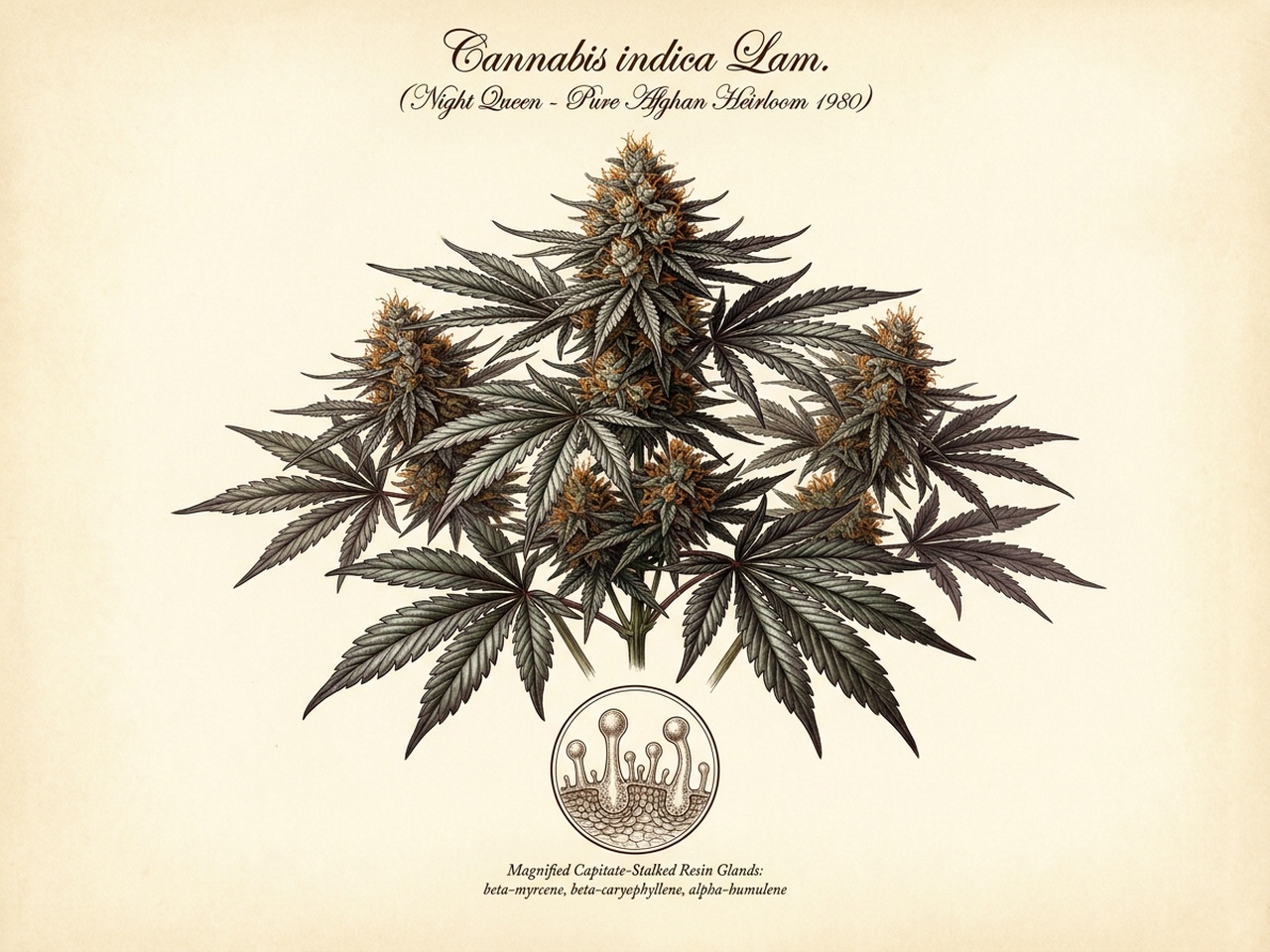
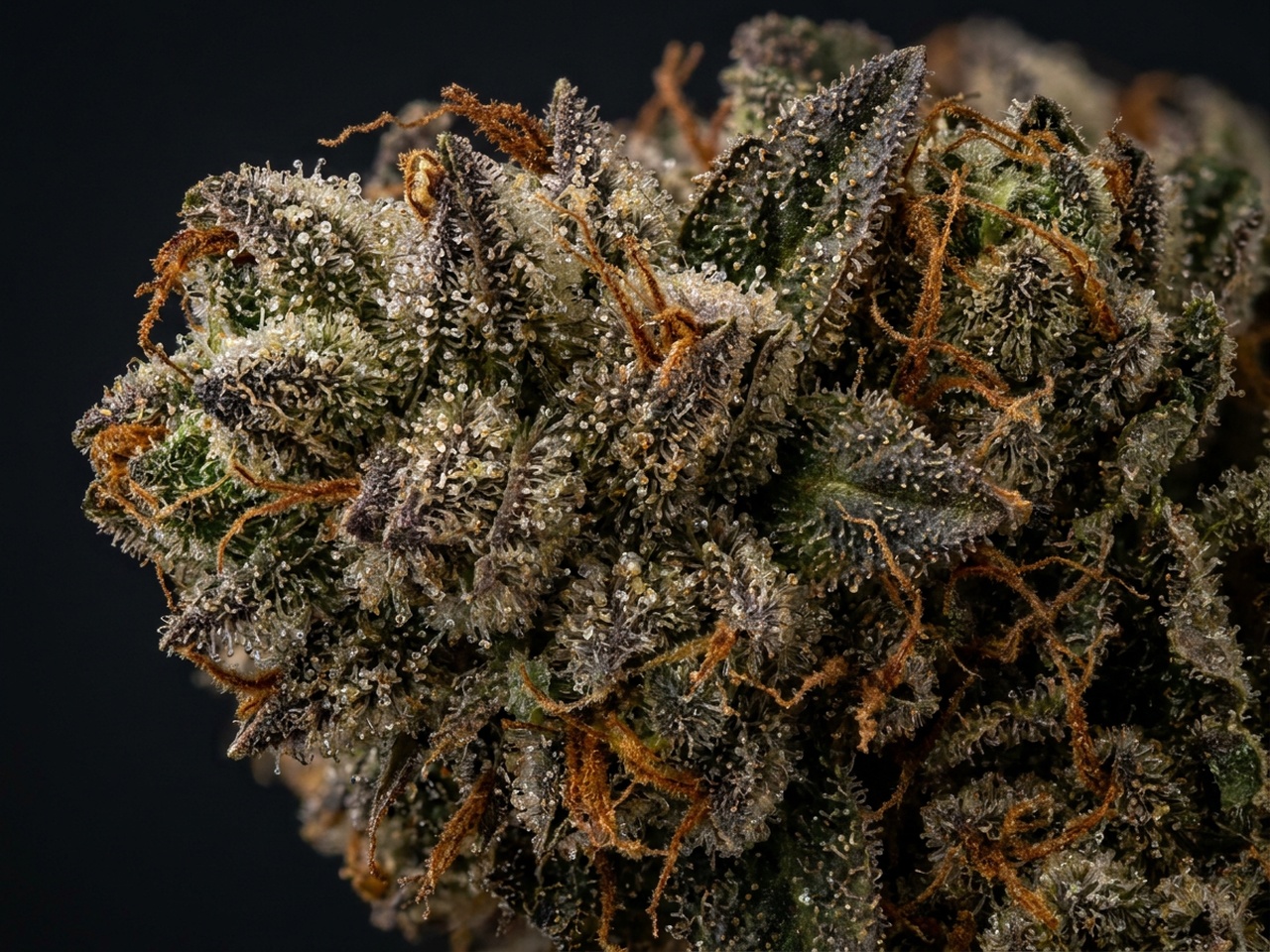
The physical appearance and morphological structure of Night Queen represents the quintessential visual archetype of pure ancestral Afghan cannabis. Upon visual examination, cured Night Queen inflorescences immediately distinguish themselves by their extreme structural density and rock-hard compressive solidity. Individual floral clusters develop in tight, overlapping spherical calyx nodes that fuse tightly along stout floral stems, completely lacking the elongated, foxtailing airiness characteristic of equatorial sativas. Under cold finishing conditions, the bracts and underlying sugar leaves frequently transition from deep forest and olive greens into magnificent shades of royal midnight-purple, charcoal, and deep navy-violet. This rich anthocyanin pigmentation is an adaptive genetic defense inherited from high-altitude Hindu Kush ancestors, designed to shield sensitive cellular reproductive tissues from intense solar ultraviolet radiation and freezing alpine night temperatures.
At the anatomical and cellular level, the calyx-to-leaf ratio of Night Queen is remarkably favorable for a landrace variety, reflecting Dutch Passion’s patient phenotypic selection during the 1980s. While unimproved wild Afghan landraces often produce abundant leafy bracts that require laborious trimming, Night Queen develops clustered, swollen floral calyxes that swell into compact “golf ball” nodules. The floral colas are punctuated by thick, crinkled pistillate stigmas that transition from vibrant pale cream in early flowering into rich shades of fiery burnt-copper, dark rust, and deep amber at peak maturity. These stigmas twist inward around the calyx tip, leaving the swollen resin glands fully exposed to light and airflow.
What commands connoisseur attention most dramatically is the monumental density of glandular trichomes covering every square millimeter of floral surface area. Night Queen is completely smothered in a sparkling, frosty crust of intact capitate-stalked glandular trichomes. Under 40x to 100x optical stereomicroscopy, these trichomes exhibit long, sturdy multicellular stalks topped with colossal, fully swollen spherical resin heads measuring between 90 and 120 micrometers in diameter. These glandular heads are tightly packed with viscous, milky-white to rich amber oleoresins that create a remarkably sticky, resin-drenched tactile experience when handled, leaving heavy coats of aromatic hash resin upon the fingers. The resin gland abscission zone (the delicate constriction point connecting the glandular head to the stalk) is notably narrow and brittle, a morphological trait purposefully favored by Afghan hashish artisans to facilitate effortless dry sieving.
The olfactory and aromatic bouquet of Night Queen is an evocative, nostalgic journey into the heart of antique Central Asian hashish culture. When a cured floral bud is cracked open, it releases an immediate and intensely pungent blast of aged dry-sifted Afghan hashish, damp fertile forest loam, and cured leather. As the aromatic profile aerates, rich secondary layers emerge: dark woody cedar, warm crushed black pepper, toasted coriander, and an exotic, resinous incense note reminiscent of traditional temple dhoop. Beneath these heavy, earthy base notes lies a subtle, enigmatic sweetness—a delicate harmony of dried dark fruit, candied citrus rind, and earthy floral lavender. Unlike modern fruity or dessert-profile polyhybrids that evaporate quickly, the fragrance of Night Queen is deeply anchored, heavy, and persistently lingering, filling an entire room with an authentic, timeless cannabis musk.
Upon inhalation, the organoleptic experience is exceptionally thick, smooth, and richly satisfying. Whether vaporized through a precision ceramic convection device or consumed via traditional glass combustion, Night Queen delivers an expansive, velvety smoke that coats the palate with luxurious layers of rich hashish, roasted wood, spicy clove, and savory herbal loam. The initial inhale is surprisingly soft on the throat despite its monumental potency, carrying warm earthy notes accented by hints of pine resin and dark cocoa. Upon the exhale, the flavor profile transitions into a long-lasting, sophisticated finish of spicy black pepper, sweet incense, and classic Afghan earth. The aftertaste lingers pleasantly on the palate for minutes after consumption, serving as an unmistakable hallmark of true landrace terpene concentration and pure resin integrity.
5. Somatic & Neuro-Pharmacological Effects, Endocannabinoid Dynamics & Clinical Applications
The somatic, psychological, and physiological profile of Night Queen is characterized by an uncompromising, full-spectrum physical tranquility that establishes it as one of the most therapeutically potent nocturnal cultivars in modern botanical medicine. Upon consumption, the onset is rapid, typically initiating within two to four minutes as inhaled cannabinoids rapidly diffuse across the pulmonary alveoli and cross the blood-brain barrier. The initial phase is characterized by a soft, warm cerebral wash that gently sweeps away acute cognitive stress, mental agitation, and mental chatter. Unlike energetic sativas that stimulate dopamine release and accelerate racing thoughts, Night Queen induces immediate neuro-cognitive quietude. Patients frequently describe this sensation as a soft velvet curtain descending over mental fatigue, cultivating a deeply centered, meditative state of calm acceptance and emotional equilibrium.
Within ten to fifteen minutes of administration, the primary somatic phase takes command of the peripheral nervous system. Powered by high concentrations of THC operating in synergistic concert with sedative beta-myrcene and GABA-modulating linalool, a powerful wave of physical heaviness radiates downward from the base of the skull, cascading across the cervical spine, shoulders, torso, and extremities. Chronic skeletal muscle tension, myofascial knots, and involuntary spasticity rapidly soften and dissolve. Peripheral blood vessels gently dilate, producing a subtle, comforting sensation of physical warmth throughout the limbs, accompanied by the classic heavy-eyelid sensation characteristic of premier Afghanicas. Motor activity is naturally and substantially diminished, ushering the user into a profound state of immobile physical comfort commonly referred to as “couch-lock.”
From a neuro-pharmacological perspective, Night Queen’s unique combination of high THC, elevated myrcene, and accumulating CBN exerts profound inhibitory control over central nervous system arousal pathways. The activation of CB1 receptors located on presynaptic GABAergic and glutamatergic interneurons within the basolateral amygdala suppresses hyperactive fear and anxiety circuits. Simultaneously, beta-myrcene promotes hyperpolarization of spinal motor neurons, elevating the mechanical threshold required to trigger involuntary muscle contractions and spasms. This dual central-and-peripheral mechanism explains why Night Queen provides such unparalleled relief for patients suffering from severe chronic pain, fibromyalgia, and spinal trauma, effectively decoupling physical pain signals from cognitive distress.
| Somatic Stage | Elapsed Timeline | Physiological & Subjective Characteristics |
|---|---|---|
| Phase 1: Cerebral Calming | 0 – 15 Minutes | Gentle cranial release; cessation of racing thoughts; immediate reduction in acute sympathetic nervous tension; mild warm euphoria. |
| Phase 2: Somatic Descent | 15 – 60 Minutes | Profound neuromuscular unwinding; peripheral vasodilation; heaviness in chest and limbs; deep analgesic dampening of chronic pain signals. |
| Phase 3: Deep Tranquility | 60 – 180 Minutes | Peak physical sedation; substantial reduction in locomotor activity; robust appetite stimulation; powerful anti-spasmodic relief. |
| Phase 4: Nocturnal Soporific | 180 – 360+ Minutes | Effortless transition into slow-wave restorative sleep; prolonged nocturnal maintenance without middle-of-the-night sleep fragmentation. |
From a clinical and therapeutic perspective, Night Queen is an extraordinary asset for patients suffering from severe, intractable medical conditions that do not respond adequately to milder cannabis varieties. Its primary clinical application is in the management of chronic insomnia and severe sleep architecture disorders. By promoting slow-wave deep sleep and significantly reducing sleep latency (the time required to fall asleep), Night Queen allows patients plagued by nocturnal wakefulness to achieve uninterrupted, restorative rest. Furthermore, its dual-action CB1/CB2 receptor targeting provides exceptional clinical efficacy in dampening neuropathic pain, fibromyalgia, post-surgical orthopedic trauma, and chronic arthritis, providing hours of meaningful relief without the debilitating gastrointestinal side effects associated with synthetic pharmaceuticals.
Importantly, Night Queen also serves as a potent clinical orexigenic agent, stimulating robust appetite in patients experiencing severe cachexia, cancer chemotherapy-induced anorexia, or wasting syndromes. Through central activation of pro-opiomelanocortin (POMC) neurons and peripheral cannabinoid receptors within the gastrointestinal tract, Night Queen stimulates hunger, accelerates gastric emptying, and completely suppresses acute nausea. For patients undergoing demanding pharmacotherapy regimes, this reliable stimulation of nutritional intake is a vital component of holistic physical recovery.
| Clinical Indication | Therapeutic Efficacy Rating | Underlying Biological Mechanism of Action |
|---|---|---|
| Severe Chronic Insomnia | Exceptional (9.8 / 10) | Synergy between high-dose THC, myrcene, and accumulating CBN dramatically shortens sleep latency and stabilizes slow-wave sleep. |
| Intractable Musculoskeletal Pain | High (9.4 / 10) | Spinal nociceptive gating via central CB1 agonism combined with peripheral CB2 anti-inflammatory action from beta-caryophyllene. |
| Severe Muscle Spasms & Spasticity | High (9.2 / 10) | Direct dampening of polysynaptic spinal reflex pathways; myrcene-mediated skeletal muscle relaxation. |
| Chronic Anxiety & PTSD Hyperarousal | Moderate to High (8.8 / 10) | Attenuates amygdala hyperactivity; promotes emotional quietude through 5-HT1A and GABA receptor modulation. |
| Cachexia & Anorexia | High (9.0 / 10) | Hypothalamic pro-opiomelanocortin (POMC) neuronal activation; stimulates robust ghrelin release and metabolic hunger signaling. |
6. Commercial & Craft Cultivation Masterclass: Phenotypic Selection, Environmental Metrics & Soil Botany
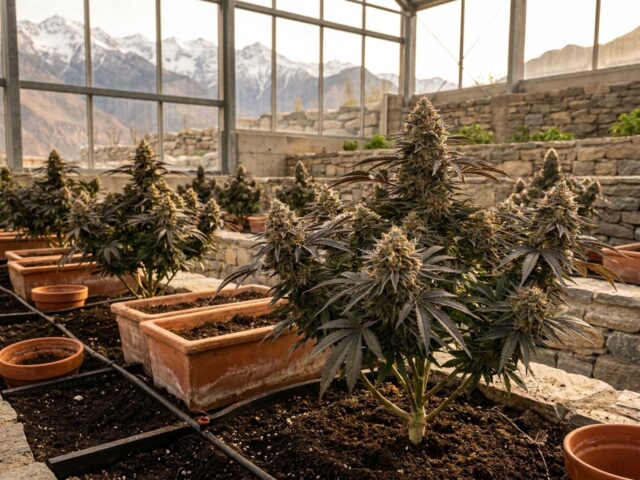
Cultivating Night Queen is an extraordinarily gratifying experience for commercial facility managers, craft artisans, and organic living soil practitioners alike. Having evolved in the rugged, high-stress alpine valleys of the Hindu Kush, Night Queen possesses innate physiological hardiness, remarkable disease tolerance, and outstanding structural stability. Unlike fragile modern polyhybrids that demand delicate nutritional balance and intensive trellis support, Night Queen features thick, woody stalks and rigid lateral branching capable of bearing heavy, rock-hard floral clusters without bending or snapping. Her growth habit is exceptionally compact and columnar, making her an elite candidate for high-density indoor cultivation regimes, particularly Sea of Green (SOG) systems where rapid vegetative cycling and maximum canopy efficiency are paramount.
In the vegetative growth phase, Night Queen exhibits minimal vertical stretch, maintaining tight internodal spacing typically measuring between 2.0 and 4.0 centimeters. Her foliage is strikingly broad, leathery, and dark emerald-green, boasting wide overlapping leaflets that maximize light interception. To optimize vegetative vigor, environmental controllers should maintain daytime canopy temperatures between 24°C and 26°C (75°F to 79°F), with nighttime temperatures maintained between 18°C and 20°C (64°F to 68°F). Relative humidity (RH) should be kept at 60% to 65% during early vegetative development, targeting a vapor pressure deficit (VPD) of approximately 0.8 to 1.0 kPa. Because of her broadleaf architecture, selective defoliation of large lower fan leaves around vegetative week 3 to 4 is highly beneficial, opening inner bud sites to direct photon penetration and ensuring excellent air circulation through the lower canopy.
Upon triggering the 12/12 photoperiod flowering cycle, Night Queen exhibits very modest elongation, rarely stretching more than 50% to 75% of her vegetative height. This predictable, non-aggressive vertical expansion allows growers with height-restricted indoor spaces or multi-tier vertical farming racks to operate with complete peace of mind. Flowering progresses with astonishing speed and structural cohesion: by day 21 of flower, solid clusters of white pistils have formed at every nodal junction; by day 35, calyxes begin to swell rapidly and a shimmering blanket of trichome resin glands begins to carpet the flowers and surrounding sugar leaves. During mid-to-late flowering (weeks 5 through 8), relative humidity must be rigorously lowered to 40% to 45% (VPD 1.3 to 1.5 kPa) to mitigate any potential risk of Botrytis cinerea (gray mold) within her exceptionally dense floral colas.
Nutritionally, Night Queen is a moderate to heavy feeder that responds with tremendous enthusiasm to rich, organically amended living soils. While she can be cultivated successfully in recirculating deep water culture (DWC) or coco coir hydro systems with an electrical conductivity (EC) peaking at 1.8 to 2.2 mS/cm, her genuine organoleptic, medicinal, and terpene potential is unlocked most profoundly in organic biological beds. A living soil matrix composed of high-grade worm castings, well-aged compost, volcanic basalt rock dust, kelp meal, bat guano, and bone meal inoculated with endomycorrhizal fungi (such as Glomus intraradices) and beneficial rhizobacteria allows Night Queen to draw macro and micro-nutrients according to her precise biological rhythms. Organic phosphorus, potassium, and bio-available silica are critical during weeks 4 through 6 to reinforce cell walls and support massive glandular trichome synthesis.
| Cultivation Stage | Day/Night Temp (°C) | Relative Humidity (RH) | Target VPD (kPa) | Target PPFD / DLI |
|---|---|---|---|---|
| Cloning & Seedling | 24°C – 26°C / 20°C – 22°C | 70% – 80% | 0.6 – 0.8 kPa | 150 – 250 µmol/m²/s (12–16 DLI) |
| Vegetative Stage | 24°C – 27°C / 19°C – 21°C | 55% – 65% | 0.9 – 1.1 kPa | 450 – 650 µmol/m²/s (30–42 DLI) |
| Early Bloom (W1–W4) | 24°C – 26°C / 18°C – 20°C | 48% – 55% | 1.1 – 1.3 kPa | 750 – 950 µmol/m²/s (32–41 DLI) |
| Peak Bloom (W5–W7) | 23°C – 25°C / 17°C – 19°C | 40% – 48% | 1.3 – 1.5 kPa | 900 – 1100 µmol/m²/s (39–48 DLI) |
| Ripening & Flush (W8–W9) | 20°C – 22°C / 15°C – 17°C | 35% – 42% | 1.4 – 1.6 kPa | 600 – 800 µmol/m²/s (26–35 DLI) |
Integrated Pest Management (IPM) protocols for Night Queen should leverage her innate mechanical defenses. Because her foliage is thick and her glandular trichome coverage is dense, common soft-bodied pests such as two-spotted spider mites (Tetranychus urticae) struggle to establish feeding footholds on healthy specimens. Preventive releases of predatory mites (Phytoseiulus persimilis and Amblyseius andersoni) during vegetative and early flowering stages are typically sufficient to maintain pest-free canopies without resorting to chemical foliar applications. In organic facilities, foliar sprays of cold-pressed neem oil or potassium silicate should be restricted strictly to the vegetative phase, discontinuing all foliar sprays once floral stigmas appear to preserve trichome purity.
Outdoor cultivators located in temperate, Mediterranean, or arid continental zones will find Night Queen an extraordinary performer. Plants sown in early spring develop into stout, symmetrical, wide-based bushes reaching 1.2 to 1.6 meters in height. Her thick root systems dig deep into native topsoils, displaying remarkable drought resistance inherited from millennia of Central Asian mountain cultivation. In the Northern Hemisphere, harvest typically falls between late September and the first week of October, well before the arrival of heavy autumnal rains and frost. Outdoor yields frequently reach 500 to 650 grams per plant of impeccably dense, resinous, aromatic flower that rivals the finest indoor productions.
7. Post-Harvest Curing Protocols, Trichome Preservation & Traditional Hashish Processing
The post-harvest handling of Night Queen demands specialized care and precision to safeguard the delicate monoterpenes and monumental glandular trichome heads that define this pure Afghan cultivar. Harvest timing should be determined not by superficial calendar days, but through rigorous microscopic evaluation of the glandular trichomes located on the floral bracts. Optimal harvest maturity occurs when approximately 70% to 80% of the glandular heads have transitioned from optical transparency to a rich milky-opaque hue, with roughly 15% to 20% displaying deep amber coloration. Harvesting at this precise biological juncture ensures maximum cannabinoid concentration while capturing the full sedative potential driven by elevated CBN and degraded monoterpenes. Premature harvesting results in a less grounded, more anxious experience that undermines the noble somatic tranquility of the cultivar.
The whole-plant hang-drying method is the gold standard for Night Queen. Whole branches or entire plants should be carefully excised at the main stem and suspended upside down in an environmentally controlled, darkened drying room. The drying environment must be maintained with unwavering precision at 15°C to 18°C (59°F to 64°F) with relative humidity stabilized between 58% and 62% for a duration of 12 to 16 days. Gentle, indirect laminar airflow should circulate through the drying chamber to prevent micro-climates of stagnant air, but no direct air current should ever impact the drying colas. This extended, cold-and-slow drying protocol allows endogenous plant enzymes to metabolize residual chlorophyll, starches, and nitrates into simple sugars, eliminating harshness and preserving volatile monoterpenes such as myrcene and pinene that evaporate rapidly at elevated temperatures.
Once the small lateral stems snap cleanly rather than bend, the colas are meticulously dry-trimmed using precision curved surgical shears to carefully preserve the intact external trichome mantle. The manicured buds are then transferred into airtight borosilicate glass curing vessels or food-grade stainless steel curing drums, filled to approximately 75% capacity to maintain an adequate internal air reservoir. During the initial two weeks of the curing phase, the vessels must be “burped” daily for 10 to 15 minutes to exhaust accumulated carbon dioxide and moisture vapor. A target equilibrium relative humidity of 58% to 62% should be maintained inside the jars, utilizing two-way humidity control packs if necessary. The curing process should continue for a minimum of four to six weeks, with the most magnificent aromatic transformation occurring between day 45 and day 90, as the harsh green notes give way to a luxurious, deep perfume of aged hashish, dark incense, spice, and earth.
Water activity (Aw) monitoring is an essential clinical metric during the post-harvest cure of Night Queen. Target water activity levels must be stabilized between 0.58 and 0.62 Aw. Maintaining water activity strictly below 0.65 Aw completely prevents the germination and sporulation of pathogenic molds such as Aspergillus and Penicillium, while staying above 0.55 Aw prevents the structural desiccation and mechanical fracture of the trichome heads. When kept within this therapeutic equilibrium window, the cured inflorescences retain their tactile sponginess, rich oleoresin elasticity, and volatile terpene complexity for twelve to eighteen months in light-shielded, climate-controlled storage.
Given Night Queen’s ancestral heritage as an elite hashish landrace, she represents the absolute pinnacle of material for solventless resin separation. Her capitate-stalked glandular trichomes possess brittle, narrow neck abjunction zones that cleanly detach from the floral tissue during traditional ice-water extraction (bubble hash) or dry-sieving. In an ice-water wash, the 90-micrometer, 104-micrometer, and 120-micrometer capture bags yield breathtaking harvests of pure, unadulterated “full melt” bubble hash that bubbles completely clear upon the application of low heat. When pressed into live or cured solventless rosin through 25-micron filtration screens at low temperatures (68°C to 75°C / 155°F to 167°F), Night Queen produces a viscous, glossy, amber badder overflowing with pungent hashish terpenes, delivering an authentic 1980s Amsterdam coffeeshop concentrate experience in modern solventless form.
8. Dispensary Appraisal, Somatic Connoisseur Review, Archival Legacy & Sibling Links
In the contemporary dispensary landscape, Night Queen stands as an extraordinary, museum-grade revelation for both clinical medical patients and seasoned connoisseurs who have grown weary of over-commercialized, genetically homogenized dessert cultivars. In an era where dispensary shelves are inundated with virtually indistinguishable variations of Cookies, Gelato, and Zkittlez crosses, Night Queen cuts through the noise with the undeniable authority of an ancestral king. Her dense, frosty, dark-violet floral colas exude an aura of timeless botanical gravitas, immediately commanding the respect of anyone who values genetic heritage, authentic landrace preservation, and raw, uncompromising medicinal power.
From a sommelier and connoisseur perspective, Night Queen is evaluated as a pure masterpiece of the broadleaf indica class. Every sensory parameter—from the rock-hard tactile density of her cured calyxes to the layered complexities of her damp earth, aged hashish, and exotic incense fragrance—speaks of unadulterated highland purity. When sampled in an evening tasting session, she delivers an experience that is increasingly rare in modern cannabis: a deep, centering, contemplative tranquility that completely silences somatic pain, quiets cognitive restlessness, and gently ushers the body and mind into profound, restorative nocturnal slumber. She is not an afternoon social variety or a creative brainstorming strain; she is a dedicated medicinal nightcap, an evening ritual, and a tranquil sanctuary from the demands of the modern world.
When evaluated across different consumption modalities, Night Queen reveals subtle nuances of her complex chemical architecture. In a high-end convection vaporizer operated at 175°C to 185°C (347°F to 365°F), the early vapor fractions highlight the delicate top notes of alpha-pinene and linalool, offering a remarkably smooth, floral-balsamic inhale that immediately calms cerebral chatter. Elevating the temperature to 195°C to 205°C (383°F to 401°F) volatilizes the dense beta-myrcene and beta-caryophyllene fractions, unleashing the full spicy-earthy hashish depth and initiating the heavy physical couch-lock for which she is world-renowned. When consumed via traditional water filtration combustion, the smoke is dense, cool, and velvety, leaving a lingering coat of sweet wood resin and dark pepper upon the palate that endures long after the session concludes.
The archival legacy of Night Queen extends far beyond her standalone excellence. As one of the foundational building blocks of Dutch Passion’s historical Amsterdam breeding program, her genetic preservation represents a triumphant act of botanical conservation. By maintaining the homozygous integrity of this pure Afghan heirloom across four decades, the master breeders of Amsterdam have ensured that future generations of horticulturists, botanists, and patients will always have access to the authentic, unadulterated essence of the ancestral Hindu Kush. Night Queen remains a shining jewel in the Ganja House Master Botanical Archives, a living monument to the timeless power of pure Cannabis indica.
Explore Sibling Landraces & Classic Heirloom Cultivars
To further examine the rich diversity of ancestral landraces and foundational indica heirlooms documented within the Ganja House Master Botanical Archives, explore our comprehensive monographs on related genetic lineages:
- Afghani #1
- Banana Blaze
- Black Domina
- Critical Kush
- Critical Mass
- Death Star
- Diamond OG Strain a Sparkling Heavy Indica
- Fire OG
- Ghost OG
- Godfather OG Strain
- Grandaddy Purple
- Hash Plant
- Hindu Kush
- Hindu Kush Skunk
- Kandahar Indica
- Kashmiri Landrace
- King Kush Grape-infused Heavy Indica Hybrid
- King Louis XIII Strain – The Heavyweight OG Indica Hybrid
- Kosher Kush
- Larry OG
- Lashkar Gah Indica
- Lashkar Gah Indica
- Lebanese Red & Blonde Landrace
- Malana Cream
- Master Kush
- Mazar-i-Sharif
- Moroccan Beldia (Kif)
- Nepalese Temple Ball
- Night Queen
- Northern Lights
- Pakistan Chitral Kush (PCK)
- Pennywise Strain
- Permanent Marker Strain
- Sensi Star
- SFV OG
- Sheberghan Landrace
- Sinai Bedouin Landrace
- Skywalker
- Skywalker OG
- Stephen Hawking Kush Strain
- Tahoe OG Kush
- Tashkurgan Indica
- Tirah Valley Landrace
- Triangle Kush
- Wedding Cake Strain
- White Queen Strain – Royal Frost-Capped Indica Hybrid
- Bubba Kush
Ganja House Archival Citation: Spencer Littlewood, A., & Agent Gemini Unleashed. (2026). Cannabis indica ‘Night Queen’: Botanical Classification, Phytochemical Architecture, and Clinical Applications of a Foundational 1980s Afghan Heirloom. Ganja House Master Botanical Archives, ganjahouse.net/ganja-house/cannabis-strain-info-database/indica-strains/night-queen/.