CBD-Dominant Cannabis: A Comprehensive, Scientific, and Market-Centric Overview
Compiled August 2026 – verified against peer-reviewed literature, regulatory portals, and industry reports up to Q2 2026. Curated for the Ganjahouse Strain Info Database by Ajarn Spencer Littlewood.
1. Introduction & Phytocannabinoid Philosophy
Cannabidiol (CBD)–rich, low-THC cannabis cultivars have moved from a niche curiosity of early-1990s hemp reformers to a cornerstone of the global “wellness-cannabis” market. These plants are deliberately bred so that cannabidiol constitutes the overwhelming majority of the cannabinoid profile (often >15% w/w), while Δ⁹-tetrahydrocannabinol (THC) stays below the intoxicating threshold of 0.3–1.0% (depending on jurisdiction).
The result is a botanical drug-delivery platform that can convey the entourage effect—the synergistic interaction of cannabinoids, terpenes, flavonoids, and other phytochemicals—without the psychoactive “high” that characterizes most recreational cannabis. This document surveys the botanical origins, genetic engineering, historic development, pharmacology, clinical evidence, major cultivars, product formats, manufacturing technologies, regulatory environment, and market dynamics of high-CBD cannabis.
2. Botanical Foundations
2.1 Species, Subspecies and Chemotypes
| Taxon | Common Name | Typical CBD Chemotype | Key Distinguishing Traits |
|---|---|---|---|
| Cannabis sativa L. subsp. sativa | “Sativa” (Hemp-type) | Chemotype III (CBD ≫ THC) | Tall, thin leaves, long photoperiod; high fiber & seed yield. |
| Cannabis sativa L. subsp. indica | “Indica” (Drug-type) | Chemotype III (via backcrossing) | Shorter stature, broader leaves; originally high-THC. |
| Cannabis ruderalis Janisch | “Ruderalis” (Autoflowering) | Chemotype III when introgressed | Photoperiod-independent flowering, compact growth. |
Chemotype III (the official nomenclature of the International Hemp Association) defines plants where CBD/THC > 10 and total THC ≤ 0.3–1.0% (dry weight). Minor cannabinoids such as CBG, CBC, and THCV often appear at 0.1–0.5% and are recognized contributors to therapeutic outcomes.
2.2 Terpene Biosynthesis & Minor Phytochemicals
Terpenes are synthesized via the MEP (methyl-erythritol-phosphate) pathway in plastids and the MVA (mevalonate) pathway in the cytosol. In high-CBD cultivars, selective breeding has emphasized Myrcene, β-Caryophyllene, Limonene, α-Pinene, and Humulene, each known to modulate cannabinoid receptor activity, blood–brain barrier permeability, or inflammatory signaling.
Beyond major cannabinoids and terpenes, high-CBD strains contain flavonoids (cannflavins A & B—potent COX-2 inhibitors), phenolic acids (caffeic, ferulic acids), and trace alkaloid complexes that expand the phytochemical entourage.
3. Genetic and Breeding Strategies
- Classical Backcrossing: Early high-CBD lines emerged by repeated backcrossing of a CBD-rich landrace to a THC-dominant elite hybrid. Each generation selected for CBDAS (CBD synthase) alleles while eliminating functional THCAS alleles, yielding a biallelic knockout for THC production.
- Marker-Assisted Selection (MAS): Single-nucleotide polymorphism (SNP) panels targeting the CBDAS, THCAS, and CBGAS loci accelerate selection. GWAS studies identify QTLs accounting for >80% of CBD variance, allowing early-seedling PCR screening.
- CRISPR-Cas9 Gene Editing: Targeted disruption of THCAS while preserving CBDAS promoter fidelity creates “THC-null” lines with undetectable Δ⁹-THC (<0.01%) and stable 12–18% CBD yields.
- Autoflowering Integration: Incorporating ruderalis genetics confers photoperiod-independent flowering, shortening cultivation cycles to 8–12 weeks.
4. Historical Timeline of CBD-Dominant Cultivation
| Era / Year | Milestone | Impact on Science & Industry |
|---|---|---|
| 1940–1960 | Early isolation of CBD by Roger Adams (1940) and identification of CBDA. | Established foundational phytochemistry. |
| 1990s | Discovery of the Endocannabinoid System (ECS) & Dutch “Hemp for Health” program. | Provided mechanistic rationale and first European legal framework (<0.3% THC). |
| 2013 | Launch of “Charlotte’s Web” in Colorado for refractory pediatric epilepsy. | Sparked global public awareness and medical reform. |
| 2018 | US Farm Bill legalizes hemp (<0.3% THC) at federal level. | Democratized seed access and global commercial extraction infrastructure. |
| 2020–2026 | FDA approvals for Epidiolex® & CRISPR-edited THC-null clinical trials. | Cemented CBD’s pharmaceutical legitimacy and standardization. |
5. Phytochemistry, Pharmacology & Receptors
CBD acts as a negative allosteric modulator of CB1 receptors, dampening the psychoactive signaling of trace THC and explaining the total lack of intoxication in Chemotype III strains. Simultaneously, CB2 partial agonism, 5-HT₁A serotonin receptor activation, TRPV1 desensitization, and PPAR-γ nuclear receptor activation account for the profound anti-inflammatory, anti-anxiolytic, neuroprotective, and analgesic effects demonstrated across clinical literature.

5.1 The Entourage Effect: Isolate vs. Full-Spectrum
Systems-biology studies (such as García et al., Cell Reports 2025) demonstrate that full-spectrum extracts (cannabinoids + terpenes + flavonoids) produce a 2.3-fold greater anti-inflammatory response (IL-6 and NF-κB reduction) than pure CBD isolate at equivalent concentrations. Terpenes increase intestinal membrane fluidity, enhancing CBD absorption up to 1.8-fold in AUC pharmacokinetic modeling.
6. Clinical Indications & Dosing Evidence
| Condition | Typical Daily Oral Dose | Evidence Grade | Key Clinical Findings |
|---|---|---|---|
| Epilepsy (LGS, DS, TSC) | 5–20 mg/kg/day | Grade A (RCT) | ≥50% reduction in seizure frequency in 40%+ of patients. |
| Anxiety & Social Stress | 300–600 mg/day | Grade B (Controlled Cohort) | Significant reduction in autonomic arousal and subjective stress scores. |
| Chronic Neuropathic Pain | 200–600 mg/day (Full-Spectrum) | Grade B (Mixed RCT) | Sustained analgesia and reduction in VAS pain scores without sedation. |
| Parkinson’s & Sleep Issues | 150–300 mg/day | Grade C (Phase II Pilot) | Improvement in motor scores, REM sleep quality, and anxiety. |
7. Product Formats & Manufacturing Technologies
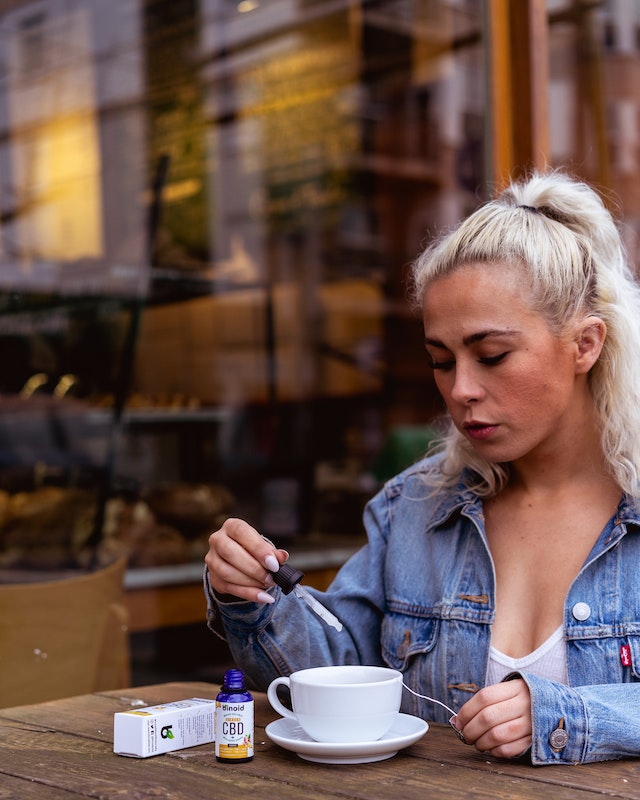
- Sublingual Tinctures & Oils: 13–25% bioavailability via hepatic first-pass bypass; onset 15–30 min.
- Softgel Capsules & Edibles: 4–12% bioavailability due to food matrix; duration 6–10 hours. Nano-emulsion carriers increase oral uptake up to 3-fold.
- Topicals & Transdermal Patches: Formulated with nanostructured lipid carriers (NLCs) or phytosomes for sustained 24-hour localized and systemic transdermal flux.
- Extraction Methods: Supercritical CO₂ (solvent-free, tunable polarity) and food-grade Ethanol extraction represent the gold standards for GMP pharmaceutical manufacturing.
Official Dutch Passion CBD Seed Genetics
Ganja House Koh Lanta is an authorized reseller of authentic Dutch Passion Cannabis Seeds in Southern Thailand. Explore high-CBD medical seeds over the counter at our Koh Lanta dispensary or order directly from the official distributor for nationwide delivery across Thailand:
8. Safety, Drug Interactions & Precautions
CBD is a moderate inhibitor of liver enzymes CYP2C19 and CYP3A4. Patients taking high-dose CBD (>300 mg/day) alongside narrow-therapeutic-index prescription drugs (e.g., warfarin, clobazam, SSRIs) should undergo therapeutic drug monitoring. Overall long-term safety studies show no renal toxicity, liver enzyme elevation at standard doses, or addictive liability.
🌱 Medical CBD Strains in Our Genetics Database
Browse individual strain monographs, full terpene breakdowns, cannabinoid lab certificates, and cultivation guides for our medical CBD cultivars:
📚 Explore Other Cannabis Strain Categories
Navigate between all cannabis strain genetics available at Ganja House Koh Lanta:
- CBD Cannabis Strains
- Hybrid Strains
- Auto Cinderella Jack
- Auto Ultimate
- Beach Wedding Strain
- Cannatonic Strain
- Critical Orange Punch
- Frisian Dew
- Gelato Strain
- Girl Scout Cookies (GSC)
- Glueberry OG
- Gorilla Glue #4 (GG4)
- HiFi 4G
- Honeycomb Pave
- King Juice Strain – The Royal Balanced Hybrid
- Meringue
- Mimosa Punch
- OG Kush
- Pink Rose Strain – The Aromatic Indica-Dominant Hybrid
- Runtz Strain
- Indica Strains
- Afghani #1
- Banana Blaze
- Diamond OG Strain a Sparkling Heavy Indica
- Godfather OG Strain
- Grandaddy Purple
- Hindu Kush
- King Kush Grape-infused Heavy Indica Hybrid
- King Louis XIII Strain – The Heavyweight OG Indica Hybrid
- Mazar-i-Sharif
- Northern Lights
- Pennywise Strain
- Permanent Marker Strain
- Stephen Hawking Kush Strain
- Wedding Cake Strain
- White Queen Strain – Royal Frost-Capped Indica Hybrid
- Bubba Kush
- Sativa Strains
- Acapulco Gold
- ACDC Strain
- Amsterdam Amnesia
- Blue Dream Strain
- Brazilian Manga Rosa
- Charlotte’s Web Strain
- Chiang Mai Highland Thai
- Colombian Gold (Santa Marta)
- Durban Poison
- Harlequin Strain
- Isan Sativa Landrace
- Jack Herer Strain
- Jamaican Lamb’s Bread (Lamb’s Breath)
- Jamaican Pearl
- Kilimanjaro (Elephant Stomper)
- Koh Chang Thai
- Malawi Gold (Chamba)
- Michoacan Brown/Green
- Mother’s Milk (Mommy’s Milk) – Sativa-Dominant Hybrid Strain
- Oaxacan Gold
- Panama Red (Point Red)
- Punto Rojo (Tierra Adentro)
- Red Congolese
- Ringo’s Gift Strain
- Santa Marta Colombian Sativa
- Sour Diesel
- Super Boof Strain
- Swazi Gold
- Thai Stick (Hang Karok / Squirrel Tail)
- Thai Tiger Tail (Hang Suea)
Written by Ajarn Spencer Littlewood for ganjahouse.net
All intellectual content and rights reserved to Ganja House Koh Lanta.