
The world history of cannabis and hemp is extremely extensive, with the plants having played significant roles in various cultures, economies, and industries for thousands of years. Here is a brief overview:
- Ancient Use:
- Cannabis has a long history of use, dating back thousands of years. Archaeological evidence suggests that it was used in ancient China and Taiwan for medicinal and ritualistic purposes as early as 5000 BCE.
- Medicinal Uses in Ancient Cultures:
- In ancient India, cannabis was integrated into Ayurvedic medicine, one of the world’s oldest holistic healing systems. The plant was believed to have therapeutic properties and was used to treat various ailments.
- Cannabis in the Middle East and Africa:
- Cannabis has historical roots in the Middle East, where it was used recreationally and medicinally. It spread to Africa, where certain tribes incorporated it into cultural and spiritual practices.
- Introduction to Europe:
- Cannabis made its way to Europe through trade routes and interactions with the Middle East. In medieval times, hemp was widely cultivated for its strong fibers, which were used in the production of textiles, ropes, and sails.
- Colonial America:
- Hemp cultivation was encouraged in colonial America, and laws in some colonies mandated its cultivation. Hemp was a crucial crop for the production of textiles, paper, and other goods.
- 19th Century:
- Cannabis and hemp continued to be widely used throughout the 19th century. Queen Victoria is believed to have used cannabis tinctures for menstrual cramps, reflecting its medicinal use in the Western world.
- Marijuana Prohibition:
- The early 20th century saw the beginning of cannabis prohibition in many countries. The Marihuana Tax Act of 1937 in the United States effectively criminalized the plant, leading to a decline in its use and cultivation.
- Post-WWII Resurgence:
- After World War II, there was a resurgence of interest in cannabis and hemp. In the 1960s and 1970s, cannabis became associated with the counterculture, leading to both increased recreational use and intensified anti-drug policies.
- Medical Cannabis Movement:
- The late 20th century and early 21st century saw a shift in attitudes toward cannabis. The medical cannabis movement gained momentum, with various countries and U.S. states legalizing its use for medicinal purposes.
- Legalization and Industrial Hemp:
- In recent years, there has been a global movement toward the legalization of cannabis for both medicinal and recreational use. Additionally, there has been a renewed interest in industrial hemp for its versatile uses, including textiles, biofuels, and construction materials.
- Global Legalization Trends:
- Recent years have seen many countries such as Thailand, Germany and many U.S, states have legalize, or decriminalize cannabis for medical and/or recreational use. However, legalization policies vary widely across regions.
The world history of cannabis and hemp is a complex matrix, like an interwoven web, that weaves through various cultures, industries, and legal frameworks. The plants have been celebrated for their medicinal properties, utilized for industrial purposes, and, at times, stigmatized due to political and cultural factors. The ongoing shifts in attitudes and policies reflect an evolving understanding of these plants and their potential benefits.
Ancient Use of Cannabis and Hemp in different Cultures and Continents
Cannabis and hemp have left an indelible mark on human history, with their use dating back millennia and spanning across continents. From ancient China to the Middle East, and from Africa to the Americas, these versatile plants have been utilized for an array of purposes, offering insights into the rich tapestry of human civilization.
1. Asia: The Cradle of Ancient Cannabis Use
China: Cannabis has deep roots in ancient Chinese culture, where it was valued for its medicinal properties. The legendary Chinese emperor Shen Nung is said to have prescribed cannabis for various ailments around 2700 BCE. It was also used in religious ceremonies and as an ingredient in traditional Chinese medicine.
India: In India, cannabis holds cultural and religious significance. Referred to as “bhang,” it has been integrated into Ayurvedic medicine for thousands of years. Cannabis-based preparations were used for their perceived therapeutic benefits, especially in the treatment of pain and stress.
2. Middle East and Africa: Cannabis in Spiritual and Cultural Practices
Middle East: Cannabis use is documented in the ancient Middle East, where it was consumed recreationally and spiritually. The Assyrians, for instance, employed it during religious ceremonies, while the Scythians used cannabis in burial rituals.
Africa: Various African cultures incorporated cannabis into their spiritual and healing practices. Tribes in South Africa, for example, used cannabis in rituals to induce trance states, enhance divination, and communicate with ancestors.
3. Europe: Hemp’s Industrial Importance
In ancient Europe, hemp played a crucial role in daily life. Hemp fibers were used for textile production, and the plant’s versatility extended to making ropes, paper, and even sails for ships. The use of hemp as a material was so widespread that it became a staple crop in many regions.
4. The Americas: Cannabis and Indigenous Cultures
In pre-Columbian America, several indigenous cultures cultivated and used cannabis for various purposes. The ancient Aztecs, for instance, employed cannabis in religious ceremonies, believing it had divine properties. Similarly, Native American tribes integrated cannabis into rituals and medicinal practices.
Continental Distribution: A Global Presence
Cannabis and hemp were found on nearly every continent, except Antarctica. The widespread cultivation and usage underscored the plants’ adaptability and the universality of their appeal. From the Silk Road connecting Asia and Europe to trade routes in Africa and the Americas, cannabis and hemp transcended geographic boundaries.
However, while these plants were prevalent in many ancient cultures, there are indications that some indigenous cultures, particularly in Australia, may not have had access to cannabis historically. The ancient use of cannabis and hemp, paints a vivid picture of their integral role in diverse cultures across continents. From spiritual rituals and medicinal applications to industrial uses, these plants have been instrumental in shaping the cultural and historical landscape of humanity. Understanding their ancient roots provides valuable insights into the enduring relationship between humans, and these remarkable plants.
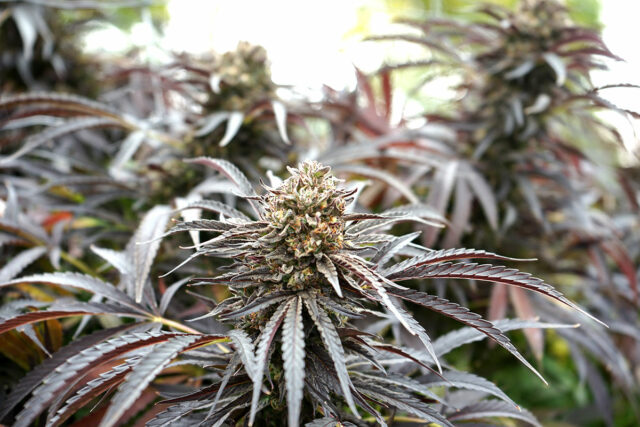
Healing Power: Cannabis in Ancient Ayurveda
In the tapestry of ancient healing practices, the use of cannabis stands out as an integral thread woven into the fabric of Ayurvedic medicine in India. Ayurveda, often regarded as one of the oldest holistic healing systems in the world, embraced cannabis for its perceived therapeutic properties, leaving an indelible mark on the history of medicinal plant use.
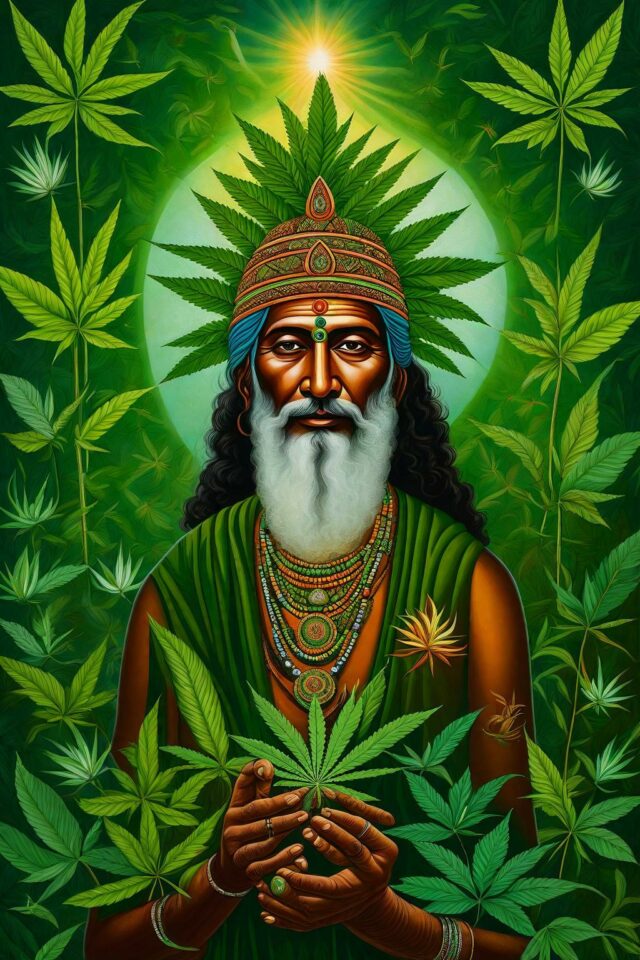
Similar to the Himalayan shamans’ use of smoking instruments to commune with deities, the cannabis-smoking practices of Indian Hindu Babas and Rishis serve as a method of purification. The psychoactive properties of cannabis are thought to aid in transcending the physical realm, allowing practitioners to delve deeper into meditation and spiritual contemplation. The substance was also used in many healing recipes and methods.
The Roots of Ayurvedic Wisdom: Cannabis as Medicine
In ancient India, cannabis found a revered place in Ayurvedic texts, where its medicinal virtues were extolled. The plant, known as “bhang” in Sanskrit, was believed to possess a spectrum of healing properties. Ayurvedic practitioners, deeply attuned to the balance of the mind, body, and spirit, incorporated cannabis into their pharmacopoeia to address various ailments.
A Panacea for Ailments: Cannabis in Treatment
Cannabis was utilized in Ayurveda to treat a diverse range of conditions. Its analgesic properties made it a valuable remedy for pain relief, while its anti-inflammatory characteristics were harnessed to combat inflammation-related disorders. Additionally, cannabis was employed to alleviate stress and anxiety, offering a holistic approach to mental well-being.
Spiritual Significance: Cannabis in Ayurvedic Rituals
Beyond its medicinal applications, cannabis held spiritual significance in Ayurvedic rituals. The plant was incorporated into religious ceremonies and festivals, where its consumption was believed to induce a state of heightened consciousness and spiritual connection. This intersection of the medicinal and the spiritual reflects the holistic philosophy of Ayurveda, emphasizing the interconnectedness of physical and metaphysical realms.
The Balancing Act: Ayurvedic Approach to Cannabis Use
In Ayurveda, the key lies in balance, and cannabis was no exception. Ayurvedic practitioners emphasized the importance of using cannabis in moderation and under the guidance of experienced healers. The holistic approach of Ayurveda sought to address the root causes of ailments rather than merely treating symptoms, aligning with the plant’s potential to promote overall well-being.
Legacy and Contemporary Insights:
The historical use of cannabis in Ayurveda has left an enduring legacy. In contemporary times, as global interest in medicinal cannabis grows, the ancient wisdom of Ayurveda continues to offer insights into the potential therapeutic benefits of this plant. Scientific research is increasingly exploring the compounds within cannabis, such as cannabinoids, validating some of the ancient claims regarding its medicinal properties. The integration of cannabis into Ayurvedic medicine brought ancient healing practices that recognized the plant’s potential as a holistic remedy. As we navigate the modern landscape of medicinal cannabis, the echoes of Ayurvedic wisdom serve as a testament to the enduring relationship between humans and the healing power of nature.
A Historical Look at Cannabis Use through the Middle East and Africa
As we embark on a journey through the annals of history, the narrative of cannabis unfolds across the Middle East and Africa, revealing its deep-seated roots in these regions. From recreational indulgence to sacred rituals, cannabis has woven itself into the cultural tapestry, leaving an indelible mark on the traditions and practices of diverse communities.
Middle East: The Cradle of Historical Cannabis Use
The Middle East emerges as a cradle of historical cannabis use, where the plant was not only embraced for its medicinal properties but also cherished for its recreational allure. Ancient civilizations such as the Assyrians engaged in the consumption of cannabis during religious ceremonies, believing it to have transcendent qualities that facilitated communion with the divine. The resin of the cannabis plant, known as hashish, gained popularity as a means to attain altered states of consciousness and spiritual insights.
Africa: Cannabis and Tribal Traditions
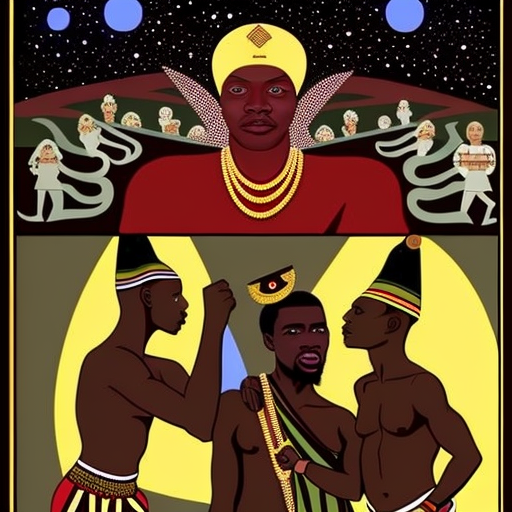
From the Middle East, the journey of cannabis continued its expansion into the vast landscapes of Africa. Here, certain tribes incorporated cannabis into their cultural and spiritual practices, elevating it to a status beyond mere recreational indulgence. Tribes in South Africa, for example, integrated cannabis into rituals designed to induce trance states and enhance divination. The plant became a conduit to connect with the spiritual realm, a tool for communing with ancestors and seeking guidance from the divine.
Sacred Smoke: Cannabis in African Rituals
In Africa, the consumption of cannabis took on a sacred dimension. It became an integral part of rituals, ceremonies, and communal gatherings. The act of smoking cannabis was often accompanied by rhythmic dances, chants, and sacred rites, creating a holistic experience that transcended the material realm. Cannabis, in this context, was more than a recreational substance; it was a vessel for spiritual elevation and communal bonding.
Challenges and Narratives: The Modern Perception of Cannabis
While the historical use of cannabis in the Middle East and Africa has deep cultural and spiritual significance, the modern era has witnessed diverse perspectives and challenges. Societal and legal attitudes toward cannabis have evolved, with some regions embracing its medicinal potential while others grapple with the complexities of legalization.
As we peruse the modern discourse surrounding cannabis, it is essential to recognize the rich historical traditions created by these two regions. The journey of cannabis through the Middle East and Africa unveils a nuanced narrative that encompasses not only recreational and medicinal dimensions but also profound spiritual and cultural connections. The echoes of ancient practices reverberate in the contemporary landscape, reminding us of the enduring relationship between humanity and this remarkable plant.
Cannabis and Hemp’s Introduction to Europe
In European history, the introduction of cannabis and hemp marks a pivotal chapter shaped by trade routes, cultural interactions, and the versatile utility of these plants. As they journeyed from the Middle East, these green companions embarked on a transformative role, not only influencing economies but also leaving an indelible mark on the fabric of medieval life.
Trading Routes and Cultural Exchanges: Cannabis’s European Arrival
Cannabis found its way to the heart of Europe through the bustling trade routes that crisscrossed continents, facilitating the exchange of goods, ideas, and, in this case, precious botanical resources. Interactions with the Middle East, where cannabis had already established its roots in various facets of life, introduced Europeans to this versatile plant.
Medieval Marvel: The Rise of Hemp Cultivation
In medieval Europe, hemp took center stage as a crop of immense economic and practical value. Cultivated for its robust fibers, hemp became the backbone of various industries. The strong and durable fibers were woven into textiles, creating fabrics for clothing and other essential items. Ropes made from hemp proved indispensable for maritime activities, from anchoring ships to hoisting sails, underlining its crucial role in naval exploration and trade.
Sails, Ropes, and Textiles: Hemp’s Contribution to Maritime Dominance
Hemp’s significance in the maritime realm extended beyond ropes to the very sails that propelled European ships across the vast oceans. The durability of hemp fibers made it the material of choice, contributing to the maritime dominance of European powers during the Age of Exploration. As ships set sail for uncharted territories, hemp became a symbol of nautical prowess and economic prosperity.
From Fields to Factories: Hemp’s Industrial Revolution
As Europe transitioned into the Industrial Revolution, hemp continued to play a vital role. The plant’s fibers were incorporated into the construction of machinery and the manufacturing of textiles, further fueling the industrial boom. Hemp became synonymous with progress and innovation, as its applications diversified across various sectors.
Challenges and Rediscovery: Modern Perspectives on Cannabis and Hemp
While the medieval and industrial eras showcased hemp’s economic and industrial prowess, the 20th and 21st centuries ushered in new challenges and a reevaluation of attitudes towards cannabis. Legal complexities, changing social perceptions, and the rediscovery of hemp’s potential in diverse industries have led to a modern narrative that extends beyond textiles and ropes. The introduction of cannabis and hemp to Europe is a multifaceted web of economic evolution, cultural exchange, and industrial transformation. From the medieval fields where hemp thrived to the sails of mighty ships that traversed uncharted waters, these plants have found themselves an important place in European history, leaving an enduring legacy that continues to unfold in the contemporary era.
Cultivating Prosperity: Cannabis and Hemp in Colonial America
As the tendrils of colonial influence spread across America, so too did the cultivation of cannabis and hemp, seeding the foundation for economic prosperity and material innovation. In colonial times, hemp was not merely a plant; it was a cornerstone of industry, with laws mandating its cultivation underscoring its significance in shaping the trajectory of the emerging nation.
Colonial Mandates: Hemp Takes Root in the New World
Colonial America recognized the economic potential woven into the fibers of hemp. Laws were enacted in some colonies, compelling farmers to cultivate hemp. This was not just a suggestion; it was a mandate reflecting the strategic importance assigned to hemp in the colonial agenda.
Fiber of the Nation: Hemp’s Crucial Role in Industry
Hemp emerged as a crucial crop for the burgeoning industries of colonial America. The strong and durable fibers of hemp became the backbone of textile production, providing raw material for clothing, sails, and even military uniforms. Its versatility extended to paper production, contributing to the printing of newspapers and essential documents that fueled the exchange of ideas and information.
Rulership of the Seas: Hemp and Maritime Supremacy
In the maritime realm, hemp proved indispensable. The strong fibers were transformed into ropes and rigging, essential for the navigation and operation of ships that explored new frontiers and engaged in transatlantic trade. Hemp became the lifeblood of colonial naval dominance, embodying the spirit of exploration and economic expansion.
19th Century Unfurls: Hemp Amidst Industrial Transformation
As the 19th century unfolded, the industrial revolution swept across America, bringing with it new opportunities and challenges for hemp. The plant continued to be a vital resource, finding applications in the manufacturing of canvas, sacks, and even mechanical components. However, changes in technology and the rise of alternative materials posed challenges to the once-unassailable dominance of hemp.
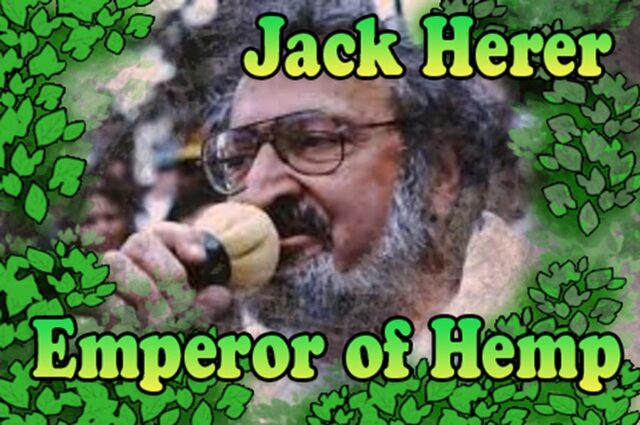
Jack Herer Emperor of Hemp
Hemp’s Decline and Modern Resurgence: A Story Continues
Despite its historical prominence, hemp experienced a decline in the 20th century due to changing social attitudes and legal restrictions. However, the 21st century witnessed a revival of interest in hemp. The Farm Bill of 2018 opened new avenues for hemp cultivation, recognizing its potential not only in industry but also in the rapidly growing market for CBD and other hemp-derived products.
In tracing the history of cannabis and hemp in colonial America, we uncover a narrative of resilience and adaptation. From the colonial mandates that sowed the seeds of a burgeoning industry to the challenges faced in the 19th century, the story of hemp in America is one of continuous evolution. As the modern era embraces the potential of this versatile plant, the journey of hemp in America unfolds with new chapters waiting to be written.
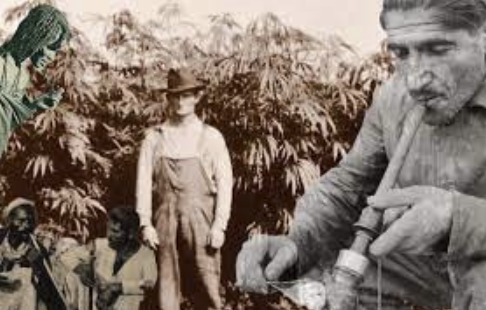
From Royal Relief to Prohibition Perils: Cannabis in the 19th Century
In the expansive canvas of the 19th century, cannabis and hemp continued to thrive, their tendrils weaving through both medicinal remedies and societal norms. This era witnessed a fascinating dichotomy, from Queen Victoria’s purported use of cannabis for menstrual cramps to the ominous clouds gathering on the horizon as marijuana prohibition loomed large.
19th-Century Medicinal Marvel: Queen Victoria and Cannabis Tinctures
Queen Victoria, a symbol of Victorian propriety, found solace in an unlikely ally – cannabis. Historical anecdotes suggest that the Queen used cannabis tinctures to alleviate the discomfort of menstrual cramps. This not only underscores the recognition of cannabis’s medicinal properties but also hints at a more open-minded attitude toward its use in certain elite circles of the Western world.
Prohibition’s Shadow: The Darkening Horizon
However, as the 19th century waned and the 20th century approached, a seismic shift was on the horizon. The burgeoning industrialization and changing societal attitudes toward intoxicants set the stage for the onset of marijuana prohibition. The early 20th century saw the gradual demonization of cannabis, fueled by sensationalist narratives and political agendas.
The Marihuana Tax Act of 1937: Nurturing the Seeds of Prohibition
The Marihuana Tax Act of 1937 marked a turning point in the history of cannabis in the United States. While the Act itself did not outright criminalize cannabis, it imposed heavy taxes and stringent regulations, creating a stifling environment for its cultivation and use. This legislative move set the stage for the later, more draconian measures that would define the era of marijuana prohibition.
Prohibition’s Impact: Stigmatization and Underground Culture
Marijuana prohibition cast a long and pervasive shadow. Cannabis, once a widely used and accepted medicinal plant, became stigmatized and associated with illicit activities. Its relegation to the realm of the forbidden spurred the growth of an underground cannabis culture, with users and advocates pushing back against the restrictive legal framework.
21st-Century Reckoning: Reevaluating Cannabis Policies
As we step into the 21st century, there is a palpable shift in attitudes toward cannabis. The failures and unintended consequences of marijuana prohibition are being acknowledged, leading to a reevaluation of cannabis policies. Many regions have moved toward decriminalization and legalization, recognizing the plant’s medicinal benefits and its potential role in various industries.
In revisiting the 19th century’s dual narrative of medicinal embrace and impending prohibition, we witness the complex interplay between societal attitudes, political decisions, and the evolving understanding of cannabis. From royal salves to legislative shackles, the journey of cannabis in the 19th century foreshadows the intricate dance between acceptance and prohibition that continues to shape its trajectory in the modern era.
The Genesis of Cannabis Prohibition in the Early 20th Century
As the calendar turned to the 20th century, a transformative shift in global attitudes toward cannabis emerged, casting a shadow over its once widespread use. The early decades witnessed the inception of cannabis prohibition, a seismic change that would ripple across borders. The stage was set for a pivotal moment in the United States with the enactment of the Marihuana Tax Act of 1937, a legislative move that effectively sounded the death knell for the open cultivation and use of cannabis.
Emergence of Prohibition: A Global Phenomenon
The early 20th century bore witness to a wave of cannabis prohibition sweeping across many countries. This marked a departure from the centuries-old traditions of cannabis use, relegating the plant from a once-respected position in medicinal cabinets to the shadows of prohibition. This global trend reflected evolving social, political, and economic dynamics that sought to reshape perceptions of cannabis.
The Marihuana Tax Act of 1937: The American Turning Point
In the United States, the Marihuana Tax Act of 1937 stands out as a defining moment in cannabis history. Crafted under the guise of taxation, the act imposed exorbitant fees and stringent regulations on the cultivation, distribution, and use of cannabis. While not an outright ban, the financial burden and regulatory hurdles effectively criminalized cannabis-related activities, dealing a severe blow to its legal standing.
Impact on Use and Cultivation: The Decline Takes Root
The Marihuana Tax Act cast a long shadow over cannabis enthusiasts, cultivators, and medical practitioners alike. The financial burden imposed by the taxes, coupled with the intricate web of regulations, led to a notable decline in the legal use and cultivation of cannabis. What was once a freely grown and utilized plant faced increasing legal scrutiny, driving it further into the margins of society.
Unintended Consequences: The Underground Thrives
While the Marihuana Tax Act aimed to curtail cannabis use, its unintended consequences birthed a thriving underground culture. Cannabis, now pushed into the realm of illicit substances, found a clandestine existence in the counterculture movements of the mid-20th century. This underground resilience laid the groundwork for future challenges to prohibition and sparked a cultural shift that questioned the legitimacy of cannabis criminalization.
Modern Reckoning: A Changing Landscape
As the 20th century progressed into the 21st, attitudes toward cannabis began to shift once more. The unintended consequences of strict prohibition policies became evident, prompting a reevaluation of cannabis laws in many parts of the world. A growing awareness of the plant’s medicinal properties and the acknowledgment of its cultural significance spurred movements toward decriminalization and legalization.
In retracing the steps of cannabis prohibition in the early 20th century, we witness a complex interplay of legal maneuvering, societal shifts, and unintended consequences. The Marihuana Tax Act of 1937, initially designed to regulate, became a catalyst for a decades-long era of criminalization. Yet, as the cultural winds change once again in the 21st century, the narrative of cannabis prohibition unfolds with new chapters of legalization and social acceptance.
Post-WWII Revival: The Cannabis Renaissance After the Shadows of War
As the world emerged from the devastation of World War II, a new chapter unfolded for cannabis and hemp, signaling a resurgence of interest that would shape the cultural landscape for decades to come. However, this post-war renaissance carried with it both the blossoming of counterculture in the 1960s and 1970s and the ominous clouds of intensified anti-drug policies.
A Cultural Shift: Cannabis and the Counterculture of the 1960s and 1970s
In the post-WWII era, societal attitudes experienced a seismic shift. Cannabis, once relegated to the margins, began to take center stage, especially in the counterculture movements of the 1960s and 1970s. The plant became a symbol of rebellion, freedom, and an alternative lifestyle. The ‘hippie’ movement embraced cannabis as a sacrament, leading to increased recreational use and a cultural phenomenon that would leave an indelible mark on the era.
Intensified Anti-Drug Policies: The Backlash Against Cannabis
However, the rising tide of cannabis acceptance was met with a powerful undertow of resistance. Governments, particularly in the United States, responded to the counterculture’s association with cannabis with heightened anti-drug policies. The era witnessed the implementation of stringent laws, aggressive law enforcement campaigns, and the classification of cannabis as a Schedule I controlled substance. These policies cast a pall over the burgeoning cannabis movement, leading to arrests, prosecutions, and the entrenchment of stigma.
Medical Cannabis Movement: The Quiet Revolution Begins
Amidst the tumult of anti-drug policies, a quiet revolution was brewing within the folds of the medical community. The late 20th century saw a reevaluation of cannabis’s medicinal potential. Patients and advocates began championing its therapeutic benefits for various conditions, challenging the narrative that had painted cannabis solely as a recreational ‘gateway’ drug. This laid the foundation for what would become the medical cannabis movement.
The Turning Tide: Towards Medical Legitimacy
The 21st century witnessed a turning of the tide as scientific research increasingly validated the medicinal properties of cannabis. This momentum, coupled with changing public perceptions, led to the gradual acceptance of medical cannabis. Many regions began to legalize the use of cannabis for medical purposes, acknowledging its potential to alleviate symptoms and improve the quality of life for patients with various medical conditions.
Legislation and Recognition: A New Era Dawns
In the wake of the medical cannabis movement, several jurisdictions have expanded their cannabis policies, moving toward decriminalization and even full legalization for recreational use. The evolving landscape reflects a growing acknowledgment of cannabis not only as a recreational substance but also as a legitimate and valuable component of modern medicine.

In tracing the post-WWII resurgence of cannabis, we witness a tale of cultural rebellion, political resistance, and a quiet medical revolution. From the counterculture’s embrace to the intensification of anti-drug policies, the journey of cannabis in the latter half of the 20th century paved the way for the nuanced and evolving narrative that continues to shape the plant’s role in society today.
From Stigma to Legitimacy: The Evolution of Cannabis in the Late 20th and Early 21st Century
As the clock ticked from the late 20th century into the early 21st century, a profound shift in societal attitudes toward cannabis began to unfold. This period marked a pivotal juncture in the plant’s narrative, with the emergence of the medical cannabis movement gaining momentum and reshaping the legal and cultural landscapes across various countries and U.S. states.
Cultural Paradigm Shift: Cannabis Transcends Stigma
The late 20th century saw the gradual erosion of the stigma that had long surrounded cannabis. Cultural perceptions shifted, moving away from the demonization of the plant as a dangerous ‘gateway’ drug. A growing body of research illuminated the therapeutic potential of cannabis, challenging preconceived notions and paving the way for a more nuanced understanding.
Medical Cannabis Movement: A Beacon of Hope
At the heart of this transformation was the burgeoning medical cannabis movement. Patients and advocates, armed with compelling anecdotes and scientific evidence, championed the plant’s medicinal properties. Various countries and U.S. states took heed, recognizing the potential of cannabis to alleviate symptoms and improve the quality of life for individuals grappling with chronic conditions.
Legalization for Medicinal Purposes: A Global Phenomenon
The domino effect of changing attitudes reverberated globally, leading to the legalization of medical cannabis in numerous jurisdictions. From Canada to Germany, Australia to certain U.S. states, legislative measures were enacted to provide legal frameworks for the medical use of cannabis. This marked a seismic shift in how society viewed the plant — from a societal pariah to a legitimate and valuable tool in the medical arsenal.
Challenges and Triumphs: Navigating the Complex Terrain
However, the path toward medical cannabis legalization was not without challenges. Regulatory frameworks varied widely, and debates around efficacy, safety, and responsible use fueled ongoing discussions. The juxtaposition of evolving laws and persistent stigmas presented a complex terrain for patients, practitioners, and policymakers alike.
The Green Wave Continues: Expanding Horizons
As we step further into the 21st century, the momentum of the medical cannabis movement continues to shape the narrative. An increasing number of jurisdictions are exploring or expanding access to medical cannabis, recognizing the plant’s potential to address a spectrum of health conditions, from chronic pain to epilepsy.
A Holistic Vision: Beyond Medicinal Use
The evolving landscape extends beyond medicinal applications. Some regions have embraced broader cannabis legalization for adult recreational use, reflecting a more comprehensive acceptance of the plant’s varied roles in society — from medicine to recreation, industry to spirituality.
In the wake of the late 20th-century shift in attitudes toward cannabis, the 21st century unfolds with a dynamic narrative. From the pioneering steps of the medical cannabis movement to the broader conversations around legalization, the story of cannabis reflects the nuanced interplay between science, culture, and policy in shaping our understanding of this ancient and versatile plant.
Breaking Ground: The Global Evolution of Cannabis Legalization and the Industrial Hemp Resurgence
Recent years have witnessed a seismic shift in the global stance towards cannabis, marking an era where legalization is no longer confined to the fringes but is actively embraced for both medicinal and recreational purposes. Simultaneously, industrial hemp has reemerged into the spotlight, captivating industries with its multifaceted applications, spanning textiles, biofuels, and construction materials.
A Global Movement Unfurls: Cannabis Legalization Gains Momentum
The contemporary landscape is defined by a global movement towards cannabis legalization, a paradigm shift that extends beyond borders. Countries like Thailand, Germany, and various U.S. states have taken bold steps to either legalize or decriminalize cannabis, recognizing its therapeutic potential and acknowledging the social and economic benefits of a regulated market.
Medicinal and Recreational Horizons: Diverse Approaches to Legalization
The spectrum of legalization policies varies widely across regions, reflecting the diverse approaches nations adopt toward cannabis. Some jurisdictions opt for comprehensive legalization, allowing both medicinal and recreational use, while others focus on specific aspects such as medicinal applications or decriminalization. This nuanced approach seeks to strike a balance between addressing health concerns and responding to the evolving cultural attitudes towards cannabis.
Beyond Borders: Industrial Hemp’s Resurgence
In tandem with the cannabis legalization wave, industrial hemp is experiencing a renaissance, captivating industries with its versatile applications. Hemp, once overshadowed by the controversial reputation of its psychoactive cousin, is emerging as a sustainable powerhouse. Textiles woven from hemp fibers, biofuels derived from its seeds, and construction materials crafted from its robust stalks are all contributing to a growing market for industrial hemp.
Textiles of Tomorrow: Hemp’s Fabric Revolution
Industrial hemp’s return to prominence is perhaps most evident in the textile industry. Hemp fibers, known for their strength and durability, are becoming the fabric of choice for eco-conscious consumers. The versatility of hemp textiles spans clothing, accessories, and even home furnishings, embodying a sustainable and ethical approach to fashion and design.
Green Fuels and Sustainable Structures: The Hemp Renaissance Continues
Hemp’s contributions extend beyond textiles, reaching into the realm of biofuels and construction. Hemp seeds, rich in oils, serve as a renewable source for biofuels, offering a sustainable alternative to traditional fuels. Simultaneously, the sturdy fibers of hemp stalks are being employed in construction materials, creating eco-friendly alternatives to conventional building components.
Challenges and Future Frontiers: Navigating the Road Ahead
As the wave of cannabis legalization and the industrial hemp resurgence continues, challenges and opportunities lie on the horizon. Regulatory frameworks, research initiatives, and public perceptions will play pivotal roles in shaping the trajectory of these movements. The ongoing dialogue between stakeholders, from policymakers to entrepreneurs, scientists to consumers, will determine how society harnesses the potential of cannabis and industrial hemp in the years to come.
In the present day, the intertwined narratives of cannabis legalization and industrial hemp’s resurgence paint a picture of a dynamic and evolving landscape. The global embrace of cannabis reflects changing cultural attitudes, while the versatile applications of industrial hemp highlight its potential as a sustainable and transformative force across various industries.
-
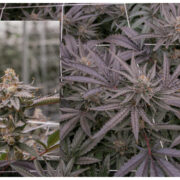
- Picture of Our Strawberry Cookies OG 26% THC Cannabis Strain
-
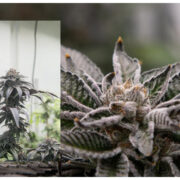
- Our Truffle Monkey 28% THC Cannabis Strain
-
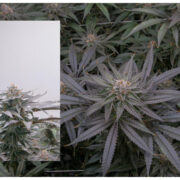
- Picture of Our Colt 45 27% THC Cannabis Strain
-
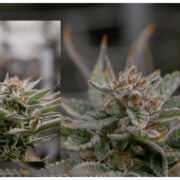
- Picture of Our Vanilla Ice Cream 27% THC Cannabis Strain
-
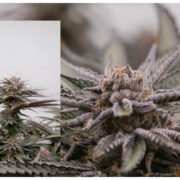
- Picture of Our Dying Dreaming 26% THC Cannabis Strain
-
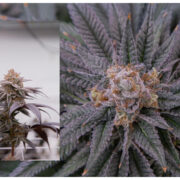
- Picture of Our OMFG 28% THC Cannabis Strain
-
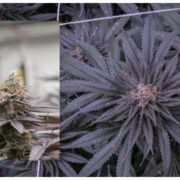
- Picture of Our Peanut Butter Souffle THC 21 % Cannabis Strain
-
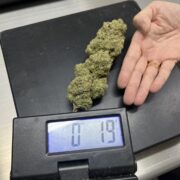
- Example of a Gigantic 19 Gram Bud
-
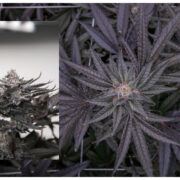
- Picture of Our Runtz Muffin 29% THC Cannabis Strain
-
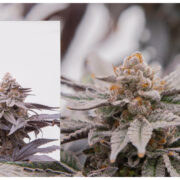
- Picture of Our Orange Punch Cannabis Strain 20% THC
-
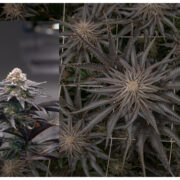
- Picture of Our Mandarin Cookies 27% THC Cannabis Strain
-
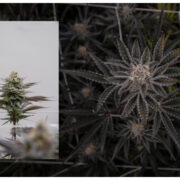
- Picture of Our Slurricane 27 % THC Cannabis Strain
-
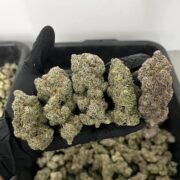
- Various strains of Cannabis Giant Buds
-
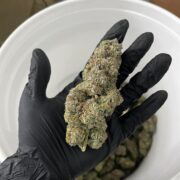
- Ultra Size Cannabis Buds
-
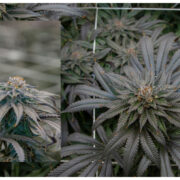
- Picture of Our Ghost of NYC 26% THC
-
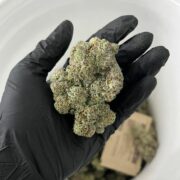
- Our Ultra Size Cannabis Buds
-
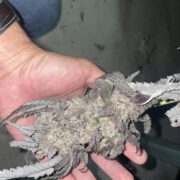
- An absolutely Mega size cannabis bud from our growhouse!
-
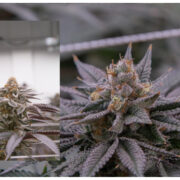
- Picture of Our King Juice 28% THC
-
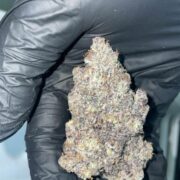
- Super Mega Size Cannabis Bud from Kambis available at Ganja House
-
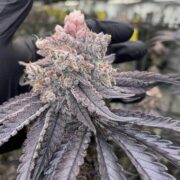
- Cannabis Bud with pinkish tone
-
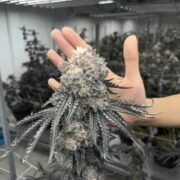
- We Grow the most Beautiful Buds
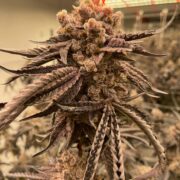
-
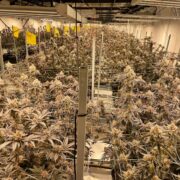
- Our Provider’s Growroom during growing stage
-
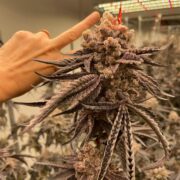
- Superweed! don’t you think?
-
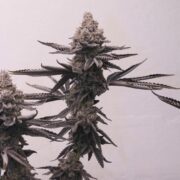
- The Best Weed from Thailand
-
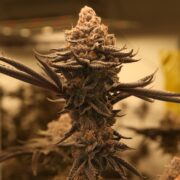
- Big Buds from Thailand
-
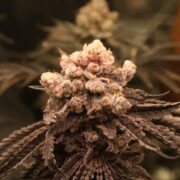
- Orange Punch Cannabis Strain
-
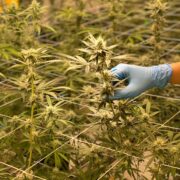
- Tending to Cannabis Plants during growth
-
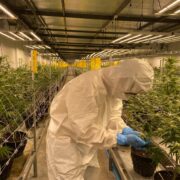
- An assistant tends to plants in the nursery
-
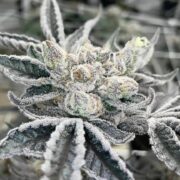
- Close Up of the powdery THC crystals on one of our plants
-

- Our Farming Co-Operative Provider’s Drying Facility
-

- Our Farming Co-Operative Provider’s Professional Cannabis Drying Facility
-
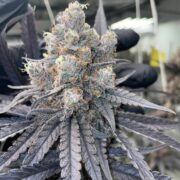
- Thai Cannabis top shelf from Ganja House
-
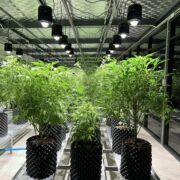
- Early Stage Growth Cannabis Plants

-
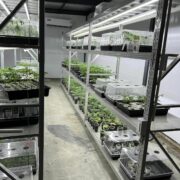
- Preliminary stages of growth in the Nursery Room
-
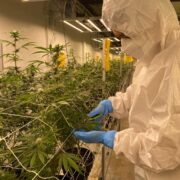
- Complete Hygiene and Top Standards are Kept During Cultivation
-
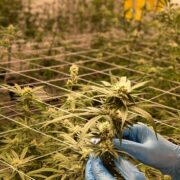
- Tending to Cannabis Plants during growth stages